hose CHEVROLET CAMARO 1982 Repair Guide
[x] Cancel search | Manufacturer: CHEVROLET, Model Year: 1982, Model line: CAMARO, Model: CHEVROLET CAMARO 1982Pages: 875, PDF Size: 88.64 MB
Page 408 of 875
GM – CAMARO 1982-1992 – Repair Guide (Checked by WxMax) 408
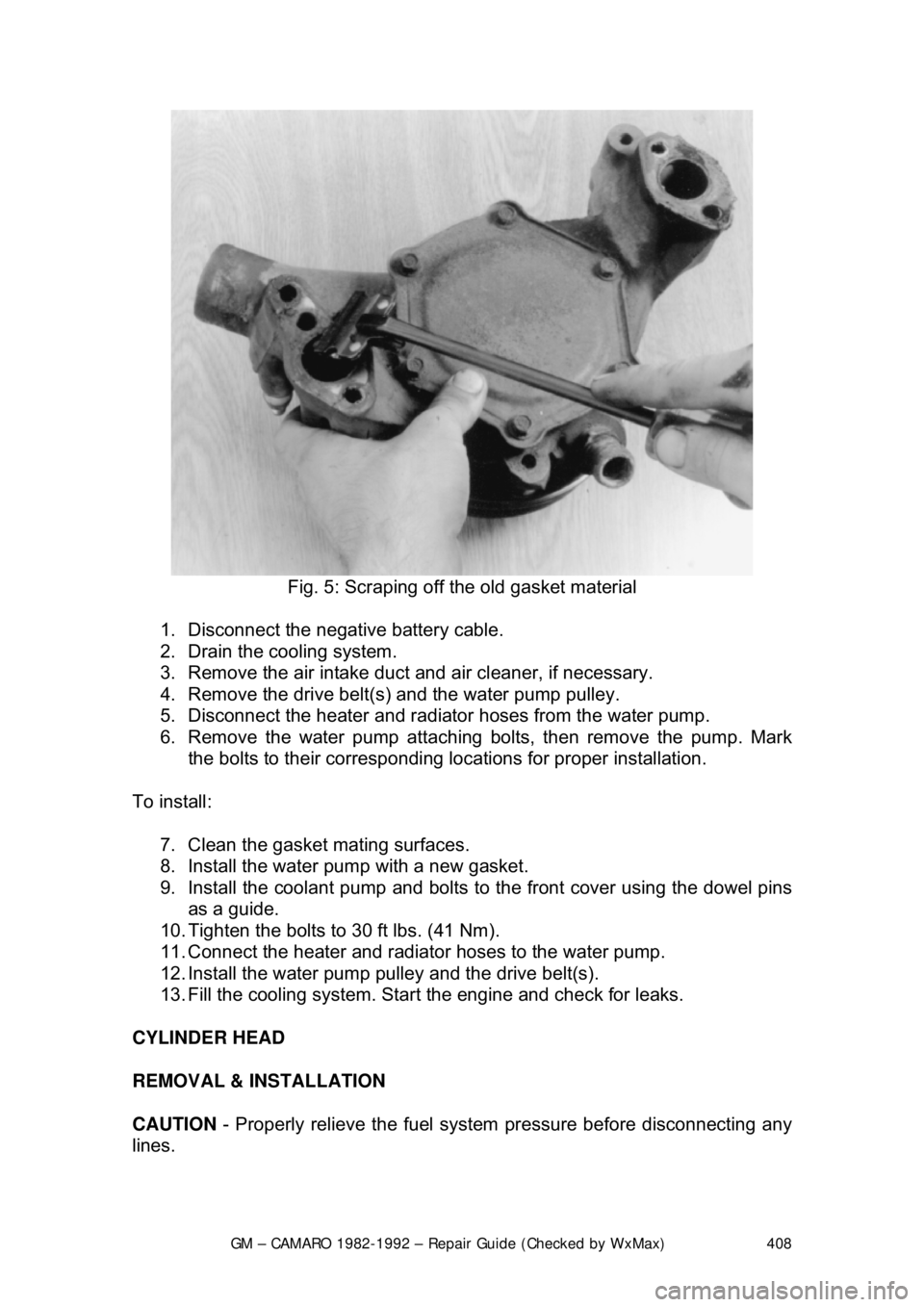
Fig. 5: Scraping off the old gasket material
1. Disconnect the negative battery cable.
2. Drain the cooling system.
3. Remove the air intake duct and air cleaner, if necessary.
4. Remove the drive belt(s) and the water pump pulley.
5. Disconnect the heater and radiator hoses from the water pump.
6. Remove the water pump attaching bolts, then remove the pump. Mark
the bolts to their corresponding loca tions for proper installation.
To install: 7. Clean the gasket mating surfaces.
8. Install the water pump with a new gasket.
9. Install the coolant pump and bolts to the front cover using the dowel pins
as a guide.
10. Tighten the bolts to 30 ft lbs. (41 Nm).
11. Connect the heater and radiator hoses to the water pump.
12. Install the water pump pu lley and the drive belt(s).
13. Fill the cooling syst em. Start the engine and check for leaks.
CYLINDER HEAD
REMOVAL & INSTALLATION
CAUTION - Properly relieve the fuel system pressure before disconnecting any
lines.
Page 409 of 875
GM – CAMARO 1982-1992 – Repair Guide (Checked by WxMax) 409
When servicing the engine, be absolutely sure to mark vacuum hoses and
wiring so that these items
may be properly reconnected during installation. Also,
when disconnecting fittings of metal lines (fuel, power brake vacuum), always
use two flare nut (or line) wrenches. Ho ld the wrench on the large fitting with
pressure on the wrench as if you were tightening the fitting (clockwise), THEN
loosen and disconnect the smaller fitting fr om the larger fitting. If this is not
done, damage to the line will result.
CAUTION - When draining the coolant, keep in mind that cats and dogs are
attracted by the ethylene gl ycol antifreeze, and are quite likely to drink any that
is left in an uncovered container or in puddles on the ground. This will prove
fatal in sufficient quantity. Always drai n the coolant into a sealable container.
Coolant should be reused unless it is contaminated or several years old.
2.5L ENGINE
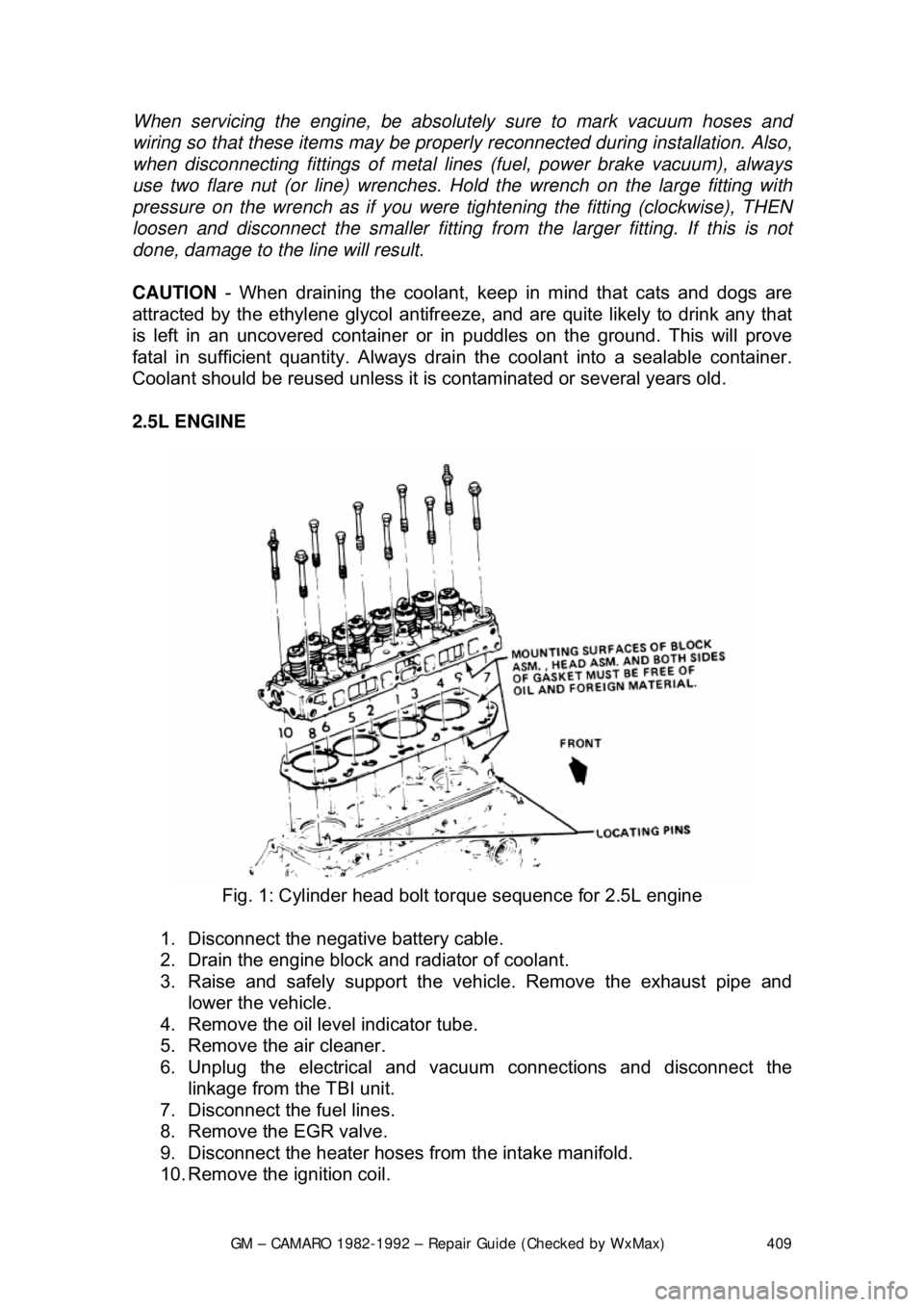
Fig. 1: Cylinder head bolt torque sequence for 2.5L engine
1. Disconnect the negative battery cable.
2. Drain the engine block and radiator of coolant.
3. Raise and safely support the vehi cle. Remove the exhaust pipe and
lower the vehicle.
4. Remove the oil level indicator tube.
5. Remove the air cleaner.
6. Unplug the electrical and vac uum connections and disconnect the
linkage from the TBI unit.
7. Disconnect the fuel lines.
8. Remove the EGR valve.
9. Disconnect the heater hoses from the intake manifold.
10. Remove the ignition coil.
Page 410 of 875
GM – CAMARO 1982-1992 – Repair Guide (Checked by WxMax) 410
11. Disconnect all electrical connecti
ons from the intake manifold and
cylinder head.
12. If the vehicle has air conditioning, remove the compressor and position it
out of the way. Do not disc onnect the refrigerant lines.
13. Remove the alternator and lay the unit aside. If necessary, remove the
alternator brackets.
14. Remove any other brackets or components mounted on the cylinder
head.
15. Remove the upper radiator hose.
16. Remove the rocker arm cover and back off the rocker arm nuts/bolts and
pivot the rocker arms out of the way so that the pushrods can be
removed. Identify the pushrods so that they can be reinstalled in their
original locations.
17. Remove the cylinder head bolts and cylinder head. Remove the intake
and exhaust manifolds, as required.
To install: 18. Thoroughly clean all mating surfaces of oil, grease and old gasket material. Clean the head bo lts and cylinder block threads, otherwise an
accurate torque specificat ion will not be attained.
19. Install a new gasket on the block mating surface. Position the cylinder
head on the block.
Clean the bolt threads, apply sealing comp ound and install the bolts finger-tight.
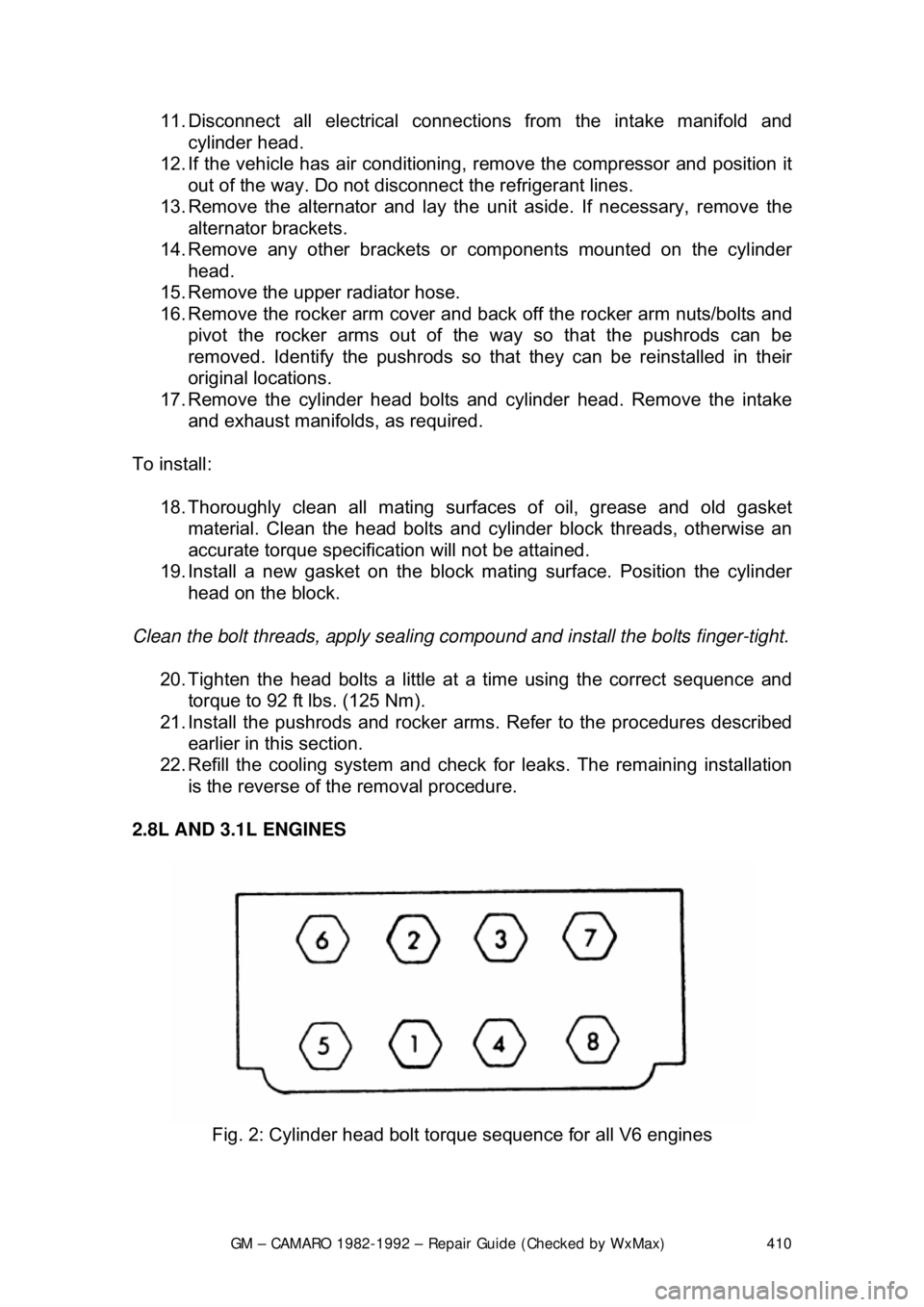
20. Tighten the head bolts a little at a time using the correct sequence and
torque to 92 ft lbs. (125 Nm).
21. Install the pushrods and rocker arms . Refer to the procedures described
earlier in this section.
22. Refill the cooling system and check for leaks. The remaining installation
is the reverse of the removal procedure.
2.8L AND 3.1L ENGINES
Fig. 2: Cylinder head bolt torque sequence for all V6 engines
Page 413 of 875
GM – CAMARO 1982-1992 – Repair Guide (Checked by WxMax) 413
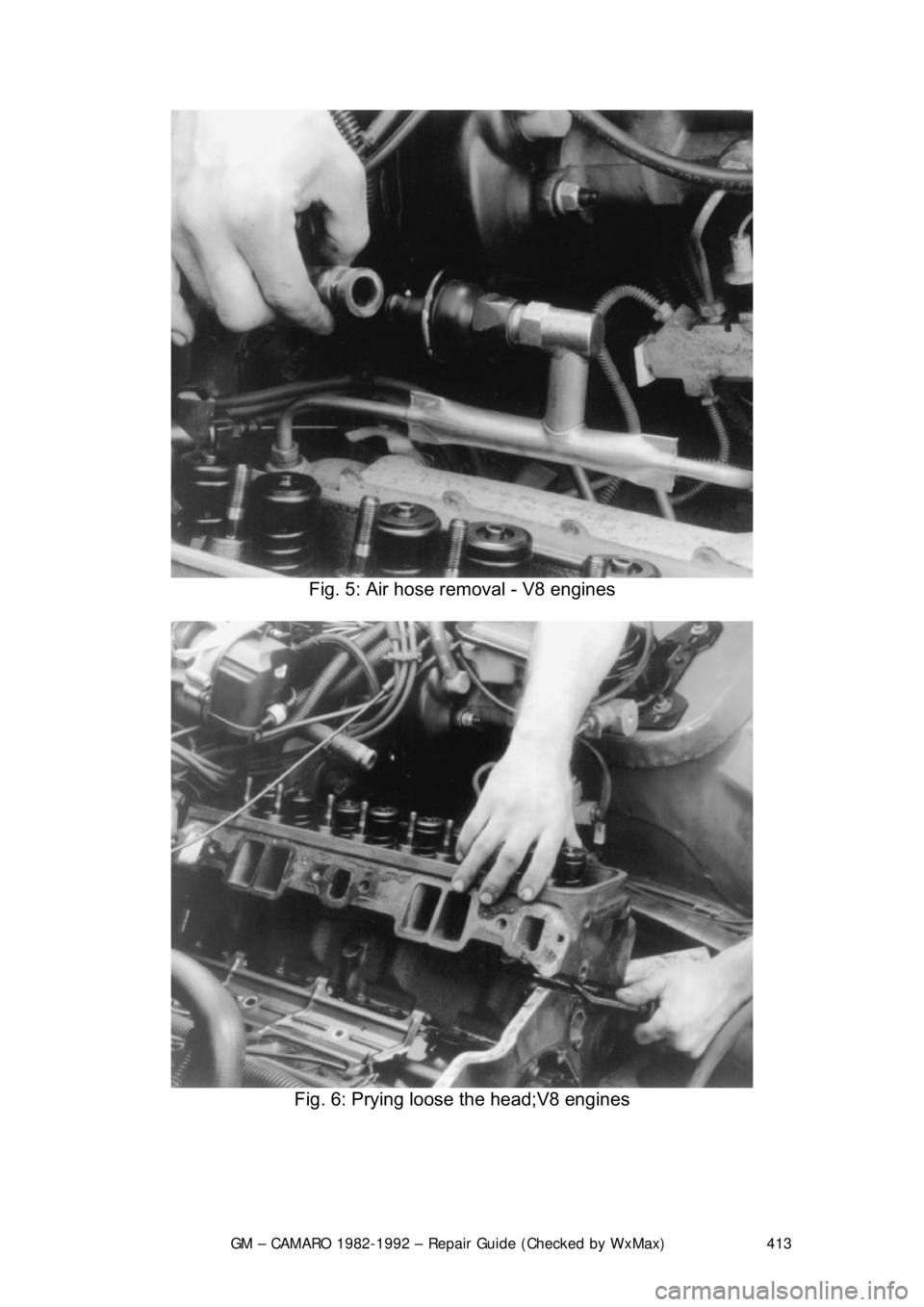
Fig. 5: Air hose removal - V8 engines
Fig. 6: Prying loose the head;V8 engines
Page 428 of 875

GM – CAMARO 1982-1992 – Repair Guide (Checked by WxMax) 428
1. Disconnect the battery ground c
able. Drain the cooling system.
2. Remove the fan shroud or the upper radiator support and drive belts.
Remove the fan and pulley from the water pump.
3. Remove the alternator upper and lower brackets, air brace with brackets,
and power steering lower bra cket (move it aside).
4. Remove the radiator lower hose and the heater hose from the water
pump. Remove the water pump bolts and the water pump.
5. If A/C equipped, remove the comp ressor and move aside. Remove the
compressor mounting bracket.
6. Remove the damper pulley retain ing bolt and the damper pulley.
7. Remove the timing gear cover bolts and the timing gear cover.
With the timing gear cover removed, use a large screwdriver to pry the oil seal
from the cover. To install the new oil se al, lubricate it with engine oil and drive it
into place.
To install: 8. Prepare the mating surfaces for reinst allation of the timing gear cover.
Coat the new gasket with RTV sealer.
9. Install the timing gear cover and timing gear cover bolts. Torque the
cover bolts to specifications:
• V6 engines (M8 x 1.25 bolts): 13-22 ft. lbs. (18-30 Nm)
• V6 engines (M10 x 1.5 bolts): 20-35 ft. lbs. (27-48 Nm)
• V8 engines (all bolts): 69-130 inch lbs. (8-14 Nm)
10. Install the damper pulley by pulli ng the damper onto the crankshaft. Use
tool J-23523 or equivalent. Install t he damper pulley retaining bolt and
torque bolts to 67-85 ft lbs. (90-110 Nm).
11. If A/C equipped, install the compressor mounting bracket and
compressor.
12. Install the water pump and the water pump bolts.
13. Install the radiator lower hose and the heater hose to the water pump.
14. Install the alternator upper and lower brackets, air brace with brackets
and the power steering lower bracket.
15. Install the fan and pull ey to the water pump. Inst all the fan shroud or the
upper radiator support and drive belts and adjust.
16. Connect the battery ground cable.
17. Fill the cooling syst em, start the engine and check for leaks.
Page 440 of 875
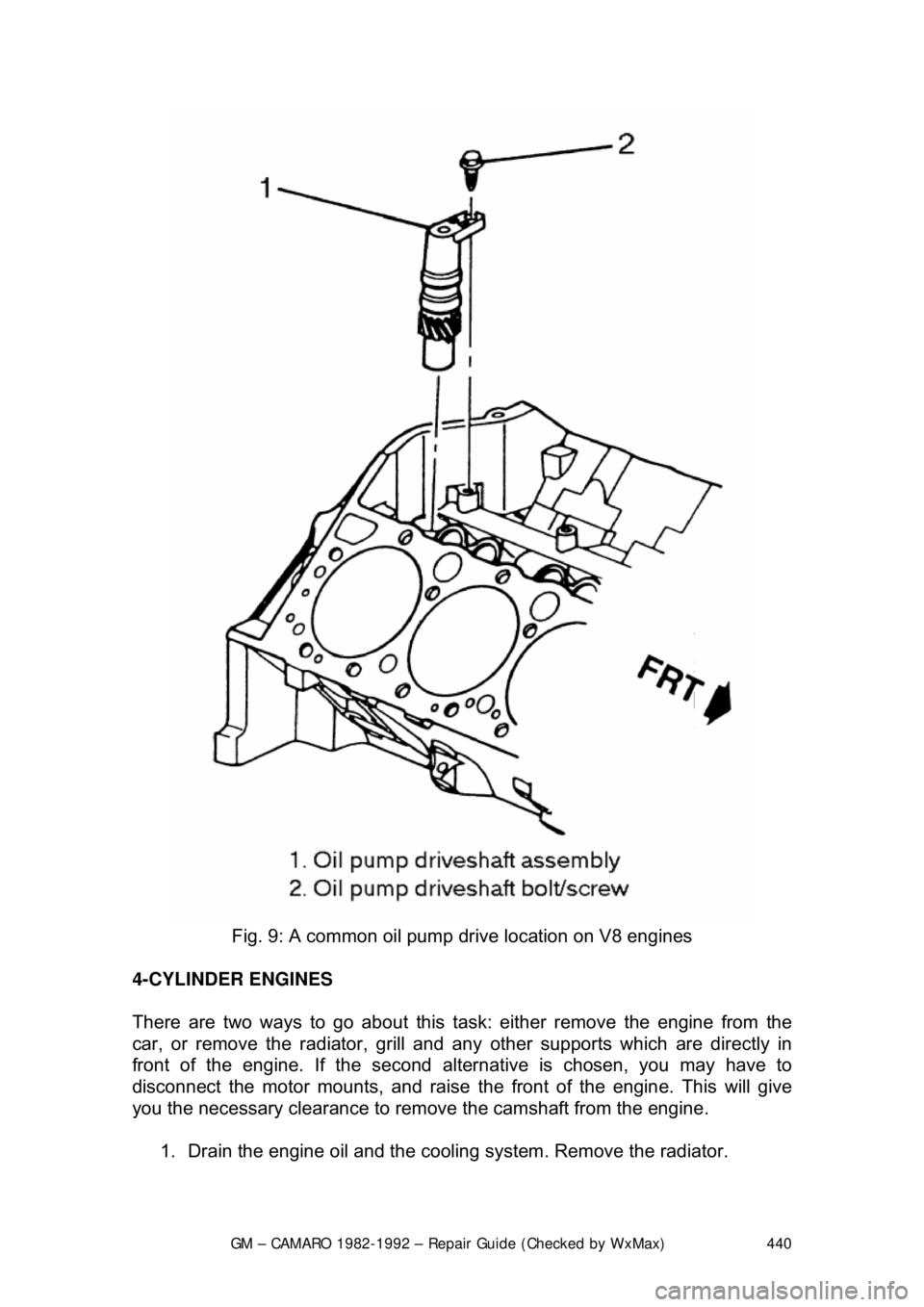
GM – CAMARO 1982-1992 – Repair Guide (Checked by WxMax) 440
Fig. 9: A common oil pump drive location on V8 engines
4-CYLINDER ENGINES
There are two ways to go about this task: either remove the engine from the
car, or remove the radiator, grill and any other supports which are directly in
front of the engine. If the second altern ative is chosen, you may have to
disconnect the motor mounts, and raise t he front of the engine. This will give
you the necessary clearance to remove the camshaft from the engine.
1. Drain the engine oil an d the cooling system. Remove the radiator.
Page 443 of 875

GM – CAMARO 1982-1992 – Repair Guide (Checked by WxMax) 443
Ensure that oil holes are properly al
igned. Replace camshaft rear plug, and
stake it into position to aid retention.
INSPECTION
CAMSHAFT LOBE LIFT
Check the lift of each lobe in consecutiv e order and make a note of the reading.
1. Remove the fresh air inlet tube a nd the air cleaner. Remove the heater
hose and crankcase ventilation hoses. Remove valve rocker arm
cover(s).
2. Remove the rocker arm stud nut or fulcrum bolts, fulcrum seat and rocker
arm.
3. Make sure the pushrod is in the valve tappet socket. Install a dial indicator so that the actuating poin t of the indicator is in the pushrod
socket (or the indicator ball socket adapter tool is on the end of the
pushrod) and in the same plane as the pushrod movement.
4. Disable the ignition and fuel systems.
5. Install a remote starter switch. Crank the engine with the ignition and fuel
system disabled. Turn the crankshaft ov er until the tappet is on the base
circle of the camshaft lobe. At this position, the pushrod will be in its
lowest position.
6. Zero the dial indicator. Continue to rotate the crankshaft slowly until the
pushrod is in the fully raised position.
7. Compare the total lift recorded on the dial indicator with the specification
shown on the Camshaft Specification chart.
To check the accuracy of the original in dicator reading, continue to rotate the
crankshaft until the indicator reads zero. If the lift on any lobe is below specified
wear limits listed, the ca mshaft and the valve tappet operating on the worn
lobe(s) must be replaced.
8. Install the rocker arm, fulcrum seat and stud nut or fulcrum bolts. Adjust
the valves, if required (r efer to the valves procedure in this section).
9. Install the valve rocker arm cover(s) and the air cleaner.
CAMSHAFT END PLAY
On all gasoline V8 engi nes, prying against the aluminum-nylon camshaft
sprocket, with the valve train load on t he camshaft, can break or damage the
sprocket. Therefore, the rocker arm adj usting nuts must be backed off, or the
rocker arm and shaft assembly must be loosened sufficiently to free the
camshaft. After checking the camshaft e nd play, check the valve clearance.
Adjust if required (refer to procedure in this section).
1. Push the camshaft toward the rear of the engine. Install a dial indicator or
equivalent so that the indicator point is on the camshaft sprocket
attaching screw.
Page 467 of 875

GM – CAMARO 1982-1992 – Repair Guide (Checked by WxMax) 467
8. According to the tool manufacture
r's instructions, connect a remote
starting switch to the starting circuit.
9. With the ignition switch in the OFF position, use the remote starting
switch to crank the engine through at least five compression strokes
(approximately 5 seconds of cranking) and record the highest reading on
the gauge.
10. Repeat the test on each cylinder, cranking the engine approximately the
same number of compression stroke s and/or time as the first.
11. Compare the highest readi ngs from each cylinder to that of the others.
The indicated compression pre ssures are considered within
specifications if the lo west reading cylinder is within 75 percent of the
pressure recorded for the highest readi ng cylinder. For example, if your
highest reading cylinder pressure was 150 psi (1034 kPa), then 75
percent of that would be 113 psi (779 kPa). So the lowest reading
cylinder should be no less than 113 psi (779 kPa).
12. If a cylinder exhibits an unusually low compression reading, pour a
tablespoon of clean engine oil into the cylinder through the spark plug
hole and repeat the compression tes t. If the compression rises after
adding oil, it means that the cylinder's piston rings and/or cylinder bore
are damaged or worn. If the pressure re mains low, the valves may not be
seating properly (a valve job is needed), or the head gasket may be
blown near that cylinder. If compressi on in any two adjacent cylinders is
low, and if the addition of oil doesn' t help raise compression, there is
leakage past the head gasket. Oil and coolant in the combustion
chamber, combined with blue or const ant white smoke from the tail pipe,
are symptoms of this pr oblem. However, don't be alarmed by the normal
white smoke emitted from the tail pipe during engine warm-up or from
cold weather driving. There may be evidence of water droplets on the
engine dipstick and/or oil droplets in the cooling system if a head gasket
is blown.
OIL PRESSURE TEST
Check for proper oil pressu re at the sending unit passage with an externally
mounted mechanical oil pressure gauge (a s opposed to relying on a factory
installed dash-mounted gauge). A tachom eter may also be needed, as some
specifications may require running the engine at a specific rpm.
1. With the engine cold, locate and remo ve the oil pressure sending unit.
2. Following the manufacturer's inst ructions, connect a mechanical oil
pressure gauge and, if necessary, a tachometer to the engine.
3. Start the engine and allow it to idle.
4. Check the oil pressure reading when cold and record the number. You
may need to run the engine at a specified rpm, so check the
specifications chart located earlier in this section.
5. Run the engine until normal operati ng temperature is reached (upper
radiator hose will feel warm).
6. Check the oil pressure reading agai n with the engine hot and record the
number. Turn the engine OFF.
Page 468 of 875

GM – CAMARO 1982-1992 – Repair Guide (Checked by WxMax) 468
7. Compare your hot oil pressure reading
to that given in the chart. If the
reading is low, check the cold pressu re reading against the chart. If the
cold pressure is well above the spec ification, and the hot reading was
lower than the specificat ion, you may have the wr ong viscosity oil in the
engine. Change the oil, making sure to use the proper grade and
quantity, then repeat the test.
Low oil pressure readings could be attributed to internal component wear, pump
related problems, a low oil leve l, or oil viscosity that is too low. High oil pressure
readings could be caused by an overfilled crankcase, too high of an oil viscosity
or a faulty pressure relief valve.
BUY OR REBUILD?
Now that you have determined that your engine is worn out, you must make
some decisions. The question of whether or not an engine is worth rebuilding is
largely a subjective matter and one of per sonal worth. Is the engine a popular
one, or is it an obsolete model? Are parts available? Will it get acceptable gas
mileage once it is rebuilt? Is the car it's being put into worth keeping? Would it
be less expensive to buy a new engine, have your engine rebuilt by a pro,
rebuild it yourself or buy a used engine from a salvage yard? Or would it be
simpler and less expensive to buy another car? If you have considered all these
matters and more, and have still decided to r ebuild the engine, then it is time to
decide how you will rebuild it.
The editors of this information feel that most engine machining should be
performed by a professional machine shop. Don't think of it as wasting money,
rather, as an assurance that the job has been done right the first time. There
are many expensive and spec ialized tools required to perform such tasks as
boring and honing an engine block or having a valve job done on a cylinder
head. Even inspecting the parts requires expensive micrometers and gauges to
properly measure wear and clearances. Al so, a machine shop can deliver to
you clean, and ready to assemble parts, saving you time and aggravation. Your
maximum savings will come from perf orming the removal, disassembly,
assembly and installation of the engine and purchasing or renting only the tools
required to perform the above tasks. Depending on the particular
circumstances, you may save 40 to 60 perc ent of the cost doing these yourself.
A complete rebuild or overhaul of an engine involves replacing all of the moving
parts (pistons, rods, crankshaft, camsha ft, etc.) with new ones and machining
the non-moving wearing surfaces of t he block and heads. Unfortunately, this
may not be cost effective. For instanc e, your crankshaft may have been
damaged or worn, but it can be machined undersize for a minimal fee.
So, as you can see, you can replace ev erything inside the engine, but, it is
wiser to replace only those parts whic h are really needed, and, if possible,
repair the more expensive ones. Later in this section, we will break the engine
down into its two main components: t he cylinder head and the engine block. We
will discuss each component, and the re commended parts to replace during a
rebuild on each.
Page 493 of 875
GM – CAMARO 1982-1992 – Repair Guide (Checked by WxMax) 493
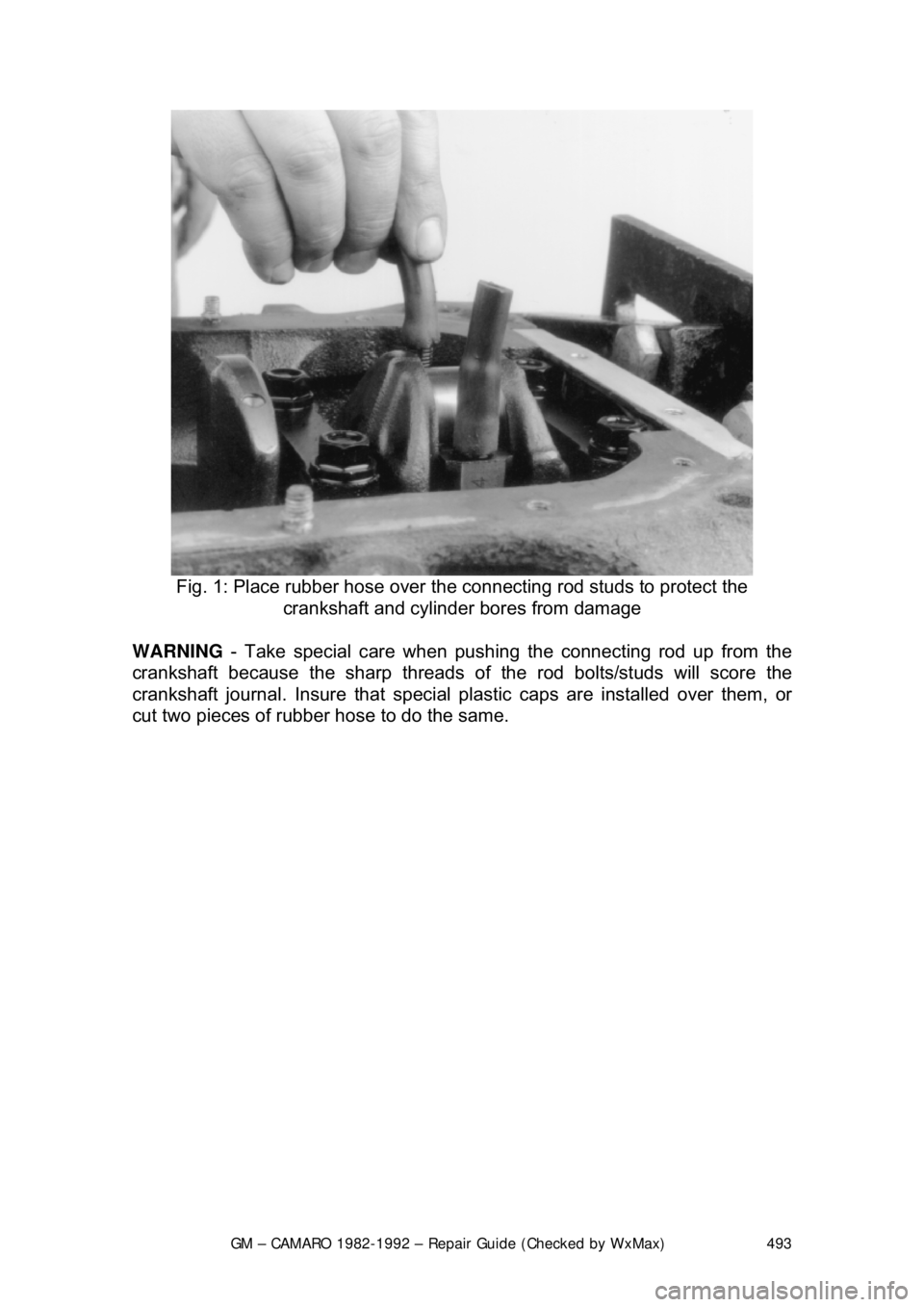
Fig. 1: Place rubber hose over the connecting rod studs to protect the
crankshaft and cylinde r bores from damage
WARNING - Take special care when pushi ng the connecting rod up from the
crankshaft because the sharp threads of the rod bolts/studs will score the
crankshaft journal. Insure that special pl astic caps are installed over them, or
cut two pieces of rubber hose to do the same.