esp VOLKSWAGEN TIGUAN 2017 Owner´s Manual
[x] Cancel search | Manufacturer: VOLKSWAGEN, Model Year: 2017, Model line: TIGUAN, Model: VOLKSWAGEN TIGUAN 2017Pages: 341, PDF Size: 9.14 MB
Page 239 of 341
If there is a fault in the vehicle or trailer electrical systems or in the anti-theft alarm or if there
is a fault in the anti-theft alarm, have the vehicle checked by a qualified workshop.
If the engine is not running and electrical equipment is switched on in the trailer via the trailer
socket, the 12-volt vehicle battery will discharge.
If the 12-volt vehicle battery charge level is low, the electrical connection to the trailer will be
interrupted automatically.
Loading the trailer
First read and observe the introductoryinformation and safety warnings⇒
Introduction
Trailer weight and drawbar load
The trailer weight is the weight that the vehicle can pull ⇒. The drawbar load is the load that is
exerted vertically from above onto the ball head of the towing bracket ⇒ Information on technical
data.
The figures for trailer weights and draw bar weights that are given on the data plate of the towing
bracket are for certification purposes only. The correct values for your specific model, which may be
lower than these figures, are given in the vehicle registration documents. All data in the official
vehicle documents take precedence over these data.
The maximum permitted drawbar load exerted by the trailer drawbar on the ball head of the towing
bracket must not exceed 100 kg.
In the interest of driving safety, Volkswagen recommends that you always use the maximum
drawbar load. The response of the trailer on the road will be poor if the drawbar load is too small.
The drawbar load increases the weight on the rear axle and reduces the maximum load level as a
result.
Gross combination weight rating
The combination weight is made up of the actual weight of the loaded vehicle and of the loaded
trailer.
In some countries, trailers are divided into different classes. Volkswagen recommends that you
contact a qualified workshop to find out about suitable trailers.
Loading the trailer
The weight of the load should be distributed evenly. The maximum permitted drawbar load should
be utilised. Do not place the load only at the front or the rear of the trailer:
•Distribute the load in the trailer so that heavy objects are either over or as near to the axle as
possible.
•Secure all loads on the trailer properly.
Tyre pressure
Follow the trailer manufacturer's recommendations concerning the tyre pressure for the trailer tyres.
When towing a trailer, inflate the tyres on the towing vehicle with the maximum permitted tyre
pressure ⇒ Tyre pressure.
Accidents and serious injuries can occur if you exceed the vehicle's maximum permitted
gross axle weight rating, drawbar load, gross vehicle weight rating or gross combination
weight rating.
•Never exceed the specified values.
•Never let the actual weights at the front and rear axles exceed the gross axle weight
ratings. Never exceed the permissible gross vehicle weight for the vehicle with weight
at the front and rear of the vehicle.
WARNING
Loads that may slide can severely impair stability and driving safety, which can cause
accidents and severe injuries.
•Always load trailers correctly.
•Always secure loads properly using suitable and undamaged securing straps.
WARNING
Page 243 of 341
Safety instructions for handling fuel
Fuels can pollute the environment. Any spilt service fluids must be cleaned up and disposed
of properly.
The tank flap cannot be opened manually. Seek expert assistance.
Fuel types and refuelling
Introduction
This chapter contains information on the followingsubjects:
⇒ Petrol
⇒ Diesel
⇒ Refuelling
⇒ Misfuelling prevention device
The tank flap is located at the rear right-hand side of the vehicle ⇒ Side view.
Different engines require different fuels. The factory-fitted sticker on the inside of the tank flap
indicates the required fuel type for your vehicle.
Information on indicator and warning lamps can be found in the troubleshooting section at the end
of the chapter ⇒ Troubleshooting.
Petrol
First read and observe the introductoryinformation and safety warnings⇒
Introduction
Vehicles with a petrol engine must be run on unleaded petrol. Fuels with a maximum ethanol
content of 10% (E10) can be used for refuelling ⇒.
The petrol grades differ with respect to the octane number. The vehicle may be filled with petrol that
has a higher octane number than the engine requires. However, this does not provide any
advantage in terms of fuel consumption or engine output.
The fuel quality affects the running properties, performance and service life of the engine. You
should therefore use fuel that already contains suitable service additives if possible ⇒.
Information on the fuel standards can be found in the chapter on fuel standards ⇒ Fuel standards.
Incorrect handling of fuel can cause explosions, fire, serious burns and other injuries.
•Switch off the auxiliary heater⇒ Auxiliary heater and ventilation, the engine, the
ignition, your mobile phone and other wireless equipment while refuelling.
•Do not get into the vehicle to avoid electrostatic discharge.
•Make sure that the tank cap is closed properly and no fuel can escape.
•Comply with any relevant safety information and legislation concerning the handling of
fuels.
WARNING
Fuel may run out of the fuel canister. This could cause fire and injuries.
•Do not carry fuel canisters in the vehicle.
CAUTION
Incorrect refuelling can lead to damage to the vehicle.
•Only use fuels that have been approved for the vehicle.
•Do not use fuels containing metals and only use approved additives.
•Spilt fuel should be removed from all vehicle components immediately.
NOTICE
Page 244 of 341
Diesel
First read and observe the introductoryinformation and safety warnings⇒
Introduction
Vehicles with a diesel engine must be run on diesel ⇒. If you use diesel with a high sulphur
content, the service intervals are shorter ⇒ Service. Information on countries that use diesel with a
high sulphur content is available from your Volkswagen dealership.
The fuel quality affects the running properties, performance and service life of the engine. You
should therefore use fuel that already contains suitable service additives if possible ⇒.
Information on the fuel standards can be found in the chapter on fuel standards ⇒ Fuel standards.
Winter-grade diesel fuel and filter preheater system
Winter-grade diesel fuel, which can be used at temperatures below -20°C (-4°F), is available during
the cold months. In countries with different climates, diesel for other temperature conditions is
usually available. Information is available from your Volkswagen dealership and filling stations in
the respective country.
Diesel vehicles are equipped with a filter pre-heater system. When using winter-grade diesel fuel,
the fuel system is safe for operation at temperatures down to around -24°C (-11°F).
However, if the fuel has waxed to such an extent that the engine will not start at temperatures
below -24°C (-11°F), place the vehicle in a heated garage or workshop for a while ⇒.
At cold temperatures, louder noises may occur in the diesel engine and the exhaust gas may
be tinged blue.
Refuelling
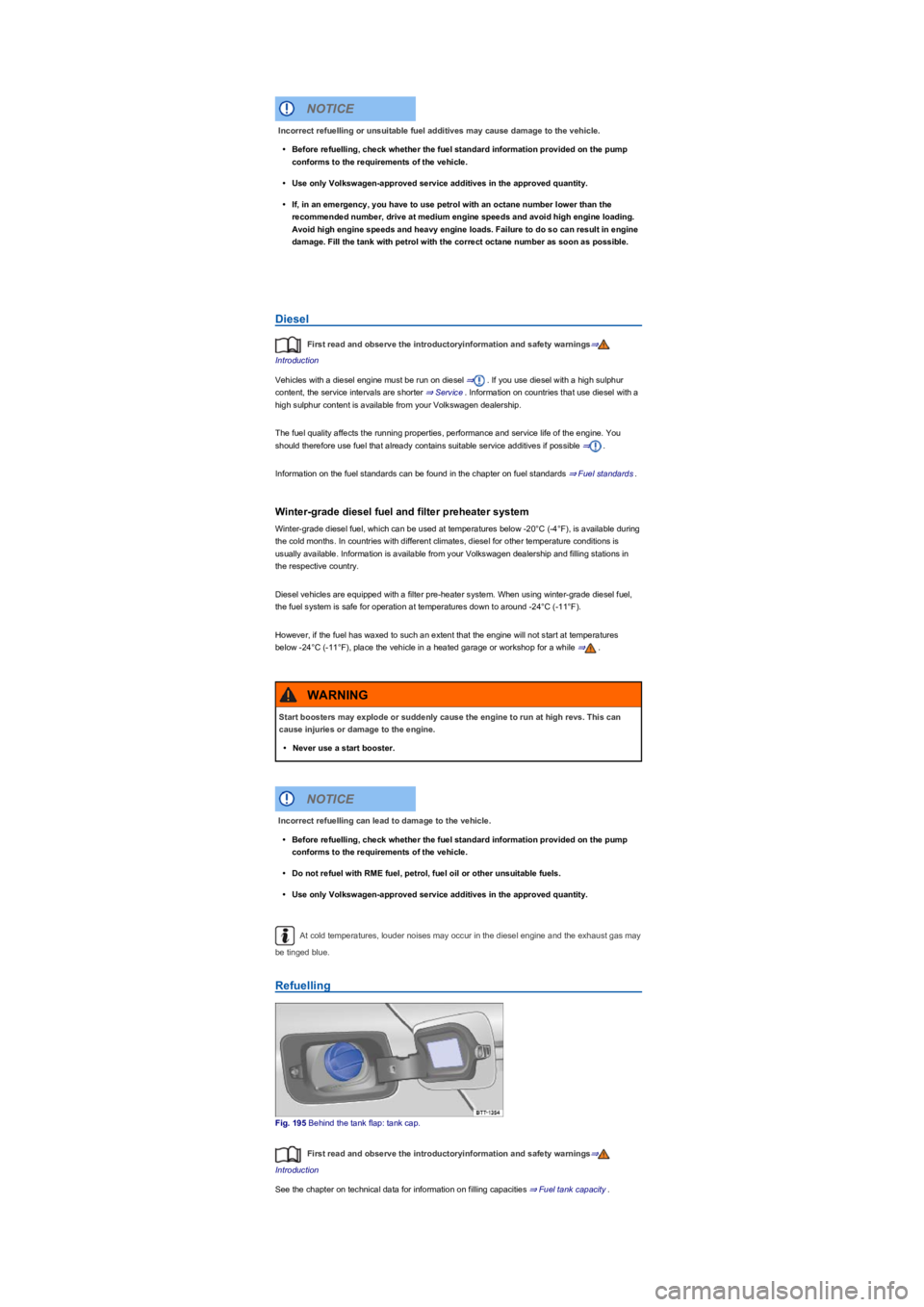
Fig. 195 Behind the tank flap: tank cap.
First read and observe the introductoryinformation and safety warnings⇒
Introduction
See the chapter on technical data for information on filling capacities ⇒ Fuel tank capacity.
Incorrect refuelling or unsuitable fuel additives may cause damage to the vehicle.
•Before refuelling, check whether the fuel standard information provided on the pump
conforms to the requirements of the vehicle.
•Use only Volkswagen-approved service additives in the approved quantity.
•If, in an emergency, you have to use petrol with an octane number lower than the
recommended number, drive at medium engine speeds and avoid high engine loading.
Avoid high engine speeds and heavy engine loads. Failure to do so can result in engine
damage. Fill the tank with petrol with the correct octane number as soon as possible.
NOTICE
Start boosters may explode or suddenly cause the engine to run at high revs. This can
cause injuries or damage to the engine.
•Never use a start booster.
WARNING
Incorrect refuelling can lead to damage to the vehicle.
•Before refuelling, check whether the fuel standard information provided on the pump
conforms to the requirements of the vehicle.
•Do not refuel with RME fuel, petrol, fuel oil or other unsuitable fuels.
•Use only Volkswagen-approved service additives in the approved quantity.
NOTICE
Page 271 of 341
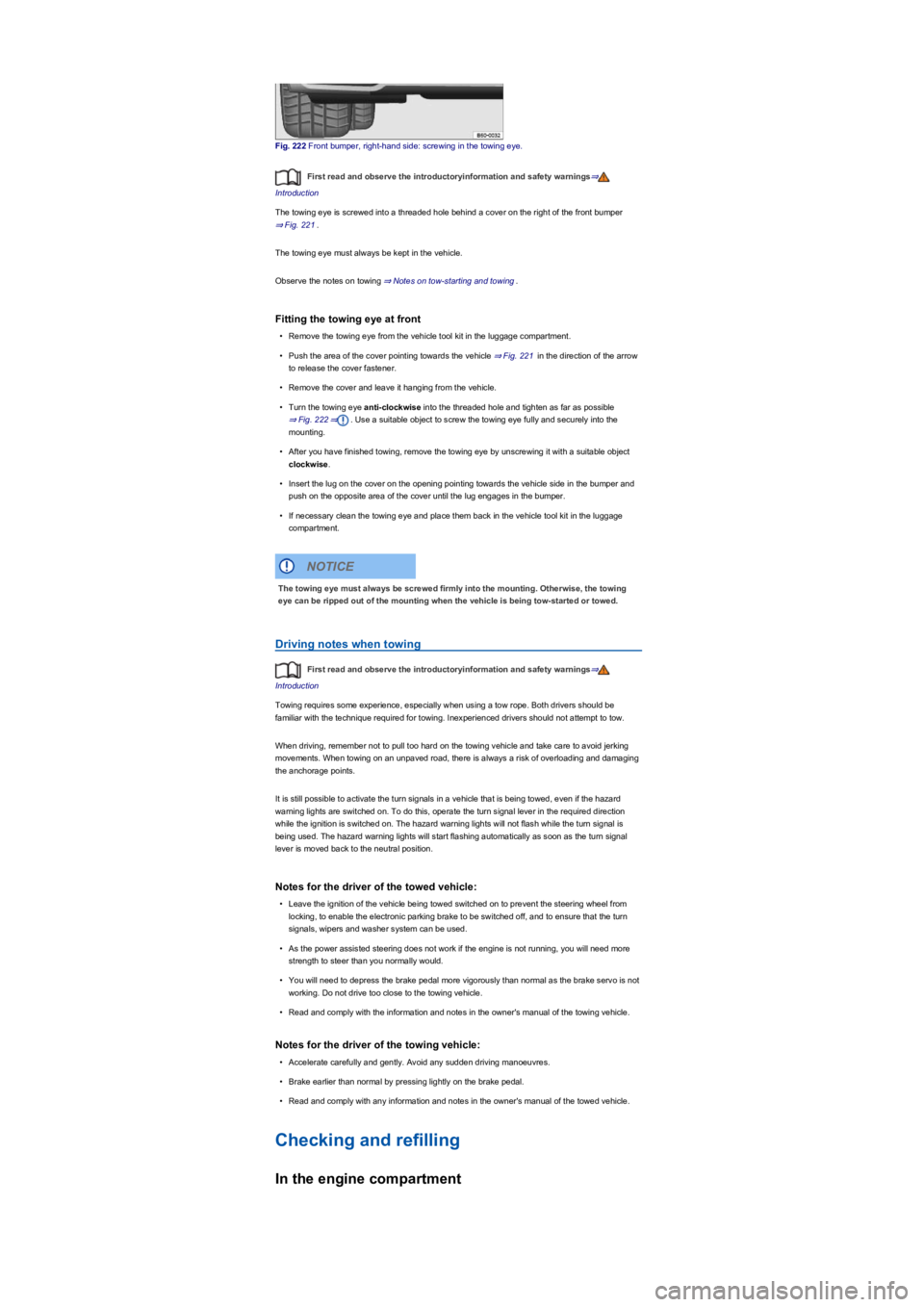
Fig. 222 Front bumper, right-hand side: screwing in the towing eye.
First read and observe the introductoryinformation and safety warnings⇒
Introduction
The towing eye is screwed into a threaded hole behind a cover on the right of the front bumper
⇒ Fig. 221.
The towing eye must always be kept in the vehicle.
Observe the notes on towing ⇒ Notes on tow-starting and towing.
Fitting the towing eye at front
•Remove the towing eye from the vehicle tool kit in the luggage compartment.
•Push the area of the cover pointing towards the vehicle ⇒ Fig. 221 in the direction of the arrow
to release the cover fastener.
•Remove the cover and leave it hanging from the vehicle.
•Turn the towing eye anti-clockwise into the threaded hole and tighten as far as possible
⇒ Fig. 222⇒. Use a suitable object to screw the towing eye fully and securely into the
mounting.
•After you have finished towing, remove the towing eye by unscrewing it with a suitable object
clockwise.
•Insert the lug on the cover on the opening pointing towards the vehicle side in the bumper and
push on the opposite area of the cover until the lug engages in the bumper.
•If necessary clean the towing eye and place them back in the vehicle tool kit in the luggage
compartment.
Driving notes when towing
First read and observe the introductoryinformation and safety warnings⇒
Introduction
Towing requires some experience, especially when using a tow rope. Both drivers should be
familiar with the technique required for towing. Inexperienced drivers should not attempt to tow.
When driving, remember not to pull too hard on the towing vehicle and take care to avoid jerking
movements. When towing on an unpaved road, there is always a risk of overloading and damaging
the anchorage points.
It is still possible to activate the turn signals in a vehicle that is being towed, even if the hazard
warning lights are switched on. To do this, operate the turn signal lever in the required direction
while the ignition is switched on. The hazard warning lights will not flash while the turn signal is
being used. The hazard warning lights will start flashing automatically as soon as the turn signal
lever is moved back to the neutral position.
Notes for the driver of the towed vehicle:
•Leave the ignition of the vehicle being towed switched on to prevent the steering wheel from
locking, to enable the electronic parking brake to be switched off, and to ensure that the turn
signals, wipers and washer system can be used.
•As the power assisted steering does not work if the engine is not running, you will need more
strength to steer than you normally would.
•You will need to depress the brake pedal more vigorously than normal as the brake servo is not
working. Do not drive too close to the towing vehicle.
•Read and comply with the information and notes in the owner's manual of the towing vehicle.
Notes for the driver of the towing vehicle:
•Accelerate carefully and gently. Avoid any sudden driving manoeuvres.
•Brake earlier than normal by pressing lightly on the brake pedal.
•Read and comply with any information and notes in the owner's manual of the towed vehicle.
Checking and refilling
In the engine compartment
The towing eye must always be screwed firmly into the mounting. Otherwise, the towing
eye can be ripped out of the mounting when the vehicle is being tow-started or towed.
NOTICE
Page 276 of 341
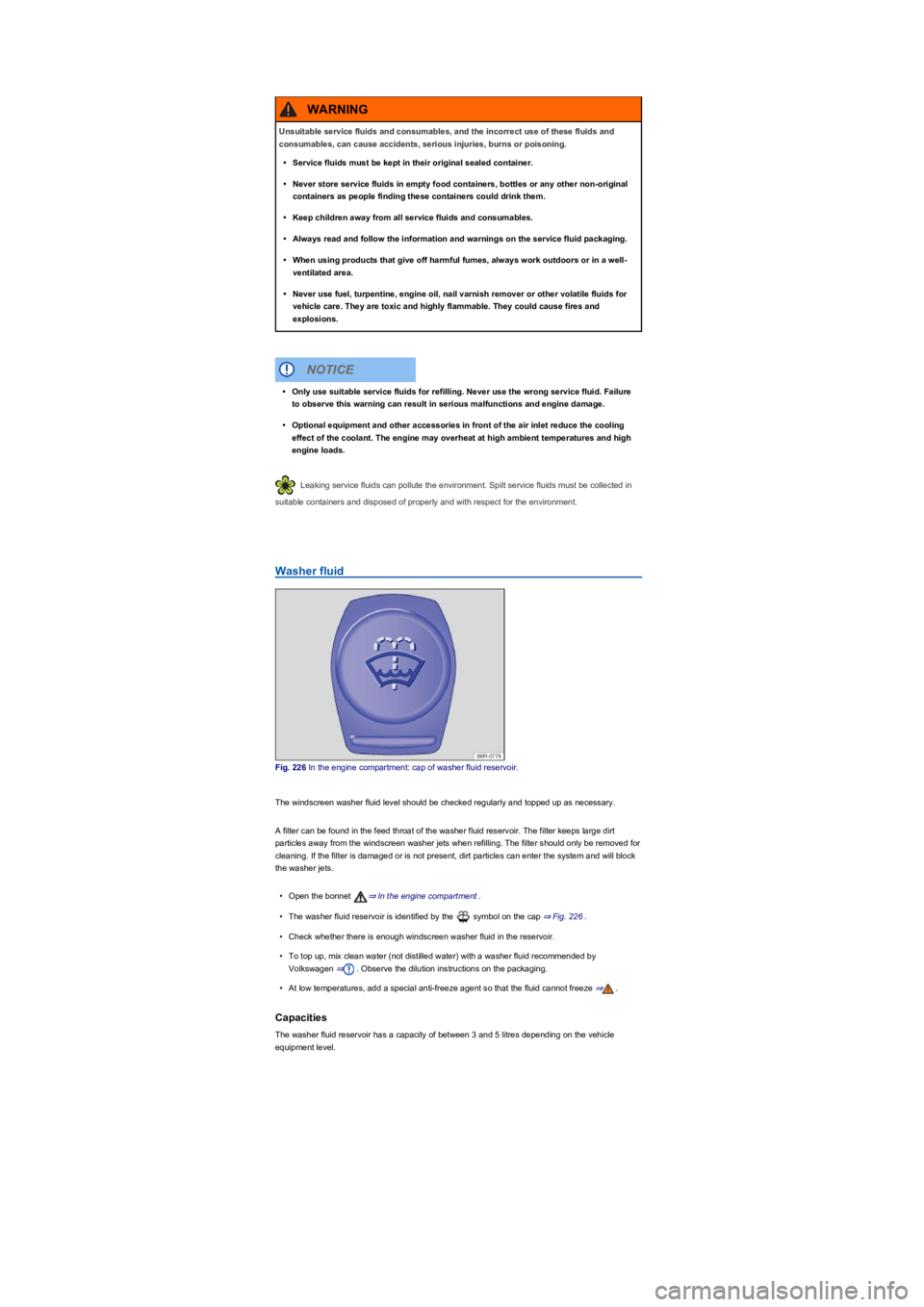
Leaking service fluids can pollute the environment. Spilt service fluids must be collected in
suitable containers and disposed of properly and with respect for the environment.
Washer fluid
Fig. 226 In the engine compartment: cap of washer fluid reservoir.
The windscreen washer fluid level should be checked regularly and topped up as necessary.
A filter can be found in the feed throat of the washer fluid reservoir. The filter keeps large dirt
particles away from the windscreen washer jets when refilling. The filter should only be removed for
cleaning. If the filter is damaged or is not present, dirt particles can enter the system and will block
the washer jets.
•Open the bonnet ⇒ In the engine compartment.
•The washer fluid reservoir is identified by the symbol on the cap ⇒ Fig. 226.
•Check whether there is enough windscreen washer fluid in the reservoir.
•To top up, mix clean water (not distilled water) with a washer fluid recommended by
Volkswagen ⇒. Observe the dilution instructions on the packaging.
•At low temperatures, add a special anti-freeze agent so that the fluid cannot freeze ⇒.
Capacities
The washer fluid reservoir has a capacity of between 3 and 5 litres depending on the vehicle
equipment level.
Unsuitable service fluids and consumables, and the incorrect use of these fluids and
consumables, can cause accidents, serious injuries, burns or poisoning.
•Service fluids must be kept in their original sealed container.
•Never store service fluids in empty food containers, bottles or any other non-original
containers as people finding these containers could drink them.
•Keep children away from all service fluids and consumables.
•Always read and follow the information and warnings on the service fluid packaging.
•When using products that give off harmful fumes, always work outdoors or in a well-
ventilated area.
•Never use fuel, turpentine, engine oil, nail varnish remover or other volatile fluids for
vehicle care. They are toxic and highly flammable. They could cause fires and
explosions.
WARNING
•Only use suitable service fluids for refilling. Never use the wrong service fluid. Failure
to observe this warning can result in serious malfunctions and engine damage.
•Optional equipment and other accessories in front of the air inlet reduce the cooling
effect of the coolant. The engine may overheat at high ambient temperatures and high
engine loads.
NOTICE
Page 277 of 341
Engine oil
Introduction
This chapter contains information on the followingsubjects:
⇒ Engine oil specification
⇒ Changing the engine oil
⇒ Engine oil consumption
⇒ Checking the engine oil level and refilling the engine oil
⇒ Troubleshooting
Leaking or spilt engine oil can pollute the environment. Spilt service fluids must be collected
then disposed of properly and in an environmentally responsible way.
Engine oil specification
First read and observe the introductoryinformation and safety warnings⇒
Introduction
The correct engine oil is important for the function and service life of the engine. A special high
quality multigrade oil has been filled at the factory and this can normally be used as an all-season
oil.
If possible, use only Volkswagen-approved engine oil ⇒. To comply with flexible oil change
service requirements, refill only with approved flexible service engine oil that meets the
corresponding VW standard. The engine oils listed are multigrade high-lubricity oils.
Engine oils are constantly being developed and improved. Volkswagen dealerships are kept up to
date on all innovations. Volkswagen therefore recommends having engine oil changes done by a
Volkswagen dealership.
The quality of the engine oil is not only tailored to the requirements of engines and exhaust gas
treatment systems, but also to fuel quality. Due to the way in which a combustion engine works,
engine oil always comes into contact with combustion residues and fuel, which has a knock-on
effect on the ageing process of the oil.
The quality of fuels can vary greatly between individual markets and this must be taken into account
when selecting the correct engine oil.
Never mix coolant additive or other unsuitable additives into the windscreen washer fluid.
These may leave an oily film on the screen, restricting the field of vision.
•Use clean, clear water (not distilled water) with a washer fluid recommended by
Volkswagen.
•A suitable anti-freeze agent should be added to the windscreen washer fluid if
necessary.
WARNING
•Never mix other cleaning agents with the cleaning agents recommended by
Volkswagen. This can cause the ingredients to separate and block the windscreen
washer jets.
•When topping up service fluids, please ensure that you pour the correct service fluids
into the correct openings. The use of incorrect service fluids could result in serious
malfunctions and engine damage.
NOTICE
Incorrect handling of engine oil can cause serious burns and other injuries.
•Always wear eye protection when handling engine oil.
•Engine oil is toxic and must be stored out of the reach of children.
•Engine oil must be kept in the closed original container. This also applies to used oil
until it is disposed of.
•Never use empty food containers, bottles or other containers to store engine oil as
other people may then drink the engine oil.
•Regular contact with engine oil can damage the skin. Skin that has been in contact with
engine oil should be washed thoroughly with water and soap.
•Engine oil becomes extremely hot when the engine is running and can scald skin
severely. Always allow the engine to cool down.
WARNING
Page 280 of 341
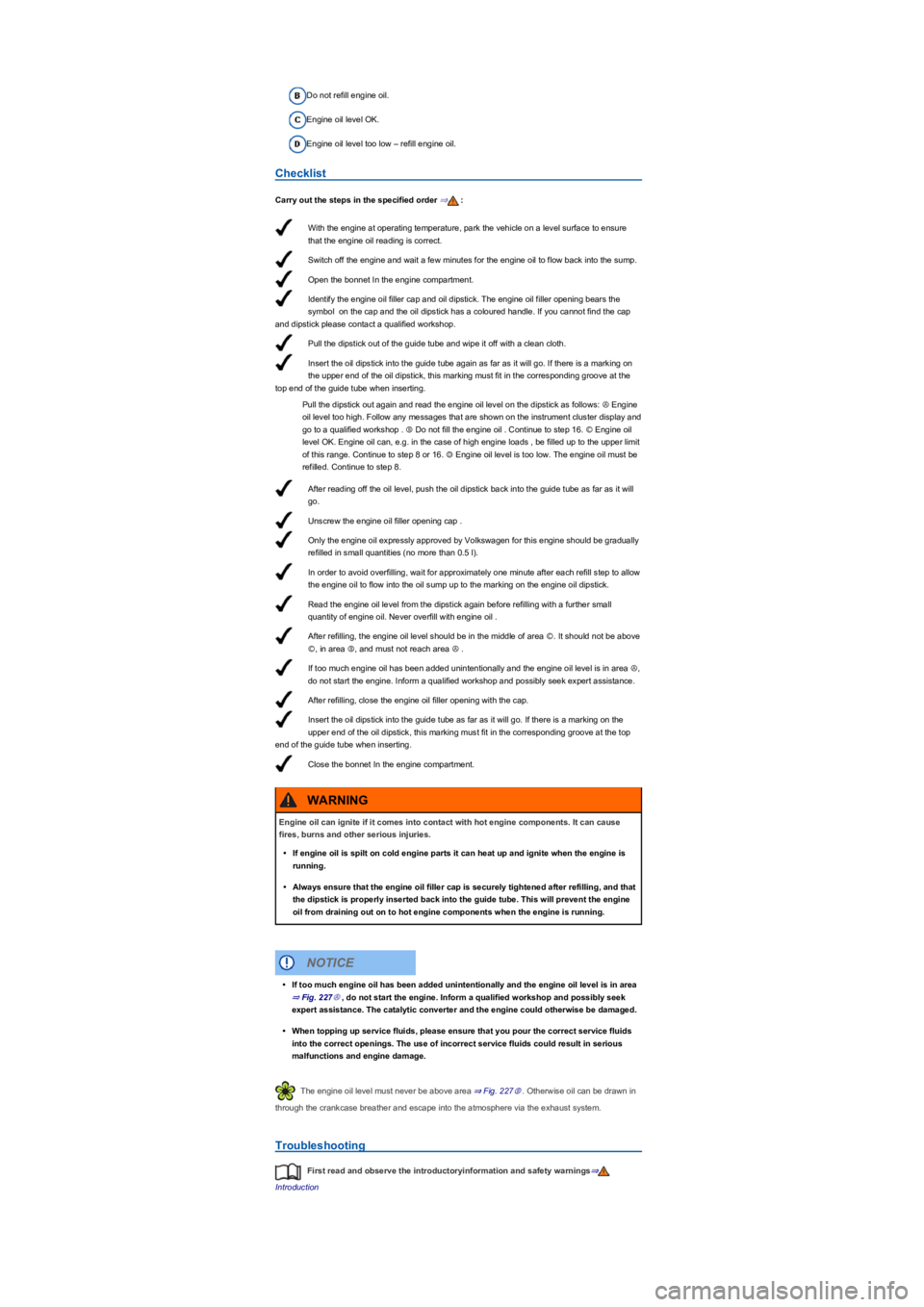
With the engine at operating temperature, park the vehicle on a level surface to ensure
that the engine oil reading is correct.
Switch off the engine and wait a few minutes for the engine oil to flow back into the sump.
Open the bonnet In the engine compartment.
Identify the engine oil filler cap and oil dipstick. The engine oil filler opening bears the
symbol on the cap and the oil dipstick has a coloured handle. If you cannot find the cap
and dipstick please contact a qualified workshop.
Pull the dipstick out of the guide tube and wipe it off with a clean cloth.
Insert the oil dipstick into the guide tube again as far as it will go. If there is a marking on
the upper end of the oil dipstick, this marking must fit in the corresponding groove at the
top end of the guide tube when inserting.
After reading off the oil level, push the oil dipstick back into the guide tube as far as it will
go.
Unscrew the engine oil filler opening cap .
Only the engine oil expressly approved by Volkswagen for this engine should be gradually
refilled in small quantities (no more than 0.5 l).
In order to avoid overfilling, wait for approximately one minute after each refill step to allow
the engine oil to flow into the oil sump up to the marking on the engine oil dipstick.
Read the engine oil level from the dipstick again before refilling with a further small
quantity of engine oil. Never overfill with engine oil .
After refilling, the engine oil level should be in the middle of area Ⓒ. It should not be above
Ⓒ, in area Ⓑ, and must not reach area Ⓐ .
If too much engine oil has been added unintentionally and the engine oil level is in area Ⓐ,
do not start the engine. Inform a qualified workshop and possibly seek expert assistance.
After refilling, close the engine oil filler opening with the cap.
Insert the oil dipstick into the guide tube as far as it will go. If there is a marking on the
upper end of the oil dipstick, this marking must fit in the corresponding groove at the top
end of the guide tube when inserting.
Close the bonnet In the engine compartment.
Do not refill engine oil.
Engine oil level OK.
Engine oil level too low – refill engine oil.
Checklist
Carry out the steps in the specified order ⇒:
Pull the dipstick out again and read the engine oil level on the dipstick as follows: Ⓐ Engine
oil level too high. Follow any messages that are shown on the instrument cluster display and
go to a qualified workshop . Ⓑ Do not fill the engine oil . Continue to step 16. Ⓒ Engine oil
level OK. Engine oil can, e.g. in the case of high engine loads , be filled up to the upper limit
of this range. Continue to step 8 or 16. Ⓓ Engine oil level is too low. The engine oil must be
refilled. Continue to step 8.
The engine oil level must never be above area ⇒ Fig. 227Ⓑ. Otherwise oil can be drawn in
through the crankcase breather and escape into the atmosphere via the exhaust system.
Troubleshooting
First read and observe the introductoryinformation and safety warnings⇒
Introduction
Engine oil can ignite if it comes into contact with hot engine components. It can cause
fires, burns and other serious injuries.
•If engine oil is spilt on cold engine parts it can heat up and ignite when the engine is
running.
•Always ensure that the engine oil filler cap is securely tightened after refilling, and that
the dipstick is properly inserted back into the guide tube. This will prevent the engine
oil from draining out on to hot engine components when the engine is running.
WARNING
•If too much engine oil has been added unintentionally and the engine oil level is in area
⇒ Fig. 227Ⓐ, do not start the engine. Inform a qualified workshop and possibly seek
expert assistance. The catalytic converter and the engine could otherwise be damaged.
•When topping up service fluids, please ensure that you pour the correct service fluids
into the correct openings. The use of incorrect service fluids could result in serious
malfunctions and engine damage.
NOTICE
Page 281 of 341
Warning lamps and text messages may be shown in the instrument cluster display. These warnings
may also be accompanied by acoustic signals.
Engine oil
Lit up: engine oil level too low. Switch off the engine. Check the engine oil level ⇒ Checking
the engine oil level and refilling the engine oil.Flashing: engine oil system fault. Go to a
qualified workshop and have the engine oil sensor checked.Flashing: engine oil pressure
is too low. Do not drive on!
Switch off the engine and check the engine oil level ⇒ Checking the engine oil level and refilling the
engine oil - Do not drive on or remain at idling speed if the warning lamp is flashing even if the
engine oil level is correct. The engine could otherwise be damaged. You should obtain professional
assistance.
Engine coolant
Introduction
This chapter contains information on the followingsubjects:
⇒ Coolant specification
⇒ Checking the coolant level and refilling coolant
You should only carry out work on the cooling system if you know exactly how to perform the
required tasks, are aware of the general safety procedures and have access to the correct
equipment, service fluids and suitable tools. Failing to carry out work correctly can cause serious
injuries ⇒. The work should be carried out by a qualified workshop if you are uncertain.
Volkswagen recommends using a Volkswagen dealership for this purpose.
Coolant and coolant additives can pollute the environment. Spilt service fluids must be
collected then disposed of properly and in an environmentally responsible way.
Coolant specification
First read and observe the introductoryinformation and safety warnings⇒
Introduction
The cooling system is filled at the factory with a mixture of specially prepared water and at least
40% coolant additive G 13 (TL-VW 774 J). The coolant additive is dyed purple. This mixture of
water and coolant additive gives the necessary frost protection down to -25°C (-13°F) and protects
the alloy parts of the cooling system against corrosion. The mixture also prevents scaling and
raises the boiling point of the coolant.
In order to protect the coolant system, the proportion of coolant additive must always be at least
40%, even if anti-freeze is not required in warm weather and warm climates.
If greater frost protection is required in very cold climates, the proportion of anti-freeze additive can
be increased. However, the percentage of coolant additive should not exceed 60%, as this would
reduce the frost protection and the cooling effect.
When refilling the coolant, a mixture of distilled water and at least 40% coolant additive - G 13 - or
- G 12 plus-plus - (TL-VW 774 G) (both of which are dyed purple) must be used in order to obtain
the optimum corrosion protection ⇒. Mixing - G 13 - with the coolant additives - G 12 plus - (TL-
VW 774 F), - G 12 - (dyed red) or - G 11 - (dyed blue-green) will significantly decrease the level of
corrosion protection and should therefore be avoided ⇒.
Engine coolant is toxic.
•Engine coolant should only be kept in sealed original containers in a safe place.
•Never store engine coolant in empty food containers, bottles or any other non-original
containers as people finding these containers may then drink the engine coolant.
•The engine coolant must be stored out of the reach of children.
•Please note that the amount of correct coolant additive used must be sufficient for the
lowest ambient temperature that you expect the vehicle to be exposed to.
•Coolant can freeze at extremely cold outside temperatures, causing the vehicle to
break down. Vehicle occupants with inadequate winter clothing could then freeze to
death as the heating will also no longer function.
WARNING
Page 282 of 341
Coolant and coolant additives can pollute the environment. Spilt service fluids must be
collected then disposed of properly and in an environmentally responsible way.
Checking the coolant level and refilling coolant
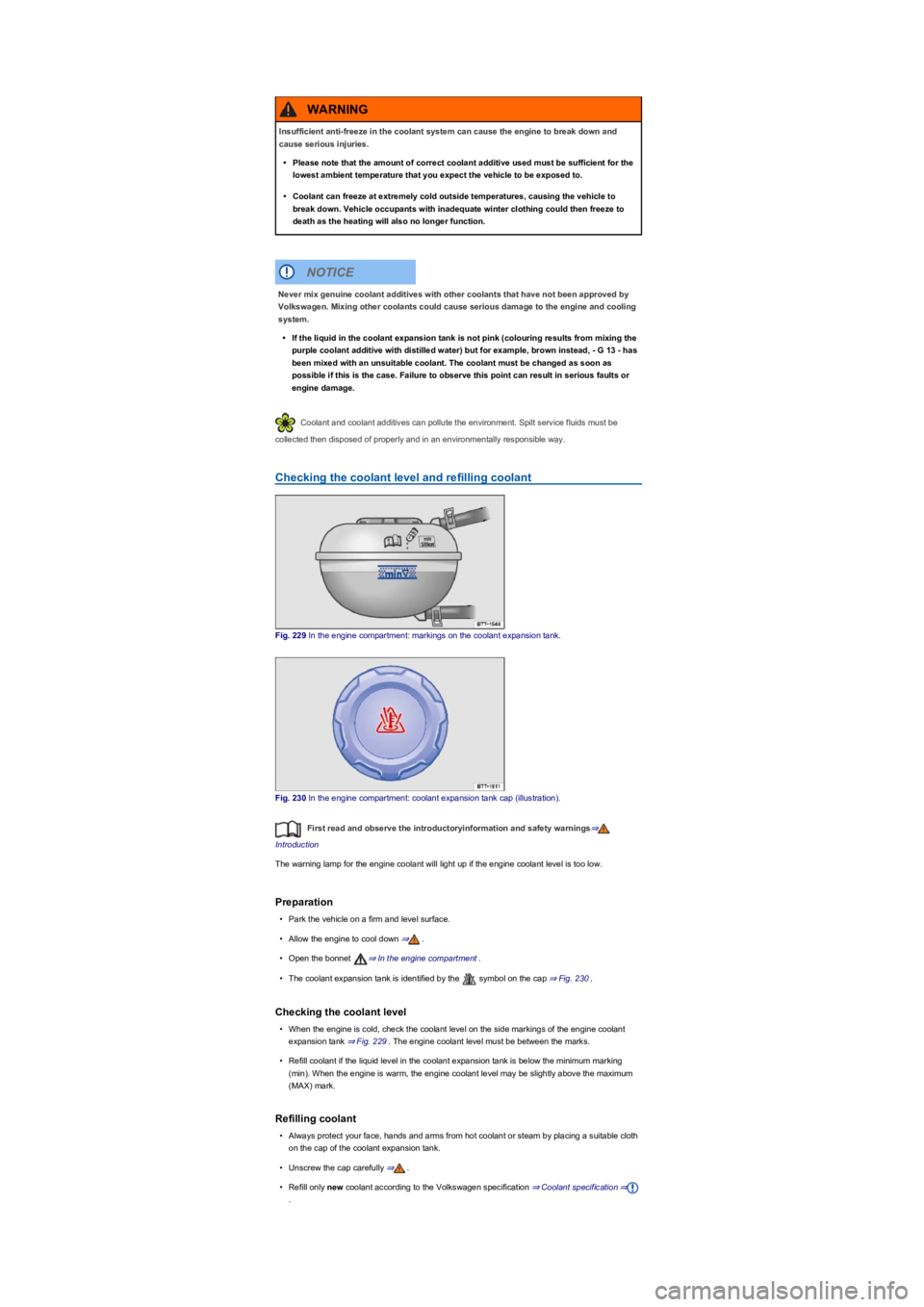
Fig. 229 In the engine compartment: markings on the coolant expansion tank.
Fig. 230 In the engine compartment: coolant expansion tank cap (illustration).
First read and observe the introductoryinformation and safety warnings⇒
Introduction
The warning lamp for the engine coolant will light up if the engine coolant level is too low.
Preparation
•Park the vehicle on a firm and level surface.
•Allow the engine to cool down ⇒.
•Open the bonnet ⇒ In the engine compartment.
•The coolant expansion tank is identified by the symbol on the cap ⇒ Fig. 230.
Checking the coolant level
•When the engine is cold, check the coolant level on the side markings of the engine coolant
expansion tank ⇒ Fig. 229. The engine coolant level must be between the marks.
•Refill coolant if the liquid level in the coolant expansion tank is below the minimum marking
(min). When the engine is warm, the engine coolant level may be slightly above the maximum
(MAX) mark.
Refilling coolant
•Always protect your face, hands and arms from hot coolant or steam by placing a suitable cloth
on the cap of the coolant expansion tank.
•Unscrew the cap carefully ⇒.
•Refill only new coolant according to the Volkswagen specification ⇒ Coolant specification⇒
.
Insufficient anti-freeze in the coolant system can cause the engine to break down and
cause serious injuries.
•Please note that the amount of correct coolant additive used must be sufficient for the
lowest ambient temperature that you expect the vehicle to be exposed to.
•Coolant can freeze at extremely cold outside temperatures, causing the vehicle to
break down. Vehicle occupants with inadequate winter clothing could then freeze to
death as the heating will also no longer function.
WARNING
Never mix genuine coolant additives with other coolants that have not been approved by
Volkswagen. Mixing other coolants could cause serious damage to the engine and cooling
system.
•If the liquid in the coolant expansion tank is not pink (colouring results from mixing the
purple coolant additive with distilled water) but for example, brown instead, - G 13 - has
been mixed with an unsuitable coolant. The coolant must be changed as soon as
possible if this is the case. Failure to observe this point can result in serious faults or
engine damage.
NOTICE
Page 284 of 341
Fig. 231 In the engine compartment: cap on the brake fluid container.
Brake fluid will gradually absorb water from the surrounding air. The brake system will be damaged
if there is too much water in the brake fluid. The boiling point of the brake fluid is also considerably
reduced by the water content. Heavy use of the brakes may cause a vapour lock in the brake
system if the water content is too high. Vapour locks reduce levels of braking power, considerably
increase braking distance and can even cause the brake system to fail completely. Your own safety
and that of other road users depends on having a brake system that functions properly at all times
⇒.
Brake fluid specification
Volkswagen has developed a brake fluid that has been optimised for the brake system in the
vehicle. To ensure optimal operation of the brake system, Volkswagen expressly recommends the
use of brake fluid compliant with VW standard 501 14.
Before using a particular brake fluid, check that the specifications printed on the container
correspond to the vehicle requirements.
Brake fluid that is compliant with VW standard 501 14 is available from Volkswagen dealerships.
If this brake fluid is not available and it is necessary to use another high-quality brake fluid instead,
brake fluid that is compliant with DIN ISO 4925 CLASS 4 or US standard FMVSS 116 DOT 4 can
be used.
Not all brake fluids that are compliant with DIN ISO 4925 CLASS 4 or US standard FMVSS 116
DOT 4 have the same chemical composition. Some of these brake fluids may contain chemicals
that can damage or destroy brake system components over time.
Volkswagen therefore recommends the use of brake fluid that is compliant with
VW standard 501 14 to ensure sustained optimal operation of the brake system.
Brake fluid that is compliant with VW standard 501 14 fulfils the requirements of DIN ISO 4925
CLASS 4 or US standard FMVSS 116 DOT 4.
Brake fluid level
Brake fluid level is too low. Do not drive on! Check the brake fluid level.
The brake fluid level must always be between the MIN and MAX marking on the brake fluid
reservoir or above the MIN marking ⇒.
The brake fluid level cannot be checked accurately in all models as engine components may
partially conceal the brake fluid container. If the brake fluid level cannot be read exactly, please go
to a qualified workshop.
The brake fluid level drops slightly when the vehicle is being used as the brake pads wear and the
brakes are automatically adjusted.
Changing the brake fluid
The brake fluid should be changed by a qualified workshop. Volkswagen recommends using a
Volkswagen dealership for this purpose. Only brake fluid that conforms with the required
specification should be used.