ignition VOLKSWAGEN TIGUAN 2017 Owner´s Manual
[x] Cancel search | Manufacturer: VOLKSWAGEN, Model Year: 2017, Model line: TIGUAN, Model: VOLKSWAGEN TIGUAN 2017Pages: 341, PDF Size: 9.14 MB
Page 112 of 341
Interior mirror
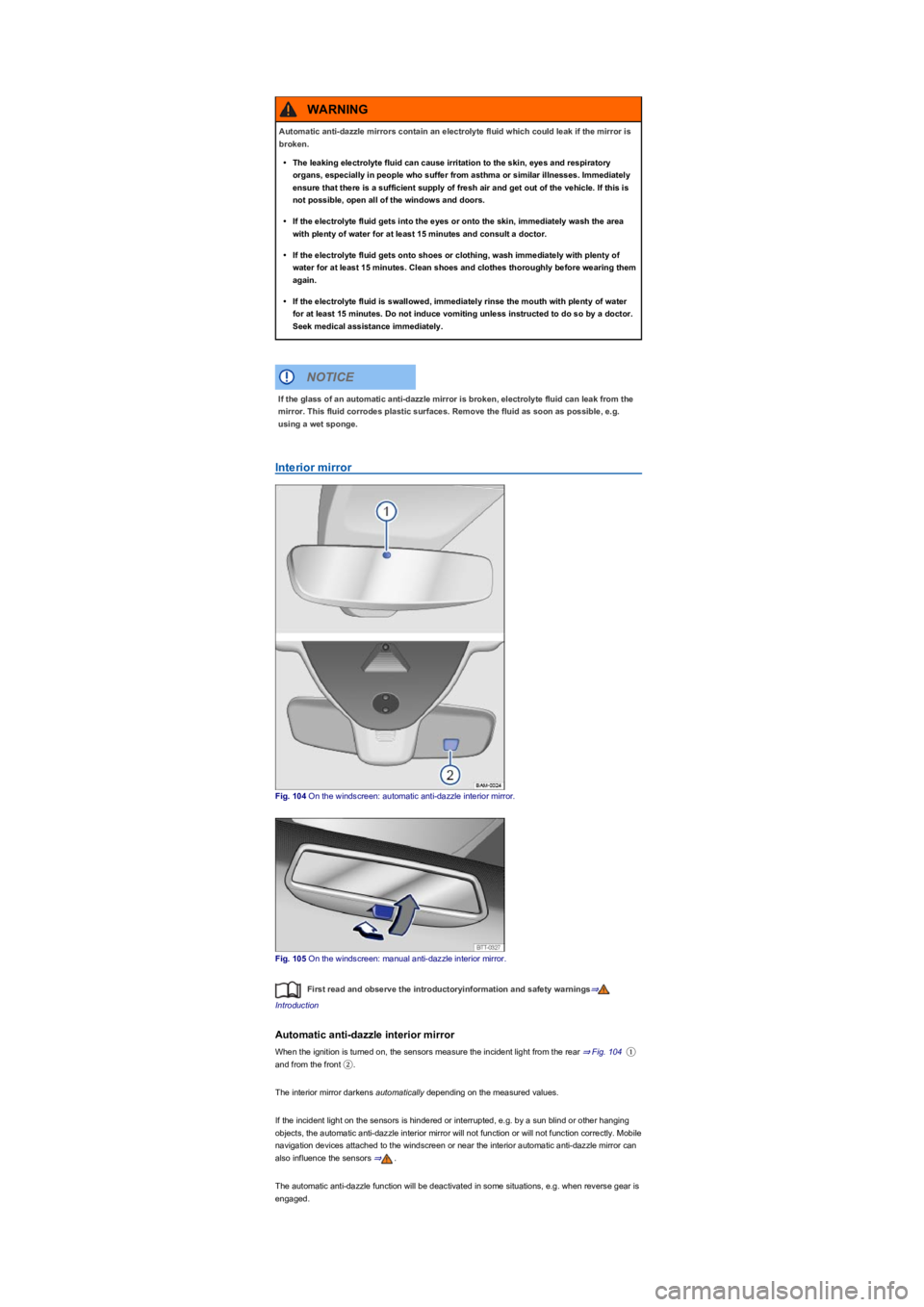
Fig. 104 On the windscreen: automatic anti-dazzle interior mirror.
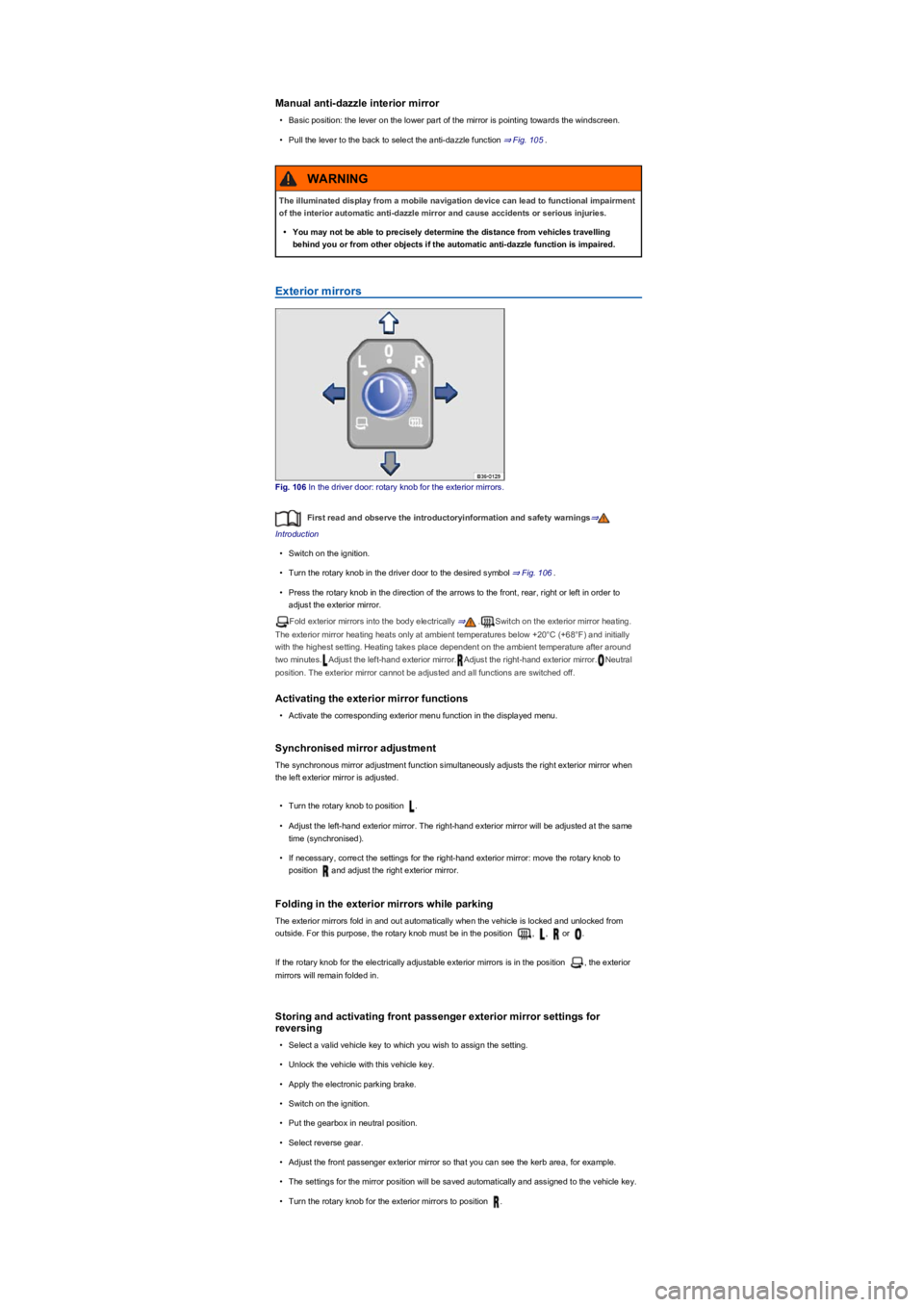
Fig. 105 On the windscreen: manual anti-dazzle interior mirror.
First read and observe the introductoryinformation and safety warnings⇒
Introduction
Automatic anti-dazzle interior mirror
When the ignition is turned on, the sensors measure the incident light from the rear ⇒ Fig. 104①
and from the front ②.
The interior mirror darkens automatically depending on the measured values.
If the incident light on the sensors is hindered or interrupted, e.g. by a sun blind or other hanging
objects, the automatic anti-dazzle interior mirror will not function or will not function correctly. Mobile
navigation devices attached to the windscreen or near the interior automatic anti-dazzle mirror can
also influence the sensors ⇒.
The automatic anti-dazzle function will be deactivated in some situations, e.g. when reverse gear is
engaged.
Automatic anti-dazzle mirrors contain an electrolyte fluid which could leak if the mirror is
broken.
•The leaking electrolyte fluid can cause irritation to the skin, eyes and respiratory
organs, especially in people who suffer from asthma or similar illnesses. Immediately
ensure that there is a sufficient supply of fresh air and get out of the vehicle. If this is
not possible, open all of the windows and doors.
•If the electrolyte fluid gets into the eyes or onto the skin, immediately wash the area
with plenty of water for at least 15 minutes and consult a doctor.
•If the electrolyte fluid gets onto shoes or clothing, wash immediately with plenty of
water for at least 15 minutes. Clean shoes and clothes thoroughly before wearing them
again.
•If the electrolyte fluid is swallowed, immediately rinse the mouth with plenty of water
for at least 15 minutes. Do not induce vomiting unless instructed to do so by a doctor.
Seek medical assistance immediately.
WARNING
If the glass of an automatic anti-dazzle mirror is broken, electrolyte fluid can leak from the
mirror. This fluid corrodes plastic surfaces. Remove the fluid as soon as possible, e.g.
using a wet sponge.
NOTICE
Page 113 of 341
Manual anti-dazzle interior mirror
•Basic position: the lever on the lower part of the mirror is pointing towards the windscreen.
•Pull the lever to the back to select the anti-dazzle function ⇒ Fig. 105.
Exterior mirrors
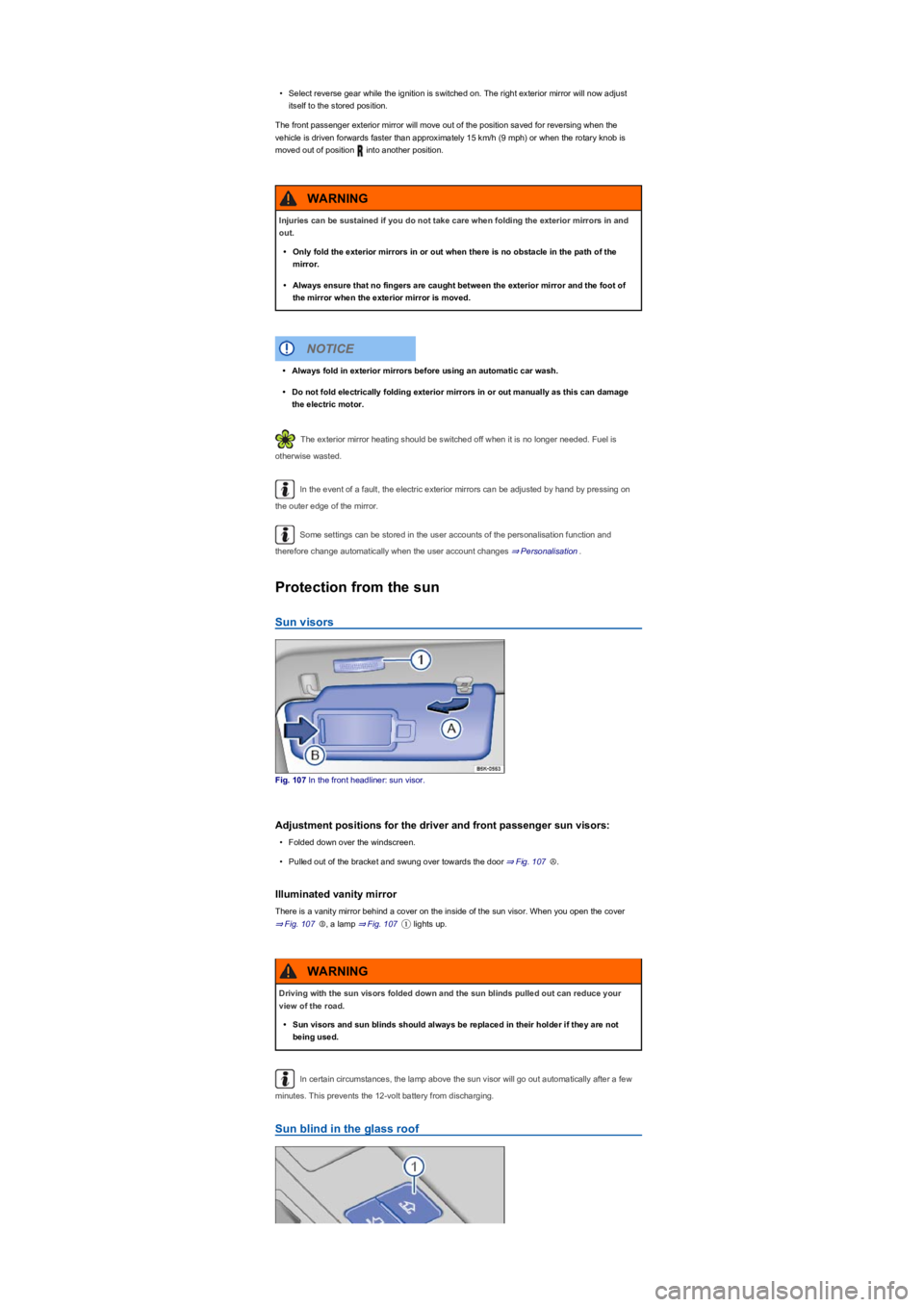
Fig. 106 In the driver door: rotary knob for the exterior mirrors.
First read and observe the introductoryinformation and safety warnings⇒
Introduction
•Switch on the ignition.
•Turn the rotary knob in the driver door to the desired symbol ⇒ Fig. 106.
•Press the rotary knob in the direction of the arrows to the front, rear, right or left in order to
adjust the exterior mirror.
Fold exterior mirrors into the body electrically ⇒.Switch on the exterior mirror heating.
The exterior mirror heating heats only at ambient temperatures below +20°C (+68°F) and initially
with the highest setting. Heating takes place dependent on the ambient temperature after around
two minutes.Adjust the left-hand exterior mirror.Adjust the right-hand exterior mirror.Neutral
position. The exterior mirror cannot be adjusted and all functions are switched off.
Activating the exterior mirror functions
•Activate the corresponding exterior menu function in the displayed menu.
Synchronised mirror adjustment
The synchronous mirror adjustment function simultaneously adjusts the right exterior mirror when
the left exterior mirror is adjusted.
•Turn the rotary knob to position .
•Adjust the left-hand exterior mirror. The right-hand exterior mirror will be adjusted at the same
time (synchronised).
•If necessary, correct the settings for the right-hand exterior mirror: move the rotary knob to
position and adjust the right exterior mirror.
Folding in the exterior mirrors while parking
The exterior mirrors fold in and out automatically when the vehicle is locked and unlocked from
outside. For this purpose, the rotary knob must be in the position , , or .
If the rotary knob for the electrically adjustable exterior mirrors is in the position , the exterior
mirrors will remain folded in.
Storing and activating front passenger exterior mirror settings for
reversing
•Select a valid vehicle key to which you wish to assign the setting.
•Unlock the vehicle with this vehicle key.
•Apply the electronic parking brake.
•Switch on the ignition.
•Put the gearbox in neutral position.
•Select reverse gear.
•Adjust the front passenger exterior mirror so that you can see the kerb area, for example.
•The settings for the mirror position will be saved automatically and assigned to the vehicle key.
•Turn the rotary knob for the exterior mirrors to position .
The illuminated display from a mobile navigation device can lead to functional impairment
of the interior automatic anti-dazzle mirror and cause accidents or serious injuries.
•You may not be able to precisely determine the distance from vehicles travelling
behind you or from other objects if the automatic anti-dazzle function is impaired.
WARNING
Page 114 of 341
•Select reverse gear while the ignition is switched on. The right exterior mirror will now adjust
itself to the stored position.
The front passenger exterior mirror will move out of the position saved for reversing when the
vehicle is driven forwards faster than approximately 15 km/h (9 mph) or when the rotary knob is
moved out of position into another position.
The exterior mirror heating should be switched off when it is no longer needed. Fuel is
otherwise wasted.
In the event of a fault, the electric exterior mirrors can be adjusted by hand by pressing on
the outer edge of the mirror.
Some settings can be stored in the user accounts of the personalisation function and
therefore change automatically when the user account changes ⇒ Personalisation.
Protection from the sun
Sun visors
Fig. 107 In the front headliner: sun visor.
Adjustment positions for the driver and front passenger sun visors:
•Folded down over the windscreen.
•Pulled out of the bracket and swung over towards the door ⇒ Fig. 107Ⓐ.
Illuminated vanity mirror
There is a vanity mirror behind a cover on the inside of the sun visor. When you open the cover
⇒ Fig. 107Ⓑ, a lamp ⇒ Fig. 107① lights up.
In certain circumstances, the lamp above the sun visor will go out automatically after a few
minutes. This prevents the 12-volt battery from discharging.
Sun blind in the glass roof
Injuries can be sustained if you do not take care when folding the exterior mirrors in and
out.
•Only fold the exterior mirrors in or out when there is no obstacle in the path of the
mirror.
•Always ensure that no fingers are caught between the exterior mirror and the foot of
the mirror when the exterior mirror is moved.
WARNING
•Always fold in exterior mirrors before using an automatic car wash.
•Do not fold electrically folding exterior mirrors in or out manually as this can damage
the electric motor.
NOTICE
Driving with the sun visors folded down and the sun blinds pulled out can reduce your
view of the road.
•Sun visors and sun blinds should always be replaced in their holder if they are not
being used.
WARNING
Page 115 of 341
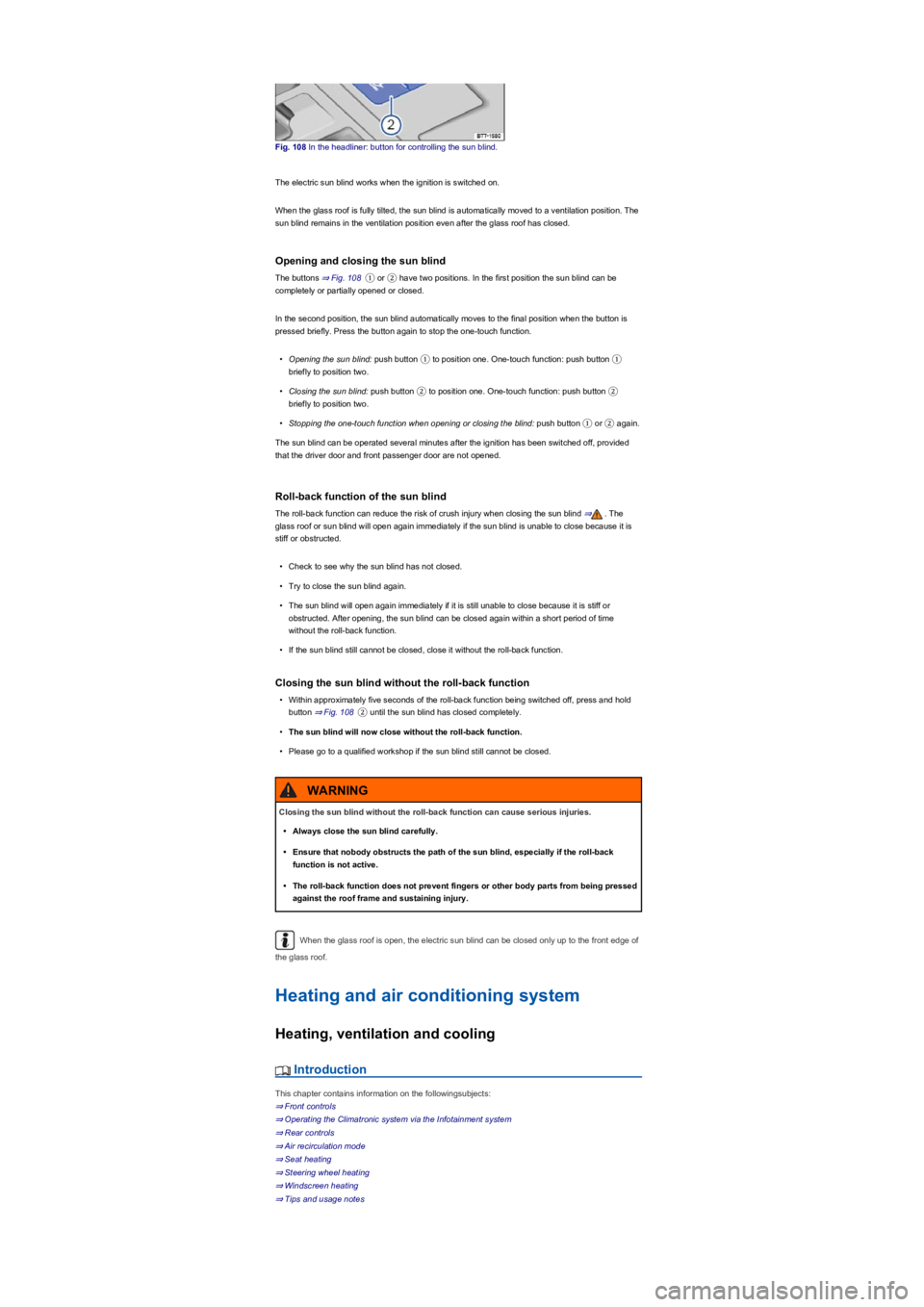
Fig. 108 In the headliner: button for controlling the sun blind.
The electric sun blind works when the ignition is switched on.
When the glass roof is fully tilted, the sun blind is automatically moved to a ventilation position. The
sun blind remains in the ventilation position even after the glass roof has closed.
Opening and closing the sun blind
The buttons ⇒ Fig. 108① or ② have two positions. In the first position the sun blind can be
completely or partially opened or closed.
In the second position, the sun blind automatically moves to the final position when the button is
pressed briefly. Press the button again to stop the one-touch function.
•Opening the sun blind: push button ① to position one. One-touch function: push button ①
briefly to position two.
•Closing the sun blind: push button ② to position one. One-touch function: push button ②
briefly to position two.
•Stopping the one-touch function when opening or closing the blind: push button ① or ② again.
The sun blind can be operated several minutes after the ignition has been switched off, provided
that the driver door and front passenger door are not opened.
Roll-back function of the sun blind
The roll-back function can reduce the risk of crush injury when closing the sun blind ⇒. The
glass roof or sun blind will open again immediately if the sun blind is unable to close because it is
stiff or obstructed.
•Check to see why the sun blind has not closed.
•Try to close the sun blind again.
•The sun blind will open again immediately if it is still unable to close because it is stiff or
obstructed. After opening, the sun blind can be closed again within a short period of time
without the roll-back function.
•If the sun blind still cannot be closed, close it without the roll-back function.
Closing the sun blind without the roll-back function
•Within approximately five seconds of the roll-back function being switched off, press and hold
button ⇒ Fig. 108② until the sun blind has closed completely.
•The sun blind will now close without the roll-back function.
•Please go to a qualified workshop if the sun blind still cannot be closed.
When the glass roof is open, the electric sun blind can be closed only up to the front edge of
the glass roof.
Heating and air conditioning system
Heating, ventilation and cooling
Introduction
This chapter contains information on the followingsubjects:
⇒ Front controls
⇒ Operating the Climatronic system via the Infotainment system
⇒ Rear controls
⇒ Air recirculation mode
⇒ Seat heating
⇒ Steering wheel heating
⇒ Windscreen heating
⇒ Tips and usage notes
Closing the sun blind without the roll-back function can cause serious injuries.
•Always close the sun blind carefully.
•Ensure that nobody obstructs the path of the sun blind, especially if the roll-back
function is not active.
•The roll-back function does not prevent fingers or other body parts from being pressed
against the roof frame and sustaining injury.
WARNING
Page 117 of 341
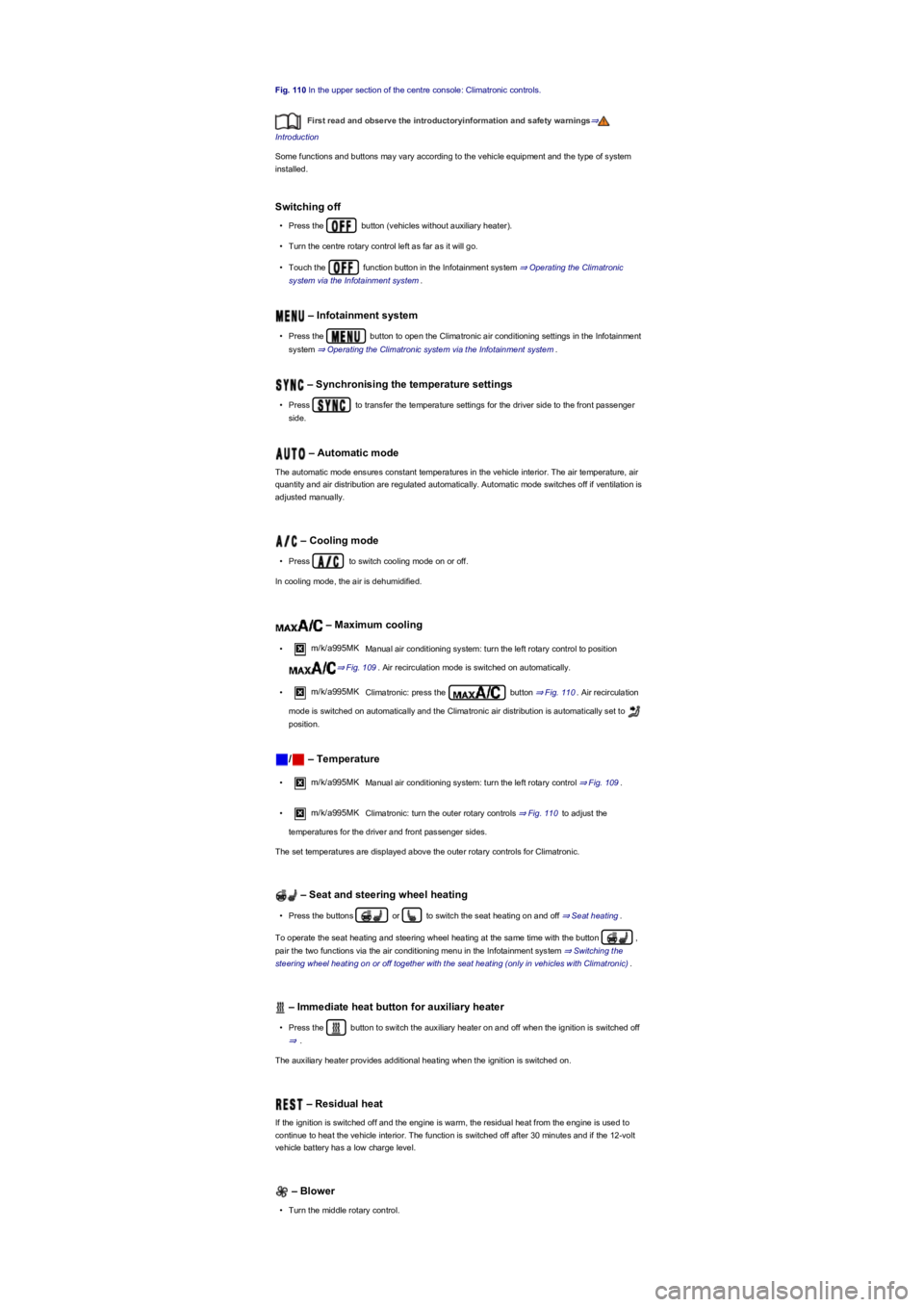
Fig. 110 In the upper section of the centre console: Climatronic controls.
First read and observe the introductoryinformation and safety warnings⇒
Introduction
Some functions and buttons may vary according to the vehicle equipment and the type of system
installed.
Switching off
•Press the button (vehicles without auxiliary heater).
•Turn the centre rotary control left as far as it will go.
•Touch the function button in the Infotainment system ⇒ Operating the Climatronic
system via the Infotainment system.
– Infotainment system
•Press the button to open the Climatronic air conditioning settings in the Infotainment
system ⇒ Operating the Climatronic system via the Infotainment system.
– Synchronising the temperature settings
•Press to transfer the temperature settings for the driver side to the front passenger
side.
– Automatic mode
The automatic mode ensures constant temperatures in the vehicle interior. The air temperature, air
quantity and air distribution are regulated automatically. Automatic mode switches off if ventilation is
adjusted manually.
– Cooling mode
•Press to switch cooling mode on or off.
In cooling mode, the air is dehumidified.
– Maximum cooling
•m/k/a995MK Manual air conditioning system: turn the left rotary control to position
⇒ Fig. 109. Air recirculation mode is switched on automatically.
•m/k/a995MK Climatronic: press the button ⇒ Fig. 110. Air recirculation
mode is switched on automatically and the Climatronic air distribution is automatically set to
position.
/ – Temperature
•m/k/a995MK Manual air conditioning system: turn the left rotary control ⇒ Fig. 109.
•m/k/a995MK Climatronic: turn the outer rotary controls ⇒ Fig. 110 to adjust the
temperatures for the driver and front passenger sides.
The set temperatures are displayed above the outer rotary controls for Climatronic.
– Seat and steering wheel heating
•Press the buttons or to switch the seat heating on and off ⇒ Seat heating.
To operate the seat heating and steering wheel heating at the same time with the button ,
pair the two functions via the air conditioning menu in the Infotainment system ⇒ Switching the
steering wheel heating on or off together with the seat heating (only in vehicles with Climatronic).
– Immediate heat button for auxiliary heater
•Press the button to switch the auxiliary heater on and off when the ignition is switched off
⇒.
The auxiliary heater provides additional heating when the ignition is switched on.
– Residual heat
If the ignition is switched off and the engine is warm, the residual heat from the engine is used to
continue to heat the vehicle interior. The function is switched off after 30 minutes and if the 12-volt
vehicle battery has a low charge level.
– Blower
•Turn the middle rotary control.
Page 121 of 341
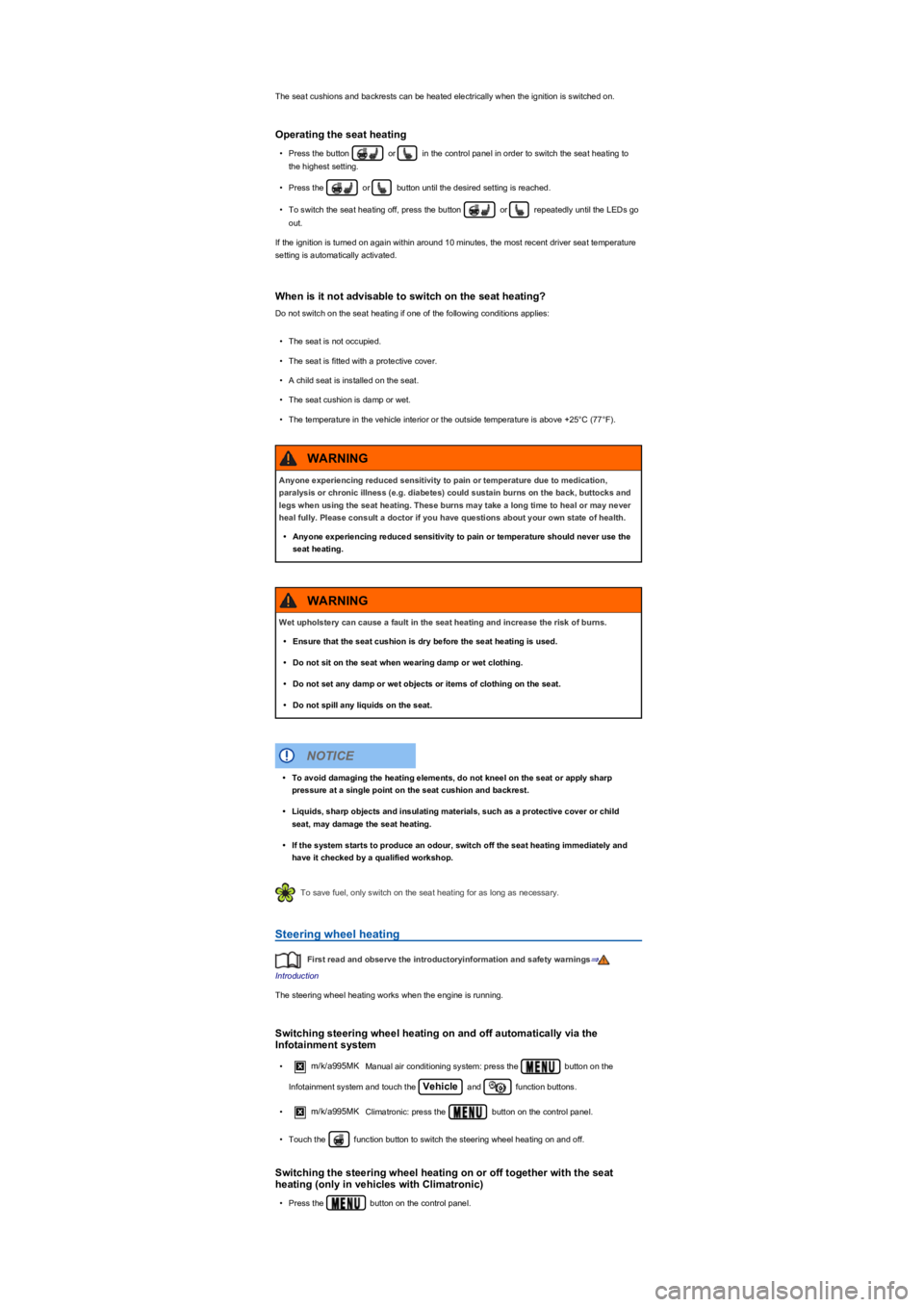
The seat cushions and backrests can be heated electrically when the ignition is switched on.
Operating the seat heating
•Press the button or in the control panel in order to switch the seat heating to
the highest setting.
•Press the or button until the desired setting is reached.
•To switch the seat heating off, press the button or repeatedly until the LEDs go
out.
If the ignition is turned on again within around 10 minutes, the most recent driver seat temperature
setting is automatically activated.
When is it not advisable to switch on the seat heating?
Do not switch on the seat heating if one of the following conditions applies:
•The seat is not occupied.
•The seat is fitted with a protective cover.
•A child seat is installed on the seat.
•The seat cushion is damp or wet.
•The temperature in the vehicle interior or the outside temperature is above +25°C (77°F).
To save fuel, only switch on the seat heating for as long as necessary.
Steering wheel heating
First read and observe the introductoryinformation and safety warnings⇒
Introduction
The steering wheel heating works when the engine is running.
Switching steering wheel heating on and off automatically via the
Infotainment system
•m/k/a995MKManual air conditioning system: press the button on the
Infotainment system and touch the Vehicle and function buttons.
•m/k/a995MKClimatronic: press the button on the control panel.
•Touch the function button to switch the steering wheel heating on and off.
Switching the steering wheel heating on or off together with the seat
heating (only in vehicles with Climatronic)
•Press the button on the control panel.
Anyone experiencing reduced sensitivity to pain or temperature due to medication,
paralysis or chronic illness (e.g. diabetes) could sustain burns on the back, buttocks and
legs when using the seat heating. These burns may take a long time to heal or may never
heal fully. Please consult a doctor if you have questions about your own state of health.
•Anyone experiencing reduced sensitivity to pain or temperature should never use the
seat heating.
WARNING
Wet upholstery can cause a fault in the seat heating and increase the risk of burns.
•Ensure that the seat cushion is dry before the seat heating is used.
•Do not sit on the seat when wearing damp or wet clothing.
•Do not set any damp or wet objects or items of clothing on the seat.
•Do not spill any liquids on the seat.
WARNING
•To avoid damaging the heating elements, do not kneel on the seat or apply sharp
pressure at a single point on the seat cushion and backrest.
•Liquids, sharp objects and insulating materials, such as a protective cover or child
seat, may damage the seat heating.
•If the system starts to produce an odour, switch off the seat heating immediately and
have it checked by a qualified workshop.
NOTICE
Page 122 of 341
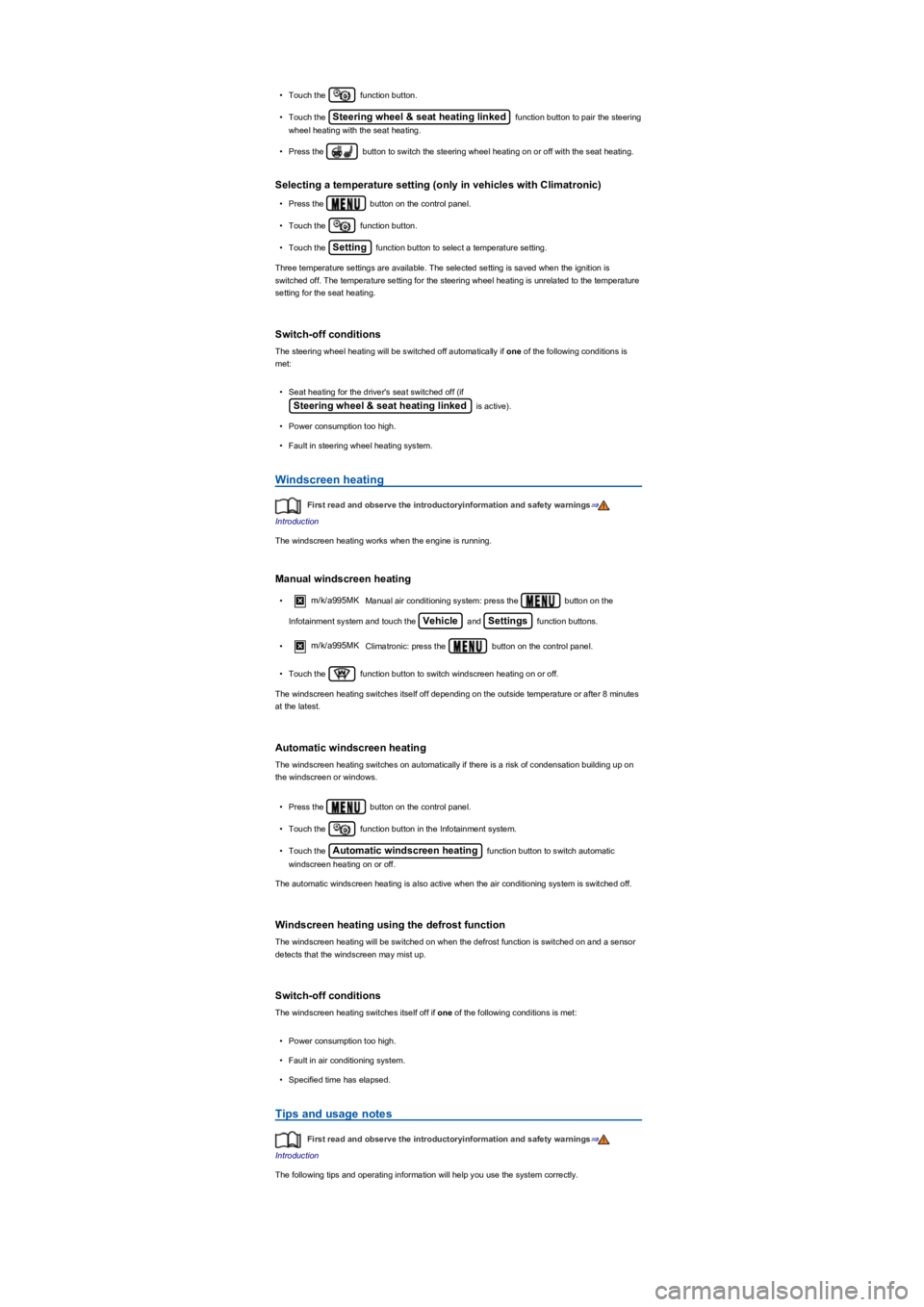
•Touch the function button.
•Touch the Steering wheel & seat heating linked function button to pair the steering
wheel heating with the seat heating.
•Press the button to switch the steering wheel heating on or off with the seat heating.
Selecting a temperature setting (only in vehicles with Climatronic)
•Press the button on the control panel.
•Touch the function button.
•Touch the Setting function button to select a temperature setting.
Three temperature settings are available. The selected setting is saved when the ignition is
switched off. The temperature setting for the steering wheel heating is unrelated to the temperature
setting for the seat heating.
Switch-off conditions
The steering wheel heating will be switched off automatically if one of the following conditions is
met:
•Seat heating for the driver's seat switched off (if
Steering wheel & seat heating linked is active).
•Power consumption too high.
•Fault in steering wheel heating system.
Windscreen heating
First read and observe the introductoryinformation and safety warnings⇒
Introduction
The windscreen heating works when the engine is running.
Manual windscreen heating
•m/k/a995MKManual air conditioning system: press the button on the
Infotainment system and touch the Vehicle and Settings function buttons.
•m/k/a995MKClimatronic: press the button on the control panel.
•Touch the function button to switch windscreen heating on or off.
The windscreen heating switches itself off depending on the outside temperature or after 8 minutes
at the latest.
Automatic windscreen heating
The windscreen heating switches on automatically if there is a risk of condensation building up on
the windscreen or windows.
•Press the button on the control panel.
•Touch the function button in the Infotainment system.
•Touch the Automatic windscreen heating function button to switch automatic
windscreen heating on or off.
The automatic windscreen heating is also active when the air conditioning system is switched off.
Windscreen heating using the defrost function
The windscreen heating will be switched on when the defrost function is switched on and a sensor
detects that the windscreen may mist up.
Switch-off conditions
The windscreen heating switches itself off if one of the following conditions is met:
•Power consumption too high.
•Fault in air conditioning system.
•Specified time has elapsed.
Tips and usage notes
First read and observe the introductoryinformation and safety warnings⇒
Introduction
The following tips and operating information will help you use the system correctly.
Page 124 of 341
The auxiliary heater and ventilation
system allows the vehicle interior to be
heated in winter and ventilated in
summer. Operation of the system
allows ice, condensation and a thin
covering of snow to be cleared from the
windscreen. The auxiliary heater is
supplied with fuel from the vehicle fuel
tank and can be operated when the
vehicle is stationary with the ignition
switched off. The auxiliary ventilation
system is supplied with power by the
12-volt vehicle battery.
Auxiliary heater exhaust system
The emissions produced by the auxiliary heater are removed via an exhaust pipe fitted underneath
the vehicle. The exhaust pipe must not be blocked by snow, mud or other objects.
Switching the auxiliary heater and auxiliary ventilation on and off
First read and observe the introductoryinformation and safety warnings⇒
Introduction
The auxiliary heating can be operated only when the ignition is switched off. If the ignition is
switched on while the auxiliary heater is working, the auxiliary heater continues to run to provide
additional heat.
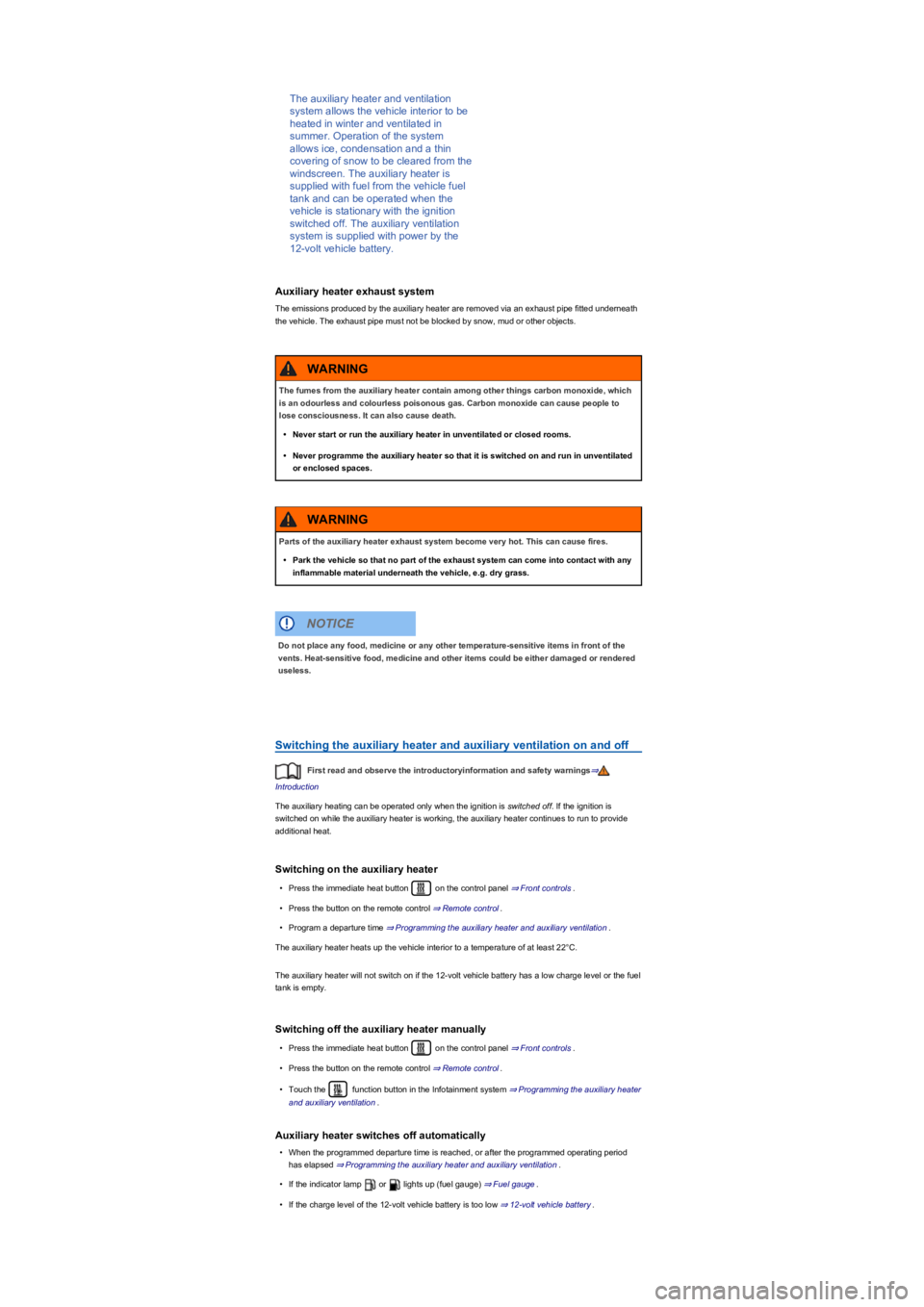
Switching on the auxiliary heater
•Press the immediate heat button on the control panel ⇒ Front controls.
•Press the button on the remote control ⇒ Remote control.
•Program a departure time ⇒ Programming the auxiliary heater and auxiliary ventilation.
The auxiliary heater heats up the vehicle interior to a temperature of at least 22°C.
The auxiliary heater will not switch on if the 12-volt vehicle battery has a low charge level or the fuel
tank is empty.
Switching off the auxiliary heater manually
•Press the immediate heat button on the control panel ⇒ Front controls.
•Press the button on the remote control ⇒ Remote control.
•Touch the function button in the Infotainment system ⇒ Programming the auxiliary heater
and auxiliary ventilation.
Auxiliary heater switches off automatically
•When the programmed departure time is reached, or after the programmed operating period
has elapsed ⇒ Programming the auxiliary heater and auxiliary ventilation.
•If the indicator lamp or lights up (fuel gauge) ⇒ Fuel gauge.
•If the charge level of the 12-volt vehicle battery is too low ⇒ 12-volt vehicle battery.
The fumes from the auxiliary heater contain among other things carbon monoxide, which
is an odourless and colourless poisonous gas. Carbon monoxide can cause people to
lose consciousness. It can also cause death.
•Never start or run the auxiliary heater in unventilated or closed rooms.
•Never programme the auxiliary heater so that it is switched on and run in unventilated
or enclosed spaces.
WARNING
Parts of the auxiliary heater exhaust system become very hot. This can cause fires.
•Park the vehicle so that no part of the exhaust system can come into contact with any
inflammable material underneath the vehicle, e.g. dry grass.
WARNING
Do not place any food, medicine or any other temperature-sensitive items in front of the
vents. Heat-sensitive food, medicine and other items could be either damaged or rendered
useless.
NOTICE
Page 126 of 341
Programming check
If a departure time has been activated, the LED in the immediate heat button will light up on
the Climatronic control panel for approximately ten seconds after the ignition is switched off.
Remote control
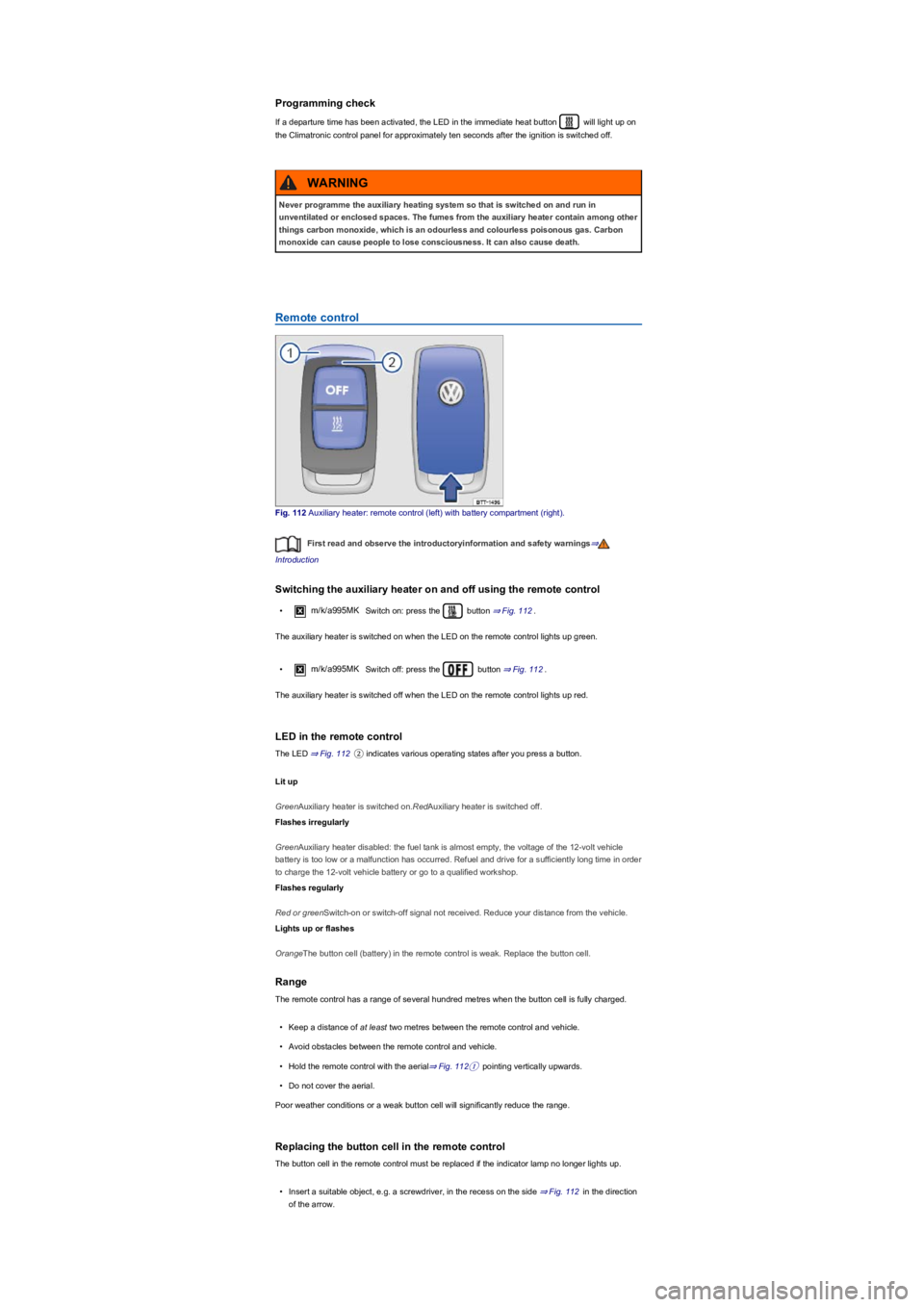
Fig. 112 Auxiliary heater: remote control (left) with battery compartment (right).
First read and observe the introductoryinformation and safety warnings⇒
Introduction
Switching the auxiliary heater on and off using the remote control
•m/k/a995MK Switch on: press the button ⇒ Fig. 112.
The auxiliary heater is switched on when the LED on the remote control lights up green.
•m/k/a995MKSwitch off: press the button ⇒ Fig. 112.
The auxiliary heater is switched off when the LED on the remote control lights up red.
LED in the remote control
The LED ⇒ Fig. 112② indicates various operating states after you press a button.
Lit up
GreenAuxiliary heater is switched on.RedAuxiliary heater is switched off.
Flashes irregularly
GreenAuxiliary heater disabled: the fuel tank is almost empty, the voltage of the 12-volt vehicle
battery is too low or a malfunction has occurred. Refuel and drive for a sufficiently long time in order
to charge the 12-volt vehicle battery or go to a qualified workshop.
Flashes regularly
Red or greenSwitch-on or switch-off signal not received. Reduce your distance from the vehicle.
Lights up or flashes
OrangeThe button cell (battery) in the remote control is weak. Replace the button cell.
Range
The remote control has a range of several hundred metres when the button cell is fully charged.
•Keep a distance of at least two metres between the remote control and vehicle.
•Avoid obstacles between the remote control and vehicle.
•Hold the remote control with the aerial⇒ Fig. 112① pointing vertically upwards.
•Do not cover the aerial.
Poor weather conditions or a weak button cell will significantly reduce the range.
Replacing the button cell in the remote control
The button cell in the remote control must be replaced if the indicator lamp no longer lights up.
•Insert a suitable object, e.g. a screwdriver, in the recess on the side ⇒ Fig. 112 in the direction
of the arrow.
Never programme the auxiliary heating system so that is switched on and run in
unventilated or enclosed spaces. The fumes from the auxiliary heater contain among other
things carbon monoxide, which is an odourless and colourless poisonous gas. Carbon
monoxide can cause people to lose consciousness. It can also cause death.
WARNING
Page 133 of 341
If the front brake pads are tested, the rear brake pads should be tested at the same time.
Regularly check the thickness of the brake pads through the openings in the rims or from the
underside of the vehicle. If necessary, remove the wheels to carry out a comprehensive check.
Volkswagen recommends using a Volkswagen dealership for this purpose.
Driving with a loaded vehicle
First read and observe the introductoryinformation and safety warnings⇒
Introduction
For good vehicle handling when driving a loaded vehicle, please observe the following:
•Stow all items of luggage securely ⇒ Stowing luggage and loads.
•Accelerate particularly cautiously and carefully.
•Avoid sudden braking and driving manoeuvres.
•Brake earlier than in normal driving.
•If applicable, observe the information concerning the roof carrier ⇒ Roof carrier.
•If applicable, observe the information about driving with a trailer ⇒ Trailer towing.
Driving with an open boot lid
First read and observe the introductoryinformation and safety warnings⇒
Introduction
Driving with an open boot lid is particularly dangerous. All objects and the open boot lid must be
secured properly. Take the appropriate measures to reduce the amount of poisonous exhaust
fumes that could enter into the vehicle.
Wet brakes or brakes coated with ice or road salt react more slowly and require longer
braking distances.
•Carefully apply the brakes to test them.
•Always dry brakes and clean off any coating of ice and salt with a few cautious
applications of the brake when visibility, weather, road and traffic conditions permit.
WARNING
Driving without the brake servo can considerably increase the braking distance and thus
cause accidents and serious injuries.
•Never switch the engine or ignition off while the vehicle is in motion.
•If the brake servo does not function or the vehicle is being towed, the brake pedal will
have to be depressed more forcefully as the braking distance will be increased due to
the lack of assistance for the brake system.
WARNING
Moving loads can severely impair the vehicle's stability and driving safety which could
cause accidents and severe injuries.
•Secure objects properly to prevent them from sliding.
•Use suitable straps when securing heavy objects.
•Engage the rear seat backrests and the adjustable rear bench seat securely.
WARNING