child lock VOLKSWAGEN UP! 2021 Owner´s Manual
[x] Cancel search | Manufacturer: VOLKSWAGEN, Model Year: 2021, Model line: UP!, Model: VOLKSWAGEN UP! 2021Pages: 211, PDF Size: 5.98 MB
Page 133 of 211
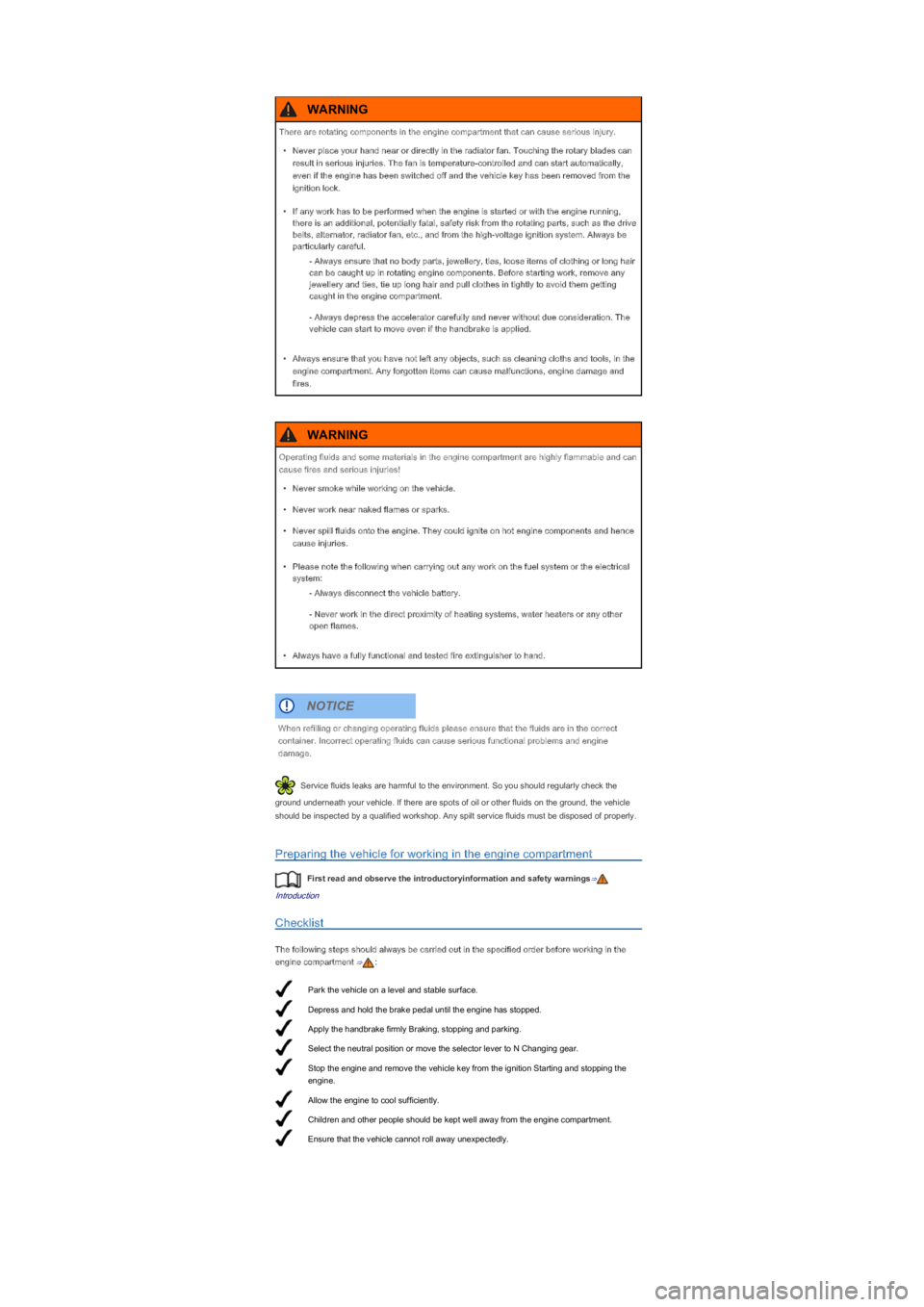
Park the vehicle on a level and stable surface.
Depress and hold the brake pedal until the engine has stopped.
Apply the handbrake firmly Braking, stopping and parking.
Select the neutral position or move the selector lever to N Changing gear.
Stop the engine and remove the vehicle key from the ignition Starting and stopping the
engine.
Allow the engine to cool sufficiently.
Children and other people should be kept well away from the engine compartment.
Ensure that the vehicle cannot roll away unexpectedly.
Service fluids leaks are harmful to the environment. So you should regularly check the
ground underneath your vehicle. If there are spots of oil or other fluids on the ground, the vehicle
should be inspected by a qualified workshop. Any spilt service fluids must be disposed of properly.
Preparing the vehicle for working in the engine compartment
First read and observe the introductoryinformation and safety warnings⇒
Introduction
Checklist
The following steps should always be carried out in the specified order before working in the
engine compartment ⇒:
There are rotating components in the engine compartment that can cause serious injury.
•Never place your hand near or directly in the radiator fan. Touching the rotary blades can
result in serious injuries. The fan is temperature-controlled and can start automatically,
even if the engine has been switched off and the vehicle key has been removed from the
ignition lock.
•If any work has to be performed when the engine is started or with the engine running,
there is an additional, potentially fatal, safety risk from the rotating parts, such as the drive
belts, alternator, radiator fan, etc., and from the high-voltage ignition system. Always be
particularly careful.
- Always ensure that no body parts, jewellery, ties, loose items of clothing or long hair
can be caught up in rotating engine components. Before starting work, remove any
jewellery and ties, tie up long hair and pull clothes in tightly to avoid them getting
caught in the engine compartment.
- Always depress the accelerator carefully and never without due consideration. The
vehicle can start to move even if the handbrake is applied.
•Always ensure that you have not left any objects, such as cleaning cloths and tools, in the
engine compartment. Any forgotten items can cause malfunctions, engine damage and
fires.
WARNING
Operating fluids and some materials in the engine compartment are highly flammable and can
cause fires and serious injuries!
•Never smoke while working on the vehicle.
•Never work near naked flames or sparks.
•Never spill fluids onto the engine. They could ignite on hot engine components and hence
cause injuries.
•Please note the following when carrying out any work on the fuel system or the electrical
system:
- Always disconnect the vehicle battery.
- Never work in the direct proximity of heating systems, water heaters or any other
open flames.
•Always have a fully functional and tested fire extinguisher to hand.
WARNING
When refilling or changing operating fluids please ensure that the fluids are in the correct
container. Incorrect operating fluids can cause serious functional problems and engine
damage.
NOTICE
Page 141 of 211
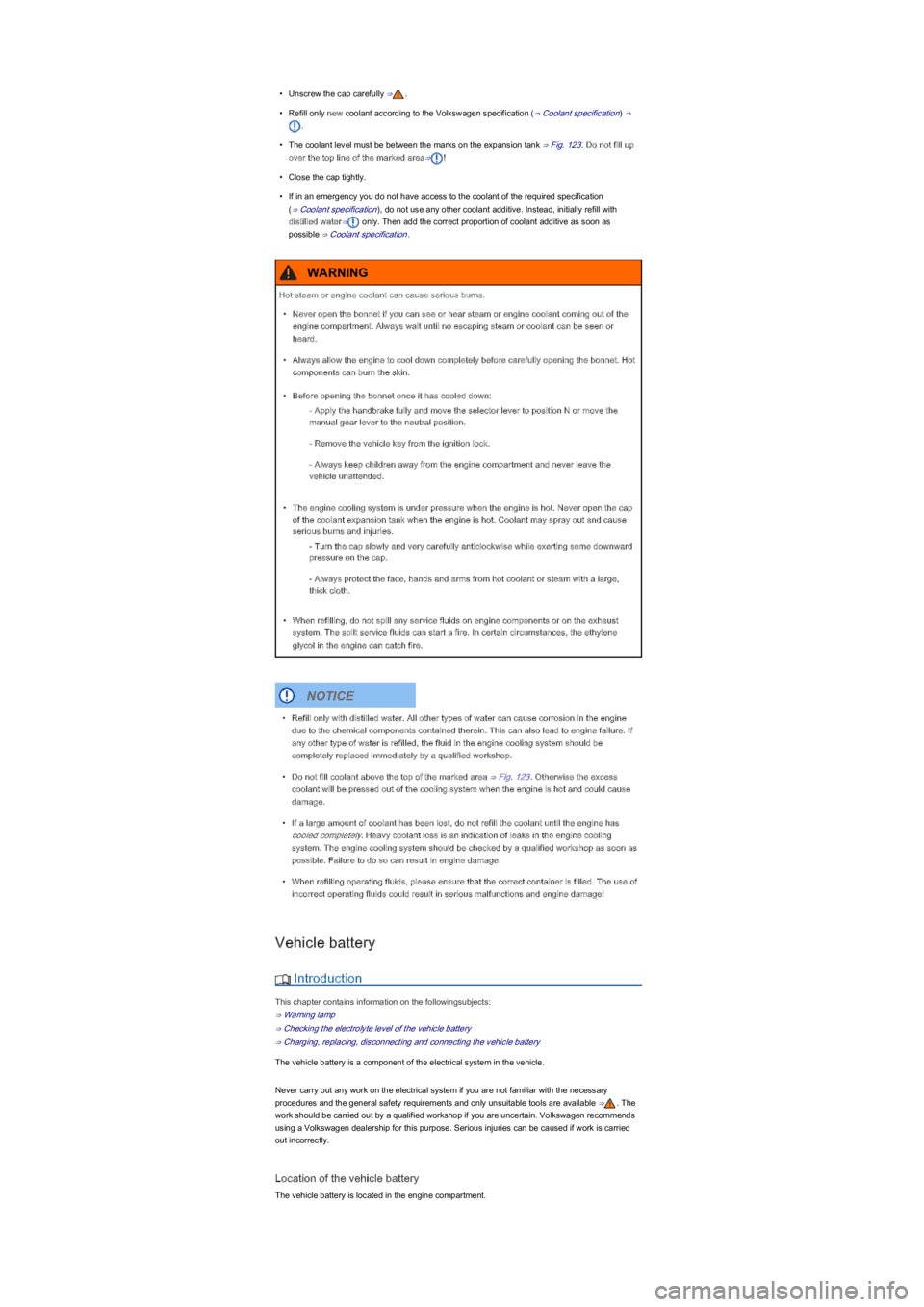
•Unscrew the cap carefully ⇒.
•Refill only new coolant according to the Volkswagen specification (⇒ Coolant specification) ⇒
.
•The coolant level must be between the marks on the expansion tank ⇒ Fig. 123. Do not fill up
over the top line of the marked area⇒!
•Close the cap tightly.
•If in an emergency you do not have access to the coolant of the required specification
(⇒ Coolant specification), do not use any other coolant additive. Instead, initially refill with
distilled water⇒ only. Then add the correct proportion of coolant additive as soon as
possible ⇒ Coolant specification.
Vehicle battery
Introduction
This chapter contains information on the followingsubjects:
⇒ Warning lamp
⇒ Checking the electrolyte level of the vehicle battery
⇒ Charging, replacing, disconnecting and connecting the vehicle battery
The vehicle battery is a component of the electrical system in the vehicle.
Never carry out any work on the electrical system if you are not familiar with the necessary
procedures and the general safety requirements and only unsuitable tools are available ⇒. The
work should be carried out by a qualified workshop if you are uncertain. Volkswagen recommends
using a Volkswagen dealership for this purpose. Serious injuries can be caused if work is carried
out incorrectly.
Location of the vehicle battery
The vehicle battery is located in the engine compartment.
Hot steam or engine coolant can cause serious burns.
•Never open the bonnet if you can see or hear steam or engine coolant coming out of the
engine compartment. Always wait until no escaping steam or coolant can be seen or
heard.
•Always allow the engine to cool down completely before carefully opening the bonnet. Hot
components can burn the skin.
•Before opening the bonnet once it has cooled down:
- Apply the handbrake fully and move the selector lever to position N or move the
manual gear lever to the neutral position.
- Remove the vehicle key from the ignition lock.
- Always keep children away from the engine compartment and never leave the
vehicle unattended.
•The engine cooling system is under pressure when the engine is hot. Never open the cap
of the coolant expansion tank when the engine is hot. Coolant may spray out and cause
serious burns and injuries.
- Turn the cap slowly and very carefully anticlockwise while exerting some downward
pressure on the cap.
- Always protect the face, hands and arms from hot coolant or steam with a large,
thick cloth.
•When refilling, do not spill any service fluids on engine components or on the exhaust
system. The spilt service fluids can start a fire. In certain circumstances, the ethylene
glycol in the engine can catch fire.
WARNING
•Refill only with distilled water. All other types of water can cause corrosion in the engine
due to the chemical components contained therein. This can also lead to engine failure. If
any other type of water is refilled, the fluid in the engine cooling system should be
completely replaced immediately by a qualified workshop.
•Do not fill coolant above the top of the marked area ⇒ Fig. 123. Otherwise the excess
coolant will be pressed out of the cooling system when the engine is hot and could cause
damage.
•If a large amount of coolant has been lost, do not refill the coolant until the engine has
cooled completely. Heavy coolant loss is an indication of leaks in the engine cooling
system. The engine cooling system should be checked by a qualified workshop as soon as
possible. Failure to do so can result in engine damage.
•When refilling operating fluids, please ensure that the correct container is filled. The use of
incorrect operating fluids could result in serious malfunctions and engine damage!
NOTICE
Page 182 of 211
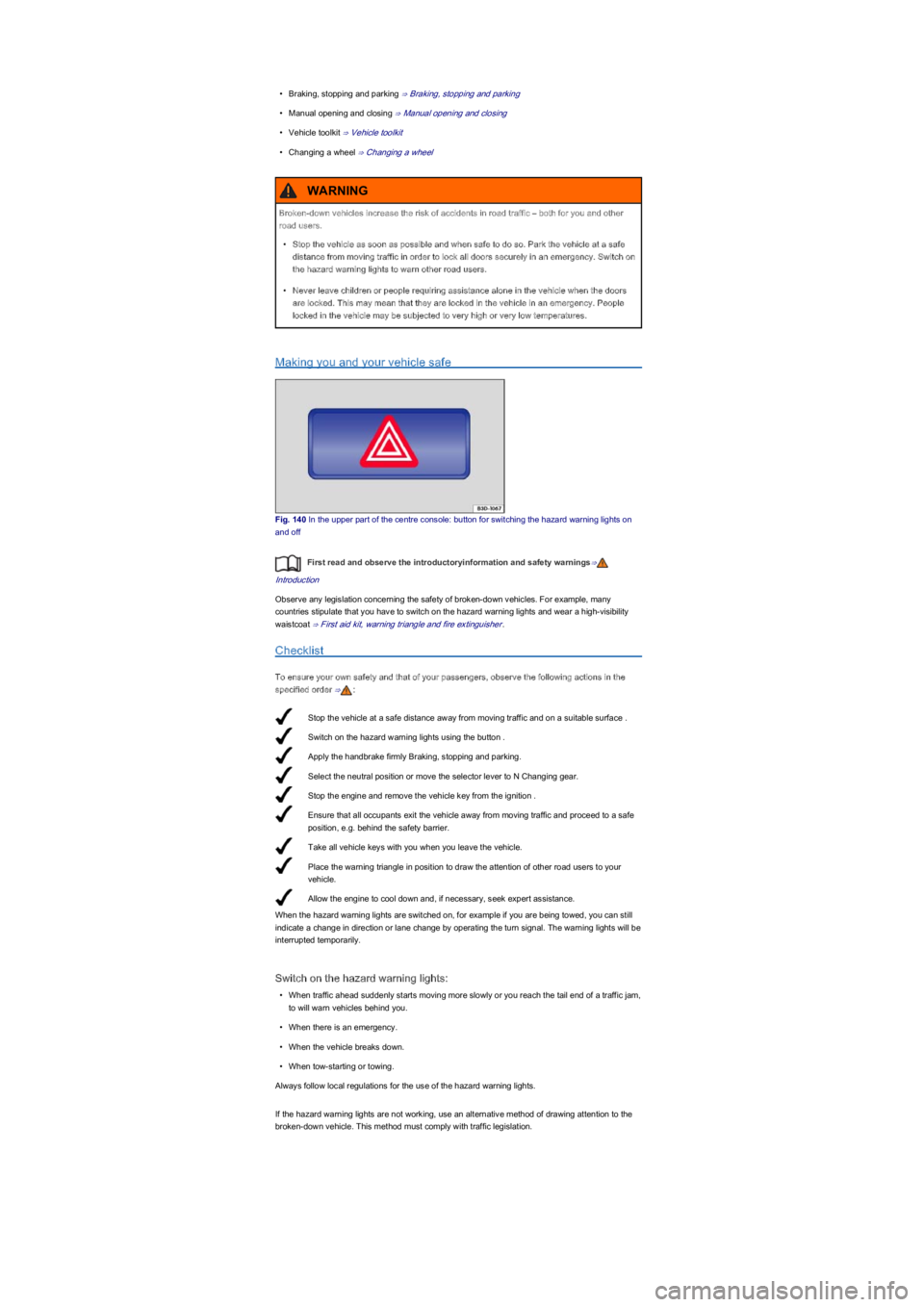
Stop the vehicle at a safe distance away from moving traffic and on a suitable surface .
Switch on the hazard warning lights using the button .
Apply the handbrake firmly Braking, stopping and parking.
Select the neutral position or move the selector lever to N Changing gear.
Stop the engine and remove the vehicle key from the ignition .
Ensure that all occupants exit the vehicle away from moving traffic and proceed to a safe
position, e.g. behind the safety barrier.
Take all vehicle keys with you when you leave the vehicle.
Place the warning triangle in position to draw the attention of other road users to your
vehicle.
Allow the engine to cool down and, if necessary, seek expert assistance.
•Braking, stopping and parking ⇒ Braking, stopping and parking
•Manual opening and closing ⇒ Manual opening and closing
•Vehicle toolkit ⇒ Vehicle toolkit
•Changing a wheel ⇒ Changing a wheel
Making you and your vehicle safe
Fig. 140 In the upper part of the centre console: button for switching the hazard warning lights on
and off
First read and observe the introductoryinformation and safety warnings⇒
Introduction
Observe any legislation concerning the safety of broken-down vehicles. For example, many
countries stipulate that you have to switch on the hazard warning lights and wear a high-visibility
waistcoat ⇒ First aid kit, warning triangle and fire extinguisher.
Checklist
To ensure your own safety and that of your passengers, observe the following actions in the
specified order ⇒:
When the hazard warning lights are switched on, for example if you are being towed, you can still
indicate a change in direction or lane change by operating the turn signal. The warning lights will be
interrupted temporarily.
Switch on the hazard warning lights:
•When traffic ahead suddenly starts moving more slowly or you reach the tail end of a traffic jam,
to will warn vehicles behind you.
•When there is an emergency.
•When the vehicle breaks down.
•When tow-starting or towing.
Always follow local regulations for the use of the hazard warning lights.
If the hazard warning lights are not working, use an alternative method of drawing attention to the
broken-down vehicle. This method must comply with traffic legislation.
Broken-down vehicles increase the risk of accidents in road traffic – both for you and other
road users.
•Stop the vehicle as soon as possible and when safe to do so. Park the vehicle at a safe
distance from moving traffic in order to lock all doors securely in an emergency. Switch on
the hazard warning lights to warn other road users.
•Never leave children or people requiring assistance alone in the vehicle when the doors
are locked. This may mean that they are locked in the vehicle in an emergency. People
locked in the vehicle may be subjected to very high or very low temperatures.
WARNING
Page 184 of 211
•Vehicle key set ⇒ Vehicle key set
•Central locking system ⇒ Central locking system
•Doors ⇒ Doors
•Tailgate ⇒ Tailgate
•In an emergency ⇒ In an emergency
Locking or unlocking the driver door and front passenger door
manually
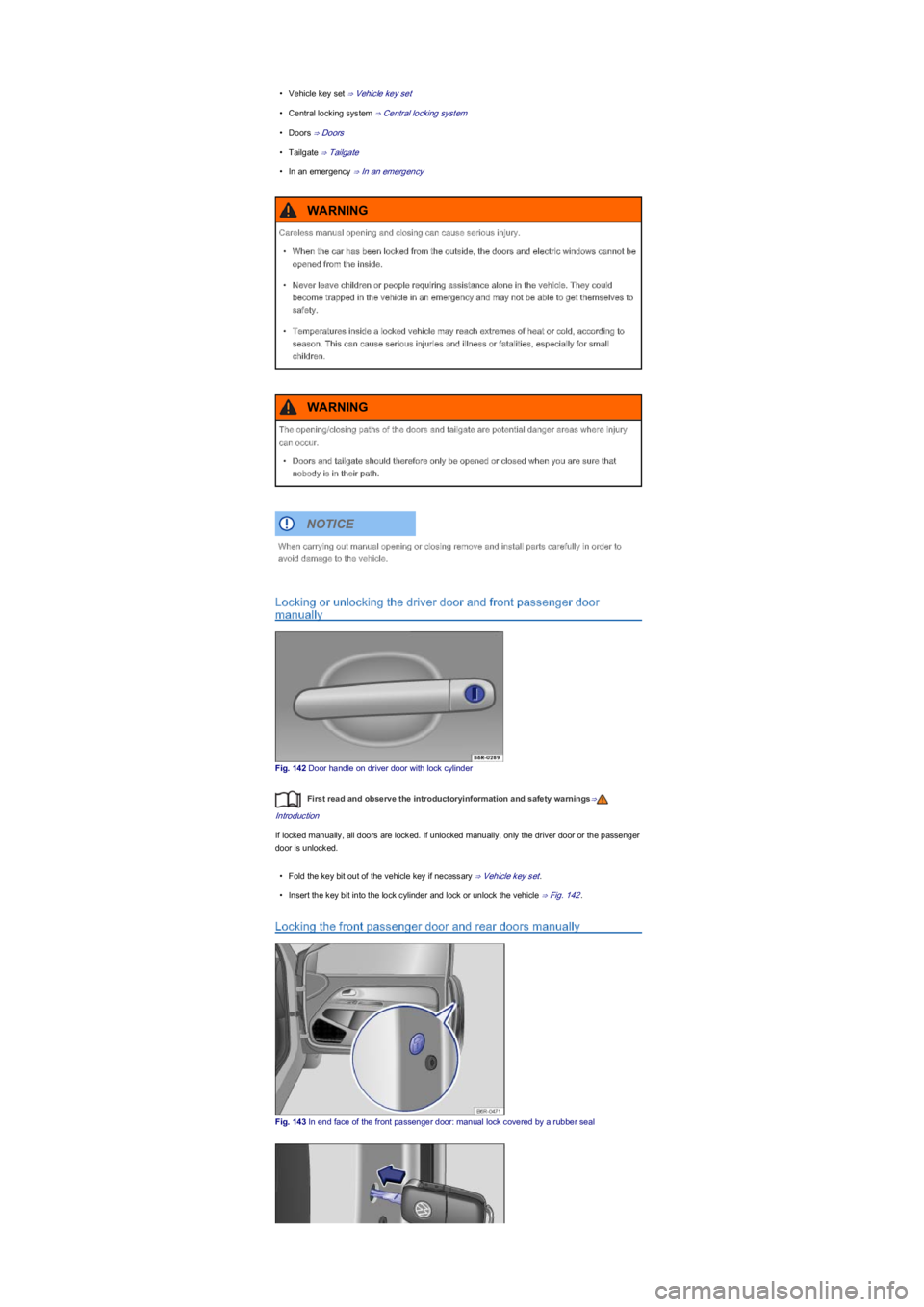
Fig. 142 Door handle on driver door with lock cylinder
First read and observe the introductoryinformation and safety warnings⇒
Introduction
If locked manually, all doors are locked. If unlocked manually, only the driver door or the passenger
door is unlocked.
•Fold the key bit out of the vehicle key if necessary ⇒ Vehicle key set.
•Insert the key bit into the lock cylinder and lock or unlock the vehicle ⇒ Fig. 142.
Locking the front passenger door and rear doors manually
Fig. 143 In end face of the front passenger door: manual lock covered by a rubber seal
Careless manual opening and closing can cause serious injury.
•When the car has been locked from the outside, the doors and electric windows cannot be
opened from the inside.
•Never leave children or people requiring assistance alone in the vehicle. They could
become trapped in the vehicle in an emergency and may not be able to get themselves to
safety.
•Temperatures inside a locked vehicle may reach extremes of heat or cold, according to
season. This can cause serious injuries and illness or fatalities, especially for small
children.
WARNING
The opening/closing paths of the doors and tailgate are potential danger areas where injury
can occur.
•Doors and tailgate should therefore only be opened or closed when you are sure that
nobody is in their path.
WARNING
When carrying out manual opening or closing remove and install parts carefully in order to
avoid damage to the vehicle.
NOTICE