service VOLKSWAGEN UP! 2021 Owner´s Manual
[x] Cancel search | Manufacturer: VOLKSWAGEN, Model Year: 2021, Model line: UP!, Model: VOLKSWAGEN UP! 2021Pages: 211, PDF Size: 5.98 MB
Page 101 of 211
Information on the brakes
First read and observe the introductoryinformation and safety warnings⇒
Introduction
New brake pads cannot generate the full braking effect during the first 200 to 300 km and must first
be run in ⇒. However, you can compensate for the slightly reduced braking force by applying
more pressure to the brake pedal. During the run-in period, the braking distance is longer when
the brakes are depressed fully or during emergency braking than with brakes that have been fully
run in. In the run-in period, the brakes should not be depressed fully and situations that create a
heavy load on the brakes should be avoided. For example, when driving too close to the vehicle
ahead.
The rate of wear of the brake pads depends to a great extent on the conditions under which the
vehicle is operated and the way in which the vehicle is driven. With regular urban trips, short
journeys and a sporty driving style, the brake pads must be checked by a qualified workshop more
regularly than stated in the service schedule.
When driving with wet brakes, for example after driving through water, after heavy rainfall or after
washing the vehicle, the braking effect may be delayed as the brake discs will be wet, or possibly
iced up (in winter). The brakes must be dried as quickly as possible by careful braking at higher
speed. Please ensure that no following vehicle and no other road user is put at risk as a result of
this action ⇒.
Any layer of salt accumulated on the discs and pads will delay the braking effect and increase the
braking distance. If the brakes on the vehicle have not been applied for a long time on roads that
have been gritted with salt, the layer of salt must be reduced through careful braking ⇒.
Corrosion on the brake discs and dirt in the brake pads are facilitated through long periods of
inactivity, low mileage and low load levels. If the brake pads have been hardly used, or if they are at
all corroded, Volkswagen recommends that the brake discs and brake pads be cleaned by braking
strongly several times from high speed. Please ensure that no following vehicle and no other road
user is put at risk as a result of this action ⇒.
Fault in the brake system
A brake circuit may have failed if you have to reduce speed and the vehicle does not brake as
normal (sudden increase in braking distance). This is indicated by the warning light . Go to the
nearest qualified workshop immediately to have the fault corrected. Drive at low speed when doing
this and anticipate much longer braking distances and an increase in the pressure required on the
pedal.
Brake servo
The brake servo will only function when the engine is running and reinforces the pressure applied
by the driver on the brake pedal.
If the brake servo is not functioning or the vehicle is being towed, the brake pedal will have to be
depressed more forcefully as the braking distance will be increased due to the lack of assistance for
the brake system ⇒.
The components of the exhaust system become very hot. This can cause fires and serious
injuries.
•Never park the vehicle where parts of the exhaust system can come into contact with any
inflammable material underneath the vehicle, e.g. leaves, dry grass, spilt fuel.
WARNING
•To avoid unintentional movement when parking the vehicle, first apply the handbrake firmly
and then remove your foot from the brake pedal.
•Always take care when driving in car parks with protruding kerbstones or bollards. Objects
that protrude from the ground can damage the bumper and other components when
parking the vehicle. In order to avoid any damage, stop the vehicle before the wheels
touch the bollards or kerbs.
•Drive carefully through dips in the road, over driveways, ramps, kerbstones and other
objects. Low-lying vehicle components such as the bumper, spoiler and parts of the
running gear, engine or exhaust system could be damaged.
NOTICE
Page 104 of 211
The ESC or the TCS/TC can only function properly if all four wheels have the same tyres.
Any differences in the rolling radius of the tyres can cause the system to reduce engine power
unexpectedly.
If the ABS fails, the ESC, TCS, TC and EDL will also cease to function.
Control processes running in the systems described may cause operating noises.
Brake fluid
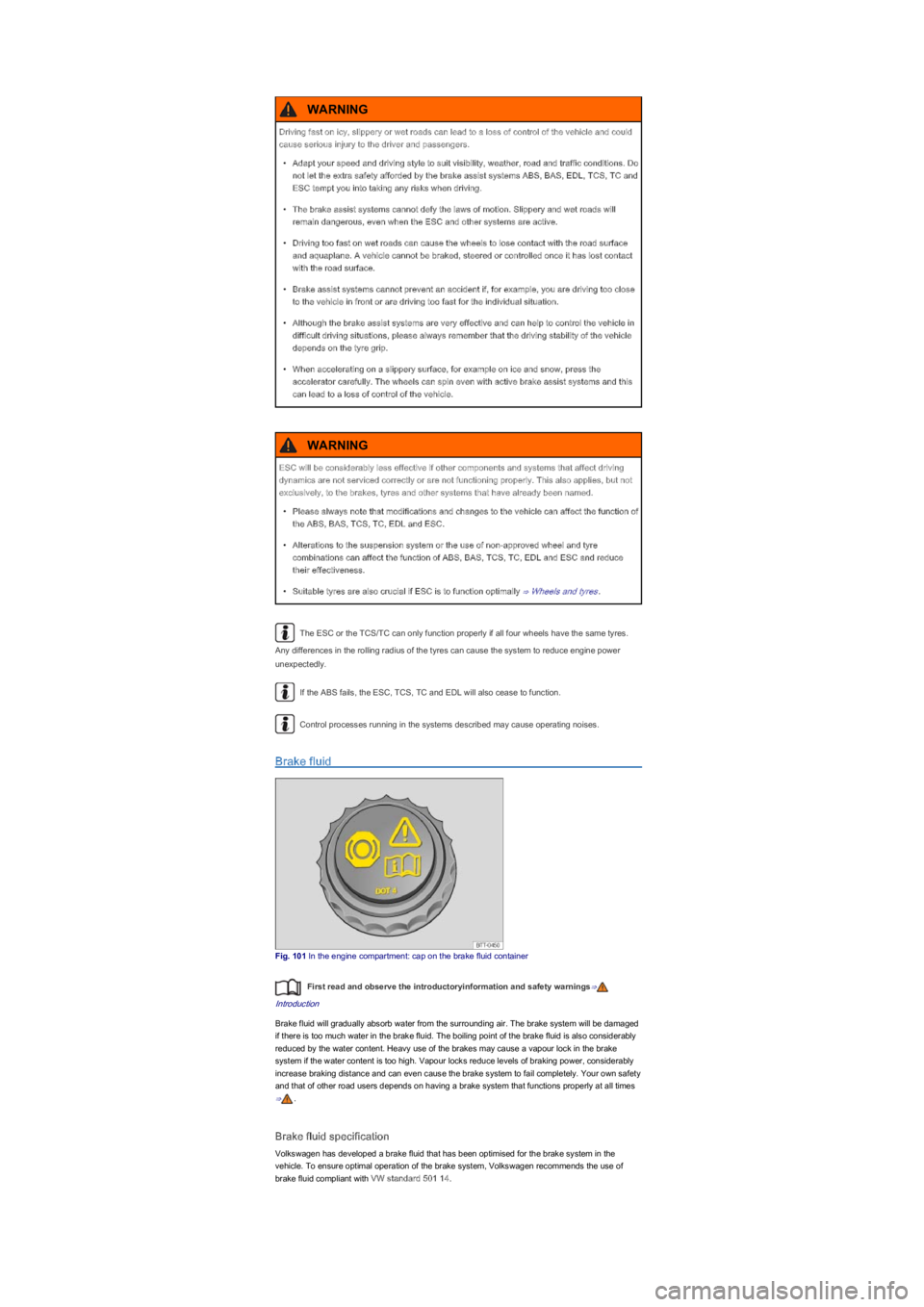
Fig. 101 In the engine compartment: cap on the brake fluid container
First read and observe the introductoryinformation and safety warnings⇒
Introduction
Brake fluid will gradually absorb water from the surrounding air. The brake system will be damaged
if there is too much water in the brake fluid. The boiling point of the brake fluid is also considerably
reduced by the water content. Heavy use of the brakes may cause a vapour lock in the brake
system if the water content is too high. Vapour locks reduce levels of braking power, considerably
increase braking distance and can even cause the brake system to fail completely. Your own safety
and that of other road users depends on having a brake system that functions properly at all times
⇒.
Brake fluid specification
Volkswagen has developed a brake fluid that has been optimised for the brake system in the
vehicle. To ensure optimal operation of the brake system, Volkswagen recommends the use of
brake fluid compliant with VW standard 501 14.
Driving fast on icy, slippery or wet roads can lead to a loss of control of the vehicle and could
cause serious injury to the driver and passengers.
•Adapt your speed and driving style to suit visibility, weather, road and traffic conditions. Do
not let the extra safety afforded by the brake assist systems ABS, BAS, EDL, TCS, TC and
ESC tempt you into taking any risks when driving.
•The brake assist systems cannot defy the laws of motion. Slippery and wet roads will
remain dangerous, even when the ESC and other systems are active.
•Driving too fast on wet roads can cause the wheels to lose contact with the road surface
and aquaplane. A vehicle cannot be braked, steered or controlled once it has lost contact
with the road surface.
•Brake assist systems cannot prevent an accident if, for example, you are driving too close
to the vehicle in front or are driving too fast for the individual situation.
•Although the brake assist systems are very effective and can help to control the vehicle in
difficult driving situations, please always remember that the driving stability of the vehicle
depends on the tyre grip.
•When accelerating on a slippery surface, for example on ice and snow, press the
accelerator carefully. The wheels can spin even with active brake assist systems and this
can lead to a loss of control of the vehicle.
WARNING
ESC will be considerably less effective if other components and systems that affect driving
dynamics are not serviced correctly or are not functioning properly. This also applies, but not
exclusively, to the brakes, tyres and other systems that have already been named.
•Please always note that modifications and changes to the vehicle can affect the function of
the ABS, BAS, TCS, TC, EDL and ESC.
•Alterations to the suspension system or the use of non-approved wheel and tyre
combinations can affect the function of ABS, BAS, TCS, TC, EDL and ESC and reduce
their effectiveness.
•Suitable tyres are also crucial if ESC is to function optimally ⇒ Wheels and tyres.
WARNING
Page 105 of 211
Before using a particular brake fluid, check that the specifications printed on the container
correspond to the vehicle requirements.
Brake fluid that is compliant with VW standard 501 14 is available from Volkswagen dealerships.
If this brake fluid is not available and it is necessary to use another high-quality brake fluid instead,
brake fluid that is compliant with DIN ISO 4925 CLASS 4 or US standard FMVSS 116 DOT 4 can
be used.
Not all brake fluids that are compliant with DIN ISO 4925 CLASS 4 or US standard FMVSS 116
DOT 4 have the same chemical composition. Some of these brake fluids may contain chemicals
that can damage or destroy brake system components over time.
Volkswagen therefore recommends the use of brake fluid that is compliant with
VW standard 501 14 to ensure sustained optimal operation of the brake system.
Brake fluid that is compliant with VW standard 501 14 fulfils the requirements of DIN ISO 4925
CLASS 4 or US standard FMVSS 116 DOT 4.
Brake fluid level
The brake fluid level must always be between the MIN and MAX marking on the brake fluid
container or above the MIN marking ⇒.
The brake fluid level cannot be checked accurately in all models as engine components may
partially conceal the brake fluid container. If the brake fluid level cannot be read exactly, please
proceed to a qualified workshop.
The brake fluid level drops slightly when the vehicle is being used as the brake pads wear and the
brakes are automatically adjusted.
Changing the brake fluid
The brake fluid must be changed as indicated in the service schedule ⇒BookletService schedule,.
The brake fluid should be changed by a qualified workshop. Volkswagen recommends using a
Volkswagen dealership for this purpose. Only brake fluid that conforms with the required
specification should be used.
Brake fluid can pollute the environment. Any spilt service fluids must be cleaned up and
disposed of properly.
Brake failure or reduced braking effect can be caused by the brake fluid level being too low or
by brake fluid that is too old or unsuitable.
•The brake system and brake fluid level must be checked regularly.
•The brake fluid should be changed regularly, according to the service schedule
⇒BookletService schedule,.
•Heavy use of the brakes may cause a vapour lock if the brake fluid is left in the system for
too long. Vapour locks reduce levels of braking power, considerably increase braking
distance and can cause the brake system to fail completely.
•Please ensure that the correct brake fluid is used. Only use brake fluid that is explicitly
compliant with VW standard 501 14.
•Any other brake fluid or a low-quality one can affect the functioning of the brakes and
reduce their effectiveness.
•If a brake fluid compliant with VW standard 501 14 is not available, use a high-quality
brake fluid compliant with DIN ISO 4925 CLASS 4 or the US standard FMVSS 116 DOT 4,
but only in exceptional circumstances.
•The refilled brake fluid must be new.
WARNING
Brake fluid is toxic.
•In order to reduce the risk of poisoning, never use bottles or other containers to store
brake fluid. These containers could encourage other people to drink out of them, even if
they are labelled otherwise.
•Brake fluid must always be stored in its original sealed container and kept out of the reach
of children.
WARNING
Brake fluid that has leaked or been spilt can damage the vehicle paintwork, plastic parts and
tyres. Brake fluid that has leaked or been spilt should be cleaned off the vehicle paintwork and
other components immediately.
NOTICE
Page 107 of 211
•The cooling function of the air conditioning system: if the air conditioning system is set to a very
high or low temperature it will require a lot of energy, which is generated by the engine.
Therefore the temperature setting in the vehicle should not vary too much from the outside
temperature. It may be a good idea to air the vehicle before setting off and then to travel a short
distance with the windows open. The air conditioning system should then be switched on once
the windows have been closed.
•Keep the windows closed when driving at high speeds. Having the windows open increases fuel
consumption.
•Switch the seat heating off as soon as it has served its purpose.
•Switch the rear window heating off as soon as the window has defogged and is clear of ice.
Other factors that increase fuel consumption (examples):
•Fault in engine management.
•Driving in hilly regions.
Driving in a fuel-efficient manner
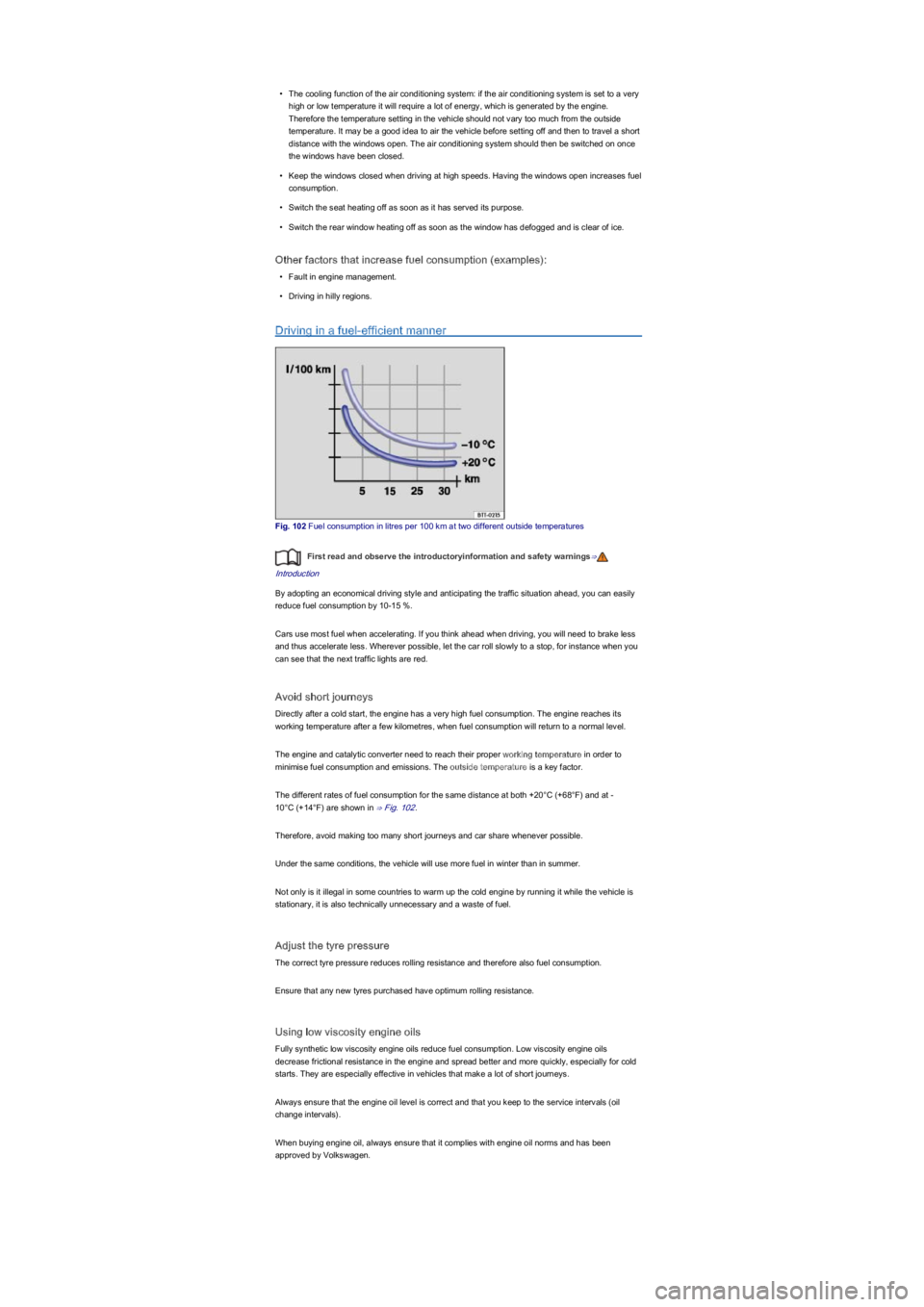
Fig. 102 Fuel consumption in litres per 100 km at two different outside temperatures
First read and observe the introductoryinformation and safety warnings⇒
Introduction
By adopting an economical driving style and anticipating the traffic situation ahead, you can easily
reduce fuel consumption by 10-15 %.
Cars use most fuel when accelerating. If you think ahead when driving, you will need to brake less
and thus accelerate less. Wherever possible, let the car roll slowly to a stop, for instance when you
can see that the next traffic lights are red.
Avoid short journeys
Directly after a cold start, the engine has a very high fuel consumption. The engine reaches its
working temperature after a few kilometres, when fuel consumption will return to a normal level.
The engine and catalytic converter need to reach their proper working temperature in order to
minimise fuel consumption and emissions. The outside temperature is a key factor.
The different rates of fuel consumption for the same distance at both +20°C (+68°F) and at -
10°C (+14°F) are shown in ⇒ Fig. 102.
Therefore, avoid making too many short journeys and car share whenever possible.
Under the same conditions, the vehicle will use more fuel in winter than in summer.
Not only is it illegal in some countries to warm up the cold engine by running it while the vehicle is
stationary, it is also technically unnecessary and a waste of fuel.
Adjust the tyre pressure
The correct tyre pressure reduces rolling resistance and therefore also fuel consumption.
Ensure that any new tyres purchased have optimum rolling resistance.
Using low viscosity engine oils
Fully synthetic low viscosity engine oils reduce fuel consumption. Low viscosity engine oils
decrease frictional resistance in the engine and spread better and more quickly, especially for cold
starts. They are especially effective in vehicles that make a lot of short journeys.
Always ensure that the engine oil level is correct and that you keep to the service intervals (oil
change intervals).
When buying engine oil, always ensure that it complies with engine oil norms and has been
approved by Volkswagen.
Page 121 of 211
•If vehicles are travelling towards you in the same lane.
•If the surrounding vehicles are very dirty and therefore not very reflective.
•If there is a lot of dust.
Air conditioning system
Heating, ventilating, cooling
Introduction
This chapter contains information on the followingsubjects:
⇒ Controls
⇒ General information on the heating and fresh air system
⇒ Information on the air conditioning system
⇒ Vents
⇒ Air recirculation mode
Dust and pollen filter
The dust and pollen filter reduces the level of impurities in the outside air entering the vehicle.
The dust and pollen filter must be changed regularly to avoid impairing the performance of the air
conditioning system.
The dust and pollen filter must be changed more frequently than stated in the service schedule if
the efficiency of the filter declines prematurely due to the vehicle being used in areas with high
levels of air pollution.
Additional information and warnings:
•Exterior views ⇒ Exterior views
•Volkswagen information system ⇒ Volkswagen information system
•Windscreen wiper/washer ⇒ Windscreen wiper and washer
•Cleaning and caring for the vehicle exterior ⇒ Caring for and cleaning the vehicle exterior
If the cooling system is switched off, the outside air that is drawn into the vehicle is not
dehumidified. To prevent the windows misting over, Volkswagen recommends that you leave the air
conditioning (compressor) switched on. Press the button. The indicator lamp in the button
must light up.
Maximum heat output, which is needed to defrost the windows as quickly as possible, is only
available when the engine has reached its operating temperature.
Poor visibility through all windows increases the risk of collisions and accidents, which can
cause serious injuries.
•Always ensure that all windows are free of ice, snow and mist to ensure good visibility.
•Maximum heat output, which is needed to defrost the windows as quickly as possible, is
only available when the engine has reached its operating temperature. Do not start your
journey until you have good visibility.
•Always ensure that the heating and fresh air system or the air conditioning system and the
heated rear window are used correctly in order to have good visibility.
•Never use the air recirculation mode for an extended period. If the cooling system is
switched off, the windows can mist up very quickly in air recirculation mode and reduce
visibility considerably.
•Always switch off the air recirculation mode when it is not required.
WARNING
Stale air can quickly cause tiredness and lack of concentration in the driver, which in turn can
cause collisions, accidents and serious injuries.
•Never switch off the blowers or switch on the air recirculation mode for an extended period
as this prevents fresh air from entering the vehicle interior.
WARNING
•Switch off the air conditioning system if you suspect that it has been damaged. This can
help to prevent further damage. The air conditioning system should be checked by a
qualified workshop.
•Repairs to the air conditioning system require specialist knowledge and special tools.
Volkswagen recommends using a Volkswagen dealership for this purpose.
NOTICE
Page 125 of 211
•Preparation for working in the engine compartment ⇒ Preparation for working in the engine
compartment
Fuels can pollute the environment. Any spilt service fluids must be cleaned up and disposed
of properly.
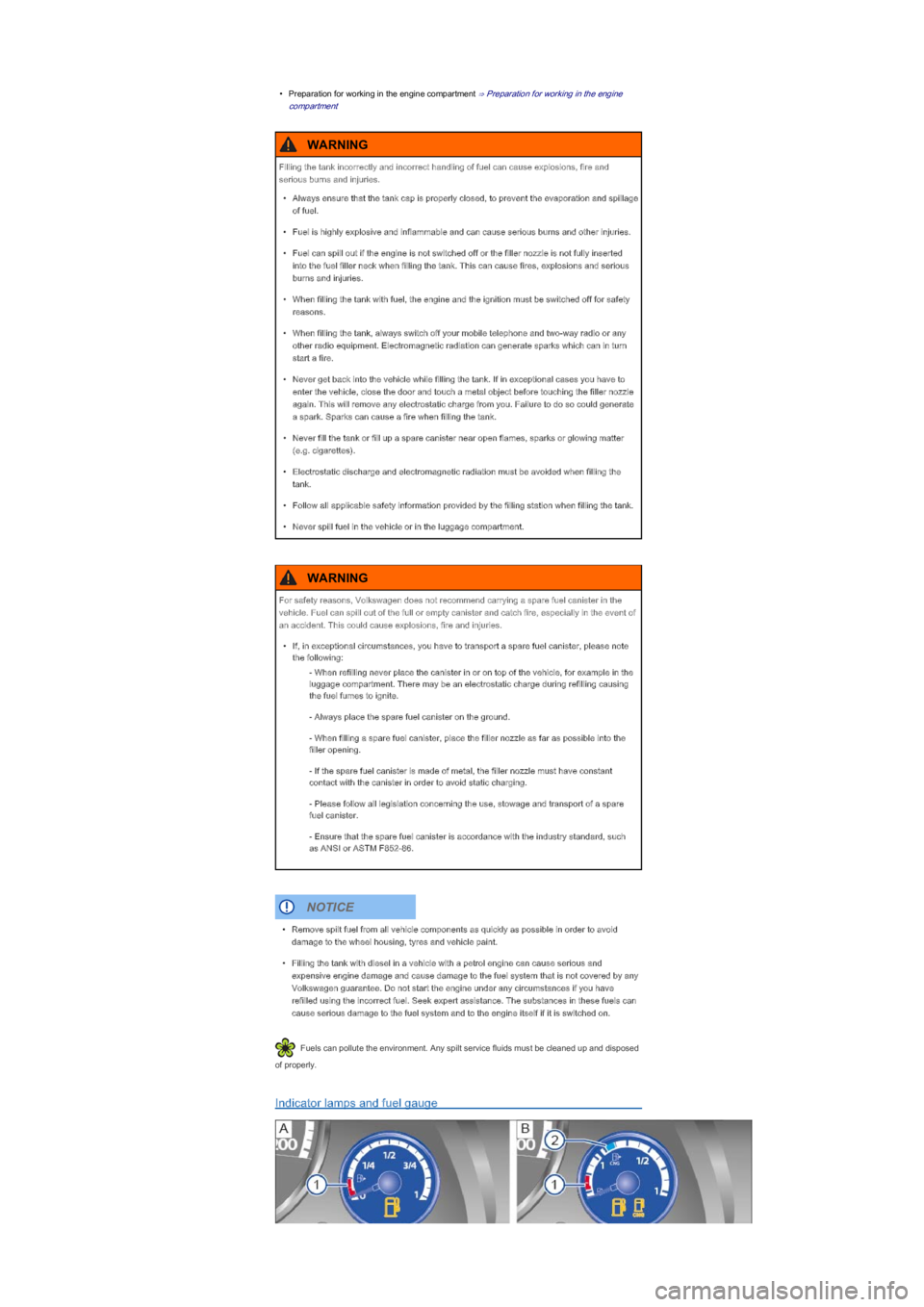
Indicator lamps and fuel gauge
Filling the tank incorrectly and incorrect handling of fuel can cause explosions, fire and
serious burns and injuries.
•Always ensure that the tank cap is properly closed, to prevent the evaporation and spillage
of fuel.
•Fuel is highly explosive and inflammable and can cause serious burns and other injuries.
•Fuel can spill out if the engine is not switched off or the filler nozzle is not fully inserted
into the fuel filler neck when filling the tank. This can cause fires, explosions and serious
burns and injuries.
•When filling the tank with fuel, the engine and the ignition must be switched off for safety
reasons.
•When filling the tank, always switch off your mobile telephone and two-way radio or any
other radio equipment. Electromagnetic radiation can generate sparks which can in turn
start a fire.
•Never get back into the vehicle while filling the tank. If in exceptional cases you have to
enter the vehicle, close the door and touch a metal object before touching the filler nozzle
again. This will remove any electrostatic charge from you. Failure to do so could generate
a spark. Sparks can cause a fire when filling the tank.
•Never fill the tank or fill up a spare canister near open flames, sparks or glowing matter
(e.g. cigarettes).
•Electrostatic discharge and electromagnetic radiation must be avoided when filling the
tank.
•Follow all applicable safety information provided by the filling station when filling the tank.
•Never spill fuel in the vehicle or in the luggage compartment.
WARNING
For safety reasons, Volkswagen does not recommend carrying a spare fuel canister in the
vehicle. Fuel can spill out of the full or empty canister and catch fire, especially in the event of
an accident. This could cause explosions, fire and injuries.
•If, in exceptional circumstances, you have to transport a spare fuel canister, please note
the following:
- When refilling never place the canister in or on top of the vehicle, for example in the
luggage compartment. There may be an electrostatic charge during refilling causing
the fuel fumes to ignite.
- Always place the spare fuel canister on the ground.
- When filling a spare fuel canister, place the filler nozzle as far as possible into the
filler opening.
- If the spare fuel canister is made of metal, the filler nozzle must have constant
contact with the canister in order to avoid static charging.
- Please follow all legislation concerning the use, stowage and transport of a spare
fuel canister.
- Ensure that the spare fuel canister is accordance with the industry standard, such
as ANSI or ASTM F852-86.
WARNING
•Remove spilt fuel from all vehicle components as quickly as possible in order to avoid
damage to the wheel housing, tyres and vehicle paint.
•Filling the tank with diesel in a vehicle with a petrol engine can cause serious and
expensive engine damage and cause damage to the fuel system that is not covered by any
Volkswagen guarantee. Do not start the engine under any circumstances if you have
refilled using the incorrect fuel. Seek expert assistance. The substances in these fuels can
cause serious damage to the fuel system and to the engine itself if it is switched on.
NOTICE
Page 127 of 211
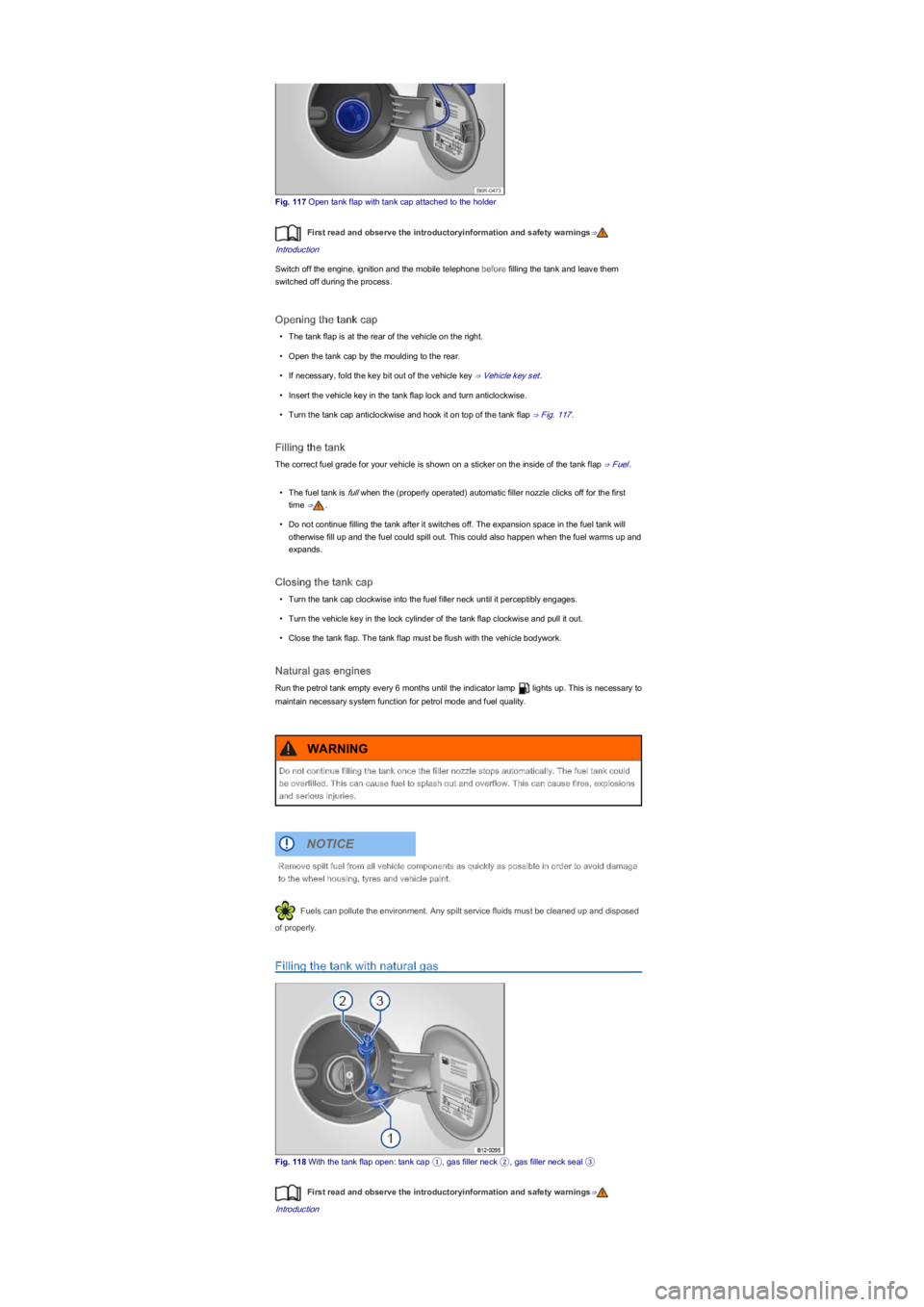
Fig. 117 Open tank flap with tank cap attached to the holder
First read and observe the introductoryinformation and safety warnings⇒
Introduction
Switch off the engine, ignition and the mobile telephone before filling the tank and leave them
switched off during the process.
Opening the tank cap
•The tank flap is at the rear of the vehicle on the right.
•Open the tank cap by the moulding to the rear.
•If necessary, fold the key bit out of the vehicle key ⇒ Vehicle key set.
•Insert the vehicle key in the tank flap lock and turn anticlockwise.
•Turn the tank cap anticlockwise and hook it on top of the tank flap ⇒ Fig. 117.
Filling the tank
The correct fuel grade for your vehicle is shown on a sticker on the inside of the tank flap ⇒ Fuel.
•The fuel tank is full when the (properly operated) automatic filler nozzle clicks off for the first
time ⇒.
•Do not continue filling the tank after it switches off. The expansion space in the fuel tank will
otherwise fill up and the fuel could spill out. This could also happen when the fuel warms up and
expands.
Closing the tank cap
•Turn the tank cap clockwise into the fuel filler neck until it perceptibly engages.
•Turn the vehicle key in the lock cylinder of the tank flap clockwise and pull it out.
•Close the tank flap. The tank flap must be flush with the vehicle bodywork.
Natural gas engines
Run the petrol tank empty every 6 months until the indicator lamp lights up. This is necessary to
maintain necessary system function for petrol mode and fuel quality.
Fuels can pollute the environment. Any spilt service fluids must be cleaned up and disposed
of properly.
Filling the tank with natural gas
Fig. 118 With the tank flap open: tank cap ①, gas filler neck ②, gas filler neck seal ③
First read and observe the introductoryinformation and safety warnings⇒
Introduction
Do not continue filling the tank once the filler nozzle stops automatically. The fuel tank could
be overfilled. This can cause fuel to splash out and overflow. This can cause fires, explosions
and serious injuries.
WARNING
Remove spilt fuel from all vehicle components as quickly as possible in order to avoid damage
to the wheel housing, tyres and vehicle paint.
NOTICE
Page 129 of 211
Windscreen washer fluid level Windscreen wiper and washer
Engine oil level Engine oil
Engine coolant level Coolant
Brake fluid level Braking, stopping and parking
Tyre pressure Wheels and tyres
equipment, service fluids and unsuitable tools are not available ⇒ Preparation for working in the
engine compartment! The work should be carried out by a qualified workshop if you are
uncertain. Please ensure that the following are checked regularly, preferably every time you fill
the tank:
Vehicle lighting necessary for traffic safety:
- Turn signals
- Side lights, dipped beam headlights and main beam headlights
- Tail light cluster
- Brake lights
- Rear fog light ⇒ Lights
Information on changing bulbs ⇒ Changing bulbs.
Fuel
Introduction
This chapter contains information on the followingsubjects:
⇒ Petrol
⇒ Natural gas
Different engines require different fuels. The factory-fitted sticker on the inside of the tank flap
indicates the fuel type that is required for your particular vehicle.
Volkswagen recommends using low-sulphur or sulphur-free fuels, to help reduce fuel consumption
and prevent damage to the engine.
If the engine is not running smoothly or begins to judder, this can indicate poor or inadequate fuel
quality, e.g. water in the fuel. If these symptoms appear, reduce the vehicle speed immediately and
drive to the nearest qualified workshop at medium engine speeds, avoiding high engine loading. If
these symptoms occur immediately after the vehicle has been refuelled, switch the engine off as
soon as it is safe to do so and seek expert assistance. This can help to prevent further damage.
Additional information and warnings:
•⇒BookletService schedule,
•Filling the tank ⇒ Filling the tank
•Engine management and exhaust system ⇒ Engine management system and exhaust
purification system
Petrol
First read and observe the introductoryinformation and safety warnings⇒
Introduction
Petrol types
Vehicles with a petrol engine must be run on unleaded petrol in compliance with the European
standard EN 228 or DIN 51626-1 ⇒. Fuels with a maximum ethanol content of 10% (E10) can
be used for refuelling.
Petrol types are categorised according to their octane number, e.g. 91, 95, 98 or 99 RON (RON =
Research Octane Number). The vehicle may be filled with petrol that has a higher octane number
Incorrect handling of fuel can cause explosions, fire and serious burns and injuries.
•Fuel is highly explosive and inflammable.
•Never handle fuel near open flames, sparks or glowing matter (e.g. cigarettes).
•Keep naked flames, hot parts and sparks at a safe distance.
•Switch off your mobile telephone or two-way radio when dealing with fuel. Electromagnetic
radiation can generate sparks which can in turn start a fire.
•Avoid electrostatic discharge and electromagnetic radiation in the direct vicinity of fuels.
•Never spill fuel in the vehicle or in the luggage compartment.
•Comply with any relevant safety information and legislation concerning the handling of
fuels.
WARNING
Page 130 of 211
than the engine requires. However, this does not provide any advantage in terms of fuel
consumption or engine output.
Volkswagen recommends using fuel with a low sulphur content or sulphur-free fuel for petrol
engines in order to achieve reduced fuel consumption.
Petrol additives
The quality of petrol influences the running properties, performance and service life of the engine.
This is why the vehicle should be refuelled with good quality petrol that has only non-metallic
additives pre-added by the petroleum industry. These petrol additives help to prevent corrosion,
keep the fuel system clean, and prevent the build-up of deposits in the engine.
If good quality petrol containing non-metallic additives is not available, or if engine problems arise,
the necessary petrol additives must be added to the petrol when refuelling ⇒.
Not all petrol additives are effective. The use of unsuitable petrol additives can cause considerable
damage to the engine and catalytic converter. Metallic additives should be avoided at all times.
Petrol additives on sale that are intended to improve knock resistance or increase the octane
number can also contain metallic additives ⇒.
Volkswagen recommends genuine Volkswagen or Audi fuel additives for petrol engines. These
additives and information on how to use them are available from your Volkswagen dealership.
Natural gas engines
Run the petrol tank empty every 6 months until the indicator lamp lights up. This is necessary to
maintain the required system function for petrol mode and fuel quality.
Natural gas
First read and observe the introductoryinformation and safety warnings⇒
Introduction
Natural gas
Natural gas can be delivered in compressed or liquefied form.
Liquefied Natural Gas (LNG) is produced by rapid cooling of the natural gas. This decreases the
volume considerably in comparison to Compressed Natural Gas (CNG). A vehicle equipped with a
natural gas engine may not be refilled directly with liquefied natural gas as the gas would expand
too much once in the tank in the vehicle.
Vehicles fitted with a natural gas engine may therefore only be refilled and driven using
compressed natural gas ⇒.
Natural gas quality and consumption
Natural gas is available in two grades: H-gas and L-gas.
H-gas has a higher calorific value and a lower nitrogen and carbon dioxide content. The higher the
calorific value of the natural gas the lower the levels of consumption.
The calorific value and the nitrogen or carbon dioxide values may, however, vary within one quality
group. For this reason, the vehicle consumption may vary when using natural gas of the same
quality.
•Before filling up with petrol, check whether the fuel corresponds to the vehicle's
requirements according to the fuel standard information at the pump.
•Only use fuel that complies with EN 228 or DIN 51626-1 and has the correct octane
number. Otherwise, the engine and the fuel system can suffer considerable damage. The
engine can also lose power or fail.
•The use of unsuitable petrol additives can cause considerable damage to the engine and
catalytic converter.
•If, in an emergency, you have to use petrol with an octane number lower than the
recommended number, drive at medium engine speeds and avoid high engine loading.
Avoid high engine speeds and heavy engine loads. Failure to do so can result in engine
damage. Fill the tank with petrol with the correct octane number as soon as possible.
•Fuels that are identified at the fuel pump as containing metallic additives may not be used.
LRP fuel (lead replacement petrol) also contains high concentrations of metallic additives.
Risk of engine damage!
•Just one tankful of leaded fuel, or fuel containing other metallic additives, can seriously
impair the efficiency of the catalytic converter and can also cause considerable damage to
the catalytic converter and engine.
NOTICE
Page 131 of 211
The vehicle engine management will automatically adapt to the different natural gas qualities. Both
natural gas qualities can therefore be mixed in the fuel tank. You do not need to empty the tank
before refuelling with a different grade.
Natural gas
The vehicle can run on natural gas. Further information is available from your local Volkswagen
dealership.
Safe handling of natural gas
If you can smell gas or think there may be a leak in the natural gas system ⇒:
•Stop the vehicle immediately.
•Switch off the ignition.
•Open all the doors to fully ventilate the vehicle.
•Extinguish cigarettes immediately.
•Remove items that could cause sparks or fire from the vehicle or switch them off.
•Do not drive on if you can still smell gas.
•Seek expert assistance. Have the fault rectified.
Have the natural gas system checked regularly according to the service schedule by a
qualified workshop.
In the engine compartment
Preparation for working in the engine compartment
Introduction
This chapter contains information on the followingsubjects:
⇒ Preparing the vehicle for working in the engine compartment
⇒ Opening and closing the bonnet
Always park the vehicle on a level and stable surface before carrying out any work in the engine
compartment.
The engine compartment of a motor vehicle is a hazardous area. Never carry out any work on the
engine or in the engine compartment if you are not familiar with the requisite procedures and
general safety requirements, or if you only have access to incorrect operating equipment, service
fluids, and unsuitable tools ⇒. The work should be carried out by a qualified workshop if you are
uncertain. Serious injuries can be caused if work is carried out incorrectly.
Additional information and warnings:
•Exterior views ⇒ Exterior views
•Windscreen wiper/washer ⇒ Windscreen wiper and washer
•Starting and stopping the engine ⇒ Starting and stopping the engine
•Brake fluid ⇒ Braking, stopping and parking
•Checks when filling the tank ⇒ Filling the tank
•Engine oil ⇒ Engine oil
•Engine coolant ⇒ Coolant
•Battery ⇒ Vehicle battery
•Accessories, modifications, repairs and renewal of parts ⇒ Accessories, modifications, repairs
and renewal of parts
Ignoring the smell of gas in the vehicle or when refuelling can cause serious injuries.
•Take any necessary action.
•Leave the area of risk.
•Contact the emergency services if necessary.
WARNING
Your vehicle is not suitable for use with Liquefied Natural Gas and must not be filled up or
driven with Liquefied Natural Gas. Liquefied Natural Gas can cause an explosion in the
natural gas tank and serious injuries as a consequence.
WARNING
Cleaning and maintenance