lock AUDI A3 SEDAN 2017 Repair Manual
[x] Cancel search | Manufacturer: AUDI, Model Year: 2017, Model line: A3 SEDAN, Model: AUDI A3 SEDAN 2017Pages: 400, PDF Size: 67.32 MB
Page 274 of 400
Airbag system
-Therefore, always wear your safety belts and
make sure that everybody in your vehicle is
properly restrained.
- Always hold the steering wheel with both
hands on the outside of the steering wheel
rim at the 9:00 o 'clock and 3 :00 o'clock po
sitions to help reduce the risk of personal in
jury if the driver's airbag inflates .
- Never hold the steering wheel at the 12
o'clock position or with your hands any
where inside the steering wheel or on the steering wheel hub. Holding the steering
wheel the wrong way increases the risk of
severe injury to the arms, hands, and head if
the driver airbag deploys.
A WARNING
Objects between you and the airbag will in
crease the risk of injury in a crash by interfer
ing with the way the airbag unfolds and/or by
being pushed into you as the airbag inflates.
- Always make sure nothing is in the front air-
-
bag deployment zone that could be struck
by the airbag when it inflates.
- Objects in the zone of a deploying airbag
can become projectiles when the airbag de
ploys and cause serious personal injury.
- Never hold things in your hands or on your lap when the vehicle is in use .
- Never place accessories or other objects
(such as cup holders, telephone brackets,
note pads, navigation systems, or things
that are large, heavy, or bulky) on the doors;
never attach then to the doors or the wind
shield; never place them over or near or at
tach them to the area marked
,.AIRBAG" on
the steering wheel, instrument panel or the
seat backrests; never place them between
these areas and you or any other person in
the vehicle.
- Never attach objects to the windshield
above the passenger front airbag, such as
accessory GPS navigation units or music players. Such objects could cause serious in
jury in a collision, especially when the air bags inflate .
272
-Never recline the front passenger seat to
transport objects. Items can also move into
the deployment area of the side airbags or
the front airbag during breaking or in a sud
den maneuver . Objects near the airbags can
fly dangerously through the passenger com
partment and cause injury, particularly
when the seat is reclined and the airbags in
flate.
A WARNING
A person on the front passenger seat, espe
cially infants and small children, will receive
serious injuries and can even be killed by be ing too close to the airbag when it inflates .
- Although the Advanced Airbag System in
-
your vehicle is designed to turn off the front
passenger airbag if an infant or a small child
is on the front passenger seat, nobody can
absolutely guarantee that deployment un
der these special conditions is impossible in
all conceivable situations that may happen
during the useful life of your vehicle.
-The Advanced Airbag System can deploy in
accordance with the .,low
risk" option for 3-
and 6-year-old children under the U.S . Fed
eral Standard if a child with electrical capac
itance greater than the combined capaci
tance of a typical one-year old infant re
strained in one of the forward facing or rear
facing child safety seats with which your ve
hicle was certified is on the front passenger
seat and the other conditions for airbag de
ployment are met.
- Accident statistics have shown that children
are generally safer in the rear seat area than
in the front seating position.
- For their own safety, all children, especially
12 years and younger, should always ride in
the back properly restrained for their age and size.
Advanced front airbag system
Your vehicle is equipped with a front Advanced
Airbag System in compliance with United States
Federal Motor Vehicle Safety Standard 208, as
well as Canada Motor Vehicle Safety Standard
..,.
Page 282 of 400
Airbag system
The PASSENGER AIR BAG OFF light will show
the status of the front seat passenger 's frontal
Advanced Airbag a few seconds after the igni
tion is switched on and the airbag indicator
light goes off . The PASSENGER AIR BAG OFF
light:
- will stay on if the front passenger seat is not
occupied;
- will stay on if the electrical capacitance meas
ured by the capacitive passenger detection sys
tem for the front passenger seat equals the combined capacitance of an infant up to about
one year of age and one of the rearward-facing
or forward-facing child restraints listed in Fed
era l Motor Vehicle Safety Standard 208 w ith
wh ich the Advanced Airbag System in your vehi
cle was certified; Fo r a lis ting of the child re
strain ts that were used to certify you r vehi cle's
compliance with the U.S. Safety Standard
¢ page 295 .
-will go out if the front passenger seat is occu
pied by an adult as registered by the capacitive
passenger detection system.
- The
PASSENGER AIR BAG OFF light must come
on and stay on if the ignition is on and ...
- a car bed has been installed on the front pas
senger seat, or
- a rearward -facing child restraint has been in
stalled on the front passenger seat, or
- a fo rwa rd-facing child restra int has been instal
led on the front passenger seat,
- and if the e lectrica l capac itance registered on
the front passenger seat is eq ua l t o or less than
the combined capacitance of a typica l 1 year
o ld infant and one of the rearward -facing or
forward-facing child restraints listed in Federal
Motor Vehicle Safety Standard 208 w ith which
the Advanced Airbag System in your vehicle was
certified.
If the front passenger seat is not occupied, the
front airbag will not deploy, and the
PASSENGER
AIR BAG OFF
light will stay on. Never install a
rearward-fac ing c hild restraint on the front pas
senger seat, the safest place for a child in any
kind of child restraint is at one of the seating po
sitions on the rear seat
¢page 268, Child re-
280
straints on the front seat -some important
things to know
and ¢ page 292, Child safety.
If
the PASSENGER AIR BAG light comes
on ...
If the PASSENGER AIR BAG OFF light comes on
when one of the conditions listed above is met,
be sure to check the light regularly to make cer
ta in that the
PASSENGER AIR BAG OFF light
stays on continuously whenever the ignition is
o n. If the
PASSENGER AIR BAG OFF light does
not appear on and does not stay on all the time,
stop as soon as it is safe to do so and
- reactivate the system by turn ing the ignit ion
off for more than 4 seconds and then turn ing it
on again;
- remove and re install the child restraint. Make
sure that the child restraint is properly instal
led and that the safety belt for the front pas
senge r seat has been correct ly routed through
the child restraint as described in the child re
straint manufactu rer's inst ruct ions;
- ma ke sure that the convert ible lock ing retrac
to r on the safety belt for the front passenge r
seat has been activated and that the safety belt
has been pulled tight.
- make sure that no electric al device (s uch as a
laptop, CD p laye r, e lectronic games device,
power inverte r or seat heater for chi ld safety
seats) is placed or used on the front passenger
seat if the device is connected to the 12-volt
socket or the cigarette lighter socket;
- make sure that no seat heater has been retro
fitted or otherw ise added to the front passen
ger seat;
- make sure that nothing can interfere with the
safety belt buckles and that they are not ob structed;
- make sure that there are no wet ob jects (such
as a wet towel) and no water or other liquids on
the front passenger seat cushion .
If the PASSENGER AIR BAG light still does
not come on ...
If the PASSENGER AIR BAG OFF light still does
not come on and does not stay on continuously
(when the ign ition is sw itched on),
..,
Page 298 of 400
Child safety
-Take the child restraint off the front passen
ger seat and install it properly at one of the
rear seat positions if the
PASSENGER AIR
BAG OFF
light does not stay on.
- Have the airbag system inspected by your
authorized Audi dealer immediately.
(D Tips
The child safety seats listed in categories A to
C have been statically tested by Audi only for
the Advanced Airbag function.
Important safety instructions for using
child safety seats
Correct use of child safety seats substantially re
duces the risk of injury in an accident!
As the driver, you are responsible for the safety
of everybody in the vehicle, especially children:
.,. Always use the right child safety seat for each
child and always use it properly
c::> page 298.
.,. Always carefully follow the child safety seat
manufacturer's instructions on how to route
the safety belt properly through the child safe
ty seat .
.,. When using the vehicle safety belt to install a
child safety seat , you must first activate the
convertible locking retractor on the safety belt
to prevent the child safety seat from moving
c::> page 303.
.,. Push the child safety seat down with your full
weight to get the safety belt really tight so that
the seat cannot move forward or sideways
more than one inch (2.5 cm).
.,. Secure unused safety belts on the rear seat
c::> page 298 .
Always remember: Even though your vehicle is
equipped with an Advanced Airbag system, all
children, especially those 12 years and younger,
should always ride in the back seat properly re
strained for their age and size.
.&, WARNING
Not using a child safety seat, using the wrong
child safety seat or improperly installing a
296
child restraint increases the risk of serious
personal injury and death.
- All vehicle occupants and especially children
must be restrained properly whenever riding
in a vehicle. An unrestrained or improperly
restrained child could be injured by striking
the interior or by being ejected from the ve
hicle during a sudden maneuver or impact .
An unrestrained or improperly restrained
child is also at greater risk of injury or death
through contact with an inflating airbag.
- Commercially available child safety seats
are required to comply with U.S. Federal
Motor Vehicle Safety Standard (FMVSS) 213
(in Canada CMVSS 213).
- When buying a child restraint, select one
that fits your child and the vehicle .
- Only use child restraint systems that fully
contact the flat portion of the seat cush ion. The child restraint must not tip or
lean to either side. Audi does not recom
mend using child safety seats that rest on
legs or tube-like frames. They do not pro
vide adequate contact with the seat.
- Always heed all legal requirements per
taining to the installation and use of child
safety seats and carefully follow the in
structions provided by the manufacturer
of the seat you are using.
- Never allow children under 57 inches
(1.45 meters) to wear a normal safety belt .
They must always be restrained by a proper
child restraint system. Otherwise, they
could sustain injuries to the abdomen and
neck areas during sudden braking maneu
vers or accidents .
- Never let more than one child occupy a child
safety seat.
- Never let babies or older children ride in a
vehicle while sitting on the lap of another
passenger .
- Holding a child in your arms is never a sub
stitute for a child restraint system .
- The strongest person could not hold the
child with the forces that exist in an acci
dent. The child will strike the interior of
the vehicle and can also be struck by the
passenger.
Page 300 of 400
Child safety
-Take the child restraint off the front passenger seat and install it proper ly at one of the
rear seat positions if the
PASSEN GER AIR
BA G OF F
light does not stay on.
-Have the airbag system inspected by your
authorized Aud i dealer immediately.
Secure unused safety belts on the rear seat
l8
,h- --lJ ;g
---0
Fig . 252 Schematic overv iew: keep unused safety be lts
away from chi ld ren i n chil d safety seats. @-oute r rear
safety belt, @ - center rear safety be lt*
~
If a chi ld safety seat is used on the rear bench,
especially with LA TCH universal lower anchorag
es, the unused safety be lts
mu st be secured so
that the child in the child restraint cannot reach
them¢,& .
-Gu ide the safety belt webbings @and ®* be
hind the head restraint of the seat where the
child restraint is installed
¢fig. 252. When do
ing so, do not engage the convertible locking
retractor! You should not hear a "clicking"
sound when w inding up the safety be lt .
-Let the belt retractor wind up the safety belt
webb ing .
_& WARNING
A ch ild in a child safety seat installed with the
LATC H lower anchorages or w ith the standard
safety belt or a child in a booste r seat on the
rear seat could p lay with unused rear seat
safety belts and become entangled. This
cou ld cause t he chi ld ser ious personal injury
and even death.
-Always sec ure unused rear seat safety belts
o ut of reach of ch ild ren in child safety seats
s u ch as by properly routing them around the
298
head restraint of the seat where the child
restraint is installed .
-Never activate the convertible locking re
tractor when routing the safety belts around
the head restraints.
-Never let anyone s it at the center rear seat
ing position * if the center rear safety be lt
has been routed around a rear head re
straint.
Child safety seats
Infant seats
Babies and infants up to about one year old and
20 lbs . or
9 kg need special rearward-facing
child restraints that support the back, neck and
head in a crash.
Fig. 253 Sc hema tic ove rv iew : rearward -facing in fant seat ,
prope rly installed on th e rea r seat
.,. When usi ng the vehicle safety belt to install a
child safety seat, yo u must first act ivate the
convertib le locking retractor on the safety belt
to prevent the child safety seat from moving
¢page 303 or install the seat using the LA TCH
attachments.
.,. Push the child safety seat down with your full
weight to get the safety belt really tight so that
the seat cannot move fo rward or sideways
more than one inch (2.5 cm) .
.,. Secu re unused safety belts on the rear seat
¢ page 298 .
Infants up to about one yea r (20 lbs. or 9 kg) are
best protected in special infant carr iers and c hild
safety se ats designed for the ir age group . Many
expe rts be lieve that infants and small c hildren
shou ld r ide on ly in special restraints in which the
ch ild faces the back of the vehicle . These infant
.,.
Page 302 of 400
Child safety
Convertible child safety seats
Properly used convertible child safety seats can
help protect toddlers and children over age one
who weigh between 20 and 40 lbs. (9 and 18 kg)
in a crash.
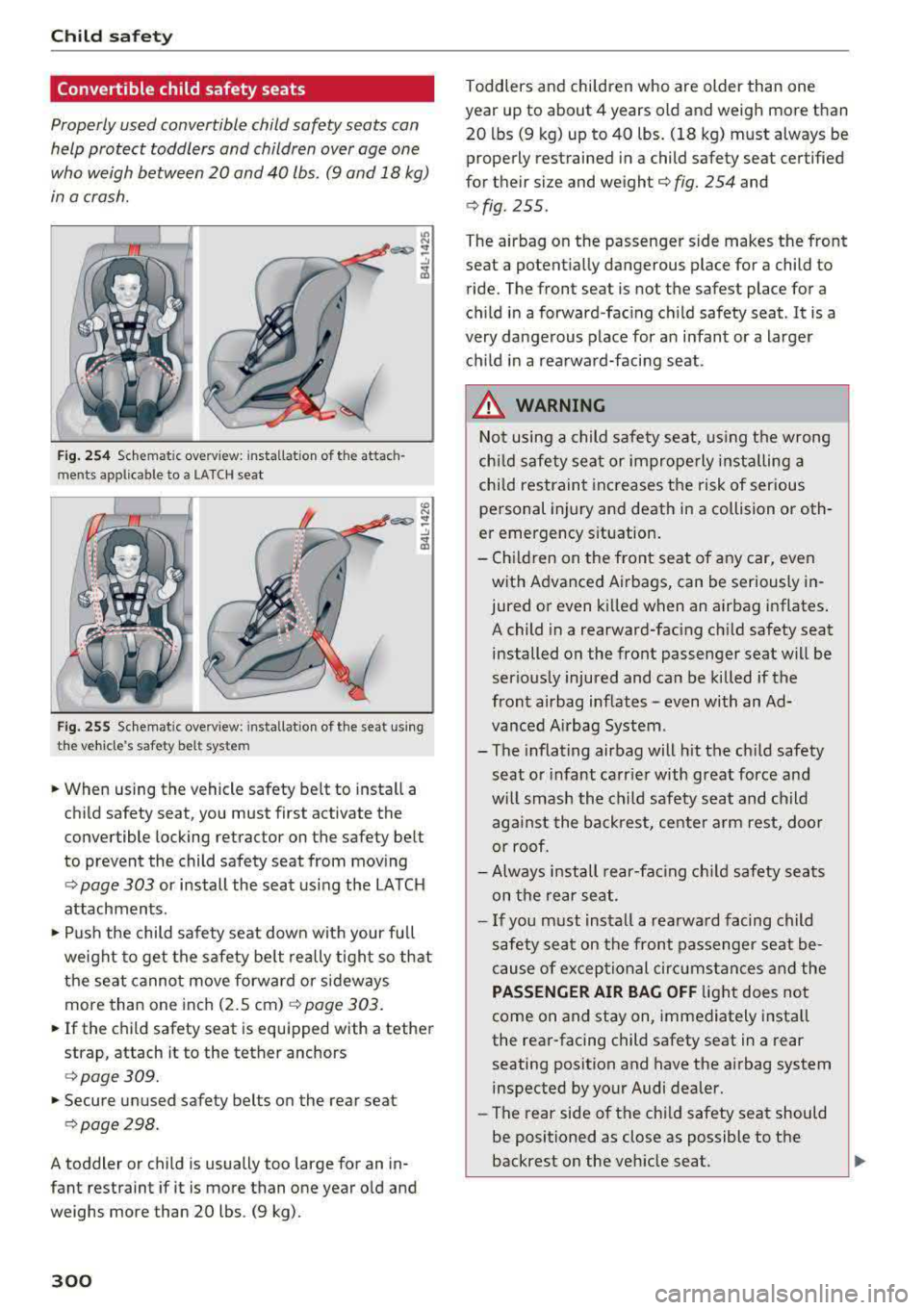
Fig. 254 Schematic overv iew: installat ion of the attach
ments app licable to a LATCH seat
Fig. 255 Schemat ic overview: installat ion of the seat using
the vehicle 's safety belt system
.. When using the vehicle safety be lt to install a
child safety seat, you must first activate the
convertible locking retractor on the safety belt
to prevent the child safety seat from mov ing
¢ page 303 or install the seat using the LATCH
attachments .
.. Push the child safety seat down with your full
weight to get the safety be lt really tight so that
the seat cannot move forward or sideways more than one inch (2 .5 cm)
¢ page 303.
.. If the child safety seat is equipped with a tether
strap, attach it to the tether anchors
¢page 309.
.. Secure unused safety belts on the rear seat
¢page 298 .
A toddler or child is usually too large for an in
fant restraint if it is more than one year old and
weighs more than 20 lbs . (9 kg).
300
Toddlers and children who are older than one
year up to about 4 years old and weigh more than
20 lbs (9 kg) up to 40 lbs. (18 kg) must always be
properly restrained in a child safety seat certified
for their size and weight
c> fig. 254 and
¢ fig. 255.
The airbag on the passenger side makes the front
seat a potentially dangerous place for a child to
ride. The front seat is not the safest place for a
child in a forward-fac ing child safety seat .
It is a
very dangerous place for an infant or a larger
ch ild in a rearward-facing seat .
.&_ WARNING
Not using a child safety seat, us ing the wrong
ch ild safety seat or imprope rly i nstalling a
chi ld restraint increases the risk of serious
personal injury and death in a collision or oth
er emergency situation.
-Ch ildren on the front seat of any car, even
with Advanced Airbags, can be seriously in
jured or even killed when an
airbag inflates .
A child in a rearward-fac ing ch ild safety seat
installed on the front passenger seat will be
serious ly injured and can be killed if the
front airbag inflates -even with an Ad
vanced Airbag System .
-The inflating airbag will h it the chi ld safety
seat or infant carr ier with great force and
w ill smash the child safety seat and child
aga inst the backrest, center a rm rest, doo r
or roof.
-Always i nstall rear-fac ing ch ild safety seats
on the rear seat.
-I f you must install a rearwa rd facing child
safety seat on the front passenger seat be
cause of exceptional circ umstan ces a nd the
PASSENGER AIR BAG OFF light does not
come on and stay on, immediately install
the rear-facing child safety seat in a rear seating position and have the airbag system
inspected by your Audi dealer .
- The rear side of the ch ild safety seat should
be positioned as close as possible to the
backrest on the veh icle seat.
~
Page 304 of 400

Child safety
Booster seats and safety belts
Properly used booster seats can help protect
children weighing between about 40 lbs . and 80
lbs. (18 kg and 36 kg) who are less than 4
ft. 9
in. (57 inches/1.45 meters) tall .
Fig. 256 Rear seat: child properly restrained in a booster
seat
The vehicle's safety belts alone will not fit most
children until they are at least 4
ft. 9 in. (57 in
ches/1.45 meters) tall and weigh about 80 lbs.
(36 kg). Booster seats raise these children up so
that the safety belt will pass properly
over the
stronger parts of their bodies and the safety belt
can help protect them in a crash.
• Do not use the convertible locking retractor
when using the vehicle's safety belt to restrain
a child on a booster seat.
• The shoulder belt must lie as close to the cen
ter of the child's collar bone as possible and
must lie flat and snug on the upper body. It
must never lie across the throat or neck. The
lap belt must lie across the pelvis and never
across the stomach or abdomen . Make sure the
belt lies flat and snug. Pull on the belt to tight
en if necessary .
• Applies to: vehicles with safety be lt height ad
justment: If you must transport an older child
in a booster seat on the front passenger seat,
you can use the safety belt height adjustment
to help adjust the shoulder portion properly.
• Secure unused safety belts on the rear seat
qpage298 .
Children up to at least 8 years old (over 40 lbs or
18 kg) are best protected in child safety seats de
signed for their age and weight. Experts say that
the skeletal structure, particularly the pelvis, of
302
these children is not fully developed, and they
must not use the vehicle safety belts without a
suitable child restraint.
It is usually best to put these children in appro
priate booster seats. Be sure the booster seat
meets all applicable safety standards.
Booster seats raise the seating position of the
child and reposition both the lap and shoulder
parts of the safety belt so that they pass across
the child 's body in the right places. The routing of
the belt over the child's body is very important
for the child's protection, whether or not a boos
ter seat is used. Children age 12 and under must
always ride in the rear seat .
Children who are at least 4 ft. 9 in. (57 inches/
1.45 meters) tall can generally use the vehicle's
three point lap and shoulder belts. Never use the
lap belt portion of the vehicle's safety belt alone
to restrain any child, regardless of how big the
child is. Always remember that children do not
have the pronounced pelvic structure required for
the proper function of lap belt portion of the
ve
hicle's three point lap and shoulder belts. The
child's safety absolutely requires that a lap belt
portion of the safety belt be fastened snugly and
as low as possible around the pelvis. Never let
the lap belt portion of the safety belt pass
over
the child's stomach or abdomen.
In a crash, airbags must inflate within a blink of
an eye and with considerable force. In order to do its job , the airbag needs room to inflate so that it
will be there to protect the occupant as the occu pant moves forward into the airbag.
A vehicle occupant who is out of position and too
close to the airbag gets in the way of an inflating
airbag. When an occupant is too close, he or she
will be struck violently and will receive serious or
possibly even fatal injury.
In order for the airbag to offer protection, it is
important that all vehicle occupants, especially
any children, who must be in the front seat be
cause of exceptional circumstances, be properly
restrained and as far away from the airbag as
possible. By keeping room between the child's
body and the front of the passenger compart-
ment, the airbag can inflate completely and
..,.
Page 305 of 400
CXl CXl .... N ,.__
N .... 0 N > 00
provide supplemental protection in certain fron
tal collisions.
A WARNING
Not using a booster seat, using the booster
seat improperly, incorrectly installing a boos
ter seat or using the vehicle safety belt im
properly increases the risk of serious personal
injury and death in a collision or other emer
gency situat ion. To help reduce the risk of se
r ious personal injury and/or death:
- The shoulder belt must lie as close to the
center of the child 's collar bone as possible
and must lie flat and snug on the upper
body .
It must never l ie across the throat or
neck . The lap belt must lie across the pelvis
and never across the stomach or abdomen.
Make sure that the belt lies flat and snug .
Pull on the belt to tighten if necessary.
- Failure to proper ly route safety belts over a
child's body will cause severe injuries in an
accident or other emergency situation
¢page 258.
- The rear side of the child safety seat should
be pos itioned as close as possible to the
backrest on the vehicle seat.
- For adjustable head restraints: adjust or re
move the rear seat head restraint if it is d if
ficult to install the child safety seat with the head restraint in place
¢page 63. Install
the head restra int aga in immediately once
the ch ild safety seat is removed. D riving
without head restra ints or with head re
straints that are not properly adjusted in
creases the risk of serious or fatal neck in
jury dramatically .
- Never let a child put the shoulder belt under the arm or behind the back, because it cou ld
cause severe injuries in a crash.
- Children on the front seat of any car, even with Advanced Airbags, can be seriously in
jured or even killed when an airbag inflates.
- Never let a child stand or knee l on any seat,
for example the front seat.
- Never let a child ride in the cargo area of
your vehicle .
- Always remember that a child leaning for
ward, sitting sideways or out of position in
Ch ild safety
any way during an accident can be struck by
a dep loying airbag. Th is will result in serious
personal injury or death.
- If you must install a booster seat on the
front passenger seat because of exceptional
circumstances the
PA SSENGER AIR B AG
OFF
light must come on and stay on, when
ever the ignit ion is switched on.
- If the
PA SSEN GER AIR BA G OFF light does
not come on and stay on, perform the
checks described
r=;,page 279, Monitoring
the Advanced Airbag System.
- Take the child restra int off the front passen
ger seat and install it prope rly at one of the
rear seat positions if the
PASSENGER AIR
BAG OFF
light does not stay on whenever
the ignition is switched on .
- Always read and heed all WARNINGS when
eve r using a child restrained in a vehicle is
being used
¢ page 258, Safety belts,
¢ page 267, Airbag system and
c::> page 292, Important information.
Securing child safety
seats
Securing a child safety seat using a safety
belt
Safety belts for the rear seats and the front pas
senger can be locked with the convertible locking
retractor to properly secure child safety seats .
The safety belts emergency lo cking retractors for
the rear seats safety be lts and for the front pas
senger's seat safety be lt have a convertible lock
ing retractor for child restraints. The safety be lt
must be locked so that belt webbing cannot un
reel. The retractor can be activated to lock the
safety belt and prevent the safety belt webbing
from loosening up dur ing normal driving . A ch ild
safety seat can on ly be properly instal led when
the safety be lt is locked so that the c hild and
child safety seat will stay in place.
Always remember : Even though your veh icle is
equipped with an Advanced Airbag system, all
children, especia lly those
1 2 yea rs and younger,
sho uld always ride in the back sea t properly re-
strained for their age and size.
IJJ,,
30 3
Page 306 of 400
Child safet y
A WARNING
Improperly installed child safety seats in
crease the risk of serious personal injury and
death in a collision.
- Always make sure that the safety belt re
tractor is locked when installing a child
safety seat . An unlocked safety belt retrac
tor cannot hold the child safety seat in place
dur ing no rma l driving or in a crash.
- Always buckle the child safety seat firmly in
pla ce even if a child is not s itting in i t. A
loose child safety seat can f ly around d uring
a sudden stop or in a coll is ion .
- Always make sure that the rear seat bac k
rest to which the center rea r safety be lt* is
attached is securely latched whenever the
rear center safety belt is being used to se
cure a chi ld restraint.
- If the backrest is no t securely latched, the
child and the child restraint will be thrown
forward together with the backrest and will
strike parts of the vehicle interior. The child
can be seriously injured or killed.
- Never install rear-facing child safety seats or infant carr iers on the front passenger
seat. A child will be seriously injured and can be killed when the passenger airbag in
flates .
- The inflating a irbag w ill hit the child safety
seat or infant car rier with great force and
will smash the chi ld safety seat and child
against the backrest, center armrest, doo r
o r roof.
- Always install rear-facing child safety seats
o r infant carr iers on the rear seat.
- Forward-facing ch ild safety seats or infant
carr iers installed on the front passenger's
seat may inte rfere with the deployment of
the airbag and cause serious injury to the
child.
- It is safer to install a forward-facing ch ild
safety seat on the rear seat.
- Always read and heed all WARN INGS when
ever using a child restrained in a veh icle is
being used
r=> page 292. Specia l precaut ions
apply when installing a child safety seat on
the front passenger seat
r=> page 268, Child
304
restraints on the front seat -some impor
tant things to know.
A WARNING
Always take special precautions if you must
install a forward or rearward-facing child re
stra int on the front passenger's seat in excep
tional s ituations:
- Whenever a forward or rearward-fac ing
child restraint is installed on the front pas
senger seat, the
PASSENGE R AIR BAG OFF
light must come on and stay on whenever
the ignition is switched on.
- If the
PASSENGER AIR BAG OFF light does
not come on and stay on, perform the
checks described
r=> page 2 79, Monitoring
the Advanced Airbag System.
- Take the child restra int off the front passen
ger seat and install it prope rly at one of the
rear seat positions if the
PA SSENGER AIR
BAG OFF
light does not stay on whenever
the ignition is switched on .
- Improper installation of child restraints can reduce their effectiveness or even prevent
them from providing any protect ion .
- An improperly installed child restraint can
interfere with the airbag as it deploys and
serious ly injure or even kill the child.
- Always carefully follow the manufacturer's
instructions provided with the child safety
seat or carrier.
- After checking to make sure that the child
restraint is properly installed, make certain
that the child restraint is correctly recog nized by the capacitive passenger detection
system in the front passenger seat and that
the
PASSEN GER AIR B AG OFF light signals
the correct front passenger frontal a irbag
stat us.
A WARNING
Forward-facing child restra ints:
- Always make sure the forward-facing seat
has been des igned and certified by its man
ufacturer for use on a front seat with a pas
senger front and side airbag.
-
Page 307 of 400
CXl CXl .... N r--N .... 0 N > 00
-Never put the forward-facing child restraint
up, against or very near the instrument pan
el.
-Always move the front passenger seat to
the highest position in the up and down
ad
justment range and move it back to the
rearmost position in the seat's fore and aft
adjustment range, as far away from the air
bag as possib le, before insta lling the
for
ward-facing child restra int.
- Always make sure that the safety belt upper
anchorage is beh ind the child restraint and
not next to or in front of the chi ld restraint
so that the safety belt will be properly pos i
tioned.
-Make sure that the PASSENGER AIR BAG
OFF
light comes on and stays on all the time
whenever the ignition is switched on .
,&. WARNING t-==
Rearward-facing child restraints:
-A child in a rearward-facing child safety seat
installed on the front passenger seat wi ll be
seriously injured and can be killed if the
front airbag inflates
-even with an Ad
vanced Airbag System.
-The inflating airbag will hit the child safety
seat or infant carrier with great force and
will smash the chi ld safety seat and child
against the backrest, center armrest, door
or roof .
-Always be especially careful if you must in
stall a rearward facing child safety seat on
the front passenger seat in exceptional c ir
cumstances .
-Make sure that the PASSENGER AIR BAG
OFF
light comes on and stays on all the time
whenever the ignition is switched on.
-If the PASSENGE R AIR BAG OFF light does
not come on and stay on, immediately in
sta ll the rear-fac ing ch ild safety sea t in a
rea r seat ing pos ition and have the airbag
system inspected by your Aud i dealer.
Ch ild safety
Activating the convertible locking retractor
Use the convertible locking retractor to secure a
child restraint .
Always heed the ch ild safety seat manufacturer's
instruct ions when installing a child restraint in
your vehicle. To activate the convertible locking retractor:
.. Place the child restraint on a seat, preferably
on the rear seat .
.. Slowly pull the belt all the w ay out .
.. Route it around or through the child restra int
be lt
path ¢&. -
.. Push the ch ild safety seat down with you r full
weight to get the safety belt really tight.
.. Insert the belt tongue into the buckle for that
seating position.
.. Guide the safety belt back into the retractor un
til the belt lies flat and snug on the child safety
seat .
.. You should hear a ''cl icking" noise as the belt
w inds back into the inertia reel. Test the con
vert ible lock ing retractor by pull ing on the belt .
You shou ld no longer be able to pull the belt
out of the retractor. The convertib le loc kin g re
t ractor is now activated.
.. Make sure that the red release button is facing
away from the c hild restraint so that it can be
unbuckled quickly .
.. Pull on the belt to make sure the safety belt is
properly tight and fastened so that the seat
cannot move forward or sideways more than
one inch (2 .5 cm) .
,&. WARNING
Using the wrong ch ild rest raint o r an improp
e rly inst alled child restra int can cause se rious
personal injury or death in a crash.
-Always make sure that the safety be lt re
tr actor is locked when installing a child
safety seat . An un locked safety be lt retrac
tor cannot hold the ch ild safety seat in p lace
during normal driving or in a crash.
-Always buckle the child safety seat firm ly in
p lace even if a child is not sitting in it. A
loose child safety seat can fly a round during
a sudden stop or in a crash.
.,.
305
Page 308 of 400
Child safety
-Always make sure the seat backrest to which
the child restraint is installed is in an up
right position and securely latched into
place and cannot fold forward. Otherwise,
the seatback with the child safety seat at
tached to it could fly forward in the event of
an accident or other emergency situation.
- Always read and heed all WARNINGS when
ever using a child restrained in a vehicle is
being used
c> page 292 . Special precautions
apply when installing a child safety seat on
the front passenger
seat ¢ page 268, Child
restraints on the front seat -some impor
tant things to know.
Deactivating the convertible locking
retractor
The convertible Locking retractor for child re
straints will be deactivated automatically when
the belt is wound all the way bock into the re
tractor .
~ Press the red button on the safety belt buckle .
Th@ belt tongue will pop out of the buckle.
~ Guide the safety belt all the way back into its
stowed position .
Always let the safety belt retract completely into
its stowed position . The safety belt can now be
used as an ordinary safety belt without the con
vertible locking retractor for child restraints .
If the convertible locking retractor should be ac
tivated inadvertently, the safety belt must be un
fastened and guided completely back into its
stowed position to deactivate this feature. If the
convertible lock ing retractor is not deactivated,
the safety belt will gradually become tighter and
uncomfortable to wear.
A WARNING
-
Improperly installed child safety seats in
crease the risk of serious personal injury and
death in a collision.
- Never unfasten the safety belt to deactivate
the convertible locking retractor for child re straints while the vehicle is moving . You
306
would not be restrained and could be seri
ously injured in an accident.
- Always read and heed all WARNINGS when
ever using a child restrained in a vehicle is being used
c> page 292. Special precautions
apply when installing a child safety seat on
the front passenger seat
c> page 268, Child
restraints on the front seat -some impor
tant things to know.
LATCH system (lower
anchorages and tethers
for children)
' Child Restraint System anchors and how
are they related to child safety
To provide a simpler and more practicable way to
attach the child restraint on the vehicle seat, Federal regulations require special lower ancho
rages in vehicles and devices on new child re
straints to attach to the vehicle anchorages .
In the United States, the combination of the
tether anchorages and the lower anchorages is
now generally called the LATCH system for
"Lower Anchorages and Tethers for Children" . In
Canada, the terms "top tether" with "lower uni
versal anchorages" (or "lower universal anchor
age bars") are used to describe the system .
In other countries the term "ISOFIX" is used to
describe the lower anchorages .
Forward-facing child restraints manufactured af
ter September 1, 1999, are required by U.S. fed
eral regulations to comply with new child head
movement performance requirements . These
new performance requirements make a tether
necessary on most new child safety seats.
Installing a child restraint that requires a top
tether without one can seriously impair the per
formance of the child restraint and its ab ility to
protect the child in a collision. Installing a child
restraint that requires a top tether without the
top tether may be a violation of state law.
..,.