lock AUDI A3 SEDAN 2018 Repair Manual
[x] Cancel search | Manufacturer: AUDI, Model Year: 2018, Model line: A3 SEDAN, Model: AUDI A3 SEDAN 2018Pages: 404, PDF Size: 62.3 MB
Page 266 of 404
Safe ty belts
Safety belts
Fastening safety belts
Safety first -everybody buckle up!
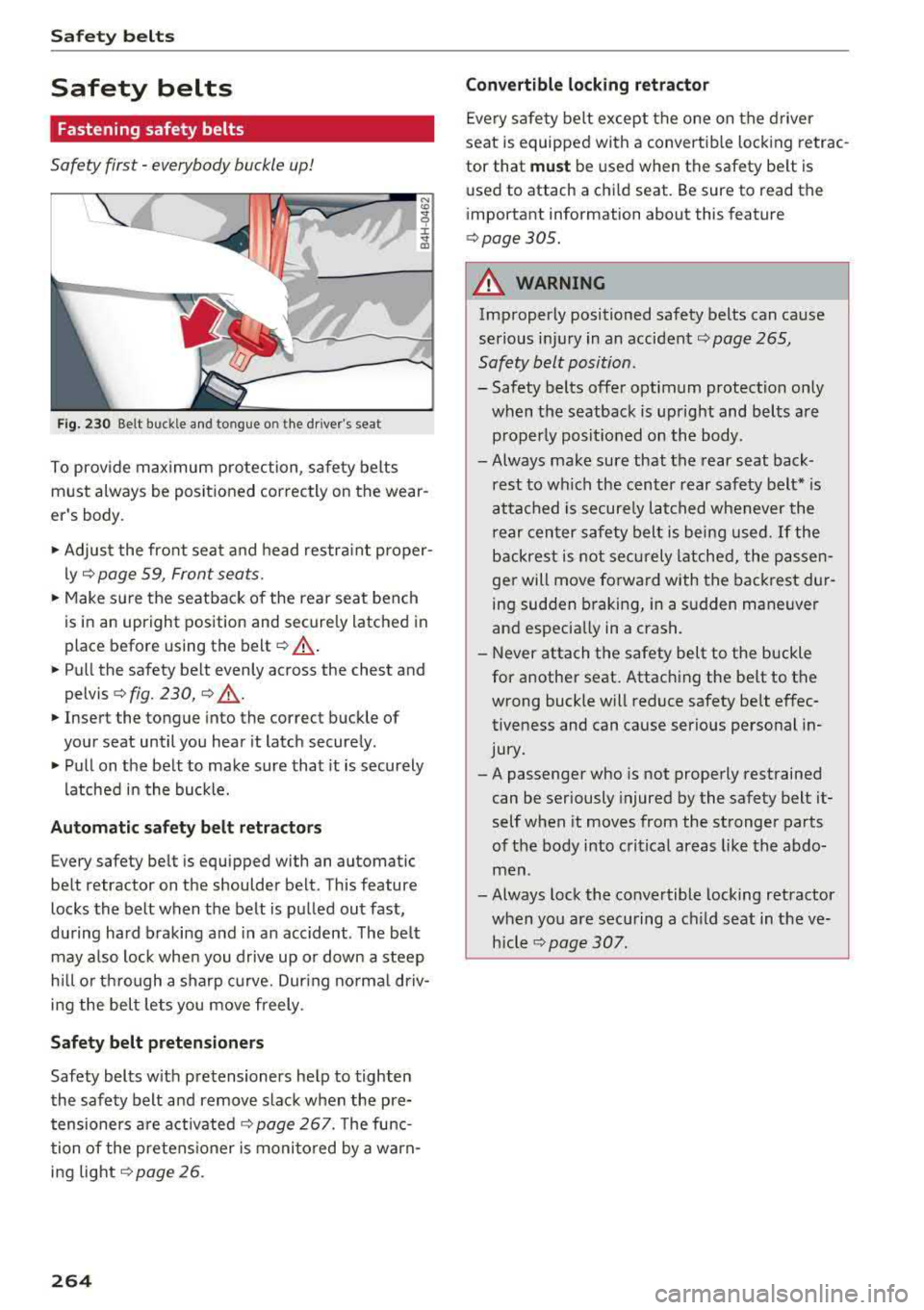
F ig. 230 Belt buckle and tong ue o n the dr iver's seat
N
To prov ide max imum protection, safety belts
must always be positioned correctly on the wear
er's body .
"'Adjust the fro nt sea t and head restra int proper
ly
¢ page 59 , Front seats .
"'Make su re the seatback of the rear sea t bench
is in an upright position and secure ly latched in
place before using the
belt ¢.&_ .
"'Pull the safety belt evenly across the chest and
pelvis ¢ fig. 230, ¢ .&_.
"'Insert the tongue into the correct buckle of
you r seat until you hear it latch securely .
"' Pull on the belt to make sure that it is securely
l atched in the buck le.
Autom atic safety belt retractors
Every safety belt is equipped with an automatic
belt retractor on the shoulder belt . This feature
locks the belt when the belt is pulled out fast,
du ring hard braking and in an accident . The be lt
may a lso lock when you drive up or down a steep
h ill or th rough a sharp curve. Dur ing no rma l dr iv
i n g the bel t lets you move freely.
Safety belt pretensioners
Safety belts w ith pretensioners help to tighten
the safety belt and remove slack when the pre tensioners a re
activated ¢ page 267. The func
tion of the pretens ioner is moni to red by a w arn
ing
light¢ page 26.
264
Convertible lock ing retractor
Eve ry safe ty belt except the one on t he d river
seat is equipped with a convertib le lock ing retrac
tor that
mu st be used when the safety be lt is
used to attach a ch ild seat. Be sure to read the
i mportant information about this feature
¢ page 305 .
A WARNING
Improperly positioned safety belts can cause
serious inj ury in an
accident ¢ page 265,
Safety belt position .
- Safety belts offer optimum protection only
when the seatback is up right and belts are
properly posit ioned on the body .
- Always make sure that the rear seat back
rest to which the center rear safety belt* is
at tached is securely latched whenever the
rear cen ter safety belt is being used.
If the
b ackrest is not sec urely latche d, the passen
ger will move forward with the bac krest du r
ing sudden b raking, in a sudden maneuver
and especia lly in a crash.
-Never attach the safety belt to the buckle
for another seat. Attaching the belt to the
wrong buckle will reduce safety be lt e ffec
tiveness and can cause serio us personal in
jury.
-A passenge r who is not properly restrained
can be seriously injured by the safety belt it
self when it moves from the stronger parts
of the body into cri tical areas like the abdo
men .
- Always lock the convertible locking retractor when yo u are securing a c hild seat in the ve
h icle
~ page 307.
Page 275 of 404
LL co ..... N
" N ..... 0 N > co
-An improper ly installed child restraint can
interfere with the airbag as it deploys and
seriously injure or even kill the child
-even
with an Advanced Airbag System.
- Always carefully follow the manufacturer's
instructions provided with the child seat or
carrier .
- Always make sure that there is nothing on
the front passenger seat that will cause the capacit ive passenger detection system in
the seat to signal to the Airbag System that
the seat is occupied by a person when it is
not, or to signal that it is occupied by some
one who is heavier than the person actually
sitting on the seat. The presence of addi
tional objects could cause the passenger
front airbag to be turned on when it should be off, or could cause the airbag to work in a
way that is different from the way it would have worked without the object on the seat .
Front airbags
Description of front airbags
The airbag system can provide supplemental
protection to properly restrained front seat occu
pants.
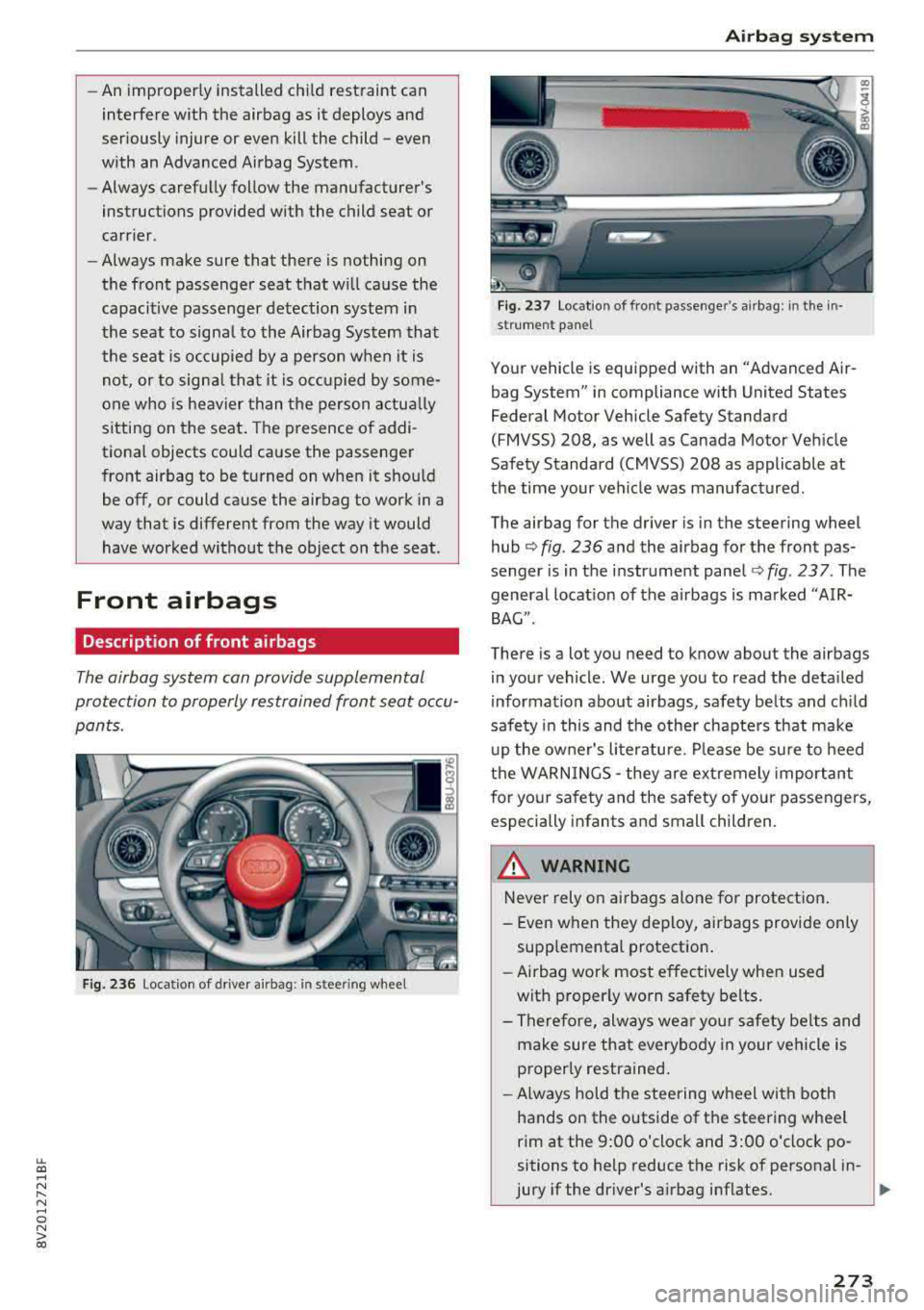
Fig. 236 Loc ation of driver a irbag: in ste .e ring wheel
Airbag system
Fig. 237 Location of front passenger's airbag: in the in
st rum ent panel
Your vehicle is equipped with an "Advanced Air
bag System" in compliance with United States
Federal Motor Vehicle Safety Standard
(FMVSS) 208, as well as Canada Motor Vehicle
Safety Standard (CMVSS) 208 as applicable at
the time your veh icle was manufactured.
The airbag for the driver is in the steering wheel
hub
¢ fig. 236 and the airbag for the front pas
senger is in the instrument panel
¢fig . 237. The
general location of the airbags is marked "AIR
BAG ".
There is a lot you need to know about the airbags
in your vehicle . We urge you to read the detailed
information about airbags, safety belts and child
safety in this and the other chapters that make
up the owner's literature. Please be sure to heed
the WARNINGS
-they are extremely important
for your safety and the safety of your passengers,
especially infants and small children.
_& WARNING
-Never rely on airbags alone for protection .
- Even when they deploy, airbags provide only
supplemental protection.
- Airbag work most effectively when used
with properly worn safety belts.
- Therefore, always wear your safety belts and
make sure that everybody in your vehicle is
properly restrained.
- Always hold the steering wheel with both
hands on the outside of the steering wheel
rim at the 9:00 o'clock and 3:00 o'clock po
sitions to help reduce the risk of personal in-
jury if the driver's airbag inflates.
..,.
273
Page 276 of 404
Airbag syste m
-Never hold the steering whee l at the 12
o'clock pos it ion or w ith your han ds any
where inside the steering wheel or on the steering wheel hub. Holding t he steering
wheel the wrong way increases the risk of severe injury to the arms, hands, and head if
the d river a irbag deploys.
A WARNING
Objects between you and the a irbag w il l in
crease the risk of inj ury in a crash by interfer
ing w ith the way the airbag unfo lds and/or by
being pushed into you as the airbag inflates .
- Always make sure nothing is in the front air-
bag deployment zone that could be str uck
by the airbag when it inflates.
-
- Objects in the zone of a deploying airbag
can become projectiles when the airbag de
ploys and cause serious persona l injury .
- Never hold th ings in your hands or on your
lap when the vehicle is in use.
- Never place accessor ies or other objec ts
(s uch as c up ho lders, telephone brackets,
note pads, navigation systems, or things
that are large, heavy, o r bulky) on the doors;
never attach then to the doors or the wind
shield; never place them over or near or at
tach them to the area marked
,,AIRBAG" on
the steering wheel, instrument panel or the seat backrests; never p lace them between
these a reas and yo u or any other person in
the vehicle.
- Never attach objects to the w indshield
above the passenger front airbag, s uch as
accessory GPS navigation uni ts or mus ic
players . S uch objects could ca use serio us in
jury in a collision, especially when the air bags inflate.
- Never recline the front passenger seat to transport objects . Items can also move into
the deployment area of the side a irbags or
the front a irbag during breaking o r in a sud
den maneuver. Objects near the airbags can
fly dangerous ly through the passenger com
partment and cause injury, particularly
when the seat is reclined and the airbags in
flate.
274
A WARNING
A person on the front passenger seat, espe
cially infants and small ch ildren, wi ll receive
serious in juries and can even be k illed by be
ing too close to the airbag when it inflates .
- Although the Advanced Airbag System in your veh icle is designed to turn off the front
passenger airbag if an infant o r a small child
is on the fron t passenger sea t, nobody can
absolu tely guarantee tha t deployment un
de r these specia l condi tions is impossible in
all conceivable situations that may happen
during the useful life of yo ur vehicle.
- The Advanced Airbag System can dep loy in
accordance with the
,. low risk" option for 3-
and 6-year-old children under the U.S. Fed
eral Standard if a child w ith electrical capac
itance greater than the combined capac i
tance of a typical one-year o ld infant re
strained in one of the forward facing or rea r
ward-facing chi ld seats with which yo ur ve
hicle was certified is on the front passenger
seat and the o ther conditions for airbag de-
ployment are me t.
- Accident s tatisti cs have shown th at children
are generally safer in the rear seat are a than
in the front seat ing pos ition.
- For their own s afety, all ch ildren, especi ally
12 years and younger, should alw ays ride in
the back proper ly restrained for their age
and size .
Advanced front airbag system
-
Your vehicle is equipped with a front Advanced
Airbag System in compliance with United States
Federal Motor Vehicle Safety Standard 208, as
well as Canada Motor Veh icle Safety Standard
(CMVSS) 208 as applicable at the t ime your vehi
cle was manufactu red .
The front Advanced A irbag System supplements
the safety belts to provide add itiona l protect ion
for the driver 's and front passenger's heads and
upper bod ies in fronta l crashes. The a irbags in
flate only in frontal impacts when the vehicle de-
ce le ra tion is high e no ugh.
II>-
Page 300 of 404
Child sa fety
- Take the chi ld restraint off the front passen
ger seat and insta ll it proper ly at one of the
rear seat positions if the
PA SSEN GER AIR
BA G OFF
light does not stay on.
- Have the airbag system inspected by your
authorized Aud i dealer immediately.
(D Tips
The chi ld seats listed in categories A to C have
been statica lly tested by Aud i only for the Ad
vanced Airbag function.
Important safety instructions for using
child safety seats
Correct use of child safety seats substantially re
duces the risk of injury in an accident!
As the driver, you are responsible for the safety
of everybody in the vehicle, especially chi ldren:
~ A lways use the right chi ld safety seat for each
c h ild and a lways use it properly
c::> page 300.
~ Always carefully follow the child safety seat
manufacturer's instructions on how to route
the safety belt properly through the child safe
ty seat .
~ When using the vehicle safety be lt to insta ll a
c hi ld safety seat , you must first activate the
conve rtible locking retractor on the safety be lt
to prevent the child safety seat from mov ing
c::> page 305 .
~ Push the child safety seat down wit h your fu ll
weight to get the safety be lt really tight so that
the seat cannot move forward or sideways
more than one inch (2.5 cm).
~ Secure unused safety belts on the rear seat
c::> page 300 .
Always remember: Even though your vehicle is
equ ipped w ith an Advanced Airbag system, all
children, especially those 12 years and younger,
should always r ide in the back seat prope rly re
stra ined fo r th eir age and size.
_& WARNING
N ot using a c hild safety seat, usi ng the w rong
c hild safety seat or imp roper ly installing a
298
chi ld restraint increases t he risk of serious
personal injury and death.
- All vehicle occ upants and especially children
must be restra ined properly whenever rid ing
in a vehicle. An unrestrained or improperly
restrained child cou ld be injured by strik ing
the inter ior or by being ejected from the ve
h icle dur ing a sudden maneuve r o r i mpact.
An unrest rained or imprope rly rest rai ned
child is a lso at g rea ter r is k of inj ury o r death
through con ta ct w it h an infl ati ng a irbag.
- Commerc ia lly availab le child safety seats
a re requ ired to comply with U.S. Federal
Motor Vehicle S afety Standard ( FMVSS) 2 13
(in Canada CMVSS 213).
- When buying a child restra int, select one
that fits your chi ld and the vehicle .
- Only use child restra int systems that fully
contact the flat port ion of the seat cush
i o n. The ch ild restraint must not tip or
lean to e ither side . Audi does not recom
mend using child safety seats that rest on
l egs or tube -like frames. They do not p ro
v ide adequate cont act wi th t he seat.
- Always heed all lega l req uirements per
ta in ing to the inst allation and use of child
sa fe ty seats and caref ully follow the in
str uctions provided by the manufact urer
of the seat you are using .
- Never a llow children under 5 7 inc hes
( 1. 45 meters) to wear a normal safety be lt.
They must a lways be restrained by a proper
child restraint system. Otherwise, they
could sustain injuries to t he abdomen and
neck areas dur ing sudden brak ing maneu
vers or accidents .
- Never let more than one c hild occupy a chi ld
safety seat.
- Never let babies or o lder ch ildren ride in a
ve hicle w hile sitting on the lap of a nother
passenger.
- Holding a c hild in your a rms is never a s ub
stitute fo r a ch ild restraint system .
- The s tronges t person cou ld no t hold the
c hil d with the forces tha t exist in an acc i
dent. The c hild will strike the inte rior of
the ve hicle and can also be struck by the
passenger.
Page 302 of 404
Child safety
-Take the child restraint off the front passenger seat and install it properly at one of the
rear seat positions if the
PASSENGER AIR
BAG OFF
light does not stay on.
-Have the airbag system inspected by your
authorized Audi dealer immediately.
Secure unused safety belts on the rear seat
l8 , ,.,_ _ g
---0
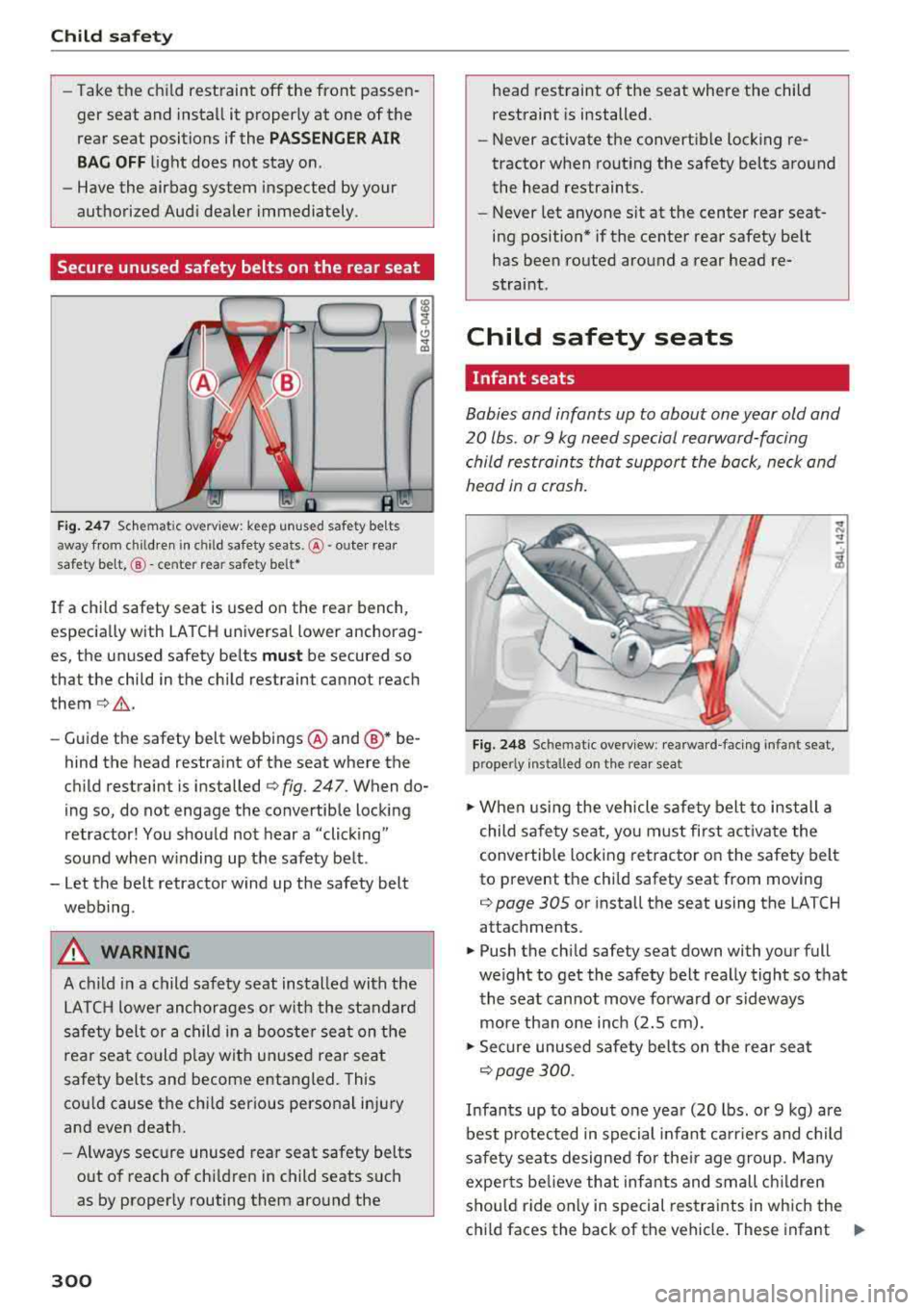
Fig. 247 Schematic overv iew: keep unu sed safety belts
away from chi ldren in chil d safety seats. @-outer rear
safety belt,@- center rear safety belt*
~
If a child safety seat is used on the rear bench,
especially with LATCH universal lower anchorag
es, the unused safety belts
must be secured so
that the child in the child restraint cannot reach
them
c::> ,&. .
-Guide the safety belt webbings @and ®* be
hind the head restraint of the seat where the
c hild restraint is installed
c::>fig. 247. When do
ing so, do not engage the convertible locking
retractor! You should not hear a "clicking"
sound when winding up the safety belt .
-Let the belt retractor wind up the safety belt
webbing .
A WARNING
A child in a child safety seat installed with the
LATCH lower anchorages or with the standard
safety belt or a child in a booster seat on the
rear seat could play with unused rear seat
safety belts and become entangled. This
could cause the child serious personal injury
and even death.
-Always secure unused rear seat safety belts out of reach of children in child seats such
as by properly routing them around the
300 head restraint of the seat where the child
restraint is installed .
- Never activate the convertible locking re
tractor when routing the safety belts around
the head restraints.
-Never let anyone sit at the center rear seat
ing position* if the center rear safety belt
has been routed around a rear head re
straint.
Child safety seats
Infant seats
Babies and infants up to about one year old and
20 lbs. or
9 kg need special rearward-facing
child restraints that support the back, neck and
head in a crash.
Fig. 248 Sc hema tic ove rview : re arward -facing infan t seat ,
prope rly installed on th e rear seat
.,. When using the vehicle safety belt to install a
child safety seat, you must first activate the
convertible locking retractor on the safety belt
to prevent the child safety seat from moving
c::> page 305 or install the seat using the LA TCH
attachments .
.,. Push the child safety seat down with your full
weight to get the safety belt really tight so that
the seat cannot move forward or sideways more than one inch (2.5 cm) .
.,. Secure unused safety belts on the rear seat
c::> page 300 .
Infants up to about one year (20 lbs. or 9 kg) are
best protected in special infant carriers and child
safety seats designed for their age group. Many
experts believe that infants and small ch ildren
should ride only in special restraints in which the
child faces the back of the vehicle. These infant
Ill-
Page 304 of 404
Child safety
Convertible child safety seats
Properly used convertible child safety seats can
help protect toddlers and children over age one
who weigh between 20 and 40 lbs. (9 and 18 kg)
in a crash.
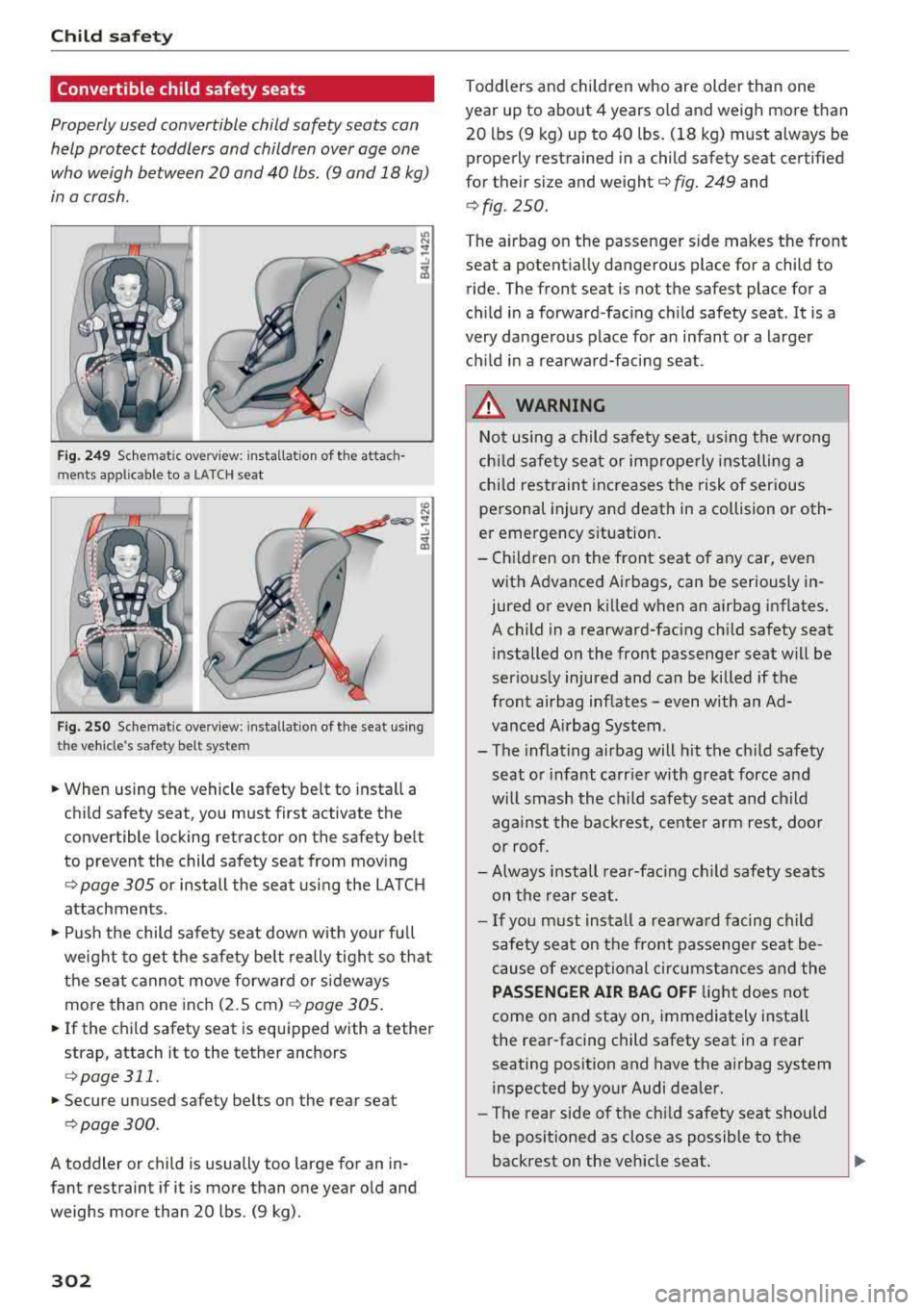
Fig. 249 Schemat ic overv iew: installat ion of the attac h
m ents app licab le to
a L ATCH seat
Fig. 250 Schematic overv iew : instal lat ion of the sea t using
the vehicl e's safety bel t sy stem
... When using the vehicle safety belt to install a
child safety seat, you must first activate the
convertible locking retractor on the safety belt
to prevent the child safety seat from moving
c:> page 305 or install the seat using the LATCH
attachments .
... Push the child safety seat down with your full
weight to get the safety belt really tight so that
the seat cannot move forward or sideways more than one inch (2.5 cm)
c:>page 305.
... If the child safety seat is equipped with a tether
strap, attach it to the teth er anchors
r::> page 311.
... Secure unused safety belts on the rear seat
r::>page 300 .
A toddler or child is usually too large for an in
fant restraint if it is more than one year old and
weighs more than 20 lbs . (9 kg).
302
Toddlers and children who are older than one
year up to about 4 years old and weigh more than
20 lbs (9 kg) up to 40 lbs. (18 kg) must always be
properly restrained in a child safety seat certified
for their size and weight
c> fig. 249 and
c:> fig. 250 .
The airbag on the passenger side makes the front
seat a potentially dangerous place for a child to ride. The front seat is not the safest place for a
child in a forward -facing child safety seat . It is a
very dangerous place for an infant or a larger
child in a rearward-facing seat .
.&_ WARNING
Not using a child safety seat, using the wrong
child safety seat or improperly installing a
child restraint increases the risk of serious
personal injury and death in a collision or oth
er emergency situation.
-Children on the front seat of any car, even
with Advanced Airbags, can be seriously in
jured or even killed when an airbag inflates. A child in a rearward-facing child safety seat
installed on the front passenger seat will be
seriously injured and can be killed if the
front airbag inflates - even with an Ad
vanced Airbag System .
-The inflating airbag will hit the child safety
seat or infant carrier with great force and
will smash the child safety seat and child
against the backrest, center arm rest, door
or roof.
-Always install rear-facing child safety seats
on the rear seat.
-If you must install a rearward facing child
safety seat on the front passenger seat be
cause of exceptional circumstances and the
PASSENGER AIR BAG OFF light does not
come on and stay on, immediately install
the rear-facing child safety seat in a rear seating position and have the airbag system
inspected by your Audi dealer .
- The rear side of the child safety seat should
be positioned as close as possible to the
backrest on the vehicle seat.
~
Page 306 of 404
Child sa fet y
Booster seats and safety belts
Properly used booster seats can help protect
children weighing between about 40 lbs . and 80
lbs. (18 kg and 36 kg) who are less than 4
ft. 9
in. (57 inches/1.45 meters) tall .
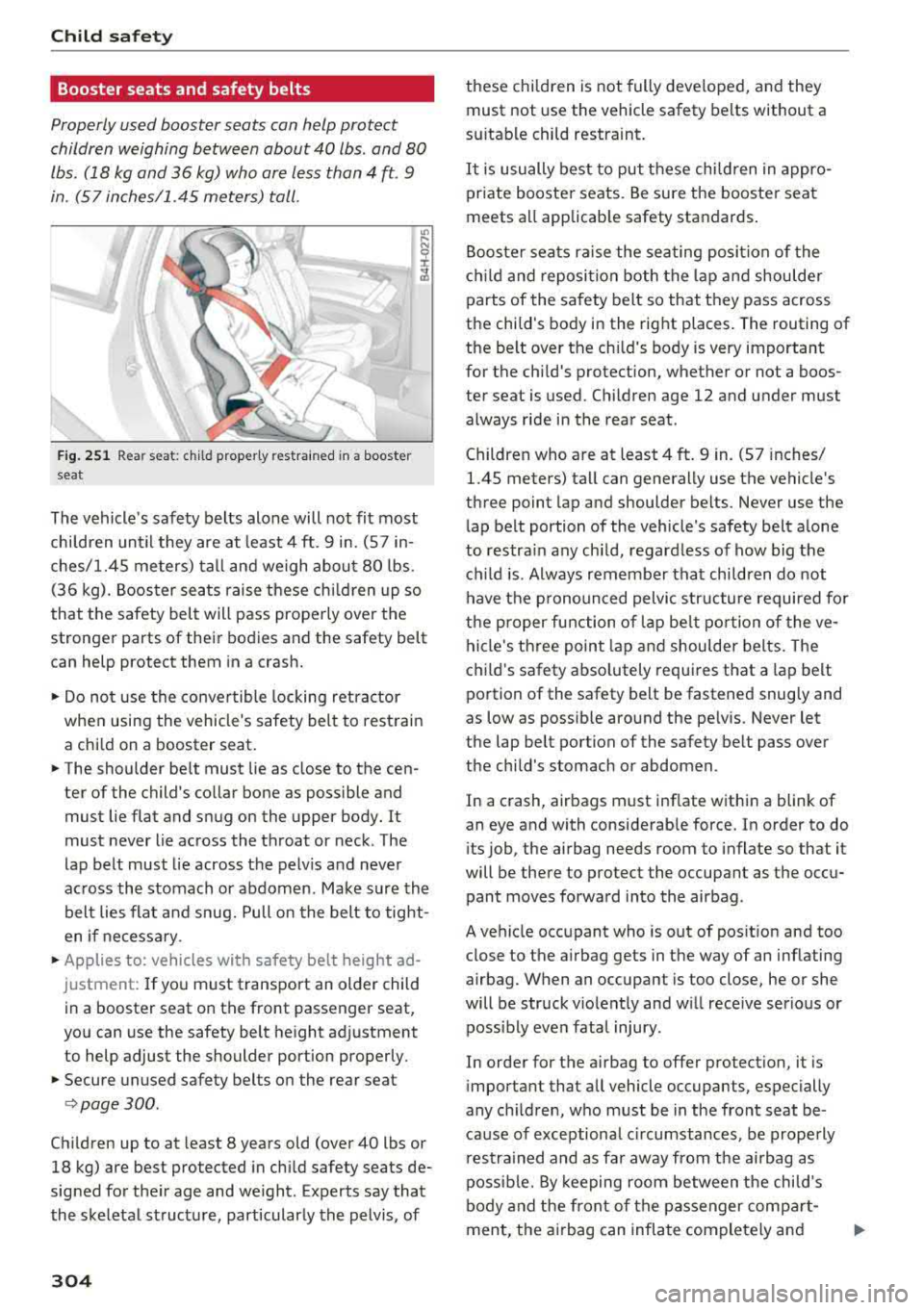
Fig . 2 51 Rea r seat: c hild proper ly restra ined in a booster
seat
The vehicle's safety belts alone will not fi t most
chi ldren un til they are at least 4 ft. 9 in. (57 in
ches/1. 45 meters) ta ll and weigh about 80 lbs.
(36 kg). Boos ter sea ts raise these chi ld ren up so
that t he safety bel t will pass properly over the
stronger parts of their bodies and the safety belt
can help protect them in a crash.
.. Do no t use the conve rtible locking retra ctor
when using the vehicle's safety belt to rest rai n
a chi ld on a booster seat.
.. The shoulder be lt must lie as close to the cen
ter of the child's collar bone as possible and must lie flat and s nug on the upper body. It
must never lie across the throat or neck . The
lap belt must lie across the pelv is and never
ac ross the stomach or abdomen . Make sure the
belt lies flat and snug. Pull on the belt to tight
en if ne cessa ry .
.. Applies to: vehicles with safety be lt height ad
justment: If yo u must t ransport an older child
in a booster seat on the front passenger seat,
yo u can use the safety belt he ight adjustment
to help adjust the shoulder portion properly.
.. Secure unused safety belts o n the rear seat
¢ page 300.
Ch ild ren up to at least 8 years old (over 40 lbs or
18 kg) are best protected in ch ild safety seats de
signed fo r thei r age and we ight . Experts say that
the skeleta l struct ure, particularly the pelvis, of
304 t
h ese children is not fully developed, and they
must not use the vehicle safety belts without a
s ui tab le child restraint .
It is usually best to put t hese chi ld ren in appro
priate booste r seats. Be sure the booste r seat
meets a ll applicab le safety standards .
Booster sea ts raise the seating posi tion of the
c hi ld a nd reposi tion both the lap and shoulde r
parts of the safety belt so that t hey pass across
the child 's body in the rig ht places. The routing of
the be lt over the ch ild's body is very important
for the chi ld's protection, whether o r not a boos
ter seat is used. C hildren age 12 and under must
always ride in the rear seat .
Children who are at least 4 ft. 9 in. (57 inches/
1.45 meters) tall can generally use the vehicle 's
three point lap and shoulder belts. Never use the
l ap belt portion of the veh icle's safety belt a lone
to restra in any ch ild, regard less of how big t he
c hil d is . Always remember that chi ldren do not
h ave t he p ronounced pelvic str ucture required fo r
the p roper function of lap be lt po rtion of the ve
hicle's three point la p and shoulder belts. The
c hil d's safety abso lutely requi res that a lap belt
portion of the safety belt be fastened snug ly and
as low as possib le aro und the pe lvis. Never let
the lap belt portion of the safety be lt pass over
the child's stomach or abdomen .
In a crash, airbags must inflate within a blink of
an eye and with considerab le force. In order to do
its job , the airbag needs room to inflate so that it
will be there to protect the occupant as the occu pant moves forward into the airbag .
A vehicle occupant who is out of pos it ion and too
close to the a irbag gets in the way of an inflating
airbag. When an occupant is too close, he or she
will be struck vio lent ly and w ill rece ive serio us or
possibly eve n fatal injury .
In order for the a irbag to offer protect ion, it is
importa nt that all vehicle occupants, especially
any ch ildren, who must be in the front seat be
cause of exceptiona l cir cumstances, be prope rly
r estra ined and as far aw ay from the a irbag as
poss ible. By keeping room between the chi ld's
body and the fron t of the passenger compa rt-
ment, the a irbag can inflate completely and
..,.
Page 307 of 404
u. 00 .-< N l' N .-< 0 N > 00
provide supplementa l protection in certain fron
tal collisions .
A WARNING -
Not using a booster seat, using the booster
seat improperly, incorrectly insta lling a boos
ter seat or using the vehicle safety belt im
properly increases the risk of serious personal
injury and death in a collision or other emer
gency situat ion . To help reduce the r isk of se
r ious personal inj ury and/o r death:
- The shoulder belt must l ie as close to the
center of the child 's collar bone as poss ible
and must lie flat and snug on the uppe r
body . It must neve r lie across the t hroat or
neck . The lap be lt must lie across the pe lv is
and never across the stomac h or abdomen.
Make sure that the belt lies flat and sn ug .
Pull on the belt to tighten if necessary.
- Failure to proper ly route safety belts over a
child's body will ca use severe injuries in an
acc ident or other emergency situation
¢ page 260.
- The rear side of the child safety seat should be pos it ioned as close as poss ible to the
backrest on the vehicle seat.
- For adjustable head restraints: ad just o r re
move the rear seat head restraint if it is d if
ficult to install the child seat w ith the head
restra int i n place
¢ page 61 . Install the
head restraint again immediately once the
c hild seat is removed. Driving w ithout head
restra ints or w ith he ad restraints t hat are
not p roper ly adjusted increases the risk of
serious or fata l neck injury d ramatically.
- Never le t a child put the sho uld er be lt un der
the arm or be hind t he back, because it co ul d
cause severe injuries in a c rash .
- C hildren o n the front sea t of any car, even
with Adva nced Ai rbags, can be serio usly in
jure d or even killed when a n ai rbag inflates.
- Never le t a child stan d or knee l on any seat,
for example the front seat.
- Never le t a child ride in the c argo a re a of
yo ur vehicle.
- Alw ays remem ber th at a c hild leaning for
wa rd, s itting sideways or out of position in
any way during an accident can be struck by
Ch ild saf ety
a dep loying airbag. Th is w ill resu lt in serious
pe rsonal in jury or death.
- If you m ust insta ll a booster seat on the
front passenger seat because of exceptiona l
circumstances the
PASSENGER AIR BAG
OFF
li ght must come on a nd stay on, when
ever the ignit ion is switched on.
- If t he
PASSENGER AIR BAG OFF light does
not come on and stay on, perform the
checks described
Q page 281, Monitoring
the Advanced Airbag System .
-Take the child restraint off the front passen
ge r seat and install it properly at one of the
rear seat pos itions if t he
PASSENGER AIR
BAG OFF
ligh t does not stay on wheneve r
t he ig nit io n is sw itch ed on.
- Always read and heed all WAR NINGS whe n
eve r using a ch ild restrained in a vehicle is
be ing use d
Q page 260, Safe ty belts,
Q page 269, Airbag system and
Q page 294, Important information .
Securing child safety
seats
Securing a child safety seat using a safety
belt
Safety belts for the rear seats and the front pas
senger can be locked with the convertible locking
retractor to properly secure child safety seats .
The safety belts emergency loc king retr actors for
the rear seats safety be lts and for the front pas
senger's seat safety be lt have a convertible lock
ing retractor for child restraints . The safety be lt
must be locked so that be lt webb ing cannot un
reel. The retractor can be act ivated to lock the
safety belt and prevent the safety belt webbing
from loosening up dur ing norma l driving . A ch ild
safety seat can only be prope rly installed when
the safety be lt is locked so t hat the ch ild and
c hi ld safety seat will stay in place.
Always remember : Even though your veh icle is
equipped with an Advanced Airbag system, all
c hi ldren, especia lly those 12 yea rs and younger,
sho uld a lways r ide in t he bac k seat p roperly re-
st rained for thei r age and s ize.
..,..
305
Page 308 of 404
Child sa fety
A WARNING
-
Improperly installed child safety seats in
crease the risk of serious personal injury and
death in a collision .
- Always make sure that the safety belt re
tractor is locked when installing a child
safety seat. An unlocked safety belt retrac
tor cannot hold the child safety seat in place dur ing normal driving or in a cras h.
- Always buckle the child safety seat firmly in
place even if a child is not s itting in it. A
loose child safety seat can fly around during
a sudden stop or in a coll is ion .
- Always make sure that the rear seat back
rest to which the center rear safety belt* is
attached is securely latched whenever the
rear cente r safety belt is being used to se
cu re a ch ild rest raint.
- If the backrest is not securely latched, the
child and the child restraint will be thrown
forward toge ther w ith the backrest and will
strike parts of the vehicle interior. The chi ld
can be seriously in jured or killed .
- Never ins tall rear-f acing chi ld safety seats
or infant carr iers on the front passenger
seat . A child will be serio usly injured and
can be killed when the passenger airbag in
flates.
- The inflating airbag will hit the child safety
seat or infant carrier with great force and
will smash the chi ld safety seat and child
against the backrest, center armrest, door
or roof.
- Always install rear-facing child safety seats
or infant carr iers on the rear seat.
- Forward-facing ch ild safety seats or infant
carr iers installed on the front passenger's
seat may interfere with the deployment of
the a irbag and cause serious injury to the
child.
- It is safe r to install a forward-facing ch ild
safety seat on the rear seat.
- Always read and heed all WARNINGS when
ever using a child restrained in a veh icle is
being
used~ page 294 . Special preca utions
apply when installing a child safety seat on
the fron t passenger
seat~ page 2 70, Child
306
restraints on the front seat -some impor
tant things to know.
A WARNING
A lways take special p recautions if you must
install a forward or rearward-facing child re
stra int on the front passenger's seat in excep
tional s ituations:
- Whenever a forward or rearward-fac ing
child restraint is installed on the front pas
senger seat, the
PASSENGER AIR BAG OFF
light must come on and stay on whenever
the ignition is switched on.
- If the
PASSENGER AIR BAG OFF light does
not come on and stay on, perform the
checks desc ribed
~ page 281, Monit oring
the Advanced Airbag System.
- Take the child res tra int off the front passen
ge r seat an d inst all it prope rly at one of the
rear sea t positions i f the
PASSENGER AIR
BAG OFF
light does not stay on whenever
the ignition is switched on .
- Improper installat ion of child res traints can
reduce the ir effectiveness or even prevent
them from provi ding any protect ion .
- An improperly installed child restra int can
interfere with the airbag as it deploys and
serious ly injure or even kill the child.
- Always carefully follow the manufacturer's
instructions provided with the child safety
seat or carrie r.
- After checking to make sure that the ch ild
restraint is proper ly installed, make ce rtain
that the child restraint is correctly recog nized by the capacitive passenger detection
system in the front passenger seat and that
the
PASSENGER AIR BAG OFF light signals
the co rrect front passenger frontal a irbag
s tat us.
A WARNING
Forward- facing child restr aints:
- Always make sure the forward-facing seat
has bee n des igned and certified by its man
uf ac turer for use on a front sea t wit h a pas
senger front and side air bag.
-
Page 309 of 404
u. 00 .-< N l' N .-< 0 N > 00
-Never put the forward-facing child restraint
up, against or very near the ins trumen t pan
el.
- Always move t he front passenger seat to
the h ighest position in the up an d down ad
justment range and move it back t o the
r e armost position in t he seat's fore a nd aft
adjustment range, as fa r away from the air
bag as possib le, before insta lling the for
wa rd-facing child restra int.
- Always make sure that the safety belt upper
anchorage is beh ind the child restraint and
not next to or in front of the chi ld restrain t
so tha t the safety bel t will be properly pos i
tioned.
- Make sure tha t the
PASSENGER AIR BAG
OFF
light comes on and s tays on all the time
whenever the ignition is switched on .
A WARNING
Rearward-facing child restraints:
- A ch ild in a re arwa rd-facing child sa fety seat
installed on the front passenger seat wi ll be
seriously injured and can be killed if the
front airbag inflates
-even with an Ad
vanced Airbag System.
- The inflating airbag will hit the child safety
seat or infant carrier with great force and
will smash the ch ild safety seat and chi ld
against the backrest, center armrest , door
o r roof .
- Always be especially careful if you must in
sta ll a rearward facing child safety seat on
the fron t passenger seat in exceptional c ir
c u ms tances .
- Make sure that the
PASSENGER AIR BAG
OFF
light comes on and s tays on all the time
whenever the ignition is switched on.
- If the PASSENGER AIR BAG OFF light does
not come on and stay on, immedia tely in
st al l t he rear-fac ing ch ild safety sea t in a
re ar seat ing pos ition and have the airbag
system inspected by your Au di deale r.
Ch ild saf ety
Activating the convertible locking retractor
Use the convertible locking retractor to secure a
child restraint.
Always heed the c hild safety seat manufactu rer 's
i ns truc tio ns when instal ling a child restra int i n
your vehicle . To activate the convertib le locking
retractor:
.,. Place the child restraint on a seat, preferably
on the rear sea t.
.,. Slowly pull the belt all the way out .
.,. Route it arou nd or through the child restra int
be lt
path ~,&. .
.,. Push the c hild safety sea t down with yo ur full
weigh t to ge t the safe ty belt really tight.
.,. Insert t he be lt tong ue into the b uckl e for tha t
seating position .
.,. Guide the safety be lt back into t he ret ractor un
til the be lt lies flat and sn ug on the c hild safety
seat .
.,. You s hou ld hear a "cl icking" noise as the belt
w inds back into the inertia reel. Test the con
vert ib le lock ing retractor by pull ing on the belt .
You s hou ld no lo nger be able to pull the belt
ou t of the re tra cto r. T he convertib le lo ckin g re
t ra cto r is now activated.
.,. Ma ke sure that t he red release bu tton is facing
away from the c hild restraint so that it can be
unb uc kled quickly .
.,. Pull on the belt to make sure the safety belt is
properly t ight and fastened so that the seat
cannot move forward or sideways more t han
one inch (2 .5 cm) .
A WARNING
Using the wro ng ch ild rest raint o r an impro p
e rly instal led child restr aint can cause se rious
person al injury or death in a crash.
- Always make sure th at the s afety be lt re
tr act or is locked when installing a child
safety sea t. An un locked safe ty be lt retrac
tor cannot hold the ch ild safety seat in p lace
du ring norma l drivin g or in a c rash.
- Always buckle the child safety seat fi rm ly in
p lace even if a ch ild is not sitt ing in it . A
loose child safety seat can fly around dur ing
a sudden stop or in a crash.
~
307