ECU AUDI Q5 2015 User Guide
[x] Cancel search | Manufacturer: AUDI, Model Year: 2015, Model line: Q5, Model: AUDI Q5 2015Pages: 302, PDF Size: 75.01 MB
Page 76 of 302
Seats and storag e
Install ing th e attachm ent s
.. Remove the cap @¢ fig. 84.
.. Slide the attachment into the T -groove (V .
.. Tighten the attachment accord ing to the roof
rack installation instructions.
.. Close the cap .
Inst a lling th e cov er p ro fil e
.. Seal the openings in the T-groove 0 with the
cover profile @ after having installing the at
tachments .
.. If you not want to use the attachment, seal the
whole T-groove
0 with the cover profile @.
.. Cut the cover profile to the length needed, if
necessary .
Roof load
The cargo on the roof must be securely attached.
Handling characteristics change when cargo is transported .
The permissible roof load for your vehicle is
165 lbs (75 kg ). The roof load is the total of the
weight of the roof rack, the attachments and the
cargo you are carry ing .
.,&. WARNING
-The cargo must be secure ly attached on the
roof rack, otherwise you r is k an acc ident .
- Distribute the load as evenly as possible and
do not make the roof rack wider than the
maximum permitted.
- You must under no circumstances exceed
the permiss ible roof load, the permissib le
axle loads and the permissib le overall
weight of your vehicle - risk of an accident.
- Mount the attachments to the roof rack on ly
afte r you have placed the roof rack on the
vehicle.
- Cons ider tha t when transport ing heavy ob
jects or one wi th a la rge surface, the han
dling characteristics change due to shift in
the center of gravity or the greater surface
exposed to the wind. So adapt your driving
and your speed to prevailing condit ions . We
recommend that you do not drive faster
than 80 mph (130 km/h) .
74
- Mounting a roof rack changes the height of
your veh icle. Keep this in mind when parking
your veh icle in your garage, or when driving
through a tunnel or under an overpass .
(D Note
-Make sure the rear lid does not hit the cargo
on the roof rack when you open it. On
vehicles with automat ic rear lid/trunk lid
operation* you may have to adjust the open
posit ion of the rear lid ¢
page 44 .
-Remove the roof rack and attachment be
fore taking your vehicle through an auto
matic car wash to avoid damage .
@ For the sake of the environment
As a result of the increased wind resistance
created by a roof rack, your vehicle is using
fuel unnecessarily. So remove the roof rack af
te r using it .
Beverage holders
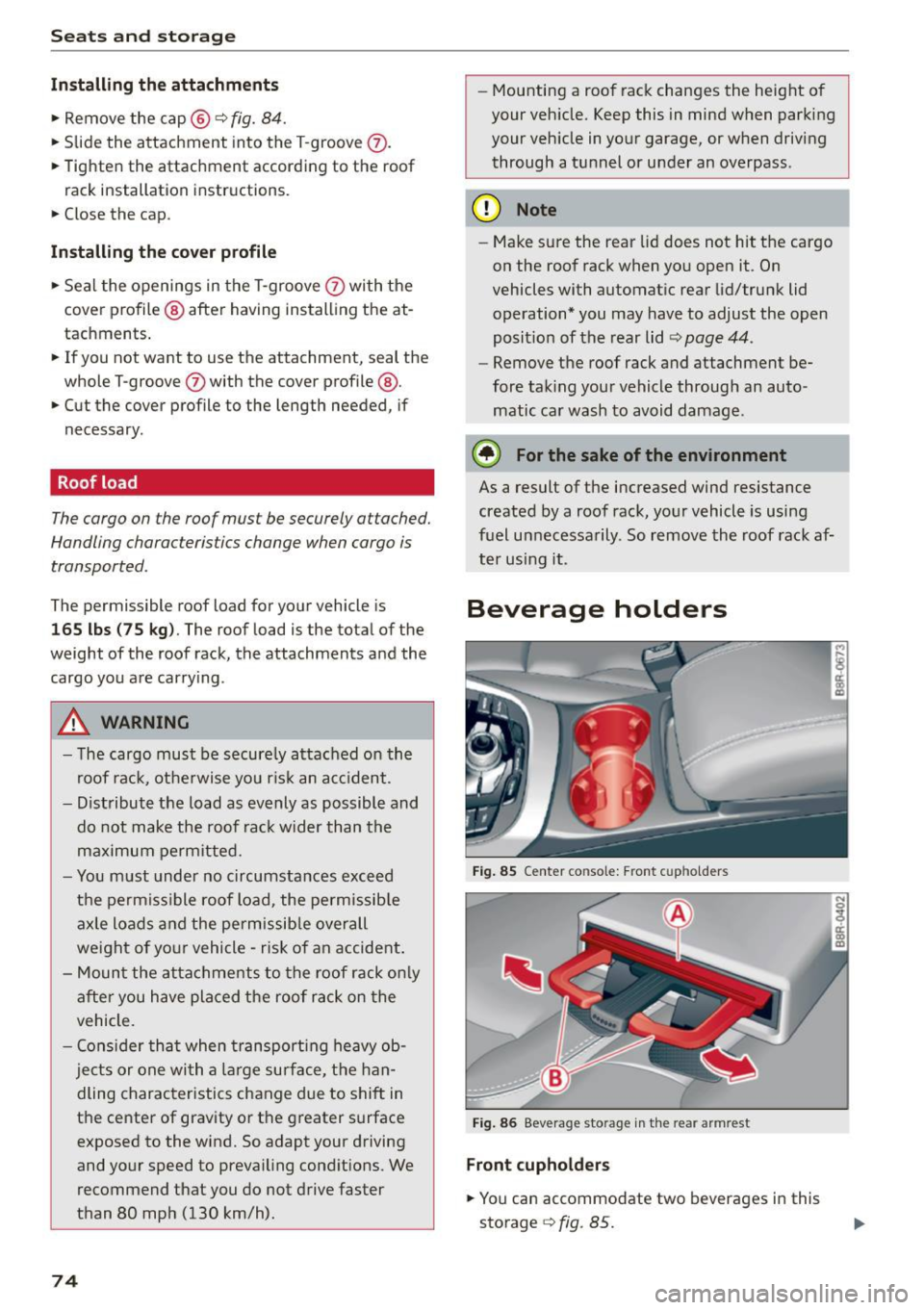
Fig. 85 Center co nsole: F ront c upholder s
Fig . 86 Beverage sto rage in the re ar a rm rest
Front cuphol der s
.. You can accommodate two beverages in this
storage
<=> fig . 85.
Page 77 of 302
M N
co ~ co
rl I.O
"' N
"' rl
Opening rear beverage holders
• To open the rear cupholder, press on the sym
bol~ @¢
fig. 86.
Holding beverages at the rear
• To adjust the arm@, swing it in the direction
of the arrow.
• Place the beverage in the holder and release
the arm. The arm swings back by itself and au
tomatically secures the beverage.
Closing the rear cupholders
• To close the rear cupholder, press on the center
section between the two arms and push the cu
pholder in the slot as far as it will go.
The holding arm must be adjusted such that it lies closely against the cupholder.
A maximum of two beverages can be placed in
the center armrest.
A WARNING
Spilled hot liquid can cause an accident and
personal injury.
- Never carry any beverage containers with
hot liquids, such as hot coffee or hot tea, in
the vehicle while it is moving. In case of an
accident, sudden braking or other vehicle
movement, hot liquid could spill, causing
scald ing burns. Spilled hot liquid can also
cause an accident and personal injury.
- Use only soft cups in the cupholder. Hard
cups and glasses can cause injury in an acci
dent.
- Never use the cupholder or adapter as an
ashtray -risk of fire.
(D Note
Only drink containe rs with lids should be car
ried in the cupholder. Liquid could spill out
and damage your vehicle's electronic equip
ment or stain the upholstery, etc.
Seats and storage
Climatized cupholders
Applies to vehicles: wit h climatized beverage holde rs
The driver side beverage holder can keep your
beverage warm or cold.
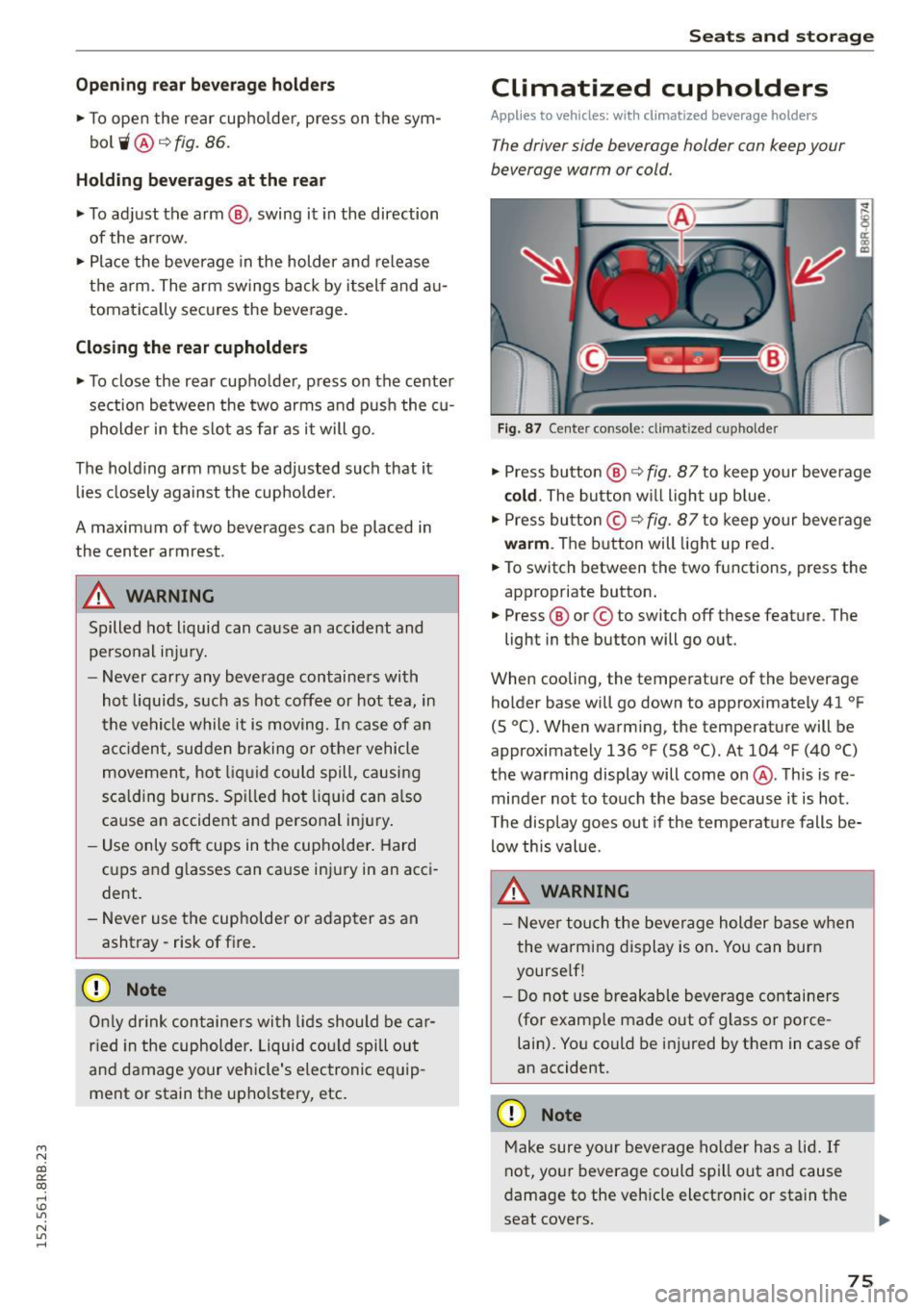
Fig. 87 Center console: cl imatized cupho lder
" Press button @¢ fig. 87 to keep your beverage
cold. The button will light up blue.
" Press button ©¢
fig. 87 to keep your beverage
warm . The button will light up red.
• To switch between the two functions, press the
appropriate button .
.,. Press @ or© to switch off these feature. The
light in the button will go out.
When cooling, the temperature of the beverage holder base will go down to approximately 41 °F
(5
°(). When warming, the temperature will be
approximately 136 °F (58 °(). At 104 °F (40 °()
the warming display will come on @. This is re
minder not to touch the base because it is hot .
The display goes out if the temperature falls be
low this value.
A WARNING
- Never touch the beverage holder base when
the warming display is on. You can burn
yourself!
- Do not use breakable beverage containers
(for example made out of glass or porce
lain). You could be injured by them in case of
an accident.
(D Note
Make sure your beverage holder has a lid. If
not, your beverage could spill out and cause
damage to the vehicle electronic or stain the
seat covers.
75
Page 91 of 302
transmission is not in the P or N position . The en
gine can only be started with the se lecto r in
these posit ions.
l!,JI Is the key in the vehicle ?
This message appears in a veh icle w ith Conven
i en ce key* if the mas ter key is removed from the
ve hicl e with the eng ine running.
If th e maste r
key is no longer in the vehicle, you c annot sw itch
on the i gnition after s topping the engine and you
also ca nnot start the engine again . Moreover, you
cannot lock the veh icle from the o utside with the
key .
Shift to P otherwi se vehicle can roll awa y. Doors
do not lock if lever is not in P.
This mes sage appea rs for sa fe ty rea sons a long
w ith a w arning s ignal.
It ap pears if the se lector
l ever fo r the automatic t ransmission is not in the
P posit ion when switching
off the ignition. Move
the selector lever to the P posit ion, otherwise the
ve hicle is not secured aga inst ro lling away. You
also ca nnot lock the vehicle using the locking
button* on the door ha ndle or using the remote
key .
Turn off ignition before leav ing car
This message appears i f the driver's door is
opened while the ignition is switched on. Always
sw itch
off the ign ition if yo u are leaving the vehi
cle . See a lso
c;, page 93.
Turn off ignition before leaving car . Batter y is
discharging
This mes sage appea rs if the driver's door is
opened while the igni tion is sw itched on . Always
switch
off the ignition if yo u are leaving the vehi
cle. See a lso
c;, page 93.
Shift to P and turn off ignition, oth erwise ve hi
cle can roll away
This m essage appears if the driv er's door is
ope ned while the igni tion is sw itched on and t he
se lec to r lever i s not in t he P po siti on. Shift these
l ec to r l ever in to the P pos ition and switch
off t he
~ ignit ion when yo u exit the vehicle . Otherwise the
co ~ ve hicle co uld roll. See also c;, page 93.
rl
:5: Convenien ce key defec tive! Use ignition lock
N l/1 rl
D riv ing
This message appears if the engine m ust be
started or stopped using the ignition key and not
the
I START ENGINE STOPi* button.
Electromechanical
parking brake
Operation
The electromechanical parking brake replaces
the hand brake.
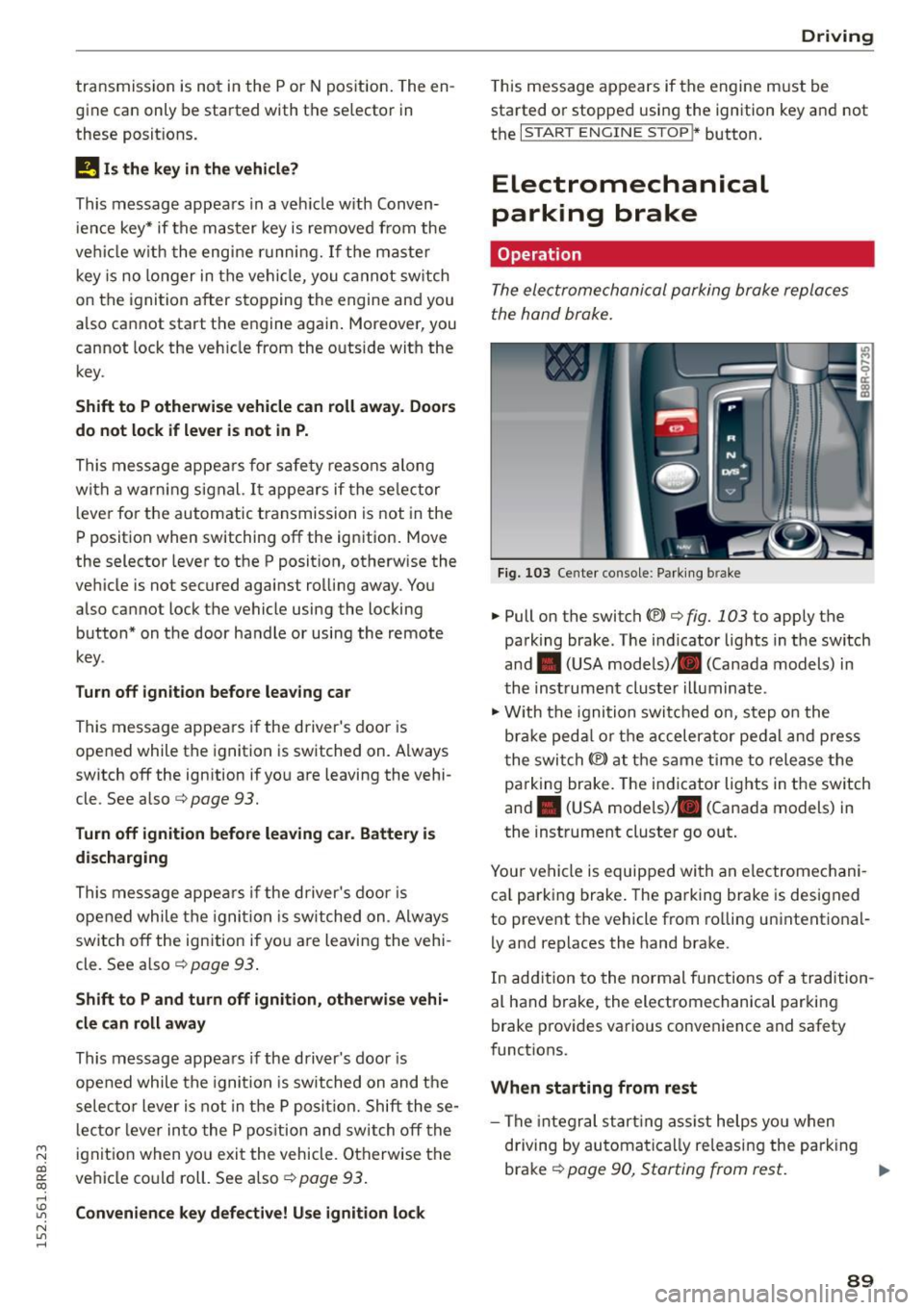
Fig . 103 Ce nte r console : Parki ng b rake
.,. Pull on the switch «el) c:;, fig. 103 to apply the
parking brake . The i ndicator lig hts in the switch
and . (USA models) . (Canada models) in
th e inst rument cluste r illuminat e.
.,. With the ignition swi tch ed on, step o n the
b rak e ped al or t he ac celer ato r pe dal an d pre ss
t he swi tch
(®) at the same time to release the
pa rking brake. The ind icator lights in the switch
and . (USA mode ls) . (Canada models) in
the inst rument cluste r go out.
Your vehicle is equipped with an electromechani ca l park ing brake . The pa rking brake is designed
to prevent the vehicle from ro lling u nintent io na l
l y and replaces the hand brake .
In add ition to the normal f unctions of a tradition
al hand brake, the electromechanical parki ng
brake prov ides various conve nience and safety
funct ions.
When starting from rest
- The integr al st art ing ass ist helps yo u when
d riving by automa tica lly re leasi ng the par king
brake
c:;, page 90, Starting from rest. IJo-
89
Page 101 of 302
Starting the vehicle
Applies to vehicles: with hybrid drive
The vehicle is started and turned off either w ith
the ign ition key
q page 84 or with the
IS TAR T ENGINE STOP I button* ¢page 87 in the
same way as a conventional vehicle .
When starting the vehicle, the need les in the in
strument cluster
move upward br iefly. When the
vehicle enters d rive ready mode, the status mes
sage
hybrid ready appears briefly in the instru
ment cluster display and the needl e in the power
meter points to READY
q page 99.
Depending on the operation mode of the hybr id
system, there are two possib le drive ready modes
after the vehicle has been started:
Drive r eady mode with combustion engine
If the ope rat ing requirements q page 101 for
e lec tric dr ive mode are
not met, the combustion
Power meter overview
Applies to vehicles: with hybrid drive
H ybri d
engine starts the vehicle as usual. You can start
driving as usual.
Drive ready m ode with th e el ectric motor
If the operating requi rements 9 page 101 for
the e lectr ic dr ive mode are met , the combustion
engi ne remains off after starting the vehicle.
(j) Tips
To p reven t the 12 volt batte ry from d ischarg
i ng, never leave t he veh icle parked in the dr ive
ready mode. Remove the key from the igni tion
or press the
! S T AR T ENGINE ST OP I button *.
When leaving the vehicle always take the key
with you.
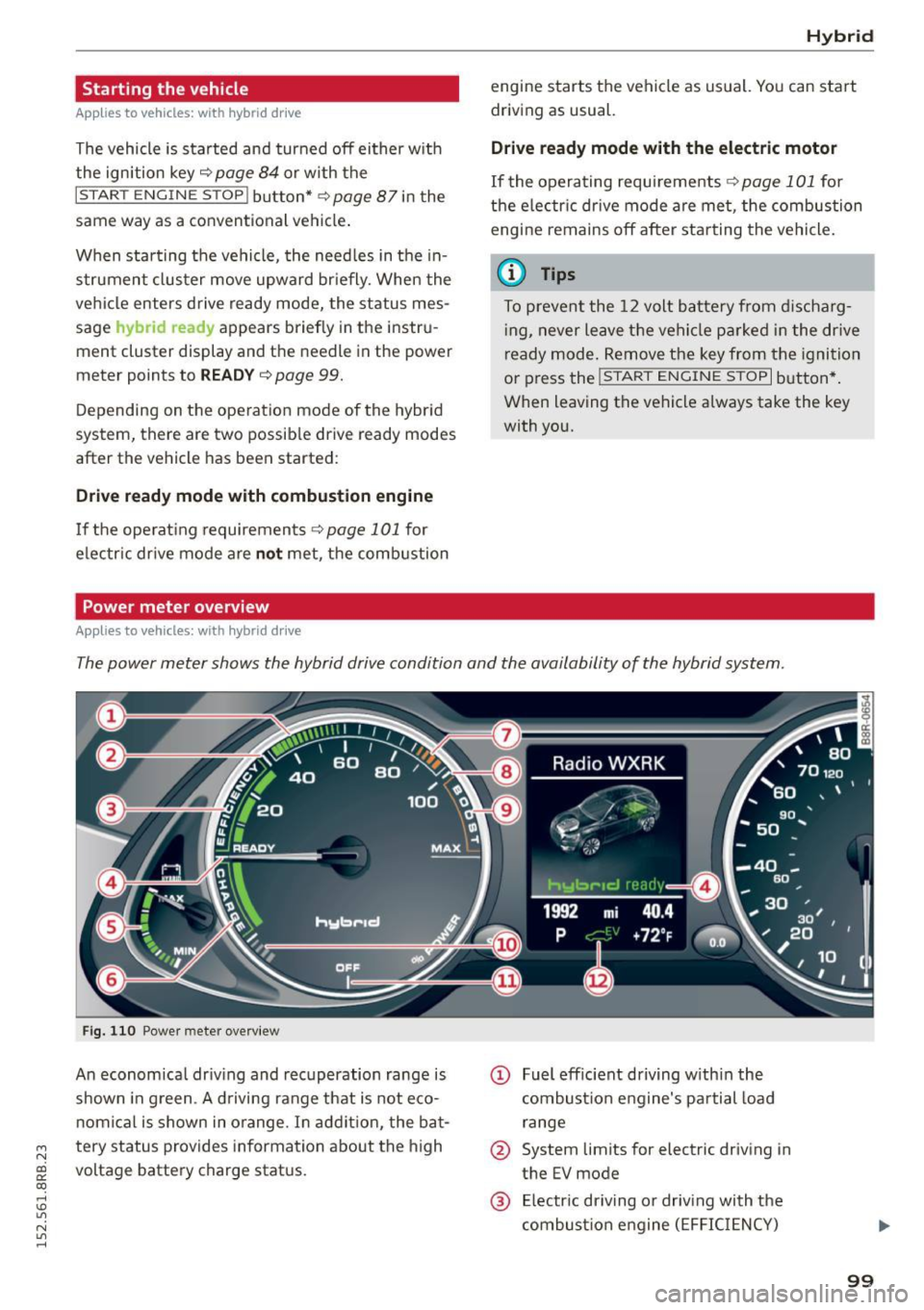
The power meter shows the hybrid drive condition and the availability of the hybrid system.
F ig. 1 10 Powe r meter overview
An economical dr iv ing and recuperation range is
shown in g reen . A d riving range that is not eco
n omical is shown in o range. In addi tion, the ba t-
"' tery status provides information about the high
N
~ voltage battery charge stat us.
co
rl I.O
"' N
"' rl
@ Fuel eff icient driving with in the
combust ion engine 's pa rtial load
range
@ System limits for electric driving in
the EV mode
@ El ectric dr iving or driv ing with the
combust ion engine (EFFIC IENCY)
99
Page 102 of 302
Hybrid
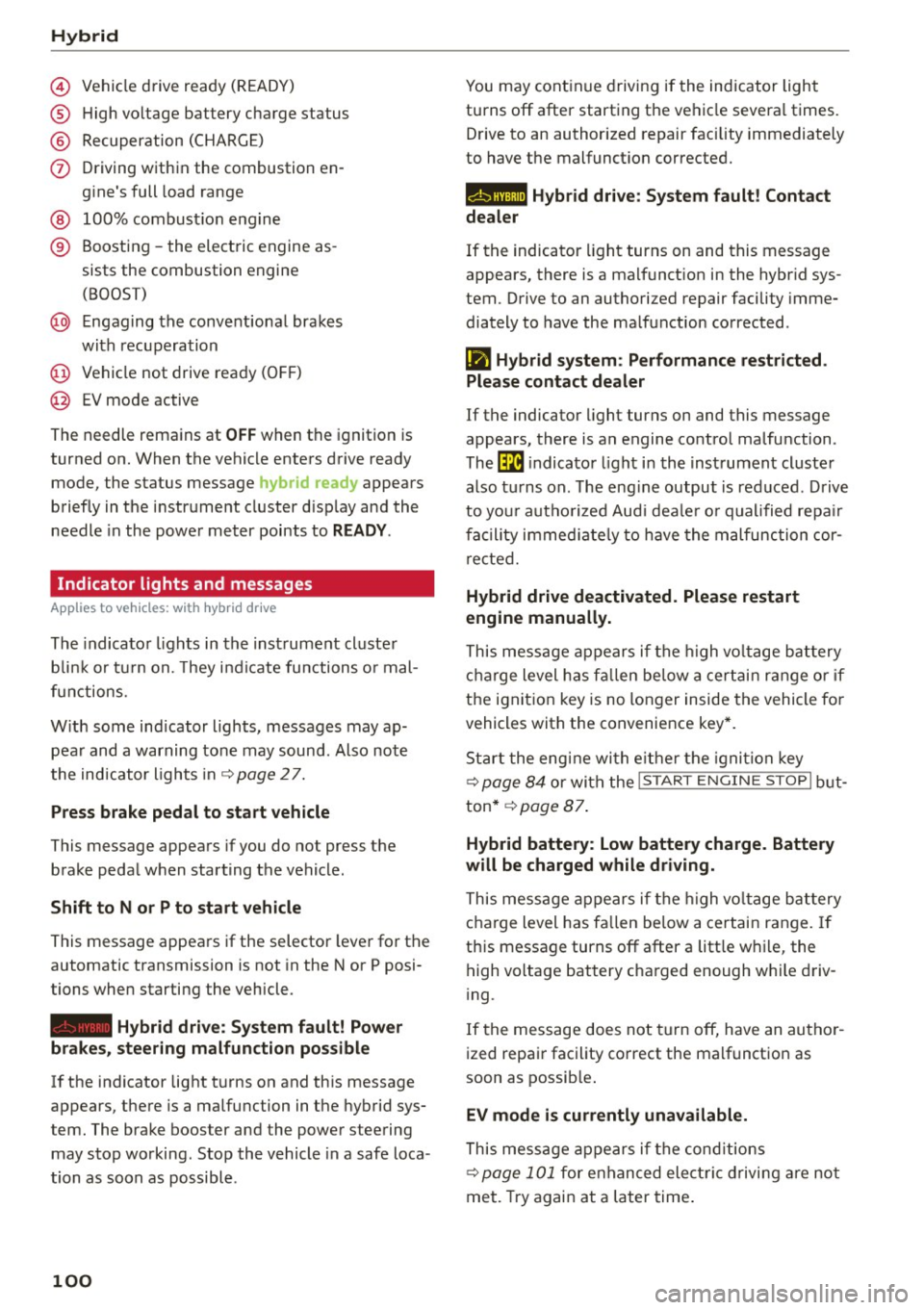
© Vehicle drive ready (READY)
® High voltage battery charge status
® Recuperation (CHARGE)
(f) Driving within the combustion en
gine's full load range
@ 100% combust ion engine
® Boosting -the electric engine as
sists the combustion engine (BOOST)
@ Engaging the convent ional brakes
with recuperation
@ Vehicle not drive ready (OFF)
@ EV mode active
The needle remains at
OFF when the ignition is
turned on. When the vehicle enters drive ready mode, the status message
hybrid ready appears
briefly in the instrument cluster d isplay and the
needle in the power meter points to
READY .
Indicator lights and messages
Applies to vehicles: with hybrid drive
The indicator lights in the instrument cluster
b lin k or tu rn on. They i ndicate functions o r mal
functions.
W ith some ind icator lights, messages may ap
pear and a warning tone may sound. Also note
the indicator l ights in ¢
page 2 7.
Press brake pedal to start vehicle
This message appears if you do not press the
brake pedal when starting the vehicle.
Shift to N or P to start vehicle
This message appears if the selector lever for the
automatic transmission is not in the Nor P posi
tions when starting the vehicle .
-Hybrid drive: System fault! Power
brakes, steering malfunction pos sible
lfthe indicator light turns on and this message
appears, there is a malfunction in the hybrid sys
tem. The brake booster and the power steering
may stop working. Stop the vehicle in a safe loca
tion as soon as possible.
100
You may continue driving if the indicator light
turns off after starting the vehicle severa l times.
Drive to an authorized repair facility immediately
to have the malfunct ion corrected.
Q/ij:@ ,j rlybrid drive: System fault! Contact
dealer
If the indicator light turns on and this message
appears, there is a malfunct ion in the hybr id sys
tem. Drive to an authorized repair facility imme
diately to have the ma lfunction corrected.
Ill Hybrid system : Performance restricted .
Please contact dealer
If the indicator light turns on and this message
appears, there is an engine control malfunction .
The
ffa i ndicator light in the instrument cluster
also t urns on. The eng ine output is red uced . Drive
to you r autho rized Aud i deale r o r qualified repair
facility immediate ly to have the malfunction cor
rected.
Hybrid drive deactivated. Please restart
engine manually.
This message appears if the high volta ge battery
charge level has fallen be low a certain range or if
the ignition key is no longer inside the vehicle fo r
vehicles with the convenience key*.
Start the engine with e ither the ignition key
¢
page 84 or with the !S TAR T EN GINE STOPI but
ton* ¢
page 87.
Hybrid battery: Low battery charge. Battery
will be charged while driving.
This message appears if the high volta ge battery
charge level has fa llen below a certain range. If
this message turns off after a litt le while, the
high voltage battery charged enough w hile driv
i ng .
If the message does not turn off, have an autho r
ized repair facility correct the malfunct ion as
soon as possible.
EV mode is currently unavailable.
This message appears if the cond itions
¢ page 101 for enhanced elect ric driving are not
met. Try again at a later time.
Page 104 of 302
Hybrid
St art-Stop function
The combust ion engine is operated only as need
ed . Genera lly, the combustion engine turns
off
when the vehicle is stationary and the high volt
age battery powers the electrical vehicle sys
tems .
The purpose o f automatica lly shutting the com
bustion engine
off in hybrid drive mode is to save
fue l. All of the important vehicle systems, such
as steering, brakes and the A/C system, contin ue
to remain active. In some cases, systems may re
qu ire the combustion engine to continue running
when the vehicle is stationary. When driv ing in
congested traffic for long periods of t i me, the
combustion engine will cycle on when the veh icle
is stationa ry to keep the h igh voltage battery
charged .
Gliding
If the gas pedal is not pressed and the D position
is selected, the combustion engine rema ins
turned
off up to speeds of approximate ly 99 mph
(160 km/h). Dr iving conse rvative ly like this can
r educe fue l consumpt ion.
Energy recovery (recup eration )
When braking, the e lectr ic motor will act as a
generator creating electric energy that is then
s to red in the h igh voltage batte ry. This also oc
curs when the ve hicle is coas ting or dr iv ing down
hi ll. The combust ion engine is automatically
turned
off in t his case.
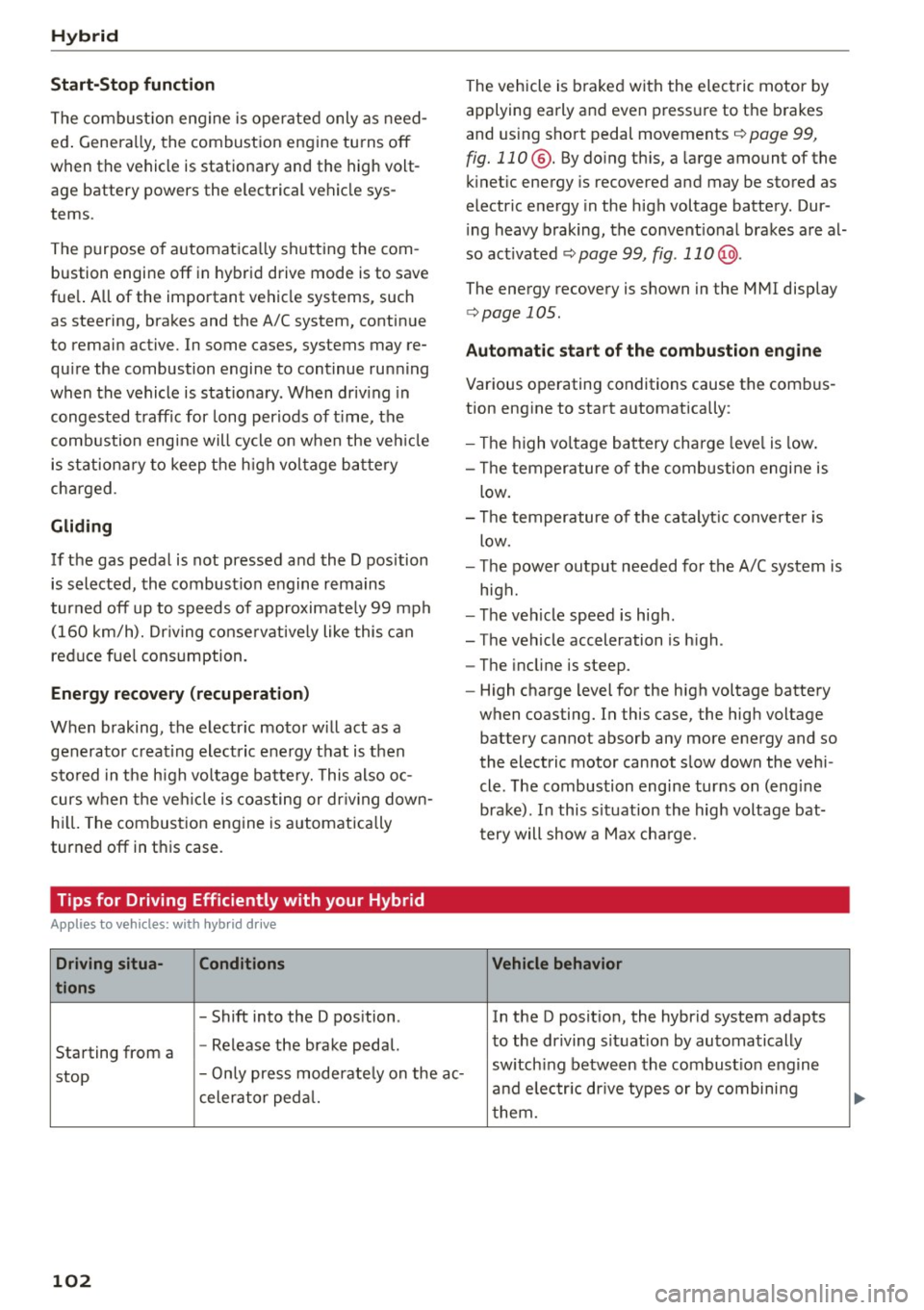
Tips for Driving Efficiently with your Hybrid
Applies to veh icles: w ith hybrid drive
Driving situa- Conditions
tions
- Shift into the D pos ition .
Starting from a -
Release the brake pedal.
stop -
Only press mode rate ly on the ac-
celer ator peda l.
102
The vehicle is braked with the electric motor by
applying early and even press ure to t he brakes
and us ing short pedal movements¢
page 99,
fig. 110@. By do ing th is, a large amount of the
k inet ic energy is recovered and may be stored as
electric energy in the high voltage batte ry. Dur
i ng heavy braking, the convent ional brakes are al
so act ivated
¢ page 99, fig . 110 @.
The energy recovery is shown in the MMI display
¢page 105 .
Automatic start of the combu stion engine
Various operating conditions cause the combus
tion eng ine to start a utomatica lly :
- T he high vo ltage battery charge leve l is low.
- T he temperature of the combustion engi ne is
low.
- Th e temperature of the cataly tic converte r is
low.
- T he power output needed for the A/C system is
high.
- T he veh icle speed is high .
- The vehicle acceleration is h igh .
- The incline is steep.
- High charge level for the high voltage battery
when coasting. In this case, the hig h voltage
battery cannot absorb any more ene rgy and so
the electric motor cannot s low down the veh i
cle. The combustion engine tur ns on (eng ine
brake) . In this situation the high voltage bat
tery will show a Max cha rge.
Vehicle behavior
In the D posit io n, the hybrid system adapts
to the driving s ituat ion by automatically
sw itch ing between the combust io n engine
a nd e lectr ic dr ive types or by combini ng
them.
Page 105 of 302
M N
co
a:
co
,...., \!) 1.1'1
N 1.1'1 ,....,
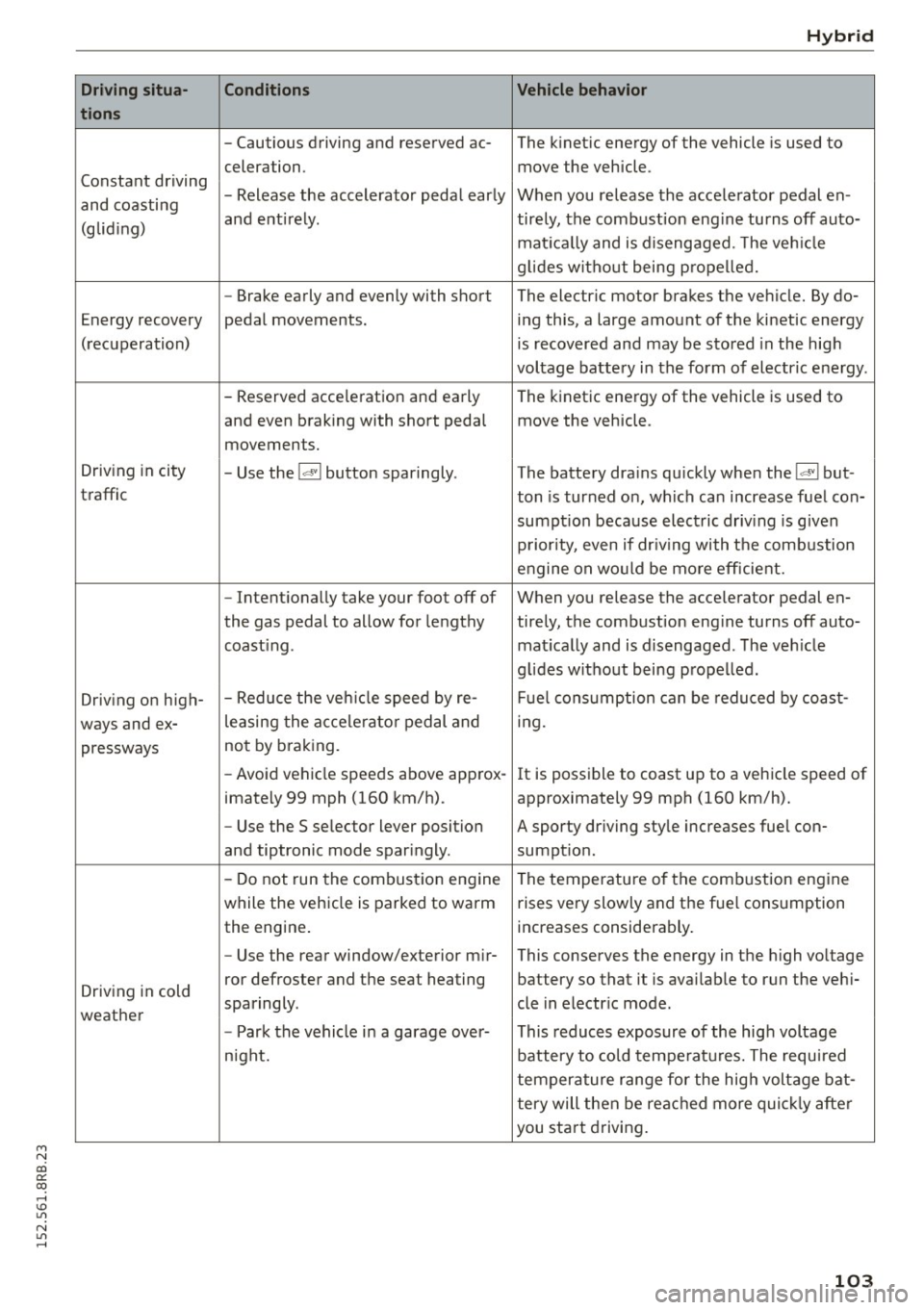
Driving situa-
tions
Constant driving
and coasting
(glid ing)
Energy recovery
(recuperation)
Driving in city
traffic
Driving on high-
ways and ex- pressways
Driving in cold
weather
Conditions
- Cautious driving and reserved ac-
celeration .
- Release the accelerator pedal early
and entirely .
- Brake early and evenly with shor t
pedal movements.
- Reserved acce leration and early
and even braking with short pedal
movements.
- Use the
!<=!VI button sparingly.
- Intentionally take your foot off of
the gas pedal to allow for lengthy
coast ing .
- Reduce the veh icle speed by
re-
leasing the acce lerato r pedal and
not by braking.
- Avoid vehicle speeds above approx-
imately 99 mph (160 km/h).
- Use the S selec tor lever position
and tiptronic mode sparingly .
- Do not run the combustion erngine
while the veh icle is parked to warm
the engine.
- Use the rear window/exterior mir-
ror defroster and the seat heat ing
sparingly .
- Park the vehicle in a garage over-
night. Hybrid
Vehicle behavior
The kinetic energy of the vehicle
is used to
move the vehicle .
When you release the accelerator pedal en-
tirely, the combustion eng ine turns off auto-
matically and is disengaged. The veh icle
g lid es without being propelled.
The electric motor brakes the vehicle. By do- ing this, a large amount of the kinetic energy
is recovered and may be stored in the high
voltage battery in the form of electric energy .
The kinetic energy of the vehicle is used to
move the vehicle .
T he battery drains quickly when the
!<=!VI but-
ton is turned on, which can increase fuel con-
sumpt ion because electric driv ing is given
priority, even if driving with the combustion
engine on wo uld be more efficient.
When you release the accelerator pedal en-
tirely, the combustion engine turns off auto- matically and is disengaged . The vehicle
g lid es without being propelled.
Fu el consumption can be reduced by coast-
ing .
It is possible to coast up to a vehicle speed of
approximately 99 mph (160 km/h).
A sporty dr iving style increases fuel con-
sumpt ion .
The temperature of the combustion engine
rises very slowly and the fue l consumption
increases considerably.
This conserves the energy in the high voltage
bat tery so that it is available to run the veh i-
cle in electr ic mode .
This reduces exposure of the high voltage
battery to cold temperatures. The required
temperature range for the high voltage bat-
tery will then be reached more quickly after
you start driving.
103
Page 106 of 302
Hybrid Energy flow display
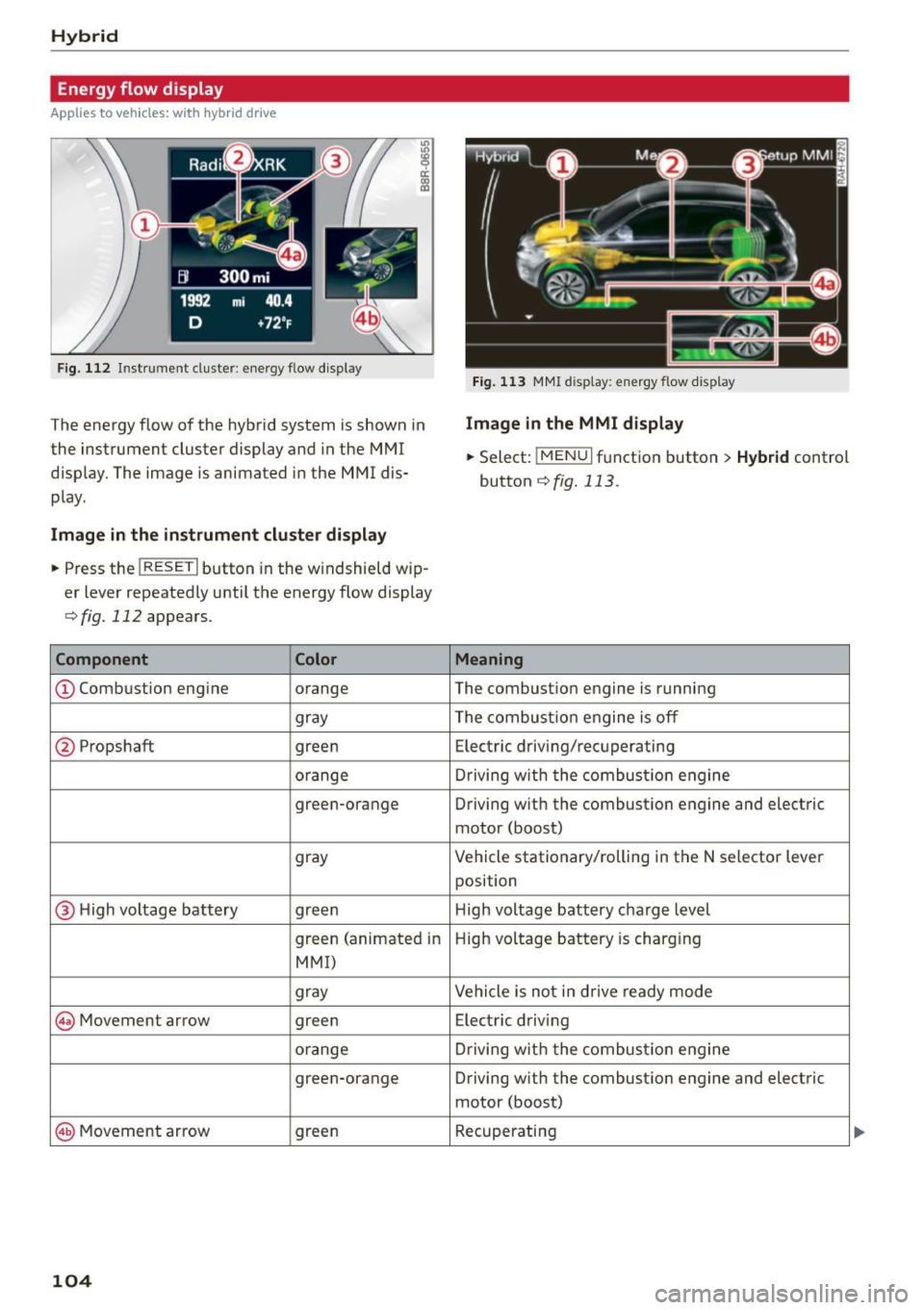
App lies to vehicles: with hybrid drive
Fig. 112 Instrument cluster: ene rgy flow display
The energy flow of the hybrid system is shown in
the instrument cluster display and in the MMI
d isplay. The image is animated in the MMI dis·
play.
Image in the instrument cluster di splay
.. Press the !RESET I button in the windshield wip
er lever repeatedly until the energy flow display
r::>fig. 112 appears.
Component Color
@Combustion engine orange
gray
@ Propshaft green
orange
green-orange
gray
@ H
igh voltage battery green
green (animated in
MMI)
gray
@ Movement arrow green
o
range
green-orange
@ Movement arrow green
104
Fig. 113 MMI disp lay: energy flow display
Image in the MMI display
.,. Select: I MEN u I function button > Hybrid control
button
r::!) fig. 113 .
Meaning
The combustion engine is running
The combustion engine is off
Electric driving/recuperating
Driving with t he combustion engine
Driving w ith the combust ion engine and electric
motor (boost)
Vehicle stationary/rolling in the N selector lever
position
H igh voltage batt ery charge level
High voltage battery is charging
Vehicle is not in d rive ready mode
Electric driving
Driving with the comb ustion engine
Driving with the combustion engine and electric
motor (boost)
Recuperating
Page 107 of 302
M N
co ~ co
rl I.O
"' N
"' rl
@ Tips
The Energy flow display will not shown in the
MMI display when the reverse gear is engag-
ed, due to safety reasons.
Consumption display
App lies to vehicles: with hybri d dr ive
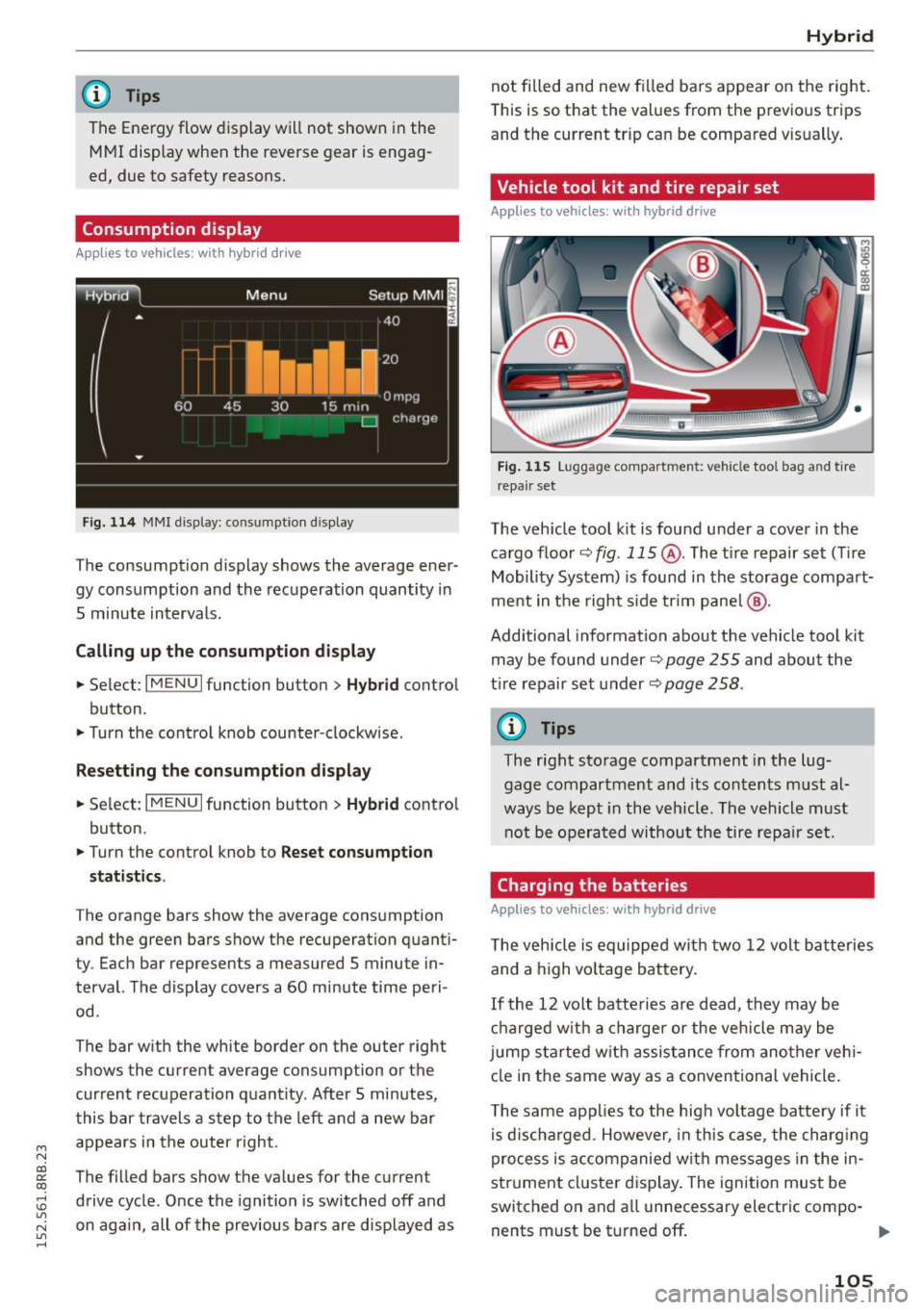
Fig. 114 MMI display: consumptio n dis play
The consumption display shows the average ener
gy consumption and the recuperation quantity in
5 minute intervals.
Calling up the consumption display
... Select : I MENU I function button> Hybrid control
button .
... Turn the control knob counter-clockwise .
Resetting the consumption display
... Select: I MENU I function button > Hybrid contro l
button .
... Turn the control knob to
Reset consumpt ion
statistics .
The orange bars show the average consumption
and the green bars show the recuperation quanti
ty. Each bar represents a measured
5 minute in
terval. The display covers a
60 minute time peri
od .
The bar with the white border on the outer right
shows the current average consumption or the
current recuperation quantity. After 5 minutes,
this bar travels a step to the left and a new bar
appears in the outer right.
The filled bars show the values for the current
drive cycle . Once the ignition is switched off and
on again, all of the previous bars are displayed as
Hybrid
not filled and new filled bars appear on the right.
This is so that the values from the previous trips
and the current tr ip can be compared vis ually .
Vehicle tool kit and tire repair set
Applies to vehicles: wit h hybrid drive
Fig. 115 Luggage compart ment: vehicle tool bag an d tir e
r epa ir set
The veh icle tool kit is found under a cover in the
cargo floor
~ fig . 115 @. The t i re repair set (Ti re
Mobility System) is found in the storage compart
ment in the right s ide trim pane l@ .
Additional information about the vehicle tool kit
may be found under~
page 255 and about the
t ir e repair set under ~
page 258 .
@ Tips
The right storage compartment in the lug
gage compartment and its contents must al
ways be kept in the vehicle. The vehicle must
not be operated without the tire repair set.
Charging the batteries
Applies to vehicles: wit h hybrid drive
The vehicle is equipped with two 12 volt batteries
and a high vo ltage battery.
If the
12 volt batteries are dead, they may be
charged with a charger or the vehicle may be
j u mp started with assistance from another veh i
cle in the same way as a conventional vehicle .
The same applies to the high voltage battery if it
is d ischarged . However, in this case, the charging
process is accompanied w ith messages in the in
strument cluster display. The ignition must be
switched on and a ll unnecessary electric compo -
nents must be turned off.
ll>
105
Page 128 of 302
Automatic transmission
-Never leave your vehicle with the engine
running while in gear. If you must leave your
vehicle when the engine is running, activate
the parking brake and move the selector lev er to P.
- Power is still transmitted to the wheels
when the engine is running at idle. To pre
vent the vehicle from "creeping", you must keep your foot on the brake when the engine
is running and the selector lever is in D/S or
R or "tiptronic" mode is selected.
- Do not press the accelerator pedal when
changing the selector lever position while
the vehicle is stationary and the engine is
running.
- Never shift into R or P while driving.
- Before driving down a steep slope, reduce
your speed and shift into a lower gear with
"tiptronic".
- Do not ride the brakes or press the brake
pedal too often or too long when driving
down a hill. Constant braking causes the
brakes to overheat and substantially re
duces braking performance, increases brak
ing distance or causes complete failure of
the brake system.
- To prevent the vehicle from rolling back
when stopping on inclines, always hold it in
place with the brake pedal or parking brake.
- Never hold the vehicle on an incline with a
slipping clutch. The clutch opens automati
cally when it becomes too hot from the
overload. An indicator lamp[!] illuminates
and a driver message appears
<=> page 127
when the clutch is overloaded .
-If the engine must remain running, never
have any driving position engaged when
checking under the hood. Make sure these
lector lever has securely engaged and is
locked in P with the parking brake set
<=>page 221. Otherwise, any increase in en
gine speed may set the vehicle in motion,
even with the parking brake applied.
0 Note
- When stopping on an incline, do not try to
hold the vehicle in place by pressing the ac
celerator pedal while a driving gear is se-
126
lected. This can cause the transmission to
overheat and can damage it. Activate the
parking brake or press the brake pedal to
prevent the vehicle from rolling.
- Allowing the vehicle to roll when the engine
is stopped and the selector lever is in N will
damage the transmission because it is not
lubricated under those circumstances.
{!) Tips
For safety reasons, the parking brake is re
leased automatically only when the driver's
safety belt is engaged in the buckle.
Hill descent control
The hill descent control system assists the driver
when driving down declines.
Hill descent control is activated when the selec
tor lever is in D/S and you press the brake pedal.
The transmission automatically selects a gear
that is suitable for the incline. Hill descent con
trol tries to maintain the speed achieved at the
time of braking, within physical and technical limitations.
It may still be necessary to adjust the
speed with the brakes.
Hill descent control switches off once the decline
levels out or you press the accelerator pedal.
When the speed is set in the cruise control sys
tem <=>
page 95, hill descent control is also acti
vated .
A WARNING
Hill descent control cannot overcome physical
limitations, so it may not be able to maintain
a constant speed under all conditions. Always
be ready to apply the brakes.