engine AUDI Q7 2012 Owner´s Manual
[x] Cancel search | Manufacturer: AUDI, Model Year: 2012, Model line: Q7, Model: AUDI Q7 2012Pages: 342, PDF Size: 86.42 MB
Page 252 of 342
250 Fuel supply and filling your fuel tank
Fuel supply and filling
your fuel tank
Fuel supply
Gasoline
Appl ies to vehicles: with gasoline engine
Using the right fuel helps keep the environ
ment clean and prevents engine damage .
Fuel recommendation
The fuel recommended for yo ur vehicle is un
lead ed premium
grade gasolin e. See a lso
¢ pag e 316, Data . Audi recommends usi ng
T OP TIE R Detergent Gaso line wi th a minim um
o ct ane rating of 9 1 AKI (95 RON). For more
i nf ormat ion on TO P TI ER De tergent Gaso line,
p lease go to t he officia l webs ite (www.toptier
gas.com).
T he re commended g asoline octa ne r ating for
your engine can a lso be fo und on a la bel locat
e d on the inside of the fue l filler flap . This ra t
ing may be specif ied as A KI or RO N.
Your veh icle m ay also be oper ated using un
l eaded regular gasoline with a minimum o c
tane rating of 87 AKI/91 RO N. However, using
87 AKI/91 RON octa ne fue l w ill slightly re
d uce engine performance.
Use unleaded gasoline only. Unleaded gaso
line is available th rougho ut the USA, Ca nada ,
and i n most E uropean countries . We recom
mend that you do not ta ke yo ur vehicle to
areas or count ries w here unleaded gasoline
may not be available.
F or mo re informat io n on refue ling your ve hi
cle, see
¢ page 2 52.
Octane rating
O cta ne r ating ind icates a gaso line's abili ty to
res ist engine damagin g "knoc k" ca use d b y
p remature ign ition and detonation. Therefore,
buy ing the correct grade of gaso line is very
important to help prevent possible engine
damage and a loss of engine performance.
Gasoline most commonly used in the Unite d
States and Canada has t he following octane r
atings t hat can usu a lly be found on the fi ller
p ump:
- Premium Gra de: 91 -9 6 A KI
- Regular Grade : 87 -90 AKI
Explanation of the abbreviations:
AKI = Anti Knock In d ex = (R+M) /2 = (RO N
+M ON)/2
R ON= Resea rch Octane Number
MON = Motor Octane Num ber.
(D Note
- Do not use a ny fue l w it h octane rat ings
lower tha n 87 A KI or 91 RO N othe rwise
e xpensive engine damage w ill occur.
- Do
not use leaded gasoline. The use of
leaded gasoline w ill severely damage
yo ur v ehicl e's cata lytic co nve rter a nd its
abi lity to co ntrol exha ust em issions .
Blended gasoline
Applies to vehicles: with gasoline engine
Use of gasoline containing alcohol or
MTBE (methyl tertiary butyl ether )
You may use unleaded g asoline blende d wi th
alcohol o r MTBE (commonly referred to as
oxygenates) if the blende d mixture meets t he
f o llow ing criteria:
Blend of gasoline methanol (wood alcohol or
methyl alcohol)
- Anti -kno ck index must be 87 A KI or higher.
- Blend must contain no more t han 3% meth-
anol.
- Blend must contain more than 2% co -sol -
vents.
Blend of gasoline and ethanol (grain alcohol
or ethyl alcohol)
- Anti -knock index must be 87 AKI or higher .
- Blend must not conta in mo re tha n 10%
ethanol.
Blend of ga soline and MTBE
- Anti-knoc k index mus t be 87 AKI or higher. IJll,
Page 253 of 342
-Blend must contain not more than 1S%
MTBE.
Seasonally adjusted gasoline
Many gasoline grades are blended to perform
espec ially we ll for winter or summer driving.
During seasonal change-over, we suggest that
you fill up at busy gas stat ions where the sea
sonal adjustment is more likely to be made in
time .
(D Note
-Methanol fuels which do not meet these
requirements may cause corrosion and
damage to plastic and rubber compo
nents in the fuel system.
- Do not use fue ls that fail to meet the
specified criter ia in this chapter.
- If you are unable to determine whether
or not a particular fue l blend meets the
specifications, ask your service station or
its fuel supp lier.
- Do not use fuel for which the contents
cannot be identified.
- Fuel system damage and performance
problems resulting from the use of fuels
different from those specified are not
the responsibility of Audi and are not
covered under the New Vehicle or the Emission Control System Warranties.
- If you experience a loss of fuel economy
or driveability and performance prob l ems due to the use of one of these fuel
blends, we recommend that you switch
to unblended fuel.
Gasoline additives
Applies to vehicles : wit h gasoli ne e ng in e
A majo r concern among many auto manufac
ture rs is carbon deposit build-up caused by
the type of gasoline you use.
Although gasoline grades differ from one manufacturer to another , they have certain
things in common. All gasoline g rades contain
substances that can cause deposits to collect
on vital engine parts, such as fuel injectors
and intake valves. Although most gasoline
Fuel supply and filling your fuel tank 251
brands include additives to keep engine and
fuel systems clean, they are not equally effec
tive .
Audi recommends using TOP TIER Detergent
Gasoline . For more information on TOP TIER
Detergent Gasoline, please go to the official
webs ite (www.toptiergas.com).
After an extended per iod of using inadeq uate
fuels, carbon deposit build-ups can rob your
engine of peak performance.
(D Note
Damage or malf unct ion due to poor fuel
quality is not covered by the Audi New Ve
hicle Limited Warranty.
Diesel fuel
Applies to veh icles: w ith diesel engine
Always use ULSD (Ultra Low Sulfur Diesel) sul
fur content 15 ppm or less.
The ULSD (U ltra Low Sulfur Diesel) meets the
ASTM-D-97S (grade 2).
Die sel fuel with a higher concentration than
ULSD-Die sel No. 2 ASTM D975 and Bio-die
sel with a higher concentration than 5
% like
Bl 1 , B20 or B100 are strictly prohibited.
Service station fue l pumps are labeled with
the correct fuel information for easy recogni
tion by the user. If the diesel fuel pump is not
labeled ask the station operator what fuel is
being dispensed before filling up your vehicle.
Serv ice stations offering Diesel fuel are gener
ally located on truck routes or major high
ways . Directories of Diesel fuel stations are
usually available at Diese l fuel stations.
Some states in the USA require permits to
purchase Diesel fuel. Check with your State
Motor Vehicle Department .
Diesel fuel may not be available outside the
USA and Canada. Be sure to check before trav-
eling to other countries .
Ill-
•
•
Page 254 of 342

252 Fuel supply and filling your fuel tank
Winter operation
At temperatures below 20° F (-7° C), Diesel
fuel No.
2 loses its fluidity due to wax separa
tion, which may clog the fuel filter or tank fil
ter and keep the engine from running .
To help the filter from being clogged by wax,
the fue l filter in your vehicle is automatically
preheated. Preheating the fuel filter makes
operation of your vehicle possible with Diesel
fuel No. 2 down to -10° F (-24° C).
If you expect temperatures below
5° F
(-15° C)
ask your fuel dealer whether their
Diese l fuel No.
2 is sufficiently winterized for
the prevailing and expected temperatures.
If not winterized or insufficiently winterized
Diesel fuel has already thickened to the extent
that the engine will not start, warm the vehi
cle up by leaving it in a heated garage.
It is normal that the engine noise leve l (die
seling) is louder during the warm-up period in
winter. It is also norma l when whitish-blue
smoke comes out of the tailpipe after starting
and during warm-up . The amount of smoke
depends on the outs ide temperature.
Do not let your Diese l engine idle unnecessari
ly after a cold start. Driving off slowly will
shorten the warm-up period.
A WARNING
- Never use "starting assist fluids." They
may be potent ially explosive or cause a
"run-away" engine condition. This could
result in ser ious engine damage and per
sonal injur y.
- Never use fuel line anti-freeze offered for
gasoline engines.
(D Note
- Your Diesel engine has been specifically designed to operate only on Ultra Low
Sulfur Diesel fuel. Therefore, never use
home heating oil or regular gasoline. The
properties of these fuels may cause seri
ous damage to the fuel injection system
and to the engine. Using these fuels can
-
cause expensive engine repairs and will
also adversely affect your New Vehicle
Limited Warranty.
- If Diesel fuel sho uld get on any rubber
hose, it must be wiped off immediately.
Then wash the contaminated hose por
tion with soap and warm water. Do not allow D iesel fuel to remain on connect
ing hoses . They may develop leaks and
cause serious damage.
Fuel tank
Fuel filler neck
The fuel filler neck is located on the right rear
side panel behind the fuel filler flap.
If the power locking system shou ld fail, you
can still open the flap manua lly -for detailed
instructions see
¢page 255.
You can find the fuel tank capacity of your ve
hicle in
Technical Data ¢page 316 .
The label on the inside of the fuel filler flap
te lls you the correct fuel for your vehicle. For
more information about fuel specifications,
see ¢
page 250.
Your vehicle fuel tank has an on-board refuel
ling vapo r recovery system. This feature helps
to prevent fue l vapors from escaping from the
tank and polluting the environment while you refuel your vehicle. In order to fi ll the tank
proper ly while protecting the environment,
please fo llow this refueling procedure careful
ly.
A WARNING
-Under normal operating conditions, never
carry addit ional fuel conta iners in your car .
Gas canisters and other conta iners used to
transport fuel can be dangerous. Such con
tainers, full or empty, may leak and could
cause a fire in a collision .
If you must
transport fuel to use for your lawn mower,
snow b lower, etc., be very careful and al
ways observe loca l and state laws regard
ing the use, transportation and storage of
such fuel containers. Make certain the ..,.
Page 255 of 342

container meets industry standards (ANSI/
ASTM F852 -86).
(D Note
Never drive yo ur vehicle unt il the fuel tank
is complete ly empty. The irregular supply
of fuel can cause misfiring . Gasoline could
enter the exhaust system and damage the
catalyt ic converter.
Refuelling
F ig. 220 Righ t rear vehicle side: Opening th e fue l fill er
flap
F ig. 221 Fu el cap hooked on the opened fuel filler flap
When adding fuel, the ignition and any cellu
lar phones in the vehicle must be sw itched
off. When activating the central locking, the
fuel filler flap is automatica lly unlocked or
locked. Refuel the ve hicle w ith the ignition
turned
off.
Tak ing th e fu el cap off
• To open the fuel filler flap, press on the left
s ide of the flap¢
fig. 220 -arrow- .
• Unscrew fuel fil ler cap counter-clockwise
and hang it on the fuel fille r flap ¢
fig. 221.
• Check the label on the inside o f the f uel fill
er flap to determine if the vehicle must be
fueled with gasoline or diesel fuel.
Fuel suppl y and filli ng your fuel t ank 25 3
Refuelling p ro cedur e
• Insert the fuel nozz le from the gasoline
pump into the fuel fi ller neck as far as it wi ll
go .
• Select a medi um refue lling rate so that the
nozz le switches off automatically when the
tank is full.
Pu tting th e fuel cap bac k on
• After fi lling your tank, twist the fuel filler
cap clockwise as far as it wi ll go.
• Close the fue l filler flap.
T o avoid fuel spill ing or evaporating from the
fuel tank always close fuel filler cap proper ly
and completely. An improperly closed fuel fill
er cap may also cause the MIL lamp¢
page 2 7
to come on (only vehicles with gasoline en
gine).
A WARNING
Improper refueling or handling of fuel can
cause fire, explosion and severe burns.
- Fuel is highly flammable and can cause
severe burns and other injur ies.
- Failure to shut the engine off wh ile refu
eling and/or to insert the pump nozzle
fully into the fuel filler neck could cause
fue l to spray out of filler neck or to over
f low. Fue l spray and overflowing fue l can
cause a fi re.
- Never use a cel lu lar telephone while re
fueling. The electromagnetic rad iation
can cause sparks that can ignite f uel va
pors and cause a fire.
- Never get back into your vehicle whi le re
fueling. If in exceptional circumstances
you must get back in your vehicle while
refueling, make certain that you close
the door and touch metal to discharge
stat ic electricity before touching the fill
er nozzle again. Static e lectricity can
cause sparks that can ignite fuel vapors re leased du ring refuel ing .
- Never smoke or have an open flame any
where in or near your veh icle when refu-
eling or filling a portab le fue l conta iner.
ll>
Page 256 of 342

254 Fuel su ppl y and fillin g yo ur fu el t an k
- For your safety, we strongly recommend
that you do not travel with a portable
fuel container in your vehicle. The con
tainer, full or empty may leak and could cause a fire, especially in a crash.
- If, under exceptional circumstances, you
must transport a portable fuel container,
please observe the following:
- Never fill a portab le fuel container
while it is anywhere in or on the vehicle
(for example, in the luggage compart
ment, or on the trunk). Static electrici
ty can build up while filling and can ig n ite fuel vapors causing a fire .
- Always place a portable fuel container
on the ground before filling.
-Always keep the fi ller nozzle complete
ly inside the portable container before
and during filling.
- If filling a portable container made of
metal, the filler nozzle must always be
in contact with the container. This will
help prevent static electricity from dis
charging and cause a fire .
- Never sp ill fuel inside the vehicle or
luggage compartment. Fuel vapors are
h ighly flammable.
- Always observe local and state/provin
cial laws regarding the use, storage
and transpo rtation of fuel conta iners.
- Make certa in the fuel container meets
industry standards (ANSI/ ASTM
F8S2-86).
@ Note
If any fuel has spilled onto the car, it
should be removed immed iately to prevent
damage to the paint .
@) For the sake of the environment
As soon as the correctly operated nozzle
sw itches off automatically for the first
time, the tank is full. Do not try to add
mo re fuel because fuel may spill out. In
add it ion, the expans ion space in the fuel
tank will be f illed -causing the fue l to overflow when it becomes warm and pol
lute the environment .
(D Tips
-Running your engine whi le refue lling
may cause vapors to escape or even
cause fuel to spi ll out of the tank. This
would then shut off the fue l nozzle be
fore the tank is full.
- Do not refuel your vehicle with the igni
tion turned on. The fuel gauge may oth
erwise not indicate the correct fuel level
after refuelling.
- Diesel vehicles* are equipped with a die sel misfueling protector. It allows the
vehicle to be fueled only with a diesel
fuel pump nozzle. A worn or damaged nozzle or a nozzle that is too small may
not be ab le to open the diesel misfueling
protector. If this is the case, try turning
the nozzle before insert ing it in the f uel
filler neck, use a different fuel pump or
see your authorized Audi dea ler or au
thorized repair facility for assistance.
Page 257 of 342
Unlocking the fuel filler flap by hand
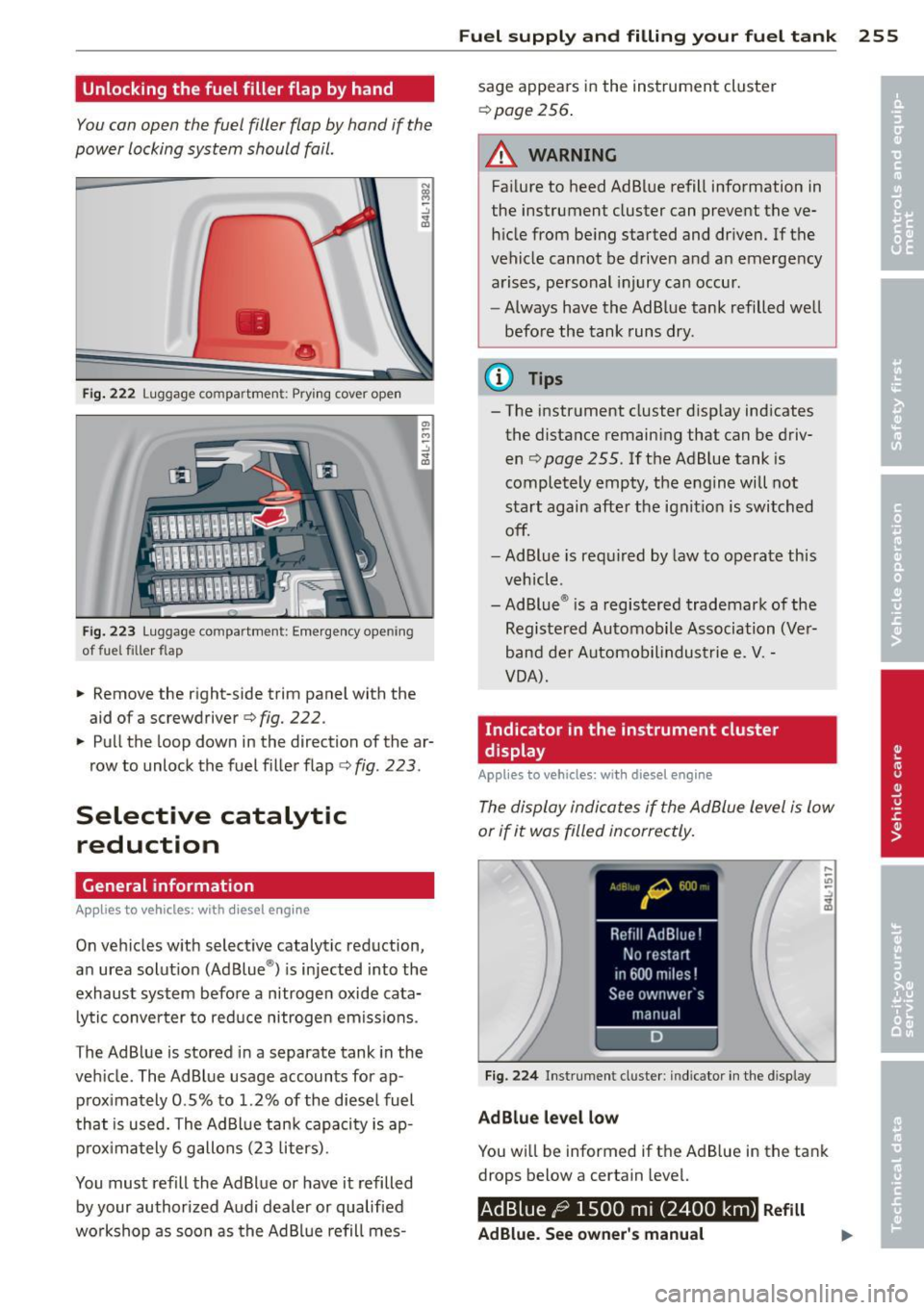
You can open the fuel filler flap by hand if the
power locking system should fail.
•
•
Fig . 222 Luggage co mpa rtme nt: Pry ing cover ope n
Fi g. 22 3 Luggage co mpartmen t: Emergency ope ning
of fue l filler flap
.. Remove the right-side trim panel with the
aid ofa screwdriver
¢ fig. 222.
.. Pull the loop down in the direction of the ar
row to unlock the fuel f iller flap ¢
fig. 223 .
Selective catalytic
reduction
General information
App lies to vehicles : with diesel engine
On vehicles w ith select ive catalytic reduction,
an urea solut ion (Ad Blue ®) is injected into the
exhaust system befo re a nitrogen oxide cata
lytic converter to reduce nitrogen em iss ions .
The AdBlue is stored in a separate tank in the
veh icle. The AdBlue usage accounts for ap
p rox imately 0.5% to 1.2% of the diese l fuel
that is used. The Ad Blue tank capaci ty is ap
pr ox ima tely 6 gallons (23 liters) .
You must refill the Ad Blue or have it refilled
by your authorized A udi dealer or qualified
wo rkshop as soon as the Ad Bl ue refill mes-
Fu el suppl y and filli ng your fuel t ank 255
sage appears in the instrument cluster
¢ page 256.
A WARNING
Failure to heed AdBlue refill info rmation in
the instrument cluster can prevent the ve hi cle from be ing started and dr iven. If the
vehicle cannot be driven and a n emerge ncy
a rises, pe rsonal injury can occur .
- Always have the AdBlue tank refilled well
befo re the tank runs dry .
(D Tips
- The instrument cluster d isp lay ind icates
the distance remain ing that can be driv
en ¢
page 255. If the Ad B lue tank is
completely empty, the engine will not
start again afte r the ignit ion is switched
off.
- Ad Blue is req uired by law to operate th is
veh icl e.
- Ad Blue ® is a registered trademark of the
Registe red Automobile Association (Ve r
band de r Automob ilindustrie e .
V. -
VOA) .
Indicator in the instrument cluster
display
Appl ies to vehicles: wit h diesel eng ine
The display indica te s if the Ad Blue level is low
or if it was filled incorrectly.
Fi g. 22 4 Instrument cluste r: in dicator in t he d isp lay
AdBlue level low
You w ill be informed if t he AdB lue in the tank
drops below a certain level.
AdBlue /9 1500 mi (2400 km) Refill
AdBlue. See owner 's manual
Page 258 of 342
256 Fuel supply and filling your fuel tank
This indicator appears when there is on ly
enough Ad B lue left to drive th e distance indi
cated in the driver informat ion system. Please
add Ad B lue.
AdBlue ,0 600 mi (1000 km) Refill
AdBlue! No restart in 600 miles (1000 km )!
See owner 's manual
This indica to r appea rs when there is on ly
enough Ad B lue left to drive the distance ind i
cated in the dr iver information system. Please
add Ad B lue . Otherw ise the eng ine will not
start aga in if you stop it once the distance i n
d icated has been driven .
Refill Ad Blue! No
restart! See owne r's manual
This message appears whe n the AdBl ue ta nk
i s empty . Please add AdBlue. Ot herwise yo u
will not be able to start the engi ne again o nce
you stop it.
When the m inim um AdB lue leve l has been
reached , you must add Ad Bl ue
c:> page 256 .
f.i Filling incorrectly
I f the Ad B lue tank was filled with a diffe rent
f luid than Ad Blue and t he system detec ts that
it is incor re ct, a mess age w ill appe ar.
AdBlue ./' 600 mi (1000 km) AdBlue!
No re start in 600 mile s (1000 km)! See own·
er' s manual
This message appears when it is only poss ible
to drive the distance indicated in the dr iver in
formation system . Dr ive to the nearest qua li
fied work shop to have the malfunc tion re
pai red . O therw ise the engine w ill not start
a ga in if you stop it once the distan ce indicated
has been driven .
AdBlue : sy stem
fault. No restart! See owner's manual
This message appears if the sys tem detects it
was fille d in corre ct ly . Drive immed iate ly to
the nea rest qualified wo rkshop to have t he
mal func tio n repaired. Otherw ise you wi ll not
b e able to s tart the engine ag ain once yo u
stop it. Filling AdBlue
Applies
to vehicles: with diesel engine
A special refill bottle must be used to fill the
AdBlue .
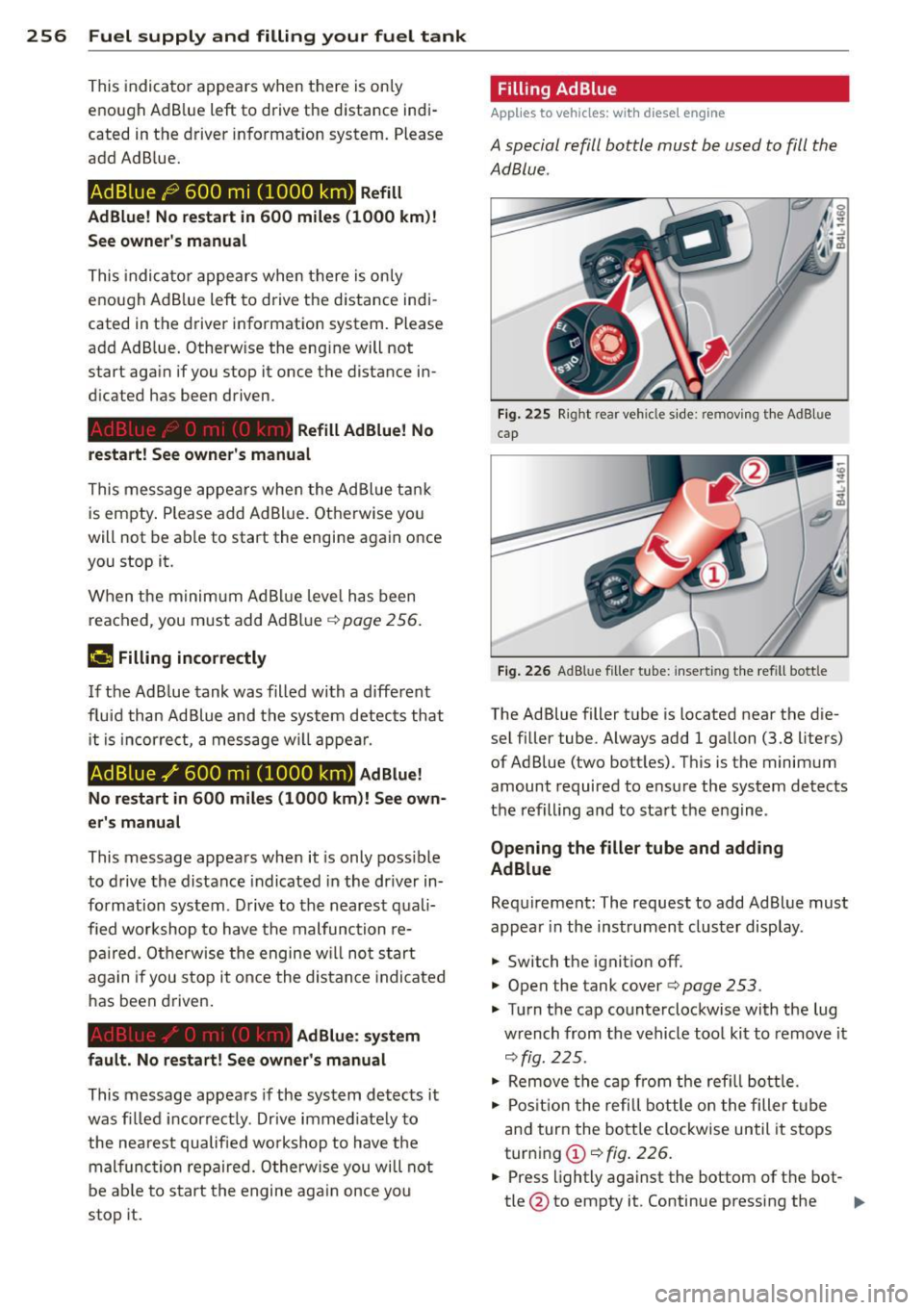
Fig. 22 5 Right rear veh icle side: re m oving th e AdB lue
cap
Fig. 226 AdB lu e fi ller t ube: inser ting the re fill bott le
The Ad Blue filler t ube is located near the d ie
sel filler tube. Always add 1 gallon (3.8 liters)
of Ad Blue (two bott les) . T his is the minimum
amount required to ensu re the system detects
the refill ing and to sta rt the e ngine .
Opening the filler tube and adding
AdBlue
Req uirement: The request to add Ad Blue mus t
appea r in the instrument cluster display.
.,. Switch t he ignit io n off.
.,. Open the tank cover
c:> page 253.
.,. Tur n t he cap counterclockwise with the lug
w rench from the vehicle tool kit to remov e it
<=> fig. 225 .
.,. Remove the c ap fr om the refi ll bottle.
.,. Pos it io n the refill bottle on the filler tube
an d tur n the bo tt le clockwise until it stops
tur ning
(D <=> fig . 22 6.
.,. Press lightly against the bottom of t he bot-
tle @to empty it . Continue pressing the ..,.
Page 260 of 342
258 Checking and filling
Checking and filling Engine hood
Releasing the engine hood
The engine hood is released from inside the
vehicle .
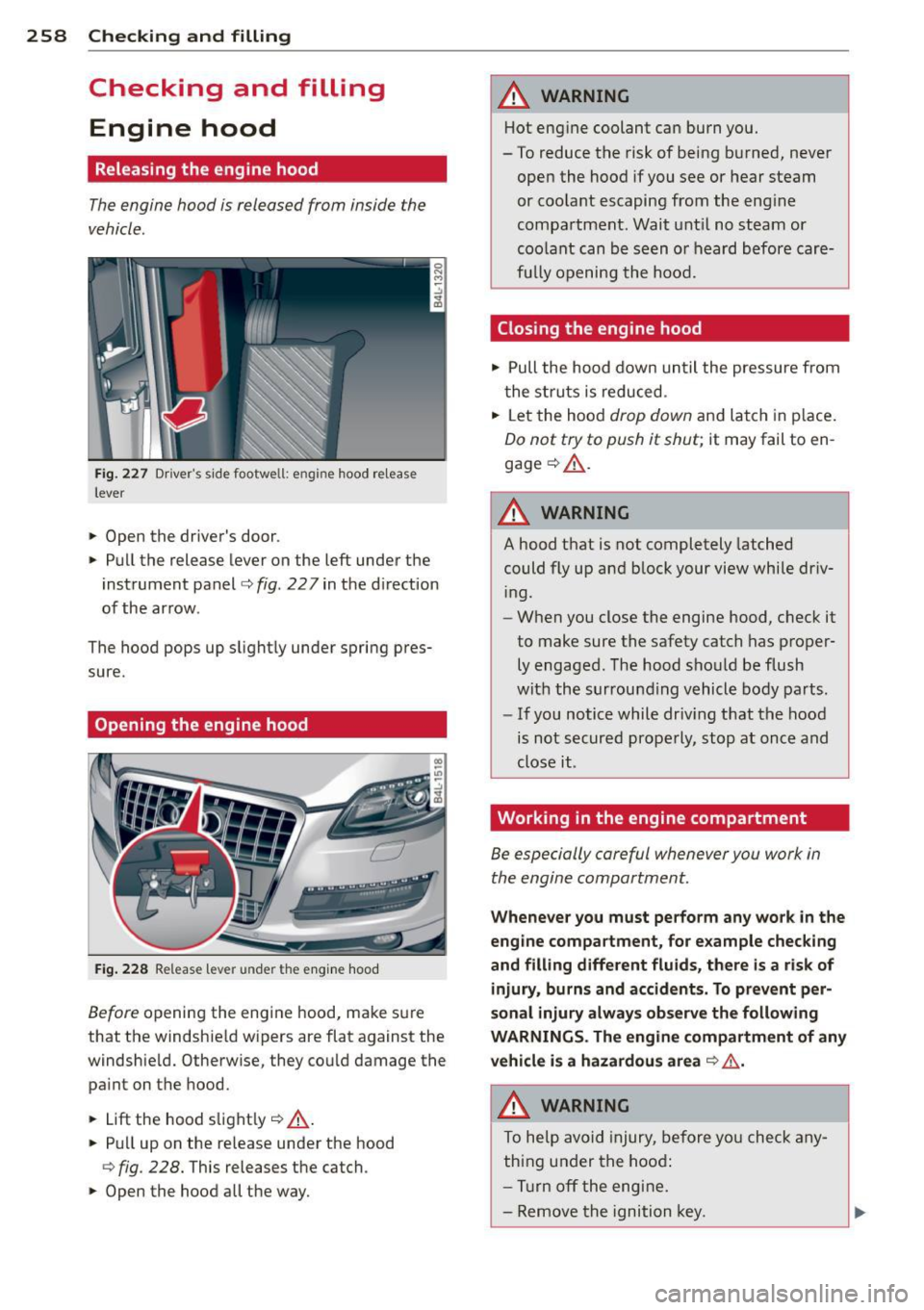
Fig . 2 27 Dr iver' s side footwe ll: e ngin e hood re lease
lever
.. Open the drive r's door.
.. Pull the release lever on the left under the
inst rument panel
c> fig . 227 in the d irect ion
of the ar row .
The hood pops up s light ly under spring pres
sure.
Opening the engine hood
Fig. 228 Re lease lever under the e ng ine hood
Before opening the engine hood, make s ure
that the windshie ld w ipers are flat against the
windshie ld. Otherwise, they co uld damage the
pa in t on the hood.
.. Lift the hood s light ly
c> _& .
.. Pull up on the release under the hood
¢ fig. 228 . This releases the catch .
.. Open the hood all the way.
A WARNING
-Hot eng ine co olant can burn you.
- To reduce the risk of being b urned, never
o pen the hood if you see or hear steam
or coo la nt escapi ng from the eng ine
compa rtment . W ait unt il no steam or
coo lant can b e se en o r heard before care
fu lly openi ng the ho od.
Closing the engine hood
.. Pull the hood down un til the pressure from
t he stru ts is reduced .
.. Let the hood
drop down and la tch in p lace.
Do not try to push it shut; it may fail to en
gage
c> _& .
A WARNING
--
A ho od t hat is not completely latched
could fly up an d block your vi ew while dr iv
i ng.
- W hen you close the engine hood, ch eck it
to make sure the safety catch has proper
ly engaged . The hood should be flush
wit h the surrou nding vehicle body parts.
- If you notice while dr iv ing t hat t he hood
is not s ecured properly, stop at once and
close it .
Working in the engine compartment
Be especially careful whenever you work in
the engine compartment .
Whenever you must perform any wo rk in the
engine compartment, for example checking
and filling different fluids, th ere is a risk of
injury, burns and accidents. To pr event per
sonal injury alway s observe the following
WARNINGS. The engine compartm ent of any
vehicle is a hazardous area
c> &, .
A WARNING
To he lp avo id i njury, before yo u check any
thi ng under the hoo d:
- Tu rn off the eng ine .
- Remove the igni tion key.
Page 261 of 342
-Apply the parking brake.
- Move selector lever to "P" (Park).
- Always let the engine cool down. Hot
components will burn skin on contact.
- To reduce the risk of being burned, never
open the hood if you see or hear steam
or coolant escaping from the engine
compartment. Wa it until no steam or
coolant can be seen or heard before care
fully opening the hood.
- Keep children away from the engine com
partment .
- Never spill fluids on hot engine compo
nents. They can cause a fire.
- Never touch the radiator fan. The auxili
ary electric fan is temperature controlled
and can switch on suddenly.
- Never open the coolant reservoir cap
when the engine is still warm. The cool
ant system is pressurized and hot cool
ant could spray out .
- Protect your face, hands and arm from
steam or hot engine coolant by placing a
thick rag over the cap when you open the
coolant reservoir .
- If work on the fuel system or the electri
cal system is necessary:
- Always disconnect the battery.
- Never smoke or work near heaters or
open flames. Fluids in the engine com
partment could start a fire.
- Keep an approved fire extinguisher im
mediately available.
- To avoid electrical shock and personal in
jury while the engine is running or being
started, never touch:
- Ignition cables
- Other components of the high voltage
electronic ignition system.
-If you must perform a check or repair
with the engine running:
- First, fully apply the parking brake,
move selector lever to "P" (Park).
Checking and filling 259
-Always use extreme caution to prevent
clothing, jewelry, or long hair from get
ting caught in the radiator fan, V-belts
or other moving parts, or from contact ing hot parts . Tie back hair before
starting, and do not wear clothing that
will hang or droop into the engine.
- Minimize exposure to emission and
chemical hazards
9 .&, .
&_ WARNING
California Proposition 65 Warning:
- Engine exhaust, some of its constituents,
and certain vehicle components contain
or emit chemicals known to the State of
California to cause cancer and birth de
fects and reproductive harm. In addition,
certain fluids contained in vehicles and
certain products of component wear con
tain or emit chemicals known to the
State of California to cause cancer and birth defects or other reproductive harm.
- Battery posts, terminals and related ac
cessories contain lead and lead com
pounds, chemicals known to the State of
California to cause cancer and reproduc
tive harms. Wash hands after handling .
(D Note
When adding fluids, always make sure that
they are poured into the proper container
or filler opening, otherwise serious dam
age to vehicle systems will occur.
@ For the sake of the environment
To detect leaks in time, inspect the vehicle
floor pan from underneath regularly. If
you see spots from oil or other vehicle flu
ids, have your vehicle inspected by an au
thorized Audi dealer. •
•
Page 262 of 342
260 Checking and filling
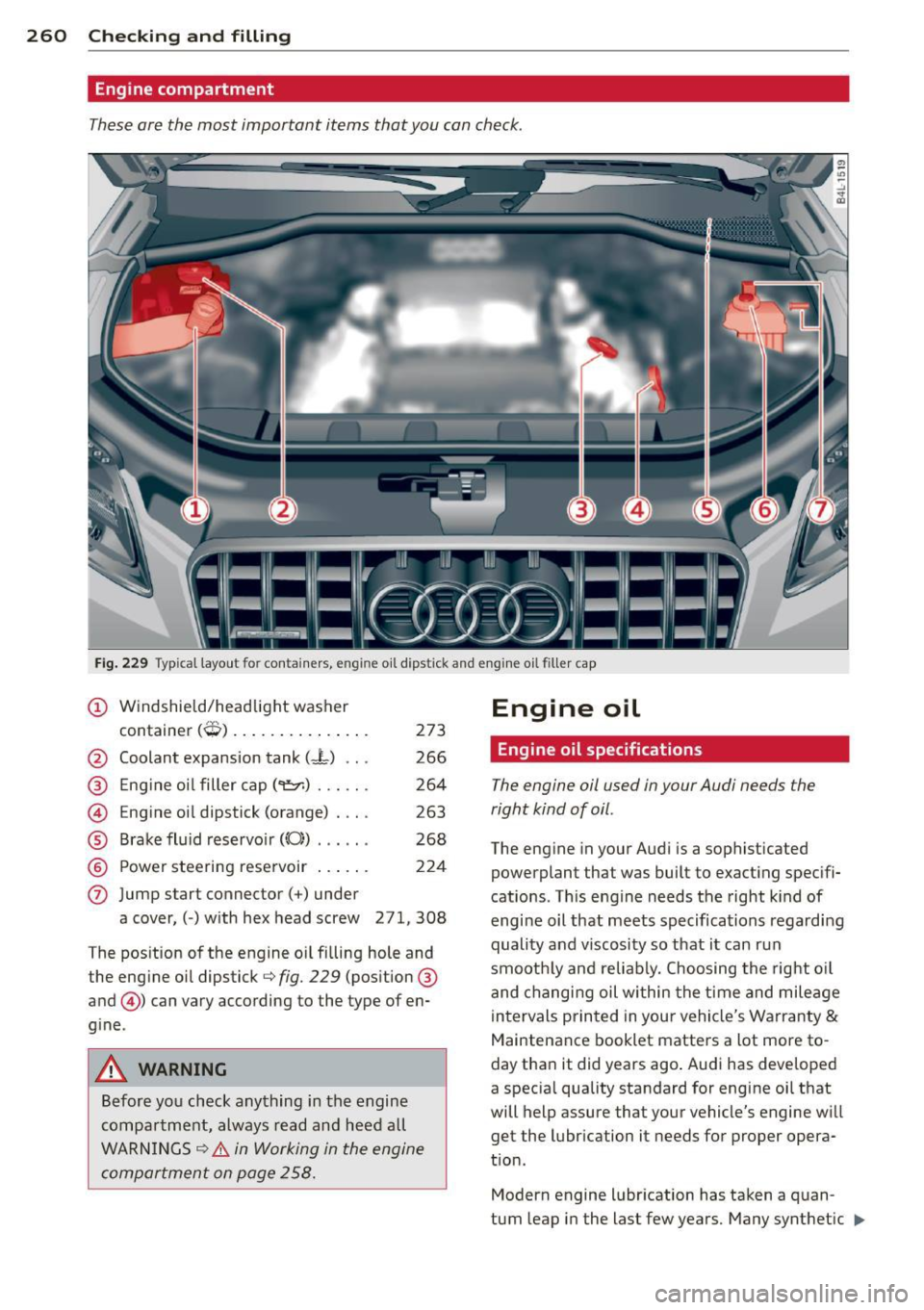
Engine compartment
These are the most important items that you can check .
Fig. 229 Typical layout for containers, engine oil di pstick and engin e oil fille r cap
(D W indshield/head light washer
t . (
;R ) con ainer ,.... .............. .
@ Coolant expansion tank (-L) .. .
@ Engin e oi l filler cap ('t".:r.) . .. .. .
©
®
®
(j)
Eng ine oil dipstick (orange) . .. .
Brake fluid reservoir
((0)) ..... .
Power steering reservoir ... .. .
Jump start connector( +) under 273
266
264
263
268
224
a cover,( ·) with hex head screw 271,308
The pos ition of the engine o il fi lling hole and
the engine oil dipstick
r=;, fig. 229 (position ®
and @) can vary according to the type of en
gine .
_&. WARNING
Before you check anything in the engine
compartment, always read and heed all
WARNINGS ¢.&.
in Working in the engine
c omportment on page 258.
-
Engine oil
Engine oil specifications
The engine oil used in your Audi needs the
right kind of oil.
The engine in your Audi is a sophist icated
powerplant that was built to exacting specifi
cations. Th is engine needs the right kind of
engi ne oil that meets specifications regard ing
quality and v iscosity so that it can run
smooth ly and reliab ly. Choosing the right oil
and changing oil within the time and mileage
intervals printed in your vehicle's Warranty
&
Maintenance booklet matters a lot more to
day tha n it did years ago . Audi has developed
a spec ia l quality standard for eng ine oil that
will help assure that your vehicle's engine w ill
get the lubr ication it needs for proper opera
t ion .
Modern engine lubr ication has taken a quan
tum leap in the last few years. Many synthetic "'