engine AUDI R8 SPYDER 2012 Repair Manual
[x] Cancel search | Manufacturer: AUDI, Model Year: 2012, Model line: R8 SPYDER, Model: AUDI R8 SPYDER 2012Pages: 236, PDF Size: 59.24 MB
Page 178 of 236
1 7 6 Che cking and filling
your cooling system and could result in
damage not covered by your New Vehicle Limited Warranty .
Checking the engine coolant level
Proceed carefully when checking the coolant.
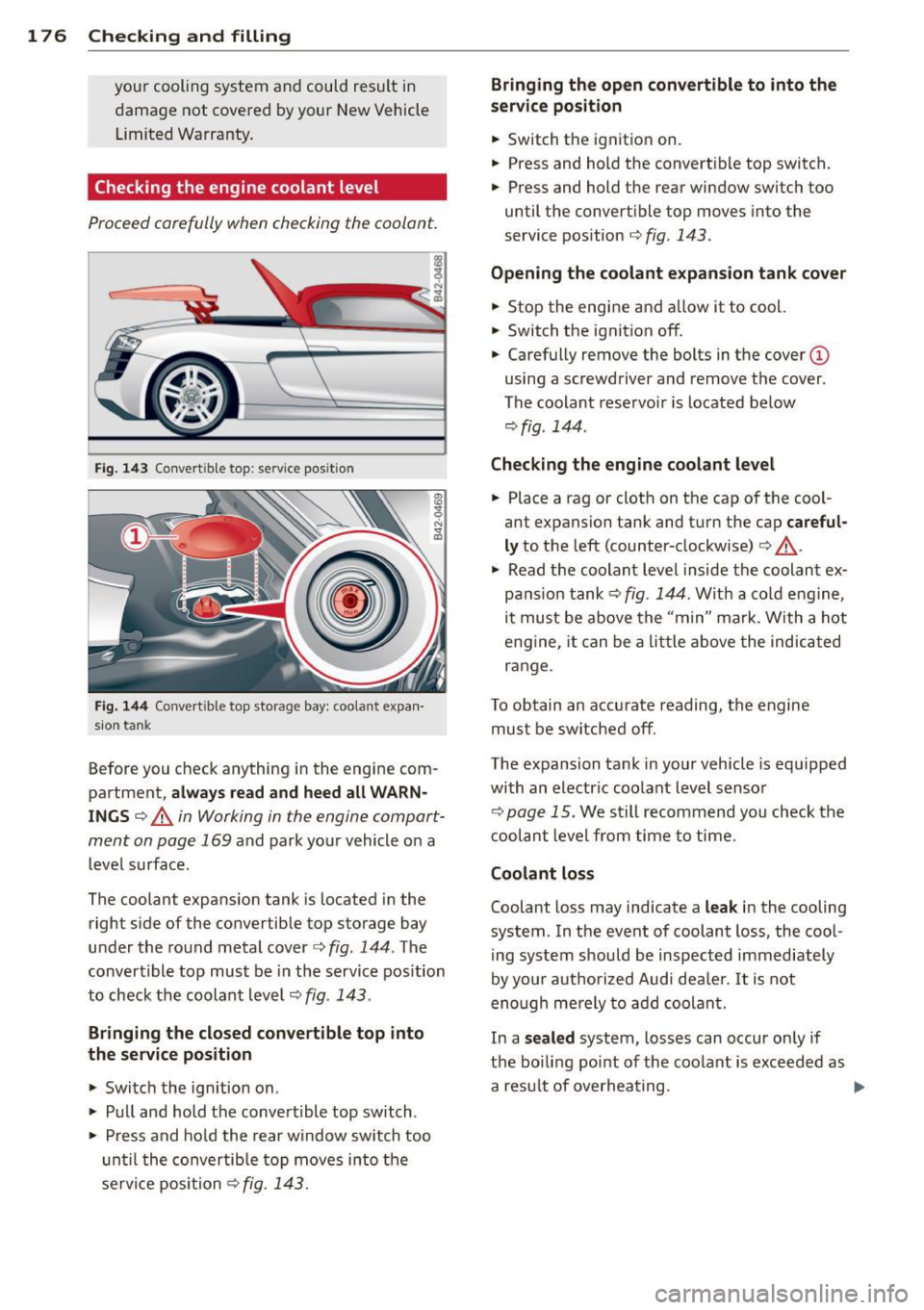
Fig . 1 43 Co nvert ible top: se rv ice pos it ion
F ig . 14 4 Convert ib le top storage bay: coolant expan·
sio n tank
Before you check anything in the engine com
partment,
a lwa ys r ead and heed all WARN
INGS ¢.&.. in Working in the engine compart
ment on page
169 and park your vehicle on a
level surface .
The coolant expansion tank is located in the right s ide of the convertible top storage bay
under the round metal cover¢
fig. 144 . The
convertible top must be in the service position
to check the coolant leve l
¢fig . 143 .
Bringing the closed con ve rtible top into
th e s ervic e position
~ Switch the ignition on .
~ Pull and hold the convert ible top switch .
~ Press and hold the rear window switch too
u nti l the convertib le top moves into the
service position¢
fig. 143.
Bringing the op en conv ertible to into the
service position
~ Switch the ignition on.
~ Press and hold the convertible top switch.
~ Press and hold the rear window switch too
until the convertible top moves into the
service position¢
fig . 143 .
Opening the coolant e xpan sion tank cover
~ Stop the engine and allow it to cool.
~ Switch the ignition off.
~ Carefully remove the bolts in the cover (D
using a screwdriver and remove the cover.
The coolant reservoir is located below
¢fig. 144.
Chec king the engine cool ant level
~ Place a rag or cloth on the cap of the cool
ant expansion tank and turn the cap
careful
ly
to the left (counter-clockwise) ¢ .&_.
~ Read the coolant level inside the coolant ex
pans ion tank ¢
fig. 144 . With a co ld engine,
it must be above the "min" mark. With a hot
eng ine, it can be a little above the indicated
range.
T o obtain an accu rate reading, the engine
must be switched off.
The expansion ta nk in your vehicle is equ ipped
with an electric coo lant level sensor
¢page 15. We still recommend you check the
c oolant level from time to time.
Coolant loss
Coolant loss may indicate a leak in the cooling
system . In the event of coolant loss, the cool
i ng system shou ld be inspected immediately
by your aut horized Audi dea ler. It is not
eno ugh me rely to add coolant.
In a
s ea le d system, losses can occur on ly if
the boiling point of the coo lant is exceeded as
a resu lt of overheating.
Page 179 of 236
A WARNING ,~
- The cooling system is under pressure. Do
notopenthecapofthecoolantexpan
sion tank when the engine is hot . You
risk being scalded .
- The coolant additive, and therefore the coolant itself, is hazardous to health.
Keep the coolant additive in the original
container out of the reach of children. It
is a poison hazard.
(D Note
Do not add any type of radiator leak seal
ant to your vehicle's engine coolant. Add
ing radiator repair fluid may adversely af
fect the function and performance of your cooling system and could result in damage
not covered by your New Vehicle Limited
Warranty.
Adding coolant
Before you check anything in the engine com
partment,
always read and heed all WARN
INGS ¢ &. in Working in the engine compart
ment on page 169.
.. Add coolant .
.. Twist the cap on again
tightly .
.. Tighten the cap (D ¢ page 176, fig . 144
again.
Replacement engine coolan t must conform to
exact specifications ¢
page 175, Coolant . If
the coolant additive G12+ + is not available in
an emergency, you must not add any other ad
ditive. In this case, use only water and restore
the correct mix ratio with the specified cool
ant additive as soon as possible.
Always use
new engine coolant when refilling .
Do not fill coolant above the "MAX" mark. Ex
cess coolant will be forced out through the pressure relief valve in the cap when the en
gine becomes hot .
With a major loss of coolant, you should add
the coolant only when the engine has
cooled.
In this way you prevent engine damage .
Checking and filling 177
A WARNING
-The cooling system is under pressure and
can get very hot . Reduce the risk of
scalding from hot coolant by following
these steps .
- Turn off the engine and allow it to cool
down.
- Protect your face, hands and arms from escaping fluid and steam by covering
the cap with a large, thick rag.
- Turn the cap slowly and very carefully in a counter-clockwise direction while
applying light, downward pressure on
the top of the cap.
- To avoid being burned, do not spill an
tifreeze or coolant on the exhaust sys
tem or hot engine parts. Under certain
conditions, the ethylene glycol in en
gine coolant can catch fire .
- Antifreeze is poisonous. Always store an
tifreeze in its original container and well
out of the reach of children.
- If you drain the coolant, it must be
caught and safely stored in a proper con
tainer clearly marked "poison".
Q) Note
-Coolant pollutes the environment and
could cause an engine fire. Excess cool
ant will be forced out through the pres
sure relief valve in the cap when the en
gine becomes hot.
- If, in an emergency, only water can be
added, the correct ratio between water
and antifreeze ¢
page 175 must be re
stored as soon as possible.
@ For the sake of the environment
Drained coolant should not be reused. Al
ways dispose of used coolant while observ
ing all environmental regulations.
•
•
Page 181 of 236
Winter operation
The cold time of year places a special strain on
the battery, resulting in reduced starting pow
er. So before the cold weather starts, have the battery inspected and charged as necessary.
A WARNING
-All work on the battery requires technical knowledge. Please contact an authorized
Audi dealer or another authorized facility
for questions about the battery -danger
of acid burns and explosion hazard!
- The battery must not be opened! Do not try to change the battery's liquid level,
otherwise detonating gas will escape
from the battery- explosion hazard!
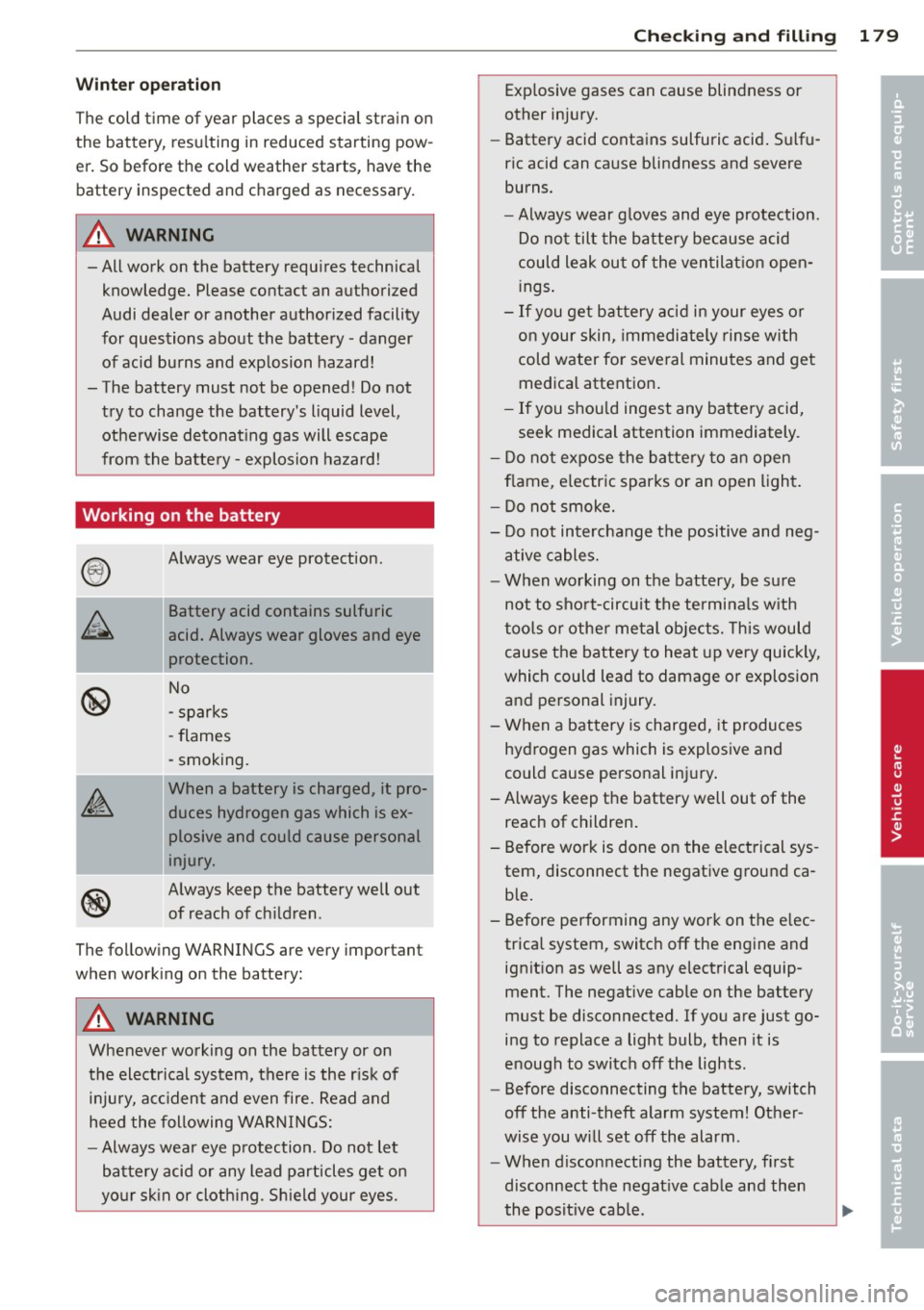
Working on the battery
®
~
I
@
®
Always wear eye protection.
Battery acid contains sulfuric
acid. Always wear gloves and eye
protection.
No
- sparks
- flames
- smoking.
When a battery is charged, it pro
duces hydrogen gas which is ex plosive and could cause personal
injury.
Always keep the battery well out
of reach of children.
The following WARNINGS are very important
when working on the battery:
A WARNING
Whenever working on the battery or on
the electrical system, there is the risk of injury, accident and even fire. Read and
heed the following WARNINGS:
- Always wear eye protection . Do not let
battery acid or any lead particles get on
your skin or clothing. Shield your eyes.
Checking and filling 179
Explosive gases can cause blindness or
other injury.
- Battery acid contains sulfuric acid. Sulfu
ric acid can cause blindness and severe
burns.
- Always wear gloves and eye protection.
Do not tilt the battery because acid
could leak out of the ventilation open
ings.
- If you get battery acid in your eyes or
on your skin, immediately rinse with
cold water for several minutes and get medical attention.
- If you should ingest any battery acid,
seek medical attention immediately.
- Do not expose the battery to an open
flame, electric sparks or an open light.
- Do not smoke.
- Do not interchange the positive and neg-
ative cables.
- When working on the battery, be sure
not to short-circuit the terminals with
tools or other metal objects. This would
cause the battery to heat up very quickly,
which could lead to damage or explosion
and personal injury.
- When a battery is charged, it produces
hydrogen gas which is explosive and
could cause personal injury.
- Always keep the battery well out of the
reach of children.
- Before work is done on the electrical sys
tem, disconnect the negative ground ca
ble.
- Before performing any work on the elec trical system, switch off the engine and ignition as well as any electrical equip
ment. The negative cable on the battery
must be disconnected. If you are just go
ing to replace a light bulb, then it is
enough to switch off the lights.
- Before disconnecting the battery, switch
off the anti-theft alarm system! Other
wise you will set off the alarm.
- When disconnecting the battery, first
disconnect the negative cable and then
the positive cable.
•
•
Page 182 of 236
180 Checking and filling
- Before reconnecting the battery, make
sure all electrical consumers are switch ed off. Reconnect the positive cable first
and then the negative cable. Never inter
change the cables -th is could start a fire!
- Never charge a frozen or a thawed-out
battery . It could explode! If a battery has
frozen, then it must be rep laced. A dis
charged battery can freeze over at 32 °F
(0 °C).
- Make su re the vent hose is always attach
ed to the opening on the side of the bat
t ery.
- Never use batteries which are damaged.
Dange r of explos ion! A lways rep lace a
damaged batte ry.
& WARNING
C alifornia Propos ition
65 Warning:
- Battery posts, te rm inals and related ac
c essories cont ain le ad and lead com
pounds, chemicals known to the State of
California to ca use cancer and re produc
t ive p roblems . Wash hands after han
dling.
(D Note
- Do no t disconnect the vehi cle bat tery
when the ignition is switched on or when
t h e engine is running, otherwise, you will
damage e lectronic components in the
electrical system.
- If your vehicle is go ing to stand for a
l ong period of time witho ut being driven,
protect the battery from "free zing", ot h
erwise it w ill be damaged and w ill then
have to be replaced . Charging the battery
Connec
tions for charging the battery are lo
cated in the luggage compartment.
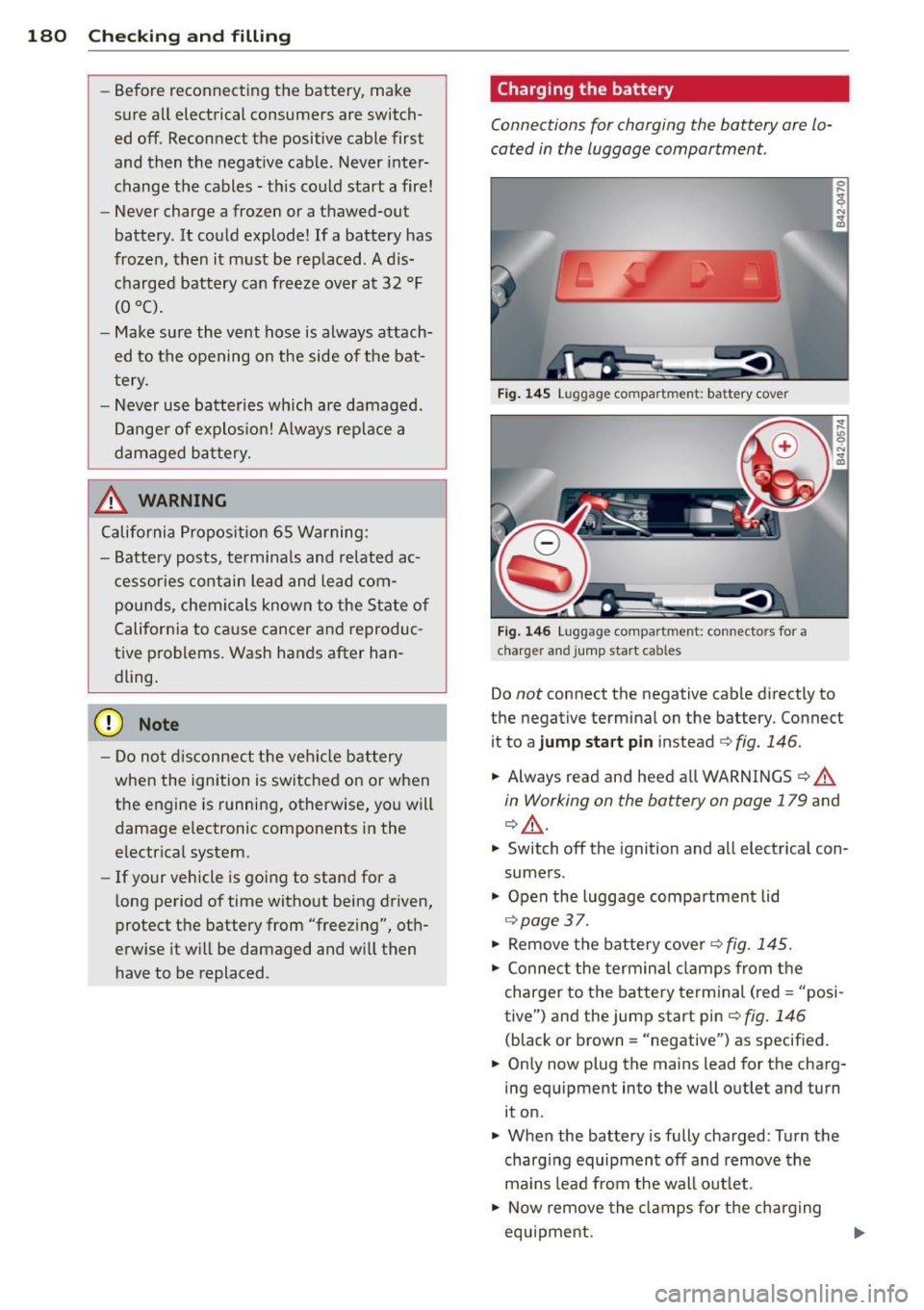
F ig . 14 5 Lugg age co mpar tment : ba ttery cove r
Fig. 146 Lu ggage co mpa rtm en t: c onn ecto rs fo r a
c h arger a nd ju mp start c ables
Do not connect the negative c able direct ly to
the negative terminal on the battery . Connect
it to a
jump sta rt p in instead c:, fig . 146 .
.,. Always read and heed a ll WARNINGS c;, .&.
in Working on the battery on page 179 and
¢ .&_ .
.,. Switch off the ignition and all electrical con
sumers .
.,. Open the luggage compa rtment lid
c:> page37 .
.,. Remove the batte ry cove r c:, fig. 145.
.,. Connec t the terminal clamps from t he
charger to the batte ry te rminal (red = "posi
tive") and the jump start pin
c:, fig . 146
(black or brown= "negative") as specified .
.,. On ly now plug the mains lead for the charg
ing equ ipment into the wa ll outlet and turn
it on .
.,. When the battery is fully cha rged : Turn the
charg ing equipment off and remove the
ma ins lead from the wall out let .
.,. Now remove the cla mps fo r the ch arg ing
equ ipment.
Page 183 of 236

~ Install the battery cover.
~ Close the luggage compartment lid
¢page 37.
When charging at low voltages (e.g . with a
trickle charger ), the battery cables do not
have to be disconnected first. Before charging
at
high voltages, i.e. "fast charging", you
must disconnect both cables. In either case,
follow the instructions from the manufacturer
of the charger .
Fastcharging a battery is
dangerous ¢ & in
Working on the battery on page 179 .
It re
quires special charging equipment and the knowledge to go with it. We recommend hav
ing your battery fast charged only by a quali
fied workshop.
A discharged battery can
freeze at tempera
tures of only 32 °F (0 °C) . Allow a frozen bat
tery to thaw completely before attempting to
charge it¢ & . However, we recommend not
using a thawed battery again because the bat
tery casing can be cracked due to ice forma
tion and can leak battery acid .
Do not open the battery caps when charging
the battery.
_& WARNING
-
Charging a battery can be dangerous.
- Never charge a frozen battery .
It may ex
plode because of gas trapped in the ice.
Allow a frozen battery to thaw out first.
- Do not reuse batteries which were fro
zen. The battery housing may have
cracked and weakened when the battery
froze.
- Charge the battery in a well ventilated
area. Keep away from open flame or elec
trical spark. Do not smoke. Hydrogen gas
generated by the battery is explosive.
- To reduce the danger of explosion , never
connect or disconnect charger cables
while the charger is operating.
- Fast charging a battery is dangerous and
should only be attempted by a compe
tent technician with the proper equip ment.
Checking and filling 181
- Battery acid that may spill during charg
ing should be washed off with a solution
of warm water and baking soda to neu
tralize the acid .
@ Note
Never use a fast charger as a booster to
start the engine. This will seriously dam
age sensitive electronic components, such
as control units, relays, radio, etc ., as well
as the battery charger .
(D Tips
-The vehicle battery must not be charged
with a standard small charger that plugs
into the cigarette lighter or outlet .
- Only charge the battery through the con
nections in the luggage compartment.
Replacing the battery
The new battery mus t have the same specifi
cations as the old one.
Your vehicle is equipped with an intelligent
energy management system for distributing
electricity¢
page 147 . The battery charges
better in vehicles with the energy manage
ment system than in vehicles without the sys
tem . To ensure that the additional power is
available after replacing the battery , replacing
with the same type of battery from the same manufacturer (like the battery that was deliv
ered with the vehicle) is recommended. An au
thorized dealer must code the battery in the
energy management control module.
The new battery must have the same capacity,
voltage (12 volts), current and design and it
must be sealed with plugs. The battery must
conform to the standards TL 825 06 (from
April 2008) and VW 7 SO 73 (from April 2010).
Since the vehicle battery is difficu lt to reach,
we recommend having the battery replaced by
an authori zed Audi RB dealer or other quali-
fied workshop . ..,. •
•
Page 184 of 236
182 Checking and filling
(D Note
- Your vehicle is equipped with a specia l
battery. Installing a different type of
battery can cause prob lems in the vehi
cle electrical system. When replacing the
vehicle battery, always install one with
the same spec ificat ions as the original
battery .
- Make sure that the gas venting hose is
always connected to the o riginal open ing
on the battery side. Otherw ise gasses or
ba tte ry acid could leak out .
- Battery holder and term inals a lways
have to be secured cor rectly.
- Read and follow the warnings under
9 page 179, Working on the battery be
fore performing any work on the batte ry.
@) For the sake of the environment
Because of the problem of proper disposal
of a battery, we recommend your author
ized Audi dealer change the battery for
you . Batteries contain sulfur ic ac id and
lead and must always be disposed of prop
erly in compliance with a ll environmenta l
reg ulations. D isposing of vehicle batteries
improperly is very dangerous to the envi
ronment. Make sure that the removed bat
tery ca nnot overbalance, otherwise sulfu
r ic acid might escape!
Windshield washer
container
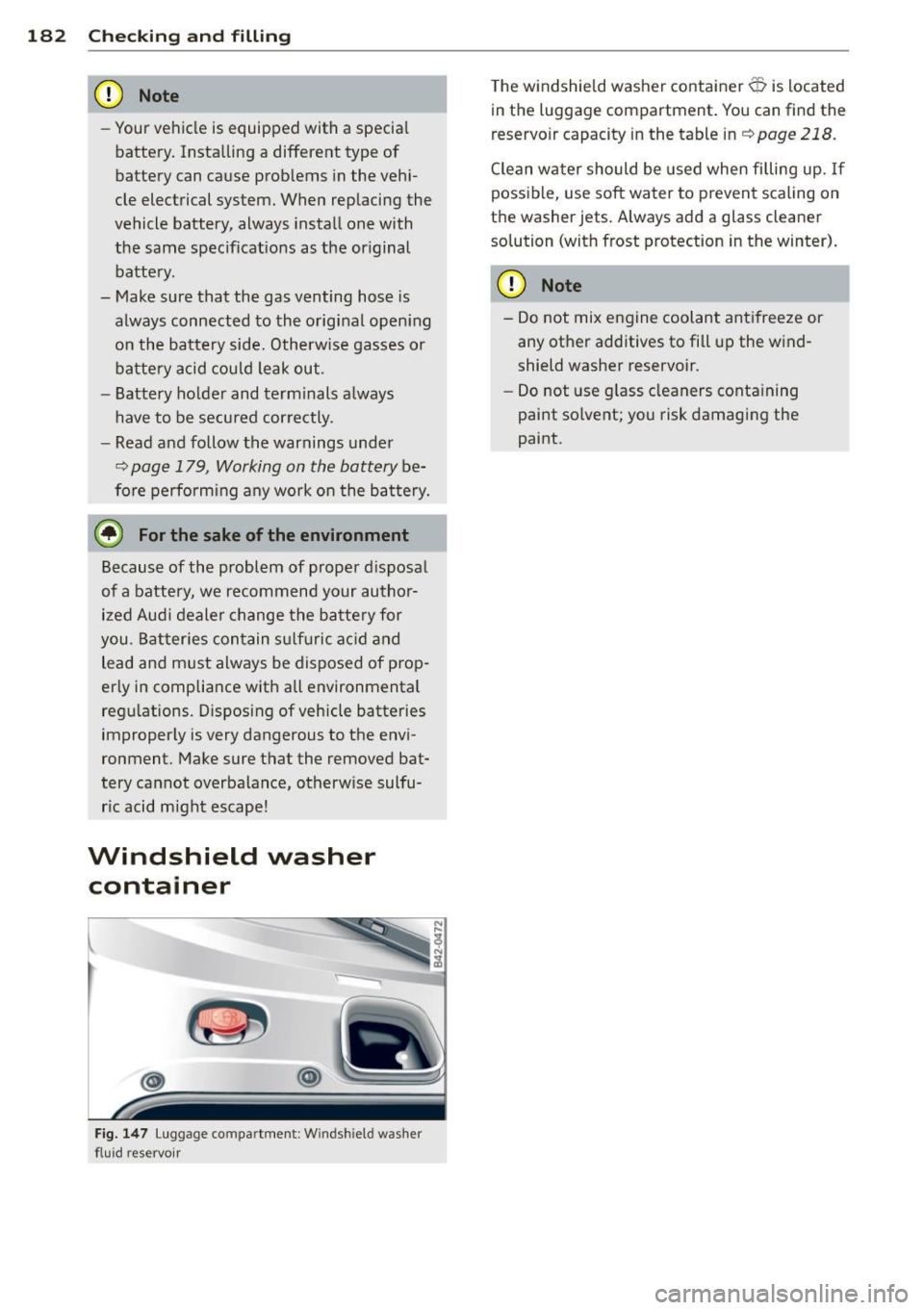
Fig. 147 Luggage compa rtment : W inds hield washer
fl uid reservo ir
The windshield washer container O is located
in the luggage compartment. You can find the
reservo ir capacity in the table in
¢page 218.
Clean water should be used when filling up. If
possible, use soft water to prevent scaling on
the washer jets . Always add a glass cleaner
solution (with frost protection in the winter) .
(D Note
- Do not mix engine coolant antifreeze or
any other additives to fill up the wind
shield washer reservoir.
- Do not use glass cleaners containing
pai nt so lvent; you risk damaging the
paint.
Page 190 of 236
188 Tire s and wheel s
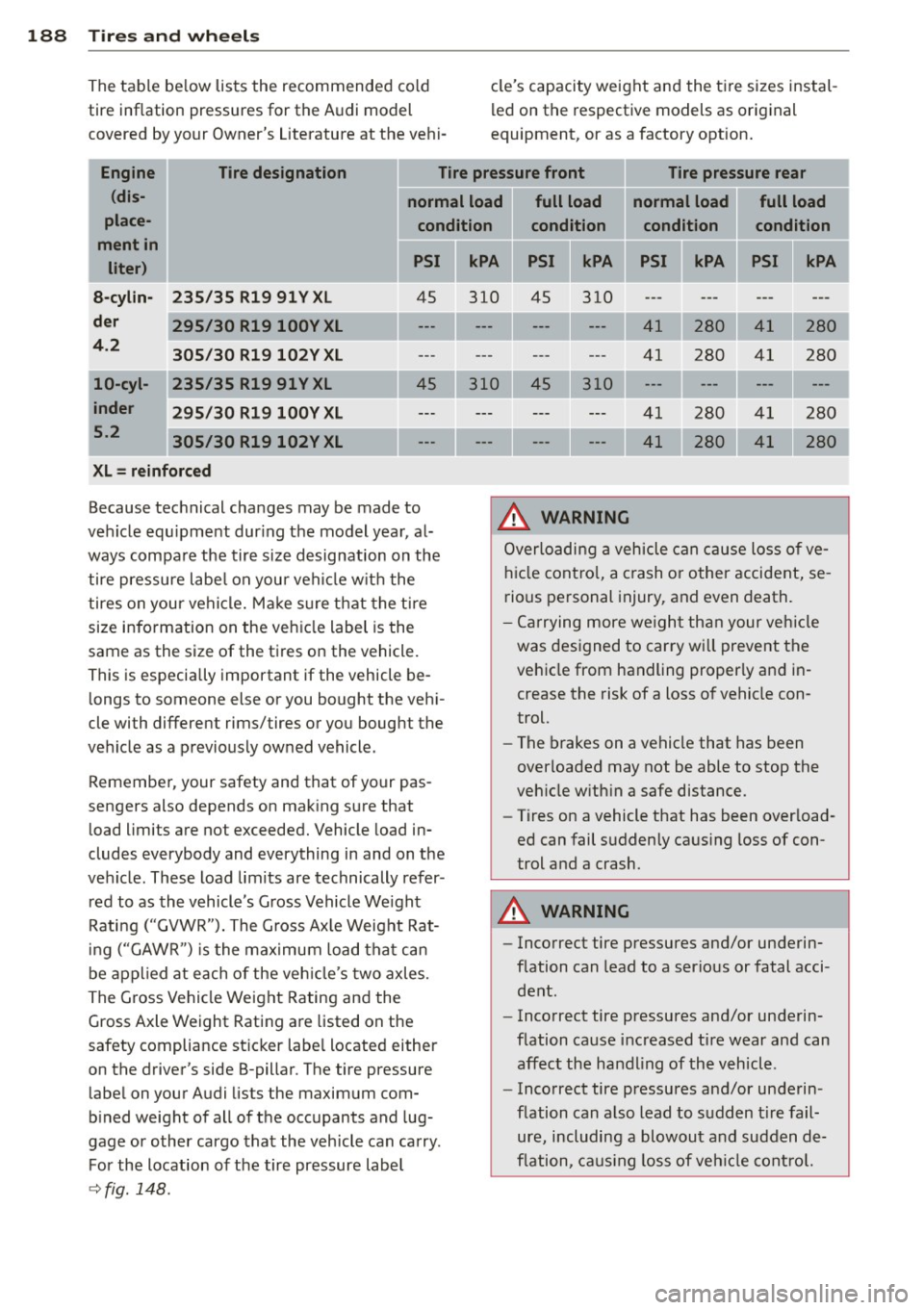
The table below lists the recommended cold
tire inflation pressures for the Audi model
covered by your Owner's Literature at the vehi- cle's capacity weight and the ti
re sizes instal
led on the respective models as original
equipment, or as a factory option.
Engine
(dis
place
ment in Tire designation
Tire pressure front Tire pressure rear
normal load full load normal load full load condition condition condition condition
liter )
a -cylin
der
4 .2
inder
5.2 235
/3 5 R1 9 9 1 V
XL
295 /30 R19 100V X L
305 /30 R1 9 10 2V X L
235 /35 R19 91 V X L
295 /30 R1 9 100V XL
305 /30 R19 102V X L
XL= reinfor ced
PSI
45
Because tec hnical changes may be made to
vehicle equ ipment dur ing the model yea r, al
ways compare the tire size designation on the
tire pressure labe l on you r vehi cle w it h the
tires on your vehicle. Ma ke s ure that the ti re
size information on the veh icle label is the
same as the size of the tires on the vehicle.
This is especially important if the vehicle be
longs to someone else or you bought the vehi
cle with different rims/tires or you bought the
vehicle as a previously owned vehicle.
Remember, your safety and that of your pas
sengers also depends on mak ing sure that
load limits are not exceeded. Vehicle load in
cludes everybody and everything in and on the
vehicle . These load lim its are technically refer
red to as the vehicle's G ross Vehicle We ight
Rati ng ("GVWR"). The G ross Ax le Weight Rat
i ng ("GAWR") is the max imum load that can
be app lied at each o f the veh icle's two axles.
The G ross Vehicle Weight Rating and the
Gross Axle Weight Rating are listed on the
safety compliance stic ker labe l located either
on the driver's side B-pillar. The tire pressure
labe l on your Audi lists the maximum com
b ined weight of all of the occupants and lug
gage or other cargo that the veh icle can carry.
For the location of the tire pressure label
¢ fig. 148.
kPA PSI kPA PSI
310 45 310
41
41
kPA PSI
280 41
280 41
kPA
280
280
280
280
.&_ WARNING
Overloading a vehicle can cause loss o f ve
h icle cont ro l, a crash o r other accident, se
r ious pe rsonal injury, and even death.
- Ca rrying more we igh t than your veh icle
was designed to car ry wi ll prevent the
vehicle from handling properly and in
crease the risk of a loss of vehicle con
trol.
- The brakes on a vehicle that has been
overloaded may not be able to stop the
veh icle w ith in a safe distance.
- Tires on a vehicle that has been over load
ed can fail s uddenly caus ing loss of con
trol and a crash.
.&_ WARNING
- Incorrect tire pressures and/or underin
flation can lead to a serious or fatal acci
dent.
- Inco rrect tire pressures and/or underin
f lation cause increased tire wear and can
affect the handling of the vehicle.
- Inco rrect tire pressures and/or underin
f lation can a lso lead to s udden t ire fail
ure, including a blowout and sudden de
fl ation, ca using loss of veh icle cont ro l.
Page 211 of 236
Tightening wheel bolts
~ Fit the wheel bolt wren ch over the wheel
bolt and push it down as far as it will go
1l.
~ Close your gr ip around the end of the
wrenc h handle fo r maximum torque and
turn each whee l bolt
clockwi se u nti l it sits
t ight.
H ave the
tightening torque of the whee l bolts
checked as soon as possible with a torque
wrench. It shou ld be 120 Nm.
Chec k the
tir e pre ssure as soon as possible .
Return the vehicle tool kit to its proper place .
A WARNING
Loosening the wheel bo lts is prohib ited;
da nger of an accident!
@ Tips
- Never try and use the hexagona l socke t
i n the handle of the screwdr iver to loos
en or tighten the w heel bolts.
- If yo u have dete rm ined t hat wheel bolts
a re cor roded and difficult to t urn, the
bo lts must be rep laced befo re checking
the to rque.
- Unti l the tig hte ning torque is checked,
d rive at redu ced speeds as a precaution .
Notes on wheel change
Please read the information ¢ page 193, New
tires and replacing tires and wheels ,
if you are
going to use a spare t ire which is different
from the tires on you r veh icle.
Afte r you change a tire :
- Check the tire pressure on the spare imme
diately after mounting.
- Have the wheel bolt t ightening torque
chec ked w ith a torq ue wrench as soon as
poss ib le by your author ized A udi dealer or a
qualified service sta tion .
1) You need t he appro pria te adapte r to t ig hte n th e an ti
t h eft whee l bolt s
c:> page 206 .
What do I do now? 209
- With stee l and alloy wheel rims, the whee l
bolts are correctly tightened at a torque of
90 ft lb (120 Nm) .
- If you notice while changing a tire that the
wheel bo lts are corroded and difficu lt to
turn, then they shou ld be rep laced before
you check the tightening torque.
- Replace the flat tire with a new one and
have it installed on your vehicle as soon as
possible . Remount the wheel cover.
Until then , d riv e with e xtra care and at re
duced speeds.
A WARNING
- If you are going to equ ip your vehicle
with tires or rims which differ from those
which were facto ry installed, then be
sure to read the information ¢
page 193,
New tires and replacing tir es and
wheels.
- Always sto re the tools secu rely in lug
gage compartment. Othe rwise, in a n ac
cident o r su dden maneuver they cou ld fly
forwdrd, CciU5ing injury to pd55enger5 in
the vehicle.
(D Note
Do not use comme rcially avai lab le tire
sea lants . Otherwise, the e le ctr ic al compo
nen ts of t he tire p ressu re monitoring sys
tem * wi ll no longe r work proper ly and the
sensor fo r the tire pressure mon itor ing
system will have to be rep laced by a quali
fied workshop.
Jump-starting
General
If necessary, the engine can be started by
connecting it to the battery of another vehi
cle.
If the engi ne should fail to start because of a
discharged or weak battery, the battery can be
II>
•
•
Page 212 of 236

210 What do I do now?
connected to the battery of another veh icle,
using a pair of jump er cable s to start the en
g ine.
Both batter ies must be rated at 12 vo lts. The
ca pacity (Ah) of the booster battery must not
be substantially less than the capacity of the
d ischarged battery .
J umper cables
Use
only jumper cables of sufficiently large
cr oss sec tion to safely carry the starter cur
rent . Re fer to the manu facturer's specifica
tions .
Use only jumper cables which have
insulated
termina l clamps and are properly marked for
distinction :
plu s(+) ca ble: in most cases co lored red
minu s(-) ca ble: in most cases colored black
A WARNING
Batteries contain electricity, ac id, and gas .
Any of these can cause ve ry serious or fatal
injury. Follow the instructions below fo r
safe handl ing of your veh icle's battery.
- Always shield you r eyes and avoid lean
ing over the batte ry whenever possible.
- A discharged battery can already freeze
a t temperatures just be low 32 ° F (0 °C).
Before connecting a jumper cable, the
frozen battery must be thawed com
pletely, otherwise it could exp lode .
- Do not a llow battery ac id to contact eyes
or s kin. Fl ush any contacted area w ith
water immediately .
- Improper use o f a booster battery to
start a ve hicle may cause an explosion.
- Vehicle batteries gene rate explos ive gas
es . Keep sparks, flame and lighted ciga
rettes away from batteries .
- Do not try to jump s tar t any veh icle with
a low acid level in the battery.
- Th e volt age of the booster battery must
also have a 12-Volt rating . The capacity
(Ah) of the booster battery shou ld not be
lower than that of the discharged bat
tery. Use of batter ies of different voltage or substantially d
iffe rent "Ah" rating
may cause an exp losion and persona l in
jury.
- Never charge a frozen battery. Gas trap
ped in the ice may cause an explosion.
- Never charge or use a battery that has
been frozen . The battery case may have
be weakened .
- Use of batter ies of different voltage or
substantially d ifferent capacity (Ah) rat
ing may cause an exp losion and injury.
The capac ity (Ah) of the booster battery
should not be lower than that of the dis
charged battery.
- Before you check anything in the engine compa rtment, always read and heed a ll
WARNINGS
,=;, page 169, Working in the
engine comportment.
(!) Note
- App lying a higher voltage booster bat
tery will cause expens ive damage to sen
sitive e lectronic components, such as
cont ro l uni ts, relays, rad io, etc.
- There must be no electrical contact be
tween the vehicles as otherwise cur rent
c o ul d already start to f low as soon as the
positive( +) terminals are connected.
(D Tips
- T he d ischa rged ba ttery m ust be properly
c onnected to the veh icle's e lectr ica l sys
t em.
- Switch off any car phone, o r follow the
car phone instructions for th is si tuat ion.
Page 213 of 236
Use of jumper cables
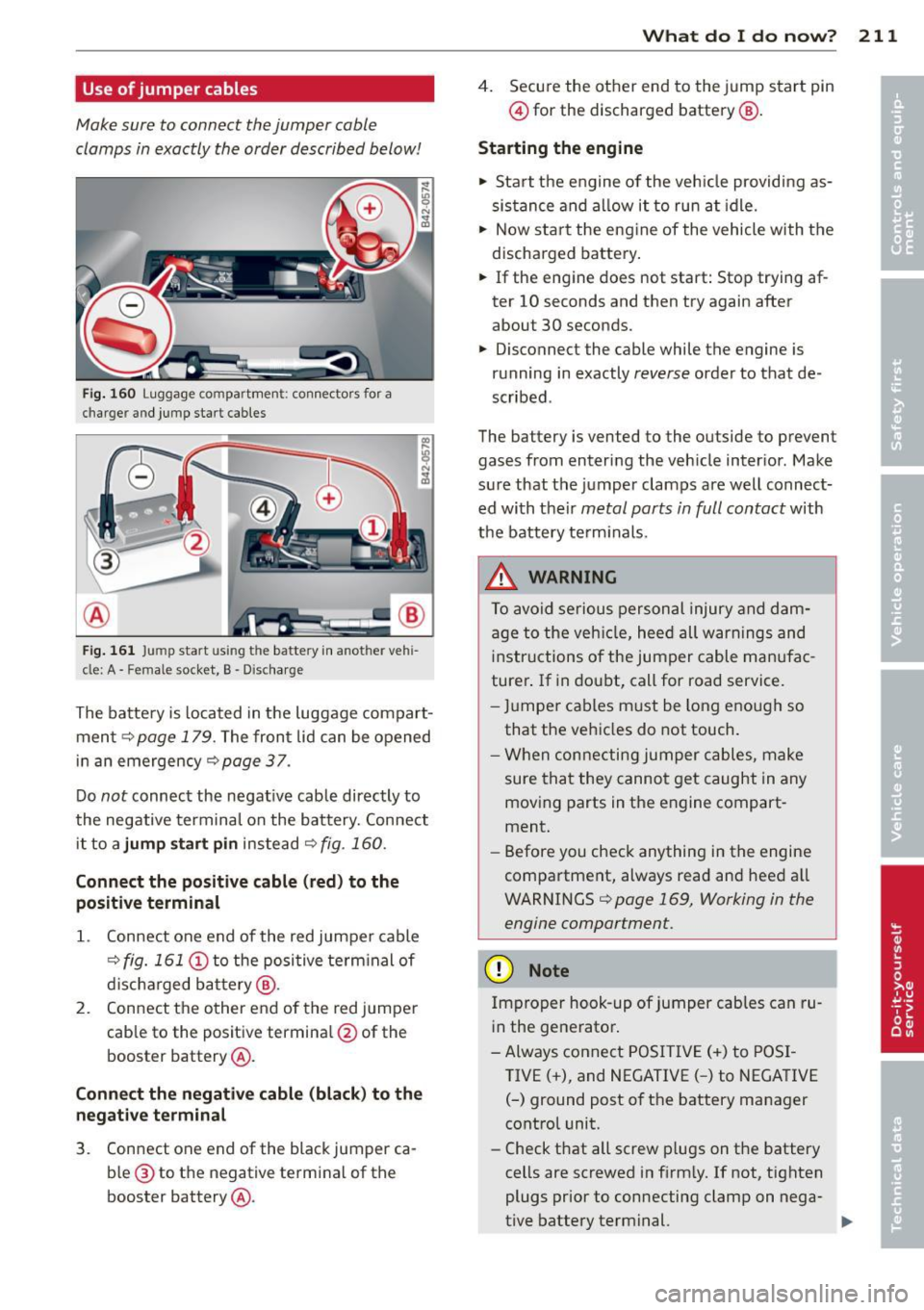
Make sure to connect the jumper cable
clamps in exactly the order described below'
Fig . 160 Luggage co m pa rtme nt: connec tor s for a
ch arge r and jump start cab les
F ig . 161 Ju m p sta rt usin g t he batte ry in a not her ve hi
cl e:
A -Fem ale so cket , B · Di scharge
The batte ry is located in the luggage compart
ment
¢ page 179. The front lid can be opened
in an emergency
~page 37.
Do not connect the negat ive cable directly to
the negative termina l on the battery. Connect
it to a
j u mp start pin instead ¢ fig. 160.
Connect the posi tive cable (red) to the
positive t ermin al
1. Connect one end of the red jumper cable
¢ fig. 161 (D to the positive te rm inal of
d isc harged battery @.
2. Connect the other end of the red jumper
cable to the positive termina l@ of the
booster battery @.
Conn ect the negat ive cable (black ) to the
negati ve t erminal
3. Connect one end of the black jumper ca
b le @ to the negative terminal of the
booster battery @.
What do I d o now ? 211
4. Secu re the other end to the jump start pin
@ for the discharged battery @.
Starting the engine
~ Sta rt the engine of the veh icle providing as
sistance and al low it to run at idle.
~ Now sta rt the eng ine of the vehicle with the
discharged battery .
~ If the engine does not start: Stop trying af
ter 10 seconds and then try again after
about 30 seconds.
~ Disconnect the cable while the engine is
running in exactly
reverse order to that de
scribed .
The ba ttery is vented to the ou tside to prevent
gases from entering the veh icle inter ior . Make
sure that the jumper clamps are well connect
ed with their
metal parts in full contact with
the battery term inals .
.&, WARNING
To avoid serious person al injury and dam
age to the veh icle, heed all warnings and
instructions o f the jumper cable manufac
turer . If in doubt , call for road service.
- Ju mper cables m ust be long enough so
that the vehicles do not touch.
- When connecting jumper cables, make
sure that they canno t get caught in any
mov ing parts in the engine compart
ment.
- Before you check anything in the engine
compartment, always read and heed a ll
WARNINGS
¢ page 169, Working in the
engine compartment.
(D Note
Improper hook-up of jumper cables can ru
in the generator .
- Always co nnect POSITIVE(+) to POSI
TIVE(+), and NEGATIVE( -) to NEGATIVE
( - ) ground post of the battery manager
control unit.
- Check that all screw p lugs on the battery
cells are screwed in firm ly. If not, tighten
plugs prior to connecting clamp on nega-
-
tive battery term inal. .,..