lock AUDI S3 2015 Workshop Manual
[x] Cancel search | Manufacturer: AUDI, Model Year: 2015, Model line: S3, Model: AUDI S3 2015Pages: 310, PDF Size: 76.15 MB
Page 188 of 310
186 Child Saf ety
attachment of child restraints specifically cer
tified for use with
LATCH low er anchorages.
Ch ild restra ints that are not equipped with the
lower anchorage attachments can still be in
stalled in comp liance with the child restrain t
manufacturer's instruct ions on using vehicle
safety belts .
A WARNING
Improper use of LATCH lower anchorages
can ca u se serio us pe rsonal inju ry i n an ac
c ident .
- Always ca refully fo llow the c hild re
st raints manuf acturer's inst ru cti ons for
proper ins tallat ion of the child rest rain t
and proper use of the lowe r anchorages
or safety be lts in your vehicle .
- Never secure or attach any l uggage or
other items to the
LATCH lower ancho
rages.
- Always read and heed the impor tant in
format ion about child restraints in this
chapter and WARNINGS
~ page 170 ,
Child Safety.
Installing a child restraint with LATCH
lower anchorages
App lies to vehicles: with Top Tether
Whenever you install a child restraint always
follow the child restrain t manufacturer's in
structions.
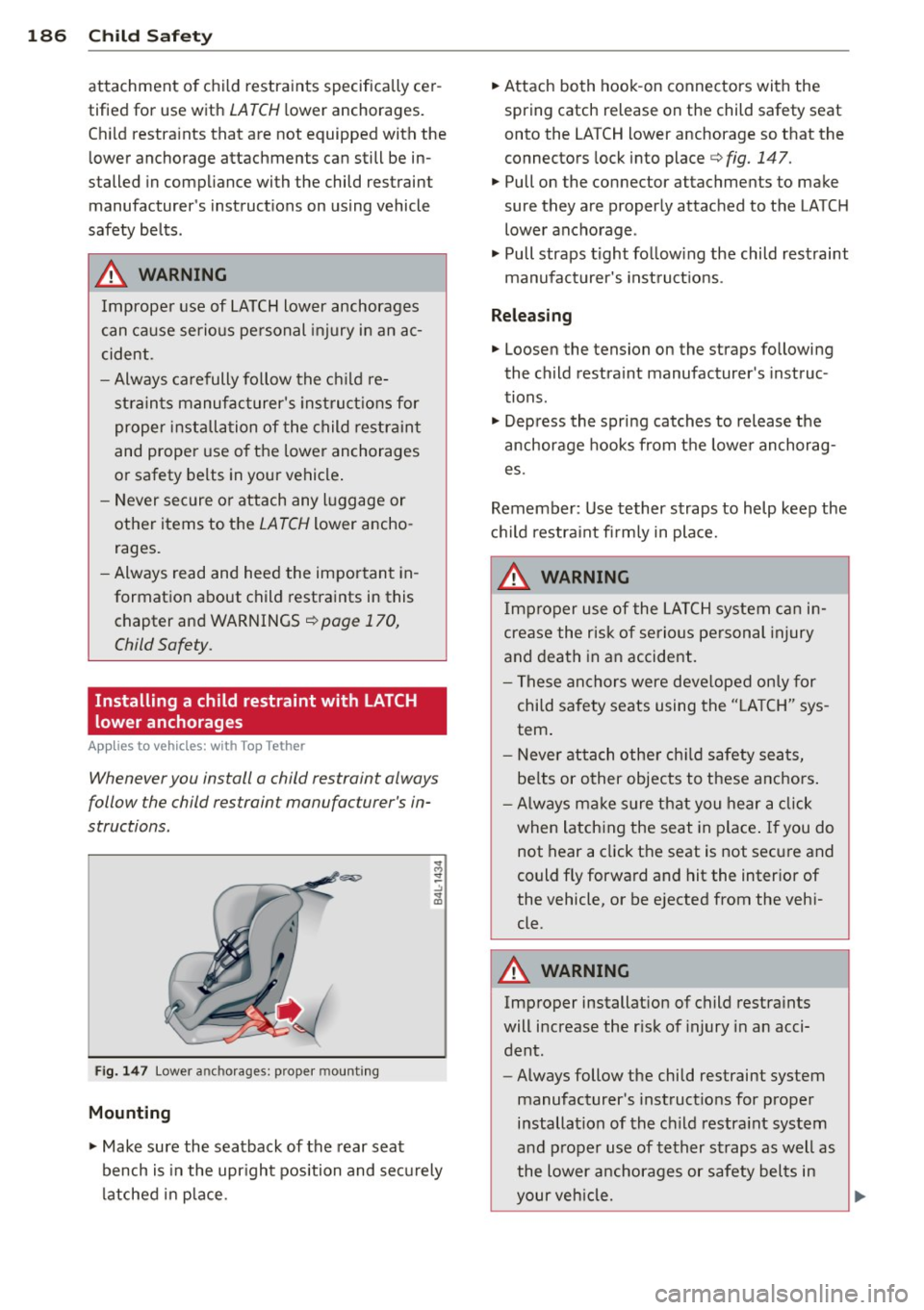
F ig . 14 7 Lower a nch orage s: p rope r m ou ntin g
Mounting
~ Make sure the seatback of the rear seat
bench is in the upr ight position and se curely
l atched in pl ace.
~ Attach both hook -on connectors with the
spring catch release on the child safety seat
onto the LA TCH lower anchorage so that the
connectors lock into place <=>
fig. 147.
~Pullon the connector attachments to make
sure they a re properly attached to the LATC H
lower ancho rage .
~ Pull straps tight fo llow ing the child r estraint
manufact urer's inst ruct io ns .
Releasing
~ Loose n the tension on the straps following
the child restra int manufacturer's instruc
tions .
~ Depress the spr ing catches to releas e the
anchorage hooks from the lowe r an chorag
es.
Remember: Use te ther straps to help keep the
c hi ld restra int fi rm ly in place.
A WARNING
I m proper use of the LATCH system can i n
crease the risk o f serious pe rsonal in jury
and death in a n accident.
- T hese an chors were deve lope d on ly for
chi ld safe ty seats using the " LA TC H" sys
tem .
- N ever at tach othe r ch ild safety sea ts,
be lts or o ther objects to these anchors .
- Always ma ke su re tha t you hear a click
when latch ing the seat in place . If you do
not hear a click t he seat is not secu re and
could
fly forwa rd and hit the inter ior of
the vehicle, or be e jected from the veh i
cle.
A WARNING
-Improper installat ion of child restra ints
will i ncrease the r isk of injury in an acci
dent.
- Always follow the chi ld restraint system
manufacturer's inst ruct ions for prope r
installa tion of the c hild restra int system
a nd p roper use of tether st raps as well as
the lower a nchorages or safety bel ts in
your veh icle.
~
Page 191 of 310
M N
0 > co ,...., \!) 1.1'1
M 1.1'1 ,....,
Smart Technology
Information about
data recorded by
vehicle control
modules
Your vehicle is not equipped with a crash data
recorder. This device is installed by some vehi
cle manufacturers to record data about crash
es so that it can be analy zed later . Crash data
recorders are also called "Event Data Record
ers ( EDR)" .
In some legal jurisdictions, it is not permitted
to access or download data recorded by pre
installed crash data recorders in order to eval
uate a crash without clear consent of the vehi
cle owner .
Your vehicle is not equipped with a crash data recorder. However it does contain a variety of
electronic control modules for various vehicle
systems such as engine function, exhaust
treatment or airbags and safety belts .
These electronic control modules record vehi cle data during normal driving for diagnosis
and repair purposes . The recording capability
of the electronic control modules is limited to
data only- no sound is recorded.
If the control
module detects a system ma lfunction or other
change in status, a very limited amount of da
ta is recorded for an extremely small period of
time . Data that is recorded in such a case may
include vehicle speed, d riving direction, the
load on the brakes and head restraints and
performance in the event of an acciden t or
other change in status . The stored data can
only be read or downloaded with special devi
ces.
Electronic stabilization
control (ESC)
Description
The Electronic Stabilization Control (ESC) con
tr ibutes to driver safety. It reduces the risk of
slipp ing and improves driving stability. ESC
Smart Technolog y 189
detects critical situations such as the vehicle
oversteering and understeering or the wheels
are spinning . The vehicle is stabilized by ap
plying the brakes or reducing engine torque.
Once the ESC is activated, the indicator light
m blinks in the instrument cluster .
The following systems are integrated in the
ESC:
Anti-lock braking system (ABS )
ABS prevents the whee ls from locking when
braking. The vehicle can still be steered even
during hard braking. Apply steady pressure to
the brake pedal. Do not pump the pedal. A
pulsing in the brake peda l indicates that the
system is acting to stabilize the vehicle.
Brake assi st sys tem
The brake assist system can decrease braking
distance. It increases braking power when the
driver presses the brake pedal quickly in emer
gency situations. You must press and hold the brake pedal until the dangerous situation is
over . In vehicles with adaptive cruise control*,
the brake assist system is more sensit ive if the
distance detected to the vehicle ahead is too
small.
Anti-slip regulation (ASR)
ASR reduces engine power when the drive
wheels begin spinning and adapts the force to
the road conditions . This makes it easier to
start , accelerate and dr ive up inclines .
Electronic differential lock (EDL)
The EDL brakes wheels that are spinning and
transfers the drive power to the other drive
wheel or wheels if the vehicle is equ ipped with
all wheel drive*). This function is not available
at higher speeds .
In extreme cases, EDL automatically switches
off to keep the brake on the braked wheel
from overheating . The vehicle is still working
correctly. EDL will switch on aga in automat i
cally when cond itions have returned to nor-
mal. .,..
•
•
•
Page 195 of 310
M N
0 > co ,...., \!) 1.1'1
M 1.1'1 ,....,
the brakes. If you need to brake addit ion
ally, bra ke in intervals and not continu
ously.
(D Tips
- If the brake boos ter is not wor king, you
must p ress the brake pedal with much
more force t hen no rma l.
- If yo u retrof it your vehicle with a front
s po ile r, wheel covers or similar items,
make sure that the air f low to the front
whee ls is not interrupted. Otherwise the
brake system can become too hot.
Electromechanical
steering
The elec tromechanical steering suppor ts the
driver's s teering movements .
Powe r stee ring adapts electronically based o n
the veh icle speed.
The vehicle still has full stee ring fu nctionality
if the powe r steering fails o r whe n the eng ine
i s stopped (towi ng). To s teer, yo u must app ly
m uc h mo re fo rce than usual.
Indicator lights and messages
• Do not drive vehicle: steering defective
If th is in dicator lig ht tu rns on and stays on
and this message appears, the power steering may have fa iled.
Do
not co ntin u e dr iving . See an autho rize d
Aud i dea ler o r autho rized Aud i Service Fac ility
for assistance.
• Do not drive vehicle: steering defective
There is a malf unct io n in the electro nic steer
in g lo ck. You canno t turn the ign ition on.
Do
not tow your vehicle beca use it ca nnot be
steered. See an autho rized Aud i dea le r or au
thor ized Audi Se rv ice Facility for ass istance.
Ei:-Y Steering malfunction : you can continue
driving
I f the indicator light turns on, the steering
wheel may be more difficult to move or more
Smart Technolog y 193
sensit ive tha n usua l. The stee ring wheel may
also be at a n angle when dr iv ing stra ight .
D rive slowly to you r auth ori zed Audi de aler o r
qualifie d wo rkshop to have the ma lf u ncti on
correc ted.
II Steering lock : sy stem fault! Pl ease con
tact Service
T he re is a malfunction in the elec tronic steer
ing lock .
D rive to an author ized Audi dealer or author
ized Audi Serv ice Facility immediately to have
the malfunc tion corrected.
A WARNING
Have the sys tem ma lf u nction co rrec ted as
soon as po ssible by an aut horiz ed Aud i
d e aler or au thoriz e d Au di Service Fa cili ty,
a s this incr eases the r is k of an acciden t.
(D Tips
If th e . or l~ij indi cator ligh t only s tays
o n for a short t ime , you may con tinue dr iv
i ng.
ALL wheel drive
(quattro)
App lies to vehicles: wi th all wheel drive
In all wheel drive, all four wheels are pow
ered.
General information
In all whee l dr ive, the dr iv ing power is divi ded
between all fo ur whee ls. Thi s happens auto
matically depending on yo ur driv ing behavior
as well as the current road conditions. Refer
to
¢ page 189, Electronic stabilization con
trol (ESC) .
The all wheel drive concept is designed for
high eng ine power. Your veh icle is except ion
a lly powerfu l and has excellent driving charac
te ristics both under normal driv ing cond itions
and on snow a nd ice. Always read and follow
safety precaut ions¢ .&.. ..,.
•
•
•
Page 214 of 310
212 Checking and Fill in g
- If you put any amount of incorrect fue l in
the fue l tank, do not start the engine un
der any circumstances. Immediately con
tact the nearest authorized Audi dealer
or authorized Audi Service Facility for as
sistance. These fuels contain substances
that can severely damage the fuel sys
tem and the engine if the engine is start
ed.
- If the diesel fuel quality is poor, it may
be necessary to have the water drained
from the water sepa rator in the
f ue l fi l
te r
more often than specified in the
maintenance schedu le . This can help re
duce engine ma lfunctions
Q page 24.
Fuel tank
Fuel filler neck
The fuel filler neck is located on the right rear
side panel behind the fuel fi ller flap.
If the power locking system should fail, you
can st ill open the flap manually- for detailed
instructions
seer:::.> page 214.
You can find the fuel tank capacity of your ve
hicle in
Qpage 288.
The label on the inside of the fuel filler flap
tells you the correct fuel for your vehicle. For
more information about fuel specifications,
see
c;,page 210.
Your veh icle fuel tank has an onboard refue l
ling vapor recovery system . This feature helps
to prevent fuel vapors from escaping from the
tank and polluting the environment while you refuel your vehicle . In order to fill the tank
properly while protect ing the env ironment,
p lease follow t his refueling procedure careful
ly.
.&_ WARNING
Under norma l operating conditions, neve r
carry additiona l fuel containers in your car .
Gas can isters and other containers used to
transport fue l can be dangerous. Such con
tainers, full or empty, may leak and cou ld
cause a f ire in a collision. If you must transpo
rt fuel to use for your lawn mower,
snow b lower, etc., be very careful and al
ways observe local and state laws regard ing the use, transportation and storage of
such fuel containers. Make certa in the con
tainer meets industry standa rds (ANSI/
ASTM F8S2 -86).
(D Note
Neve r drive your veh icle until the fue l tank
i s completely empty. The irregular supply
of fue l can cause misfir ing. Gasoline cou ld
enter the exhaust system and damage the
catalytic converter.
Fueling procedure
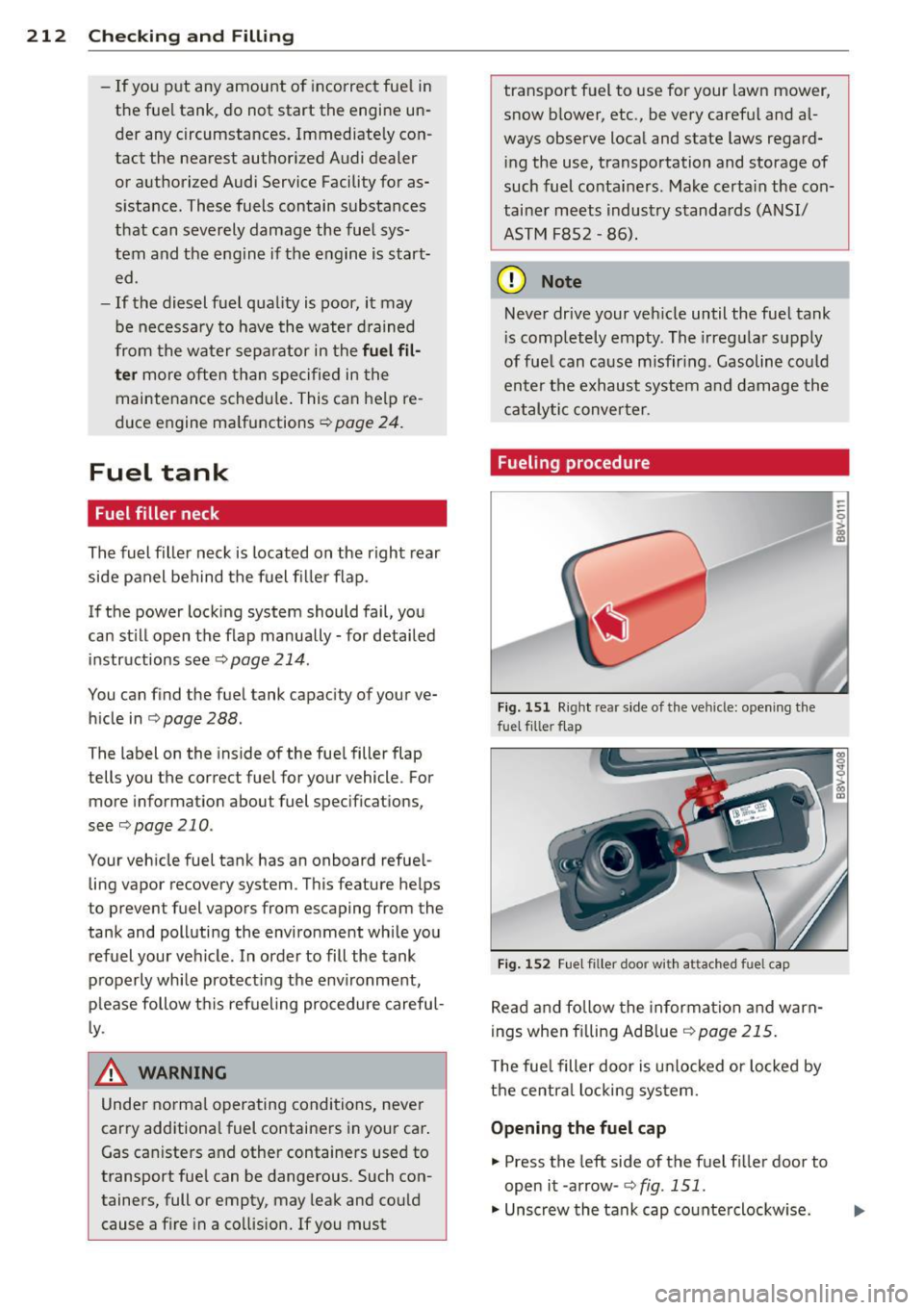
F ig. 15 1 Righ t rear side of the vehicle: opening the
fuel filler flap
Fig . 1 52 Fue l filler door w ith attached fuel cap
Read and follow the information and warn
ings when filling Ad B lue
c;, page 215.
T he fue l filler door is u nlocked or locked by
the centra l locking sys tem.
Openin g the fuel c ap
" Press the left side of the fuel f iller door to
open it -arrow-
Q fig. 151.
"Unscrew the tank cap counterclockw ise .
-;:;
> a, a,
Page 215 of 310
M N
0 > co ,...., \!) ..,.,
M ..,., ,....,
~ Place the cap from above on the open fuel
filler door
¢ fig. 152.
Closing the fuel cap
~ Turn the fuel cap clockwise until you hear it
lock.
~ Close fuel filler door until it latches.
Once the pump nozzle switches off, the fuel
tank is "full". Do not fill the tank more. Other
wise the expansion space in the tank will be
filled.
The correct fuel type for your vehicle can be
found on a label located on the inside of the
fuel filler door. For additional information on
fuel, refer to ¢
page 210.
The fuel tank capacity of your vehicle is in the
Technical Data ¢ page 288.
To avoid fuel spilling or evaporating from the
fuel tank always close fuel filler cap properly
and completely. An improperly closed fuel fill
er cap may also cause the MIL lamp ¢
page 30
to come on .
A WARNING
Not paying attention when fueling or han
dling fuel incorrectly can lead to fires, ex
plosions or serious injuries.
- Fuel ignites easily and can cause serious
burns and other injuries.
- If you do not switch the engine off when
fueling and/or do not insert the fuel noz
zle completely into the tank opening,
fuel can leak out or run over. Leaked fuel
can ignite and start a fire.
- Do not use the telephone while fueling.
The electromagnetic rays can cause
sparks, which can ignite fuel vapors and
start a fire .
- Do not sit in your vehicle while fueling. If
you must make an exception and enter
your vehicle again while fueling, close
the door and touch metal to discharge
static electricity before touching the fuel
nozzle. Static electricity can create
sparks, which can ignite vapors when fu
eling.
Checking and Filling 213
- Do not smoke or have an open flame in
the area when fueling your vehicle or fill
ing a fuel container because this increas
es the risk of an explosion .
- For your safety, carrying fuel containers
in your vehicle is recommended. Wheth
er full or empty, the container can leak
and cause a fire in the event of an acci
dent.
- If you must make an exception and
transport a fuel container, note the fol lowing:
- Never fill the fuel container with fuel
while it is in or on the vehicle. Static
electricity is discharged when filling
which can cause the fuel vapors to ig nite and increases the risk of an explo
sion.
- Always place a fuel container on the
ground before filling.
- Always hold the fuel nozzle completely
in the fuel container when filling .
- If the fuel container is made of metal,
the fuel nozzle must always be in con
tact with the container when filling it
with fuel. This prevents static electrici
ty from discharging.
- Never spill fuel in the vehicle or the
luggage compartment. Evaporated fuel
is explosive and increases the risk of
serious injury or death.
- Follow legal requirements when using,
storing and transporting fuel contain
ers.
- Make sure the fuel container conforms
to industry standards (ANSI/ASTM
F8S2-86).
@ Note
- Remove spilled fuel from vehicle paint
immediately, because it can damage
paint.
- Never drive until the fuel tank is com
pletely empty . The irregular supply of
fuel that results from that can cause the
engine to misfire. Uncombusted fuel will
enter the exhaust system and increase
1111-
•
•
Page 216 of 310
214 Checking and Fill in g
the risk of damage to the catalytic con
verter .
- If the fuel tank runs comp letely empty in
a vehicle with a
die sel en gine , the igni
tion must remain switched on for at l east 30 seconds after refueling before
starting the engine.
It may take longer
than usual for the engine to start, even up to a minute . Th is is because the air
must fi rst b leed out of the fuel system
when starting the eng ine.
@) For the s ake of the environment
- If the fuel nozzle is used correctly , it will
indicate that the tank is full the first
time it switches off automatically. Do
not t ry to add more fuel, because it can
spill over. Also , the expansion space in
the tank will fill, which can resu lt in fuel
spilling out when it becomes warm and po lluting the environment .
@ Tips
-If the engine is runn ing whi le fueling, va
pors can escape or the fuel can spi ll over.
Because of this , the fuel nozz le switches
off before the tank is full.
- Do not fuel the vehicle when the ignition
is switched on. Otherwise, the fuel
gauge may not show the correct level af
ter fueling the vehicle.
- Diesel vehicles are equipped with a diesel misfueling guard
ll. It allows the vehicle
to be fueled only with a diese l fuel pump
nozzle.
- A worn or damaged nozzle or a nozz le
that is too small may not be able to open
the d iesel m isfueling protector . If this is
the case, try t urni ng the nozzle before
i nserting it in the f uel filler neck, use a
different fuel p ump or see you r a uthor
i zed Audi dealer or author ized repair fa
cility for assistance .
- The m isf ueli ng guard does not open
when adding fuel from a fuel container .
ll Market-sp ec ifi c
You can bypass it by adding the diesel
fuel s lowly.
- The fuel fi ller door on your vehicle does
not lock when you lock the vehicle from
the inside.
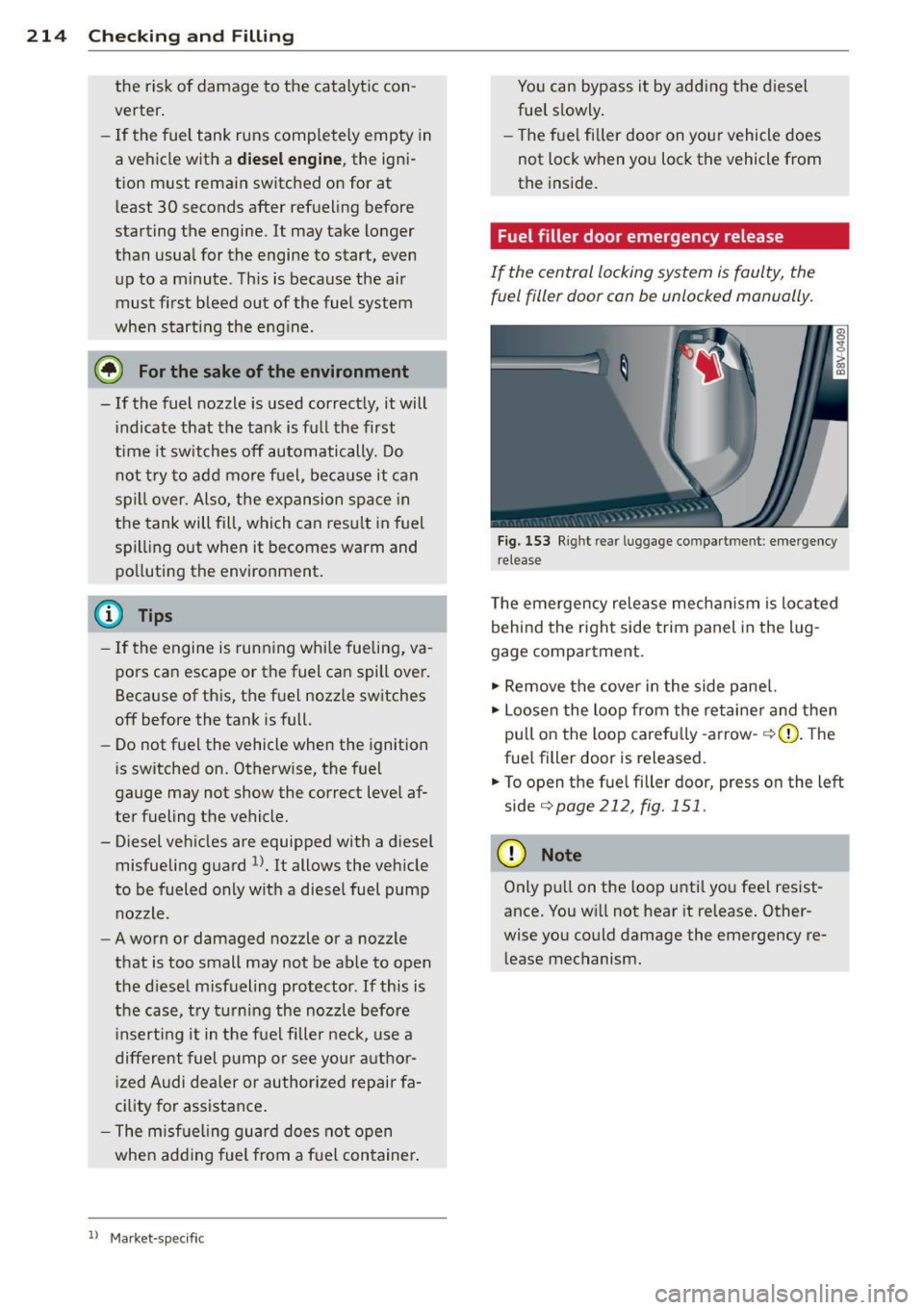
· Fuel filler door emergency release
If the central locking system is faulty, the
fuel filler door can be unlocked manually.
Fig. 153 Right re ar lugg age compa rtm ent : eme rgency
re lease
T he emergency release mechanism is located
behind the right side trim panel in the lug
gage compartment .
" Remove the cover i n the side pane l.
" Loosen the loop from the retaine r and then
pull on the loop carefu lly-arrow-
¢ (D . The
fue l filler door is released .
" To open the fue l filler door, press on the left
side
r=> page 212, fig. 151 .
(D Note
Only pull on the loop until yo u feel resist
ance. You w ill not hear it re lease. Other
wise you could damage the emergency re
lease mechanism.
Page 218 of 310
216 Checking and Filling
¢..ij Incorrect filling /sy stem malfunction
A message ap pears if the Ad Bl ue tank was fil
l ed with a fluid other t han Ad B lue and the sys
tem has detected t hat the tank was fi lled in
correctly, or if the re is a system malfunction .
Ad Blue/ Ad Blue: Sy stem fault! No re start
in 600 miles (1000 km ). See owner' s man
ual.
This message appears whe n it is only poss ible
to drive the distance i ndi cated in the dr iver in
formation system. Drive to the neares t au
thorized A udi dealer or author ized A udi Se rv
ice Facility to have the ma lfunction co rrected.
Otherwise the engine will not start again if
you stop it once the distance i nd icated has
been drive n.
AdBlue: system fault . Engine
start not possible! See owner 's manual
This message appears if the system has de
tected t hat the ta nk was fi lled incorrectly or
that the re is a ma lfunction . Drive immediate ly
to the nearest authorized A udi dealer or au
thor ized Audi Serv ice Facility to have the ma l
function corrected . Otherwise you will not be
ab le to start the engine aga in o nce you stop
it .
Filling the Ad Blue
App lies to vehicles: with selective cata lyt ic reduction
A special refill bottle must be used to fill the
AdBlue .
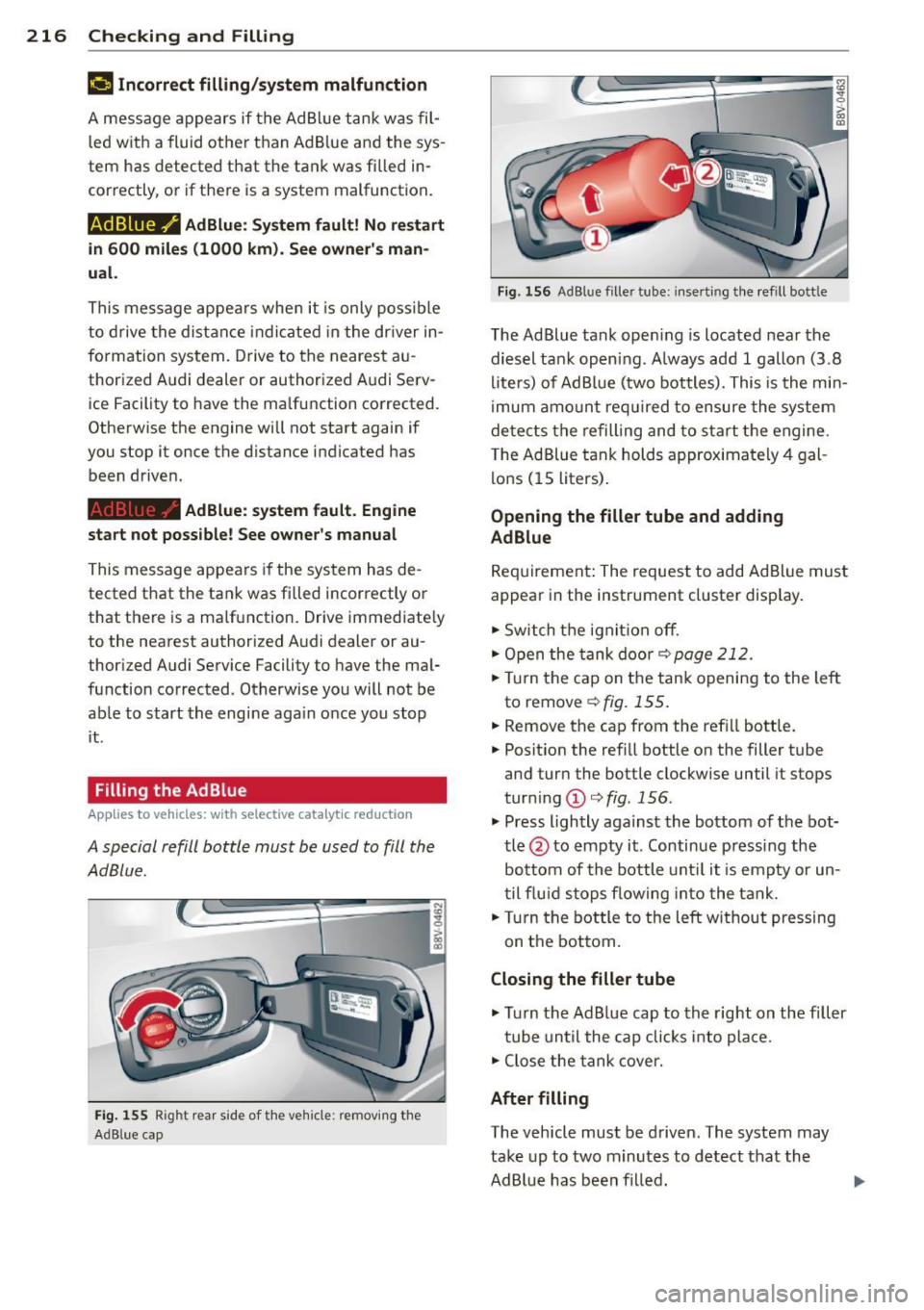
Fig. 155 R ig ht re ar s id e of th e v ehi cle: re mov ing the
Ad Blue cap
F ig . 1 56 AdBl ue f ille r tube: i nse rtin g the ref ill bottl e
The Ad Blue tank ope ning is located near the
di ese l ta nk open ing . A lways ad d 1 gallon (3.8
li te rs) of AdB lue ( two bottles). This is the min
i mum amo unt req uired to ensure the system
de te ct s the refilling and to s tart the engine .
T he Ad Blue tank holds approximately
4 gal
lo ns
(1 5 liters) .
Opening the filler tube and adding
AdBlue
Req uirement : The request to add Ad Blue mus t
appea r in the instrument cluster disp lay.
" Switch th e ignit io n off.
.. Open the tank door¢
page 212.
.. Tur n the cap on the tank opening to the left
to remove
¢ fig . 155 .
.. Remove the cap from the ref ill bott le.
.. Posit ion the refill bottle on the filler tube
and tur n the bottle clockwise until it stops
turn ing (D ¢fig .156 .
" Press lightly aga inst the bottom of the bot
tle @to empty it . Continue pressing the
bo ttom of the bottle unt il it is empty or un
t il f lu id stop s flow ing in to the ta nk.
" Turn the bottle to t he left w it h out pressing
on t he bot tom.
Closing the filler tube
" Tur n the Ad B lue cap to the right on the filler
t ube until the cap clicks into pla ce.
" Clo se the tank cover.
After filling
The vehicle must be driven. The system may
ta ke up to two m inutes to detect that the
AdBl ue has been f illed . .,.
Page 221 of 310
....,
N
0 > co
rl I.O
"' ....,
"' rl
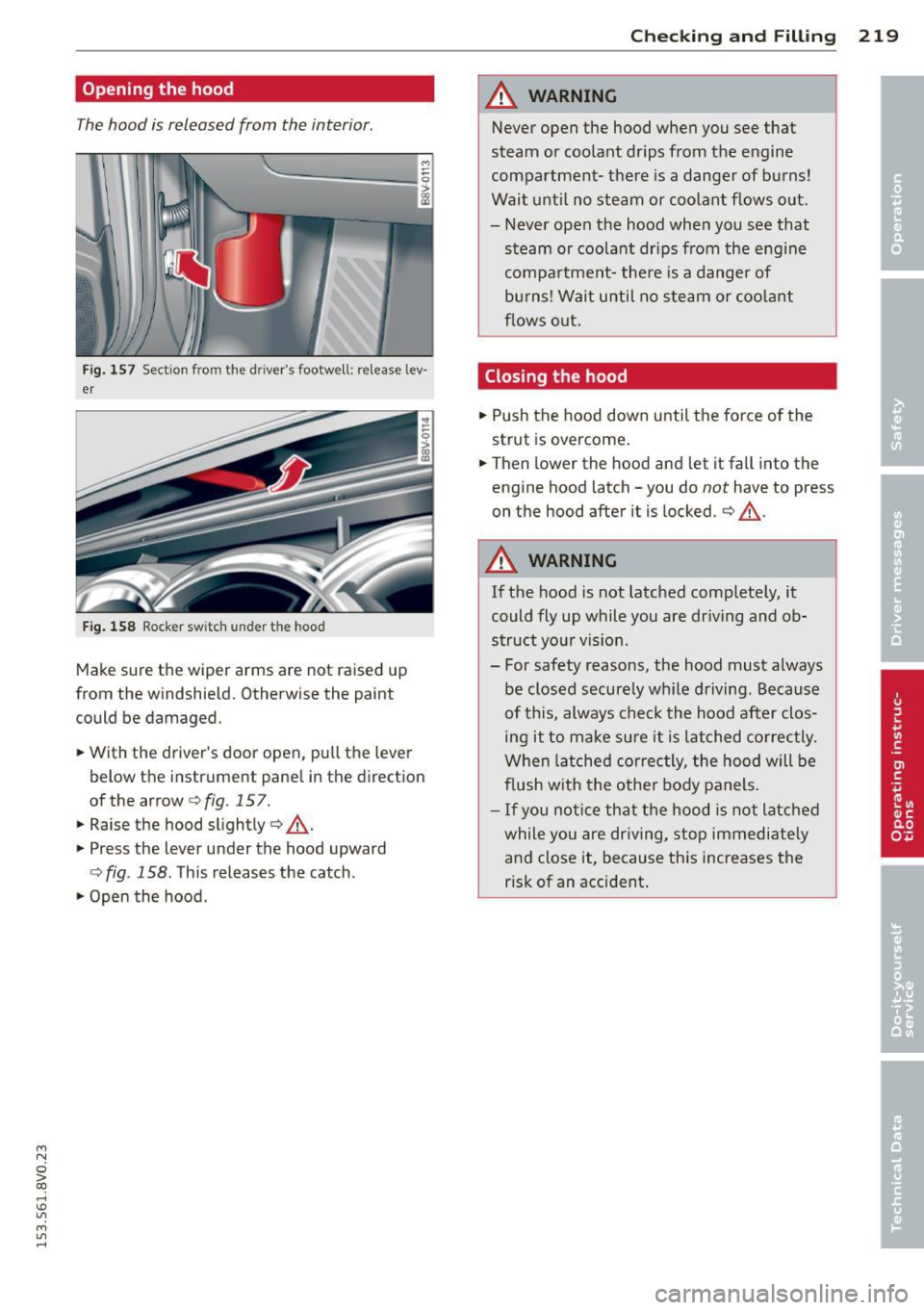
Opening the hood
The hood is released from the interior.
Fig. 157 Sect ion from the driver's footwe ll: release lev·
er
F ig. 158 Rocker switch un de r the hood
Make sure the wiper arms are not raised up
from the windshield. Otherwise the paint
could be damaged.
• With the driver's door open, pu ll the lever
below the instrument pane l in the direction
of the arrow
¢ fig. 157.
• Raise the hood slightly c;, &_ .
• Press the lever under the hood upward
c;, fig . 158. This releases the catch .
• Open the hood .
Che cking and Fillin g 219
A WARNING
Never open the hood when you see that
steam or coo lant drips from t he e ngine
compartment· there is a danger of burns!
Wait unti l no steam or coolant flows o ut.
- Never open the hood when you see that
steam or coo lant dr ips from the engine
compa rtment- the re is a dange r of
bu rns! Wai t until no ste am or coo lan t
flows o ut.
Closing the hood
• Push the hood down unti l the fo rce of the
strut is overcome .
• Then lower the hood and let it fall into the
engine hood latch -you do
not have to press
on the hood after it is locked.
c;, &_ .
A WARNING
If the hood is not latched complete ly, it
could fly up while you are dr iv ing and ob
struct you r vis io n.
- For safety reasons, the hood must always
be closed secure ly wh ile d riving. Because
of this, always check the hood after clos
ing it to make sure it is lat ched co rrectly.
When latched correc tly, the hood will be
f lush w ith the othe r body panels .
-If you no tic e th at t he hood is not latched
while you are dr iving, stop immedi ately
and close it, because this increases the
ris k of an accident .
Page 228 of 310
226 Checking and Fill in g
- Do not add any type of radiator leak sea l
ant to your ve hicle's engine coolant.
Adding rad iator repair fluid may adverse
ly affect the function and performance of
your cooling system and could result in damage not covered by your New Vehicle
Limited Warranty.
Adding coolant
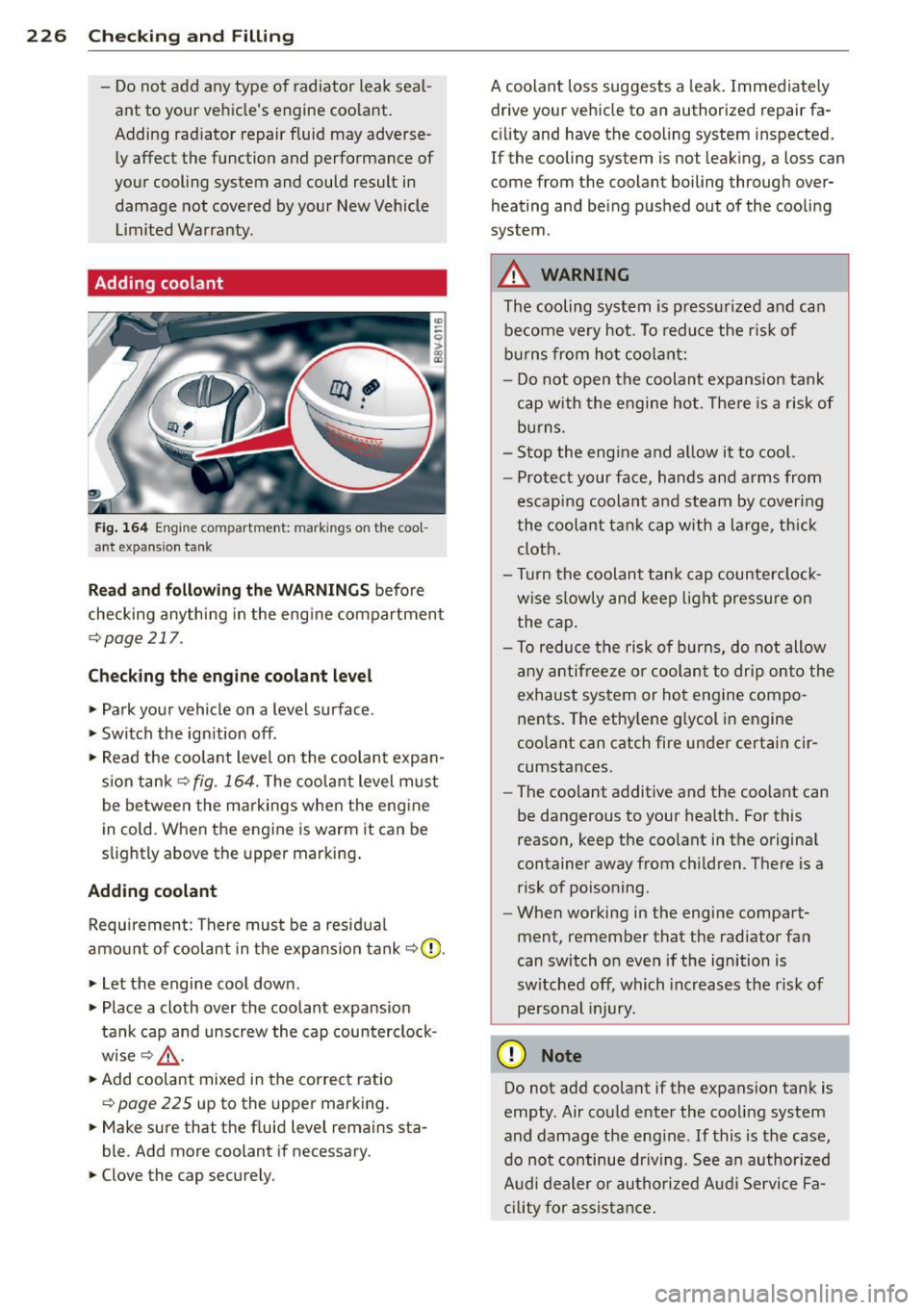
Fig . 164 Engine co mpa rtment: mark in gs on the coo l
ant expans ion tank
R ea d a nd f ollow ing th e W ARNING S before
checking anything in the eng ine compartment
¢ page 217.
Ch eck ing t he e ngi ne coolant level
"Park your vehicle on a level surface .
.. Switch the ign ition off .
" Read the coo lant level on the coolant expan
s ion tank ¢
fig. 164. The coo lant level must
be between the markings when the eng ine
in cold. When the engine is warm it can be
sl ightly above the upper marking .
Adding coolan t
Requirement : There must be a residual
amount of coolant in the expansion tank ¢(D .
.. Let the engine cool down.
" Place a cloth over the coolant expansion
tank cap and unscrew the cap counterclock
wise ¢&_ .
.. Add coolant mixed in the correct ratio
¢ page 225 up to the upper marking.
.. Make sure that the fluid level remains sta
ble. Add more coolant if necessary.
" Clove the cap securely. A coolant loss suggests a
leak. Immediately
drive your vehicle to an authorized repair fa
c ility and have the cooling system inspected.
If the cooling system is not leaking, a loss can
come from the coolant boiling through over
heating and being pushed out of the cooling
system.
A WARNING
The cooling system is press urized and can
become very hot. To reduce the r isk of
b urns from hot coolant:
- Do not open the coolant expansion tank
cap with the engine ho t. T here is a risk of
burns.
- Stop the eng ine and a llow it to cool.
- Protect your face, hands and arms from
escaping coolant and steam by covering
the coolant tan k cap with a large, th ick
cloth.
- Turn the coolan t tank cap counterclock
wise slowly and keep light pressure on
the cap .
- To reduce the risk of burns, do not allow
any antifreeze or coolant to drip onto the
exhaust system or hot engine compo
nents. The ethy lene g lycol in engine
coo lant can catch fire under certain cir
cumstances.
- The coolant additive and the coolant can
be dangerous to your health . For this
reason, keep the coo lant in the origina l
container away from ch ildren . There is a
risk of poisoning.
- When working in the engine compart
ment, remember that the rad iator fan
can switch on even if the ignition is
sw itched off, which increases the risk of
pe rsonal injury.
(D Note
Do not add coolant if the expansion tank is
empty . Air could enter the cooling system
and damage the eng ine .
If this is the case,
do no t continue dr iving. See a n author ized
A udi dealer or authori zed Aud i Service Fa
cility for assist ance.
Page 230 of 310
228 Check ing and F illin g
8_ WARNING
-Brake fluid is poiso nous. It must be sto r
ed only in th e closed original container
out o f the reach of children!
- Brake fa ilure can result from old or inap
propriate brake fluid. Observe these pre
caut ions:
- Use only brake fluid that meets SAE specification
J 1703 and conforms to
Federal Motor Vehicle Standard 116.
Always check with your authorized Audi
dealer to make sure you are using the
correct brake flu id. The correct type of
brake fluid is also indicated on the
b rake fluid reservoir.
- The brake fluid must be new. Heavy use
of the brakes can cause a vapor lock if
the brake fluid is left in the system too
l ong. This can serious ly affect the effi
ciency of the bra kes as well as yo ur
safety . This could result in an acc ident.
@ Note
Brake flu id will damage the paint of your
veh icle.
@i For the sake of the environment
Because of the problem of proper d isposa l
of brake flu id as we ll as the special tools
requ ired and the ne cessary expert ise, we
recommend that you have the brake fluid
changed by your author ized Audi dealer .
Battery
General information
The battery in your Audi does not need any
maintena nce under
normal operating condi
tions. Aud i recommends having the elect ro
l yte level check by a n author ized Audi dealer
or author ized Audi Se rv ice Facili ty when there
are
high outside temperat ures or when driving
all day. The e lectrolyte level shou ld a lso be
checked each time the battery is charged
¢ page 230.
Have the batte ry checked when yo u bring your
vehicle in for an inspection . It is a good idea
to replace the battery if it is more than 5 years
o ld.
D uring certain types of airbag deployments,
the battery is disconnected from the vehicle electrical system for safety reasons¢
& in
Repair, care and disposal of the airbags on
page 160.
Di sconnecting the battery te rminals
Some vehicle functions (such as power win
dows) are not avai lable when the battery is
disconnected. These functions must be pro
grammed after the battery is reconnected. To
avo id hav ing to do this, only disconnect the
battery from the vehicle electrical system
when that is necessary to perform repairs .
To reprogram the functions, proceed as fol
lows:
Function Reprogramming
Power window one-¢ page 44, Correcting
touch up/down power window ma/-
function functions
Remote control key
If the vehicle does not
or r
eact to the key, it
convenience key must be synchronized
¢ page37
Dig ita l cl ock ¢page 10
ESC indicator light The indicator light
goes out after driving
a few meters
Not running the vehicle for long periods
of time
If you do not drive your vehicle fo r several
days or weeks, electrical components are
gradua lly reduced or switched off. This re
duces e nergy consumption and maintains the
vehicle's ability to start over a long per iod of
time
¢ page 194. Some convenie nce func
tions, such as interior lig hting or power seats *
may not work. These convenience functions
will be ava ilable again once you switch the ig-
nition on and start the engine. .,.