check engine light CHEVROLET CAMARO 1982 Repair Guide
[x] Cancel search | Manufacturer: CHEVROLET, Model Year: 1982, Model line: CAMARO, Model: CHEVROLET CAMARO 1982Pages: 875, PDF Size: 88.64 MB
Page 352 of 875

GM – CAMARO 1982-1992 – Repair Guide (Checked by WxMax) 352
To prevent serious damage to the alte
rnator and the rest of the charging
system, the following precauti ons must be observed:
• Never reverse the battery connections.
• Booster batteries for starting must be connected properly: positive-to-
positive and negative-to-ground.
• Disconnect the battery cables before using a fast charger; the charger
has a tendency to force current through the diodes in the opposite
direction for which they were designed. This burns out the diodes.
• Never use a fast charger as a booster for starting the vehicle.
• Never disconnect the voltage regulator while the engine is running.
• Avoid long soldering times when replacing diodes or transistors.
Prolonged heat is damaging to AC alternators.
• Do not use test lamps of more t han 12 volts (V) for checking diode
continuity.
• Do not short across or ground any of the terminals on the AC alternator.
• The polarity of the battery, alter nator, and regulator must be matched
and considered before making any elec trical connections within the
system.
• Never operate the alternator on an open circuit. make sure that all
connections within the circ uit are clean and tight.
• Disconnect the battery terminals when performing any service on the
electrical system. This wil l eliminate the possibility of accidental reversal
of polarity.
• Disconnect the battery ground cable if arc welding is to be done on any
part of the car.
CHARGING SYSTEM TROUBLESHOOTING
There are many possible ways in whic h the charging system can malfunction.
Often the source of a problem is diffi cult to diagnose, requiring special
equipment and a good deal of experience. However, when the charging system
fails completely and causes the dash boar d warning light to come on or the
battery to become dead the following items may be checked:
1. The battery is known to be good and fully charged.
2. The alternator belt is in good condition and adjusted to the proper
tension.
3. All connections in t he system are clean and tight.
REMOVAL & INSTALLATION
Page 431 of 875
GM – CAMARO 1982-1992 – Repair Guide (Checked by WxMax) 431
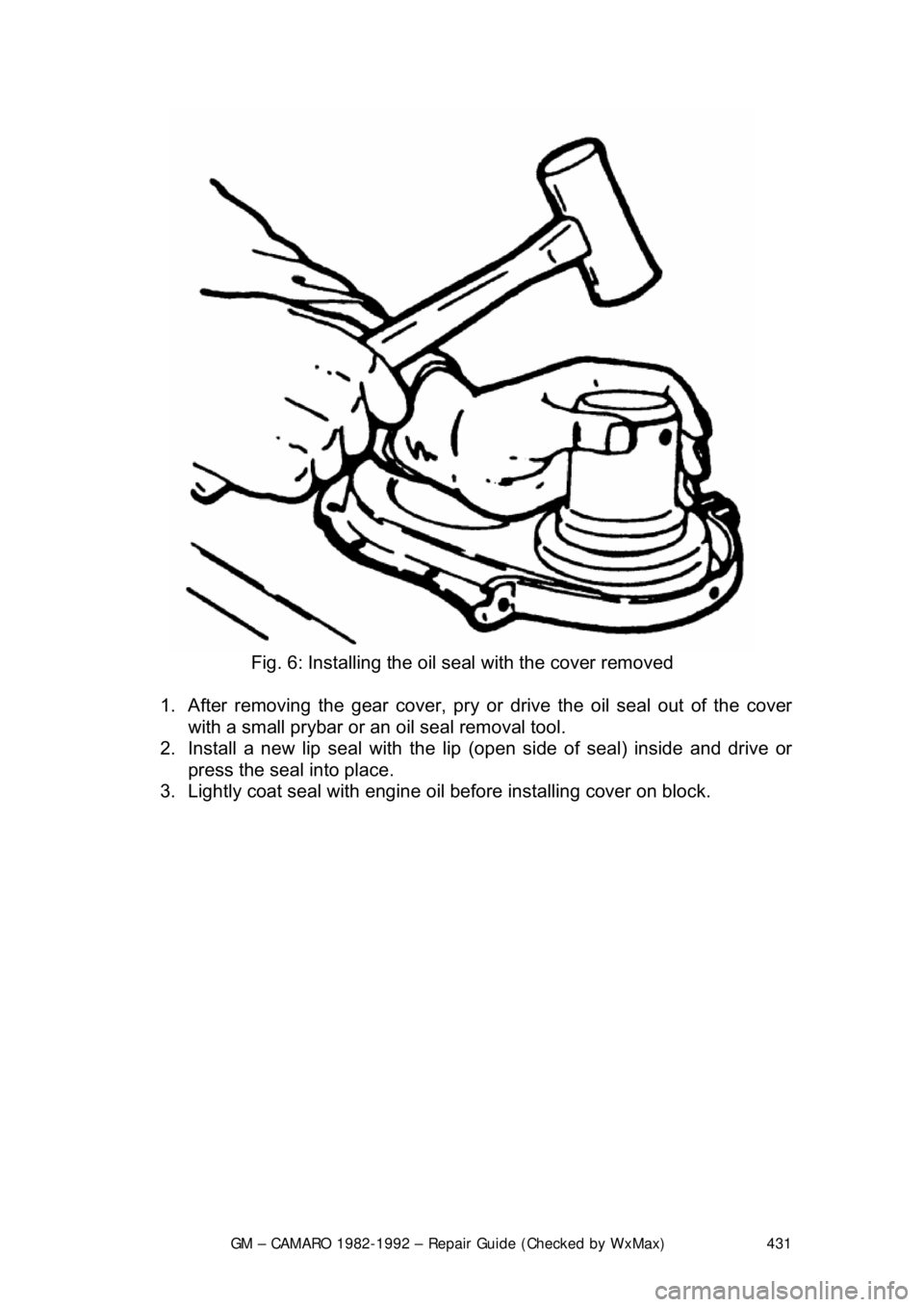
Fig. 6: Installing the oil seal with the cover removed
1. After removing the gear cover, pry or drive the oil seal out of the cover
with a small prybar or an oil seal removal tool.
2. Install a new lip seal with the lip (open side of seal) inside and drive or
press the seal into place.
3. Lightly coat seal with engine oil before installing cover on block.
Page 433 of 875
GM – CAMARO 1982-1992 – Repair Guide (Checked by WxMax) 433
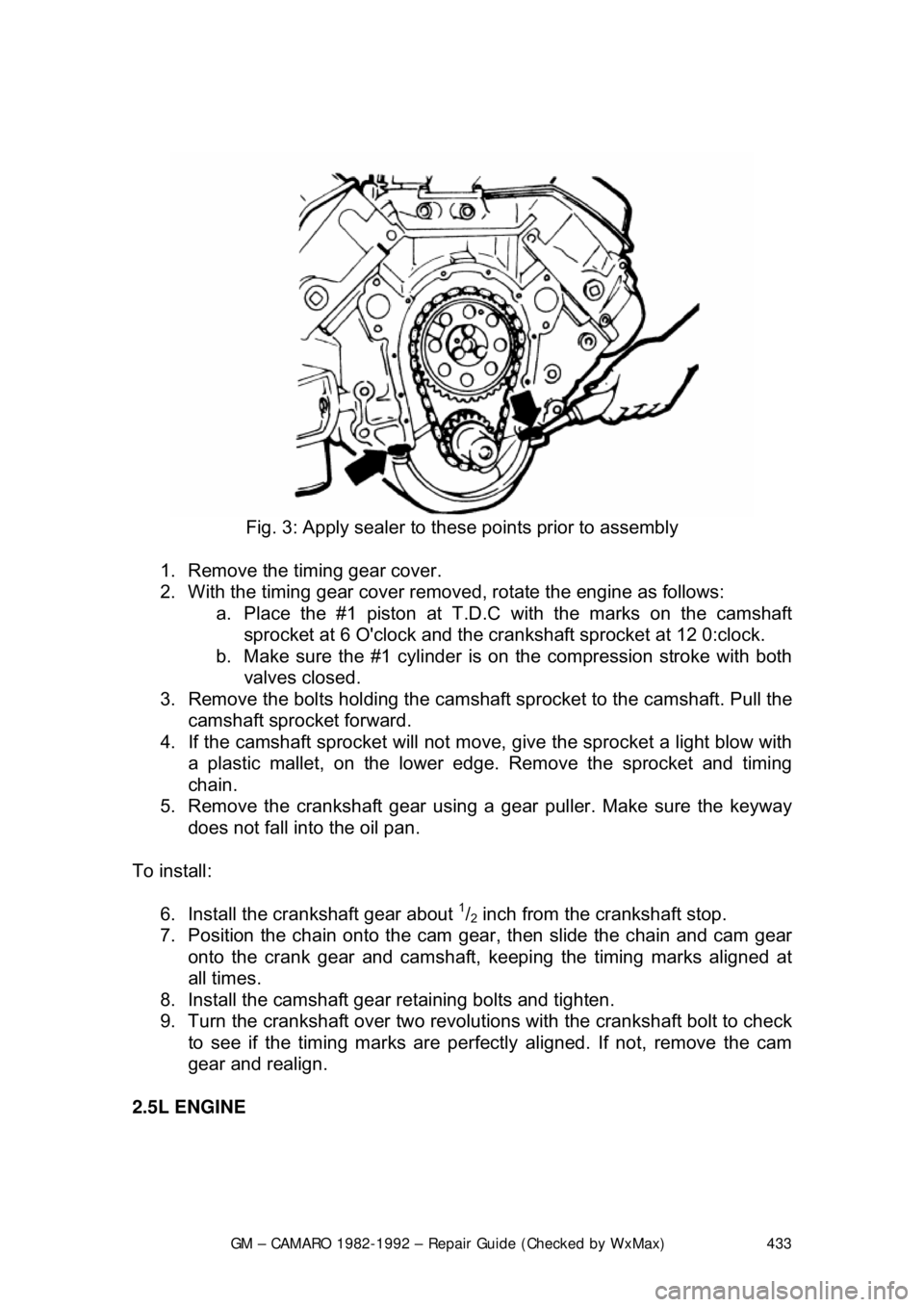
Fig. 3: Apply sealer to t hese points prior to assembly
1. Remove the timing gear cover.
2. With the timing gear cover remov ed, rotate the engine as follows:
a. Place the #1 piston at T.D. C with the marks on the camshaft
sprocket at 6 O'clock and the cranks haft sprocket at 12 0:clock.
b. Make sure the #1 cylinder is on the compression stroke with both
valves closed.
3. Remove the bolts holding the cams haft sprocket to the camshaft. Pull the
camshaft sprocket forward.
4. If the camshaft sprocket will not move, give the sprocket a light blow with
a plastic mallet, on the lower edge. Remove the sprocket and timing
chain.
5. Remove the crankshaft gear using a gear puller. Make sure the keyway
does not fall into the oil pan.
To install: 6. Install the crankshaft gear about
1/2 inch from the crankshaft stop.
7. Position the chain onto the cam gear, then slide the chain and cam gear
onto the crank gear and camshaft, keepi ng the timing marks aligned at
all times.
8. Install the camshaft gear retaining bolts and tighten.
9. Turn the crankshaft over two revolutions with the crankshaft bolt to check to see if the timing marks are perfectly aligned. If not, remove the cam
gear and realign.
2.5L ENGINE
Page 453 of 875
GM – CAMARO 1982-1992 – Repair Guide (Checked by WxMax) 453
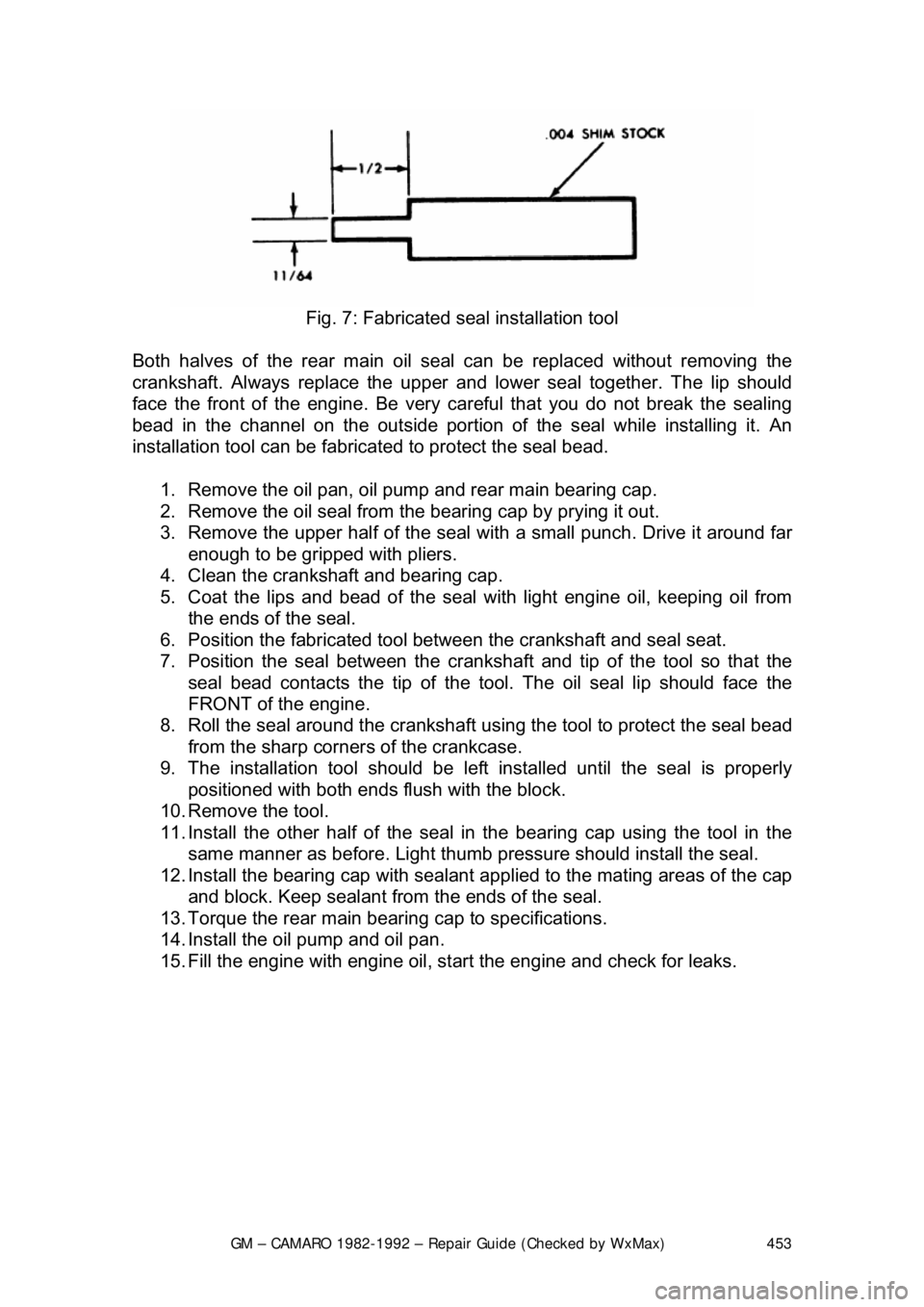
Fig. 7: Fabricated s eal installation tool
Both halves of the rear main oil s eal can be replaced without removing the
crankshaft. Always replace the upper and lower seal together. The lip should
face the front of the engine. Be very ca reful that you do not break the sealing
bead in the channel on the out side portion of the seal while installing it. An
installation tool can be fabricat ed to protect the seal bead.
1. Remove the oil pan, oil pump and rear main bearing cap.
2. Remove the oil seal from the bearing cap by prying it out.
3. Remove the upper half of the seal wit h a small punch. Drive it around far
enough to be gripped with pliers.
4. Clean the crankshaft and bearing cap.
5. Coat the lips and bead of the seal with light engine oil, keeping oil from
the ends of the seal.
6. Position the fabricated tool bet ween the crankshaft and seal seat.
7. Position the seal between the cranks haft and tip of the tool so that the
seal bead contacts the ti p of the tool. The oil seal lip should face the
FRONT of the engine.
8. Roll the seal around the crankshaft us ing the tool to protect the seal bead
from the sharp corner s of the crankcase.
9. The installation tool should be le ft installed until the seal is properly
positioned with both ends fl ush with the block.
10. Remove the tool.
11. Install the other half of the seal in the bearing cap using the tool in the
same manner as before. Light thumb pressure should install the seal.
12. Install the bearing cap with sealant applied to the mating areas of the cap
and block. Keep sealant from the ends of the seal.
13. Torque the rear main bear ing cap to specifications.
14. Install the oil pump and oil pan.
15. Fill the engine with engine oil, st art the engine and check for leaks.
Page 465 of 875
GM – CAMARO 1982-1992 – Repair Guide (Checked by WxMax) 465
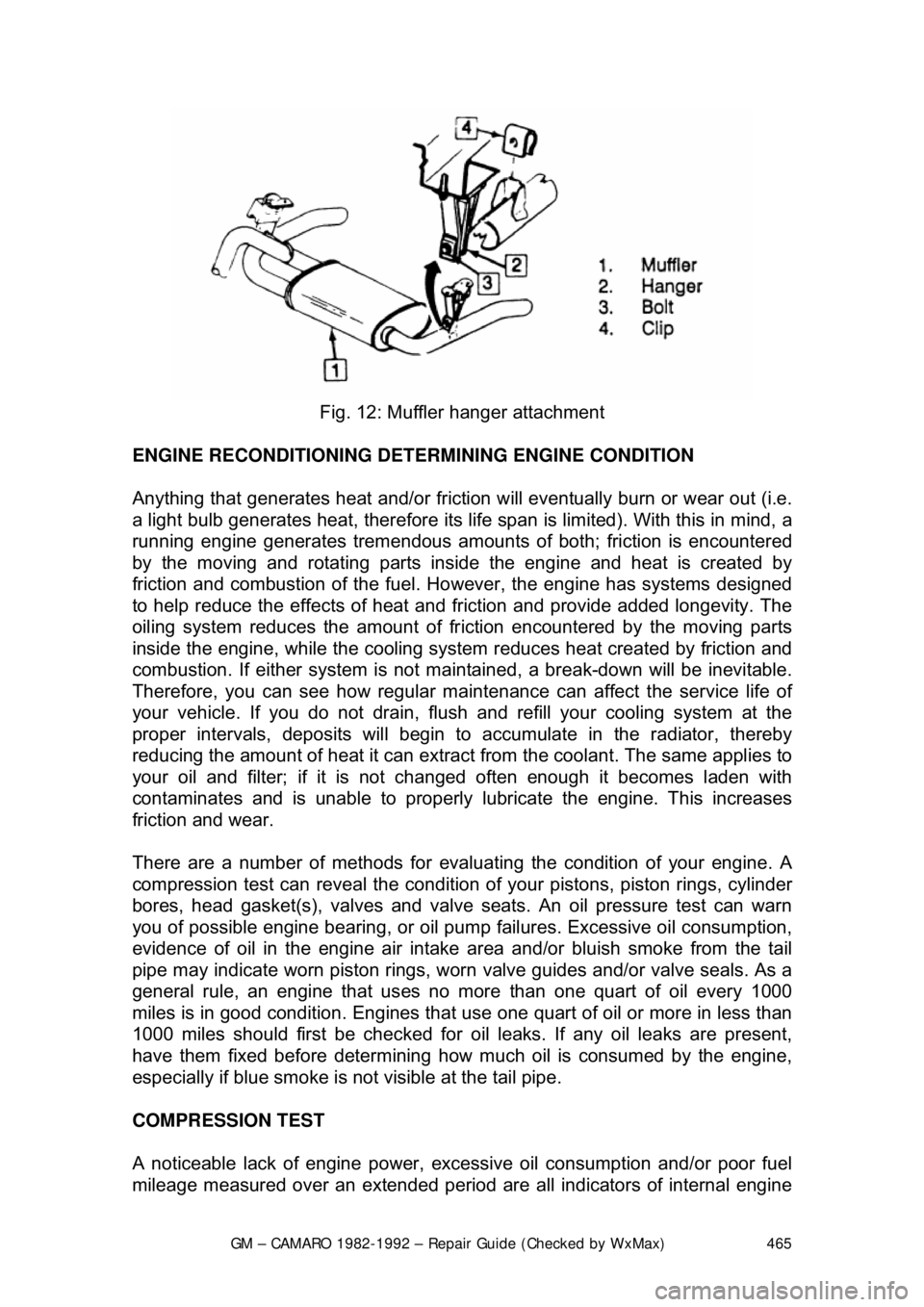
Fig. 12: Muffler hanger attachment
ENGINE RECONDITIONING DETE RMINING ENGINE CONDITION
Anything that generates heat and/or friction will eventually burn or wear out (i.e.
a light bulb generates heat, therefore its life span is limited). With this in mind, a
running engine generates trem endous amounts of both; friction is encountered
by the moving and rotating parts inside the engine and heat is created b\
y
friction and combustion of the fuel. Ho wever, the engine has systems designed
to help reduce the effects of heat and fr iction and provide added longevity. The
oiling system reduces the amount of fr iction encountered by the moving parts
inside the engine, while the cooling system reduces heat created by friction and
combustion. If either system is not main tained, a break-down will be inevitable.
Therefore, you can see how regular main tenance can affect the service life of
your vehicle. If you do not drain, flush and refill your cooling system at the
proper intervals, deposits will begin to accumulate in the radiator, thereby
reducing the amount of heat it can extrac t from the coolant. The same applies to
your oil and filter; if it is not changed often enoug h it becomes laden with
contaminates and is unable to properly lubricate the engine. This increases
friction and wear.
There are a number of methods for evaluat ing the condition of your engine. A
compression test can reveal the condition of your pistons, piston rings, cylinder
bores, head gasket(s), valves and valve seat s. An oil pressure test can warn
you of possible engine bearing, or oil pump failures. Excessive oil consumption,
evidence of oil in the engine air intake area and/or bluish smoke from the tail
pipe may indicate worn piston rings, worn valve guides and/or valve seals. As a
general rule, an engine that uses no more than one quart of oil every 1000
miles is in good condi tion. Engines that use one quart of oil or more in less than
1000 miles should first be checked for oil leaks. If any oil leaks are present,
have them fixed before dete rmining how much oil is consumed by the engine,
especially if blue smoke is not visible at the tail pipe.
COMPRESSION TEST
A noticeable lack of engine power, excessive oil consumption and/or poor fuel
mileage measured over an extended period are all indicators of internal engine
Page 466 of 875
GM – CAMARO 1982-1992 – Repair Guide (Checked by WxMax) 466
wear. Worn piston rings, scored or wo
rn cylinder bores, blown head gaskets,
sticking or burnt valves, and worn valve seats are all possible culprits. A check
of each cylinder's compression will help locate the problem.
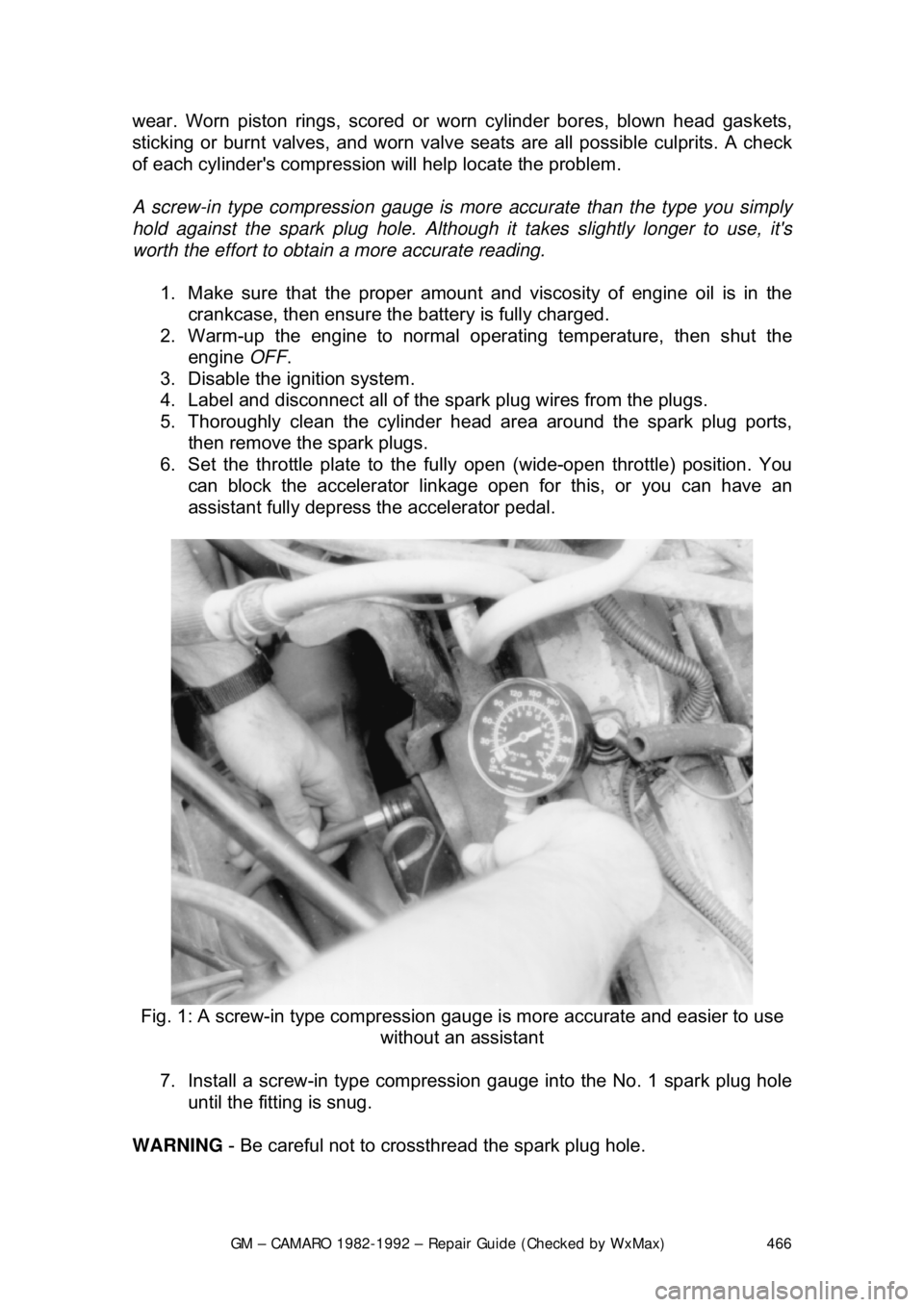
A screw-in type compression gauge is more accurate than the type you simply
hold against the spark plug hole. Although it takes slightly longer to use, it's
worth the effort to obtain a more accurate reading.
1. Make sure that the proper amount and viscosity of engine oil is in the
crankcase, then ensure the battery is fully charged.
2. Warm-up the engine to normal operat ing temperature, then shut the
engine OFF.
3. Disable the ignition system.
4. Label and disconnect all of the spark plug wires from the plugs.
5. Thoroughly clean the cylinder h ead area around the spark plug ports,
then remove the spark plugs.
6. Set the throttle plate to the fully open (wide-open throttle) position. You
can block the accelerator linkage open for this, or you can have an
assistant fully depress the accelerator pedal.
Fig. 1: A screw-in type compression gauge is more accurate and easier to use
without an assistant
7. Install a screw-in type compression gauge into the No. 1 spark plug hole
until the fitting is snug.
WARNING - Be careful not to crossthread the spark plug hole.
Page 470 of 875
GM – CAMARO 1982-1992 – Repair Guide (Checked by WxMax) 470
•
Never hot tank aluminum parts (the c austic hot tank solution will eat the
aluminum.
• Remove all aluminum parts (identif ication tag, etc.) from engine parts
prior to the tanking.
• Always coat threads lightly with engine oil or anti-seize compounds
before installation, to prevent seizure.
• Never overtighten bolts or spark plugs especially in aluminum threads.
When assembling the engine, any parts that will be exposed to frictional contact
must be prelubed to provide lubricatio n at initial start-up. Any product
specifically formulated for this purpos e can be used, but engine oil is not
recommended as a prelube in most cases.
When semi-permanent (locked, but removabl e) installation of bolts or nuts is
desired, threads should be cleaned and coat ed with Loctite® or another similar,
commercial non-hardening sealant.
CLEANING
Before the engine and its components ar e inspected, they must be thoroughly
cleaned. You will need to remove any eng ine varnish, oil sludge and/or carbon
deposits from all of the com ponents to insure an accurate inspection. A crack in
the engine block or cylinder head can eas ily become overlooked if hidden by a
layer of sludge or carbon.
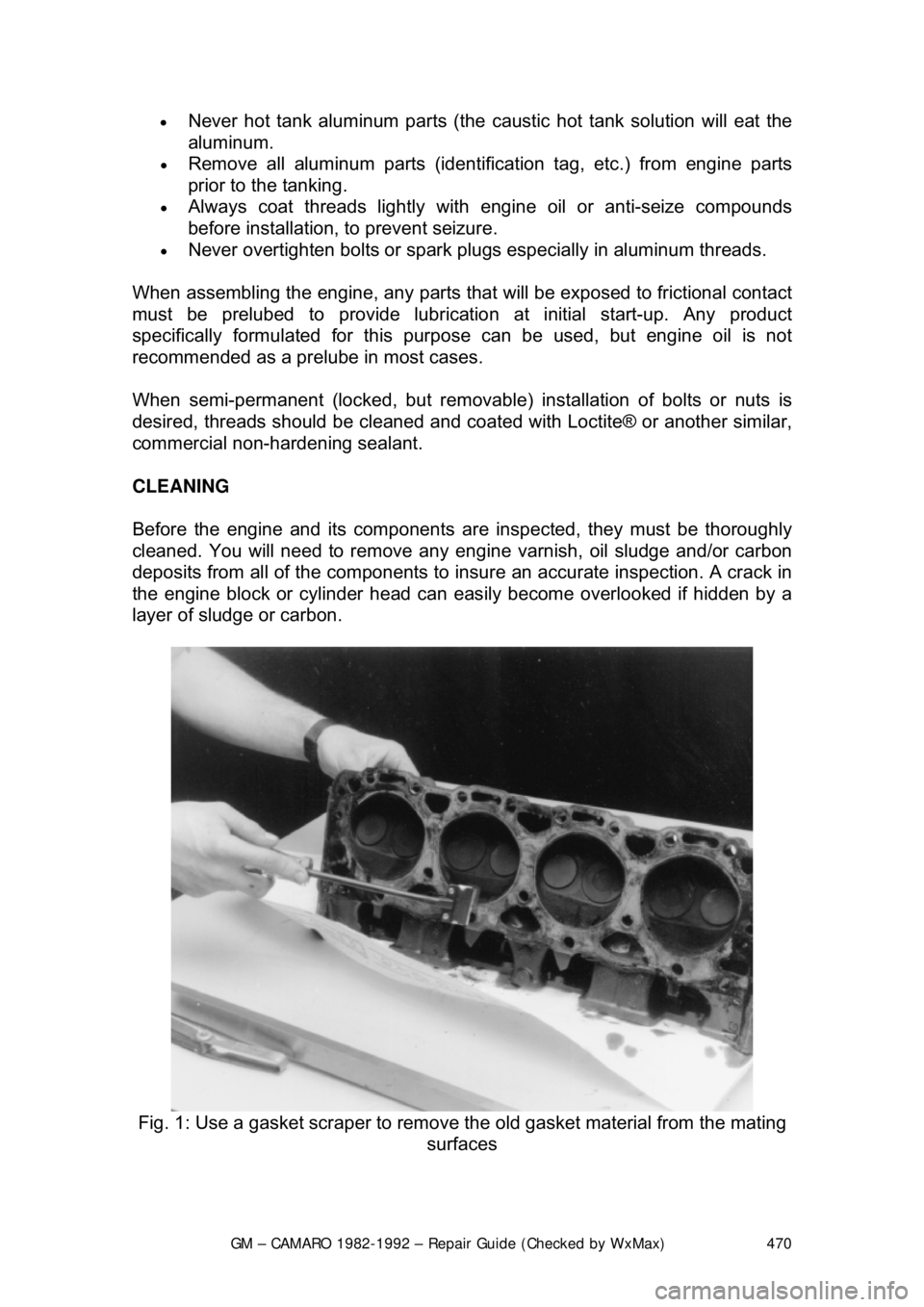
Fig. 1: Use a gasket scraper to remove t he old gasket material from the mating
surfaces
Page 477 of 875

GM – CAMARO 1982-1992 – Repair Guide (Checked by WxMax) 477
Most cylinder heads these days are made of
an aluminum alloy due to its light
weight, durability and heat transfer qualit ies. However, cast iron was the
material of choice in the past, and is st ill used on many vehicles today. Whether
made from aluminum or iron, all cylinder heads hav e valves and seats. Some
use two valves per cylinder, while the more hi-tech engines will utilize a multi-
valve configuration using 3, 4 and
even 5 valves per cylinder. When the va lve contacts the seat, it does so on
precision machined surfaces, which seal s the combustion chamber. All cylinder
heads have a valve guide for each valve. The guide centers the valve to the
seat and allows it to move up and down within it. The clearance between the
valve and guide can be critical. Too much clearance and the engine may
consume oil, lose vacuum and/or damage the seat. Too little, and the valve can
stick in the guide causing t he engine to run poorly if at all, and possibly causing
severe damage. The last component all cylinder heads have are valve springs.
The spring holds the valve against its s eat. It also returns the valve to this
position when the valve has been opened by the valve train or camshaft. The
spring is fastened to the valve by a retainer and valve locks (sometime\
s called
keepers). Aluminum heads will also have a valve spring shim to keep the spring
from wearing away the aluminum.
An ideal method of rebuilding the cylin der head would involve replacing all of
the valves, guides, seats, springs, et c. with new ones. However, depending on
how the engine was maintained, often this is not necessary. A major cause of
valve, guide and seat wear is an improperly tuned engine. An engine that is
running too rich, will often wash the lubric ating oil out of the guide with gasoline,
causing it to wear rapidly. Conversely, an engine which is running too lean will
place higher combustion temperatures on the valves and seats allowing them to
wear or even burn. Springs fall victim to the driving habits of the individual. A
driver who often runs the engine rpm to the redline will wear out or break the
springs faster then one that stays well below it. Unfortunately, mileage takes it
toll on all of the parts. G enerally, the valves, guides, springs and seats in a
cylinder head can be machined and re-used, saving you money. However, if a
valve is burnt, it may be wise to replace all of the valves, since they were all
operating in the same environment. The same goes for any other component\
on
the cylinder head. Think of it as an insurance policy against future problems
related to that component.
Unfortunately, the only way to find out wh ich components need replacing, is to
disassemble and carefully check each piece. After the cylinder head(s) are
disassembled, thoroughly clean all of the components.
DISASSEMBLY
Before disassembling the cylinder head, you may want to fabricate some
containers to hold the various parts, as some of them can be quite small (such
as keepers) and easily lost. Also keeping yourself and the components
organized will aid in assembly and reduce confusion. Where possible, try to
maintain a components original location; th is is especially important if there is
not going to be any machine work performed on the components.
Page 482 of 875
GM – CAMARO 1982-1992 – Repair Guide (Checked by WxMax) 482
If you do not have access to the proper
tools, you may want to bring the
components to a shop that does.
VALVES
The first thing to inspect are the valve heads. Look closely at the head, margin
and face for any cracks, excessive wear or burning. The margin is the best
place to look for burning. It should have a squared edge with an even width all
around the diameter. When a valve burns, the margin will look melted and the
edges rounded. Also inspect the valve head for any signs of tulipping. This will
show as a lifting of the edges or dishi ng in the center of the head and will
usually not occur to all of the valves. All of the heads should look the same, any
that seem dished more t han others are probably bad. Next, inspect the valve
lock grooves and valve tips. Check fo r any burrs around the lock grooves,
especially if you had to file them to remove the valve. Valve tips should appear
flat, although slight rounding with high mile age engines is normal. Slightly worn
valve tips will need to be machined flat. Last, measure the valve stem diameter
with the micrometer. Measure the area that rides within the guide, especially
towards the tip where most of the wear occurs. Take several measurements
along its length and compare them to each other. Wear should be even along
the length with little to no taper. If no minimum diameter is given in the
specifications, then the stem should not read more than 0.001 in. (0.025mm)
below the specification. Any valves that fail these inspections should be
replaced.
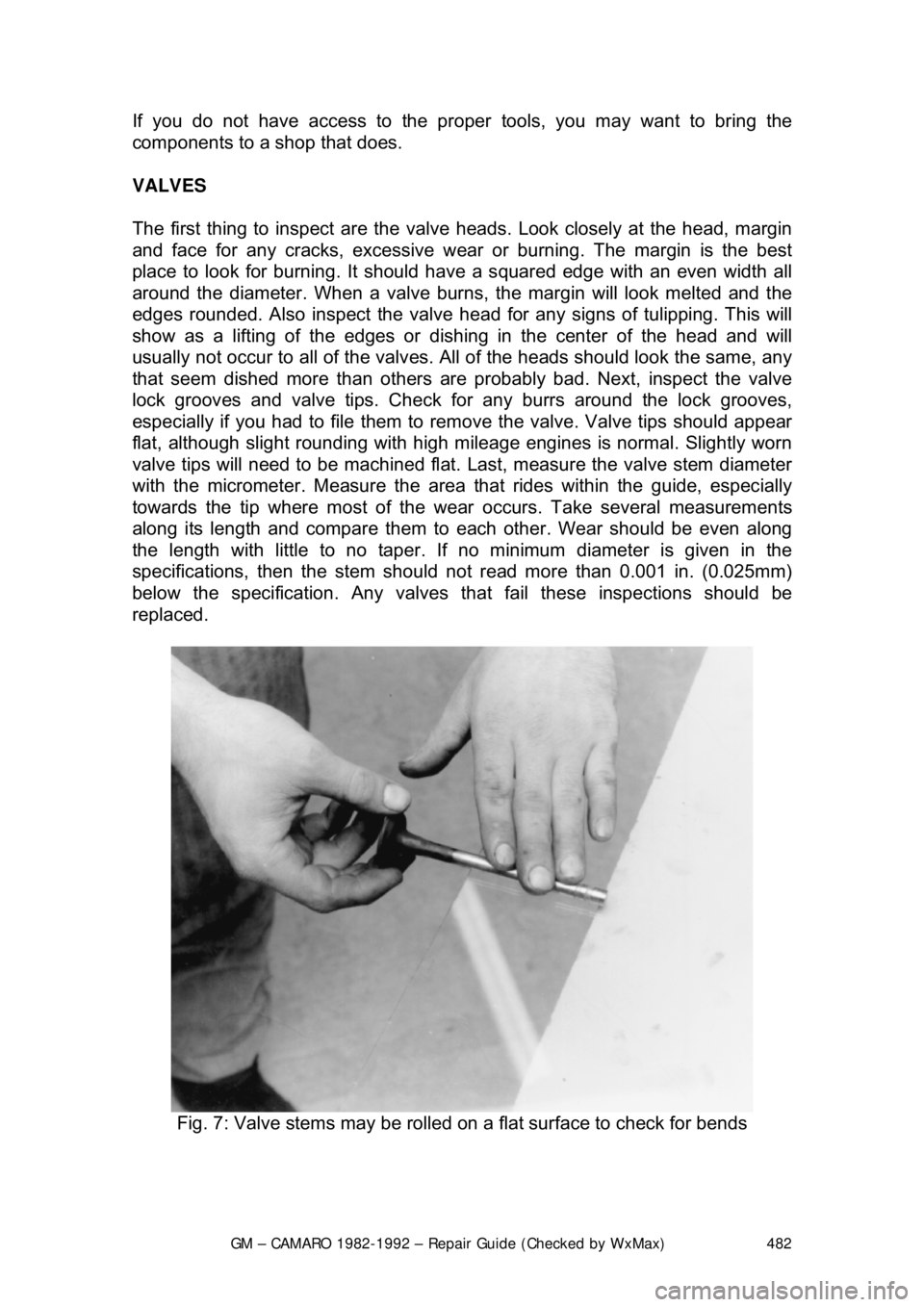
Fig. 7: Valve stems may be rolled on a flat surface to check for bends
Page 487 of 875
GM – CAMARO 1982-1992 – Repair Guide (Checked by WxMax) 487
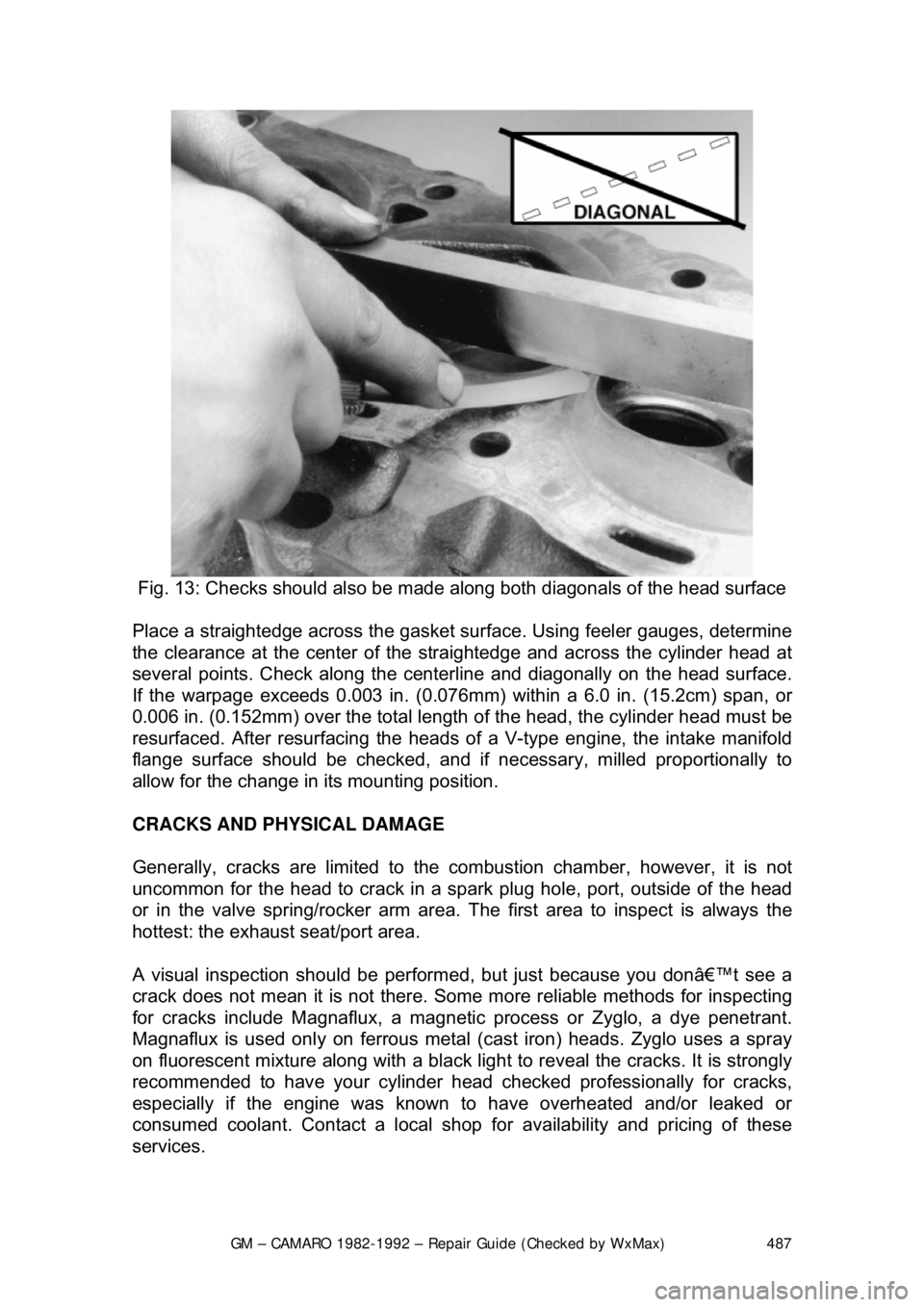
Fig. 13: Checks should also be made al ong both diagonals of the head surface
Place a straightedge across the gasket surf ace. Using feeler gauges, determine
the clearance at the cent er of the straightedge and across the cylinder head at
several points. Check along the centerli ne and diagonally on the head surface.
If the warpage exceeds 0.003 in. (0.076mm) within a 6.0 in. (15.2cm) span, or
0.006 in. (0.152mm) over the total length of the head, the cylinder head must be
resurfaced. After resurfacing the heads of a V-type engine, the intake manifold
flange surface should be checked, and if necessary, milled proportionally to
allow for the change in its mounting position.
CRACKS AND PHYSICAL DAMAGE
Generally, cracks are limited to the comb ustion chamber, however, it is not
uncommon for the head to crack in a s park plug hole, port, outside of the head
or in the valve spring/rocker arm area. The first area to inspect is always the
hottest: the exhaust seat/port area.
A visual inspection should be perform ed, but just because you don’t see a
crack does not mean it is not there. Some more reliable methods for inspecting
for cracks include Magnaflux, a magnetic process or Zyglo, a dye penetrant.
Magnaflux is used onl y on ferrous metal (cast iron) heads. Zyglo uses a spray
on fluorescent mixture along with a black light to reveal the cracks. It is strongly
recommended to have your cylinder head c hecked professionally for cracks,
especially if the engine was known to have overheated and/or leaked or
consumed coolant. Contact a local shop fo r availability and pricing of these
services.