clutch GREAT WALL HOVER 2006 Service Owner's Manual
[x] Cancel search | Manufacturer: GREAT WALL, Model Year: 2006, Model line: HOVER, Model: GREAT WALL HOVER 2006Pages: 425, PDF Size: 26.05 MB
Page 72 of 425
Transmission-33
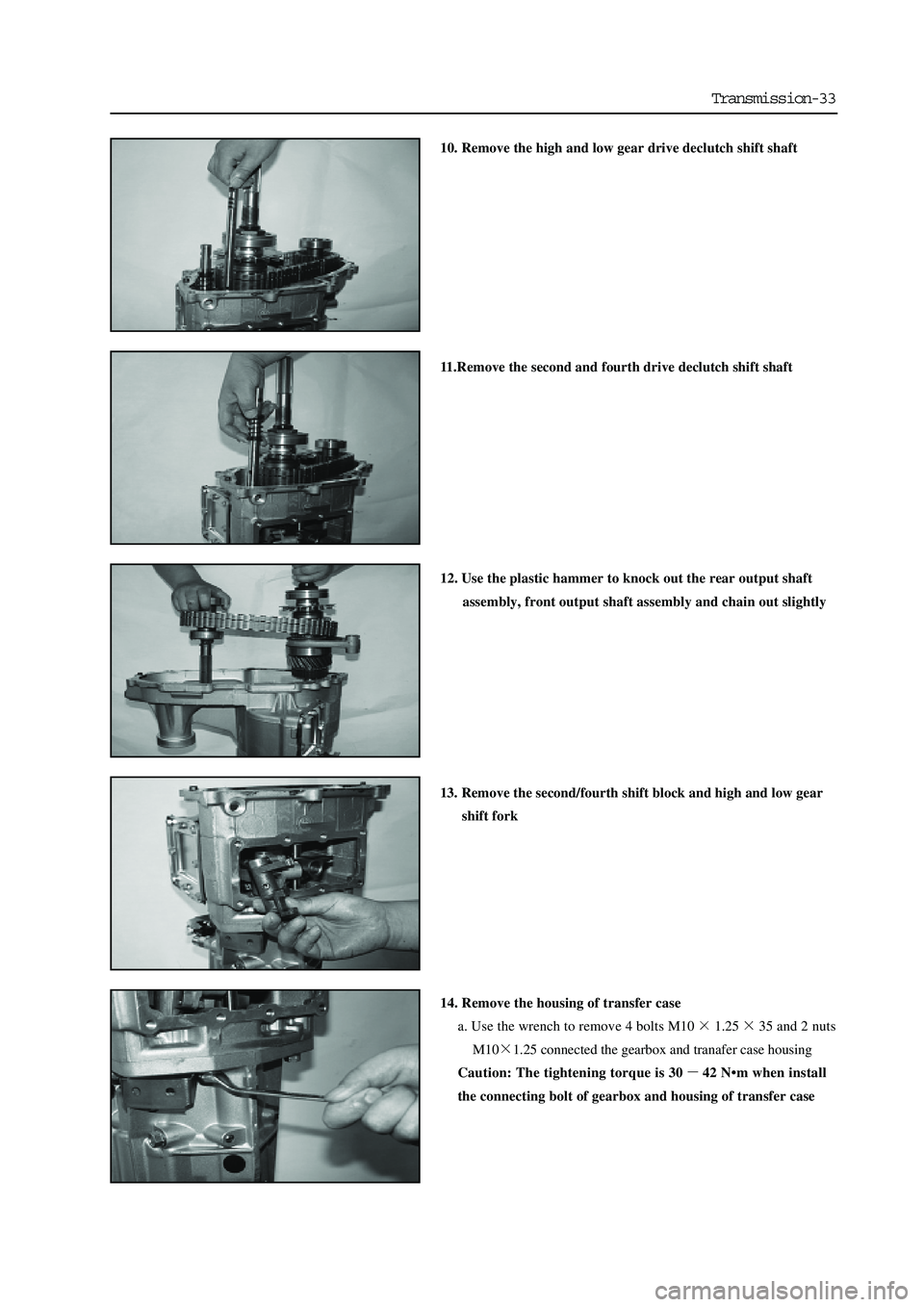
10. Remove the high and low gear drive declutch shift shaft
11.Remove the second and fourth drive declutch shift shaft
12. Use the plastic hammer to knock out the rear output shaft
assembly, front output shaft assembly and chain out slightly
13. Remove the second/fourth shift block and high and low gear
shift fork
14. Remove the housing of transfer case
a. Use the wrench to remove 4 bolts M10
1.2535 and 2 nuts
M10
1.25 connected the gearbox and tranafer case housing
Caution: The tightening torque is 30
42 N•m when install
the connecting bolt of gearbox and housing of transfer case
Page 81 of 425

Automatic transmission-5
Table 2.1 Gear selection and its function
Gear selection function
1st-Gear
(manual 1
st-Gear ) The first gear is using for climbing and braking. It is a function which limits the speed of
the car. The speed limitation by engine is realized by reduce the opening degree of
throttle position.
2nd-Gear (automatic, manual
2
nd-Gear) In economic mode, it can process the 1
st and 2nd shifting operation when engage the 2nd
–Gear. The limitation of vehicle speed by engine is realized through reducing the
opening of throttle position. in 4WD 4 high, , the transmission will maintain 2
nd-Gear
position The manual mode and winter-Mode will only maintain 2nd-Gear 。
3rd-Gear
(automatic, manual 3rd-Gea) In economic mode and dynamic mode, it can process the shifting operation of 1
st, 2nd
and 3rd-Gear when engage the 3rd-Gear, and can reaches the very high vehicle speed. At
this time the locking clutch can process the locking action, refer to vehicle user manual.
The limitation of vehicle speed by engine is realized by reduce the opening of throttle
position. In 4WD 4 low, the transmission should be maintained in 3
rd –Gear position.
Under manual mode, the transmission will be kept in 3rd-Gear.
D-gear
(drive) It can process the 1
st, 2nd, 3rd and 4th –Gear position operation and gear-shifting operation
of (1-2), (1-3), (2-3), (2-4), (3-4), (4-3), (4-2), (3-1) and (2-1). This shifting operation is
processed by taking the vehicle speed, throttle position, throttle position switching
frequency (or forced Gear-decreasing) as the parameter. The locking clutch can process
the locking action in 3rd –Gear, 4
th-Gear according to the type of vehicle. Refer to user
manual of vehicle.
N-Gear
(neutral gear) Only the rear brake belt is engaged at this time. It determines whether the function can
be realized according to the vehicle speed, engine speed and throttle position. But the
gear-position sensor allows the starting of engine. Allow the slide of N-Gear.
R-Gear
(reverse gear) Set the anti-misoperation in forward function according to the vehicle speed, engine
speed and throttle position opening to realize the reverse operation. The gear-position
sensor can start the revers e lamp.
P-gear
(parking gear) Only the rear brake belt is engaged at this time. The function can be determined
according to the vehicle speed, engine speed and throttle position. The output shaft of
transmission is locked. The gear-position sensor can start the engine.
Page 83 of 425
Automatic transmission-7
Indicator lamp
Figure 2.2
control system
General
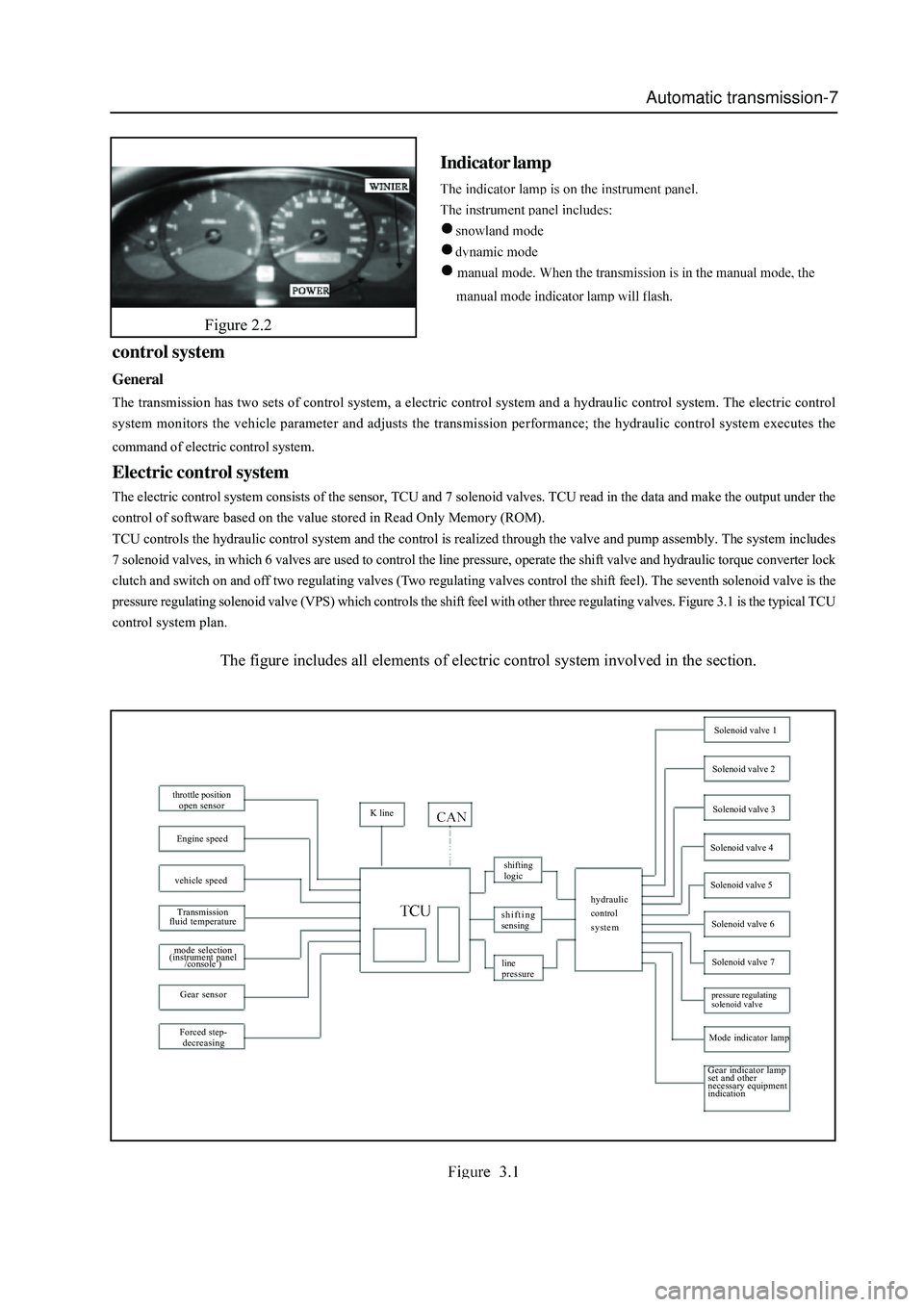
The transmission has two sets of control system, a electric control system and a hydraulic control system. The electric control
system monitors the vehicle parameter and adjusts the transmission performance; the hydraulic control system executes the
command of electric control system.
Electric control system
The electric control system consists of the sensor, TCU and 7 solenoid valves. TCU read in the data and make the output under the
control of software based on the value stored in Read Only Memory (ROM).
TCU controls the hydraulic control system and the control is realized through the valve and pump assembly. The system includes
7 solenoid valves, in which 6 valves are used to control the line pressure, operate the shift valve and hydraulic torque converter lock
clutch and switch on and off two regulating valves (Two regulating valves control the shift feel). The seventh solenoid valve is the
pressure regulating solenoid valve (VPS) which controls the shift feel with other three regulating valves. Figure 3.1 is the typical TCU
control system plan.
The figure includes all elements of electric control system involved in the section.
throttle position
open sensor
Engine speed
vehicle speed
Transmission
fluid temperature
mode selection
(instrument panel
/console )
Gear sensor
Forced step-
decreasingK line
shifting
logic
shifting
sensing
line
pressurehydraulic
control
system
Solenoid valve 1
Solenoid valve 2
Solenoid valve 3
Solenoid valve 4
Solenoid valve 5
Solenoid valve 6
Solenoid valve 7
pressure regulating
solenoid valve
Mode indicator lamp
Gear indicator lamp
set and other
necessary equipment
indication
Page 87 of 425
Automatic transmission-11
Diagnosis input
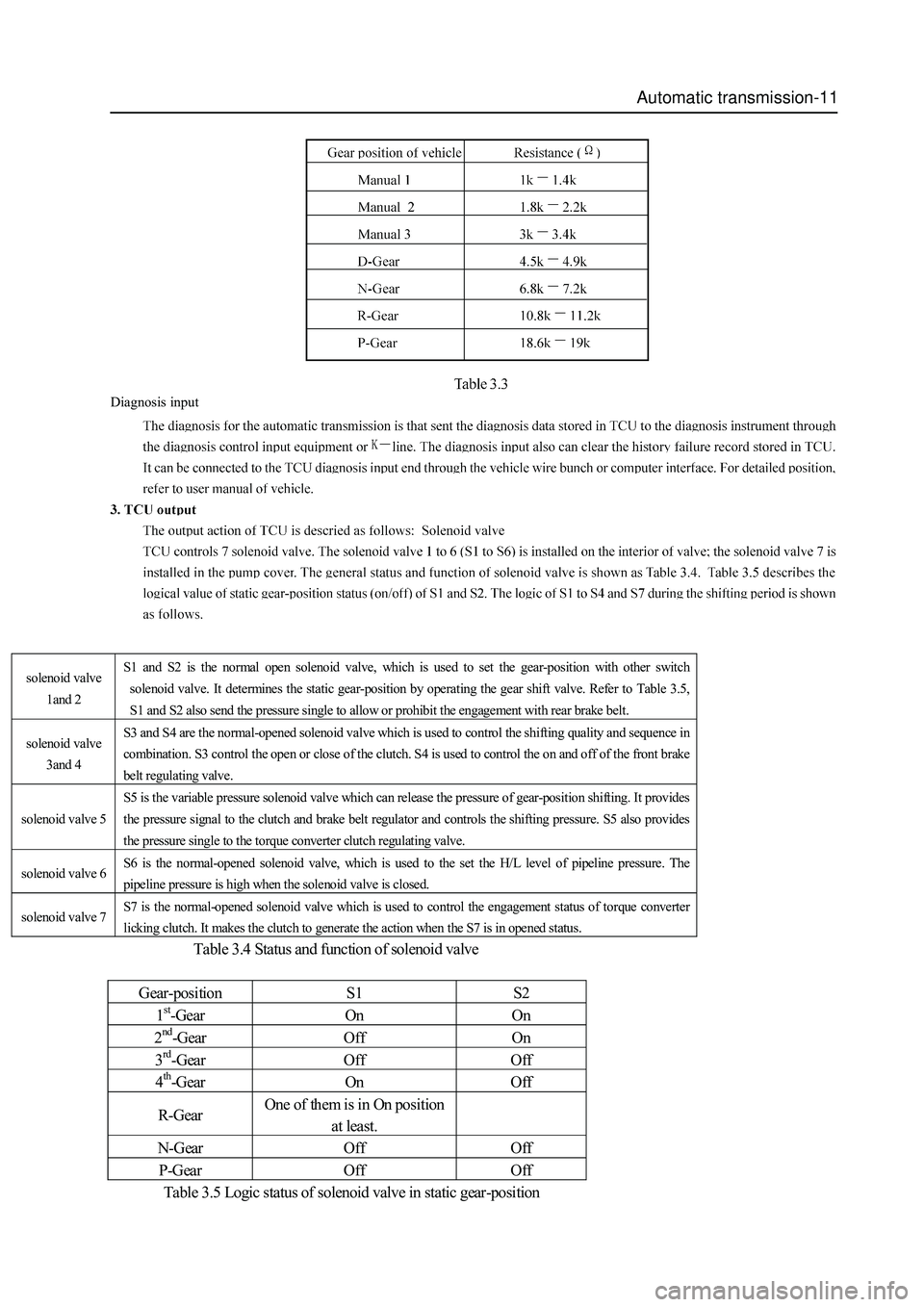
solenoid valve
1and 2 S1 and S2 is the normal open solenoid valve, which is used to set the gear-position with other switch
solenoid valve. It determines the static gear-position by operating the gear shift valve. Refer to Table 3.5,
S1 and S2 also send the pressure single to allow or prohibit the engagement with rear brake belt.
solenoid valve
3and 4 S3 and S4 are the normal-opened solenoid valve which is used to control the shifting quality and sequence in
combination. S3 control the open or close of the clutch. S4 is used to control the on and off of the front brake
belt regulating valve.
solenoid valve 5 S5 is the variable pressure solenoid valve which can release the pressure of gear-position shifting. It provides
the pressure signal to the clutch and brake belt regulator and controls the shifting pressure. S5 also provides
the pressure single to the torque converter clutch regulating valve.
solenoid valve 6 S6 is the normal-opened solenoid valve, which is used to the set the H/L level of pipeline pressure. The
pipeline pressure is high when the solenoid valve is closed.
solenoid valve 7 S7 is the normal-opened solenoid valve which is used to control the engagement status of torque converter
licking clutch. It makes the clutch to generate the action when the S7 is in opened status.
Table 3.4 Status and function of solenoid valve
Gear-position S1 S2
1st-Gear On On
2nd-Gear Off On
3rd-Gear Off Off
4th-Gear On Off
R-Gear One of them is in On position
at least.
N-Gear Off Off
P-Gear Off Off
Table 3.5 Logic status of solenoid valve in static gear-position
Page 88 of 425
Automatic transmission-12
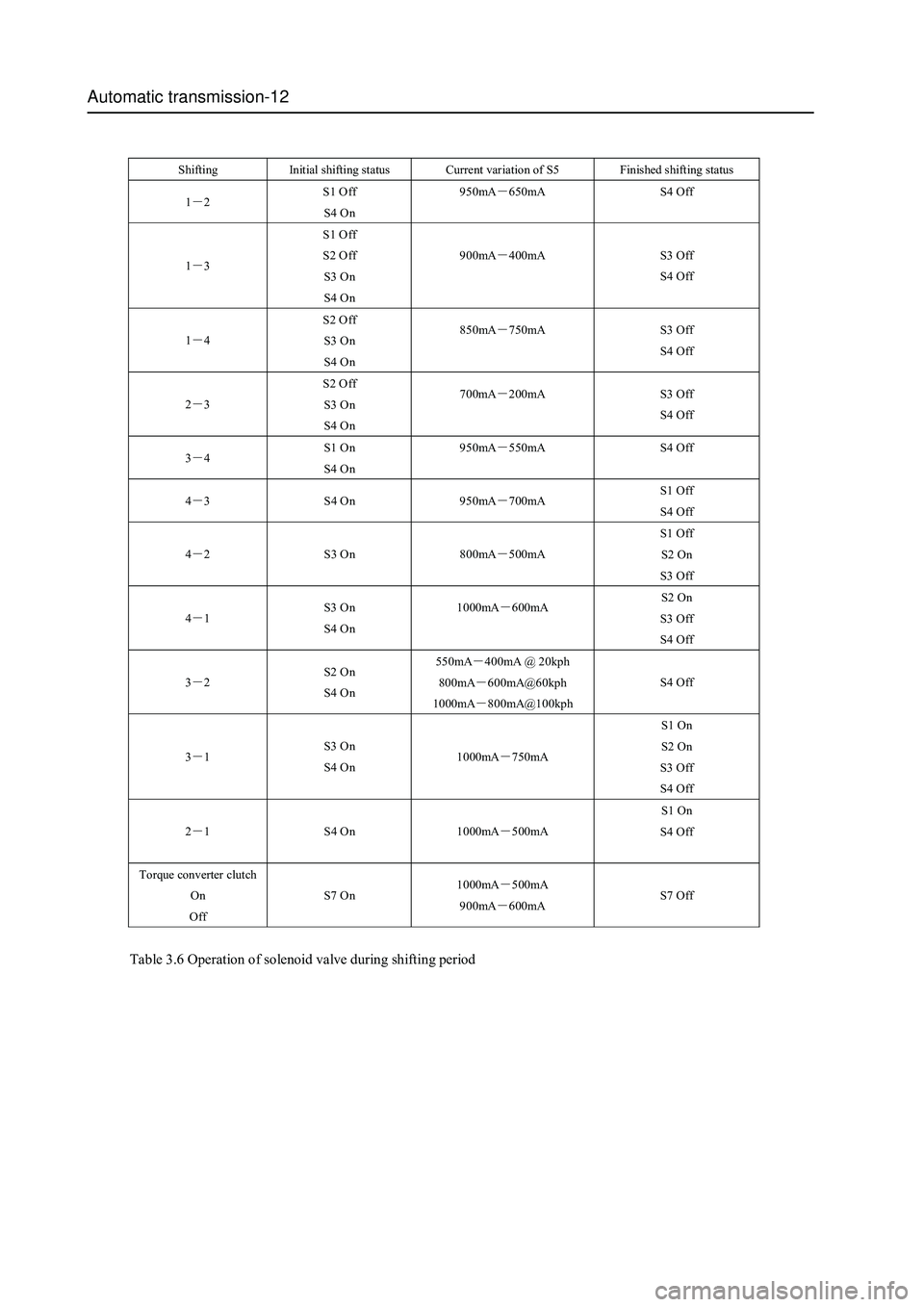
Shifting Initial shifting status Current variation of S5 Finished shifting status
1-2 S1 Off
S4 On 950mA-650mA
S4 Off
1-3 S1 Off
S2 Off
S3 On
S4 On 900mA-400mA
S3 Off
S4 Off
1-4 S2 Off
S3 On
S4 On 850mA-750mA
S3 Off
S4 Off
2-3 S2 Off
S3 On
S4 On 700mA-200mA
S3 Off
S4 Off
3-4 S1 On
S4 On 950mA-550mA
S4 Off
4-3 S4 On 950mA-700mA S1 Off
S4 Off
4-2 S3 On 800mA-500mA S1 Off
S2 On
S3 Off
4-1 S3 On
S4 On 1000mA-600mA
S2 On
S3 Off
S4 Off
3-2 S2 On
S4 On 550mA-400mA @ 20kph
800mA-600mA@60kph
1000mA-800mA@100kph S4 Off
3-1 S3 On
S4 On 1000mA-750mA S1 On
S2 On
S3 Off
S4 Off
2-1 S4 On 1000mA-500mA S1 On
S4 Off
Torque converter clutch
On
Off S7 On 1000mA-500mA
900mA-600mA S7 Off
Table 3.6 Operation of solenoid valve during shifting period
Page 89 of 425
Automatic transmission-13
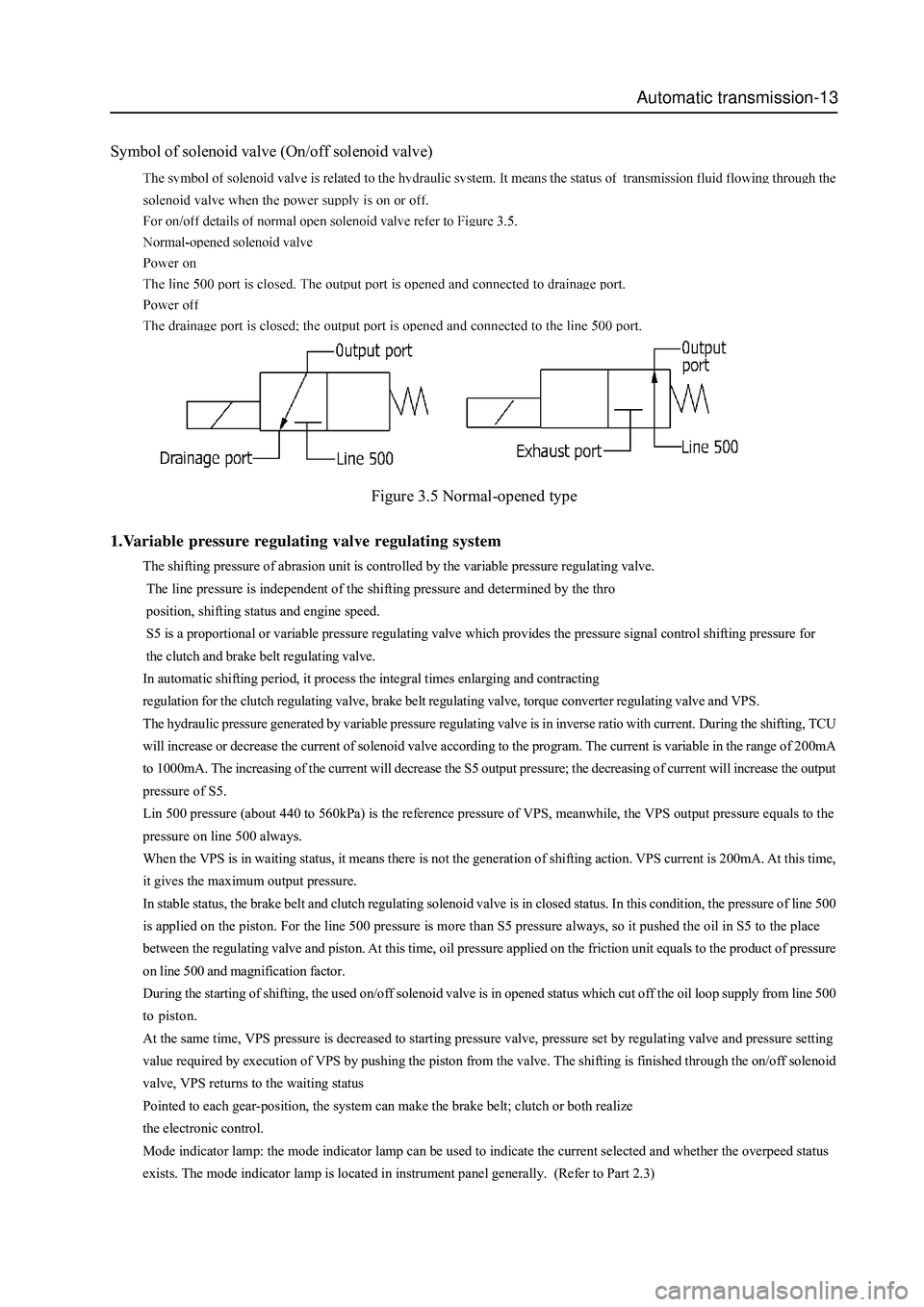
Symbol of solenoid valve (On/off solenoid valve)
Figure 3.5 Normal-opened type
1.Variable pressure regulating valve regulating system
The shifting pressure of abrasion unit is controlled by the variable pressure regulating valve.
The line pressure is independent of the shifting pressure and determined by the thro
position, shifting status and engine speed.
S5 is a proportional or variable pressure regulating valve which provides the pressure signal control shifting pressure for
the clutch and brake belt regulating valve.
In automatic shifting period, it process the integral times enlarging and contracting
regulation for the clutch regulating valve, brake belt regulating valve, torque converter regulating valve and VPS.
The hydraulic pressure generated by variable pressure regulating valve is in inverse ratio with current. During the shifting, TCU
will increase or decrease the current of solenoid valve according to the program. The current is variable in the range of 200mA
to 1000mA. The increasing of the current will decrease the S5 output pressure; the decreasing of current will increase the output
pressure of S5.
Lin 500 pressure (about 440 to 560kPa) is the reference pressure of VPS, meanwhile, the VPS output pressure equals to the
pressure on line 500 always.
When the VPS is in waiting status, it means there is not the generation of shifting action. VPS current is 200mA. At this time,
it gives the maximum output pressure.
In stable status, the brake belt and clutch regulating solenoid valve is in closed status. In this condition, the pressure of line 500
is applied on the piston. For the line 500 pressure is more than S5 pressure always, so it pushed the oil in S5 to the place
between the regulating valve and piston. At this time, oil pressure applied on the friction unit equals to the product of pressure
on line 500 and magnification factor.
During the starting of shifting, the used on/off solenoid valve is in opened status which cut off the oil loop supply from line 500
to piston.
At the same time, VPS pressure is decreased to starting pressure valve, pressure set by regulating valve and pressure setting
value required by execution of VPS by pushing the piston from the valve. The shifting is finished through the on/off solenoid
valve, VPS returns to the waiting status
Pointed to each gear-position, the system can make the brake belt; clutch or both realize
the electronic control.
Mode indicator lamp: the mode indicator lamp can be used to indicate the current selected and whether the overpeed status
exists. The mode indicator lamp is located in instrument panel generally. (Refer to Part 2.3)
Page 90 of 425
Automatic transmission-14
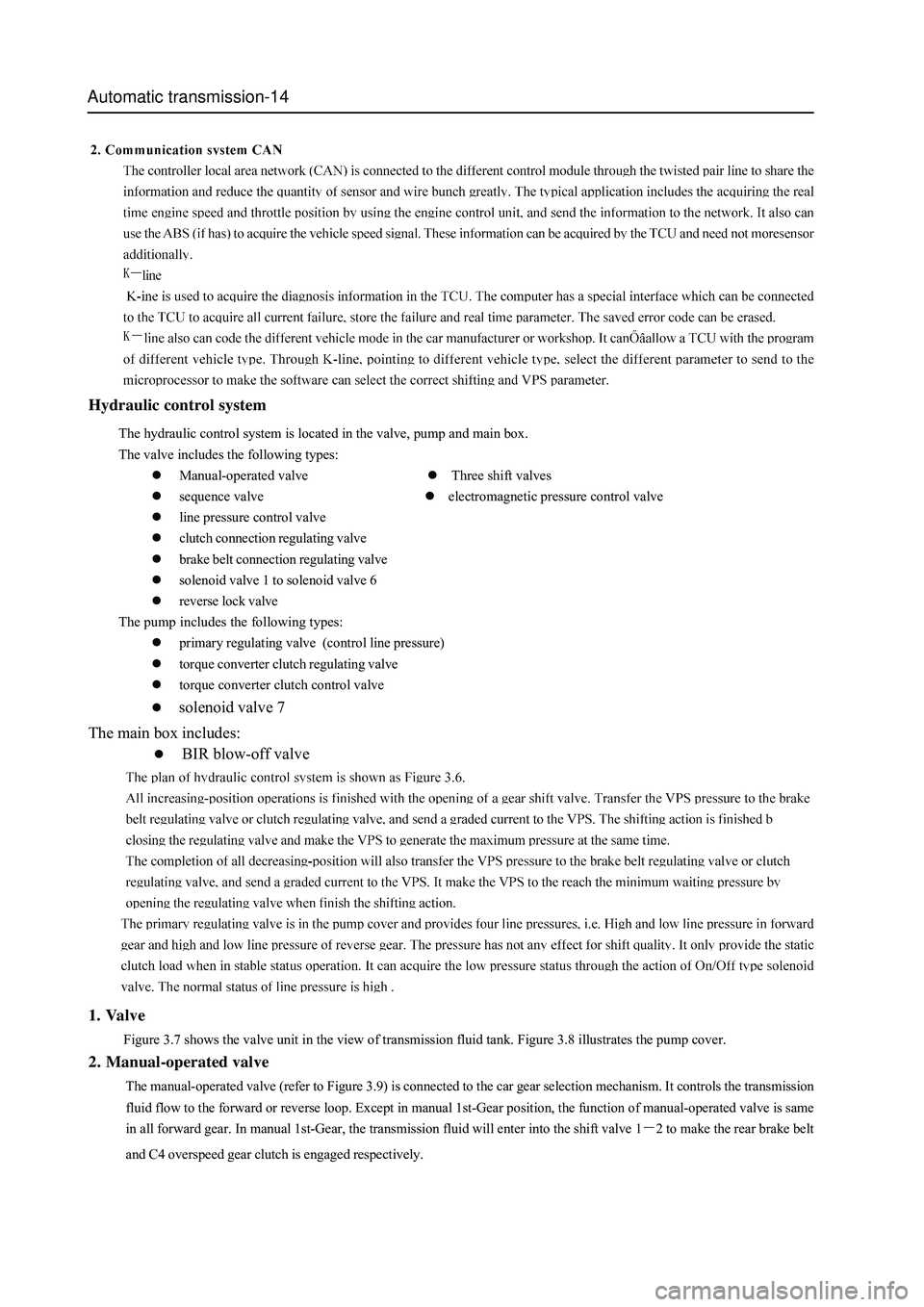
The main box includes:
z BIR blow-off valve
1. Valve
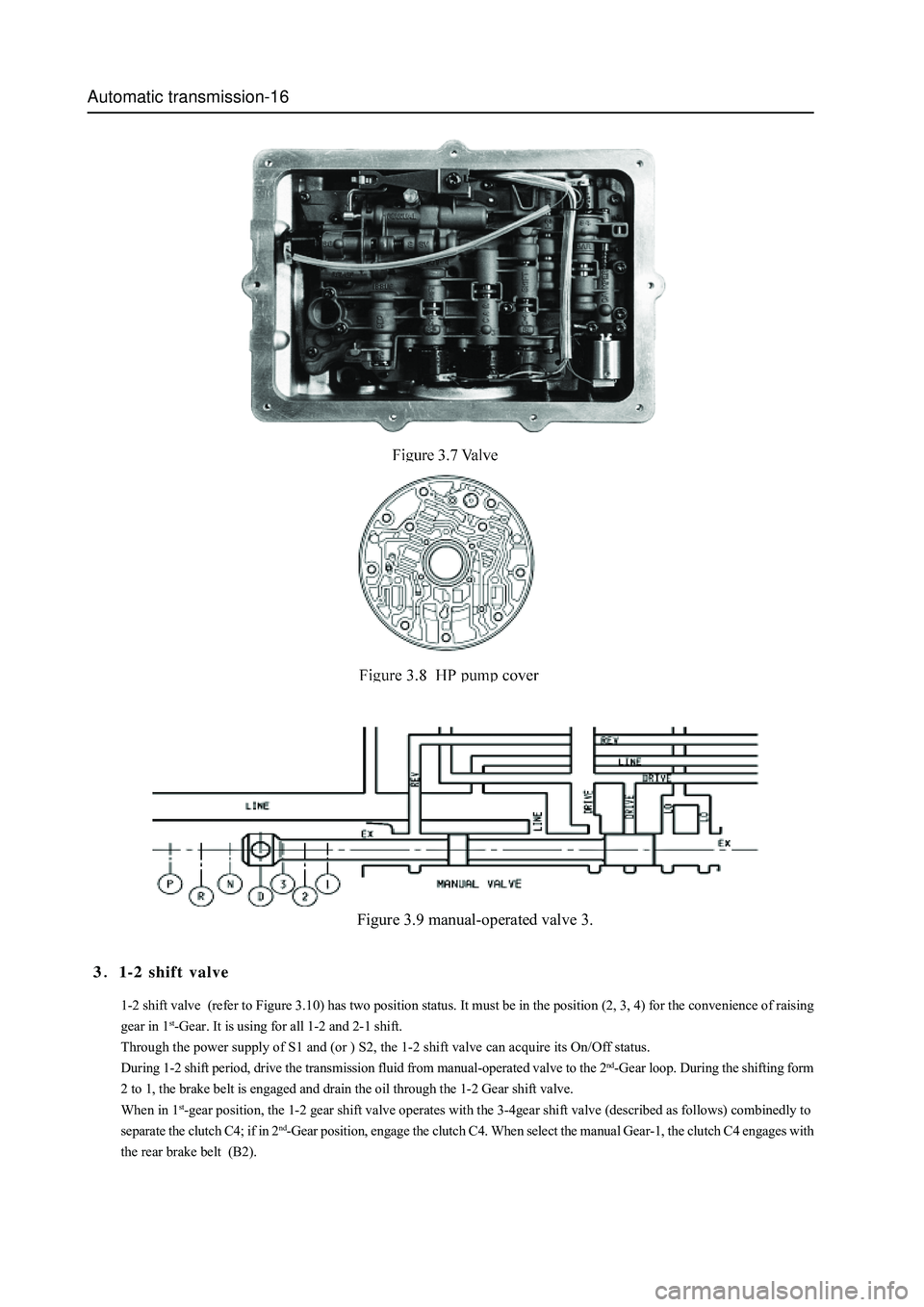
Figure 3.7 shows the valve unit in the view of transmission fluid tank. Figure 3.8 illustrates the pump cover.
2. Manual-operated valve
The manual-operated valve (refer to Figure 3.9) is connected to the car gear selection mechanism. It controls the transmission
fluid flow to the forward or reverse loop. Except in manual 1st-Gear position, the function of manual-operated valve is same
in all forward gear. In manual 1st-Gear, the transmission fluid will enter into the shift valve 1
2 to make the rear brake belt
and C4 overspeed gear clutch is engaged respectively. The hydraulic control system is located in the valve, pump and main box.
The valve includes the following types:
zManual-operated valve
z Three shift valves
zsequence valve
z electromagnetic pressure control valve
zline pressure control valve
zclutch connection regulating valve
zbrake belt connection regulating valve
zsolenoid valve 1 to solenoid valve 6
zreverse lock valve
The pump includes the following types:
zprimary regulating valve (control line pressure)
ztorque converter clutch regulating valve
ztorque converter clutch control valve
z
solenoid valve 7 Hydraulic control system
Page 92 of 425
Automatic transmission-16
Figure 3.9 manual-operated valve 3.
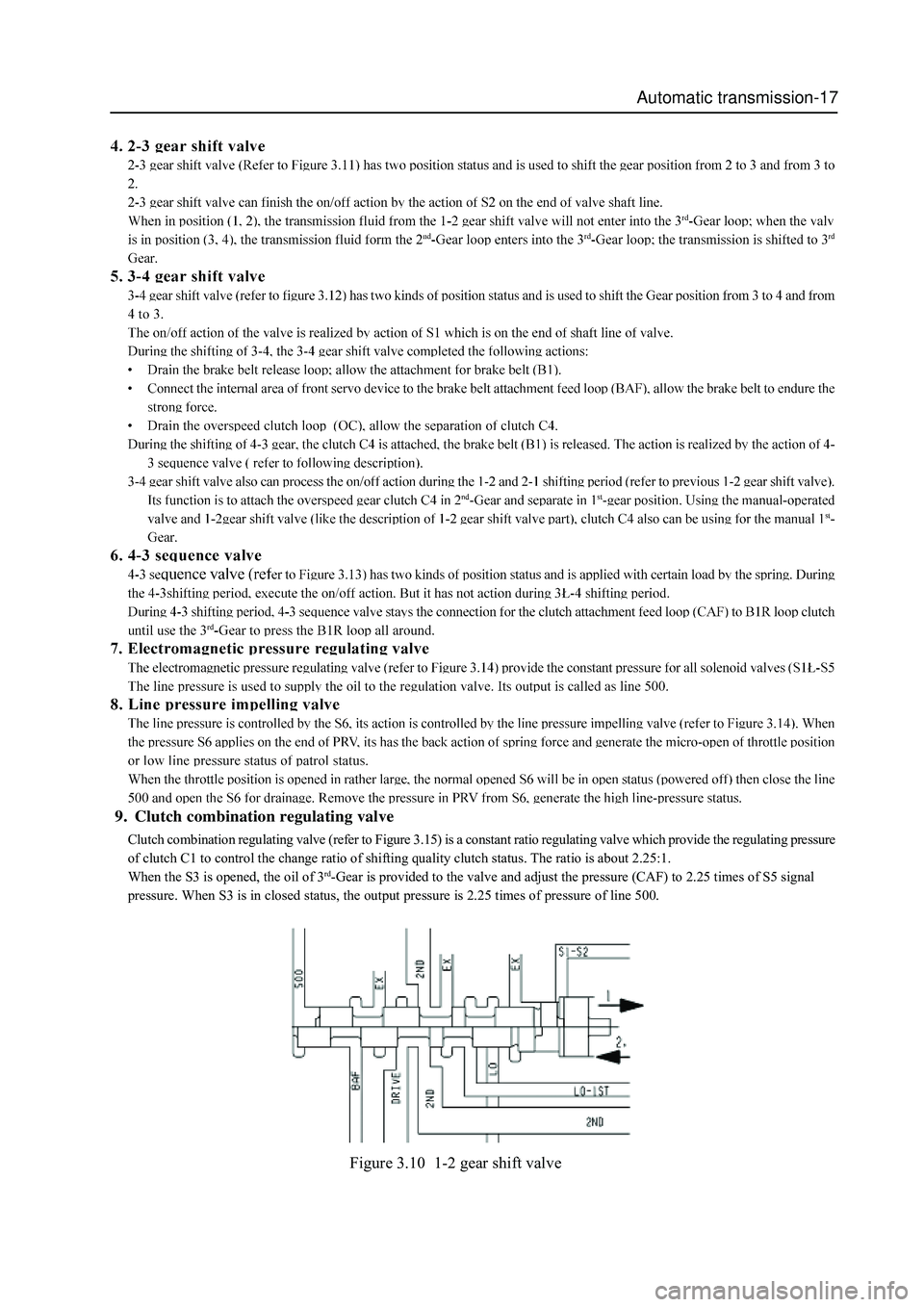
1-2 shift valve (refer to Figure 3.10) has two position status. It must be in the position (2, 3, 4) for the convenience of raising
gear in 1
st-Gear. It is using for all 1-2 and 2-1 shift.
Through the power supply of S1 and (or ) S2, the 1-2 shift valve can acquire its On/Off status.
During 1-2 shift period, drive the transmission fluid from manual-operated valve to the 2
nd-Gear loop. During the shifting form
2 to 1, the brake belt is engaged and drain the oil through the 1-2 Gear shift valve.
When in 1
st-gear position, the 1-2 gear shift valve operates with the 3-4gear shift valve (described as follows) combinedly to
separate the clutch C4; if in 2
nd-Gear position, engage the clutch C4. When select the manual Gear-1, the clutch C4 engages with
the rear brake belt (B2).
31-2 shift valve
Page 93 of 425
Automatic transmission-17
Figure 3.10 1-2 gear shift valve
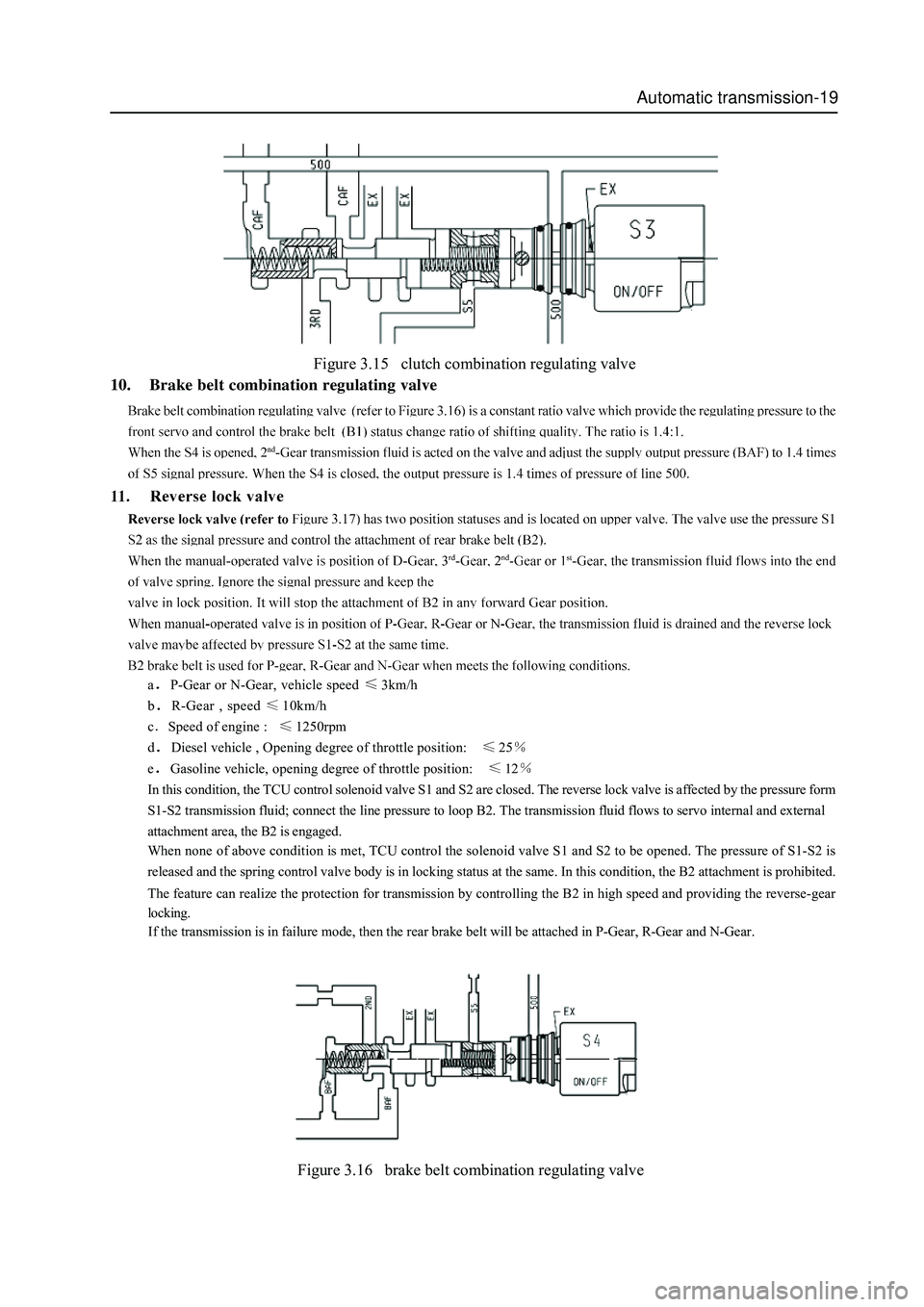
Clutch combination regulating valve (refer to Figure 3.15) is a constant ratio regulating valve which provide the regulating pressure
of clutch C1 to control the change ratio of shifting quality clutch status. The ratio is about 2.25:1.
When the S3 is opened, the oil of 3
rd-Gear is provided to the valve and adjust the pressure (CAF) to 2.25 times of S5 signal
pressure. When S3 is in closed status, the output pressure is 2.25 times of pressure of line 500.
9. Clutch combination regulating valve
Page 95 of 425
Automatic transmission-19
Figure 3.15 clutch combination regulating valve
10. Brake belt combination regulating valve
aP-Gear or N-Gear, vehicle speed 3km/h
b
R-Gear , speed 10km/h
c
Speed of engine : 1250rpm
d
Diesel vehicle , Opening degree of throttle position: 25
eGasoline vehicle, opening degree of throttle position: 12
In this condition, the TCU control solenoid valve S1 and S2 are closed. The reverse lock valve is affected by the pressure form
S1-S2 transmission fluid; connect the line pressure to loop B2. The transmission fluid flows to servo internal and external
attachment area, the B2 is engaged.
When none of above condition is met, TCU control the solenoid valve S1 and S2 to be opened. The pressure of S1-S2 is
released and the spring control valve body is in locking status at the same. In this condition, the B2 attachment is prohibited.
The feature can realize the protection for transmission by controlling the B2 in high speed and providing the reverse-gear
locking.
If the transmission is in failure mode, then the rear brake belt will be attached in P-Gear, R-Gear and N-Gear.
Figure 3.16 brake belt combination regulating valve