wiring MITSUBISHI MONTERO 1998 Repair Manual
[x] Cancel search | Manufacturer: MITSUBISHI, Model Year: 1998, Model line: MONTERO, Model: MITSUBISHI MONTERO 1998Pages: 1501, PDF Size: 25.81 MB
Page 290 of 1501
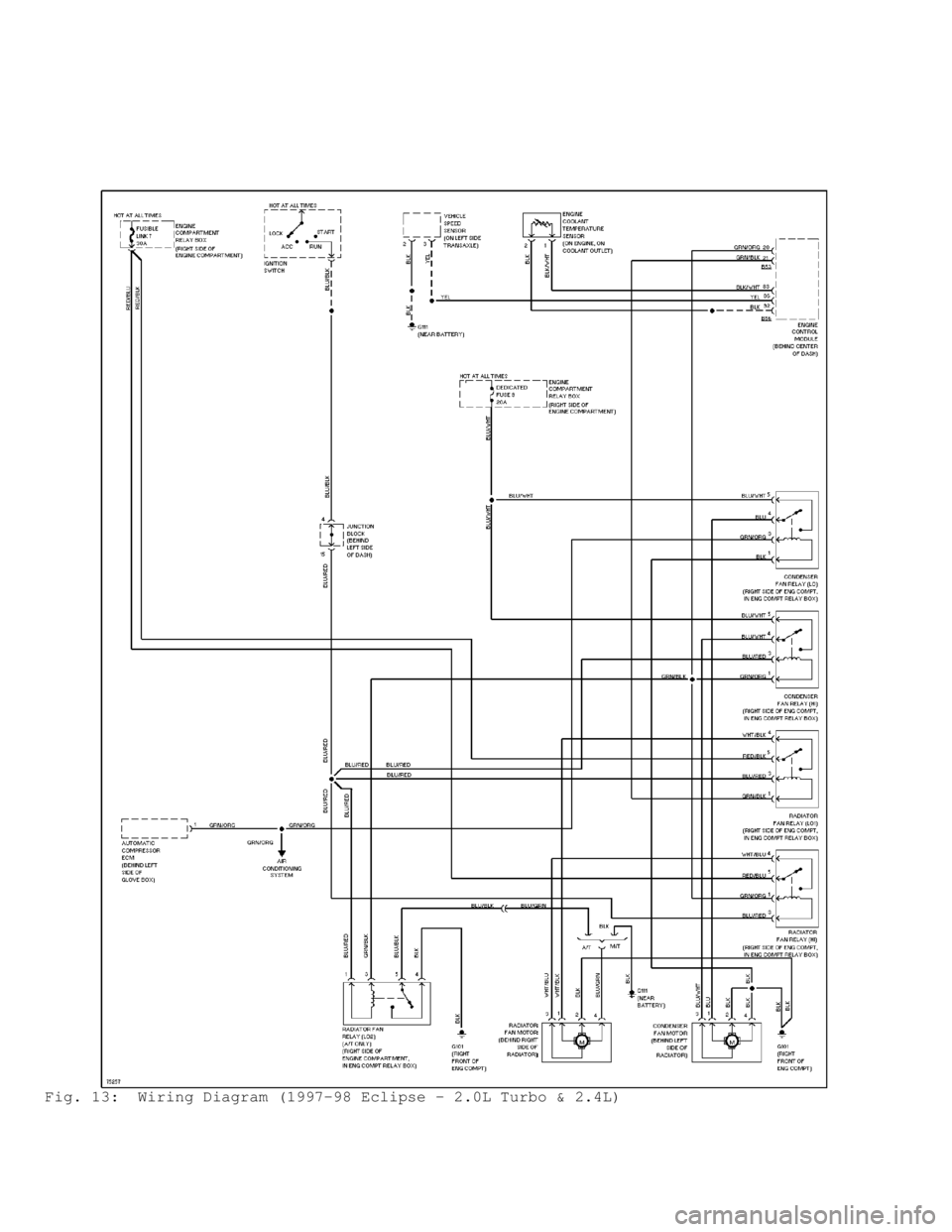
Fig. 13: Wiring Diagram (1997-98 Eclipse - 2.0L Turbo & 2.4L)
Page 291 of 1501
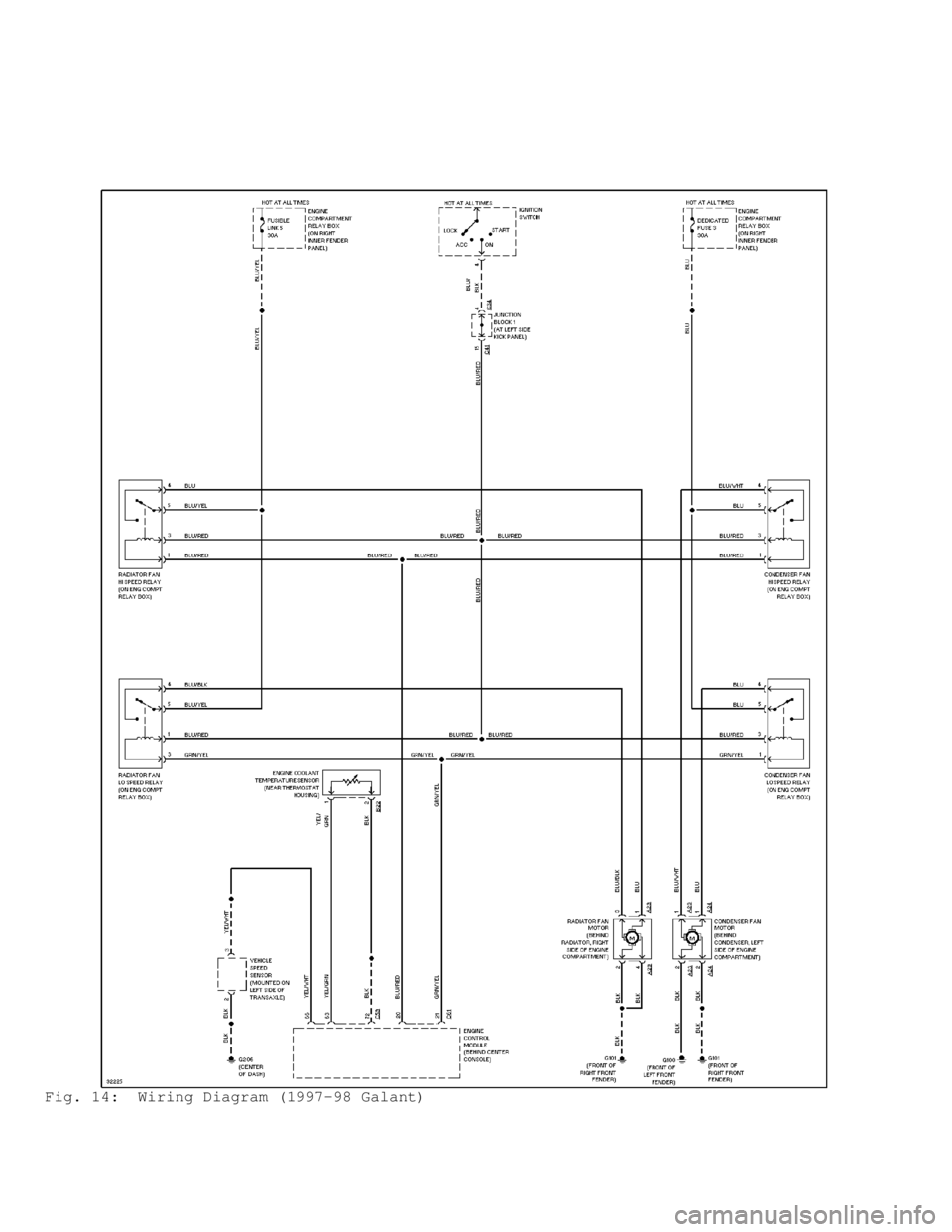
Fig. 14: Wiring Diagram (1997-98 Galant)
Page 292 of 1501
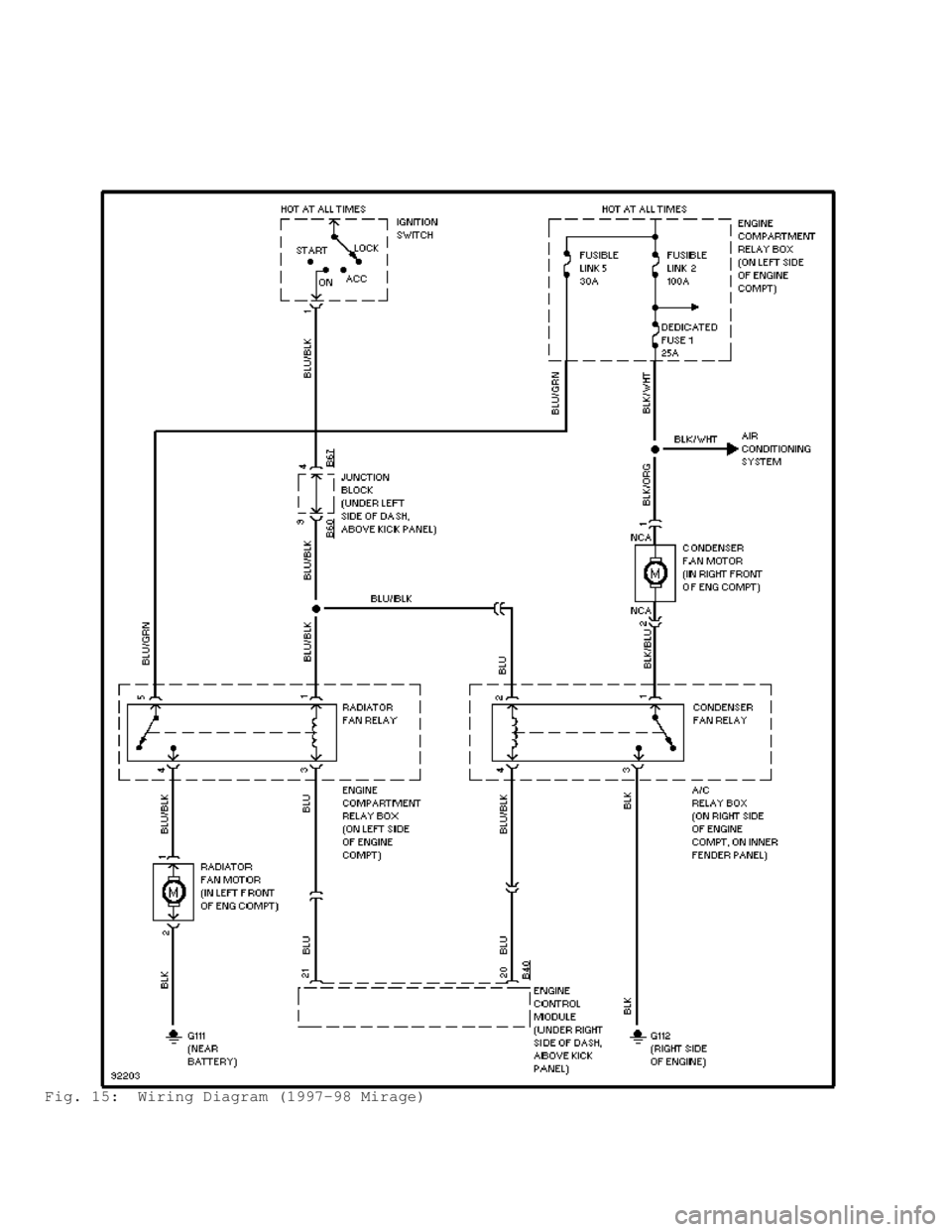
Fig. 15: Wiring Diagram (1997-98 Mirage)
Page 293 of 1501
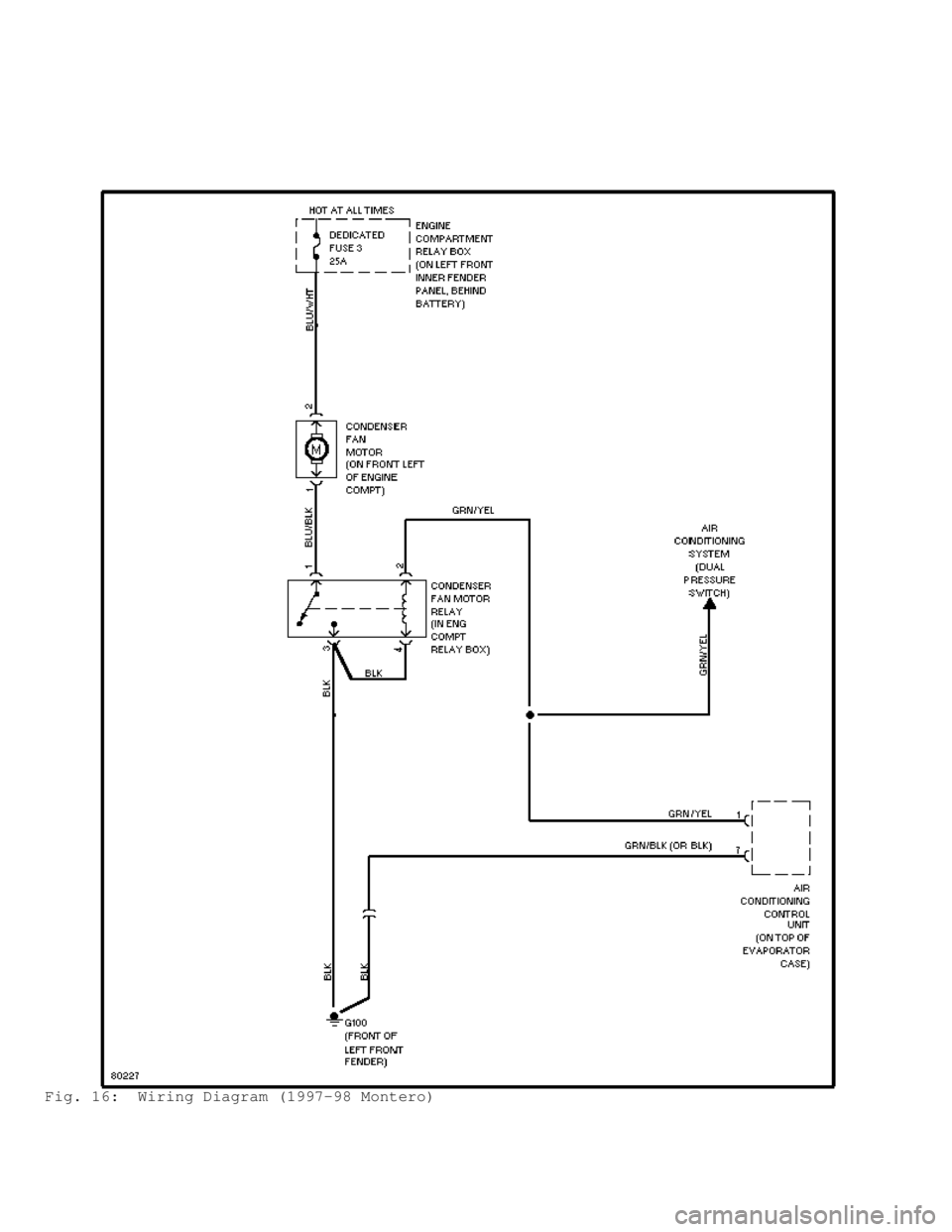
Fig. 16: Wiring Diagram (1997-98 Montero)
Page 294 of 1501
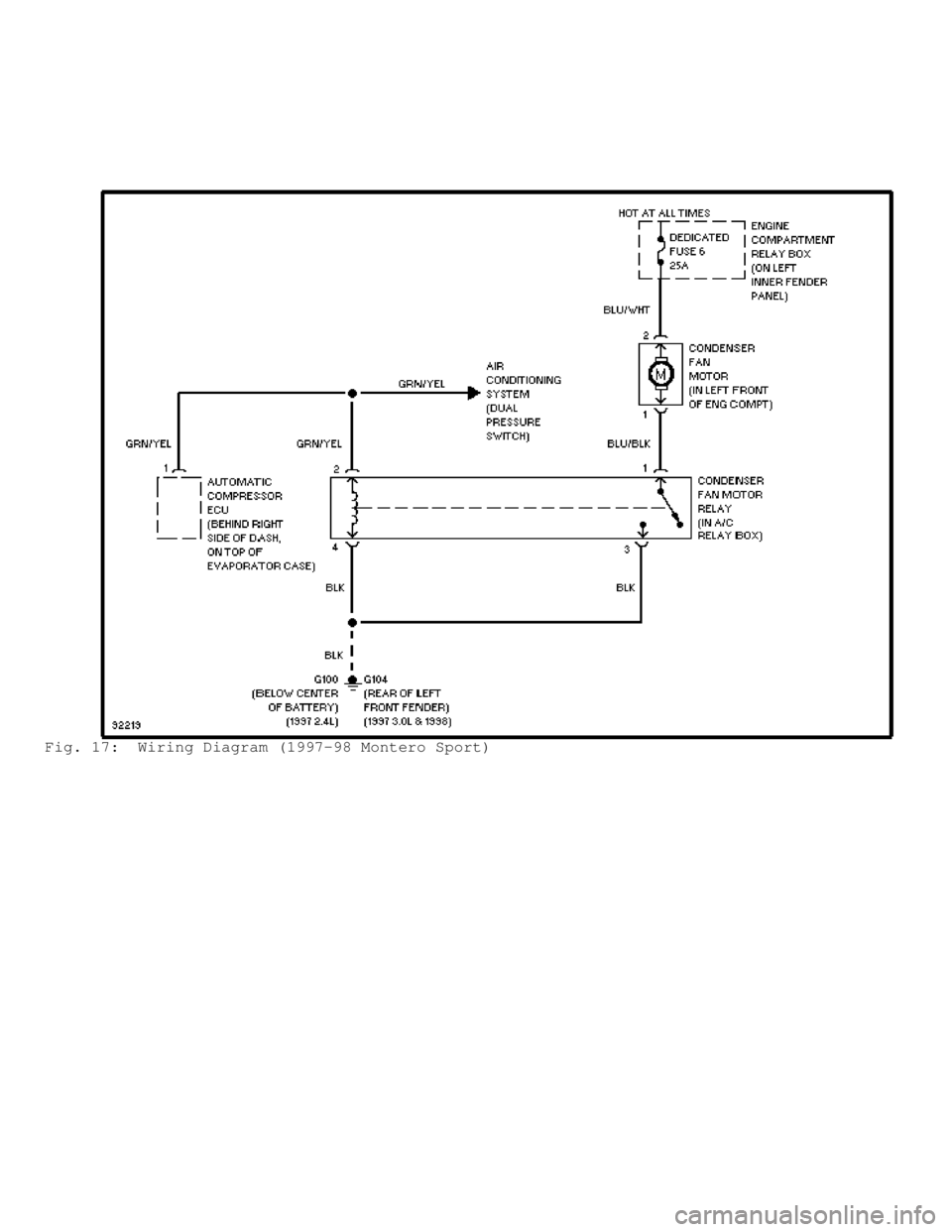
Fig. 17: Wiring Diagram (1997-98 Montero Sport)
Page 295 of 1501
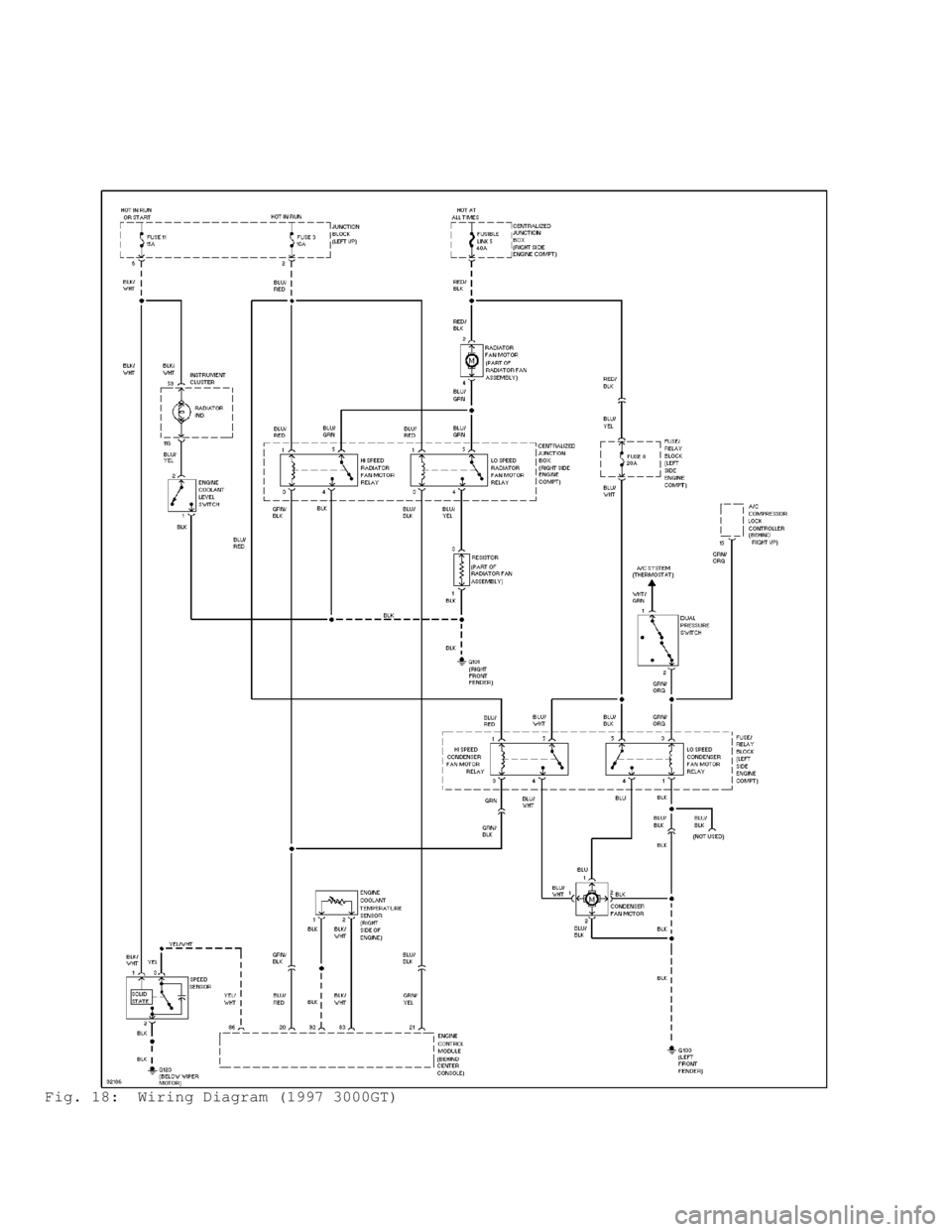
Fig. 18: Wiring Diagram (1997 3000GT)
Page 296 of 1501
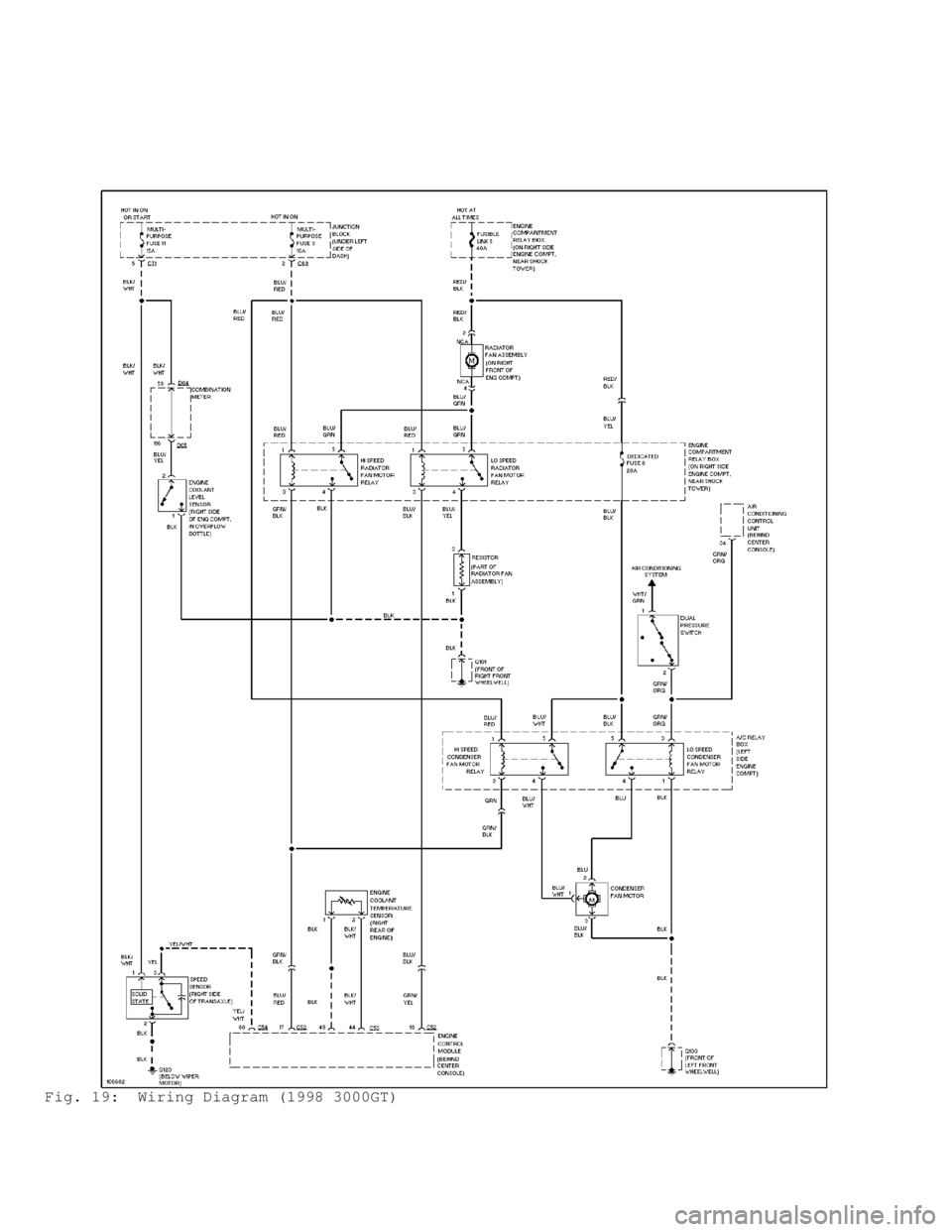
Fig. 19: Wiring Diagram (1998 3000GT)
Page 299 of 1501

* PLEASE READ THIS FIRST *
NOTE: For further trouble shooting information, see INPUT
INSPECTION CHART. See Fig. 3. See
INSPECTION CHART FOR TROUBLE SYMPTOMS table under SYMPTOM
TESTS.
PRELIMINARY CHECKS
Inspect vacuum pump, linkage assembly, actuator, cables and
vacuum hoses. Ensure linkage and cables move smoothly. Ensure cables
do not have excessive slack or tension.
CRUISE CONTROL SWITCH FUNCTION TEST
NOTE: If vehicle speed decreases about 9 MPH less than the set
speed, set speed will be canceled. Speed will not set beyond
system limit of 124 MPH.
1) Cruise control switch is part of multifunction switch
mounted on steering column. To operate cruise control system, turn
ignition on. Turn cruise control switch to ON position. Ensure switch
indicator light comes on.
2) With cruise control switch in ON position, drive vehicle
at least 25 MPH. Press and release SET button. Vehicle speed should
stay at set speed. Instrument cluster cruise indicator light should
come on. To increase set speed, turn control switch to RESUME position
and hold until new set speed is reached.
3) To lower set speed, press SET button and hold until new
set speed is reached. To return to set speed after cancellation, move
resume switch to ON position. Vehicle speed should return to previous
setting before cancellation. Set speed should cancel when any of the
following occurs:
* Brake pedal is depressed.
* Cruise control main switch is turned to OFF position.
* Ignition switch is turned to OFF position.
* Transmission is shifted to Neutral.
SYSTEM CANCELS OR WILL NOT RESET AFTER CANCELLATION
1) Check for trouble codes. See RETRIEVING CODES under SELF-
DIAGNOSTIC SYSTEM. If no trouble codes are stored, ensure cruise
control can be set.
2) If cruise control can be set, system may have canceled due
to driving on steep hills, or a loose wiring connection. If cruise
control still cannot be set, perform SYSTEM INPUT TESTS under SYMPTOMS
TESTS.
3) If SYSTEM INPUT TESTS check okay, check vacuum pump
circuit. See CODE 11 under DIAGNOSTIC TESTS. If SYSTEM INPUT TESTS do
not check okay, see INPUT INSPECTION CHART. See Fig. 3.
SYMPTOM TESTS
SYSTEM INPUT TESTS
1) System input tests should be performed if no trouble codes
are stored when performing RETRIEVING CODES under SELF-DIAGNOSTIC
SYSTEM. System input tests cycle each cruise control switch and
sensor.
Page 315 of 1501
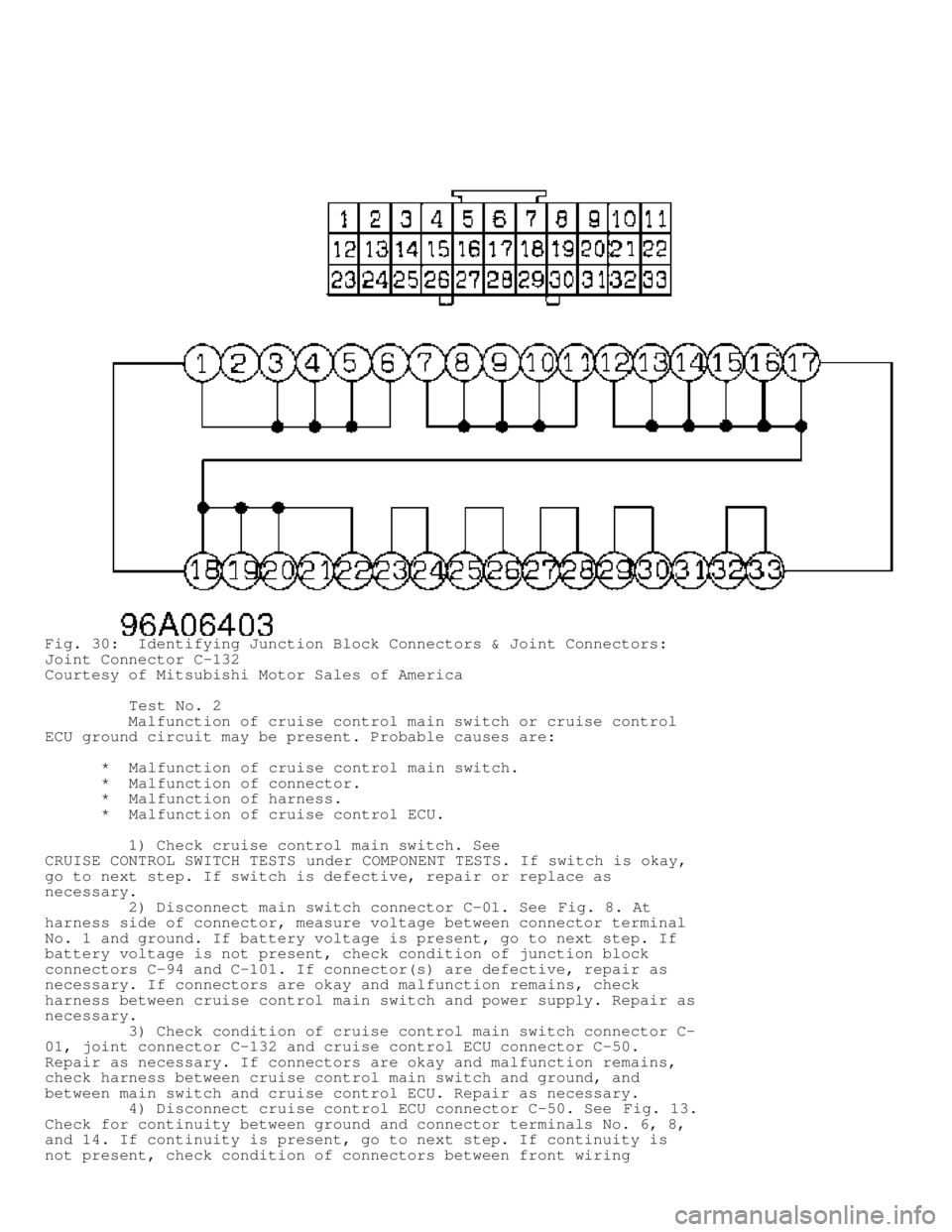
Fig. 30: Identifying Junction Block Connectors & Joint Connectors:
Joint Connector C-132
Courtesy of Mitsubishi Motor Sales of America
Test No. 2
Malfunction of cruise control main switch or cruise control
ECU ground circuit may be present. Probable causes are:
* Malfunction of cruise control main switch.
* Malfunction of connector.
* Malfunction of harness.
* Malfunction of cruise control ECU.
1) Check cruise control main switch. See
CRUISE CONTROL SWITCH TESTS under COMPONENT TESTS. If switch is okay,
go to next step. If switch is defective, repair or replace as
necessary.
2) Disconnect main switch connector C-01. See Fig. 8. At
harness side of connector, measure voltage between connector terminal
No. 1 and ground. If battery voltage is present, go to next step. If
battery voltage is not present, check condition of junction block
connectors C-94 and C-101. If connector(s) are defective, repair as
necessary. If connectors are okay and malfunction remains, check
harness between cruise control main switch and power supply. Repair as
necessary.
3) Check condition of cruise control main switch connector C-
01, joint connector C-132 and cruise control ECU connector C-50.
Repair as necessary. If connectors are okay and malfunction remains,
check harness between cruise control main switch and ground, and
between main switch and cruise control ECU. Repair as necessary.
4) Disconnect cruise control ECU connector C-50. See Fig. 13.
Check for continuity between ground and connector terminals No. 6, 8,
and 14. If continuity is present, go to next step. If continuity is
not present, check condition of connectors between front wiring
Page 316 of 1501

harness, dash wiring harness and joint connector C-132. Repair as
necessary. If malfunction remains, check harness between cruise
control main switch and power supply. Repair as necessary.
5) Check condition of cruise control ECU connector C-50.
Repair as necessary. If connector is okay and malfunction persists,
replace cruise control ECU.
Test No. 3
Malfunction of cruise control main switch or cruise control
ECU ground circuit may be present. Probable causes are:
* Malfunction of cruise control main switch.
* Malfunction of clockspring.
* Malfunction of connector.
* Malfunction of harness.
1) Check cruise control switches. See
CRUISE CONTROL SWITCH TESTS under COMPONENT TESTS. Replace any failed
switch. If switches are okay, check clockspring. See CLOCKSPRING TEST
under COMPONENT TESTS. If clockspring is okay, go to next step.
Replace clockspring if not okay.
2) Disconnect clockspring connector C-128 and measure voltage
between terminal No. 2 and ground. See Fig. 15. If battery voltage is
present, go to next step. If battery voltage is not present, check
condition of IOD connector A-09X, joint connector C-131, junction
block connector C-81, junction block connector C-94 and junction block
connector C-101. Repair as necessary. See Figs. 4, 16, 19, 21, 22, 26,
27 and 29. If connectors are okay and malfunction remains, check
harness between clockspring and power supply. Repair as necessary.
3) Check condition of cruise control ECU connector C-50 and
clockspring connector C-128. Repair as necessary. See Figs. 13 and 15.
If connectors are okay and malfunction remains, check harness between
clockspring and cruise control ECU. Repair as necessary.
Test No. 4
Malfunction of stoplight switch or stoplight circuit may be
present. Probable causes are:
* Malfunction of stoplight switch.
* Malfunction of connector.
* Malfunction of harness.
* Malfunction of cruise control ECU.
1) If stoplight does not illuminate with brake pedal
depressed, go to next step. If stoplight illuminates with pedal
depressed, replace cruise control ECU.
2) Check stoplight switch. See
BRAKELIGHT/STOPLIGHT SWITCH TEST under COMPONENT TESTS. Replace
stoplight switch as necessary. If stoplight switch is okay, go to next
step.
3) Disconnect stoplight switch connector C-55. See Fig. 14.
At harness side of connector, measure voltage between terminal No. 2
and ground. If battery voltage is present, go to next step. If battery
voltage is not present, check condition of joint connector C-131 and
junction block connector C-94. Repair as necessary. See Fig. 26. If
connectors are okay and malfunction remains, check harness between
stoplight switch and power supply. Repair as necessary.
4) Check condition of cruise control ECU connector C-50 and
stoplight switch connector C-55. Repair as necessary. If connectors
are okay and malfunction remains, check harness between stoplight
switch and cruise control ECU. Repair as necessary.
Test No. 5