centre VOLKSWAGEN TIGUAN 2017 Owner´s Manual
[x] Cancel search | Manufacturer: VOLKSWAGEN, Model Year: 2017, Model line: TIGUAN, Model: VOLKSWAGEN TIGUAN 2017Pages: 341, PDF Size: 9.14 MB
Page 210 of 341
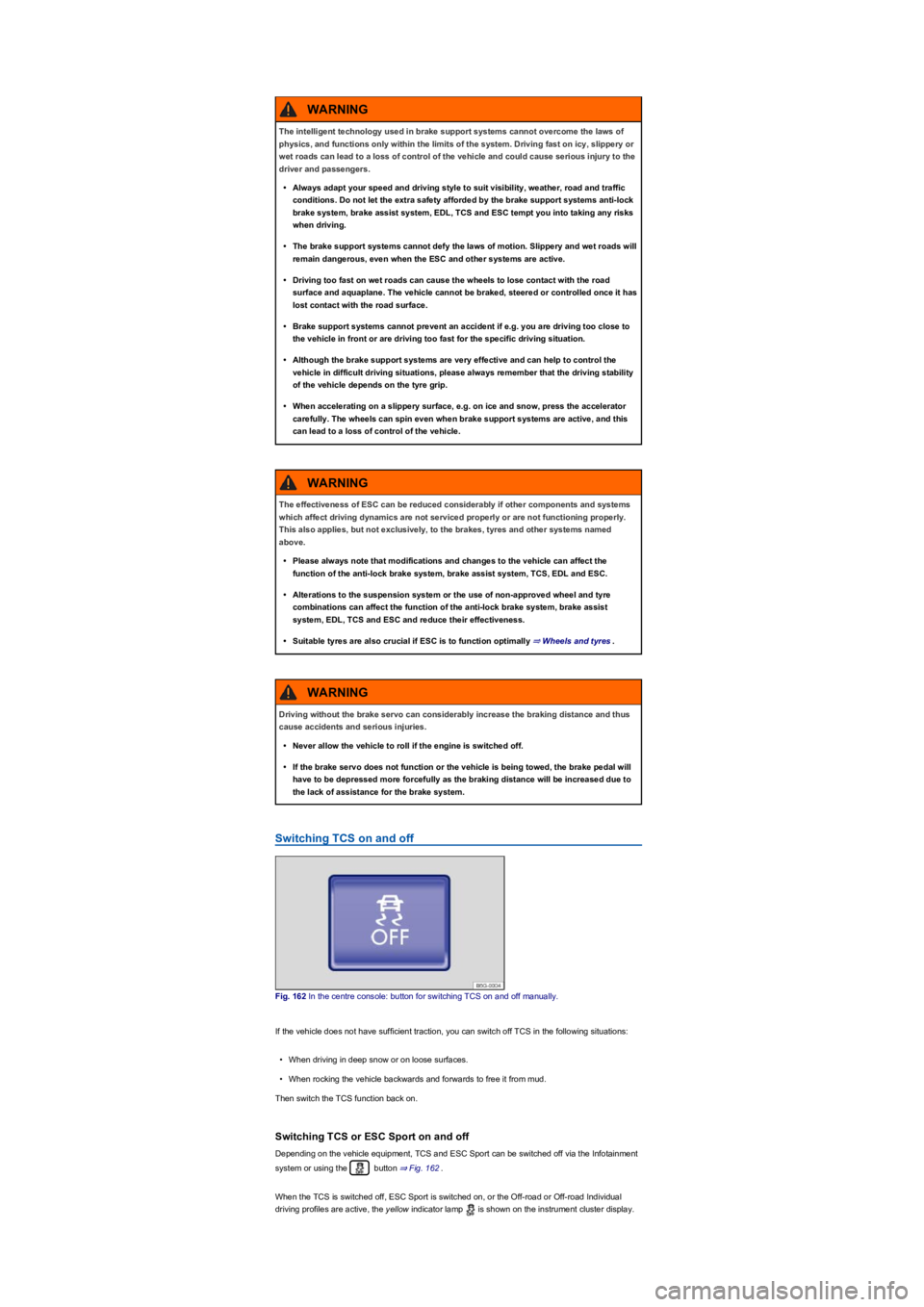
Switching TCS on and off
Fig. 162 In the centre console: button for switching TCS on and off manually.
If the vehicle does not have sufficient traction, you can switch off TCS in the following situations:
•When driving in deep snow or on loose surfaces.
•When rocking the vehicle backwards and forwards to free it from mud.
Then switch the TCS function back on.
Switching TCS or ESC Sport on and off
Depending on the vehicle equipment, TCS and ESC Sport can be switched off via the Infotainment
system or using the button ⇒ Fig. 162.
When the TCS is switched off, ESC Sport is switched on, or the Off-road or Off-road Individual
driving profiles are active, the yellow indicator lamp is shown on the instrument cluster display.
The intelligent technology used in brake support systems cannot overcome the laws of
physics, and functions only within the limits of the system. Driving fast on icy, slippery or
wet roads can lead to a loss of control of the vehicle and could cause serious injury to the
driver and passengers.
•Always adapt your speed and driving style to suit visibility, weather, road and traffic
conditions. Do not let the extra safety afforded by the brake support systems anti-lock
brake system, brake assist system, EDL, TCS and ESC tempt you into taking any risks
when driving.
•The brake support systems cannot defy the laws of motion. Slippery and wet roads will
remain dangerous, even when the ESC and other systems are active.
•Driving too fast on wet roads can cause the wheels to lose contact with the road
surface and aquaplane. The vehicle cannot be braked, steered or controlled once it has
lost contact with the road surface.
•Brake support systems cannot prevent an accident if e.g. you are driving too close to
the vehicle in front or are driving too fast for the specific driving situation.
•Although the brake support systems are very effective and can help to control the
vehicle in difficult driving situations, please always remember that the driving stability
of the vehicle depends on the tyre grip.
•When accelerating on a slippery surface, e.g. on ice and snow, press the accelerator
carefully. The wheels can spin even when brake support systems are active, and this
can lead to a loss of control of the vehicle.
WARNING
The effectiveness of ESC can be reduced considerably if other components and systems
which affect driving dynamics are not serviced properly or are not functioning properly.
This also applies, but not exclusively, to the brakes, tyres and other systems named
above.
•Please always note that modifications and changes to the vehicle can affect the
function of the anti-lock brake system, brake assist system, TCS, EDL and ESC.
•Alterations to the suspension system or the use of non-approved wheel and tyre
combinations can affect the function of the anti-lock brake system, brake assist
system, EDL, TCS and ESC and reduce their effectiveness.
•Suitable tyres are also crucial if ESC is to function optimally ⇒ Wheels and tyres.
WARNING
Driving without the brake servo can considerably increase the braking distance and thus
cause accidents and serious injuries.
•Never allow the vehicle to roll if the engine is switched off.
•If the brake servo does not function or the vehicle is being towed, the brake pedal will
have to be depressed more forcefully as the braking distance will be increased due to
the lack of assistance for the brake system.
WARNING
Page 211 of 341
•Switch off TCS: press the button for around one second.
•Switch on ESC Sport: press the button for longer than three seconds.
•Switch on TCS: press the button again. ESC Sport is switched off.
Troubleshooting
Warning and indicator lamps in the event of faults
Do not drive on! Brake system fault. Seek expert assistance immediately ⇒.Lit
up: ABS failure or defect. Go to a qualified workshop. The vehicle can be braked without ABS.
Lit up: ESC switched off by the system. Switch the ignition on and off. Drive a short distance at a
speed of 15 – 20 km/h (9 – 12 mph) if necessary. If still lights up, seek expert assistance.
Notes on the brake support systems
If you suspect that there is a malfunction in the systems, read and observe the following notes:
•The ESC and TCS can function properly only if all four wheels are fitted with the same tyres.
Any differences in the rolling radius of the tyres can cause the system to reduce engine power
unexpectedly.
•If there is a fault in the anti-lock brake system, the ESC, TCS and EDL will also stop working.
•Operating noises may be heard during the self-regulation processes of the systems explained
above.
Practical equipment
Stowage areas
Introduction
This chapter contains information on the followingsubjects:
⇒ Stowage compartment on the driver side
⇒ Stowage compartment on the front passenger side
⇒ Stowage compartment in the dash panel
⇒ Stowage compartment in the front centre armrest
⇒ Stowage compartment in the roof console (glasses compartment)
⇒ Folding table
⇒ Drawers
⇒ Coat and bag hooks
Use stowage compartments only to stow light or relatively small objects.
A factory-fitted CD changer, Apple iPod adapter, USB connection or multimedia socket
(MEDIA-IN) may be located in the stowage compartment in the centre armrest.
•If the brake warning lamp lights up together with the ABS indicator lamp , the
control function of the anti-lock brake system may have failed. This can cause the rear
wheels to lock quickly when you brake. Locked rear wheels can lead to a loss of
control of the vehicle. If possible, reduce your speed and drive carefully at low speed
to the nearest qualified workshop in order to have the brake system tested. Avoid
sudden braking and driving manoeuvres on the way.
•The anti-lock brake system is not functioning correctly if the ABS indicator lamp
does not go out or comes on while the vehicle is in motion. The vehicle can be stopped
using the normal brakes only (without the anti-lock brake system). The protection
provided by the anti-lock brake system is no longer available. Go to a qualified
workshop as soon as possible.
WARNING
®
Page 214 of 341
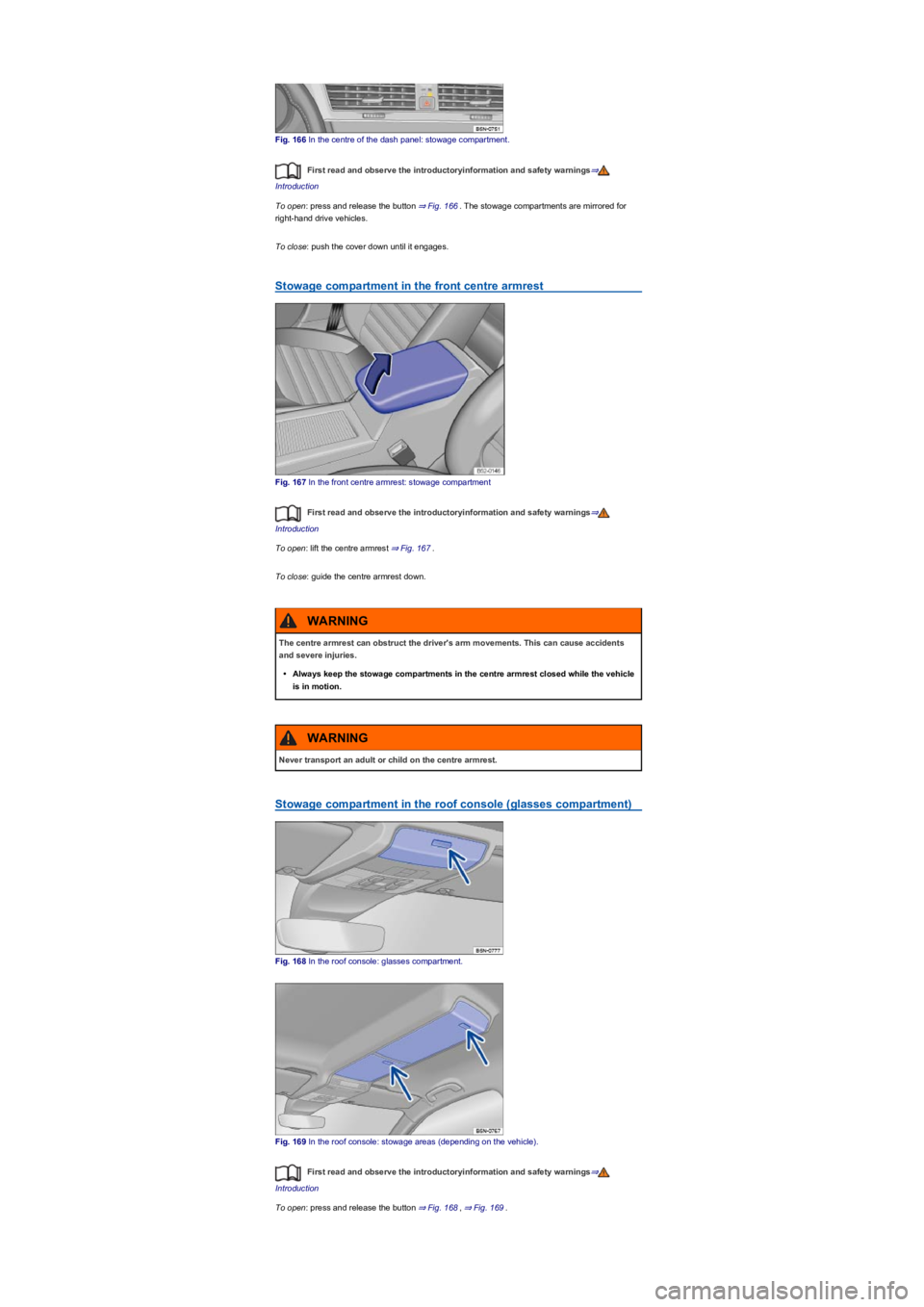
Fig. 166 In the centre of the dash panel: stowage compartment.
First read and observe the introductoryinformation and safety warnings⇒
Introduction
To open: press and release the button ⇒ Fig. 166. The stowage compartments are mirrored for
right-hand drive vehicles.
To close: push the cover down until it engages.
Stowage compartment in the front centre armrest
Fig. 167 In the front centre armrest: stowage compartment
First read and observe the introductoryinformation and safety warnings⇒
Introduction
To open: lift the centre armrest ⇒ Fig. 167.
To close: guide the centre armrest down.
Stowage compartment in the roof console (glasses compartment)
Fig. 168 In the roof console: glasses compartment.
Fig. 169 In the roof console: stowage areas (depending on the vehicle).
First read and observe the introductoryinformation and safety warnings⇒
Introduction
To open: press and release the button ⇒ Fig. 168, ⇒ Fig. 169.
The centre armrest can obstruct the driver's arm movements. This can cause accidents
and severe injuries.
•Always keep the stowage compartments in the centre armrest closed while the vehicle
is in motion.
WARNING
Never transport an adult or child on the centre armrest.
WARNING
Page 216 of 341
Fig. 172 Drawer under the front seat.
First read and observe the introductoryinformation and safety warnings⇒
Introduction
To open: press the button in the drawer grip and open the drawer.
To close: push the drawer under the front seat until it clicks into place.
Coat and bag hooks
First read and observe the introductoryinformation and safety warnings⇒
Introduction
Coat hooks are located in the centre door pillar and on the rear roof grab handles.
Bag hooks are located in the luggage compartment ⇒ Luggage compartment equipment.
Drink holder
Introduction
This chapter contains information on the followingsubjects:
⇒ Drink holders in the front centre console
⇒ Drink holder in the rear centre armrest
Bottle holder
There are bottle holders in the stowage compartments of the driver and front passenger doors.
There are also drink holders in the folding tables on the front seats ⇒ Folding table.
If the drawer is left open it can hinder the correct operation of the pedals. This can result
in accidents and severe injuries.
•Always keep the drawer closed while the vehicle is in motion. Otherwise the drawer or
other items could fall into the driver footwell and obstruct the pedals.
WARNING
The drawer is designed for a maximum load of 1.5kg.
NOTICE
Hanging up items of clothing can restrict the driver's field of vision and cause accidents
and serious injuries.
•Always hang items of clothing in such a way that they do not restrict the driver's field
of vision.
•The built-in coat hooks should only be used for lightweight clothing. Never leave any
heavy, hard or sharp objects in the pockets.
WARNING
Each coat hook may be loaded with a maximum of 2.5 kg.
NOTICE
Page 217 of 341
The inserts for the drink holders can be removed for cleaning purposes.
Drink holders in the front centre console
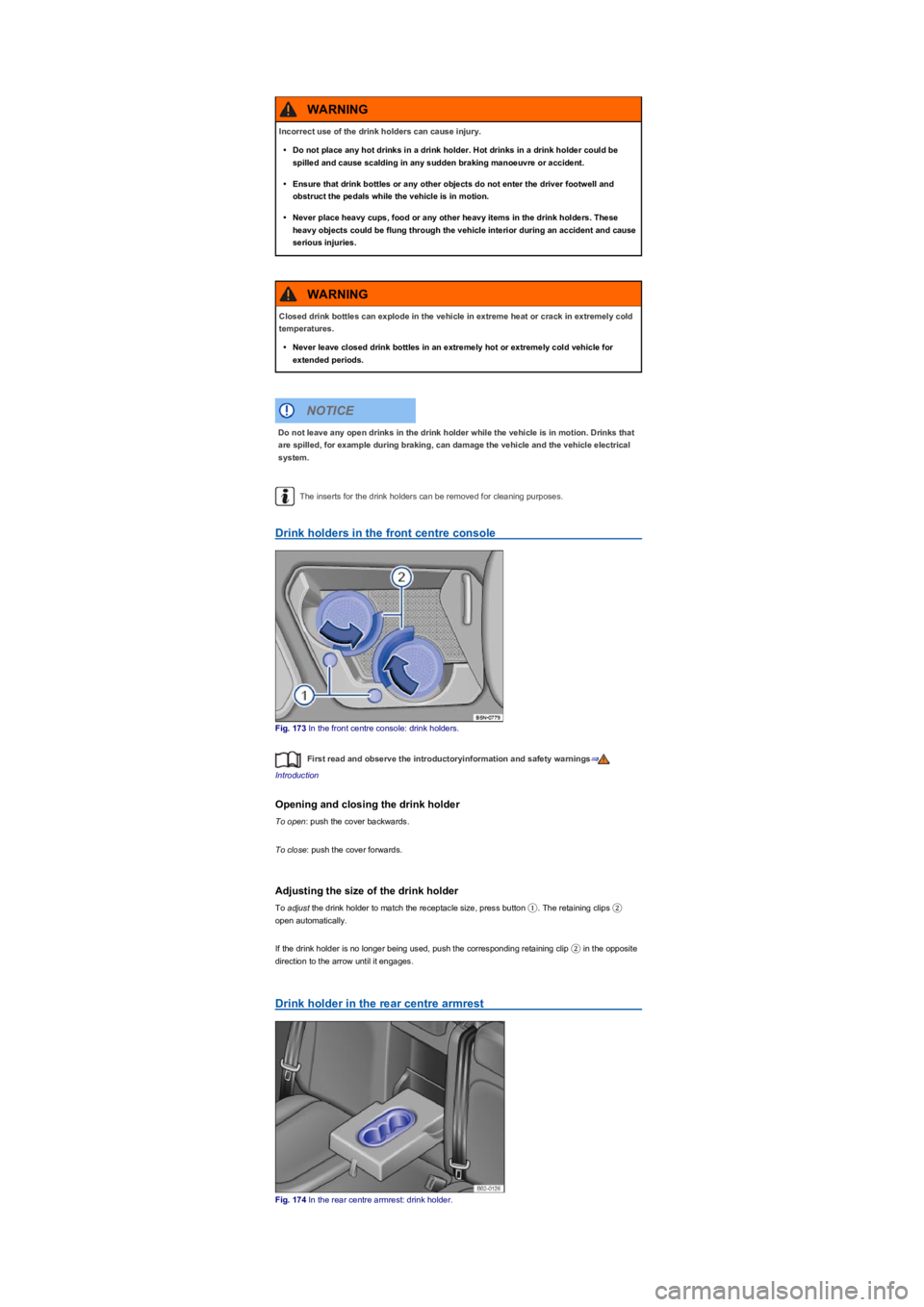
Fig. 173 In the front centre console: drink holders.
First read and observe the introductoryinformation and safety warnings⇒
Introduction
Opening and closing the drink holder
To open: push the cover backwards.
To close: push the cover forwards.
Adjusting the size of the drink holder
To adjust the drink holder to match the receptacle size, press button ①. The retaining clips ②
open automatically.
If the drink holder is no longer being used, push the corresponding retaining clip ② in the opposite
direction to the arrow until it engages.
Drink holder in the rear centre armrest
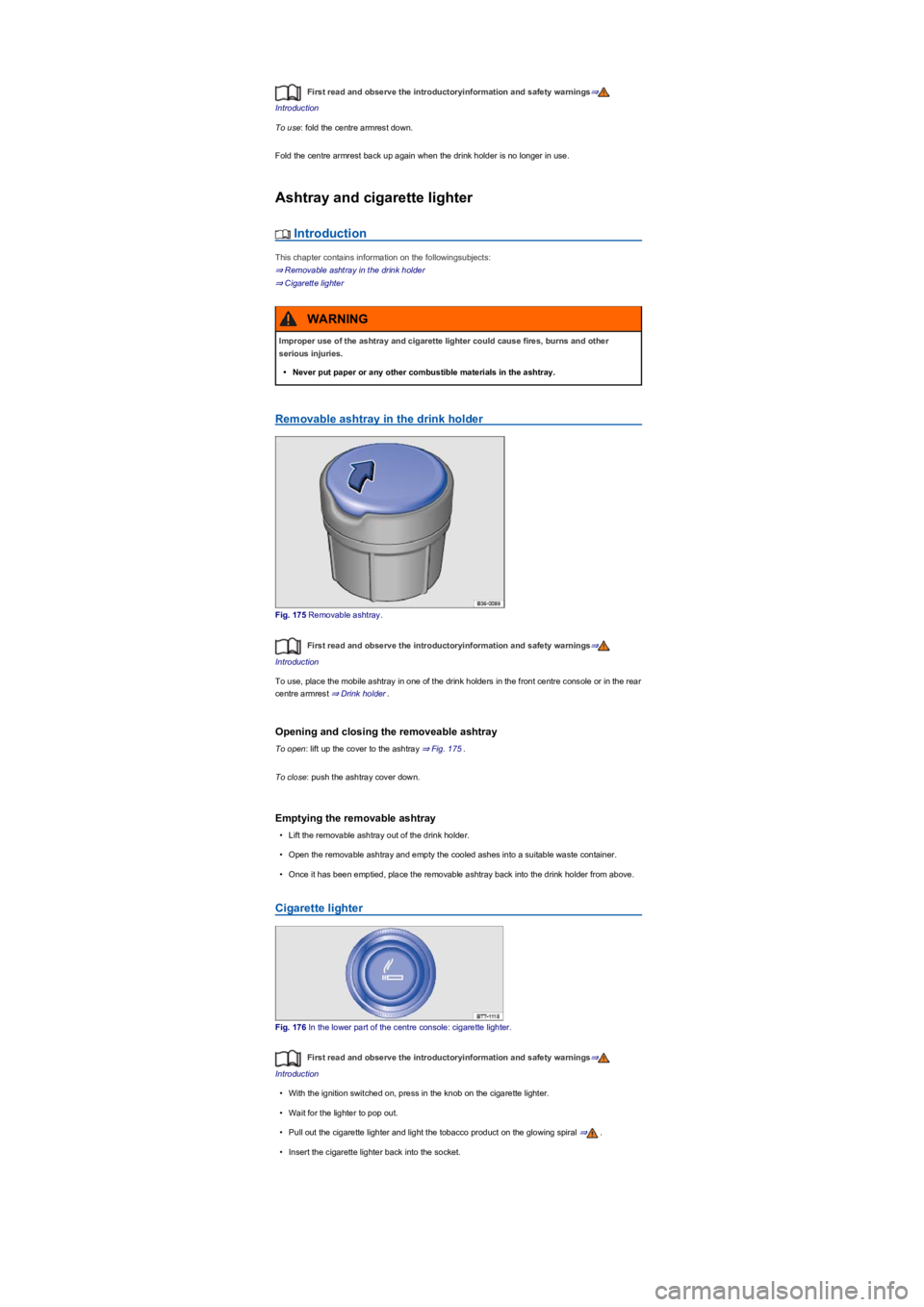
Fig. 174 In the rear centre armrest: drink holder.
Incorrect use of the drink holders can cause injury.
•Do not place any hot drinks in a drink holder. Hot drinks in a drink holder could be
spilled and cause scalding in any sudden braking manoeuvre or accident.
•Ensure that drink bottles or any other objects do not enter the driver footwell and
obstruct the pedals while the vehicle is in motion.
•Never place heavy cups, food or any other heavy items in the drink holders. These
heavy objects could be flung through the vehicle interior during an accident and cause
serious injuries.
WARNING
Closed drink bottles can explode in the vehicle in extreme heat or crack in extremely cold
temperatures.
•Never leave closed drink bottles in an extremely hot or extremely cold vehicle for
extended periods.
WARNING
Do not leave any open drinks in the drink holder while the vehicle is in motion. Drinks that
are spilled, for example during braking, can damage the vehicle and the vehicle electrical
system.
NOTICE
Page 218 of 341
First read and observe the introductoryinformation and safety warnings⇒
Introduction
To use: fold the centre armrest down.
Fold the centre armrest back up again when the drink holder is no longer in use.
Ashtray and cigarette lighter
Introduction
This chapter contains information on the followingsubjects:
⇒ Removable ashtray in the drink holder
⇒ Cigarette lighter
Removable ashtray in the drink holder
Fig. 175 Removable ashtray.
First read and observe the introductoryinformation and safety warnings⇒
Introduction
To use, place the mobile ashtray in one of the drink holders in the front centre console or in the rear
centre armrest ⇒ Drink holder.
Opening and closing the removeable ashtray
To open: lift up the cover to the ashtray ⇒ Fig. 175.
To close: push the ashtray cover down.
Emptying the removable ashtray
•Lift the removable ashtray out of the drink holder.
•Open the removable ashtray and empty the cooled ashes into a suitable waste container.
•Once it has been emptied, place the removable ashtray back into the drink holder from above.
Cigarette lighter
Fig. 176 In the lower part of the centre console: cigarette lighter.
First read and observe the introductoryinformation and safety warnings⇒
Introduction
•With the ignition switched on, press in the knob on the cigarette lighter.
•Wait for the lighter to pop out.
•Pull out the cigarette lighter and light the tobacco product on the glowing spiral ⇒.
•Insert the cigarette lighter back into the socket.
Improper use of the ashtray and cigarette lighter could cause fires, burns and other
serious injuries.
•Never put paper or any other combustible materials in the ashtray.
WARNING
Page 219 of 341
The cigarette lighter socket can also be used as a 12-volt socket ⇒ Electrical sockets.
Electrical sockets
Introduction
This chapter contains information on the followingsubjects:
⇒ Sockets in the vehicle
Electrical equipment can be connected to the sockets in the vehicle.
The electrical devices must be in good condition. Do not use faulty devices.
The 12-volt socket will work only when the ignition is switched on.
Using electrical consumers with the engine switched off and the ignition switched on will
drain the 12-volt battery.
Unshielded devices can cause interference in the Infotainment system and vehicle
electronics.
Sockets in the vehicle
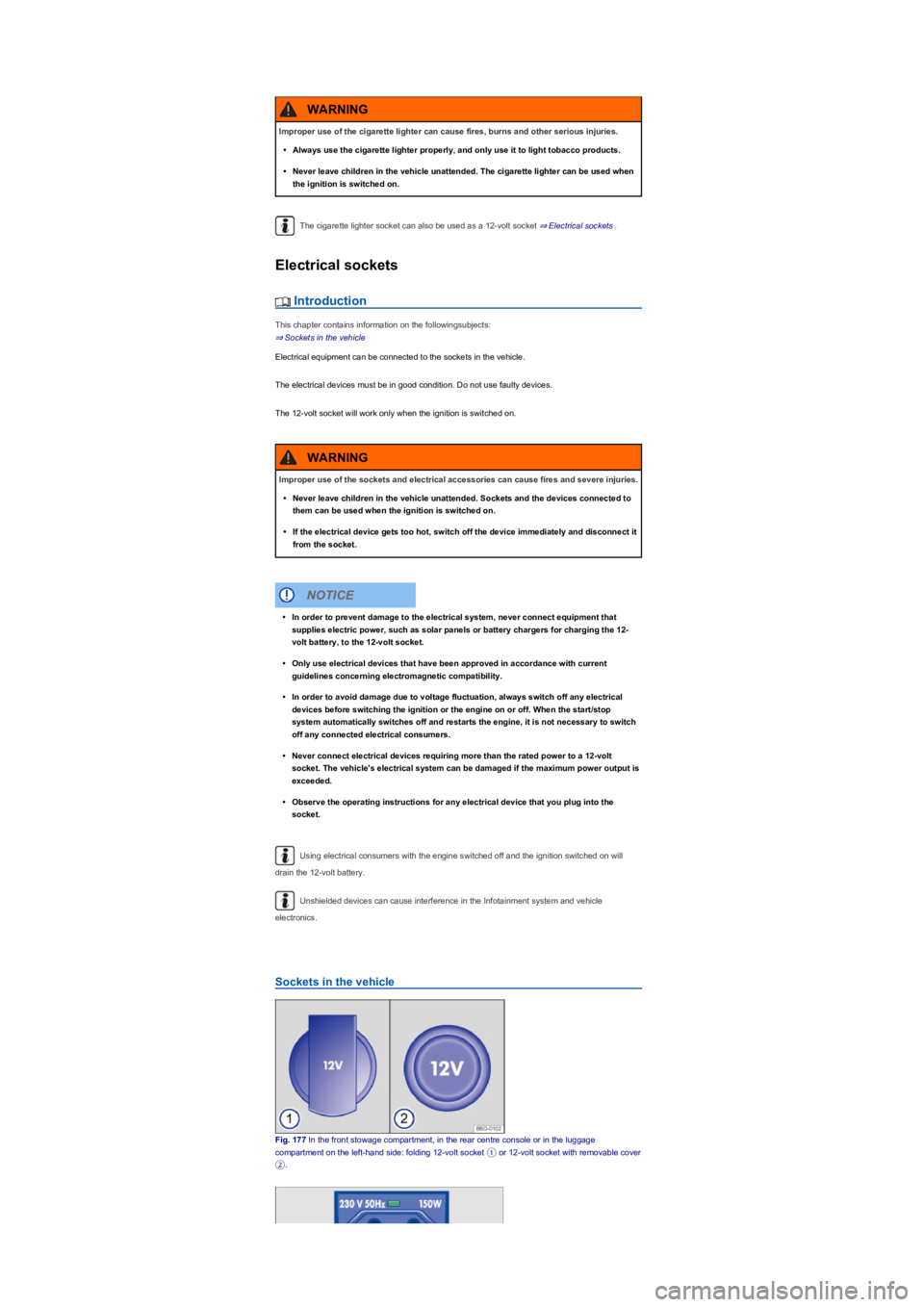
Fig. 177 In the front stowage compartment, in the rear centre console or in the luggage
compartment on the left-hand side: folding 12-volt socket ① or 12-volt socket with removable cover
②.
Improper use of the cigarette lighter can cause fires, burns and other serious injuries.
•Always use the cigarette lighter properly, and only use it to light tobacco products.
•Never leave children in the vehicle unattended. The cigarette lighter can be used when
the ignition is switched on.
WARNING
Improper use of the sockets and electrical accessories can cause fires and severe injuries.
•Never leave children in the vehicle unattended. Sockets and the devices connected to
them can be used when the ignition is switched on.
•If the electrical device gets too hot, switch off the device immediately and disconnect it
from the socket.
WARNING
•In order to prevent damage to the electrical system, never connect equipment that
supplies electric power, such as solar panels or battery chargers for charging the 12-
volt battery, to the 12-volt socket.
•Only use electrical devices that have been approved in accordance with current
guidelines concerning electromagnetic compatibility.
•In order to avoid damage due to voltage fluctuation, always switch off any electrical
devices before switching the ignition or the engine on or off. When the start/stop
system automatically switches off and restarts the engine, it is not necessary to switch
off any connected electrical consumers.
•Never connect electrical devices requiring more than the rated power to a 12-volt
socket. The vehicle's electrical system can be damaged if the maximum power output is
exceeded.
•Observe the operating instructions for any electrical device that you plug into the
socket.
NOTICE
Page 225 of 341
•If necessary, fold back the rear seat backrest and allow it to engage securely.
•If necessary, adjust the headlight range ⇒ Headlights.
•Adjust the tyre pressure according to the vehicle load. Observe the tyre pressure sticker ⇒ Tyre
pressure.
•In vehicles with a tyre monitoring system, set the new vehicle load level as necessary ⇒ Tyre
monitoring systems.
Do not cover the ventilation openings in the area around the rear window as this prevents
stale air escaping from the vehicle.
Luggage compartment cover
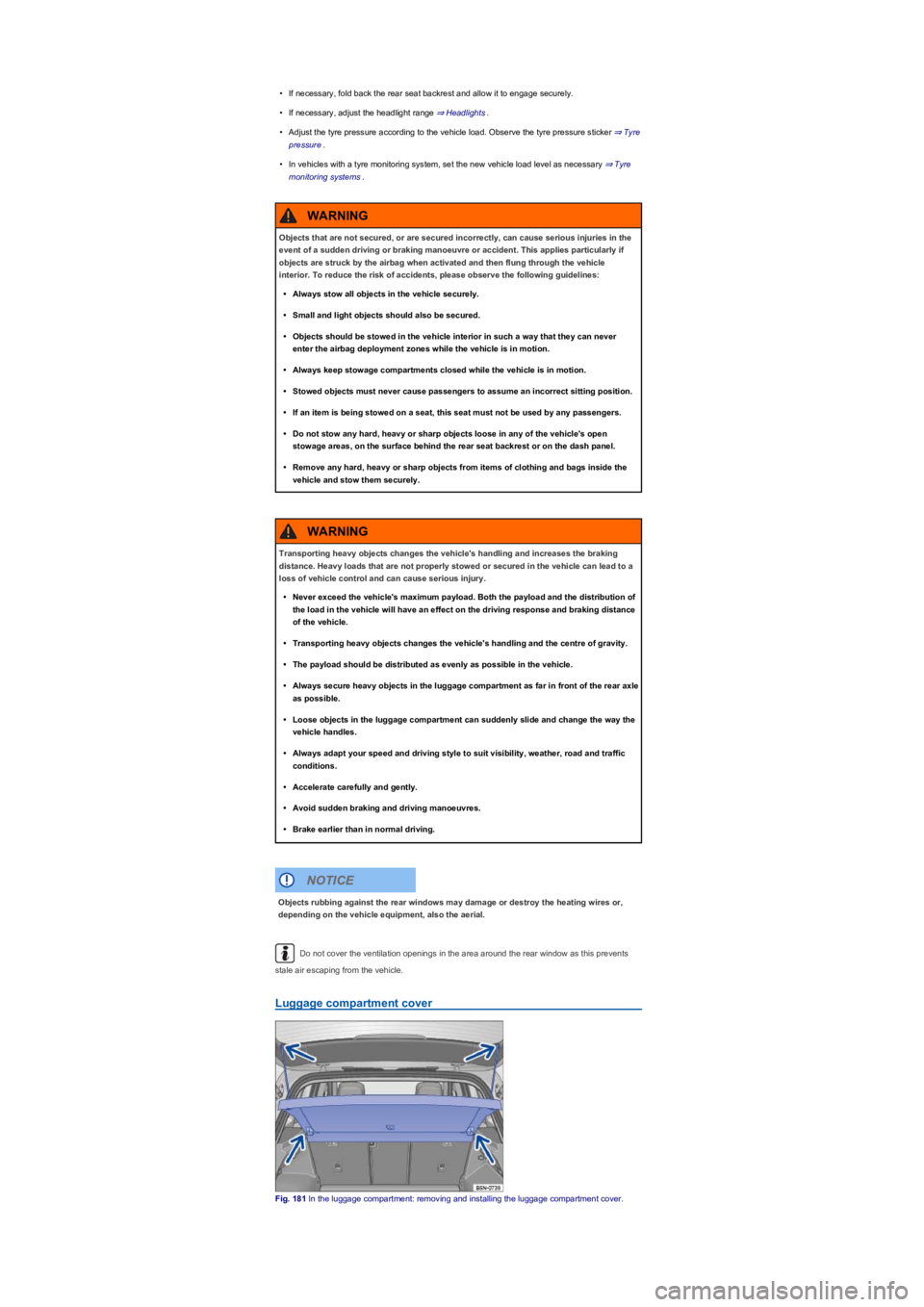
Fig. 181 In the luggage compartment: removing and installing the luggage compartment cover.
Objects that are not secured, or are secured incorrectly, can cause serious injuries in the
event of a sudden driving or braking manoeuvre or accident. This applies particularly if
objects are struck by the airbag when activated and then flung through the vehicle
interior. To reduce the risk of accidents, please observe the following guidelines:
•Always stow all objects in the vehicle securely.
•Small and light objects should also be secured.
•Objects should be stowed in the vehicle interior in such a way that they can never
enter the airbag deployment zones while the vehicle is in motion.
•Always keep stowage compartments closed while the vehicle is in motion.
•Stowed objects must never cause passengers to assume an incorrect sitting position.
•If an item is being stowed on a seat, this seat must not be used by any passengers.
•Do not stow any hard, heavy or sharp objects loose in any of the vehicle's open
stowage areas, on the surface behind the rear seat backrest or on the dash panel.
•Remove any hard, heavy or sharp objects from items of clothing and bags inside the
vehicle and stow them securely.
WARNING
Transporting heavy objects changes the vehicle's handling and increases the braking
distance. Heavy loads that are not properly stowed or secured in the vehicle can lead to a
loss of vehicle control and can cause serious injury.
•Never exceed the vehicle's maximum payload. Both the payload and the distribution of
the load in the vehicle will have an effect on the driving response and braking distance
of the vehicle.
•Transporting heavy objects changes the vehicle's handling and the centre of gravity.
•The payload should be distributed as evenly as possible in the vehicle.
•Always secure heavy objects in the luggage compartment as far in front of the rear axle
as possible.
•Loose objects in the luggage compartment can suddenly slide and change the way the
vehicle handles.
•Always adapt your speed and driving style to suit visibility, weather, road and traffic
conditions.
•Accelerate carefully and gently.
•Avoid sudden braking and driving manoeuvres.
•Brake earlier than in normal driving.
WARNING
Objects rubbing against the rear windows may damage or destroy the heating wires or,
depending on the vehicle equipment, also the aerial.
NOTICE
Page 230 of 341
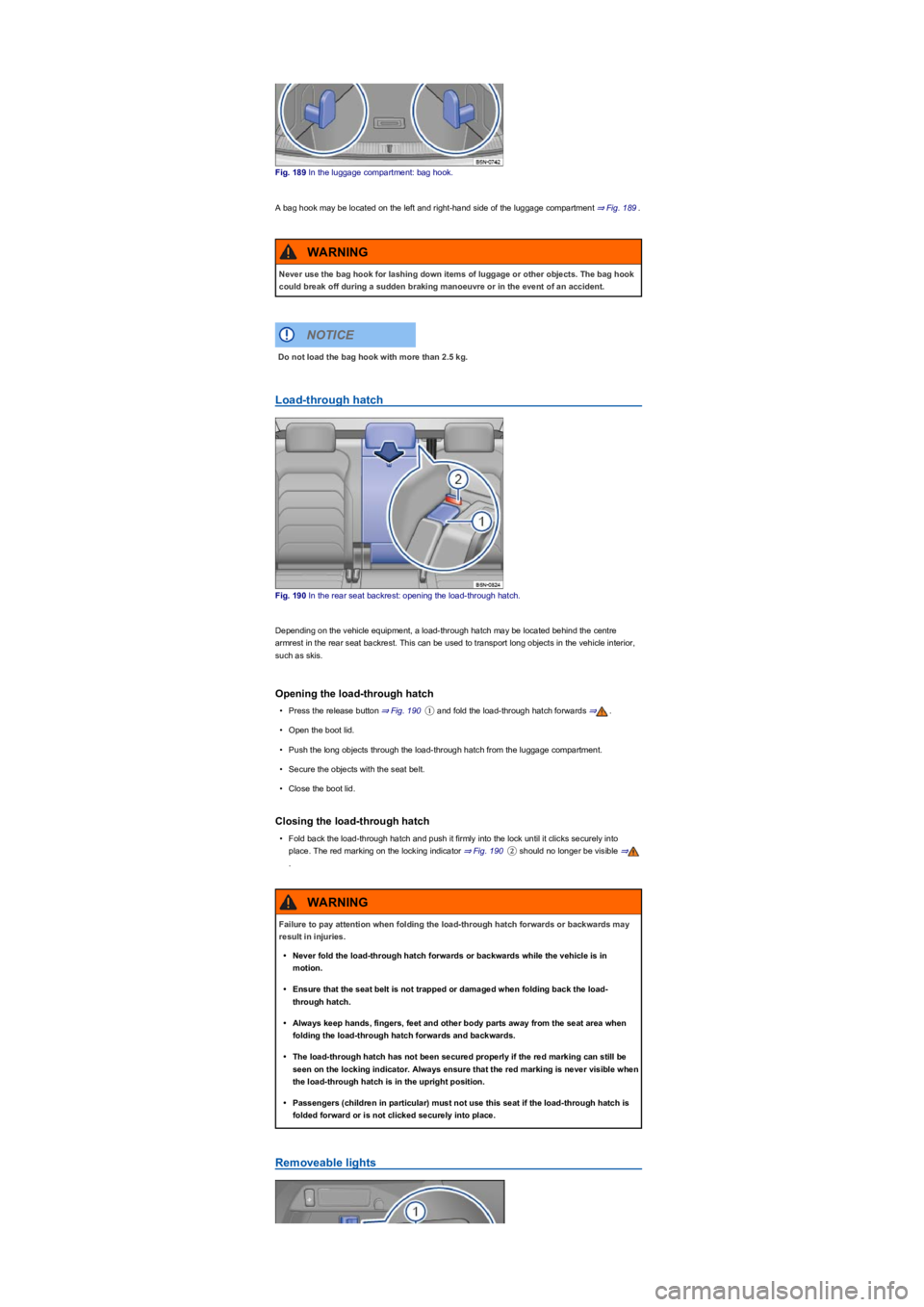
Fig. 189 In the luggage compartment: bag hook.
A bag hook may be located on the left and right-hand side of the luggage compartment ⇒ Fig. 189.
Load-through hatch
Fig. 190 In the rear seat backrest: opening the load-through hatch.
Depending on the vehicle equipment, a load-through hatch may be located behind the centre
armrest in the rear seat backrest. This can be used to transport long objects in the vehicle interior,
such as skis.
Opening the load-through hatch
•Press the release button ⇒ Fig. 190① and fold the load-through hatch forwards ⇒.
•Open the boot lid.
•Push the long objects through the load-through hatch from the luggage compartment.
•Secure the objects with the seat belt.
•Close the boot lid.
Closing the load-through hatch
•Fold back the load-through hatch and push it firmly into the lock until it clicks securely into
place. The red marking on the locking indicator ⇒ Fig. 190② should no longer be visible ⇒
.
Removeable lights
Never use the bag hook for lashing down items of luggage or other objects. The bag hook
could break off during a sudden braking manoeuvre or in the event of an accident.
WARNING
Do not load the bag hook with more than 2.5 kg.
NOTICE
Failure to pay attention when folding the load-through hatch forwards or backwards may
result in injuries.
•Never fold the load-through hatch forwards or backwards while the vehicle is in
motion.
•Ensure that the seat belt is not trapped or damaged when folding back the load-
through hatch.
•Always keep hands, fingers, feet and other body parts away from the seat area when
folding the load-through hatch forwards and backwards.
•The load-through hatch has not been secured properly if the red marking can still be
seen on the locking indicator. Always ensure that the red marking is never visible when
the load-through hatch is in the upright position.
•Passengers (children in particular) must not use this seat if the load-through hatch is
folded forward or is not clicked securely into place.
WARNING
Page 232 of 341
If the vehicle is not approved for use with a roof carrier, do not use or retrofit a roof carrier.
Securing a roof carrier
First read and observe the introductoryinformation and safety warnings⇒
Introduction
Special roof carriers must be used to transport luggage, bicycles, skis, surfboards or boats safely ⇒
. Suitable accessories are available from your Volkswagen dealership.
Attaching roof bars and load carrier system (vehicles with roof railings)
Mount roof bars to the roof railing according to the installation instructions provided.
Once you have fitted the base carrier bars, you can then secure the respective carrier system on
them.
Loading the roof carrier
First read and observe the introductoryinformation and safety warnings⇒
Introduction
Maximum permissible roof load
The maximum permitted roof load is 75 kg.
The roof load limit refers to the combined weight of the roof carrier and the load carried on the roof
⇒.
When transporting heavy or bulky items on the roof carrier, the vehicle handling will
change due to the shift in the centre of gravity and increased susceptibility to crosswinds.
•Always secure loads properly using suitable and undamaged securing straps.
•Cargo that is large, heavy, bulky, long or flat will have a negative effect on the vehicle
aerodynamics, centre of gravity and overall handling.
•Avoid abrupt and sudden driving and braking manoeuvres.
•Always adapt your speed and driving style to suit visibility, weather, road and traffic
conditions.
WARNING
A roof carrier that has not been approved for the vehicle or a roof carrier that is fitted to a
vehicle that is not approved for use with a roof carrier may cause accidents or injuries.
•Use only roof carriers that have been approved by Volkswagen for your vehicle type.
•Never use a roof carrier on a vehicle that has not been approved for use with a roof
carrier.
•A roof carrier that is fitted nevertheless may become loose whilst the vehicle is in
motion and fall from the vehicle roof.
WARNING
Securing a roof carrier of any kind to a vehicle that is not approved for use with a roof
carrier may lead to severe damage to the vehicle.
NOTICE
Incorrectly attaching and using the roof bars and load carrier could cause the whole roof
carrier system to fall off the roof. This could cause accidents and injuries.
•Only use roof bars and load carrier systems when they are undamaged and fitted
correctly.
•Always fit roof bars and load carriers correctly. Always observe the installation
instructions provided by the manufacturer.
•Attach the roof bars only at the specified mounting points.
•Special roof carriers for items such as bicycles, skis, surfboards, etc. should always be
properly installed. Always observe the installation instructions provided by the
manufacturer.
•Check that the roof carrier is secured before starting your journey and tighten as
necessary after driving a short distance. During a long trip, check all bolts and
fasteners at each stop.
•Do not carry out any changes or repairs to the roof bars or the load carrier system.
WARNING