engine VOLKSWAGEN UP! 2021 Owner´s Manual
[x] Cancel search | Manufacturer: VOLKSWAGEN, Model Year: 2021, Model line: UP!, Model: VOLKSWAGEN UP! 2021Pages: 211, PDF Size: 5.98 MB
Page 14 of 211
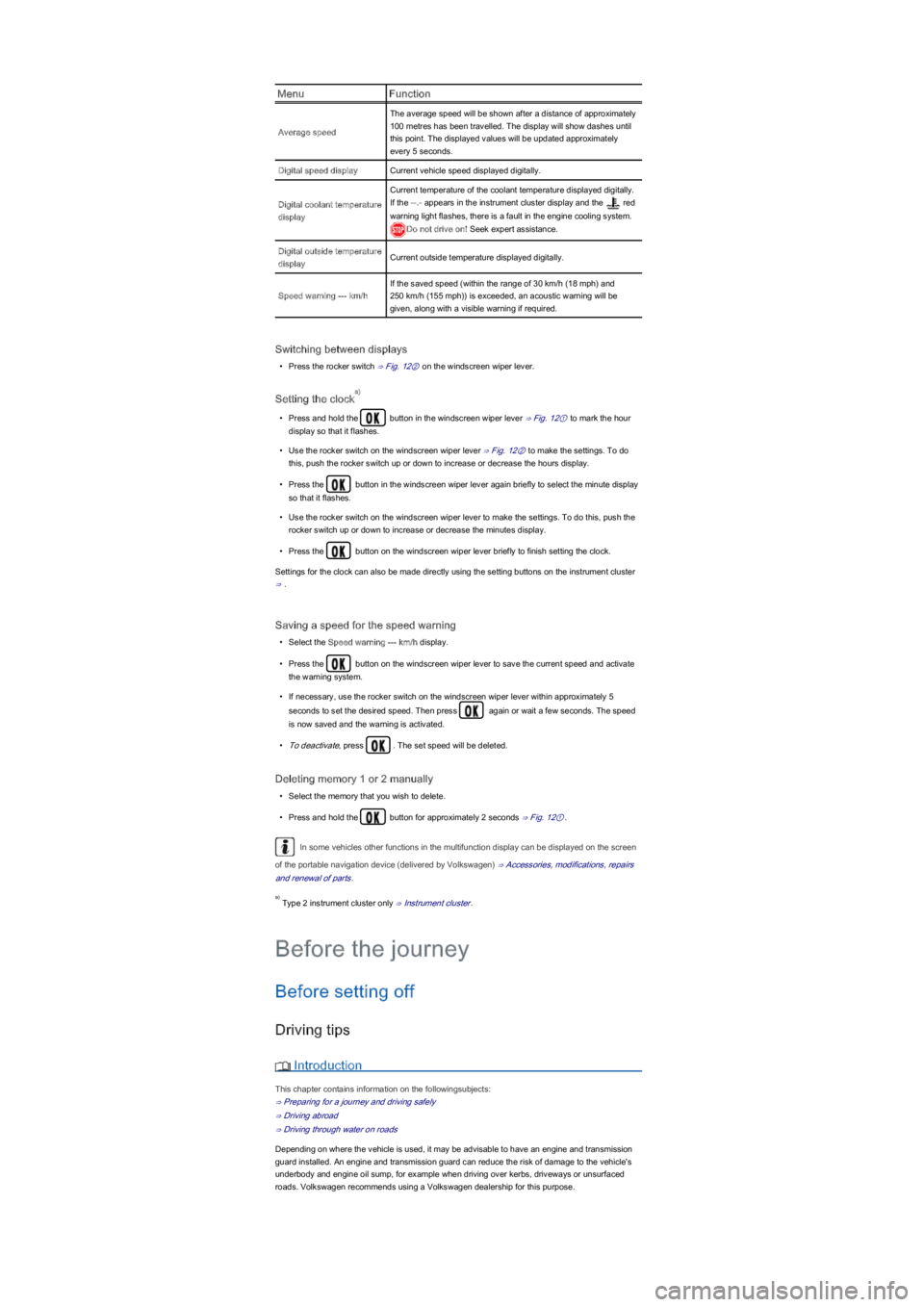
MenuFunction
Average speed
The average speed will be shown after a distance of approximately
100 metres has been travelled. The display will show dashes until
this point. The displayed values will be updated approximately
every 5 seconds.
Digital speed displayCurrent vehicle speed displayed digitally.
Digital coolant temperature
display
Current temperature of the coolant temperature displayed digitally.
If the --.- appears in the instrument cluster display and the red
warning light flashes, there is a fault in the engine cooling system.
Do not drive on! Seek expert assistance.
Digital outside temperature
displayCurrent outside temperature displayed digitally.
Speed warning --- km/h
If the saved speed (within the range of 30 km/h (18 mph) and
250 km/h (155 mph)) is exceeded, an acoustic warning will be
given, along with a visible warning if required.
Switching between displays
•Press the rocker switch ⇒ Fig. 12② on the windscreen wiper lever.
Setting the clock
•Press and hold the button in the windscreen wiper lever ⇒ Fig. 12① to mark the hour
display so that it flashes.
•Use the rocker switch on the windscreen wiper lever ⇒ Fig. 12② to make the settings. To do
this, push the rocker switch up or down to increase or decrease the hours display.
•Press the button in the windscreen wiper lever again briefly to select the minute display
so that it flashes.
•Use the rocker switch on the windscreen wiper lever to make the settings. To do this, push the
rocker switch up or down to increase or decrease the minutes display.
•Press the button on the windscreen wiper lever briefly to finish setting the clock.
Settings for the clock can also be made directly using the setting buttons on the instrument cluster
⇒ .
Saving a speed for the speed warning
•Select the Speed warning --- km/h display.
•Press the button on the windscreen wiper lever to save the current speed and activate
the warning system.
•If necessary, use the rocker switch on the windscreen wiper lever within approximately 5
seconds to set the desired speed. Then press again or wait a few seconds. The speed
is now saved and the warning is activated.
•To deactivate, press . The set speed will be deleted.
Deleting memory 1 or 2 manually
•Select the memory that you wish to delete.
•Press and hold the button for approximately 2 seconds ⇒ Fig. 12①.
In some vehicles other functions in the multifunction display can be displayed on the screen
of the portable navigation device (delivered by Volkswagen) ⇒ Accessories, modifications, repairs
and renewal of parts.
Type 2 instrument cluster only ⇒ Instrument cluster.
Before setting off
Driving tips
Introduction
This chapter contains information on the followingsubjects:
⇒ Preparing for a journey and driving safely
⇒ Driving abroad
⇒ Driving through water on roads
Depending on where the vehicle is used, it may be advisable to have an engine and transmission
guard installed. An engine and transmission guard can reduce the risk of damage to the vehicle's
underbody and engine oil sump, for example when driving over kerbs, driveways or unsurfaced
roads. Volkswagen recommends using a Volkswagen dealership for this purpose.
a)
a)
Before the journey
Page 15 of 211
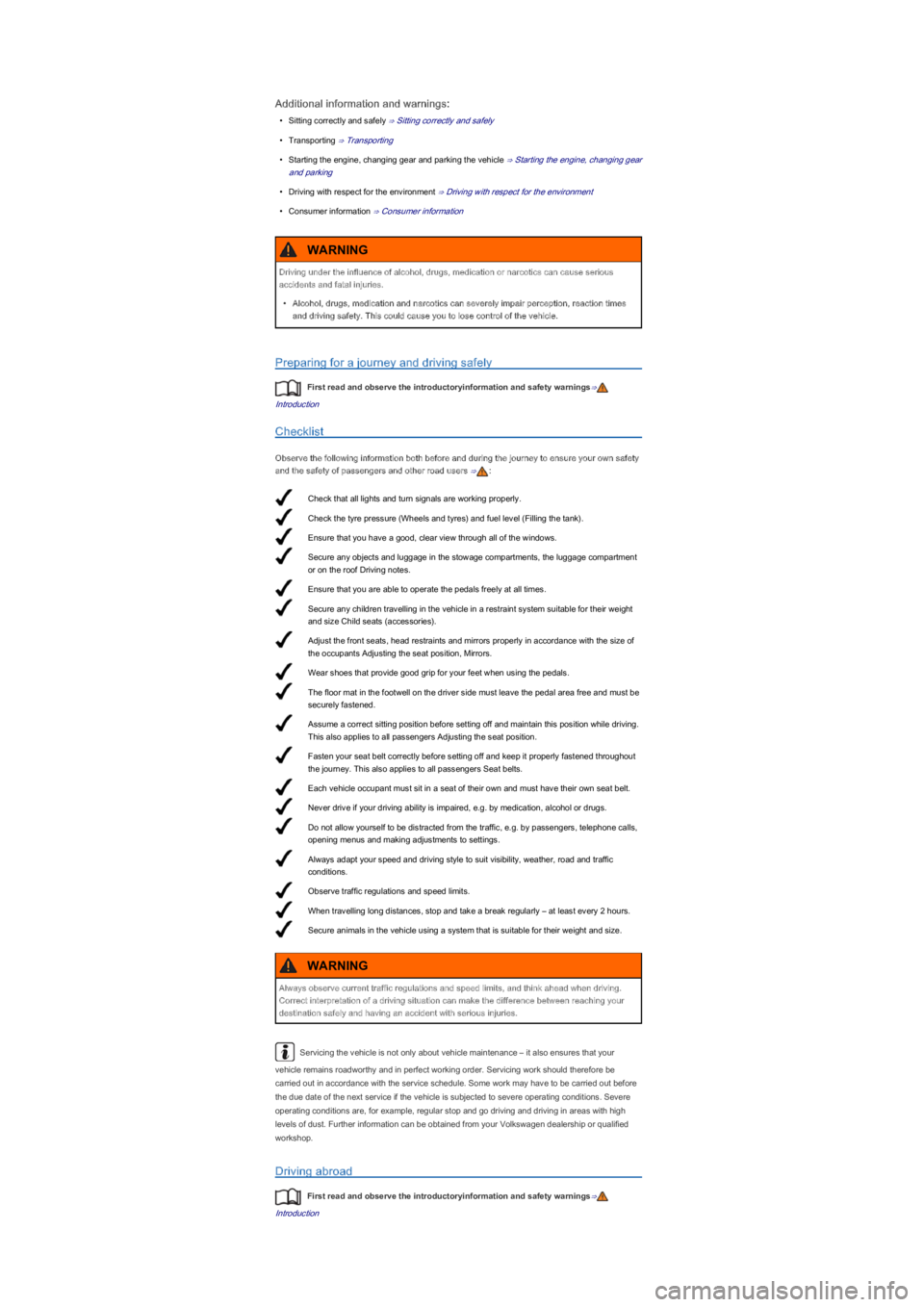
Check that all lights and turn signals are working properly.
Check the tyre pressure (Wheels and tyres) and fuel level (Filling the tank).
Ensure that you have a good, clear view through all of the windows.
Secure any objects and luggage in the stowage compartments, the luggage compartment
or on the roof Driving notes.
Ensure that you are able to operate the pedals freely at all times.
Secure any children travelling in the vehicle in a restraint system suitable for their weight
and size Child seats (accessories).
Adjust the front seats, head restraints and mirrors properly in accordance with the size of
the occupants Adjusting the seat position, Mirrors.
Wear shoes that provide good grip for your feet when using the pedals.
The floor mat in the footwell on the driver side must leave the pedal area free and must be
securely fastened.
Assume a correct sitting position before setting off and maintain this position while driving.
This also applies to all passengers Adjusting the seat position.
Fasten your seat belt correctly before setting off and keep it properly fastened throughout
the journey. This also applies to all passengers Seat belts.
Each vehicle occupant must sit in a seat of their own and must have their own seat belt.
Never drive if your driving ability is impaired, e.g. by medication, alcohol or drugs.
Do not allow yourself to be distracted from the traffic, e.g. by passengers, telephone calls,
opening menus and making adjustments to settings.
Always adapt your speed and driving style to suit visibility, weather, road and traffic
conditions.
Observe traffic regulations and speed limits.
When travelling long distances, stop and take a break regularly – at least every 2 hours.
Secure animals in the vehicle using a system that is suitable for their weight and size.
Additional information and warnings:
•Sitting correctly and safely ⇒ Sitting correctly and safely
•Transporting ⇒ Transporting
•Starting the engine, changing gear and parking the vehicle ⇒ Starting the engine, changing gear
and parking
•Driving with respect for the environment ⇒ Driving with respect for the environment
•Consumer information ⇒ Consumer information
Preparing for a journey and driving safely
First read and observe the introductoryinformation and safety warnings⇒
Introduction
Checklist
Observe the following information both before and during the journey to ensure your own safety
and the safety of passengers and other road users ⇒:
Servicing the vehicle is not only about vehicle maintenance – it also ensures that your
vehicle remains roadworthy and in perfect working order. Servicing work should therefore be
carried out in accordance with the service schedule. Some work may have to be carried out before
the due date of the next service if the vehicle is subjected to severe operating conditions. Severe
operating conditions are, for example, regular stop and go driving and driving in areas with high
levels of dust. Further information can be obtained from your Volkswagen dealership or qualified
workshop.
Driving abroad
First read and observe the introductoryinformation and safety warnings⇒
Introduction
Driving under the influence of alcohol, drugs, medication or narcotics can cause serious
accidents and fatal injuries.
•Alcohol, drugs, medication and narcotics can severely impair perception, reaction times
and driving safety. This could cause you to lose control of the vehicle.
WARNING
Always observe current traffic regulations and speed limits, and think ahead when driving.
Correct interpretation of a driving situation can make the difference between reaching your
destination safely and having an accident with serious injuries.
WARNING
Page 16 of 211
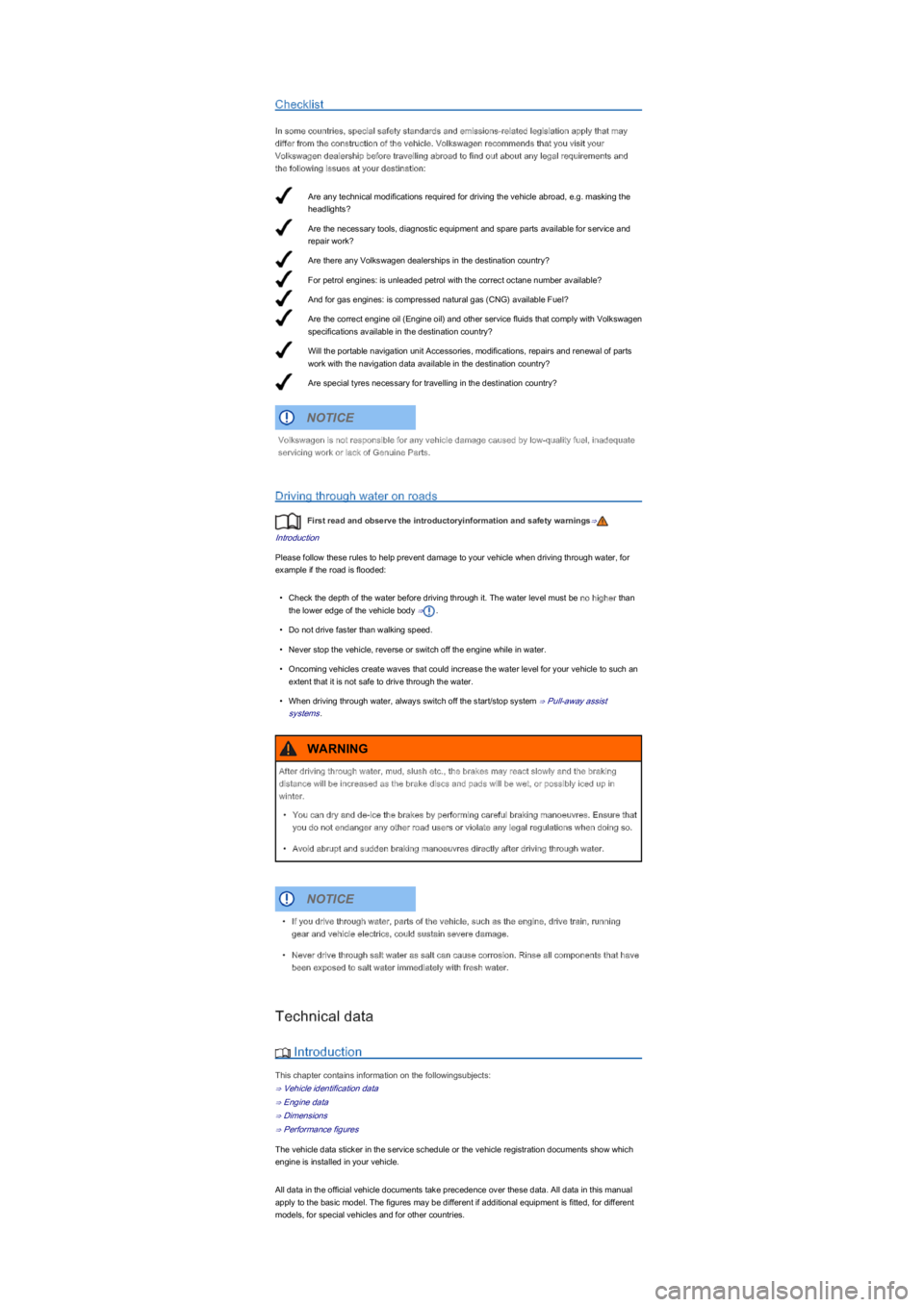
Are any technical modifications required for driving the vehicle abroad, e.g. masking the
headlights?
Are the necessary tools, diagnostic equipment and spare parts available for service and
repair work?
Are there any Volkswagen dealerships in the destination country?
For petrol engines: is unleaded petrol with the correct octane number available?
And for gas engines: is compressed natural gas (CNG) available Fuel?
Are the correct engine oil (Engine oil) and other service fluids that comply with Volkswagen
specifications available in the destination country?
Will the portable navigation unit Accessories, modifications, repairs and renewal of parts
work with the navigation data available in the destination country?
Are special tyres necessary for travelling in the destination country?
Checklist
In some countries, special safety standards and emissions-related legislation apply that may
differ from the construction of the vehicle. Volkswagen recommends that you visit your
Volkswagen dealership before travelling abroad to find out about any legal requirements and
the following issues at your destination:
Driving through water on roads
First read and observe the introductoryinformation and safety warnings⇒
Introduction
Please follow these rules to help prevent damage to your vehicle when driving through water, for
example if the road is flooded:
•Check the depth of the water before driving through it. The water level must be no higher than
the lower edge of the vehicle body ⇒.
•Do not drive faster than walking speed.
•Never stop the vehicle, reverse or switch off the engine while in water.
•Oncoming vehicles create waves that could increase the water level for your vehicle to such an
extent that it is not safe to drive through the water.
•When driving through water, always switch off the start/stop system ⇒ Pull-away assist
systems.
Technical data
Introduction
This chapter contains information on the followingsubjects:
⇒ Vehicle identification data
⇒ Engine data
⇒ Dimensions
⇒ Performance figures
The vehicle data sticker in the service schedule or the vehicle registration documents show which
engine is installed in your vehicle.
All data in the official vehicle documents take precedence over these data. All data in this manual
apply to the basic model. The figures may be different if additional equipment is fitted, for different
models, for special vehicles and for other countries.
Volkswagen is not responsible for any vehicle damage caused by low-quality fuel, inadequate
servicing work or lack of Genuine Parts.
NOTICE
After driving through water, mud, slush etc., the brakes may react slowly and the braking
distance will be increased as the brake discs and pads will be wet, or possibly iced up in
winter.
•You can dry and de-ice the brakes by performing careful braking manoeuvres. Ensure that
you do not endanger any other road users or violate any legal regulations when doing so.
•Avoid abrupt and sudden braking manoeuvres directly after driving through water.
WARNING
•If you drive through water, parts of the vehicle, such as the engine, drive train, running
gear and vehicle electrics, could sustain severe damage.
•Never drive through salt water as salt can cause corrosion. Rinse all components that have
been exposed to salt water immediately with fresh water.
NOTICE
Page 17 of 211
Additional information and warnings:
•Transporting ⇒ Driving notes
•Driving with respect for the environment ⇒ Driving with respect for the environment
•Fuel ⇒ Fuel
•Engine oil ⇒ Engine oil
•Engine coolant ⇒ Coolant
•Wheels and tyres ⇒ Wheels and tyres
•Consumer information ⇒ Consumer information
Vehicle identification data
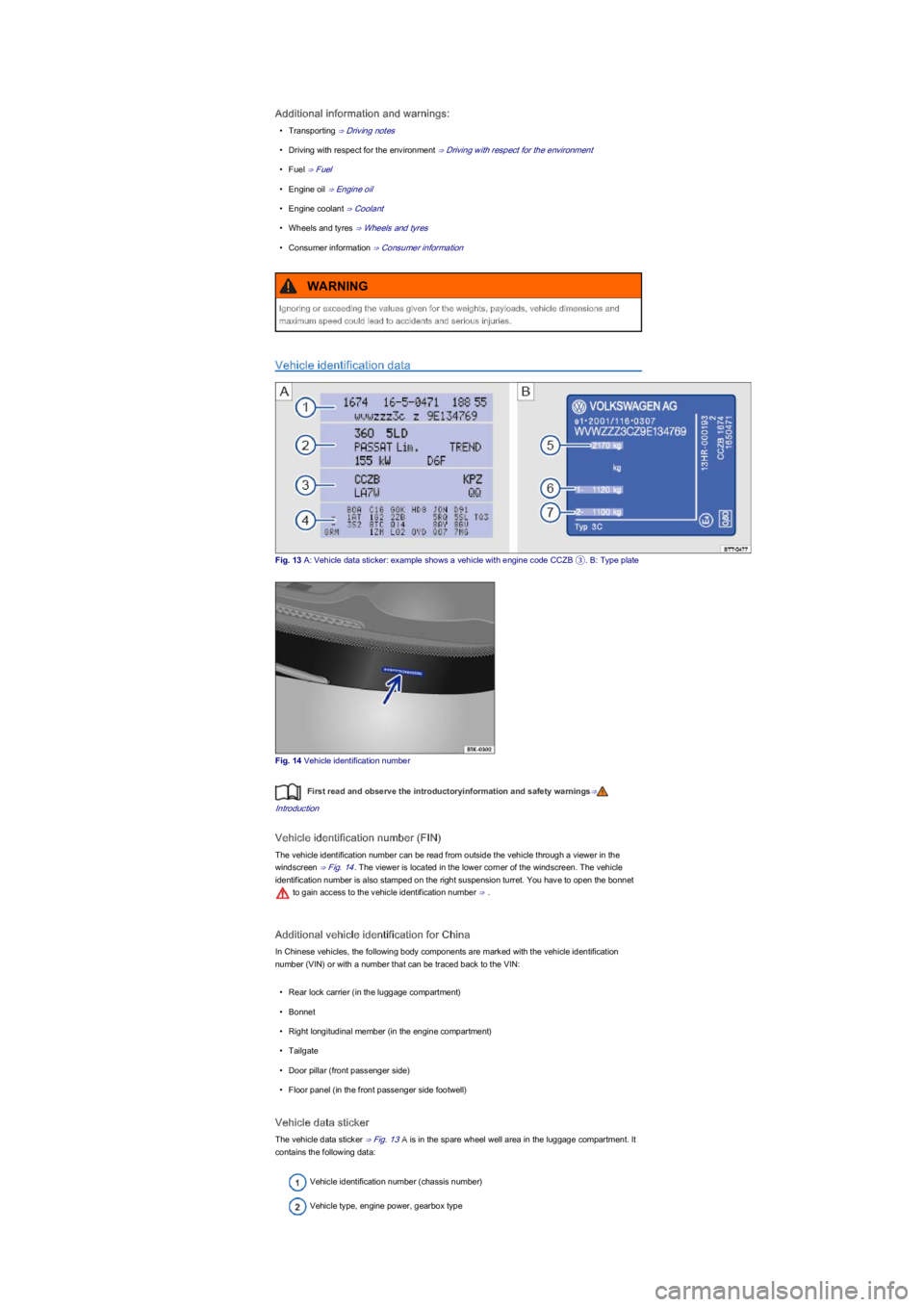
Fig. 13 A: Vehicle data sticker: example shows a vehicle with engine code CCZB ③. B: Type plate
Fig. 14 Vehicle identification number
First read and observe the introductoryinformation and safety warnings⇒
Introduction
Vehicle identification number (FIN)
The vehicle identification number can be read from outside the vehicle through a viewer in the
windscreen ⇒ Fig. 14. The viewer is located in the lower corner of the windscreen. The vehicle
identification number is also stamped on the right suspension turret. You have to open the bonnet
to gain access to the vehicle identification number ⇒ .
Additional vehicle identification for China
In Chinese vehicles, the following body components are marked with the vehicle identification
number (VIN) or with a number that can be traced back to the VIN:
•Rear lock carrier (in the luggage compartment)
•Bonnet
•Right longitudinal member (in the engine compartment)
•Tailgate
•Door pillar (front passenger side)
•Floor panel (in the front passenger side footwell)
Vehicle data sticker
The vehicle data sticker ⇒ Fig. 13A is in the spare wheel well area in the luggage compartment. It
contains the following data:
Vehicle identification number (chassis number)
Vehicle type, engine power, gearbox type
Ignoring or exceeding the values given for the weights, payloads, vehicle dimensions and
maximum speed could lead to accidents and serious injuries.
WARNING
Page 18 of 211
Engine and gearbox code, paint number, interior equipment. In the example, the engine
code is CCZB ⇒ Fig. 13A.
Optional extras, PR numbers
These vehicle data are also contained in the service schedule.
Type plate
The type plate ⇒ Fig. 13B can be seen on the lower part of the door pillar when the door is open.
Vehicles for certain export countries do not have a type plate.
The type plate contains the following data:
Gross vehicle weight rating
Gross axle weight rating, front
Gross axle weight rating, rear
Engine data
First read and observe the introductoryinformation and safety warnings⇒
Introduction
For reasons of vehicle registration and vehicle taxation, the power output and performance of some
engines may vary in some countries from the information given in this booklet.
Petrol engines
Engine powerECMaximum torqueCylinders,
capacity
44 kW at
5,000 – 6,000 rpmCHYA95 Nm at 1,750 – 3,000 rpm3 cylinders,
999 ccm
55 kW at 6,200 rpmCHYB95 Nm at 3,000 – 4,300 rpm3 cylinders,
999 ccm
Natural gas engine
Engine powerECMaximum torqueCylinders,
capacity
50 kW at 6,200 rpmCPGA90 Nm at 3,000 rpm3 cylinders,
999 ccm
Dimensions
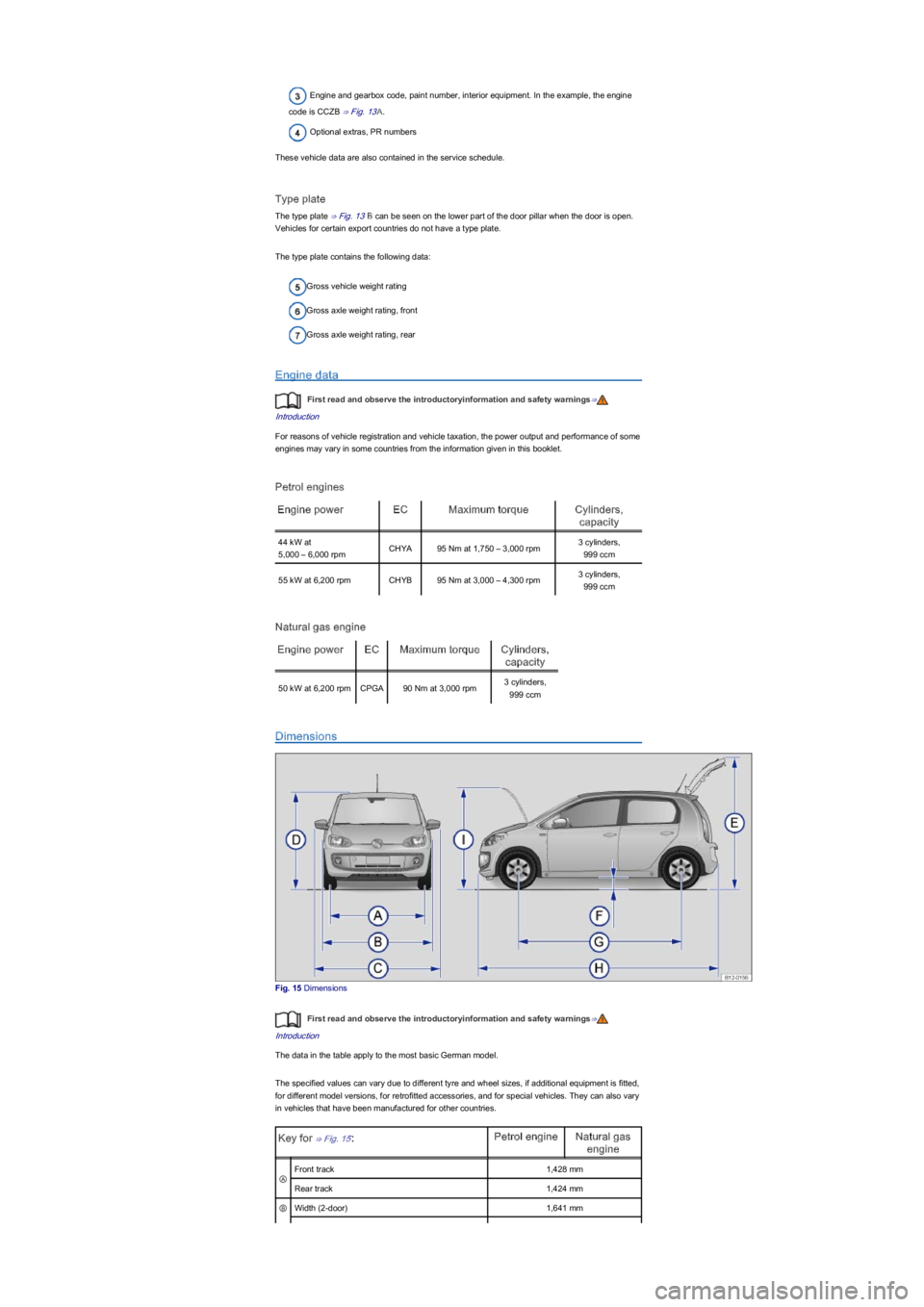
Fig. 15 Dimensions
First read and observe the introductoryinformation and safety warnings⇒
Introduction
The data in the table apply to the most basic German model.
The specified values can vary due to different tyre and wheel sizes, if additional equipment is fitted,
for different model versions, for retrofitted accessories, and for special vehicles. They can also vary
in vehicles that have been manufactured for other countries.
Key for ⇒ Fig. 15:Petrol engineNatural gas
engine
Ⓐ
Front track1,428 mm
Rear track1,424 mm
ⒷWidth (2-door)1,641 mm
Page 19 of 211
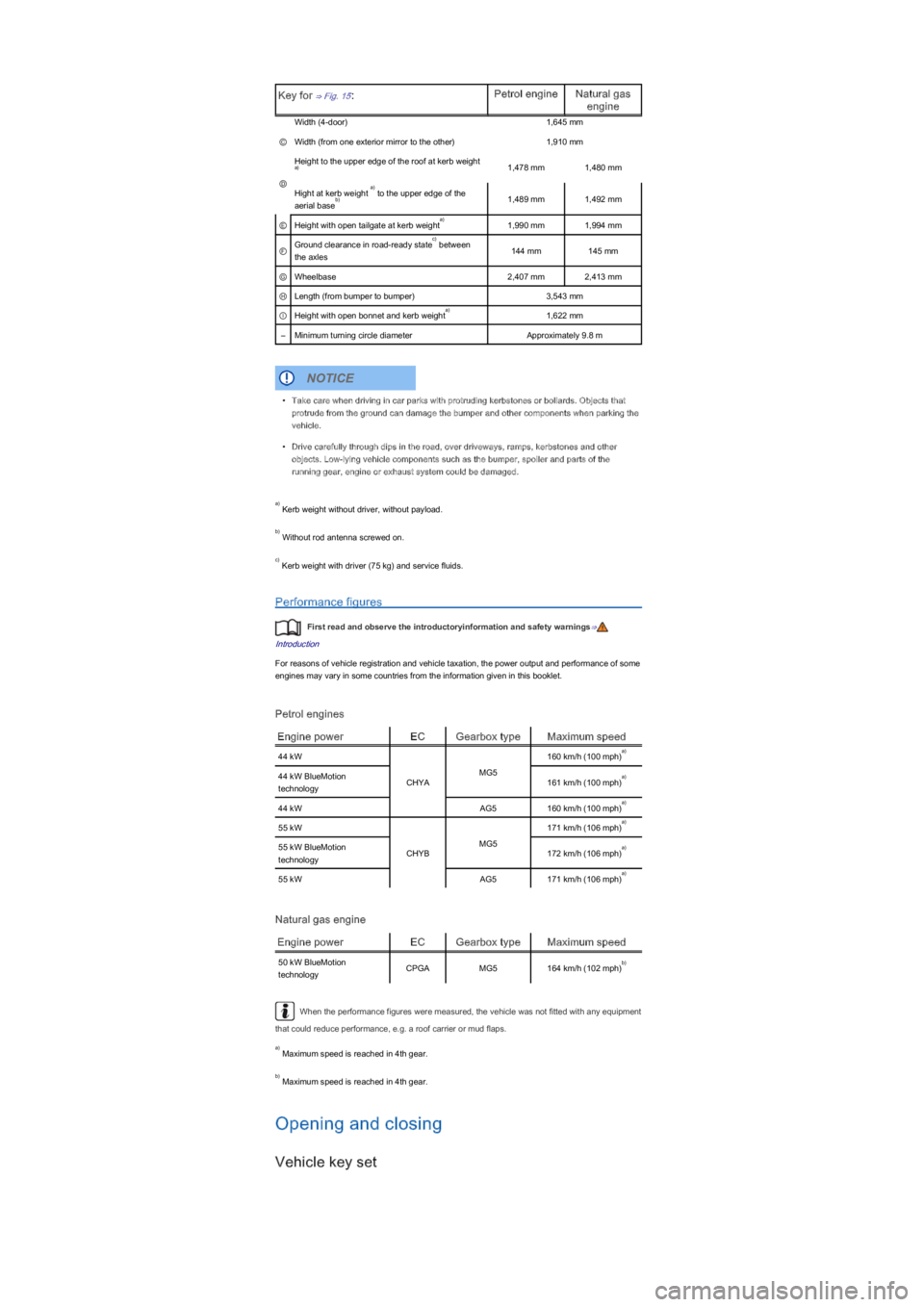
Key for ⇒ Fig. 15:Petrol engineNatural gas
engine
Width (4-door)1,645 mm
ⒸWidth (from one exterior mirror to the other)1,910 mm
Ⓓ
Height to the upper edge of the roof at kerb weight 1,478 mm1,480 mm
Hight at kerb weight to the upper edge of the
aerial base1,489 mm1,492 mm
ⒺHeight with open tailgate at kerb weight1,990 mm1,994 mm
ⒻGround clearance in road-ready state between
the axles144 mm145 mm
ⒼWheelbase2,407 mm2,413 mm
ⒽLength (from bumper to bumper)3,543 mm
ⒾHeight with open bonnet and kerb weight1,622 mm
–Minimum turning circle diameterApproximately 9.8 m
Kerb weight without driver, without payload.
Without rod antenna screwed on.
Kerb weight with driver (75 kg) and service fluids.
Performance figures
First read and observe the introductoryinformation and safety warnings⇒
Introduction
For reasons of vehicle registration and vehicle taxation, the power output and performance of some
engines may vary in some countries from the information given in this booklet.
Petrol engines
Engine powerECGearbox typeMaximum speed
44 kW
CHYA
MG5
160 km/h (100 mph)
44 kW BlueMotion
technology161 km/h (100 mph)
44 kWAG5160 km/h (100 mph)
55 kW
CHYB
MG5
171 km/h (106 mph)
55 kW BlueMotion
technology172 km/h (106 mph)
55 kWAG5171 km/h (106 mph)
Natural gas engine
Engine powerECGearbox typeMaximum speed
50 kW BlueMotion
technologyCPGAMG5164 km/h (102 mph)
When the performance figures were measured, the vehicle was not fitted with any equipment
that could reduce performance, e.g. a roof carrier or mud flaps.
Maximum speed is reached in 4th gear.
Maximum speed is reached in 4th gear.
Opening and closing
Vehicle key set
a)
a)
b)
a)
c)
a)
•Take care when driving in car parks with protruding kerbstones or bollards. Objects that
protrude from the ground can damage the bumper and other components when parking the
vehicle.
•Drive carefully through dips in the road, over driveways, ramps, kerbstones and other
objects. Low-lying vehicle components such as the bumper, spoiler and parts of the
running gear, engine or exhaust system could be damaged.
NOTICE
a)
b)
c)
a)
a)
a)
a)
a)
a)
b)
a)
b)
Page 20 of 211
Introduction
This chapter contains information on the followingsubjects:
⇒ Vehicle key
⇒ Mechanical vehicle key
⇒ Indicator lamp in the vehicle key
⇒ Replacing the battery
⇒ Synchronising the vehicle key
Additional information and warnings:
•Settings in the Volkswagen information system ⇒ Volkswagen information system
•Central locking system ⇒ Central locking system
•Starting and stopping the engine ⇒ Starting and stopping the engine
•Consumer information ⇒ Consumer information
•Manual opening and closing⇒ Manual opening and closing
Vehicle key
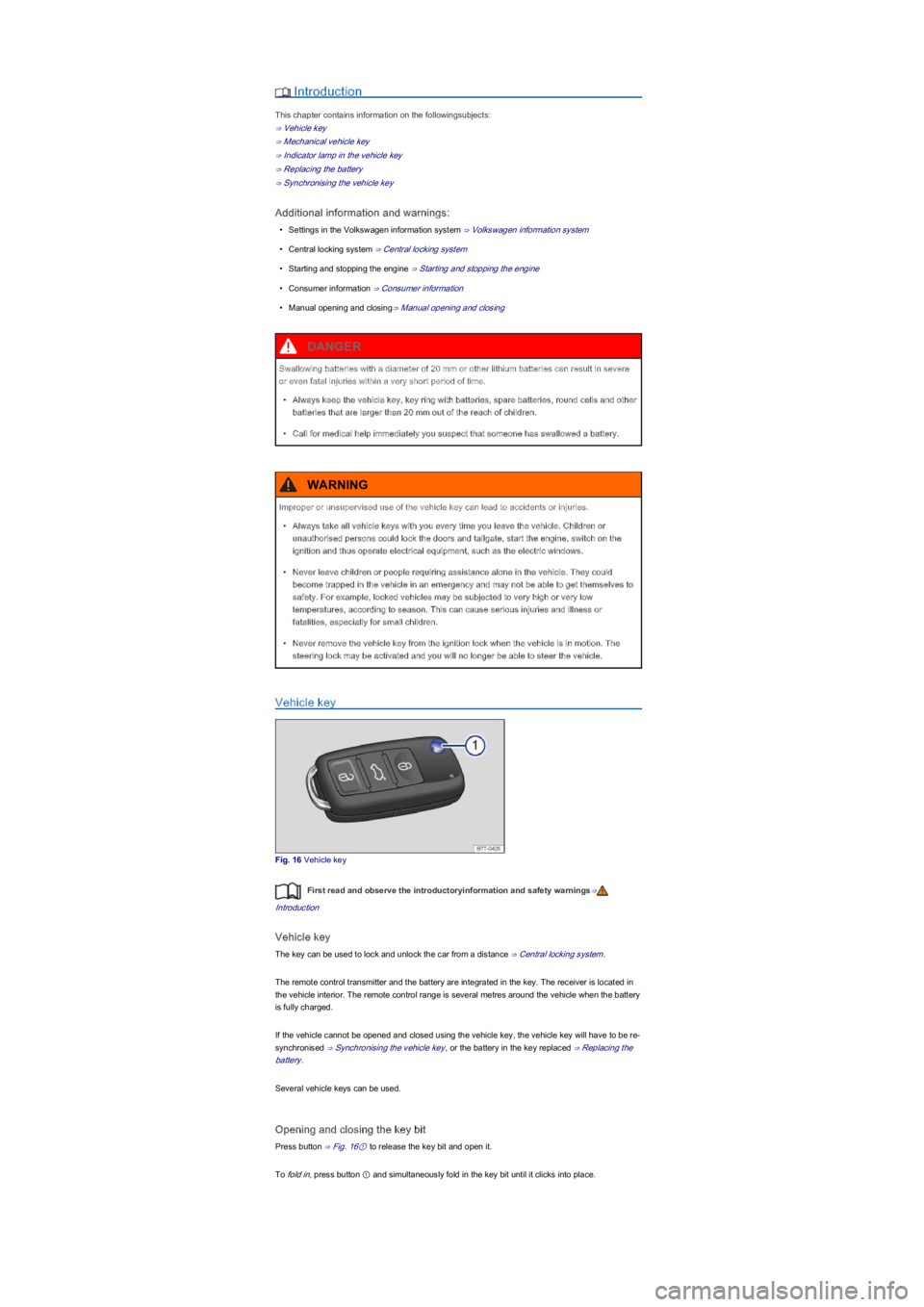
Fig. 16 Vehicle key
First read and observe the introductoryinformation and safety warnings⇒
Introduction
Vehicle key
The key can be used to lock and unlock the car from a distance ⇒ Central locking system.
The remote control transmitter and the battery are integrated in the key. The receiver is located in
the vehicle interior. The remote control range is several metres around the vehicle when the battery
is fully charged.
If the vehicle cannot be opened and closed using the vehicle key, the vehicle key will have to be re-
synchronised ⇒ Synchronising the vehicle key, or the battery in the key replaced ⇒ Replacing the
battery.
Several vehicle keys can be used.
Opening and closing the key bit
Press button ⇒ Fig. 16① to release the key bit and open it.
To fold in, press button ① and simultaneously fold in the key bit until it clicks into place.
Swallowing batteries with a diameter of 20 mm or other lithium batteries can result in severe
or even fatal injuries within a very short period of time.
•Always keep the vehicle key, key ring with batteries, spare batteries, round cells and other
batteries that are larger than 20 mm out of the reach of children.
•Call for medical help immediately you suspect that someone has swallowed a battery.
DANGER
Improper or unsupervised use of the vehicle key can lead to accidents or injuries.
•Always take all vehicle keys with you every time you leave the vehicle. Children or
unauthorised persons could lock the doors and tailgate, start the engine, switch on the
ignition and thus operate electrical equipment, such as the electric windows.
•Never leave children or people requiring assistance alone in the vehicle. They could
become trapped in the vehicle in an emergency and may not be able to get themselves to
safety. For example, locked vehicles may be subjected to very high or very low
temperatures, according to season. This can cause serious injuries and illness or
fatalities, especially for small children.
•Never remove the vehicle key from the ignition lock when the vehicle is in motion. The
steering lock may be activated and you will no longer be able to steer the vehicle.
WARNING
Page 23 of 211
•Press the button on the vehicle key. Remain standing close to the vehicle.
•Unlock the vehicle with the key bit within one minute. The synchronisation process is complete.
Central locking system
Introduction
This chapter contains information on the followingsubjects:
⇒ Description of the central locking system
⇒ Locking or unlocking the vehicle from outside
⇒ Locking or unlocking the vehicle from the inside
⇒ SAFELOCK mechanism
The central locking system will only work correctly when all doors and the tailgate are properly
closed. The vehicle cannot be locked with the key if the driver door is open.
If the vehicle is unlocked and not used for a long time (e.g. in your own garage) the vehicle battery
could discharge or the engine may not start.
Additional information and warnings:
•Exterior views ⇒ Exterior views
•Vehicle key set ⇒ Vehicle key set
•Doors ⇒ Doors
•Tailgate ⇒ Tailgate
•Electric windows ⇒ Windows
•Electric panorama sliding/tilting glass roof ⇒ Electric panorama sliding/tilting glass roof
•Manual opening and closing ⇒ Manual opening and closing
Description of the central locking system
First read and observe the introductoryinformation and safety warnings⇒
Introduction
The central locking system enables you to lock and unlock all doors and the tailgate from one point:
•From outside the vehicle with the vehicle key ⇒ Locking or unlocking the vehicle from outside.
•From inside the vehicle with the central locking button ⇒ Locking or unlocking the vehicle from
the inside.
Certain functions for the central locking system can be activated or deactivated by a qualified
workshop.
The doors and the tailgate can be locked or unlocked manually if the vehicle key or central locking
system fails.
Locking the vehicle after the airbags have been triggered
The entire vehicle is unlocked if the airbags are activated during an accident. After an accident, the
vehicle can be locked by one of the methods below, depending on the damage incurred.
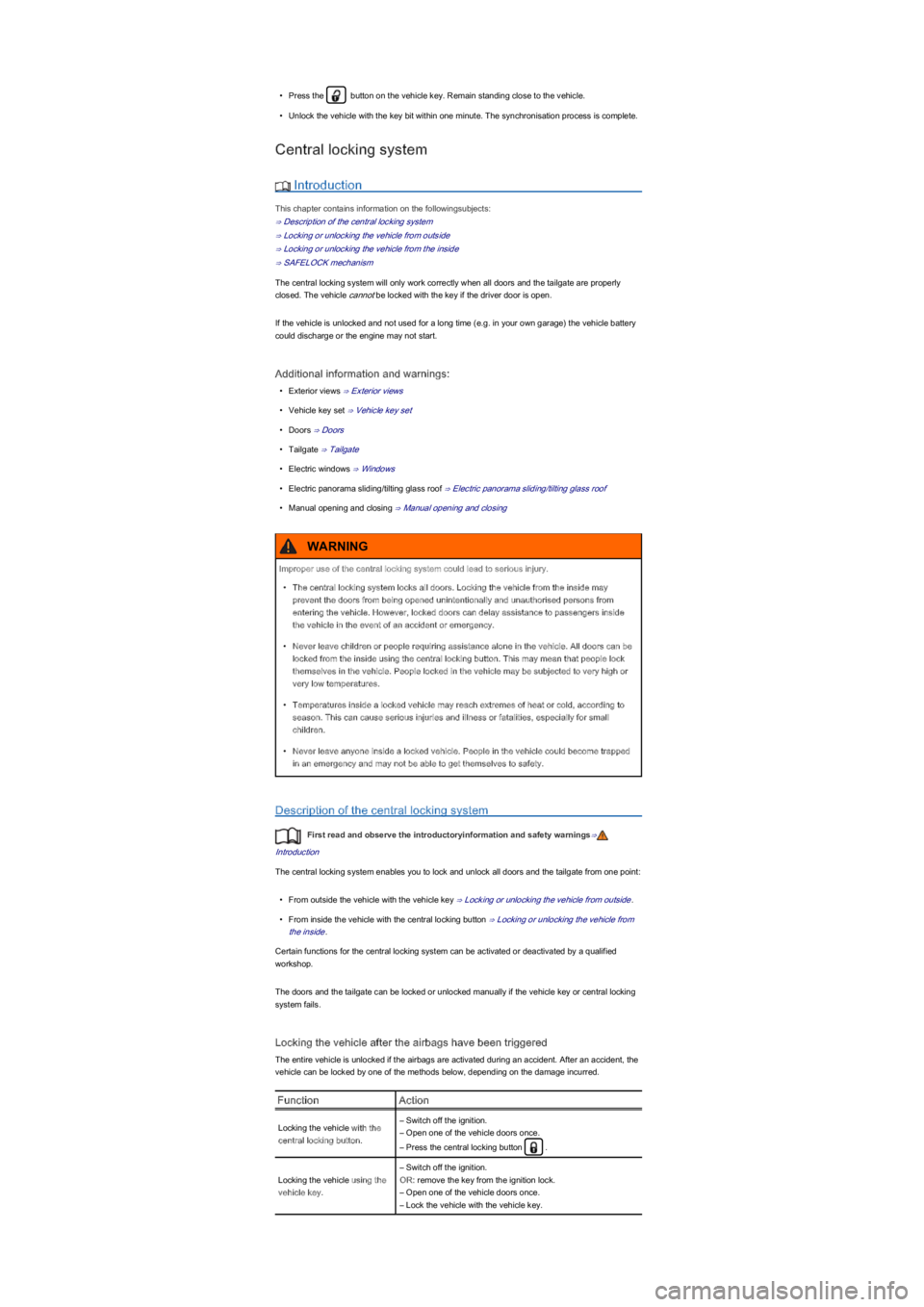
FunctionAction
Locking the vehicle with the
central locking button.
– Switch off the ignition.
– Open one of the vehicle doors once.
– Press the central locking button .
Locking the vehicle using the
vehicle key.
– Switch off the ignition.
OR: remove the key from the ignition lock.
– Open one of the vehicle doors once.
– Lock the vehicle with the vehicle key.
Improper use of the central locking system could lead to serious injury.
•The central locking system locks all doors. Locking the vehicle from the inside may
prevent the doors from being opened unintentionally and unauthorised persons from
entering the vehicle. However, locked doors can delay assistance to passengers inside
the vehicle in the event of an accident or emergency.
•Never leave children or people requiring assistance alone in the vehicle. All doors can be
locked from the inside using the central locking button. This may mean that people lock
themselves in the vehicle. People locked in the vehicle may be subjected to very high or
very low temperatures.
•Temperatures inside a locked vehicle may reach extremes of heat or cold, according to
season. This can cause serious injuries and illness or fatalities, especially for small
children.
•Never leave anyone inside a locked vehicle. People in the vehicle could become trapped
in an emergency and may not be able to get themselves to safety.
WARNING
Page 31 of 211
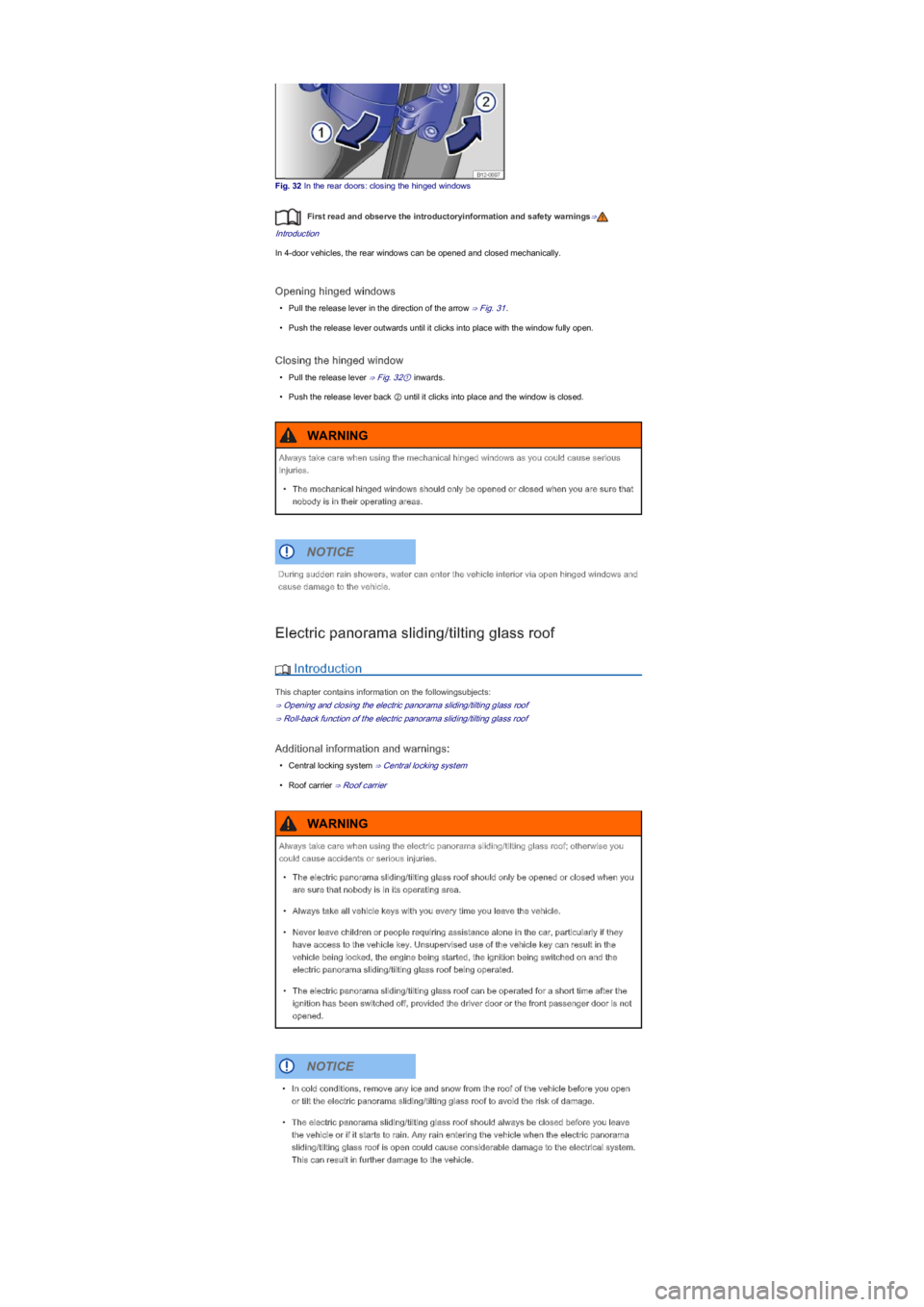
Fig. 32 In the rear doors: closing the hinged windows
First read and observe the introductoryinformation and safety warnings⇒
Introduction
In 4-door vehicles, the rear windows can be opened and closed mechanically.
Opening hinged windows
•Pull the release lever in the direction of the arrow ⇒ Fig. 31.
•Push the release lever outwards until it clicks into place with the window fully open.
Closing the hinged window
•Pull the release lever ⇒ Fig. 32① inwards.
•Push the release lever back ② until it clicks into place and the window is closed.
Electric panorama sliding/tilting glass roof
Introduction
This chapter contains information on the followingsubjects:
⇒ Opening and closing the electric panorama sliding/tilting glass roof
⇒ Roll-back function of the electric panorama sliding/tilting glass roof
Additional information and warnings:
•Central locking system ⇒ Central locking system
•Roof carrier ⇒ Roof carrier
Always take care when using the mechanical hinged windows as you could cause serious
injuries.
•The mechanical hinged windows should only be opened or closed when you are sure that
nobody is in their operating areas.
WARNING
During sudden rain showers, water can enter the vehicle interior via open hinged windows and
cause damage to the vehicle.
NOTICE
Always take care when using the electric panorama sliding/tilting glass roof; otherwise you
could cause accidents or serious injuries.
•The electric panorama sliding/tilting glass roof should only be opened or closed when you
are sure that nobody is in its operating area.
•Always take all vehicle keys with you every time you leave the vehicle.
•Never leave children or people requiring assistance alone in the car, particularly if they
have access to the vehicle key. Unsupervised use of the vehicle key can result in the
vehicle being locked, the engine being started, the ignition being switched on and the
electric panorama sliding/tilting glass roof being operated.
•The electric panorama sliding/tilting glass roof can be operated for a short time after the
ignition has been switched off, provided the driver door or the front passenger door is not
opened.
WARNING
•In cold conditions, remove any ice and snow from the roof of the vehicle before you open
or tilt the electric panorama sliding/tilting glass roof to avoid the risk of damage.
•The electric panorama sliding/tilting glass roof should always be closed before you leave
the vehicle or if it starts to rain. Any rain entering the vehicle when the electric panorama
sliding/tilting glass roof is open could cause considerable damage to the electrical system.
This can result in further damage to the vehicle.
NOTICE
Page 64 of 211
Protection from the sun
Introduction
This chapter contains information on the followingsubjects:
⇒ Sun visors
Sun visors
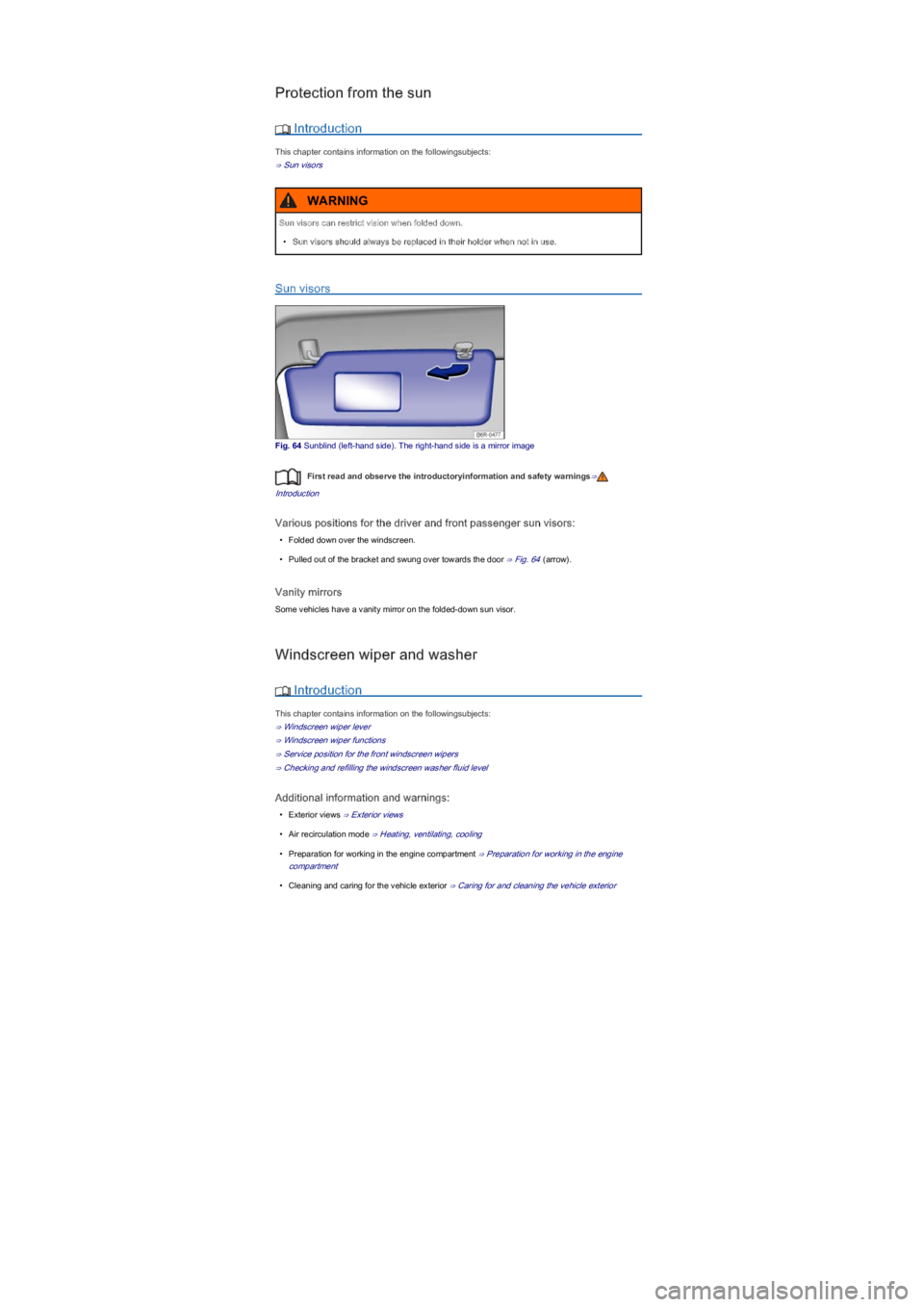
Fig. 64 Sunblind (left-hand side). The right-hand side is a mirror image
First read and observe the introductoryinformation and safety warnings⇒
Introduction
Various positions for the driver and front passenger sun visors:
•Folded down over the windscreen.
•Pulled out of the bracket and swung over towards the door ⇒ Fig. 64 (arrow).
Vanity mirrors
Some vehicles have a vanity mirror on the folded-down sun visor.
Windscreen wiper and washer
Introduction
This chapter contains information on the followingsubjects:
⇒ Windscreen wiper lever
⇒ Windscreen wiper functions
⇒ Service position for the front windscreen wipers
⇒ Checking and refilling the windscreen washer fluid level
Additional information and warnings:
•Exterior views ⇒ Exterior views
•Air recirculation mode ⇒ Heating, ventilating, cooling
•Preparation for working in the engine compartment ⇒ Preparation for working in the engine
compartment
•Cleaning and caring for the vehicle exterior ⇒ Caring for and cleaning the vehicle exterior
Sun visors can restrict vision when folded down.
•Sun visors should always be replaced in their holder when not in use.
WARNING