roof VOLKSWAGEN UP! 2021 Owner´s Manual
[x] Cancel search | Manufacturer: VOLKSWAGEN, Model Year: 2021, Model line: UP!, Model: VOLKSWAGEN UP! 2021Pages: 211, PDF Size: 5.98 MB
Page 32 of 211
Leaves and other loose objects must be removed from the guide rails of the electric
panorama sliding/tilting glass roof at regular intervals, using a vacuum cleaner or by hand.
If there is a fault in the electric panorama sliding/tilting roof, the roll-back function will not
work properly. Go to a qualified workshop
Opening and closing the electric panorama sliding/tilting glass roof
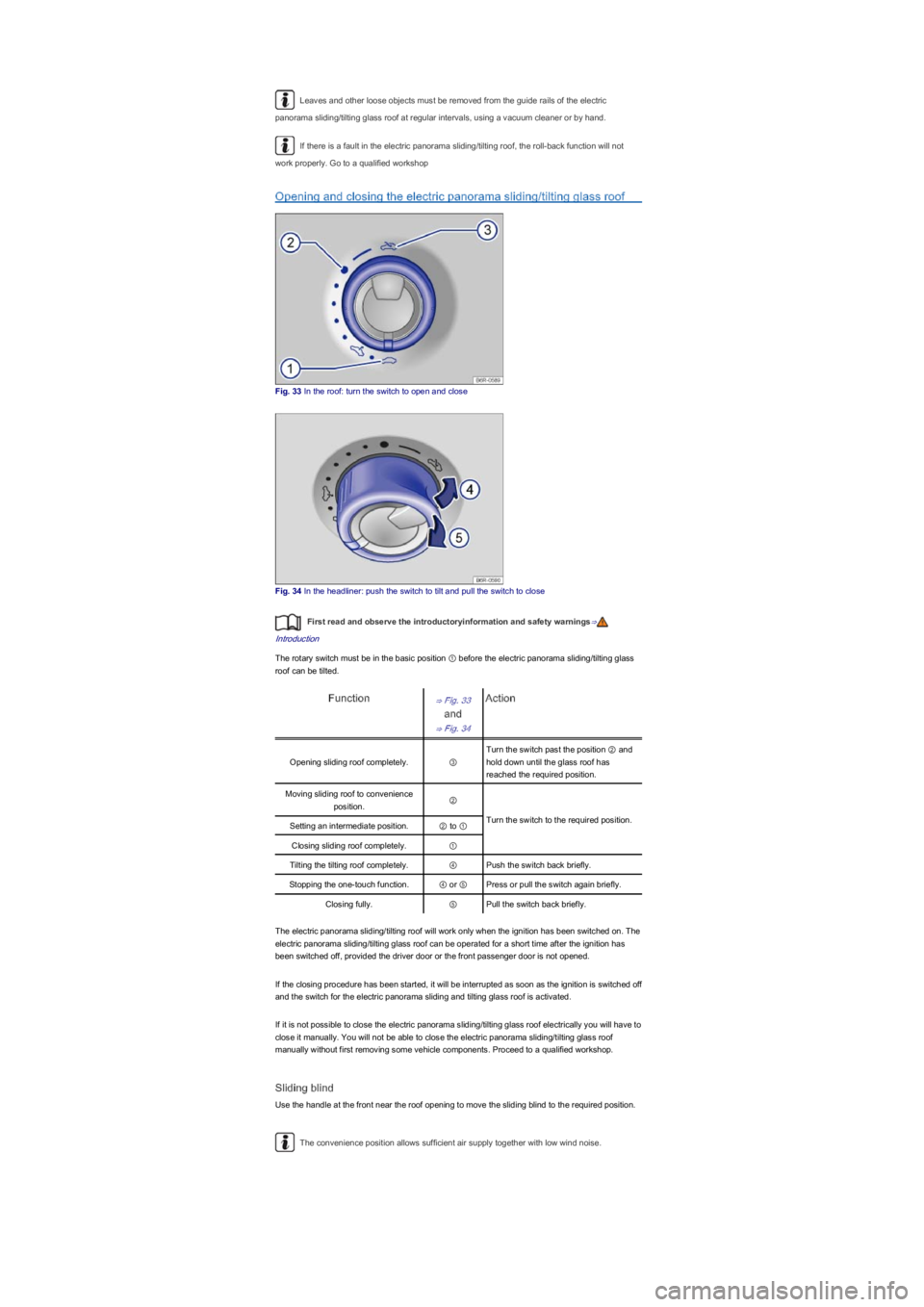
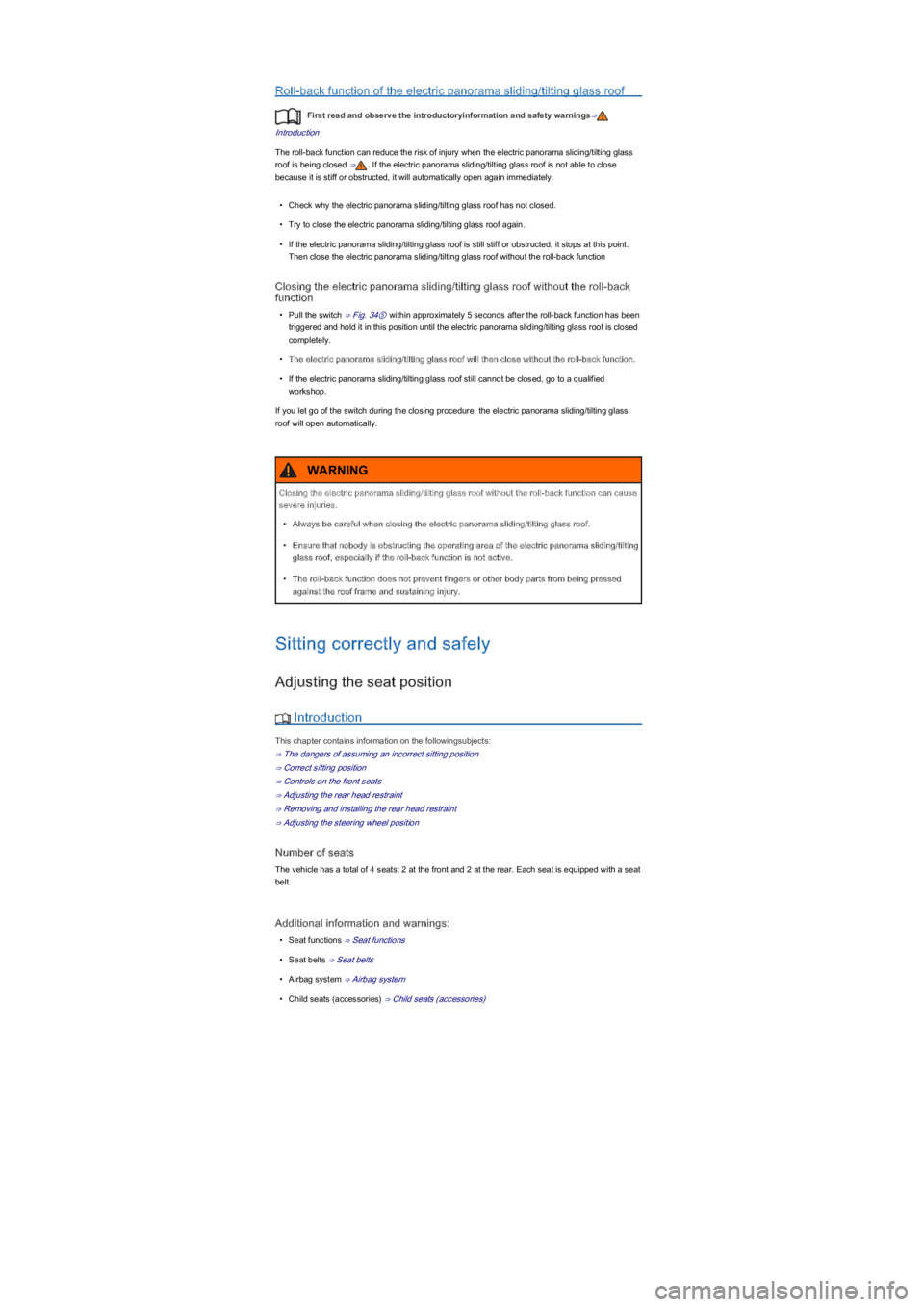
Fig. 33 In the roof: turn the switch to open and close
Fig. 34 In the headliner: push the switch to tilt and pull the switch to close
First read and observe the introductoryinformation and safety warnings⇒
Introduction
The rotary switch must be in the basic position ① before the electric panorama sliding/tilting glass
roof can be tilted.
Function⇒ Fig. 33
and
⇒ Fig. 34
Action
Opening sliding roof completely.③
Turn the switch past the position ② and
hold down until the glass roof has
reached the required position.
Moving sliding roof to convenience
position.②
Turn the switch to the required position.Setting an intermediate position.② to ①
Closing sliding roof completely.①
Tilting the tilting roof completely.④Push the switch back briefly.
Stopping the one-touch function.④ or ⑤Press or pull the switch again briefly.
Closing fully.⑤Pull the switch back briefly.
The electric panorama sliding/tilting roof will work only when the ignition has been switched on. The
electric panorama sliding/tilting glass roof can be operated for a short time after the ignition has
been switched off, provided the driver door or the front passenger door is not opened.
If the closing procedure has been started, it will be interrupted as soon as the ignition is switched off
and the switch for the electric panorama sliding and tilting glass roof is activated.
If it is not possible to close the electric panorama sliding/tilting glass roof electrically you will have to
close it manually. You will not be able to close the electric panorama sliding/tilting glass roof
manually without first removing some vehicle components. Proceed to a qualified workshop.
Sliding blind
Use the handle at the front near the roof opening to move the sliding blind to the required position.
The convenience position allows sufficient air supply together with low wind noise.
Page 33 of 211
Roll-back function of the electric panorama sliding/tilting glass roof
First read and observe the introductoryinformation and safety warnings⇒
Introduction
The roll-back function can reduce the risk of injury when the electric panorama sliding/tilting glass
roof is being closed ⇒. If the electric panorama sliding/tilting glass roof is not able to close
because it is stiff or obstructed, it will automatically open again immediately.
•Check why the electric panorama sliding/tilting glass roof has not closed.
•Try to close the electric panorama sliding/tilting glass roof again.
•If the electric panorama sliding/tilting glass roof is still stiff or obstructed, it stops at this point.
Then close the electric panorama sliding/tilting glass roof without the roll-back function
Closing the electric panorama sliding/tilting glass roof without the roll-back
function
•Pull the switch ⇒ Fig. 34⑤ within approximately 5 seconds after the roll-back function has been
triggered and hold it in this position until the electric panorama sliding/tilting glass roof is closed
completely.
•The electric panorama sliding/tilting glass roof will then close without the roll-back function.
•If the electric panorama sliding/tilting glass roof still cannot be closed, go to a qualified
workshop.
If you let go of the switch during the closing procedure, the electric panorama sliding/tilting glass
roof will open automatically.
Sitting correctly and safely
Adjusting the seat position
Introduction
This chapter contains information on the followingsubjects:
⇒ The dangers of assuming an incorrect sitting position
⇒ Correct sitting position
⇒ Controls on the front seats
⇒ Adjusting the rear head restraint
⇒ Removing and installing the rear head restraint
⇒ Adjusting the steering wheel position
Number of seats
The vehicle has a total of 4 seats: 2 at the front and 2 at the rear. Each seat is equipped with a seat
belt.
Additional information and warnings:
•Seat functions ⇒ Seat functions
•Seat belts ⇒ Seat belts
•Airbag system ⇒ Airbag system
•Child seats (accessories) ⇒ Child seats (accessories)
Closing the electric panorama sliding/tilting glass roof without the roll-back function can cause
severe injuries.
•Always be careful when closing the electric panorama sliding/tilting glass roof.
•Ensure that nobody is obstructing the operating area of the electric panorama sliding/tilting
glass roof, especially if the roll-back function is not active.
•The roll-back function does not prevent fingers or other body parts from being pressed
against the roof frame and sustaining injury.
WARNING
Page 38 of 211
Removing and installing the rear head restraint
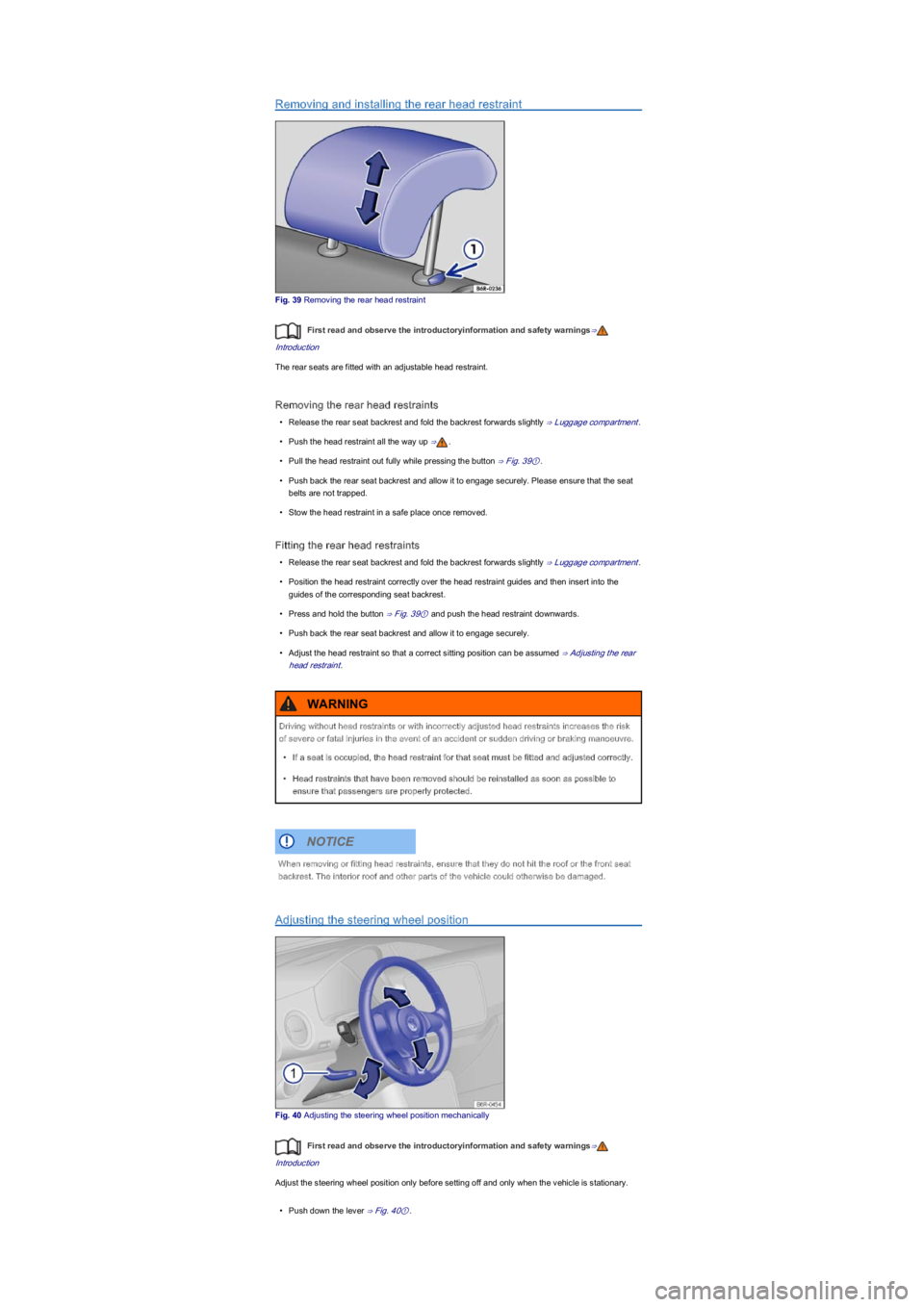
Fig. 39 Removing the rear head restraint
First read and observe the introductoryinformation and safety warnings⇒
Introduction
The rear seats are fitted with an adjustable head restraint.
Removing the rear head restraints
•Release the rear seat backrest and fold the backrest forwards slightly ⇒ Luggage compartment.
•Push the head restraint all the way up ⇒.
•Pull the head restraint out fully while pressing the button ⇒ Fig. 39①.
•Push back the rear seat backrest and allow it to engage securely. Please ensure that the seat
belts are not trapped.
•Stow the head restraint in a safe place once removed.
Fitting the rear head restraints
•Release the rear seat backrest and fold the backrest forwards slightly ⇒ Luggage compartment.
•Position the head restraint correctly over the head restraint guides and then insert into the
guides of the corresponding seat backrest.
•Press and hold the button ⇒ Fig. 39① and push the head restraint downwards.
•Push back the rear seat backrest and allow it to engage securely.
•Adjust the head restraint so that a correct sitting position can be assumed ⇒ Adjusting the rear
head restraint.
Adjusting the steering wheel position
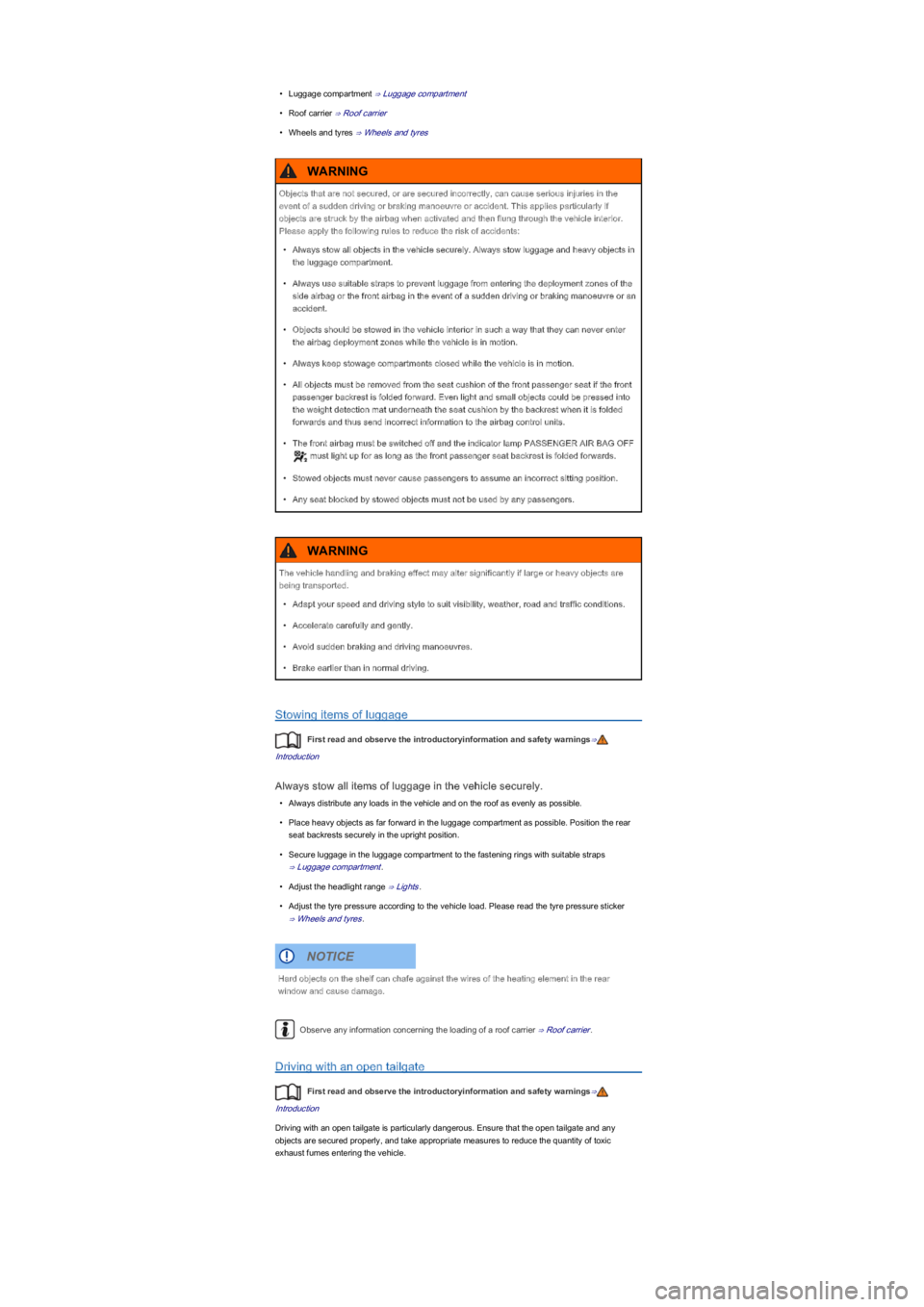
Fig. 40 Adjusting the steering wheel position mechanically
First read and observe the introductoryinformation and safety warnings⇒
Introduction
Adjust the steering wheel position only before setting off and only when the vehicle is stationary.
•Push down the lever ⇒ Fig. 40①.
Driving without head restraints or with incorrectly adjusted head restraints increases the risk
of severe or fatal injuries in the event of an accident or sudden driving or braking manoeuvre.
•If a seat is occupied, the head restraint for that seat must be fitted and adjusted correctly.
•Head restraints that have been removed should be reinstalled as soon as possible to
ensure that passengers are properly protected.
WARNING
When removing or fitting head restraints, ensure that they do not hit the roof or the front seat
backrest. The interior roof and other parts of the vehicle could otherwise be damaged.
NOTICE
Page 70 of 211
•Luggage compartment ⇒ Luggage compartment
•Roof carrier ⇒ Roof carrier
•Wheels and tyres ⇒ Wheels and tyres
Stowing items of luggage
First read and observe the introductoryinformation and safety warnings⇒
Introduction
Always stow all items of luggage in the vehicle securely.
•Always distribute any loads in the vehicle and on the roof as evenly as possible.
•Place heavy objects as far forward in the luggage compartment as possible. Position the rear
seat backrests securely in the upright position.
•Secure luggage in the luggage compartment to the fastening rings with suitable straps
⇒ Luggage compartment.
•Adjust the headlight range ⇒ Lights.
•Adjust the tyre pressure according to the vehicle load. Please read the tyre pressure sticker
⇒ Wheels and tyres.
Observe any information concerning the loading of a roof carrier ⇒ Roof carrier.
Driving with an open tailgate
First read and observe the introductoryinformation and safety warnings⇒
Introduction
Driving with an open tailgate is particularly dangerous. Ensure that the open tailgate and any
objects are secured properly, and take appropriate measures to reduce the quantity of toxic
exhaust fumes entering the vehicle.
Objects that are not secured, or are secured incorrectly, can cause serious injuries in the
event of a sudden driving or braking manoeuvre or accident. This applies particularly if
objects are struck by the airbag when activated and then flung through the vehicle interior.
Please apply the following rules to reduce the risk of accidents:
•Always stow all objects in the vehicle securely. Always stow luggage and heavy objects in
the luggage compartment.
•Always use suitable straps to prevent luggage from entering the deployment zones of the
side airbag or the front airbag in the event of a sudden driving or braking manoeuvre or an
accident.
•Objects should be stowed in the vehicle interior in such a way that they can never enter
the airbag deployment zones while the vehicle is in motion.
•Always keep stowage compartments closed while the vehicle is in motion.
•All objects must be removed from the seat cushion of the front passenger seat if the front
passenger backrest is folded forward. Even light and small objects could be pressed into
the weight detection mat underneath the seat cushion by the backrest when it is folded
forwards and thus send incorrect information to the airbag control units.
•The front airbag must be switched off and the indicator lamp PASSENGER AIR BAG OFF
must light up for as long as the front passenger seat backrest is folded forwards.
•Stowed objects must never cause passengers to assume an incorrect sitting position.
•Any seat blocked by stowed objects must not be used by any passengers.
WARNING
The vehicle handling and braking effect may alter significantly if large or heavy objects are
being transported.
•Adapt your speed and driving style to suit visibility, weather, road and traffic conditions.
•Accelerate carefully and gently.
•Avoid sudden braking and driving manoeuvres.
•Brake earlier than in normal driving.
WARNING
Hard objects on the shelf can chafe against the wires of the heating element in the rear
window and cause damage.
NOTICE
Page 71 of 211
Driving a loaded vehicle
First read and observe the introductoryinformation and safety warnings⇒
Introduction
For good vehicle handling when driving a loaded vehicle, please observe the following:
•Stow all items of luggage securely ⇒ Stowing items of luggage.
•Accelerate carefully and gently.
•Avoid sudden braking and driving manoeuvres.
•Brake earlier than in normal driving.
•If applicable, heed the information about driving with a roof carrier ⇒ Roof carrier.
Vehicle-specific weight ratings
First read and observe the introductoryinformation and safety warnings⇒
Introduction
All data in the official vehicle documents take precedence over these data. All data in this manual
apply to the basic model. The vehicle data sticker in the service schedule and the official vehicle
documents show which engine is installed in your vehicle.
The values quoted here may differ if additional equipment is fitted, for different models or for special
vehicles.
The values for the kerb weight in the following table apply for the road-ready vehicle with driver
(75 kg), service fluids including fuel tank carrying 90% of its capacity and, if applicable, tools and
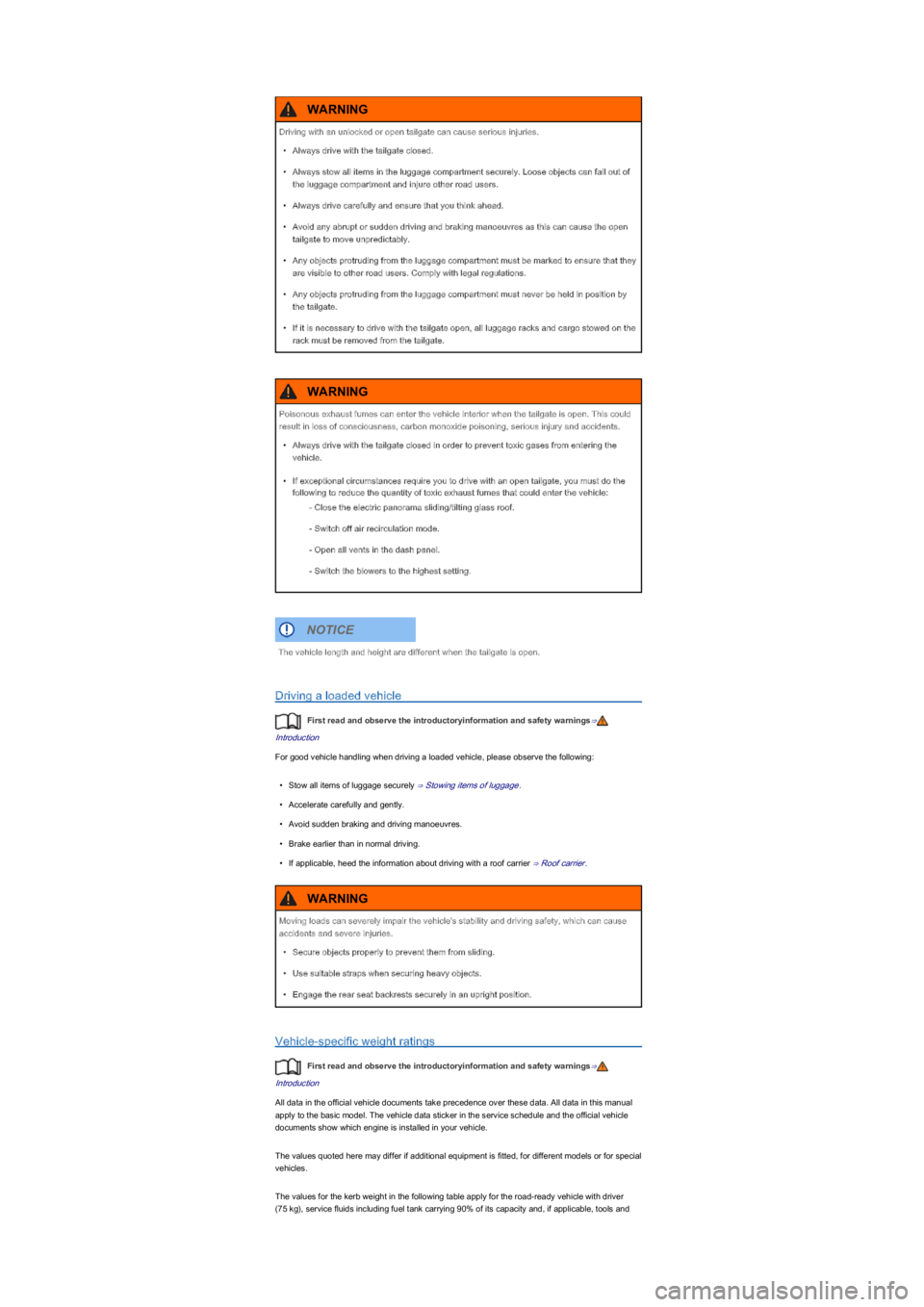
Driving with an unlocked or open tailgate can cause serious injuries.
•Always drive with the tailgate closed.
•Always stow all items in the luggage compartment securely. Loose objects can fall out of
the luggage compartment and injure other road users.
•Always drive carefully and ensure that you think ahead.
•Avoid any abrupt or sudden driving and braking manoeuvres as this can cause the open
tailgate to move unpredictably.
•Any objects protruding from the luggage compartment must be marked to ensure that they
are visible to other road users. Comply with legal regulations.
•Any objects protruding from the luggage compartment must never be held in position by
the tailgate.
•If it is necessary to drive with the tailgate open, all luggage racks and cargo stowed on the
rack must be removed from the tailgate.
WARNING
Poisonous exhaust fumes can enter the vehicle interior when the tailgate is open. This could
result in loss of consciousness, carbon monoxide poisoning, serious injury and accidents.
•Always drive with the tailgate closed in order to prevent toxic gases from entering the
vehicle.
•If exceptional circumstances require you to drive with an open tailgate, you must do the
following to reduce the quantity of toxic exhaust fumes that could enter the vehicle:
- Close the electric panorama sliding/tilting glass roof.
- Switch off air recirculation mode.
- Open all vents in the dash panel.
- Switch the blowers to the highest setting.
WARNING
The vehicle length and height are different when the tailgate is open.
NOTICE
Moving loads can severely impair the vehicle's stability and driving safety, which can cause
accidents and severe injuries.
•Secure objects properly to prevent them from sliding.
•Use suitable straps when securing heavy objects.
•Engage the rear seat backrests securely in an upright position.
WARNING
Page 72 of 211
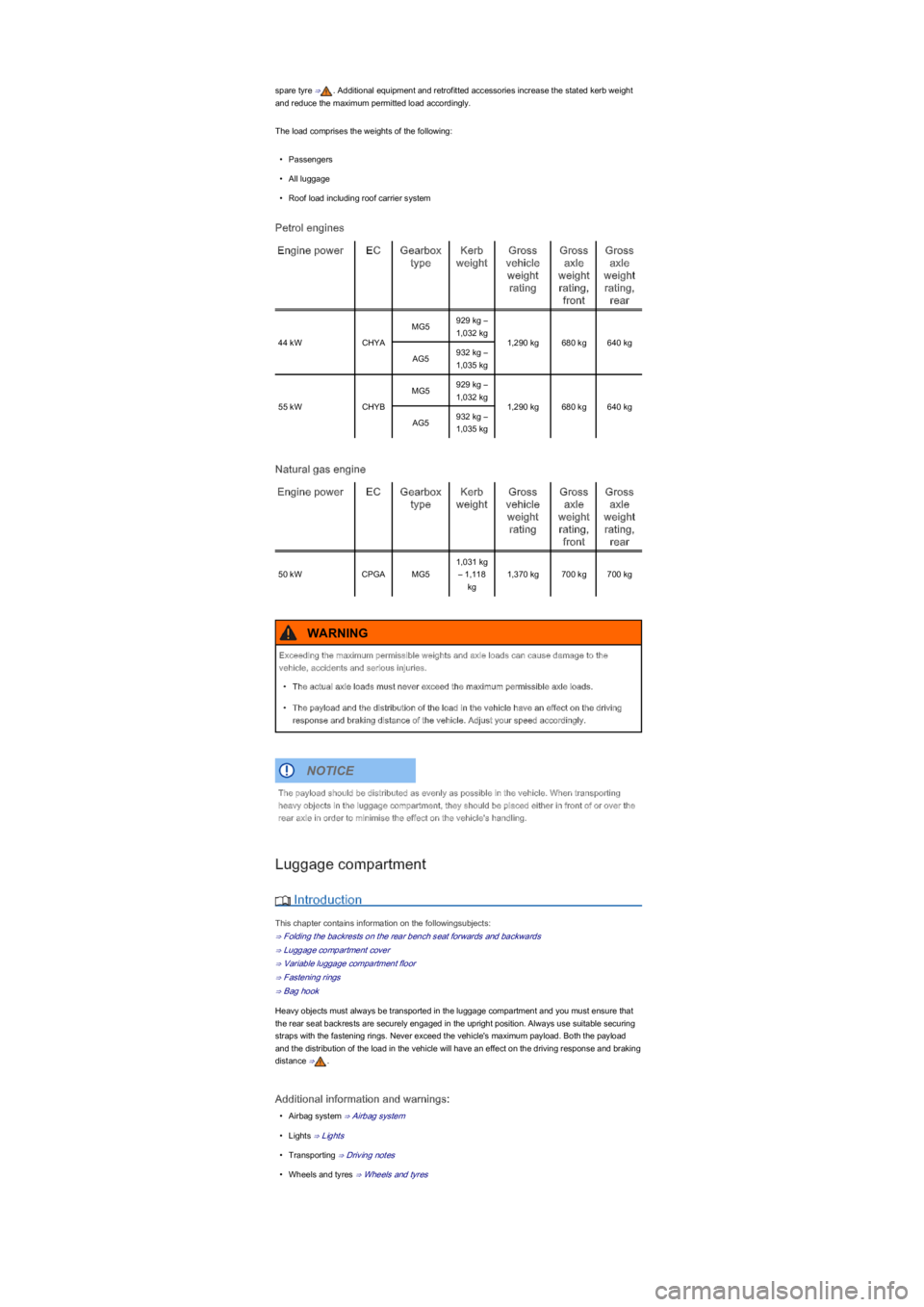
spare tyre ⇒. Additional equipment and retrofitted accessories increase the stated kerb weight
and reduce the maximum permitted load accordingly.
The load comprises the weights of the following:
•Passengers
•All luggage
•Roof load including roof carrier system
Petrol engines
Engine powerECGearbox
type
Kerb
weight
Gross
vehicle
weight
rating
Gross
axle
weight
rating,
front
Gross
axle
weight
rating,
rear
44 kWCHYA
MG5929 kg –
1,032 kg
1,290 kg680 kg640 kg
AG5932 kg –
1,035 kg
55 kWCHYB
MG5929 kg –
1,032 kg
1,290 kg680 kg640 kg
AG5932 kg –
1,035 kg
Natural gas engine
Engine powerECGearbox
type
Kerb
weight
Gross
vehicle
weight
rating
Gross
axle
weight
rating,
front
Gross
axle
weight
rating,
rear
50 kWCPGAMG5
1,031 kg
– 1,118
kg
1,370 kg700 kg700 kg
Luggage compartment
Introduction
This chapter contains information on the followingsubjects:
⇒ Folding the backrests on the rear bench seat forwards and backwards
⇒ Luggage compartment cover
⇒ Variable luggage compartment floor
⇒ Fastening rings
⇒ Bag hook
Heavy objects must always be transported in the luggage compartment and you must ensure that
the rear seat backrests are securely engaged in the upright position. Always use suitable securing
straps with the fastening rings. Never exceed the vehicle's maximum payload. Both the payload
and the distribution of the load in the vehicle will have an effect on the driving response and braking
distance ⇒.
Additional information and warnings:
•Airbag system ⇒ Airbag system
•Lights ⇒ Lights
•Transporting ⇒ Driving notes
•Wheels and tyres ⇒ Wheels and tyres
Exceeding the maximum permissible weights and axle loads can cause damage to the
vehicle, accidents and serious injuries.
•The actual axle loads must never exceed the maximum permissible axle loads.
•The payload and the distribution of the load in the vehicle have an effect on the driving
response and braking distance of the vehicle. Adjust your speed accordingly.
WARNING
The payload should be distributed as evenly as possible in the vehicle. When transporting
heavy objects in the luggage compartment, they should be placed either in front of or over the
rear axle in order to minimise the effect on the vehicle's handling.
NOTICE
Page 77 of 211
Roof carrier
Introduction
This chapter contains information on the followingsubjects:
⇒ Attaching the mounts and load carrier system
⇒ Loading the load carrier system
The roof of the vehicle has been designed for optimum aerodynamic effect. It is therefore no longer
possible to attach conventional roof carrier systems to a rain channel on the roof.
As the rain channels have been integrated into the roof for better aerodynamics, only mounts or
roof carriers approved by Volkswagen can be used.
When should the roof carrier be removed?
•When it is no longer being used.
•When the vehicle is driving through a car wash.
•When the vehicle height exceeds the required clearance height, e.g. in a garage.
Additional information and warnings:
•Lights ⇒ Lights
•Transporting ⇒ Transporting
•Driving with respect for the environment ⇒ Driving with respect for the environment
•Wheels and tyres ⇒ Wheels and tyres
•Accessories, modifications, repairs and renewal of parts ⇒ Accessories, modifications, repairs
and renewal of parts
Driving with a fitted roof carrier will increase air resistance and thus increase fuel
consumption.
Attaching the mounts and load carrier system
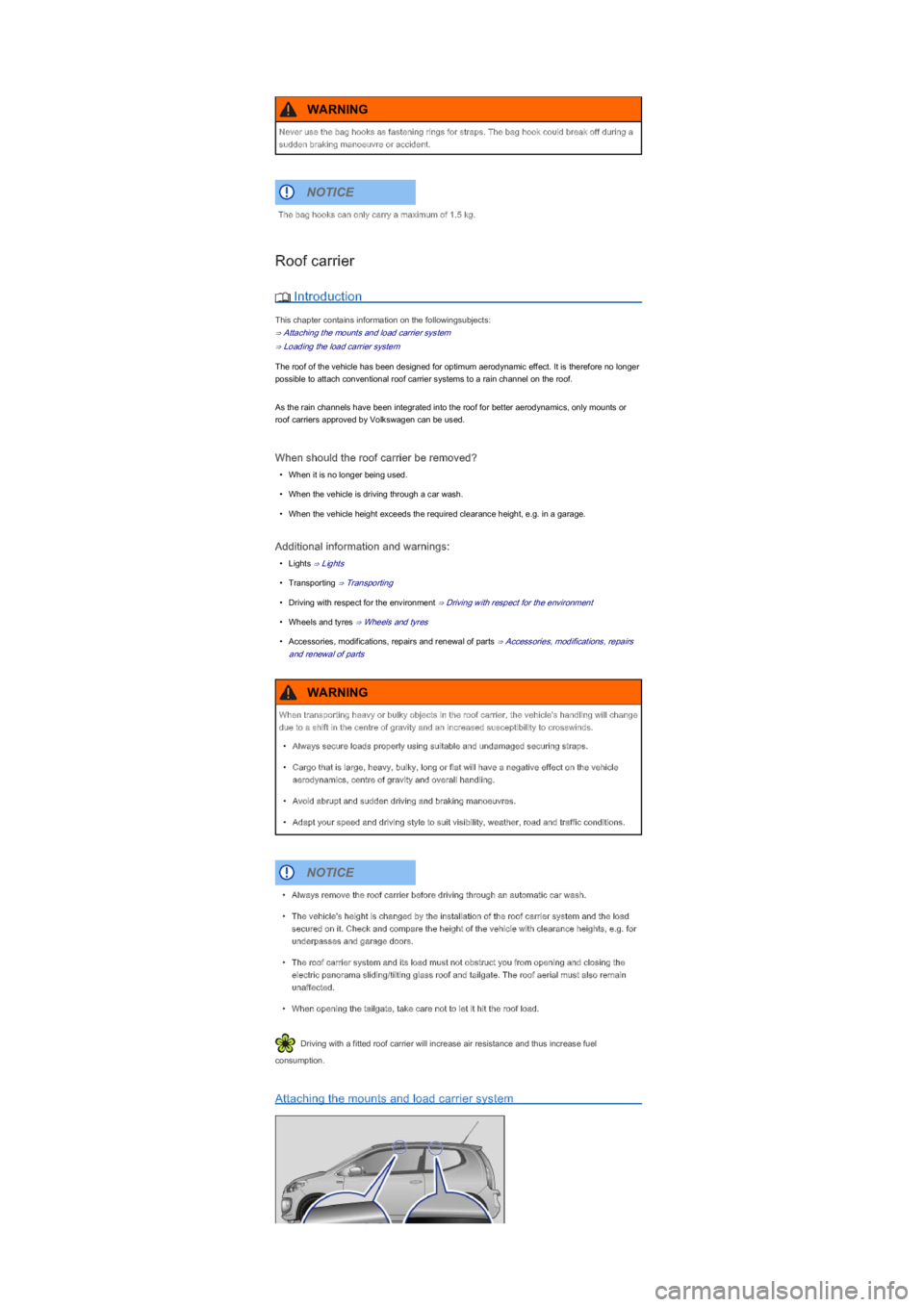
Never use the bag hooks as fastening rings for straps. The bag hook could break off during a
sudden braking manoeuvre or accident.
WARNING
The bag hooks can only carry a maximum of 1.5 kg.
NOTICE
When transporting heavy or bulky objects in the roof carrier, the vehicle's handling will change
due to a shift in the centre of gravity and an increased susceptibility to crosswinds.
•Always secure loads properly using suitable and undamaged securing straps.
•Cargo that is large, heavy, bulky, long or flat will have a negative effect on the vehicle
aerodynamics, centre of gravity and overall handling.
•Avoid abrupt and sudden driving and braking manoeuvres.
•Adapt your speed and driving style to suit visibility, weather, road and traffic conditions.
WARNING
•Always remove the roof carrier before driving through an automatic car wash.
•The vehicle's height is changed by the installation of the roof carrier system and the load
secured on it. Check and compare the height of the vehicle with clearance heights, e.g. for
underpasses and garage doors.
•The roof carrier system and its load must not obstruct you from opening and closing the
electric panorama sliding/tilting glass roof and tailgate. The roof aerial must also remain
unaffected.
•When opening the tailgate, take care not to let it hit the roof load.
NOTICE
Page 78 of 211
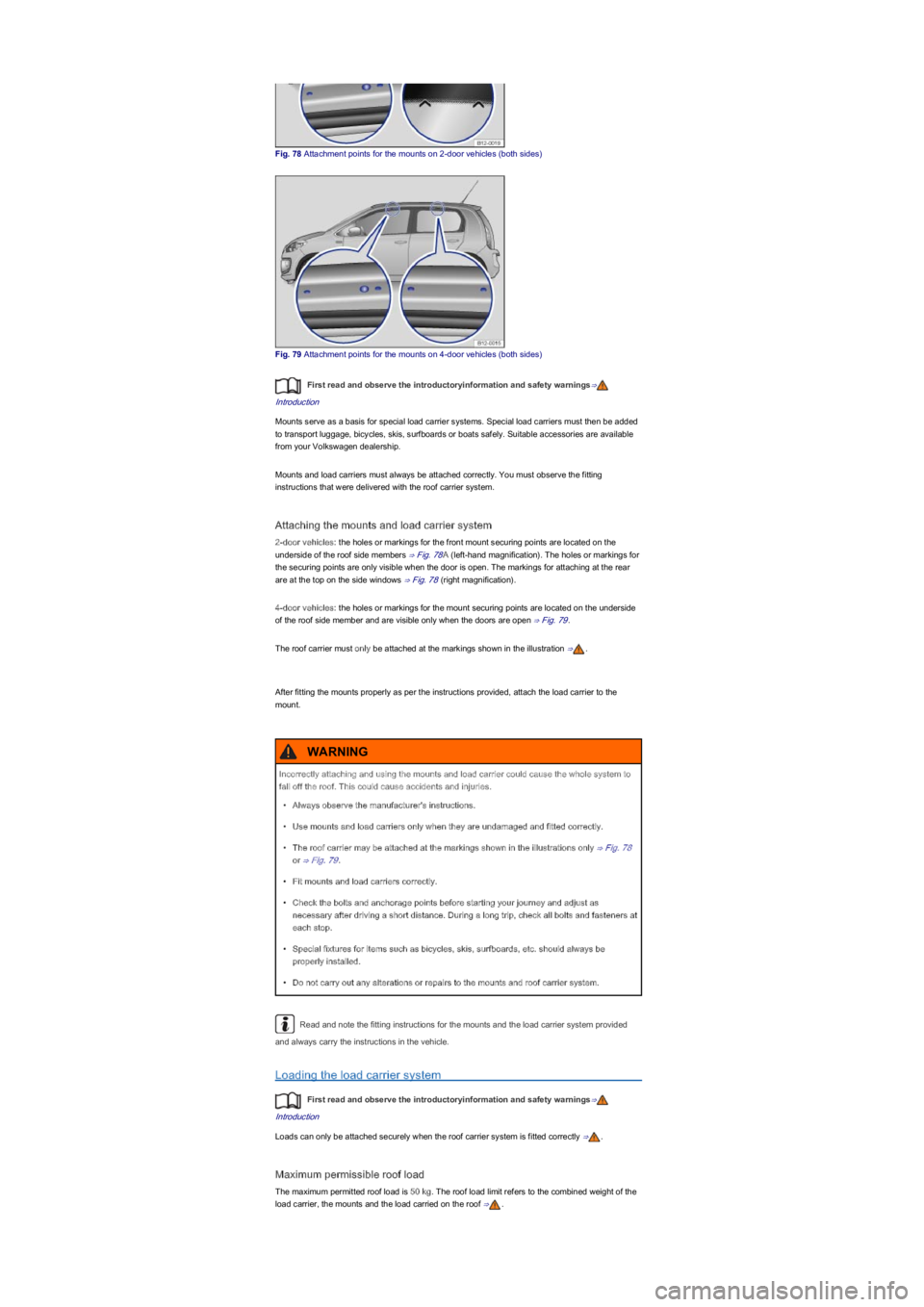
Fig. 78 Attachment points for the mounts on 2-door vehicles (both sides)
Fig. 79 Attachment points for the mounts on 4-door vehicles (both sides)
First read and observe the introductoryinformation and safety warnings⇒
Introduction
Mounts serve as a basis for special load carrier systems. Special load carriers must then be added
to transport luggage, bicycles, skis, surfboards or boats safely. Suitable accessories are available
from your Volkswagen dealership.
Mounts and load carriers must always be attached correctly. You must observe the fitting
instructions that were delivered with the roof carrier system.
Attaching the mounts and load carrier system
2-door vehicles: the holes or markings for the front mount securing points are located on the
underside of the roof side members ⇒ Fig. 78A (left-hand magnification). The holes or markings for
the securing points are only visible when the door is open. The markings for attaching at the rear
are at the top on the side windows ⇒ Fig. 78 (right magnification).
4-door vehicles: the holes or markings for the mount securing points are located on the underside
of the roof side member and are visible only when the doors are open ⇒ Fig. 79.
The roof carrier must only be attached at the markings shown in the illustration ⇒.
After fitting the mounts properly as per the instructions provided, attach the load carrier to the
mount.
Read and note the fitting instructions for the mounts and the load carrier system provided
and always carry the instructions in the vehicle.
Loading the load carrier system
First read and observe the introductoryinformation and safety warnings⇒
Introduction
Loads can only be attached securely when the roof carrier system is fitted correctly ⇒.
Maximum permissible roof load
The maximum permitted roof load is 50 kg. The roof load limit refers to the combined weight of the
load carrier, the mounts and the load carried on the roof ⇒.
Incorrectly attaching and using the mounts and load carrier could cause the whole system to
fall off the roof. This could cause accidents and injuries.
•Always observe the manufacturer's instructions.
•Use mounts and load carriers only when they are undamaged and fitted correctly.
•The roof carrier may be attached at the markings shown in the illustrations only ⇒ Fig. 78
or ⇒ Fig. 79.
•Fit mounts and load carriers correctly.
•Check the bolts and anchorage points before starting your journey and adjust as
necessary after driving a short distance. During a long trip, check all bolts and fasteners at
each stop.
•Special fixtures for items such as bicycles, skis, surfboards, etc. should always be
properly installed.
•Do not carry out any alterations or repairs to the mounts and roof carrier system.
WARNING
Page 79 of 211
Ensure that you know the weight of the mounts, roof carrier system and the items to be transported
on the roof - weigh them if necessary. Never exceed the maximum permissible roof load.
However, if you are using a carrier system with a lower weight rating, you will not be able to carry
the maximum roof load. In this case, do not exceed the maximum weight limit for the load carrier
system which is listed in the fitting instructions.
Distributing the load
Distribute the load evenly and secure it correctly ⇒.
Checking the fittings
After the mounts and load carrier have been attached, check the bolted connections and fastenings
once you have travelled a short distance and then at regular intervals.
Towing a trailer
Information on towing
The vehicle is not approved for towing a trailer. The vehicle is not factory-fitted with a towing
bracket and a towing bracket cannot be retrofitted.
Practical equipment
Stowage area
Introduction
This chapter contains information on the followingsubjects:
⇒ Stowage compartment on the driver side
⇒ Stowage compartment in the front centre console
⇒ Stowage compartment with cover on the front passenger side
⇒ Open stowage compartment on the front passenger side
⇒ Stowage compartment in the rear centre console
⇒ Other stowage areas
Only use stowage compartments to stow light or smaller objects.
Additional information and warnings:
•Cleaning and caring for the interior ⇒ Cleaning and caring for the interior
•⇒BookletRadio,
Accidents and vehicle damage can occur if the maximum permitted roof load is exceeded.
•Never exceed the quoted roof load, the maximum permissible axle loads, and the
permissible gross vehicle weight for the vehicle.
•Do not exceed the weight rating of the roof carrier system, even if the maximum roof load
has not been reached.
•Secure heavy objects as far forwards as possible and distribute the load evenly.
WARNING
Loose and incorrectly secured loads could fall off the load carrier and cause accidents and
injuries.
•Always use suitable and undamaged securing straps.
•Secure loads properly.
WARNING
Fitting a towing bracket on the vehicle while the vehicle is in operation can lead to accidents
and cause serious injuries.
•Never fit a towing bracket on the vehicle.
•The bracket could be released from the vehicle during the journey.
WARNING
Fitting towing brackets of any kind can lead to serious vehicle damage.
NOTICE
Page 108 of 211
Avoid unnecessary loads
The lighter the vehicle, the more economical and environmentally-friendly it is. An extra weight of
100 kg can increase fuel consumption by up to 0.3 l/100 km.
Remove all unnecessary objects and loads from the vehicle.
Remove any unnecessary special equipment and accessories
The more aerodynamic a vehicle, the lower its fuel consumption. Special equipment and
accessories, such as roof carriers or bicycle carriers, make the vehicle less aerodynamic.
You should therefore remove any special equipment and luggage carriers that are not in use,
especially if you are going to be driving at high speeds.
Steering
Introduction
This chapter contains information on the followingsubjects:
⇒ Warning and indicator lamps
⇒ Information on steering
Depending on its equipment level the vehicle may have power steering.
The power steering is not hydraulic. It is an electromechanical system. The advantage of this
steering system is that no hydraulic hoses, hydraulic oil, pumps, filter or other parts are required.
The electromechanical system reduces fuel consumption. A hydraulic system requires constant oil
pressure in the system, whereas an electromechanical steering system only needs an energy
supply while steering.
The power steering provided by the electromechanical steering system automatically adjusts to the
vehicle speed, steering wheel torque and steering wheel angle. The electromechanical steering
only functions when the engine is running.
Additional information and warnings:
•Starting and stopping the engine ⇒ Starting and stopping the engine
•Battery ⇒ Vehicle battery
•Tow-starting and towing ⇒ Tow-starting and towing
Warning and indicator lamps
First read and observe the introductoryinformation and safety warnings⇒
Introduction
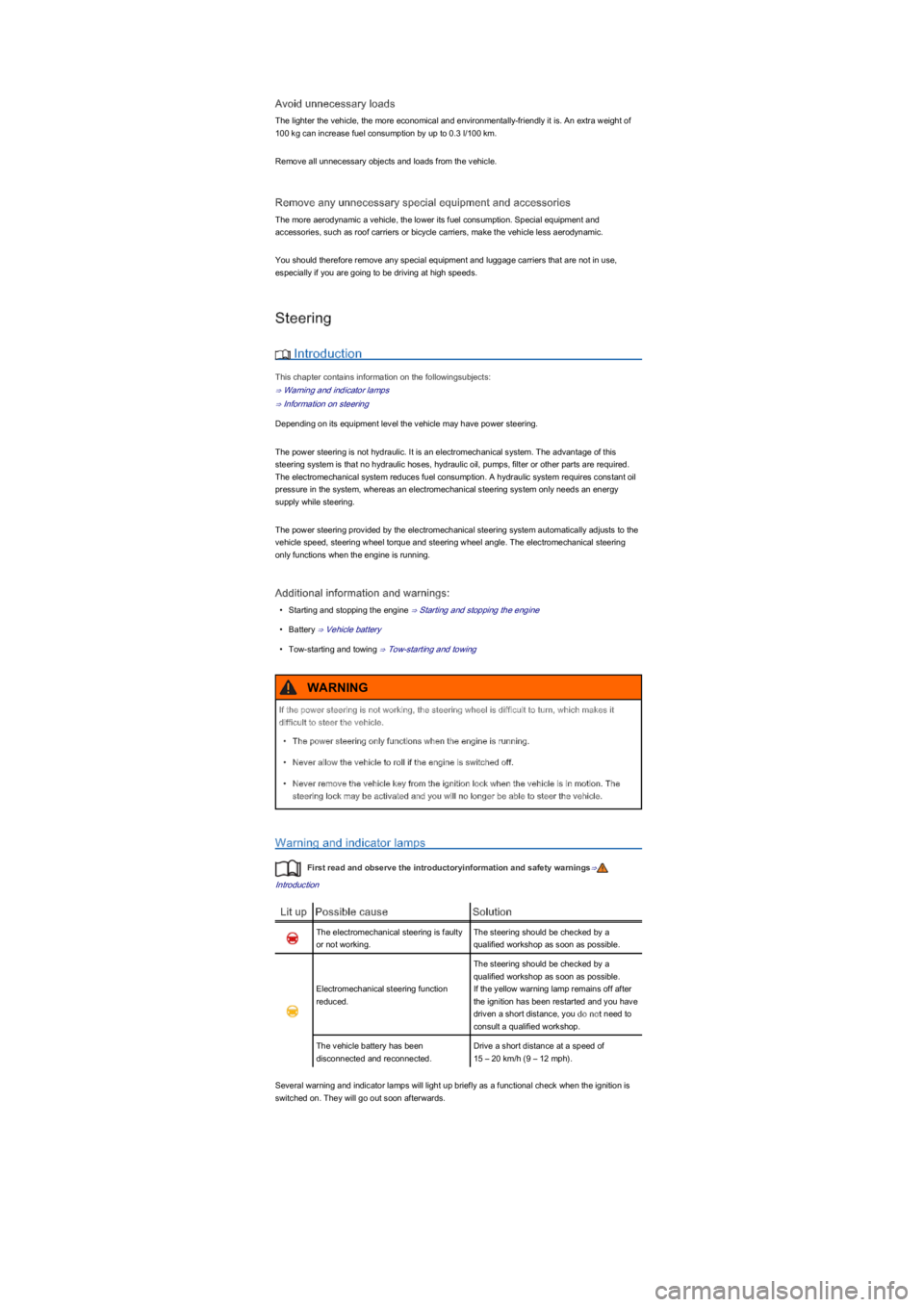
Lit upPossible causeSolution
The electromechanical steering is faulty
or not working.
The steering should be checked by a
qualified workshop as soon as possible.
Electromechanical steering function
reduced.
The steering should be checked by a
qualified workshop as soon as possible.
If the yellow warning lamp remains off after
the ignition has been restarted and you have
driven a short distance, you do not need to
consult a qualified workshop.
The vehicle battery has been
disconnected and reconnected.
Drive a short distance at a speed of
15 – 20 km/h (9 – 12 mph).
Several warning and indicator lamps will light up briefly as a functional check when the ignition is
switched on. They will go out soon afterwards.
If the power steering is not working, the steering wheel is difficult to turn, which makes it
difficult to steer the vehicle.
•The power steering only functions when the engine is running.
•Never allow the vehicle to roll if the engine is switched off.
•Never remove the vehicle key from the ignition lock when the vehicle is in motion. The
steering lock may be activated and you will no longer be able to steer the vehicle.
WARNING