tailgate VOLKSWAGEN UP! 2021 Owner´s Manual
[x] Cancel search | Manufacturer: VOLKSWAGEN, Model Year: 2021, Model line: UP!, Model: VOLKSWAGEN UP! 2021Pages: 211, PDF Size: 5.98 MB
Page 175 of 211
•Picture viewer.
•Navigation.
•Hands-free system for a mobile telephone via Bluetooth.
•Display for open doors or tailgate.
•ParkPilot ⇒ ParkPilot.
•Gear change indicator and driving style.
•Think-Blue-Trainer.
•Fuel warning.
Select user's manual for the portable navigation device (delivered by
Volkswagen)
•Switch on portable navigation device (delivered by Volkswagen).
•Touch the more function button on the screen.
•Press the Handbook function button.
•Select the required chapter and press the corresponding function button.
Removing the portable navigation device
•Use one hand to get a secure grip on the upper and lower edges of the portable navigation
device.
•Press the release button ⇒ Fig. 135A (arrow) until the device can be removed from the holder.
•Remove the portable navigation device and stow it securely.
•Remove the portable navigation device holder if necessary.
Installing the portable navigation device
•Fit the portable navigation device holder if necessary ⇒.
•Use one hand to get a secure grip on the upper and lower edges of the portable navigation
device.
•Place the portable navigation device in the upper holder and push on the lower edge until it
perceptibly engages ⇒.
Removing the portable navigation device holder
•If necessary, remove the portable navigation device.
•With one hand, take a firm grip of the holder's supporting arm and press the release button
⇒ Fig. 135B (arrow).
•Pull the holder up out of the dash panel.
•If necessary, close the opening by attaching the cover in the direction of the arrow ⇒ Fig. 136.
Fitting the portable navigation device holder mounting
•If necessary, remove the cover for the holder mount in the opposite direction of the arrow
⇒ Fig. 136.
•Insert the holder into the opening from above and push down until it perceptibly engages ⇒.
Accidents and injuries can occur if the driver is distracted. Operating the portable navigation
device can distract you from the road.
•Always drive carefully and responsibly.
•Select volume settings that allow signals from outside the vehicle to be easily heard at all
times (e.g. emergency service sirens).
•Setting the volume too high may damage your hearing. This also applies even if you are
only exposed to high volumes for short periods.
WARNING
Driving recommendations and traffic symbols displayed by the navigation system may differ
from the current traffic situation.
•Traffic signs and traffic regulations have priority over the recommendations and displays
provided by the navigation system.
•Adapt your speed and driving style to suit visibility, weather, road and traffic conditions.
WARNING
Page 183 of 211
The vehicle battery will discharge if the hazard warning lights are left on over a long period of
time – even when the ignition is switched off.
If you brake hard at speeds over approximately 80 km/h (50 mph), the brake lights will flash
to warn the traffic behind. If you then continue to brake, the hazard warning lights will be switched
on automatically at speeds under approximately 10 km/h (6 mph). The brake light will light up
continuously. Once the vehicle starts to accelerate, the hazard warning lights will switch off again.
First aid kit, warning triangle and fire extinguisher
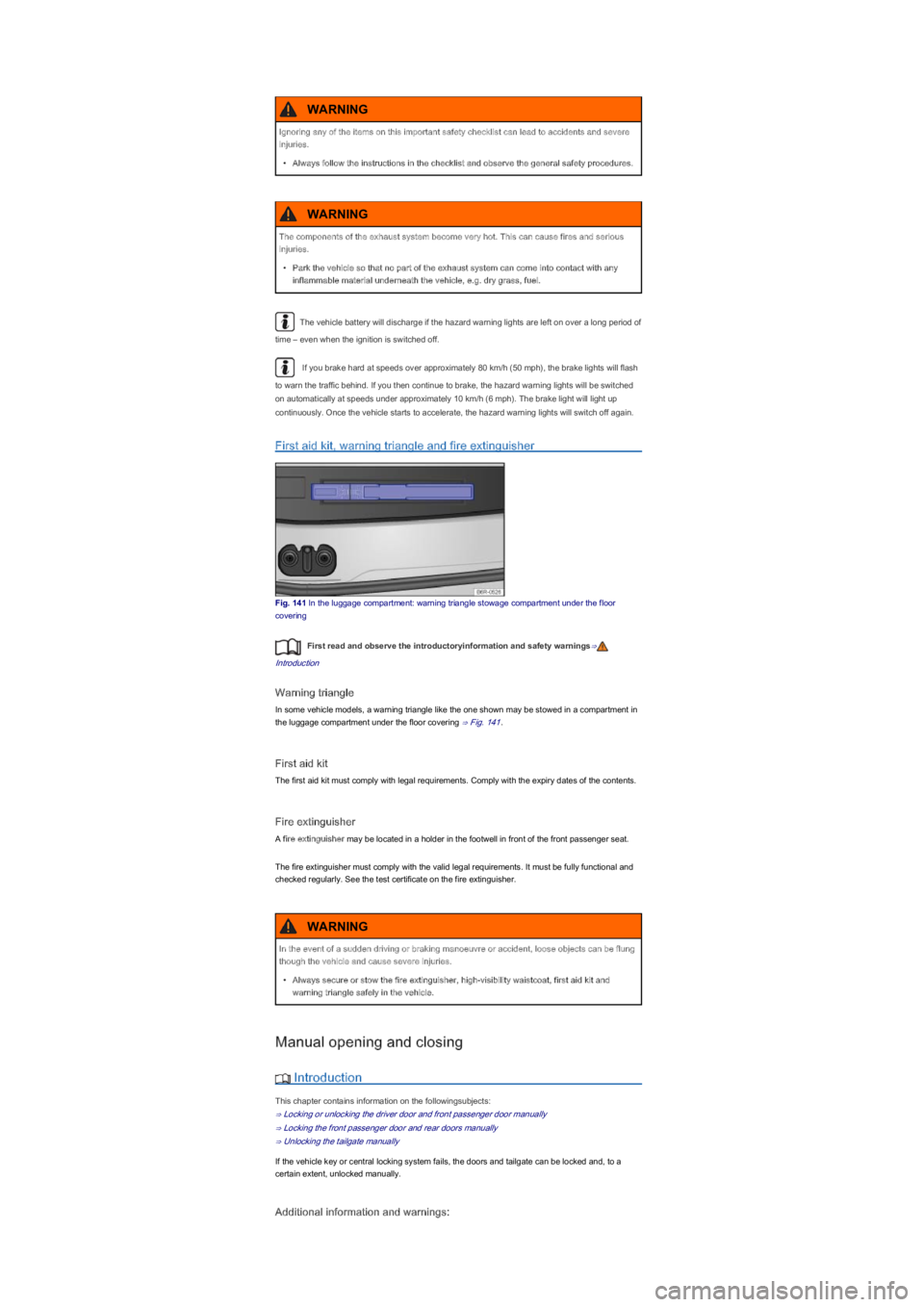
Fig. 141 In the luggage compartment: warning triangle stowage compartment under the floor
covering
First read and observe the introductoryinformation and safety warnings⇒
Introduction
Warning triangle
In some vehicle models, a warning triangle like the one shown may be stowed in a compartment in
the luggage compartment under the floor covering ⇒ Fig. 141.
First aid kit
The first aid kit must comply with legal requirements. Comply with the expiry dates of the contents.
Fire extinguisher
A fire extinguisher may be located in a holder in the footwell in front of the front passenger seat.
The fire extinguisher must comply with the valid legal requirements. It must be fully functional and
checked regularly. See the test certificate on the fire extinguisher.
Manual opening and closing
Introduction
This chapter contains information on the followingsubjects:
⇒ Locking or unlocking the driver door and front passenger door manually
⇒ Locking the front passenger door and rear doors manually
⇒ Unlocking the tailgate manually
If the vehicle key or central locking system fails, the doors and tailgate can be locked and, to a
certain extent, unlocked manually.
Additional information and warnings:
Ignoring any of the items on this important safety checklist can lead to accidents and severe
injuries.
•Always follow the instructions in the checklist and observe the general safety procedures.
WARNING
The components of the exhaust system become very hot. This can cause fires and serious
injuries.
•Park the vehicle so that no part of the exhaust system can come into contact with any
inflammable material underneath the vehicle, e.g. dry grass, fuel.
WARNING
In the event of a sudden driving or braking manoeuvre or accident, loose objects can be flung
though the vehicle and cause severe injuries.
•Always secure or stow the fire extinguisher, high-visibility waistcoat, first aid kit and
warning triangle safely in the vehicle.
WARNING
Page 184 of 211
•Vehicle key set ⇒ Vehicle key set
•Central locking system ⇒ Central locking system
•Doors ⇒ Doors
•Tailgate ⇒ Tailgate
•In an emergency ⇒ In an emergency
Locking or unlocking the driver door and front passenger door
manually
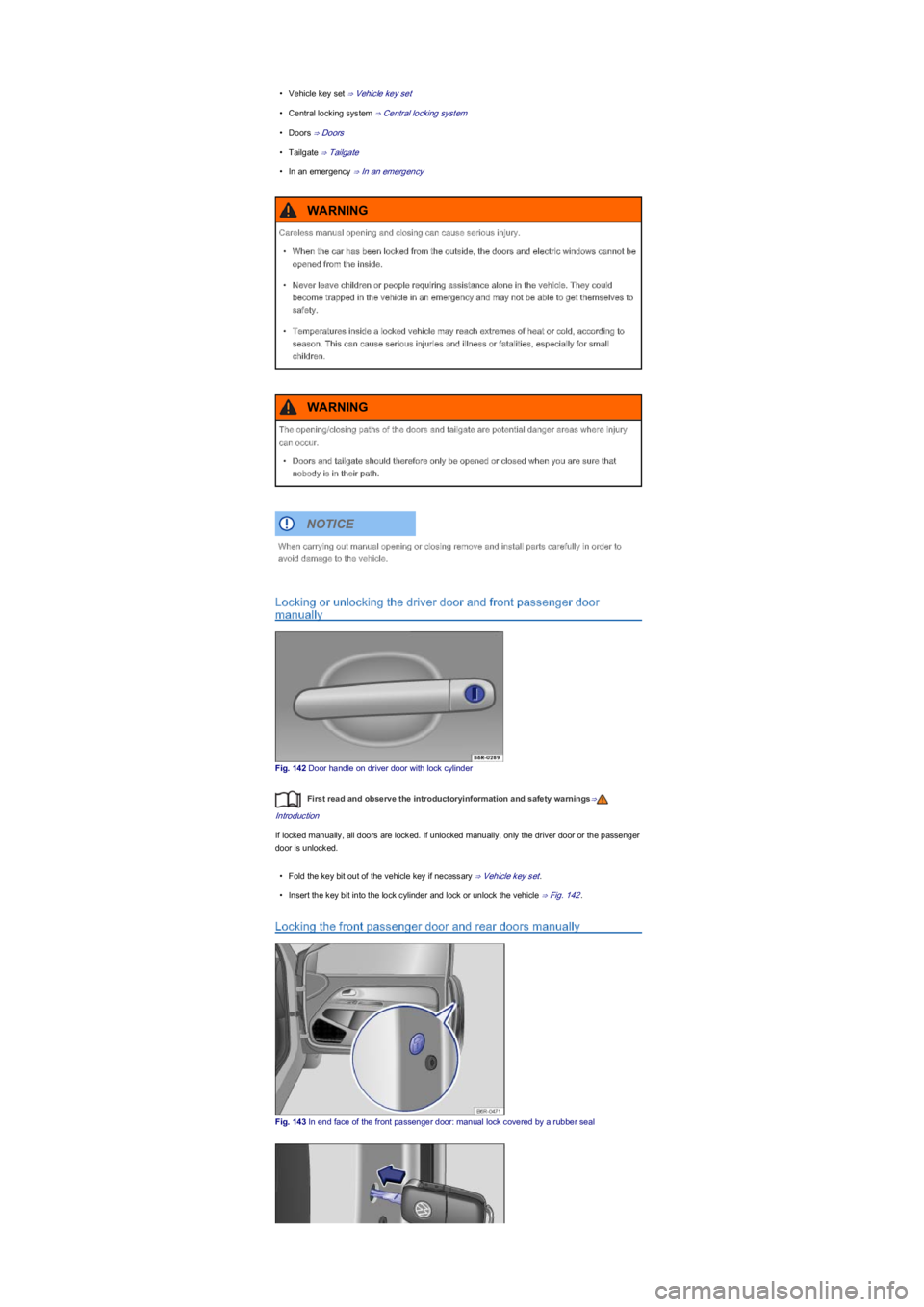
Fig. 142 Door handle on driver door with lock cylinder
First read and observe the introductoryinformation and safety warnings⇒
Introduction
If locked manually, all doors are locked. If unlocked manually, only the driver door or the passenger
door is unlocked.
•Fold the key bit out of the vehicle key if necessary ⇒ Vehicle key set.
•Insert the key bit into the lock cylinder and lock or unlock the vehicle ⇒ Fig. 142.
Locking the front passenger door and rear doors manually
Fig. 143 In end face of the front passenger door: manual lock covered by a rubber seal
Careless manual opening and closing can cause serious injury.
•When the car has been locked from the outside, the doors and electric windows cannot be
opened from the inside.
•Never leave children or people requiring assistance alone in the vehicle. They could
become trapped in the vehicle in an emergency and may not be able to get themselves to
safety.
•Temperatures inside a locked vehicle may reach extremes of heat or cold, according to
season. This can cause serious injuries and illness or fatalities, especially for small
children.
WARNING
The opening/closing paths of the doors and tailgate are potential danger areas where injury
can occur.
•Doors and tailgate should therefore only be opened or closed when you are sure that
nobody is in their path.
WARNING
When carrying out manual opening or closing remove and install parts carefully in order to
avoid damage to the vehicle.
NOTICE
Page 185 of 211
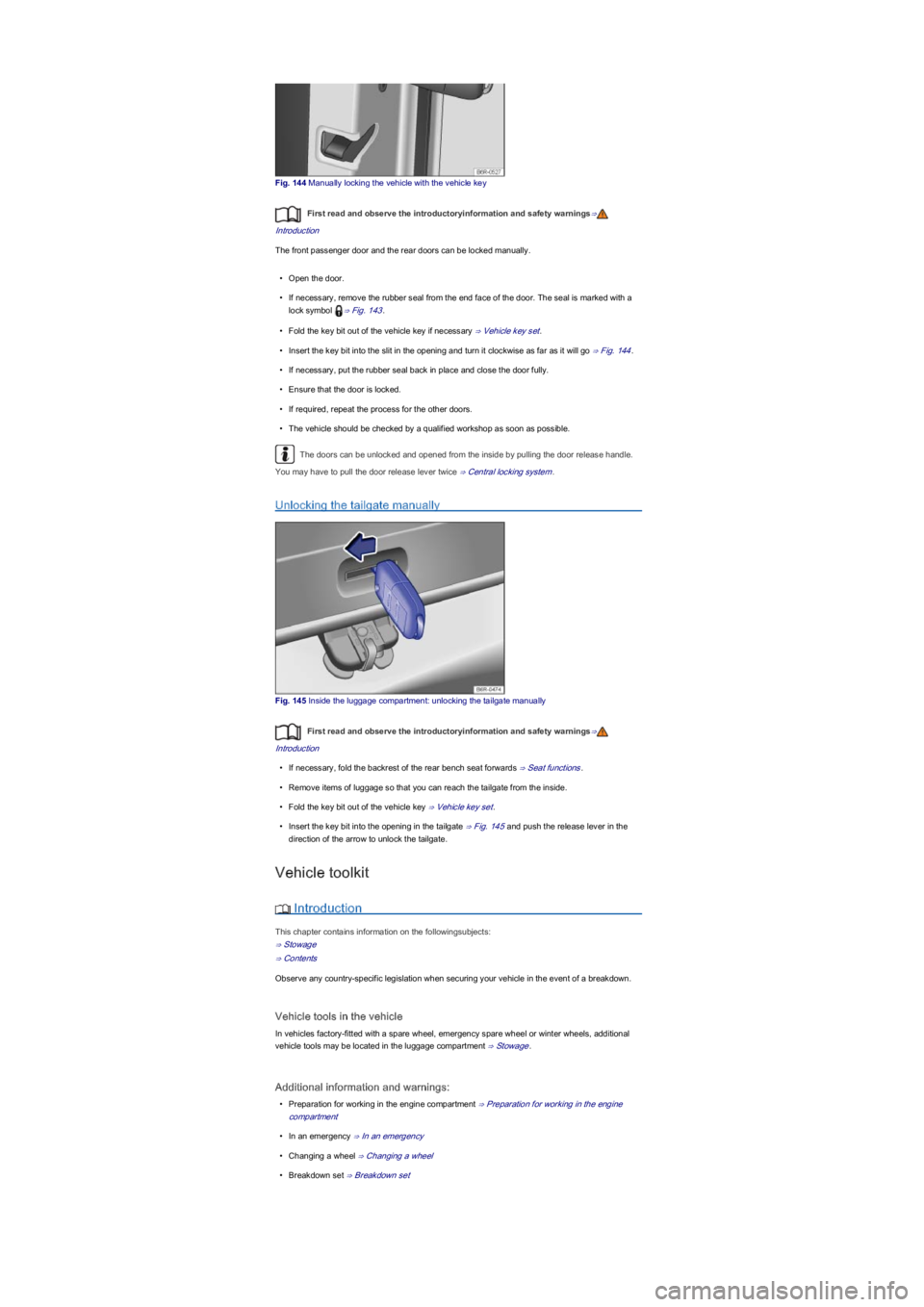
Fig. 144 Manually locking the vehicle with the vehicle key
First read and observe the introductoryinformation and safety warnings⇒
Introduction
The front passenger door and the rear doors can be locked manually.
•Open the door.
•If necessary, remove the rubber seal from the end face of the door. The seal is marked with a
lock symbol ⇒ Fig. 143.
•Fold the key bit out of the vehicle key if necessary ⇒ Vehicle key set.
•Insert the key bit into the slit in the opening and turn it clockwise as far as it will go ⇒ Fig. 144.
•If necessary, put the rubber seal back in place and close the door fully.
•Ensure that the door is locked.
•If required, repeat the process for the other doors.
•The vehicle should be checked by a qualified workshop as soon as possible.
The doors can be unlocked and opened from the inside by pulling the door release handle.
You may have to pull the door release lever twice ⇒ Central locking system.
Unlocking the tailgate manually
Fig. 145 Inside the luggage compartment: unlocking the tailgate manually
First read and observe the introductoryinformation and safety warnings⇒
Introduction
•If necessary, fold the backrest of the rear bench seat forwards ⇒ Seat functions.
•Remove items of luggage so that you can reach the tailgate from the inside.
•Fold the key bit out of the vehicle key ⇒ Vehicle key set.
•Insert the key bit into the opening in the tailgate ⇒ Fig. 145 and push the release lever in the
direction of the arrow to unlock the tailgate.
Vehicle toolkit
Introduction
This chapter contains information on the followingsubjects:
⇒ Stowage
⇒ Contents
Observe any country-specific legislation when securing your vehicle in the event of a breakdown.
Vehicle tools in the vehicle
In vehicles factory-fitted with a spare wheel, emergency spare wheel or winter wheels, additional
vehicle tools may be located in the luggage compartment ⇒ Stowage.
Additional information and warnings:
•Preparation for working in the engine compartment ⇒ Preparation for working in the engine
compartment
•In an emergency ⇒ In an emergency
•Changing a wheel ⇒ Changing a wheel
•Breakdown set ⇒ Breakdown set
Page 202 of 211
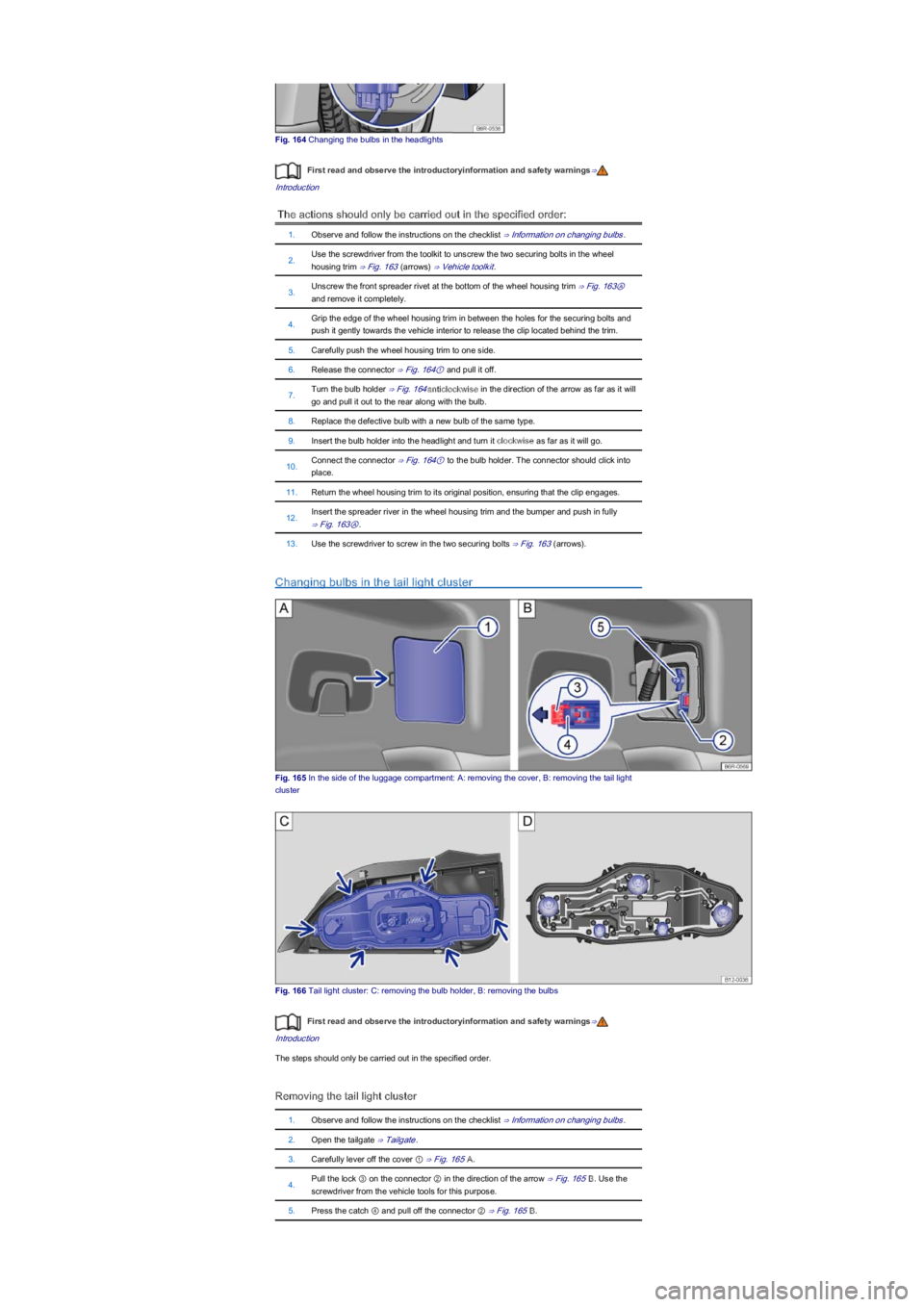
Fig. 164 Changing the bulbs in the headlights
First read and observe the introductoryinformation and safety warnings⇒
Introduction
The actions should only be carried out in the specified order:
1.Observe and follow the instructions on the checklist ⇒ Information on changing bulbs.
2.Use the screwdriver from the toolkit to unscrew the two securing bolts in the wheel
housing trim ⇒ Fig. 163 (arrows) ⇒ Vehicle toolkit.
3.Unscrew the front spreader rivet at the bottom of the wheel housing trim ⇒ Fig. 163Ⓐ
and remove it completely.
4.Grip the edge of the wheel housing trim in between the holes for the securing bolts and
push it gently towards the vehicle interior to release the clip located behind the trim.
5.Carefully push the wheel housing trim to one side.
6.Release the connector ⇒ Fig. 164① and pull it off.
7.Turn the bulb holder ⇒ Fig. 164anticlockwise in the direction of the arrow as far as it will
go and pull it out to the rear along with the bulb.
8.Replace the defective bulb with a new bulb of the same type.
9.Insert the bulb holder into the headlight and turn it clockwise as far as it will go.
10.Connect the connector ⇒ Fig. 164① to the bulb holder. The connector should click into
place.
11.Return the wheel housing trim to its original position, ensuring that the clip engages.
12.Insert the spreader river in the wheel housing trim and the bumper and push in fully
⇒ Fig. 163Ⓐ.
13.Use the screwdriver to screw in the two securing bolts ⇒ Fig. 163 (arrows).
Changing bulbs in the tail light cluster
Fig. 165 In the side of the luggage compartment: A: removing the cover, B: removing the tail light
cluster
Fig. 166 Tail light cluster: C: removing the bulb holder, B: removing the bulbs
First read and observe the introductoryinformation and safety warnings⇒
Introduction
The steps should only be carried out in the specified order.
Removing the tail light cluster
1.Observe and follow the instructions on the checklist ⇒ Information on changing bulbs.
2.Open the tailgate ⇒ Tailgate.
3.Carefully lever off the cover ① ⇒ Fig. 165A.
4.Pull the lock ③ on the connector ② in the direction of the arrow ⇒ Fig. 165B. Use the
screwdriver from the vehicle tools for this purpose.
5.Press the catch ④ and pull off the connector ② ⇒ Fig. 165B.
Page 203 of 211
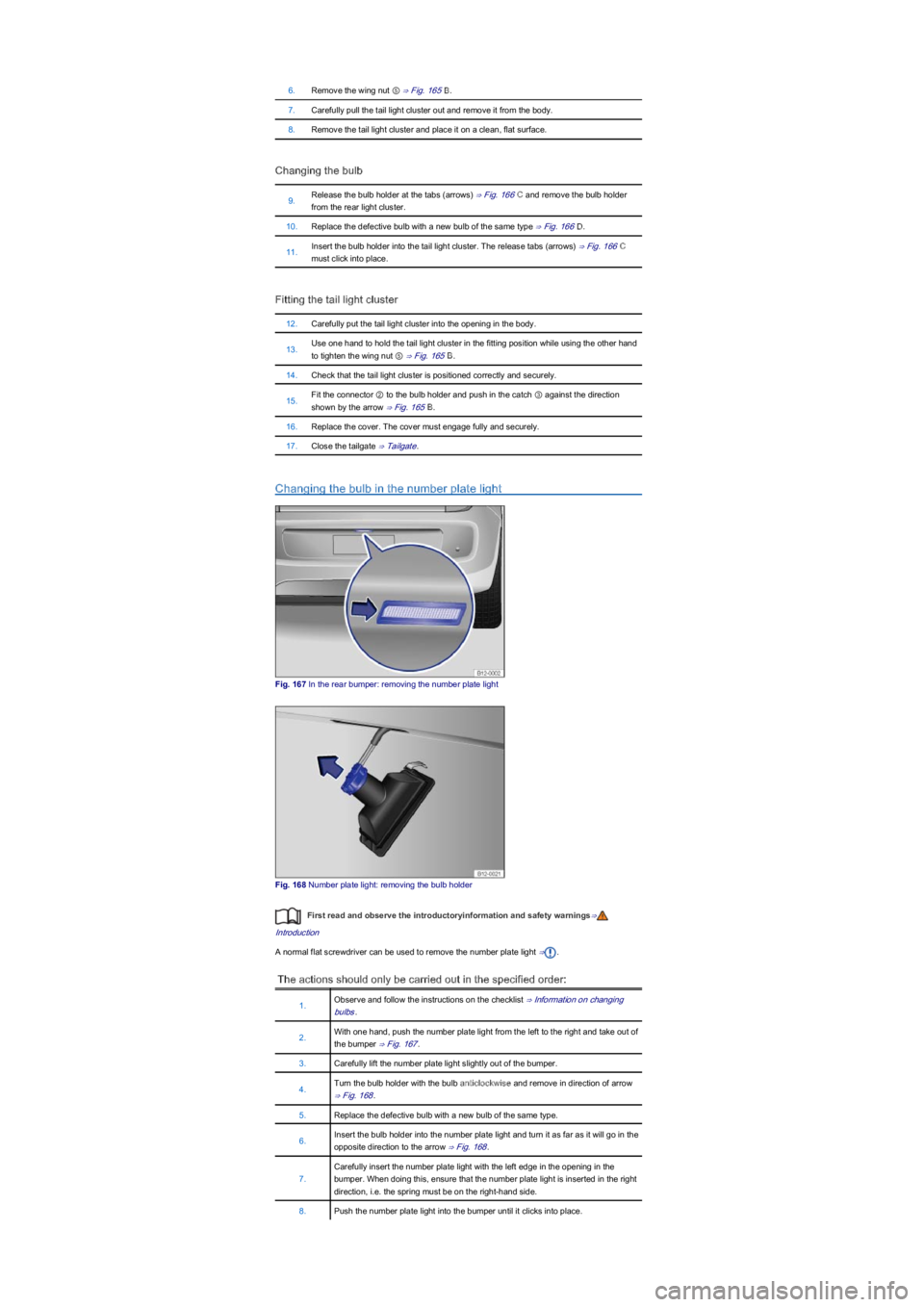
6.Remove the wing nut ⑤ ⇒ Fig. 165B.
7.Carefully pull the tail light cluster out and remove it from the body.
8.Remove the tail light cluster and place it on a clean, flat surface.
Changing the bulb
9.Release the bulb holder at the tabs (arrows) ⇒ Fig. 166C and remove the bulb holder
from the rear light cluster.
10.Replace the defective bulb with a new bulb of the same type ⇒ Fig. 166D.
11.Insert the bulb holder into the tail light cluster. The release tabs (arrows) ⇒ Fig. 166C
must click into place.
Fitting the tail light cluster
12.Carefully put the tail light cluster into the opening in the body.
13.Use one hand to hold the tail light cluster in the fitting position while using the other hand
to tighten the wing nut ⑤ ⇒ Fig. 165B.
14.Check that the tail light cluster is positioned correctly and securely.
15.Fit the connector ② to the bulb holder and push in the catch ③ against the direction
shown by the arrow ⇒ Fig. 165B.
16.Replace the cover. The cover must engage fully and securely.
17.Close the tailgate ⇒ Tailgate.
Changing the bulb in the number plate light
Fig. 167 In the rear bumper: removing the number plate light
Fig. 168 Number plate light: removing the bulb holder
First read and observe the introductoryinformation and safety warnings⇒
Introduction
A normal flat screwdriver can be used to remove the number plate light ⇒.
The actions should only be carried out in the specified order:
1.Observe and follow the instructions on the checklist ⇒ Information on changing
bulbs.
2.With one hand, push the number plate light from the left to the right and take out of
the bumper ⇒ Fig. 167.
3.Carefully lift the number plate light slightly out of the bumper.
4.Turn the bulb holder with the bulb anticlockwise and remove in direction of arrow
⇒ Fig. 168.
5.Replace the defective bulb with a new bulb of the same type.
6.Insert the bulb holder into the number plate light and turn it as far as it will go in the
opposite direction to the arrow ⇒ Fig. 168.
7.
Carefully insert the number plate light with the left edge in the opening in the
bumper. When doing this, ensure that the number plate light is inserted in the right
direction, i.e. the spring must be on the right-hand side.
8.Push the number plate light into the bumper until it clicks into place.