tow VOLKSWAGEN UP! 2021 Owner´s Manual
[x] Cancel search | Manufacturer: VOLKSWAGEN, Model Year: 2021, Model line: UP!, Model: VOLKSWAGEN UP! 2021Pages: 211, PDF Size: 5.98 MB
Page 76 of 211
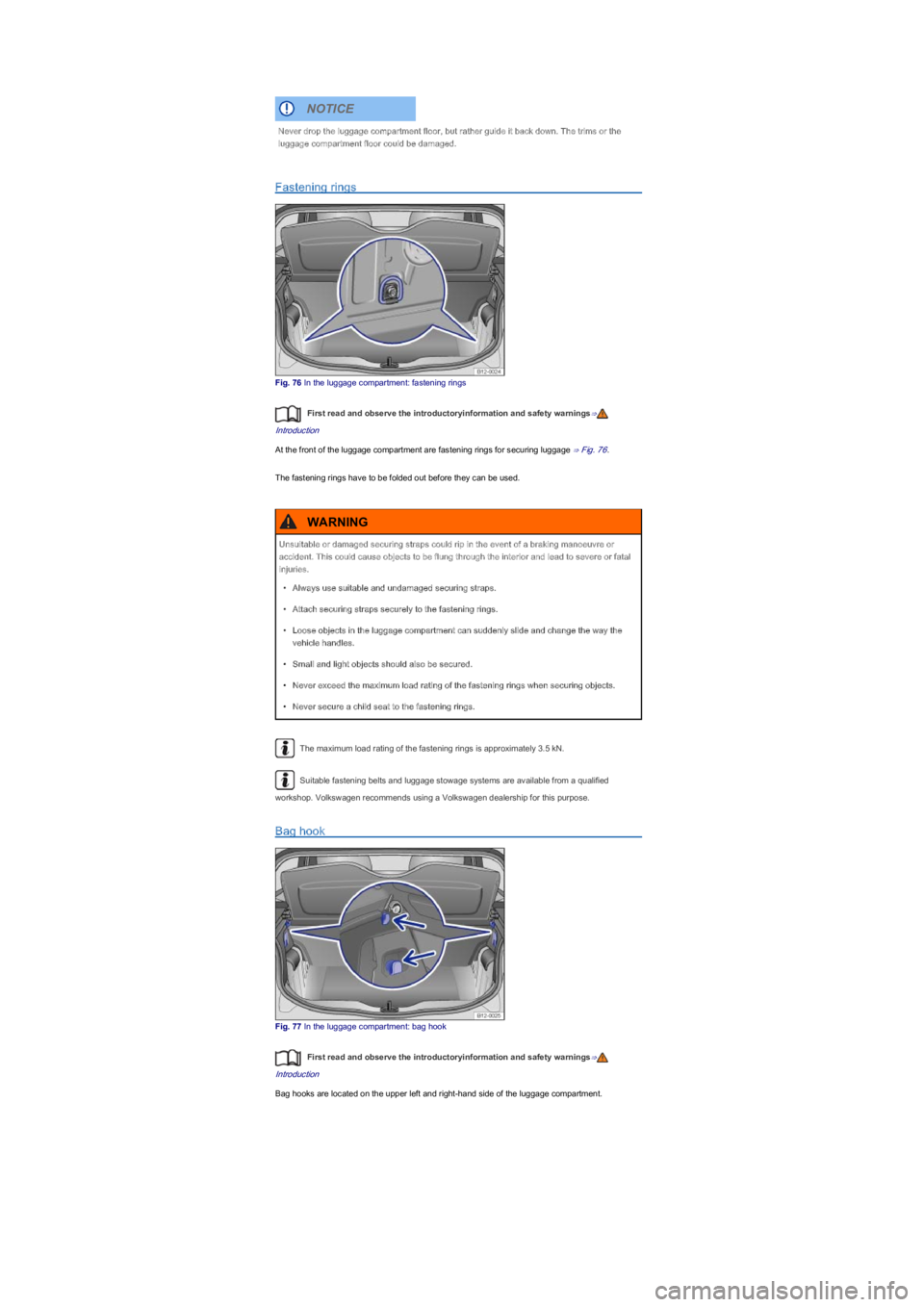
Fastening rings
Fig. 76 In the luggage compartment: fastening rings
First read and observe the introductoryinformation and safety warnings⇒
Introduction
At the front of the luggage compartment are fastening rings for securing luggage ⇒ Fig. 76.
The fastening rings have to be folded out before they can be used.
The maximum load rating of the fastening rings is approximately 3.5 kN.
Suitable fastening belts and luggage stowage systems are available from a qualified
workshop. Volkswagen recommends using a Volkswagen dealership for this purpose.
Bag hook
Fig. 77 In the luggage compartment: bag hook
First read and observe the introductoryinformation and safety warnings⇒
Introduction
Bag hooks are located on the upper left and right-hand side of the luggage compartment.
Never drop the luggage compartment floor, but rather guide it back down. The trims or the
luggage compartment floor could be damaged.
NOTICE
Unsuitable or damaged securing straps could rip in the event of a braking manoeuvre or
accident. This could cause objects to be flung through the interior and lead to severe or fatal
injuries.
•Always use suitable and undamaged securing straps.
•Attach securing straps securely to the fastening rings.
•Loose objects in the luggage compartment can suddenly slide and change the way the
vehicle handles.
•Small and light objects should also be secured.
•Never exceed the maximum load rating of the fastening rings when securing objects.
•Never secure a child seat to the fastening rings.
WARNING
Page 79 of 211
Ensure that you know the weight of the mounts, roof carrier system and the items to be transported
on the roof - weigh them if necessary. Never exceed the maximum permissible roof load.
However, if you are using a carrier system with a lower weight rating, you will not be able to carry
the maximum roof load. In this case, do not exceed the maximum weight limit for the load carrier
system which is listed in the fitting instructions.
Distributing the load
Distribute the load evenly and secure it correctly ⇒.
Checking the fittings
After the mounts and load carrier have been attached, check the bolted connections and fastenings
once you have travelled a short distance and then at regular intervals.
Towing a trailer
Information on towing
The vehicle is not approved for towing a trailer. The vehicle is not factory-fitted with a towing
bracket and a towing bracket cannot be retrofitted.
Practical equipment
Stowage area
Introduction
This chapter contains information on the followingsubjects:
⇒ Stowage compartment on the driver side
⇒ Stowage compartment in the front centre console
⇒ Stowage compartment with cover on the front passenger side
⇒ Open stowage compartment on the front passenger side
⇒ Stowage compartment in the rear centre console
⇒ Other stowage areas
Only use stowage compartments to stow light or smaller objects.
Additional information and warnings:
•Cleaning and caring for the interior ⇒ Cleaning and caring for the interior
•⇒BookletRadio,
Accidents and vehicle damage can occur if the maximum permitted roof load is exceeded.
•Never exceed the quoted roof load, the maximum permissible axle loads, and the
permissible gross vehicle weight for the vehicle.
•Do not exceed the weight rating of the roof carrier system, even if the maximum roof load
has not been reached.
•Secure heavy objects as far forwards as possible and distribute the load evenly.
WARNING
Loose and incorrectly secured loads could fall off the load carrier and cause accidents and
injuries.
•Always use suitable and undamaged securing straps.
•Secure loads properly.
WARNING
Fitting a towing bracket on the vehicle while the vehicle is in operation can lead to accidents
and cause serious injuries.
•Never fit a towing bracket on the vehicle.
•The bracket could be released from the vehicle during the journey.
WARNING
Fitting towing brackets of any kind can lead to serious vehicle damage.
NOTICE
Page 80 of 211
The ventilation openings between the rear window and the luggage compartment cover must
not be covered as this would prevent stale air escaping from the vehicle.
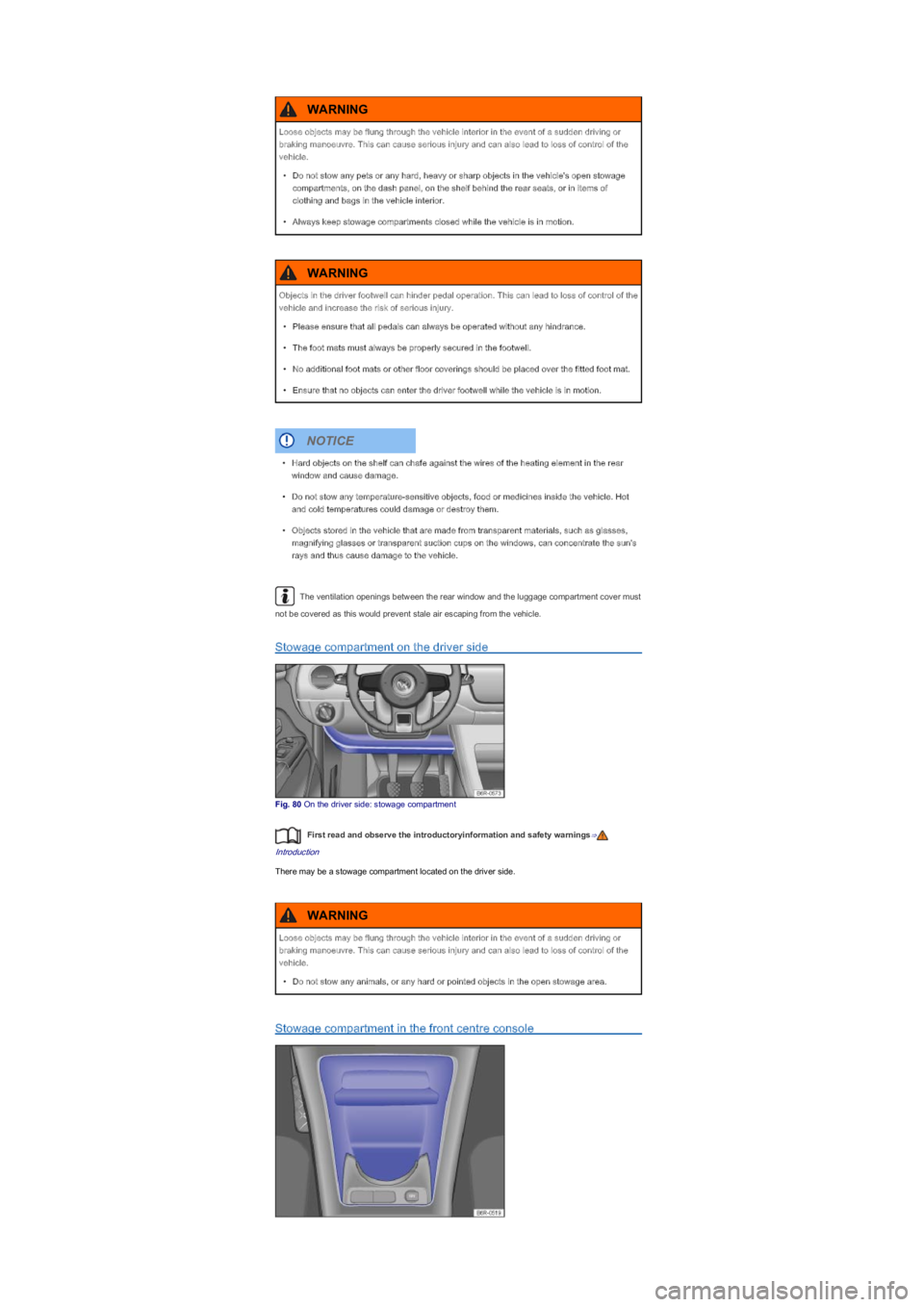
Stowage compartment on the driver side
Fig. 80 On the driver side: stowage compartment
First read and observe the introductoryinformation and safety warnings⇒
Introduction
There may be a stowage compartment located on the driver side.
Stowage compartment in the front centre console
Loose objects may be flung through the vehicle interior in the event of a sudden driving or
braking manoeuvre. This can cause serious injury and can also lead to loss of control of the
vehicle.
•Do not stow any pets or any hard, heavy or sharp objects in the vehicle's open stowage
compartments, on the dash panel, on the shelf behind the rear seats, or in items of
clothing and bags in the vehicle interior.
•Always keep stowage compartments closed while the vehicle is in motion.
WARNING
Objects in the driver footwell can hinder pedal operation. This can lead to loss of control of the
vehicle and increase the risk of serious injury.
•Please ensure that all pedals can always be operated without any hindrance.
•The foot mats must always be properly secured in the footwell.
•No additional foot mats or other floor coverings should be placed over the fitted foot mat.
•Ensure that no objects can enter the driver footwell while the vehicle is in motion.
WARNING
•Hard objects on the shelf can chafe against the wires of the heating element in the rear
window and cause damage.
•Do not stow any temperature-sensitive objects, food or medicines inside the vehicle. Hot
and cold temperatures could damage or destroy them.
•Objects stored in the vehicle that are made from transparent materials, such as glasses,
magnifying glasses or transparent suction cups on the windows, can concentrate the sun's
rays and thus cause damage to the vehicle.
NOTICE
Loose objects may be flung through the vehicle interior in the event of a sudden driving or
braking manoeuvre. This can cause serious injury and can also lead to loss of control of the
vehicle.
•Do not stow any animals, or any hard or pointed objects in the open stowage area.
WARNING
Page 81 of 211
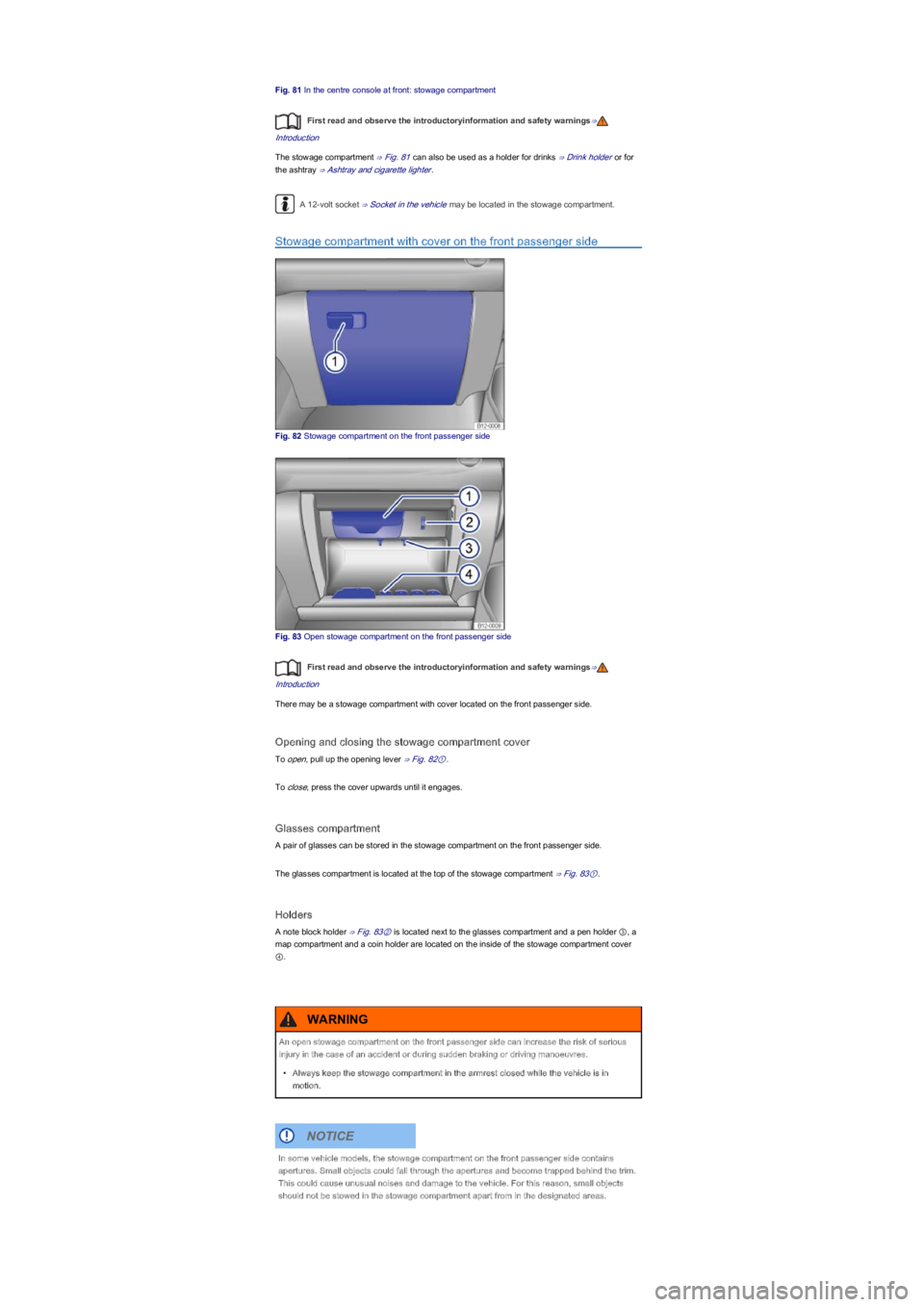
Fig. 81 In the centre console at front: stowage compartment
First read and observe the introductoryinformation and safety warnings⇒
Introduction
The stowage compartment ⇒ Fig. 81 can also be used as a holder for drinks ⇒ Drink holder or for
the ashtray ⇒ Ashtray and cigarette lighter.
A 12-volt socket ⇒ Socket in the vehicle may be located in the stowage compartment.
Stowage compartment with cover on the front passenger side
Fig. 82 Stowage compartment on the front passenger side
Fig. 83 Open stowage compartment on the front passenger side
First read and observe the introductoryinformation and safety warnings⇒
Introduction
There may be a stowage compartment with cover located on the front passenger side.
Opening and closing the stowage compartment cover
To open, pull up the opening lever ⇒ Fig. 82①.
To close, press the cover upwards until it engages.
Glasses compartment
A pair of glasses can be stored in the stowage compartment on the front passenger side.
The glasses compartment is located at the top of the stowage compartment ⇒ Fig. 83①.
Holders
A note block holder ⇒ Fig. 83② is located next to the glasses compartment and a pen holder ③, a
map compartment and a coin holder are located on the inside of the stowage compartment cover
④.
An open stowage compartment on the front passenger side can increase the risk of serious
injury in the case of an accident or during sudden braking or driving manoeuvres.
•Always keep the stowage compartment in the armrest closed while the vehicle is in
motion.
WARNING
In some vehicle models, the stowage compartment on the front passenger side contains
apertures. Small objects could fall through the apertures and become trapped behind the trim.
This could cause unusual noises and damage to the vehicle. For this reason, small objects
should not be stowed in the stowage compartment apart from in the designated areas.
NOTICE
Page 82 of 211
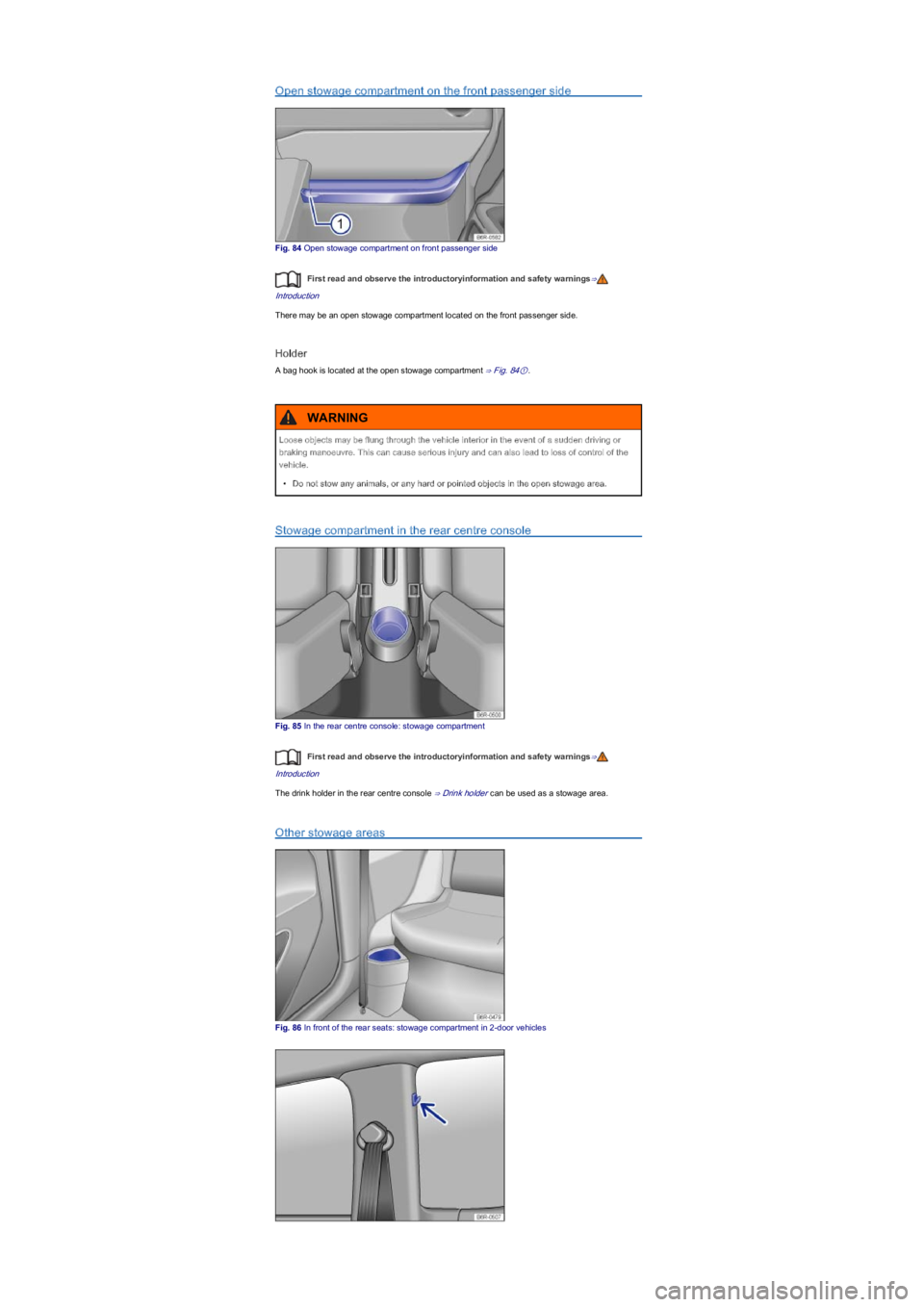
Open stowage compartment on the front passenger side
Fig. 84 Open stowage compartment on front passenger side
First read and observe the introductoryinformation and safety warnings⇒
Introduction
There may be an open stowage compartment located on the front passenger side.
Holder
A bag hook is located at the open stowage compartment ⇒ Fig. 84①.
Stowage compartment in the rear centre console
Fig. 85 In the rear centre console: stowage compartment
First read and observe the introductoryinformation and safety warnings⇒
Introduction
The drink holder in the rear centre console ⇒ Drink holder can be used as a stowage area.
Other stowage areas
Fig. 86 In front of the rear seats: stowage compartment in 2-door vehicles
Loose objects may be flung through the vehicle interior in the event of a sudden driving or
braking manoeuvre. This can cause serious injury and can also lead to loss of control of the
vehicle.
•Do not stow any animals, or any hard or pointed objects in the open stowage area.
WARNING
Page 83 of 211
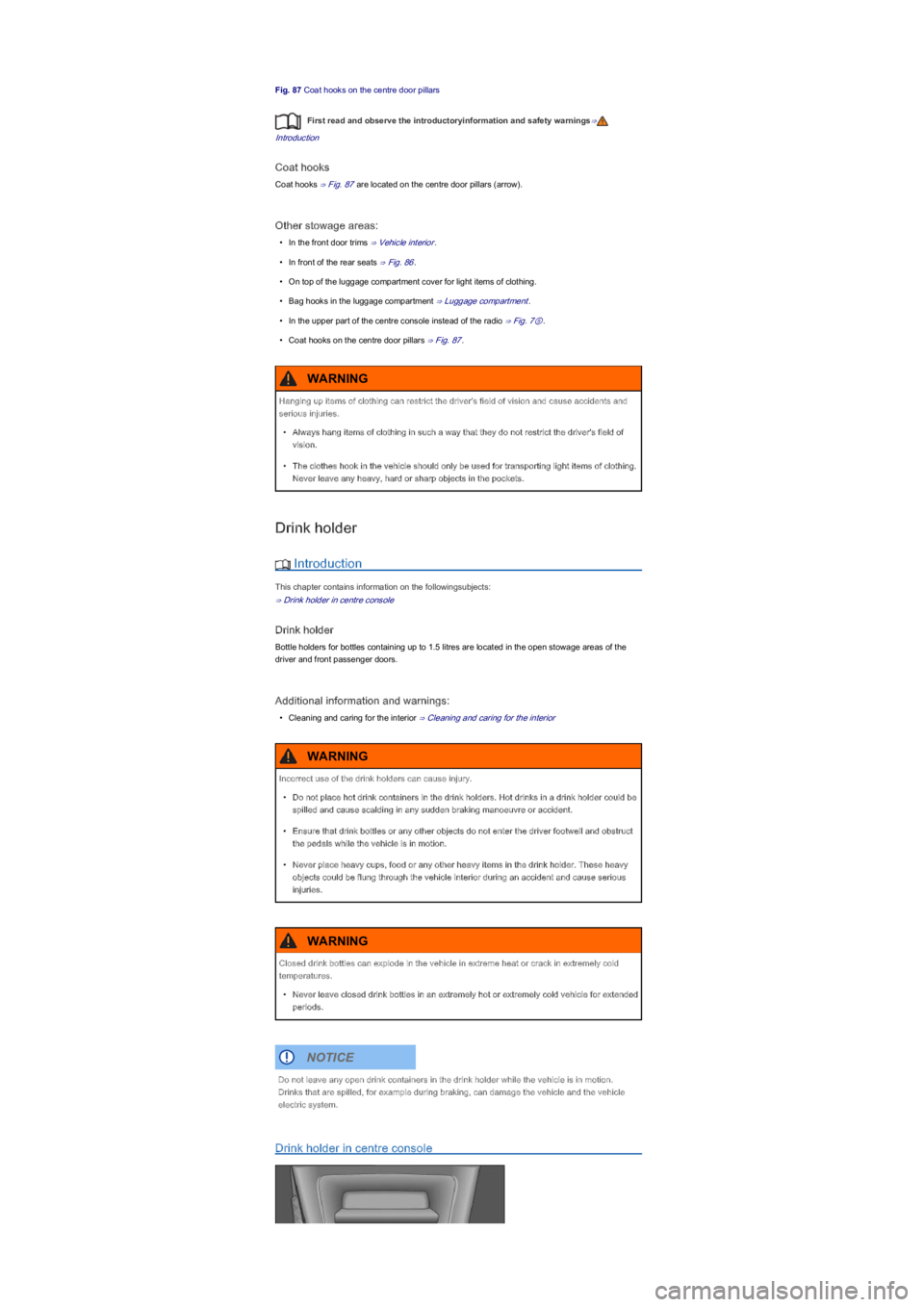
Fig. 87 Coat hooks on the centre door pillars
First read and observe the introductoryinformation and safety warnings⇒
Introduction
Coat hooks
Coat hooks ⇒ Fig. 87 are located on the centre door pillars (arrow).
Other stowage areas:
•In the front door trims ⇒ Vehicle interior.
•In front of the rear seats ⇒ Fig. 86.
•On top of the luggage compartment cover for light items of clothing.
•Bag hooks in the luggage compartment ⇒ Luggage compartment.
•In the upper part of the centre console instead of the radio ⇒ Fig. 7⑤.
•Coat hooks on the centre door pillars ⇒ Fig. 87.
Drink holder
Introduction
This chapter contains information on the followingsubjects:
⇒ Drink holder in centre console
Drink holder
Bottle holders for bottles containing up to 1.5 litres are located in the open stowage areas of the
driver and front passenger doors.
Additional information and warnings:
•Cleaning and caring for the interior ⇒ Cleaning and caring for the interior
Drink holder in centre console
Hanging up items of clothing can restrict the driver's field of vision and cause accidents and
serious injuries.
•Always hang items of clothing in such a way that they do not restrict the driver's field of
vision.
•The clothes hook in the vehicle should only be used for transporting light items of clothing.
Never leave any heavy, hard or sharp objects in the pockets.
WARNING
Incorrect use of the drink holders can cause injury.
•Do not place hot drink containers in the drink holders. Hot drinks in a drink holder could be
spilled and cause scalding in any sudden braking manoeuvre or accident.
•Ensure that drink bottles or any other objects do not enter the driver footwell and obstruct
the pedals while the vehicle is in motion.
•Never place heavy cups, food or any other heavy items in the drink holder. These heavy
objects could be flung through the vehicle interior during an accident and cause serious
injuries.
WARNING
Closed drink bottles can explode in the vehicle in extreme heat or crack in extremely cold
temperatures.
•Never leave closed drink bottles in an extremely hot or extremely cold vehicle for extended
periods.
WARNING
Do not leave any open drink containers in the drink holder while the vehicle is in motion.
Drinks that are spilled, for example during braking, can damage the vehicle and the vehicle
electric system.
NOTICE
Page 86 of 211
Do not leave the engine running when the vehicle is stationary.
Using electrical appliances with the engine switched off and the ignition switched on will
drain the battery.
Unshielded devices can cause interference with radio reception and vehicle electronics.
Interference with AM radio reception could occur if electrical devices are used in the vicinity
of the aerial.
Socket in the vehicle
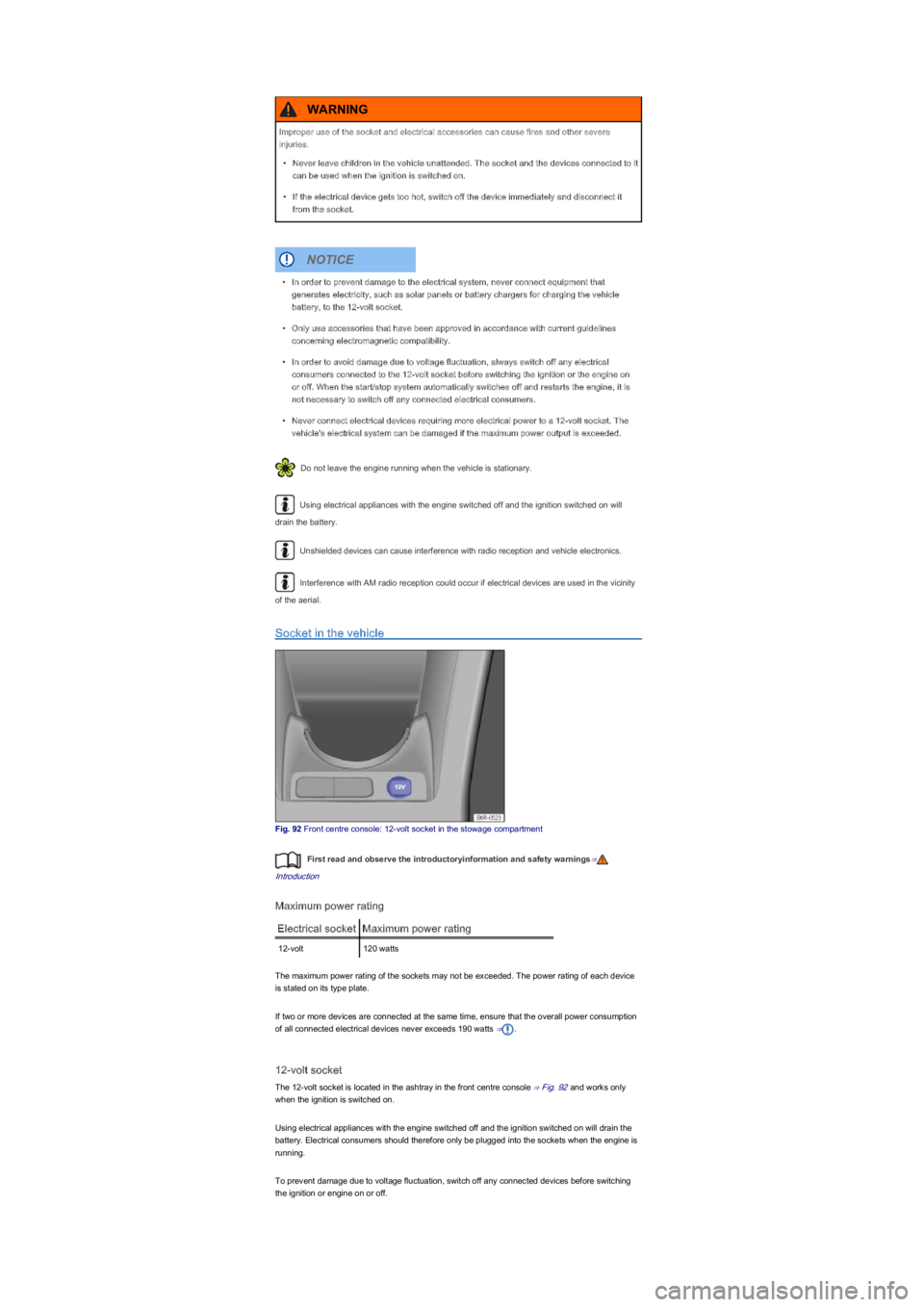
Fig. 92 Front centre console: 12-volt socket in the stowage compartment
First read and observe the introductoryinformation and safety warnings⇒
Introduction
Maximum power rating
Electrical socketMaximum power rating
12-volt120 watts
The maximum power rating of the sockets may not be exceeded. The power rating of each device
is stated on its type plate.
If two or more devices are connected at the same time, ensure that the overall power consumption
of all connected electrical devices never exceeds 190 watts ⇒.
12-volt socket
The 12-volt socket is located in the ashtray in the front centre console ⇒ Fig. 92 and works only
when the ignition is switched on.
Using electrical appliances with the engine switched off and the ignition switched on will drain the
battery. Electrical consumers should therefore only be plugged into the sockets when the engine is
running.
To prevent damage due to voltage fluctuation, switch off any connected devices before switching
the ignition or engine on or off.
Improper use of the socket and electrical accessories can cause fires and other severe
injuries.
•Never leave children in the vehicle unattended. The socket and the devices connected to it
can be used when the ignition is switched on.
•If the electrical device gets too hot, switch off the device immediately and disconnect it
from the socket.
WARNING
•In order to prevent damage to the electrical system, never connect equipment that
generates electricity, such as solar panels or battery chargers for charging the vehicle
battery, to the 12-volt socket.
•Only use accessories that have been approved in accordance with current guidelines
concerning electromagnetic compatibility.
•In order to avoid damage due to voltage fluctuation, always switch off any electrical
consumers connected to the 12-volt socket before switching the ignition or the engine on
or off. When the start/stop system automatically switches off and restarts the engine, it is
not necessary to switch off any connected electrical consumers.
•Never connect electrical devices requiring more electrical power to a 12-volt socket. The
vehicle's electrical system can be damaged if the maximum power output is exceeded.
NOTICE
Page 87 of 211
Starting the engine, changing gear and
parking
Starting and stopping the engine
Introduction
This chapter contains information on the followingsubjects:
⇒ Ignition lock
⇒ Starting the engine
⇒ Stopping the engine
⇒ Electronic immobilizer
Immobilizer display
If the vehicle key is not valid or there is a fault in the system, then may be displayed in the
instrument cluster. The engine cannot be started ⇒ Electronic immobilizer.
Push-starting or towing
For technical reasons, your vehicle must not be push-started or tow-started. Use jump leads to
start the engine instead.
Additional information and warnings:
•Vehicle key set ⇒ Vehicle key set
•Changing gear ⇒ Changing gear
•Braking, stopping and parking ⇒ Braking, stopping and parking
•Steering ⇒ Steering
•Pull-away assist systems ⇒ Pull-away assist systems
•Filling the tank ⇒ Filling the tank
•Fuel ⇒ Fuel
•Manual opening and closing ⇒ Manual opening and closing
•Starting the engine with jump leads ⇒ Starting the engine with jump leads
•Tow starting and towing ⇒ Tow-starting and towing
•Observe the operating instructions for any device that you plug into the socket.
•Never exceed the maximum power rating as this could damage the whole vehicle electrical
system.
•12-volt socket:
- Only use accessories that have been approved in accordance with the relevant
guidelines on electromagnetic compatibility.
- Never feed electricity into the socket.
NOTICE
While driving
Page 89 of 211
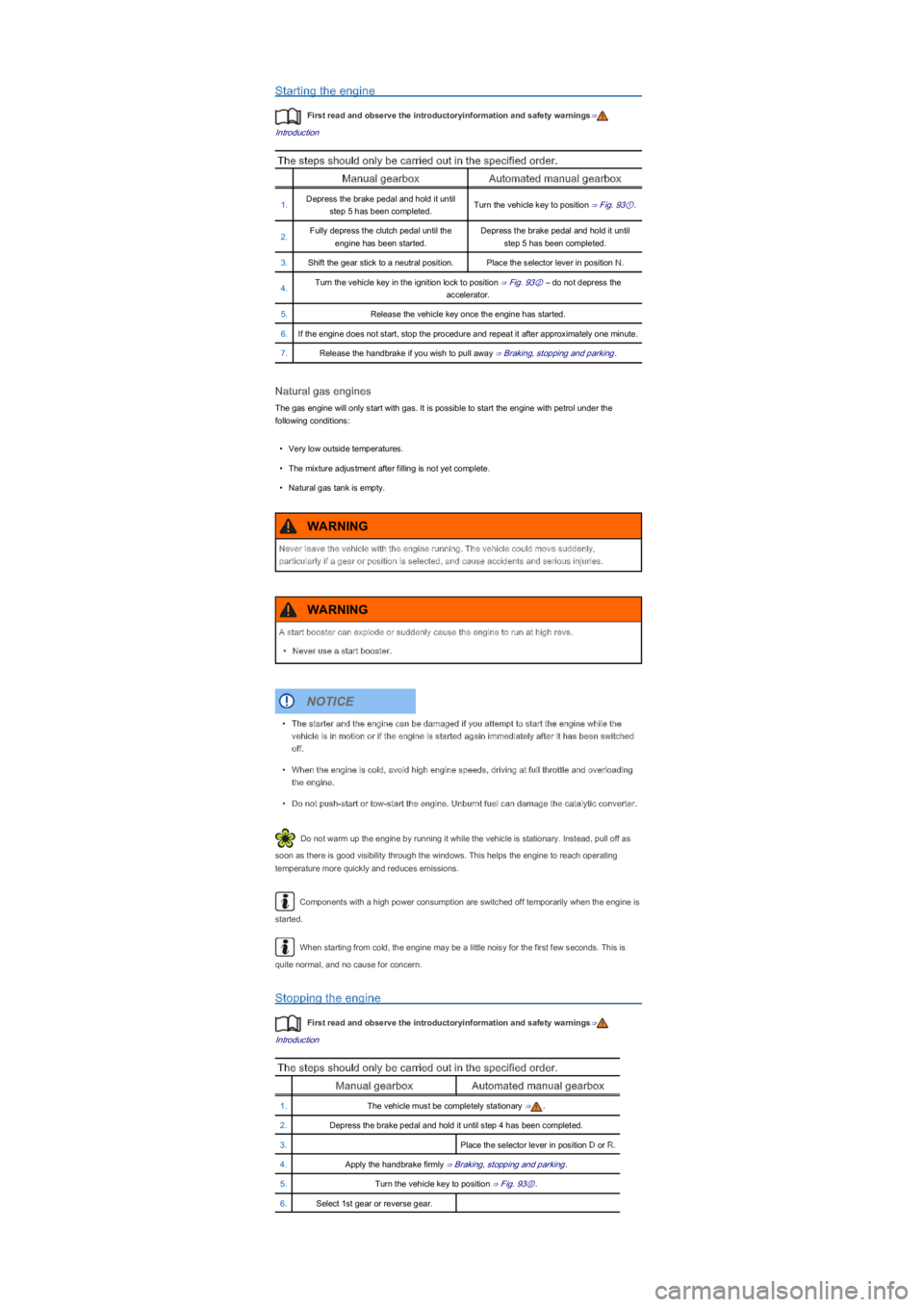
Starting the engine
First read and observe the introductoryinformation and safety warnings⇒
Introduction
The steps should only be carried out in the specified order.
Manual gearboxAutomated manual gearbox
1.Depress the brake pedal and hold it until
step 5 has been completed.Turn the vehicle key to position ⇒ Fig. 93①.
2.Fully depress the clutch pedal until the
engine has been started.
Depress the brake pedal and hold it until
step 5 has been completed.
3.Shift the gear stick to a neutral position.Place the selector lever in position N.
4.Turn the vehicle key in the ignition lock to position ⇒ Fig. 93② – do not depress the
accelerator.
5.Release the vehicle key once the engine has started.
6.If the engine does not start, stop the procedure and repeat it after approximately one minute.
7.Release the handbrake if you wish to pull away ⇒ Braking, stopping and parking.
Natural gas engines
The gas engine will only start with gas. It is possible to start the engine with petrol under the
following conditions:
•Very low outside temperatures.
•The mixture adjustment after filling is not yet complete.
•Natural gas tank is empty.
Do not warm up the engine by running it while the vehicle is stationary. Instead, pull off as
soon as there is good visibility through the windows. This helps the engine to reach operating
temperature more quickly and reduces emissions.
Components with a high power consumption are switched off temporarily when the engine is
started.
When starting from cold, the engine may be a little noisy for the first few seconds. This is
quite normal, and no cause for concern.
Stopping the engine
First read and observe the introductoryinformation and safety warnings⇒
Introduction
The steps should only be carried out in the specified order.
Manual gearboxAutomated manual gearbox
1.The vehicle must be completely stationary ⇒.
2.Depress the brake pedal and hold it until step 4 has been completed.
3.Place the selector lever in position D or R.
4.Apply the handbrake firmly ⇒ Braking, stopping and parking.
5.Turn the vehicle key to position ⇒ Fig. 93⓪.
6.Select 1st gear or reverse gear.
Never leave the vehicle with the engine running. The vehicle could move suddenly,
particularly if a gear or position is selected, and cause accidents and serious injuries.
WARNING
A start booster can explode or suddenly cause the engine to run at high revs.
•Never use a start booster.
WARNING
•The starter and the engine can be damaged if you attempt to start the engine while the
vehicle is in motion or if the engine is started again immediately after it has been switched
off.
•When the engine is cold, avoid high engine speeds, driving at full throttle and overloading
the engine.
•Do not push-start or tow-start the engine. Unburnt fuel can damage the catalytic converter.
NOTICE
Page 91 of 211
•Tow-starting and towing ⇒ Tow-starting and towing
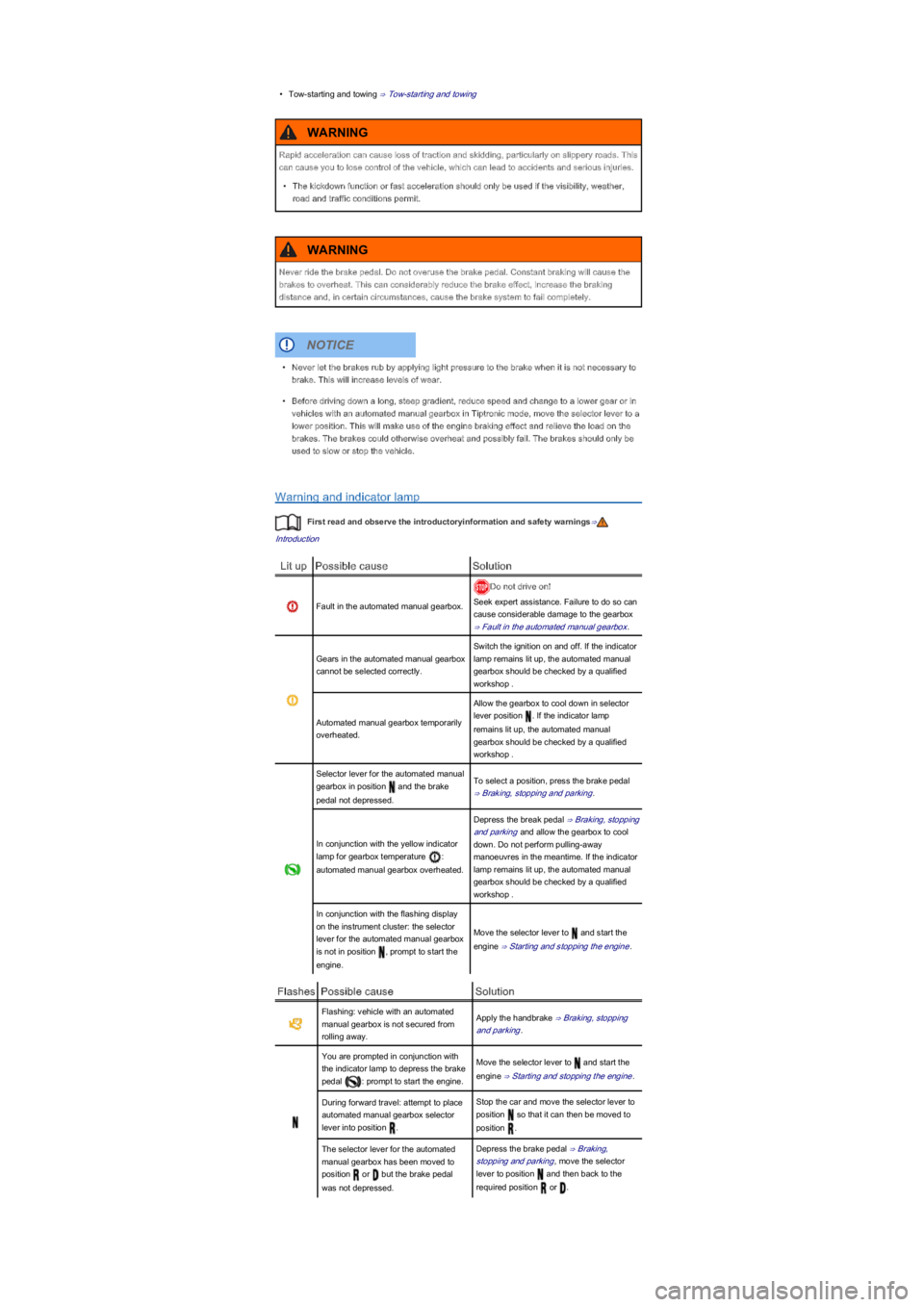
Warning and indicator lamp
First read and observe the introductoryinformation and safety warnings⇒
Introduction
Lit upPossible causeSolution
Fault in the automated manual gearbox.
Do not drive on!
Seek expert assistance. Failure to do so can
cause considerable damage to the gearbox
⇒ Fault in the automated manual gearbox.
Gears in the automated manual gearbox
cannot be selected correctly.
Switch the ignition on and off. If the indicator
lamp remains lit up, the automated manual
gearbox should be checked by a qualified
workshop .
Automated manual gearbox temporarily
overheated.
Allow the gearbox to cool down in selector
lever position . If the indicator lamp
remains lit up, the automated manual
gearbox should be checked by a qualified
workshop .
Selector lever for the automated manual
gearbox in position and the brake
pedal not depressed.
To select a position, press the brake pedal
⇒ Braking, stopping and parking.
In conjunction with the yellow indicator
lamp for gearbox temperature :
automated manual gearbox overheated.
Depress the break pedal ⇒ Braking, stopping
and parking and allow the gearbox to cool
down. Do not perform pulling-away
manoeuvres in the meantime. If the indicator
lamp remains lit up, the automated manual
gearbox should be checked by a qualified
workshop .
In conjunction with the flashing display
on the instrument cluster: the selector
lever for the automated manual gearbox
is not in position , prompt to start the
engine.
Move the selector lever to and start the
engine ⇒ Starting and stopping the engine.
FlashesPossible causeSolution
Flashing: vehicle with an automated
manual gearbox is not secured from
rolling away.
Apply the handbrake ⇒ Braking, stopping
and parking.
You are prompted in conjunction with
the indicator lamp to depress the brake
pedal : prompt to start the engine.
Move the selector lever to and start the
engine ⇒ Starting and stopping the engine.
During forward travel: attempt to place
automated manual gearbox selector
lever into position .
Stop the car and move the selector lever to
position so that it can then be moved to
position .
The selector lever for the automated
manual gearbox has been moved to
position or but the brake pedal
was not depressed.
Depress the brake pedal ⇒ Braking,
stopping and parking, move the selector
lever to position and then back to the
required position or .
Rapid acceleration can cause loss of traction and skidding, particularly on slippery roads. This
can cause you to lose control of the vehicle, which can lead to accidents and serious injuries.
•The kickdown function or fast acceleration should only be used if the visibility, weather,
road and traffic conditions permit.
WARNING
Never ride the brake pedal. Do not overuse the brake pedal. Constant braking will cause the
brakes to overheat. This can considerably reduce the brake effect, increase the braking
distance and, in certain circumstances, cause the brake system to fail completely.
WARNING
•Never let the brakes rub by applying light pressure to the brake when it is not necessary to
brake. This will increase levels of wear.
•Before driving down a long, steep gradient, reduce speed and change to a lower gear or in
vehicles with an automated manual gearbox in Tiptronic mode, move the selector lever to a
lower position. This will make use of the engine braking effect and relieve the load on the
brakes. The brakes could otherwise overheat and possibly fail. The brakes should only be
used to slow or stop the vehicle.
NOTICE