warning light AUDI RS7 SPORTBACK 2015 Manual Online
[x] Cancel search | Manufacturer: AUDI, Model Year: 2015, Model line: RS7 SPORTBACK, Model: AUDI RS7 SPORTBACK 2015Pages: 302, PDF Size: 74.76 MB
Page 179 of 302

M N
0:: <.J 'SI: ,...., \!) 1.1'1 ,...., 1.1'1 ,....,
-Always install rear-facing child safety
seats or infant carriers on the rear seat.
- Forward-facing child safety seats or in
fant carriers installed on the front pas senger's seat may interfere with the de
ployment of the airbag and cause serious
injury to the child.
- It is safer to install a forward-facing
child safety seat on the rear seat .
- Always read and heed all WARNINGS
whenever using a child restrained in ave
hicle is being used
c;,page 165. Special
precautions apply when installing a child
safety seat on the front passenger seat
c:;, page 141, Child restraints on the front
seat -some important things to know.
_& WARNING
-
Always take special precautions if you
must install a forward or rearward-facing
child restraint on the front passenger's
seat in exceptional situations:
- Whenever a forward or rearward-facing
child restraint is installed on the front
passenger seat, the
PASSENGER AIR
BAG OFF
light must come on and stay on
whenever the ignition is switched on.
- If the PASSENGER AIR BAG OFF light
does not come on and stay on, perform
the checks described
c:;, page 151, Moni
toring the Advanced Airbag System .
-Take the child restraint off the front pas
senger seat and install it properly at one
of the rear seat positions if the
PASSEN
GER AIR BAG OFF
light does not stay on
whenever the ignition is switched on.
- Improper installation of child restraints
can reduce their effectiveness or even
prevent them from providing any protec
tion.
- An improperly installed child restraint
can interfere with the airbag as it de
ploys and seriously injure or even kill the
child.
- Always carefully follow the manufactur
er's instructions provided with the child
safety seat or carrier.
Child Safety 177
- After checking to make sure that the
child restraint is properly installed, make
certain that the child restraint is correct ly recognized by the capacitive passenger
detection system in the front passenger
seat and that the
PASSENGER AIR BAG
OFF
light signals the correct front pas
senger frontal airbag status .
_& WARNING
Forward-facing child restraints:
- Always make sure the forward-facing
seat has been designed and certified by
its manufacturer for use on a front seat
with a passenger front and side airbag.
- Never put the forward-facing child re
straint up, against or very near the in
strument panel.
- Always move the passenger seat into its
rearmost position in the seat's fore and
aft adjustment range, as far away from
the airbag as possible before installing
the forward-facing child restraint. The
backrest must be adjusted to an upright
position .
- Make sure that the
PASSENGER AIR BAG
OFF
light comes on and stays on all the
time whenever the ignition is switched
on.
_& WARNING
Rearward-facing child restraints:
- A child in a rearward-facing child safety
seat installed on the front passenger
seat will be seriously injured and can be killed if the front airbag inflates - even
with an Advanced Airbag System .
- The inflating airbag will hit the child
safety seat or infant carrier with great
force and will smash the child safety seat
and child against the backrest, center
armrest, door or roof.
-Always be especially careful if you must
install a rearward facing child safety seat
on the front passenger seat in exception-
al circumstances. ..,..
•
•
Page 180 of 302

178 Child Saf ety
- Make sure that the PASSENGER AIR BAG
OFF
light comes on and stays on all the
time whenever the ignition is switched on.
- If the
PASS ENGER AIR BAG OFF light
does not come on and stay on, immedi
ately install the rear-facing child safety
seat in a rear seating position and have
the a irbag system inspected by your Audi
dealer.
Activating the convertible locking retractor
Use the convertible locking retractor to se
cure a child restraint .
Always heed the child safety seat manufactur
e r's instructions when install ing a ch ild re
straint in your vehicle. To activate the conver
tib le locking retractor:
• Place the child restraint on a seat, prefera
bly on the rear seat.
• Slow ly pull the be lt
a ll th e wa y out.
• Route it around or through the chi ld re
straint be lt path
q ,& .
• Push the child safety seat down with your
full weight to get the safety belt rea lly t ight.
• Insert the belt tongue into the buckle for
that seating position.
• Gu ide the safety belt back into the retractor
unt il the belt lies flat a nd snug on the ch ild
safety seat.
> You should hear a "click ing" noise as t he
belt w inds back into the ine rtia reel. Test the
convertible locking retractor by pulling on
the belt . You should no longer be able to
pull the belt out of the retractor . The con
vertib le lock ing retractor is now act ivated.
• Make sure that the red release button is fac
ing away from the c hild restra int so that it
can be unbuckled quickly .
• Pullon the belt to make sure the safety belt
is p roperly t ight a nd fastened so that the
seat cannot move fo rward or sideways mo re
than one inch (2.5 cm).
A WARNING
Using the wrong child restraint or an im
p roperly installed chi ld restraint can cause
serious pe rsonal injury or death in a c rash .
- Always make sure that the safety belt re-
tractor is loc ked when installing a child
safety seat. An un locked safety belt re
tracto r cannot hold the child safety seat
in place dur ing no rma l driving o r in a
crash.
- Always buckle the child safety seat firmly
in place even if a ch ild is not si tt ing in it.
A loose child safety seat can fly around
during a s udden stop or in a crash .
- Always make sure the seat backrest to
which the child restraint is installed is in
an upright pos ition and securely latched
into place and cannot fold fo rward. Oth
erwise, the seatback with the child sa fety
seat attached to it could fly forward in
the event of an accident or other emer
gency situation.
- Always read and heed all WARNINGS
whenever us ing a child restrained in ave
h icle is being used
q page 165. Special
p recautions apply when insta lling a child
safety seat on the front passenger seat
q page 141, Child restraints on the front
seat -some important things to know.
-
Deactivating the convertible locking
retractor
The convertible locking retractor for child re
straints will be deactivated automatically when the belt is wound oil the way bock into
the retractor.
• Press the red b utton on the safety belt buck
le. The belt tong ue will pop o ut of t he b uck
le .
• Guide the safety belt all the way back into
its stowed position .
Always let the safety be lt retract completely
into its stowed position. The safety be lt can
now be used as an ordinary safety belt w ith
out the convertible locking retracto r for child
rest raints .
...
Page 184 of 302
182 Child Safet y
Tether anchors and tether straps
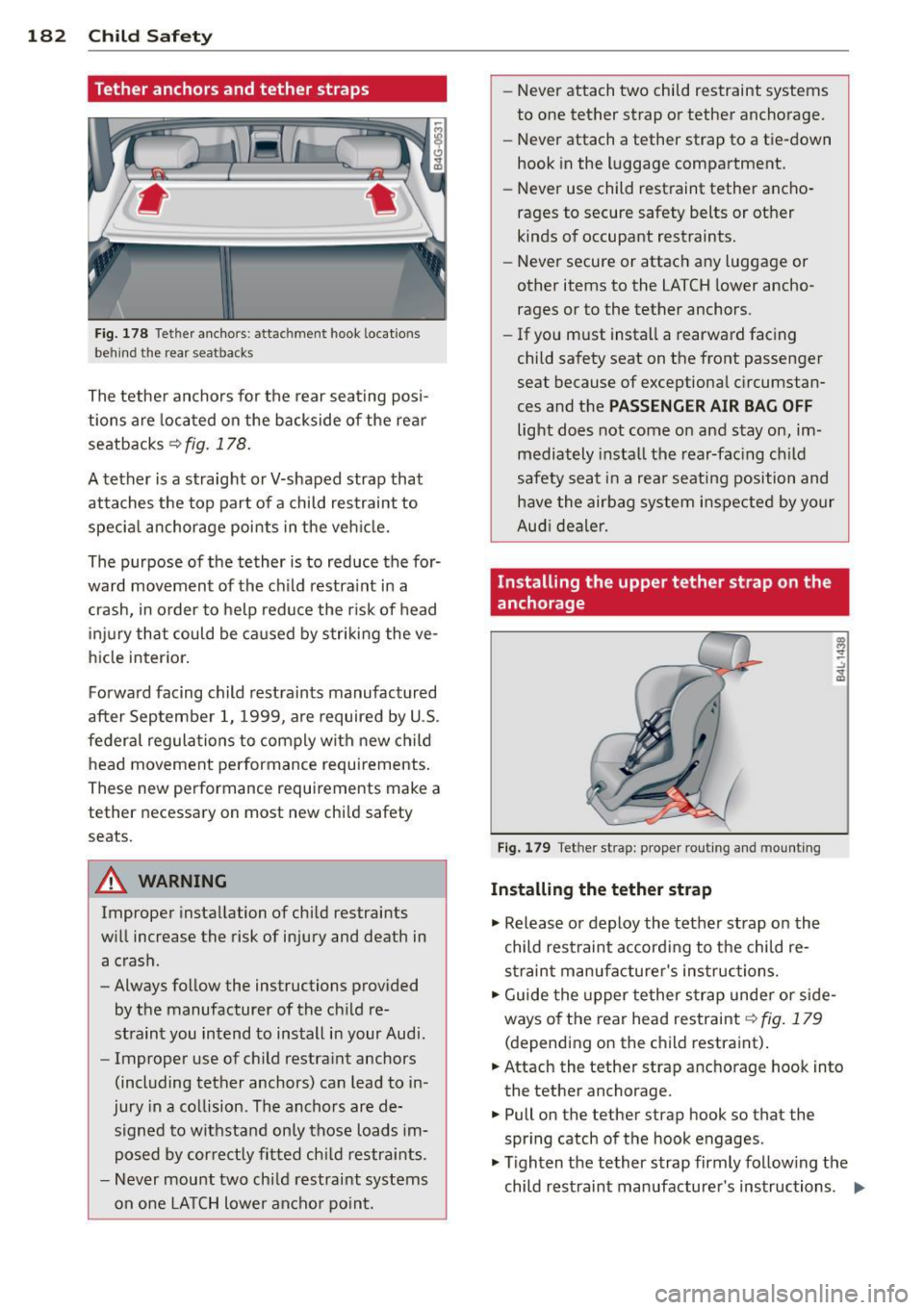
Fig. 178 Tethe r ancho rs: attachment hook locat io ns
behind the rea r sea tbacks
The tethe r anchors for the rear sea ting posi
tions are located on the backside of the rea r
seatbacks
~ fig. 178.
A tether is a straight or V-shaped strap that
attaches the top part of a child restraint to
specia l anchorage points in the veh icle.
The purpose of the tether is to reduce the for·
ward movement of the ch ild restra int in a
crash, in order to he lp reduce the r isk of head
in ju ry that could be ca used by s tri king the ve
hicle interior.
Forward facing child restra ints manufactured
after September 1, 1999, a re required by U .S .
federal regulations to comply with new child
head movement performance requirements.
These new performance requ irements make a
tether necessary on most new chi ld safety
seats.
A WARNING
Improper insta llation of chi ld restraints
w ill increase the risk of injury and death in
a crash.
- Always follow the instructions prov ided
by the manufacturer of the ch ild re
st ra int you intend to install in your Audi.
- Improper use of c hild restra int anchors
(including tether anchors) can lead to in ·
jury in a co llision. Th e anchors are de·
sign ed to withstand only those loads im
posed by cor rect ly fi tted ch ild restraints.
- Never mou nt two chi ld restraint systems
on one LA TCH lower anchor po int. -
Never attach two child restraint systems
to one tether strap or tether ancho rage.
- Never attach a tether strap to a tie-down
hook in the luggage compartment.
- Never use child restraint tether ancho
rages to secure safety belts or other
kinds o f occupant restraints.
- Never secure or attac h any luggage or
other items to the LATCH lower ancho
rages or to the tether anchors.
- If you must install a rearwa rd facing
chi ld safety seat on the front passenger
seat because of exceptiona l c ircumstan
ces and the
PASSENGER AIR BAG OFF
light does not come on and stay on, im
mediately insta ll the rear-fac ing ch ild
safety seat i n a rea r seating position and
h ave the air bag system ins pe cte d by your
Au di dea le r.
Installing the upper tether strap on the
anchorage
F ig . 1 79 Tet her st rap: prope r rou ting and mou nting
Installing the tether strap
.,. Release or deploy the tether st rap on the
child res traint accord ing to t he child re
s traint manufa cturer's instructions.
.,. Guide the upper te ther s trap unde r or side
ways o f the rear head restraint~
fig. 179
(depending on the c hild restraint) .
.,. Attach the tether strap anc horage hook into
the tether anchorage.
.,. Pull on the tether strap hook so that the
spring catch of the hook engages .
.,. Tighten t he tether strap firmly fol low ing the
child r estraint manufacture r's instructions .
liJJ,
Page 185 of 302
M N
0:: <.J 'SI: ,...., \!) 1.1'1 ,...., 1.1'1 ,....,
Releasin g the teth er str ap
"' Loosen the tens ion following the child re
stra int manufac turer's instructions .
"' Depress the spring catch on the hook and re
l ease it from the anchorage.
(D Note
If you leave the child restraint with the
tether strap firmly insta lled for severa l
days, this cou ld leave a mark on the up
holstery on the seat cushion and backrest
in the area where the tether strap was in
stalled. The upholstery would a lso be per
manently stretched around the tether
strap. This applies especially to leat her
seats.
Using tether straps on rearward-facing
child restraints
Currently, few rear-facing child restraint sys
tems come with a tether. P lease read and
heed the child restraint system manufactur
er's instructions carefully to determine how to
properly install the tether.
A WARNING
-
A child in a rearward-facing child safety
seat insta lled on the front passenge r seat
w ill be se riously injured and can be killed if
t he fron t air bag inflates - even with an Ad
vanced Airbag System .
- T he inf lat ing airb ag w ill hit the child
sa fety seat or infant carrier w it h great
force and w ill smash the ch ild safety seat
and child against the backrest, center
armrest, or door.
- If you must install a rearward facing
child safety seat on the front passenger
seat because of exceptional circ umstan
ces and the
PASSENGER AIR BAG OFF
light does not come on and stay on, im
med iately install the rear-facing child
safety seat in a rear seating position and
have t he a irbag system inspected by you r
Audi de aler.
Child Sa fet y 183
Additional Information
Sources of information about child
restraints and their use
There are a number o f sources of additiona l
information abo ut child restraint se lection, in
stallation and use :
N HT SA advises t hat the bes t ch ild safety seat
is the one that fits your chi ld and fits in your
vehicle, and that yo u will use correct ly and
consistently.
T ry before yo u buy!
U.S National Highway Traffic Safety Admin
istration
Tel.: 1 -888 -3 27-42 36 (TIY: 1-800-424-9153)
www. n hts a .gov
National SAFE KIDS Campaign
Tel.: (202) 66 2-0600
www.safe kids.o rg
Safety Belt Safe U .S .A
Tel.: (800) 7 45-SAFE (English)
Te l.: (800) 7 47-SANO (Span ish)
www.carseat.org
Transpo rt Canada Information Centre
Tel.: 1-800-333-0371 o r ca ll
1-6 13-998-86 16 if yo u are in the Ottawa a rea
http://www .t c .gc. ca/eng/ roadsafety/
men u.h tm
Audi Cu stomer R elation s
Tel.: (800) 822-2834 •
•
Page 186 of 302
184 Audi pre sense
Audi pre sense
Preventative passenger
protection
A pp lies to veh icles: with Audi pre se nse
Audi pre sense can initiate steps to help pro
tect vehicle occupants in certain situations.
The functions described depend on equ ipment
installed in your vehicle:
Audi pre sense basic*
The following functions can be triggered in
certain driving situations:
- Tightening of the safety belts (for example,
during heavy braking) : the front safety belts
have reversible belt pretensioners. If a colli
sion does not occur, the safety belts loosen
slightly and are ready to be tightened again.
- Closing the windows and the sunroof*: the
windows and the sunroof* close leaving a
small open gap.
Audi pre sense basic functions can be trig
gered at speeds above 20 mph (30 km/h).
Vehicles with Aud i drive select*: the deploy
ment time is adapted in
Dynamic mode.
Audi pre sense front (vehicles with
adaptive cruise control*)
Audi pre sense front includes the functions in
Audi pre sense basic. In addition, within the
limits of the system, the likelihood of a colli
sion with the vehicle immediately ahead is al
so calculated . If the system senses an immi
nent collision the following functions can be
tr iggered :
- Braking guard c::>poge
87
-Tightening the safety be lts
- Closing the windows and the sunroof* (leav -
ing a small open gap)
Audi pre sense rear (vehicles with Audi
side assist*)
Audi pre sense rear includes the functions in
Audi pre sense basic. In addition, the likeli
hood of a rear-end collision with the vehicle
coming from behind is also calcu lated.
If the risk
of a co llision is detected, the following
functions can be triggered:
- Tig htening the safety belts
- Closing the windows and the sunroof* (leav-
ing a small open gap)
Audi pre sense plus*
Audi pre sense plus includes the functions in
Audi pre sense front and Audi pre sense rear.
Error message
Audi pre sense: not available
Preventative passenger protection is not avail
able. See your authorized Audi dealer immedi
ately to have the malfunction corrected.
_& WARNING
-=
Audi pre sense cannot overcome the laws
of physics. It cannot prevent a collision. Do
not let the increased safety provided
tempt you to take risks. This will increase
the r isk of a collis ion and serious personal
in juries .
- The sensors cannot always detect all ob
jects. This increases the risk of a colli
s10n.
-Aud i pre sense does not detect people or
an im als or objects that are crossing the
veh icle's path c::> page
81.
-The radar sensor's vis ion can be reduced
by heavy rain, ice, snow, heavy road sp ray
and reflections from guard rails, tunnel
entrances, etc. These and similar condi
tions can prevent vehicles from being ac
curately detected and in some cases they
may not be detected at all.
(D Note
The sensors can be displaced by impacts or
damage to the bumper, wheel housing and
underbody. This can affect the function of
the Audi pre sense system. Have your au
thorized Audi dealer check to make sure
that the system is working properly.
Page 191 of 302
"' N
a:: I.J "". rl I.O
"' rl
"' rl
Intelligent technolog y 189
Switching on and off
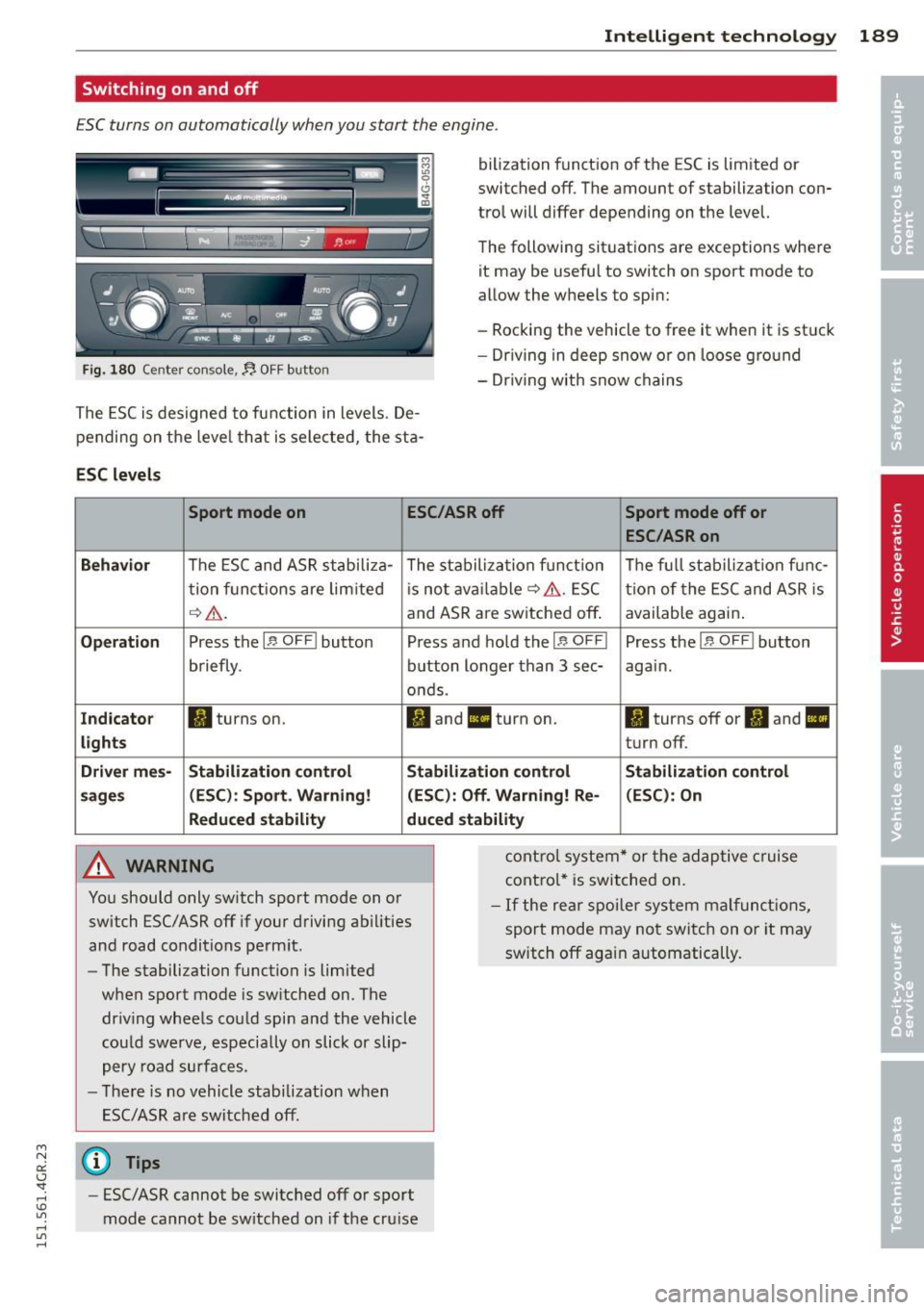
ESC turns on automatically when you start the engine .
Fig. 180 Center console,:, OFF button
The ESC is designed to function in levels. De
pending on the leve l that is selected, the sta-
ESC levels
bilization function of the ESC is limited or
switched off. The amount of stabilization con
trol will differ depending on the level.
The following situations are exceptions where it may be useful to switch on sport mode to
allow the wheels to spin:
- Rocking the vehicle to free it when it is st uck
- Dr iving in deep snow or on loose g round
- Dr iving with snow chain s
Sport mode on ESC/ASRoff Sport mode off or
ESC /ASRon
Behavi or
The ESC and ASR stabili za- The stabiliza tion f unct ion The f ull stabil iza tion f unc-
tion funct ions are lim ited is no t avai lable~ &.. ESC tion of the ESC and ASR is
~ Lr,. . and ASR are sw itched off .
available again .
Operat ion Press the I~ OF FI button Press and hold the I~ OF FI Press the l.!7-OFFI button
briefly . button longer than 3 sec- again.
ands.
I n dicato r II turns on. II and Ill turn on. II turns off or II and II
lights turn off.
Driver m es- Stabilization control Sta b il iza tion control Stabilization c ontrol
s age s (
ES C): S po rt. Warning ! (ESC): Off. Warning! Re- (ESC ): On
Redu ced stabilit y duced stabilit y
A WARNING
-
cont rol system * or the adaptive cruise
control* is switched on.
Yo u should only sw itch sport mode on or
switch ESC/ASR off if your driving ab ilities
and road conditions perm it.
- The stabilization function is limited
when sport mode is switched on. The
driv ing whee ls could spin and the vehicle
cou ld swe rve, especially on slick or slip
pery road surfaces.
- The re is no vehicle stab ilization w hen
ESC/ASR are switched off.
(D Tips
- ESC/ASR cannot be switc hed off o r sport
mode cannot be sw itched on if the cruise
- If the rear spoi ler system malfunct ions,
sport mode may not switch on o r it may
switch off again automatically.
Page 192 of 302
190 Intelligent technology
Rear spoiler
The rear spoiler improves vehicle handling
and enhances driver control.
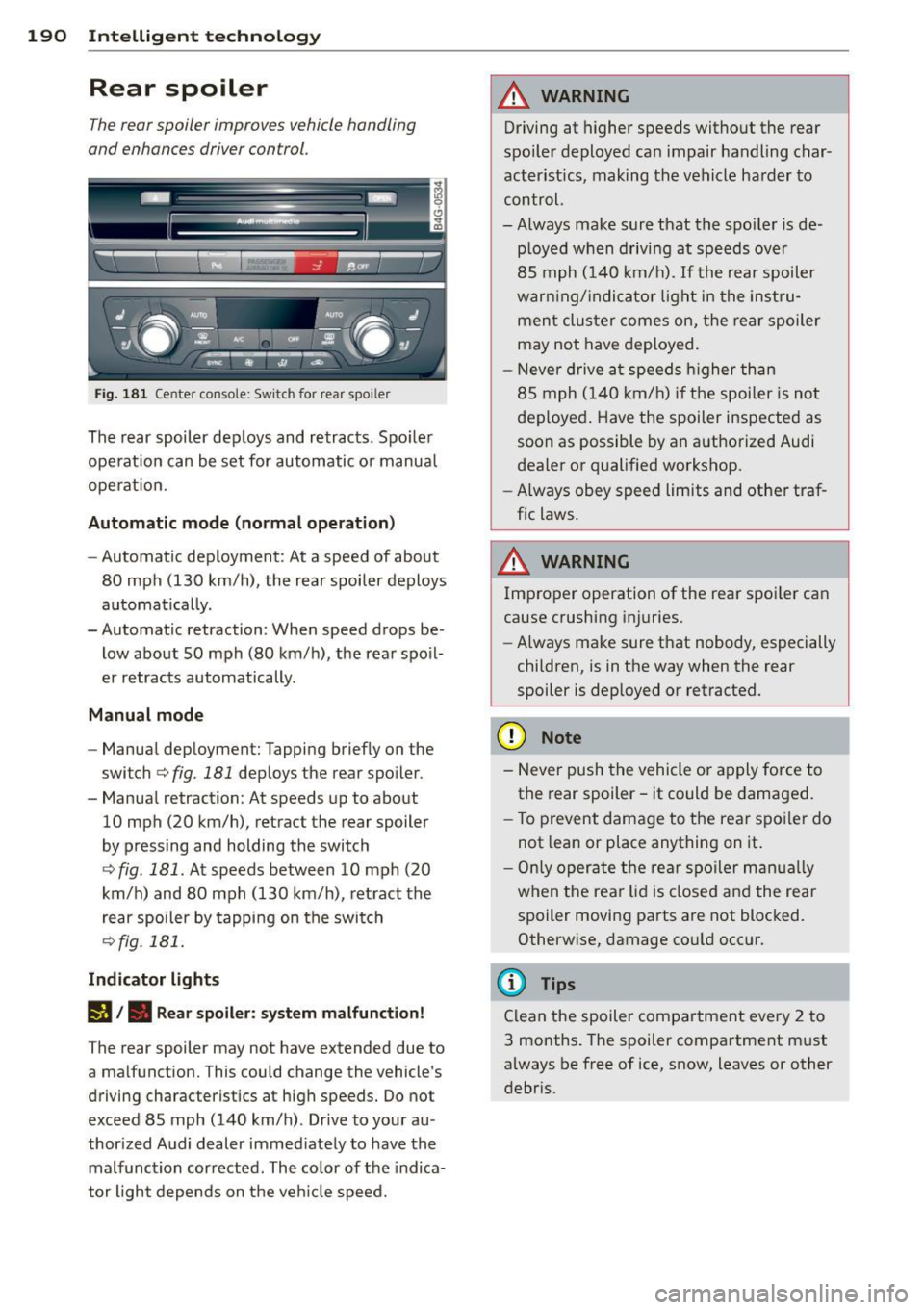
Fig. 181 Center console: Switch for rear spo iler
The rear spoiler deploys and retracts. Spoiler
operation can be set for automatic or manual
operat ion.
Automatic mode (normal operation)
-Automatic deployment: At a speed of about
80 mph (130 km/h), the rear spoiler deploys
automatically.
- Automatic retraction: When speed drops be
low about SO mph (80 km/h), the rear spoil
er retracts automatically.
Manual mode
- Manual deployment: Tapping briefly on the
switch
c:> fig. 181 deploys the rear spoiler .
- Manual retraction: At speeds up to about
10 mph (20 km/h), retract the rear spoiler
by pressing and holding the switch
c:> fig. 181 . At speeds between 10 mph (20
km/h) and 80 mph (130 km/h), retract the
rear spoiler by tapping on the switch
<=?fig. 181.
Indicator lights
I)/. Rear spoiler: system malfunction!
The rear spoiler may not have extended due to
a malfunction. This could change the vehicle's
driving characteristics at high speeds. Do not
exceed 85 mph (140 km/h). Drive to your au
thorized Audi dealer immed iately to have the
malfunction corrected . The co lor of the indica
tor light depends on the veh icle speed.
A WARNING
-Driving at higher speeds without the rear
spoiler deployed can impair handling char
acteristics, making the vehicle harder to
control.
-Always make sure that the spo iler is de
p loyed when driving at speeds over
85 mph (140 km/h) . If the rear spoiler
warn ing/ indicator light in the instru
ment cluster comes on, the rear spoiler
may not have deployed.
- Never drive at speeds higher than
85 mph (140 km/h) if the spoiler is not
deployed. Have the spoiler inspected as
soon as possible by an authorized Audi
dealer or qualified workshop.
- Always obey speed limits and other traf
fic laws.
A WARNING
Improper operation of the rear spoi ler can
cause crushing injuries.
- Always make sure that nobody, especially
children, is in the way when the rear
spoiler is deployed or retracted.
(D Note
- Never push the vehicle or apply force to
the rear spoiler -it could be damaged.
- To prevent damage to the rear spo iler do
not lean or place anything on it.
- Only operate the rear spoiler manually
when the rear lid is closed and the rear
spoiler moving parts are not blocked. Otherwise, damage cou ld occur.
(D Tips
Clean the spoiler compartment every 2 to
3 months. The spoiler compartment must
always be free of ice, snow, leaves or other
debris.
Page 194 of 302
192 Intelligent technology
overheat, premature wear and increased
stopp ing distance.
- Under certain climatic and operating
condit ions such as passing through wa
ter, driving in heavy ra in or after wash ing
the vehicle, the effect iveness of the
brakes can be reduced. In winter, ice ca n
accumulate on the brake pads, linings ,
discs and d rums . Carefully apply brakes
for a test . B rakes wi ll dry a nd ice coat
ings will be cleaned off after a few c are
f ul brake app lications .
- Dr iv ing fo r an ex tende d pe riod of time on
salt-covere d roads w ithout us ing yo ur
brakes can also affect braking efficiency.
Clean off accumulated salt coating from
bra ke discs and pads w ith a few caref ul
brake applicat ions.
- If you damage the front spoiler, or if you
install a different spoiler, be sure the air
flow to the front brakes is not obstruct ed. Otherwise the brake system could
over heat reducing the effectiveness of
the ent ire brake system .
- Failure of one brake c ircuit will impair
the braking capability res ulting in an in
creased stopp ing distance. Avoid driv ing
the vehicle and have it towed to t he near
est Aud i dea le r o r q ualified w ork sho p.
- Never let the vehicle ro ll to a stop w ith
the e ngine shu t off.
- If the brake booster is not working, the
brake pedal must be p ressed conside ra
bly harder to make up for the la ck of
booster assistance.
Electromechanical
power assist, dynamic
steering
The electromechanical power assist helps the
driver when steering .
Power stee ring adapts electronically based on
the vehicle speed .
Indicator lights and messages
• Steer ing defective! Stop the vehicle
If this indicato r light turns on and stays on
and this message appears, the power steering
may have failed.
Do
not con tinue dr iv ing . See your author ized
Audi dealer or other qualified repair facility
for assistance .
l;r-ij Steering: System fault You can continue
driving
If the indicato r light turns on and the mes
sage appea rs, the stee ring may be more diffi
cul t to move o r more sensi tive th an usua l. The
steering wheel may a lso be at an ang le when
driving straight .
Drive slowly to you r authorized Aud i dea le r o r
qualified wo rks hop to have the ma lf u nct ion
corre cted.
l;r,ij Dynamic steering: Initializing
If this driver message appears and t he indica
tor light is f lashing on the instrument panel,
dynam ic steer ing* is being rei nitia lized. Afte r
sta rting the engine, the stee ring wheel will
move s ligh tly. Re- ini tiali zation mig ht be ne c
e ssa ry if the stee ring wheel was moved h ard
to the left an d right wh ile the vehicle was not
moving . The display goes out as soon as initi
alization is complete.
D rive slowly to you r aut horized Audi de aler or
qualified wo rkshop to have the ma lf u nct ion
corrected.
A WARNING
Have t he dynamic stee ring * system mal
f u nction repa ired as soon as possib le by an
a uthorized Audi dealer or qua lified wor k
shop - risk of accident !
(D Tips
If the . or@ indicator light on ly stays
on for a short time, yo u may continue driv
i ng.
- The dynamic steering * sta bility systems
are not avai lab le in the event of a system
ma lf u nction.
- For add itiona l information on dynamic
steering *, refer t o
c> page 96.
Page 196 of 302
194 Intelligent technology
Basically, energy management consists o f
battery di agno sis, idling current manage
ment
and dyn ami c ene rg y m anagement.
B attery diagno sis
Battery d iagnosis continuously dete rm ines
the state of the battery. Sensors determ ine
battery vo ltage, battery current and battery
temperature. This determines the current
state of charge and the power of the battery.
Idling curr ent mana gem ent
Idling c urrent management reduces energy
consumption while the vehicle is standing.
With the ignition switched off, it contro ls the
energy s upply to the various e lectrica l compo
nents . Data from battery diagnosis is consid
ered.
D epending on the battery's state of charge,
individual consumers are gradually turned off
to prevent excess ive d ischarge of the battery
and thus mainta in start ing capability.
Dynamic en erg y managem ent
While the vehicle is being dr iven, dynamic en
ergy management distributes the energy gen
erated according to the needs of the individu
a l components. It reg ulates cons umption, so
that more electrical energy is not being used
than is being generated and ensures an opti
mal state of charge for the battery.
(D) Tips
- But even energy management cannot
negate the limits of physics. Consider
that the power and life of a battery are
li mited.
- If starting ab ility is threatened, t he indi
cator
light (•i appears ~page 16.
What you should know
The highest priority is given to maintaining
starting capability.
The battery is severely taxed in short-distance
driving, in city traffic and during the co ld time
of year. Abu ndant e lectr ical energy is re- quired, but on
ly a little is generated .
It is also
critica l if the engine is not r unning and electri
ca l components are turned on. In this in
stance energy is be ing consumed but none is
being generated .
It is in precise ly these situations that you will
notice energy management active ly regu lat
ing the d istribution of energy.
V ehicle stand s for an e xtended period
If you do no t drive your vehicle over a period
of several days or weeks, e lectrica l compo
nents a re g radually cut back or switched off .
This reduces energy consumption and main
ta ins start ing capability over a longer period .
Some of the convenience functions may not
operate, such as the interior l ights or the
power seat adjustme nt. The convenience
funct ions wi ll be available again when you
switch on the ignition and sta rt the eng ine .
With the engine turned off
If you listen to the radio, for examp le, w ith
the engine turned off or use other MMI func
t io ns, the battery is be ing discharged .
If starting capability is jeopardized d ue to en
ergy consumption, the following warning ap
pears in the MMI d isplay:
Please sta rt the engine soon o r the system
will be turned off .
The warning indicates that the system will be
turned off automatically after 3 minutes . If
you w ish to continue using the funct ions, yo u
have to start the eng ine.
With the eng ine running
Although e lectrical energy is generated when
t h e vehicle is being driven, the battery can be
come discharged . This happens mostly when
li ttle energy is being generated and a great
deal consumed and the battery's state of
c h arge is not opt imal.
To bring the energy ba lance back into equili
brium, consumers which requ ire espec ially
large amounts of energy are temporar ily cut
back or sw itched off . Heat ing systems in .,.
Page 199 of 302
Avoid damaging the
vehicle
When you are driving on poor roads, or over
curbs, steep ramps, etc., make certain that
low-lying parts such as spoilers and exhaust
system parts do not bottom out and get dam
aged.
T his is especially true for vehicles with low
slung chassis (sports chassis) * and fully load
ed veh icles .
Driving through water
on roads
Note the following to avoid vehicle damage
when driving through water, for example on
flooded roads:
- T he water must not be any h igher than the
bottom of the veh icle body.
- Do not d rive faster than wa lking speed.
..&, WARNING
After driving through wate r, m ud, slush,
etc., the brakes may be slow to take effect
because o f wet brake rotors and pads . Dry
the brakes first by braking carefully to re
store the full braking effect.
(D Note
- Vehicle components such as the eng ine,
transmission, suspension or e lectrical
system can be severely damaged by driv ing through water.
- Check the depth o f the water before driv
ing through it.
- Do not s top the veh icle, drive in reverse
or switc h the engine off when driving
through water.
- Keep in mind that oncoming vehicles may create waves that raise the water
level and make it too deep for your vehi
cle to drive through safely.
- Avoid driving thro ugh sa lt water because
-
~ it can ca use corrosion. ,....,
Dri vin g and en vironm ent 197
Warming up and
cooling down
By carefully warming up and cooling down
your vehicle, you can help ensure that it is not
overstressed unnecessar ily during sporty dr iv
ing.
When warming up, the vehicle is dr iven at a
maximum engine speed of 6000 RPM in order
to raise the engine o il temperature to a mini
mum of 140
°F (60 °() . The t ires a lso on ly
reach the ir full road holdi ng capabi lity on ce
they have warmed up.
The cooli ng fan can cont inue to run in your ve
hicle after the engine is switched off . Howev
er, driving the veh icle to coo l it down is pa rti c
ul arly important. Dur ing spo rty driving , the
engine and b rakes, the exhaust system, and
the transmission a ll become extremely hot.
Before you park the vehicle, you should drive
it for a few miles/kilometers at light load in
the low rpm range to allow it to cool down .
Catalytic converter
App lies to vehicles: wi th gaso line e ngi ne
It is very important that your emission con
trol system (catalytic converter) is function
ing properly to ensure that your vehicle is run
ning in an environmentally sound manner.
"' Always use lead-free gasoline c:> page 206,
Fuel supply .
"' Never run the tank down all the way to emp
ty.
"' Never put too much mo to r o il in yo ur eng ine
c:> page 21 S, Adding engine oil "t:::r..
"' Never try to push -or tow -start you r vehicle .
T he catalytic co nve rter is an efficient "clean
u p" dev ice bui lt into t he exhaus t system of
the ve hicle . The cata lytic converter bu rns
many of the pollutants in the exha ust gas be
fore they are re leased into the atmosphere.
T he exclus ive use of unleaded fuel is c ritical ly
i mportant for the life of the catalyt ic convert -
er and proper functioning of the engine .
Iii>
•
•