air condition CHEVROLET CAMARO 1982 Repair Guide
[x] Cancel search | Manufacturer: CHEVROLET, Model Year: 1982, Model line: CAMARO, Model: CHEVROLET CAMARO 1982Pages: 875, PDF Size: 88.64 MB
Page 735 of 875
GM – CAMARO 1982-1992 – Repair Guide (Checked by WxMax) 735
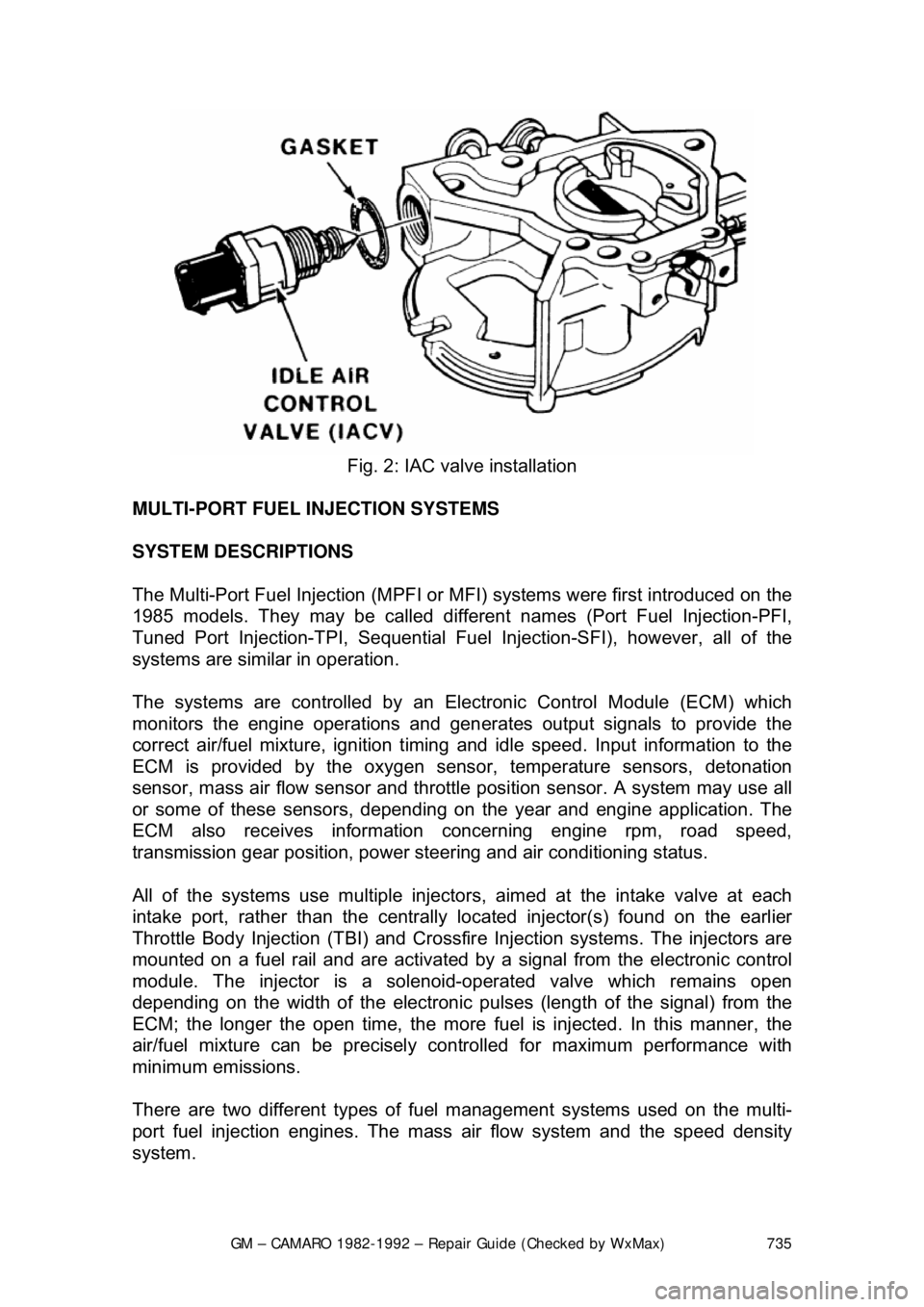
Fig. 2: IAC valve installation
MULTI-PORT FUEL INJECTION SYSTEMS
SYSTEM DESCRIPTIONS
The Multi-Port Fuel Injection (MPFI or MFI) systems were first introduced on the
1985 models. They may be called different names (Port Fuel Injection-PFI,
Tuned Port Injection-TPI, Sequential Fuel Injection-SFI), however, all of the
systems are similar in operation.
The systems are controlled by an Elec tronic Control Module (ECM) which
monitors the engine operations and gen erates output signals to provide the
correct air/fuel mixture, ignition timing and idle speed. Input information to the
ECM is provided by the oxygen sens or, temperature sensors, detonation
sensor, mass air flow sensor and throttle position sensor. A system may use all
or some of these sensors, depending on the year and engine application. The
ECM also receives information concerning engine rpm, road speed,
transmission gear position, power steer ing and air conditioning status.
All of the systems use multiple injector s, aimed at the intake valve at each
intake port, rather than the centrally lo cated injector(s) found on the earlier
Throttle Body Injection (TBI) and Crossfir e Injection systems. The injectors are
mounted on a fuel rail and ar e activated by a signal from the electronic control
module. The injector is a solenoi d-operated valve which remains open
depending on the width of t he electronic pulses (length of the signal) from the
ECM; the longer the open time, the more f uel is injected. In this manner, the
air/fuel mixture can be precisely c ontrolled for maximum performance with
minimum emissions.
There are two different types of f uel management systems used on the multi-
port fuel injection engines. The mass air flow system and the speed density
system.
Page 743 of 875

GM – CAMARO 1982-1992 – Repair Guide (Checked by WxMax) 743
MINIMUM IDLE SPEED
The minimum idle speed should onl
y be adjusted under two conditions:
If the throttle body has been replaced.
After every other possible cause for the in correct idle speed has been explored.
There are many possible causes for incorre ct idle speed, most of which require
a high level of diagnostic skill as well as expensive testing equipment. Check
the vehicle for vacuum leaks, incorrect valve or ignition timing, deposit
accumulation in the throttle bore or valve, sticking throttle linkage or bent throttle
valves. If the vehicle will still not idle pr operly after checking these areas, it
should be diagnosed by a professional.
1. Pierce the idle stop screw with an awl. Apply leverage to remove it.
2. Make sure the IAC valve is connect ed. Short the A and B terminals of the
ALDL connector together with a length of wire.
3. Turn the ignition to the ON positi on, but do not start the engine. Wait at
least 30 seconds before proceeding.
4. With the ignition ON, disconnect the IAC valve connector.
5. Separate the set-timing connector. Th is eliminates the possibility of
changes in engine speed due to variations of engine timing.
6. Start the engine and remove t he wire shorting the A and B terminals
together. It may be necessary to hold the throttle open slightly to prevent
the engine from stalling.
7. Allow the engine to reach no rmal operating temperature.
8. Adjust the idle speed to the following: a. 2.8L Engines - 450-550 rp m A/T or 550-650 rpm M/T
b. 3.1L Engines - Refer to the underhood emissions sticker
c. 5.0L and 5.7L TPI engines - 400-450 rpm.
If these figures differ from t hose on the underhood emissions
sticker, always follow the specifications on the emissions sticker.
9. Turn the ignition OFF and connect the IAC valve harness. On models up
to 1989, adjust the Throttle Position Sensor.
THROTTLE POSITION SENSOR (TPS) 1. Install three jumper wires betw een the TPS and the harness connector.
2. Use a digital voltmeter connected to terminals A and B of the TPS.
3. Turn the ignition switch ON , but do not start the engine.
4. Loosen the TPS attaching screws and adj ust the sensor to the following:
a. 2.8L Engines - 0.50-0.60 volts
b. 5.0L and 5.7L TPI Engines - 0.47-0.61 volts
5. Tighten the attaching screws, then check that the reading has not been
disturbed.
6. With the ignition OFF, remove the jumper wires. Reconnect the TPS
harness.
Page 772 of 875
GM – CAMARO 1982-1992 – Repair Guide (Checked by WxMax) 772
Special tools can usually be purchased fr
om an automotive parts store or from
your dealer. In some cases special tools may be available directly from the tool
manufacturer.
SERVICING YOUR VEHICLE SAFELY
It is virtually impossible to anticipate all of the hazards involved with automotive
maintenance and service, but care and common sense will prevent most
accidents.
The rules of safety for mechanics range fr om "don't smoke around gasoline," to
"use the proper tool(s) for the job." The tr ick to avoiding injuries is to develop
safe work habits and to take every possible precaution.
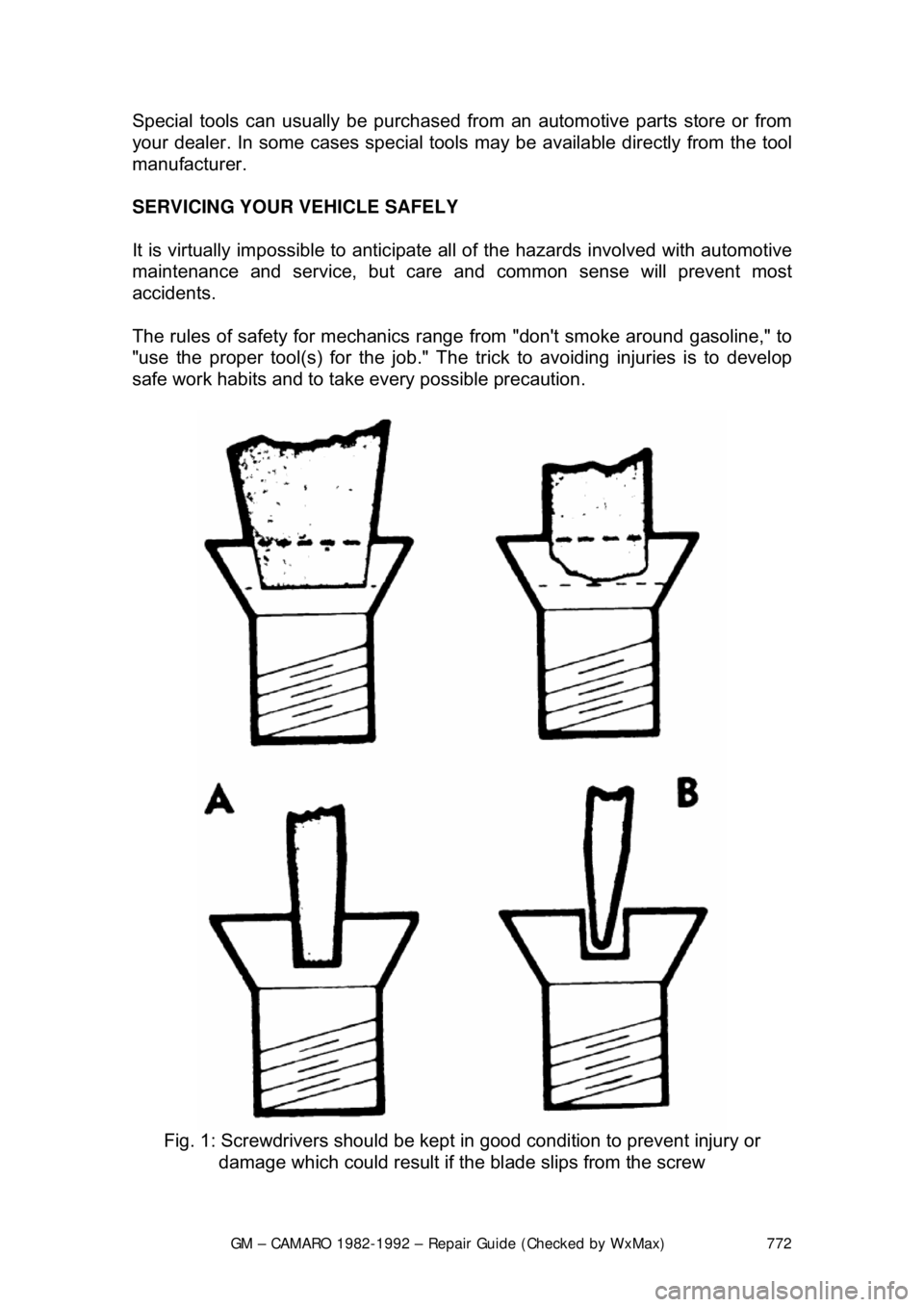
Fig. 1: Screwdrivers should be kept in good condition to prevent injury \
or
damage which could result if t he blade slips from the screw
Page 779 of 875

GM – CAMARO 1982-1992 – Repair Guide (Checked by WxMax) 779
ENGINE OIL AND FILTER CHANGE
Under normal operating conditions, the oi
l is to be changed every 7,500 miles
(12,000km) or 12 months, whichever occurs first.
Although the manufacturer recommends changing the f ilter at the first oil
change and then at every other oil c hange, (unless 12 months pass between
changes), The editors of this informat ion recommend changing the filter with
each service. It is a small price to pay for extra protection.
When driving conditions frequently include dusty or polluted areas, trailer
towing, idling for long periods of ti me, or low speed operation, or when
operating at temperatures below freezing or driving short distances (under 4
miles or 6.4km), change t he oil and filter more frequently. Under these
circumstances, oil has a greater chance of building up sludge and contaminants
which could damage your engine. If your v ehicle use fits into one or more of
these categories, (as it does for most vehicles), it is suggested that the oil and
filter be changed every 3, 000 miles (1361km) or 3 months, whichever comes
first.
The oil should be disposed of properly after it is drained from the vehicle. Store
the oil in a suitable container and take the container to an official oil recycling
station. Most gas stations or oil and lube facilities will take the used oil at little or
no expense to you.
Oil should always be changed after the engine has been running long enough to
bring it up to normal operating temperature. Hot oil will flow more easily and will
carry more contaminants than will cold oi l. The oil drain plug is located on the
bottom of the oil pan (bottom of the engi ne, underneath the car). The oil filter is
located on the left side of most engines covered by this information. To change
the oil and filter:
1. Run the engine until it reaches normal operating temperature.
2. Raise the front of the vehicle and s upport it safely using a suitable pair of
jackstands.
3. Slide a drain pan of a least 6 quar ts capacity under the oil pan. Wipe the
drain plug and surrounding area clean using an old rag.
CAUTION - The EPA warns that prolonged contact with used engine oil may
cause a number of skin disorders, incl uding cancer! You should make every
effort to minimize your exposure to used engine oil. Pr otective gloves should be
worn when changing the oil. Wash y our hands and any other exposed skin
areas as soon as possible after exposure to used engine oil. Soap and water, or
waterless hand cleaner should be used.
4. Loosen the drain plug using a ratc het, short extension and socket or a
box-wrench. Turn the plug out by hand, using a rag to shield your fingers
from the hot oil. By keeping an in ward pressure on the plug as you
unscrew it, oil won't escape past the threads and you can remove it
without being burned by hot oil.
Page 780 of 875
GM – CAMARO 1982-1992 – Repair Guide (Checked by WxMax) 780
If the drain plug is equipped with a re
movable washer or gasket, check its
condition and replace, if necessary , to provide a leakproof seal.
5. Quickly withdraw the plug and move your hands out of the way. Allow the
oil to drain completely into the pan, then install and carefully tighten the
drain plug. Be careful not to overtighten the drain plug, otherwise you'\
ll
be buying a new pan or a replacem ent plug for stripped threads.
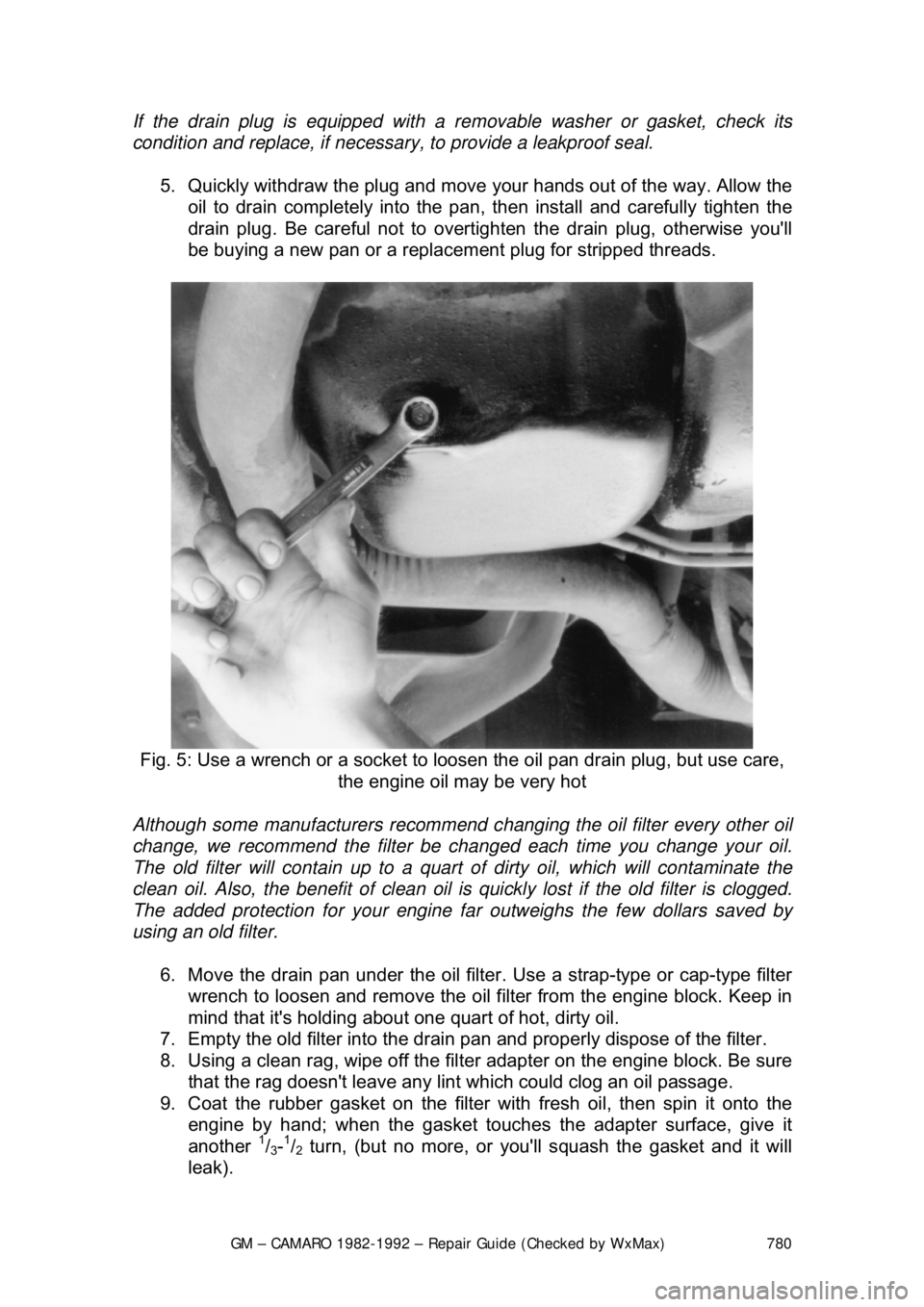
Fig. 5: Use a wrench or a socket to l oosen the oil pan drain plug, but use care,
the engine oil may be very hot
Although some manufacturers recommend c hanging the oil filter every other oil
change, we recommend the filter be chan ged each time you change your oil.
The old filter will contain up to a quart of dirty oil, which will contaminate the
clean oil. Also, the benefit of clean oil is quickly lost if the old filter is clogged.
The added protection for your engine far outweighs the few dollars saved by
using an old filter.
6. Move the drain pan under the oil filter. Use a strap-type or cap-type filter
wrench to loosen and remove the oil f ilter from the engine block. Keep in
mind that it's holding about one quart of hot, dirty oil.
7. Empty the old f ilter into the drain pan and proper ly dispose of the filter.
8. Using a clean rag, wipe off the filt er adapter on the engine block. Be sure
that the rag doesn't leave any lint which could clog an oil passage.
9. Coat the rubber gasket on the filter with fresh oil, then spin it onto the
engine by hand; when the gasket touches the adapter surface, give it
another
1/3-1/2 turn, (but no more, or you'll squash the gasket and it will
leak).
Page 785 of 875

GM – CAMARO 1982-1992 – Repair Guide (Checked by WxMax) 785
The automatic transmission fluid and fi
lter should be changed every 15,000
miles (24,000km) if your Camaro is driven in heavy city traffic in hot weather, in
hilly or mountainous terrain, frequent trailer pulling, or uses such as found in
taxi, police car or delivery service. If your Camaro is driven under other than
listed above conditions, change the fl uid and filter every 30,000 miles
(48,300km).
1. Raise and support the car on jackst ands. Place an oil catch pan under
the transmission.
2. Remove the oil pan bolts fr om the front and sides only.
3. Loosen rear oil pan bolts approximately 4 turns.
WARNING - Do not damage the transmission case or oil pan sealing surfaces.
4. Lightly tap the oil pan with a rubber mallet or gently pry it downward to
allow fluid to drain.
5. Remove the remaining oil pan bolt s, then remove the oil pan and pan
gasket.
6. Remove the filter and seal.
7. Clean the transmission case and oi l pan gasket surfaces with suitable
solvent and air dry. Make sure to re move all traces of the old gasket.
To install: 8. Coat the seal with a sm all amount of Transjel®.
9. Install the new s eal onto the filter.
10. Install the new filter into the case.
11. Install the oil pan and new gasket.
On 1991 and later vehicles, inspect t he oil pan screws and washer assemblies.
The screws must not be used if the coni cal washer is reversed. Failure to
replace the screw and washer assembly may result in improper fastening of
system components.
12. Install the oil pan bolts and tighten them to 12 ft. lbs. (16 Nm).
13. Lower the car.
14. Fill the transmission to proper level with Dexron®II fluid.
15. Check cold fluid level reading fo r initial fill. Do not overfill the
transmission.
16. Follow the fluid level che ck procedure described before.
17. Check the oil pan gasket for leaks.
Page 795 of 875
GM – CAMARO 1982-1992 – Repair Guide (Checked by WxMax) 795
Fill the cooling system wit
h a 50/50 mixture of water and Ethylene Glycol
antifreeze. Freezing protection should be appropriate for temperatures of -34°F
(-37°C). When filling the coolant system, add two cooling system sealer pellets
(GM part no. 3634621 or equivalent).
9. Firmly set the parking brake. Run t he engine with the radiator cap OFF,
until normal operating tem perature is reached.
CAUTION - Under some conditions, ethylene glycol is flammable. To avoid
being burned when adding engine coolant, do not spill it on the exhaust system
or on hot engine parts.
10. With the engine idlin g, add engine coolant to t he radiator until the level
reaches the bottom of t he radiator fill neck. Install the cap assembly.
When installing the cap, make sure t hat the arrows on the cap line up
with the overflow tube.
Never add cold water to an overheated engine.
11. Add coolant to the recovery tank, as necessary.
12. After filling the radiator and recovery tank, run the engine until it reaches
normal operating temperature, to ma ke sure that the thermostat has
opened and all the air is bled from the system.
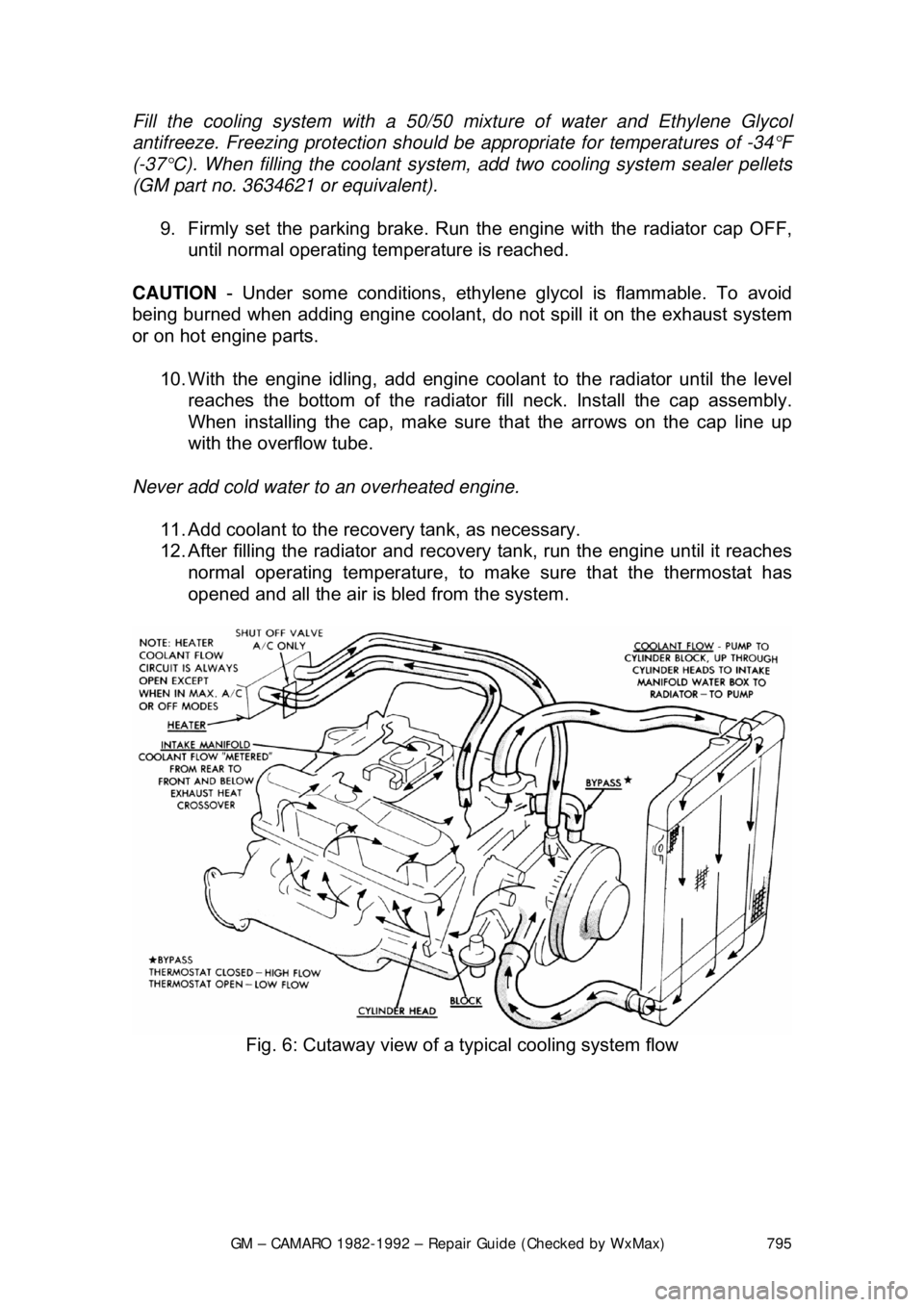
Fig. 6: Cutaway view of a typical cooling system flow
Page 798 of 875
 798
Fig. 2: Remove the reservoir cover, inspect condition of brake fluid and\
reservoir diaphragm
Fig. 3: Add clean brake fluid meet")
GM – CAMARO 1982-1992 – Repair Guide (Checked by WxMax) 798
Fig. 2: Remove the reservoir cover, inspect condition of brake fluid and\
reservoir diaphragm
Fig. 3: Add clean brake fluid meeting DOT- 3 requirements to fill reservoir to the
proper level
Page 799 of 875

GM – CAMARO 1982-1992 – Repair Guide (Checked by WxMax) 799
The master cylinder is located in
the left rear section of the engine
compartment. The brake master cylinder consists of an aluminum body and a
translucent nylon reservoir with minimum fill indicators.
1. Check the master cylinder body for cracks. Inspect the area around the
master cylinder for brake fluid. Leaks are indicated if there is at least a
drop of fluid. A damp condition is not normal.
2. Inspect the level of the brake fluid to assure it is at the correct height.
Clean the top of the reservoir cap so t hat all dirt is removed. Remove the
cap(s) or reservoir cover and the reservoir diaphragm.
3. Inspect the brake fluid level. Add clean DOT-3 brake fluid as required to
bring the fluid level to the line located inside the neck of the reservoir fill
opening.
4. Install the reservoir cap.
WARNING - Any sudden decrease in the fluid level indicates a possible leak in
the system and should be check ed out immediately. Do not allow brake fluid to
spill on the vehicle's finish; it will remove the paint. In case of a spill, flush the
area with water and mild soap.
HYDRAULIC CLUTCH SYSTEM
FLUID RECOMMENDATIONS
• 1982-1991 - Delco Supreme II Brake fl uid or an equivalent fluid that
meets DOT-3 specifications
• 1992 - Hydraulic clutch fluid, GM part number 12345347 or equivalent
LEVEL CHECK
The clutch master cylinder is normally lo cated below the brake master cylinder.
The reservoir for it is located right bes ide the brake master cylinder and is made
of translucent nylon. The fl uid level of the reservoir sh ould be kept near the top
of the observation window. Before removing the cap to the reservoir, clean all
dirt from the area. This will prevent syst em contamination due to particles falling
into the reservoir when the caps are removed.
POWER STEERING PUMP
FLUID RECOMMENDATIONS
• GM power steering fluid, or equivalent.
Page 803 of 875
GM – CAMARO 1982-1992 – Repair Guide (Checked by WxMax) 803
5. Pry out the inner seal and
remove the inner bearing.
6. Wipe out the grease from inside the hub.
7. Clean the wheel bearings thor oughly with solvent and check their
condition before installation. Afte r cleaning, check parts for excessive
wear and replace damaged parts.
WARNING - Do not allow the bearing to spin when blowing dry with
compressed air, as this would allow t he bearing to turn without lubrication.
8. Apply a sizable amount of lubricant to the palm of one hand. Using your
other hand, work the bearing into the lubricant so that the grease is
pushed through the rollers and out t he other side. Keep rotating the
bearing while continuing to push the lubricant through it.
9. Apply grease to the inside of t he hub and install the inner bearing in the
hub. Install a new grease seal, be careful not to damage the seal.
10. Install the disc/hub assembly onto t he steering knuckle. Install the outer
bearing, thrust washer and castle nu t. Torque the nut to 12 ft. lbs. (16
Nm) while turning the wheel.
11. Back the nut off and retighten it by hand until nearest slot aligns with the
cotter pin hole.
12. Insert a new cotter pin.
13. Mount a dial indicator onto the vehi cle so that any end-play in the hub
can be measured. Measure the end-play and record the value. End-play
should be between 0.001-0.005 in. (0.025- 0.127mm). If play exceeds this
tolerance, the wheel bearings should be replaced.
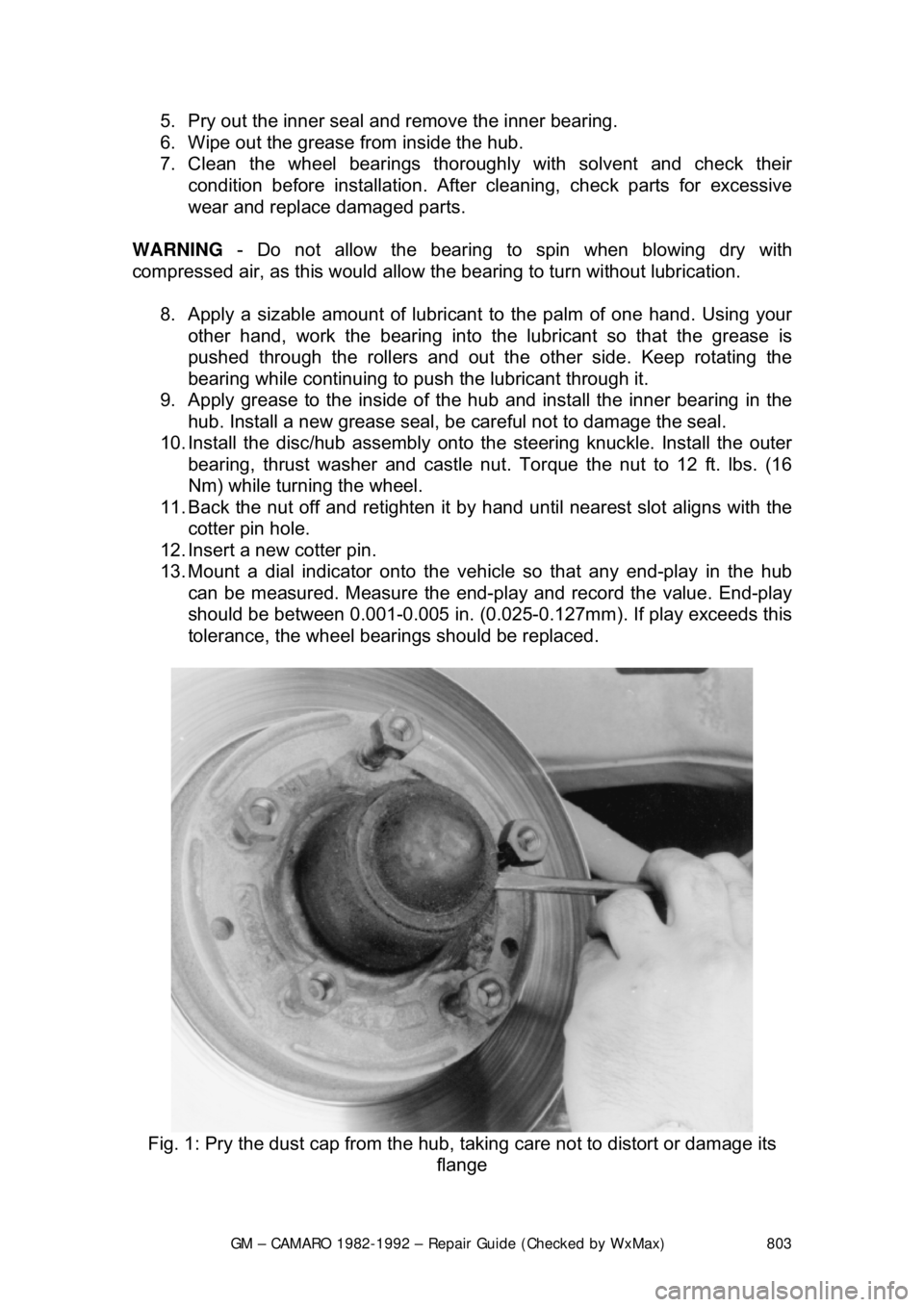
Fig. 1: Pry the dust cap fr om the hub, taking care not to distort or damage its
flange