ECU VOLKSWAGEN TIGUAN 2017 Owner´s Manual
[x] Cancel search | Manufacturer: VOLKSWAGEN, Model Year: 2017, Model line: TIGUAN, Model: VOLKSWAGEN TIGUAN 2017Pages: 341, PDF Size: 9.14 MB
Page 57 of 341
•Weight class 0/0+: group 0/0+ or 0/1 rear-facing infant carriers ⇒ Fig. 52 are the best option
for the period from birth to about 18 months.
•Weight class 1: group 1 (up to about four years old) or group 1/2 (up to about seven years old)
with an integral belt system are best for children over the relevant weight limit.
•Weight classes 2/3: groups 2 and 3 include child seats with a backrest, and booster seats with
no backrest. Child seats with a backrest have integrated seat routing and side cushions, and so
provide better protection than booster seats with no backrest. Volkswagen therefore
recommends the use of child seats with a backrest. Group 2 child seats are for children up to
the age of about seven, group 3 child seats for those older than seven.
Not every child will fit in the child seat specified for their weight group. Likewise, not every seat will
fit in every vehicle. Therefore it is vital to check that the child fits properly in their child seat and that
the child seat can be securely fastened in the vehicle.
Child seat approval categories
Child seats can be classified as universal, semi-universal or vehicle-specific (all in accordance with
regulation ECE-R 44), or as i-Size (in accordance with regulation ECE-R 129).
•Universal: child seats with universal approval are approved for use in all vehicles. No type list
is required. ISOFIX child seats with universal approval must also be securing using a strap over
the top of the vehicle seat (top tether).
•Semi-universal: semi-universal approval requires other safety devices for attaching the seat
(that require additional testing) in addition to the standard requirements for universal approval.
Child seats with semi-universal approval come with a type list. The seats should only be used in
vehicles that are included on this list.
•Vehicle-specific: child seats with vehicle specific approval must have undergone dynamic
testing in each model of vehicle for which it is approved. These child seats also come with a
type list.
•i-Size: child seats classified as i-Size must conform to the installation and safety requirements
prescribed in regulation ECE-R 129. Contact the child seat manufacturer to find out which child
seats are approved for this vehicle in accordance with i-Size.
Regulation ECE-R 129 has not yet been implemented by the state authorities in all countries.
Installing and using child seats
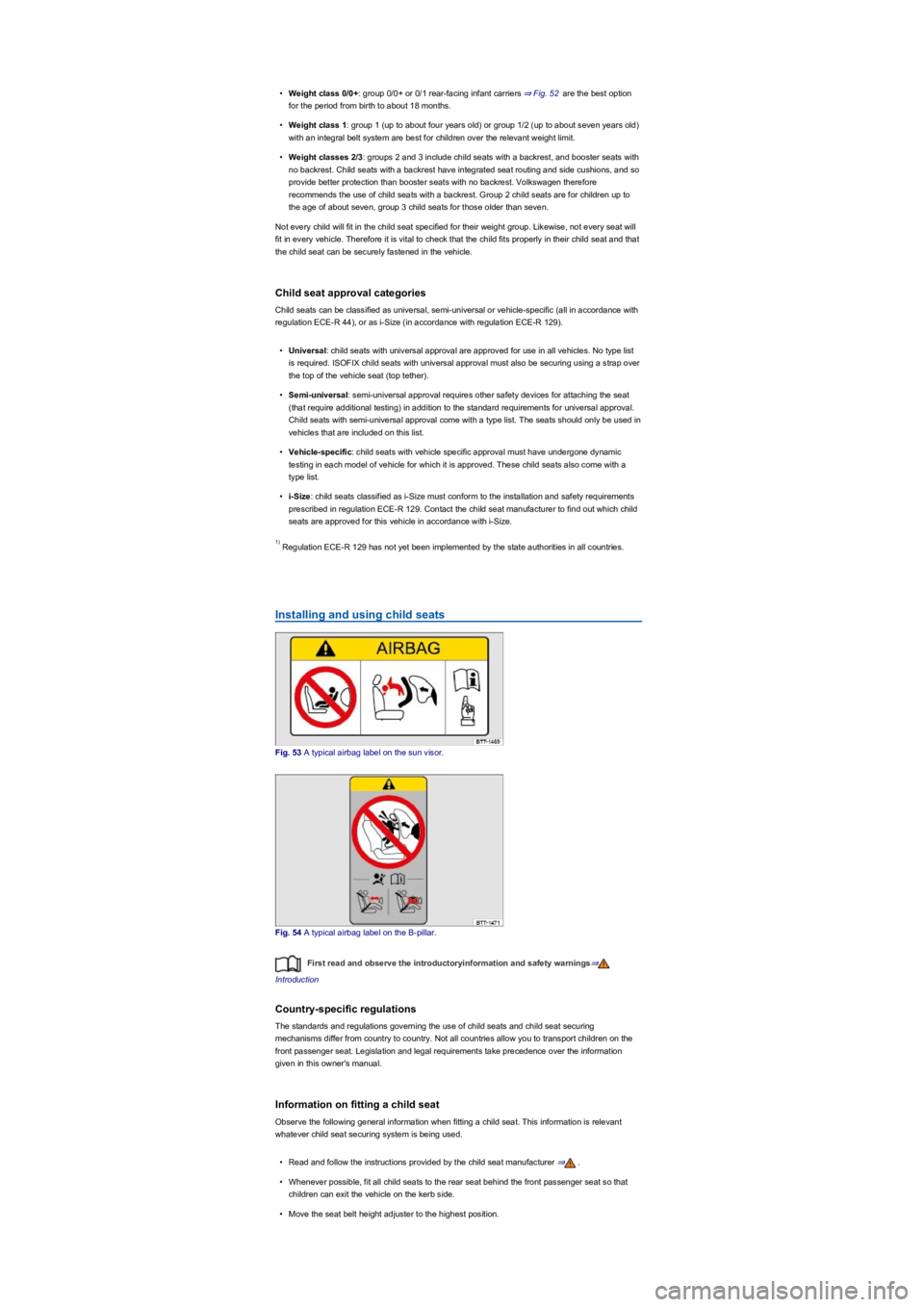
Fig. 53 A typical airbag label on the sun visor.
Fig. 54 A typical airbag label on the B-pillar.
First read and observe the introductoryinformation and safety warnings⇒
Introduction
Country-specific regulations
The standards and regulations governing the use of child seats and child seat securing
mechanisms differ from country to country. Not all countries allow you to transport children on the
front passenger seat. Legislation and legal requirements take precedence over the information
given in this owner's manual.
Information on fitting a child seat
Observe the following general information when fitting a child seat. This information is relevant
whatever child seat securing system is being used.
•Read and follow the instructions provided by the child seat manufacturer ⇒.
•Whenever possible, fit all child seats to the rear seat behind the front passenger seat so that
children can exit the vehicle on the kerb side.
•Move the seat belt height adjuster to the highest position.
1)
Page 59 of 341
Securing systems
First read and observe the introductoryinformation and safety warnings⇒
Introduction
Different countries use different securing systems for safely fitting child seats in the vehicle.
Key terms for securing systems
•ISOFIX: ISOFIX is a standardised securing system for fitting child seats in the vehicle quickly
and safely. The ISOFIX attachment system creates a rigid connection between the child seat
and the car body.
Compatible child seats have two rigid attachment arms that click into ISOFIX attachment points at
the bottom of the backrest (on the outer rear seats). The ISOFIX securing system as described
here is specific to Europe ⇒ Securing child seats with ISOFIX. An upper strap (top tether) and/or
support foot may sometimes have to be used in addition to the ISOFIX anchor points described
above.
•Three-point automatic seat belt. It is better to secure child seats using the ISOFIX system, if
available, rather than with a three-point automatic seat belt ⇒ Securing child seats with a seat
belt.
Additional securing points:
•Top tether: the strap at the top of the child seat is routed over the vehicle seat backrest and
hooked to an anchor ring on the back of the rear seats ⇒ Securing child seats with top tether
upper strap. Top tether anchor points are marked with an anchor symbol.
•Support foot: some child seats are propped up with a support foot resting on the floor of the
vehicle. This support foot helps prevent the child seat tipping forward in a crash. Child seats
with a support foot can be used only on the front passenger seat and the outer rear seats ⇒.
Recommended child seat securing systems
Volkswagen recommends that child seats are secured as follows:
•Infant carrier or rear-facing child seat: ISOFIX and support foot.
•Front-facing child seat: ISOFIX and top tether and possibly support foot also.
Securing child seats with ISOFIX
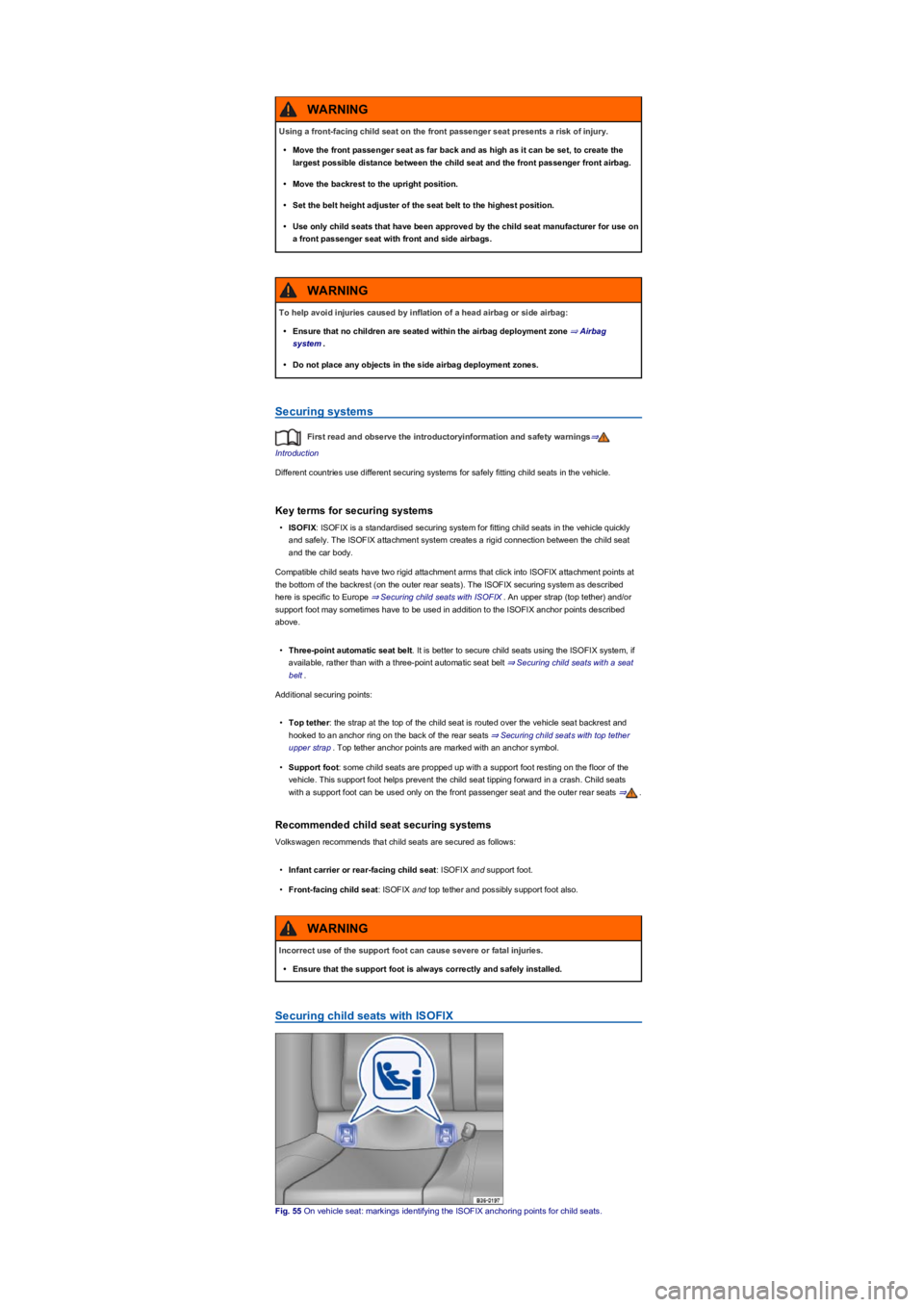
Fig. 55 On vehicle seat: markings identifying the ISOFIX anchoring points for child seats.
Using a front-facing child seat on the front passenger seat presents a risk of injury.
•Move the front passenger seat as far back and as high as it can be set, to create the
largest possible distance between the child seat and the front passenger front airbag.
•Move the backrest to the upright position.
•Set the belt height adjuster of the seat belt to the highest position.
•Use only child seats that have been approved by the child seat manufacturer for use on
a front passenger seat with front and side airbags.
WARNING
To help avoid injuries caused by inflation of a head airbag or side airbag:
•Ensure that no children are seated within the airbag deployment zone ⇒ Airbag
system.
•Do not place any objects in the side airbag deployment zones.
WARNING
Incorrect use of the support foot can cause severe or fatal injuries.
•Ensure that the support foot is always correctly and safely installed.
WARNING
Page 60 of 341
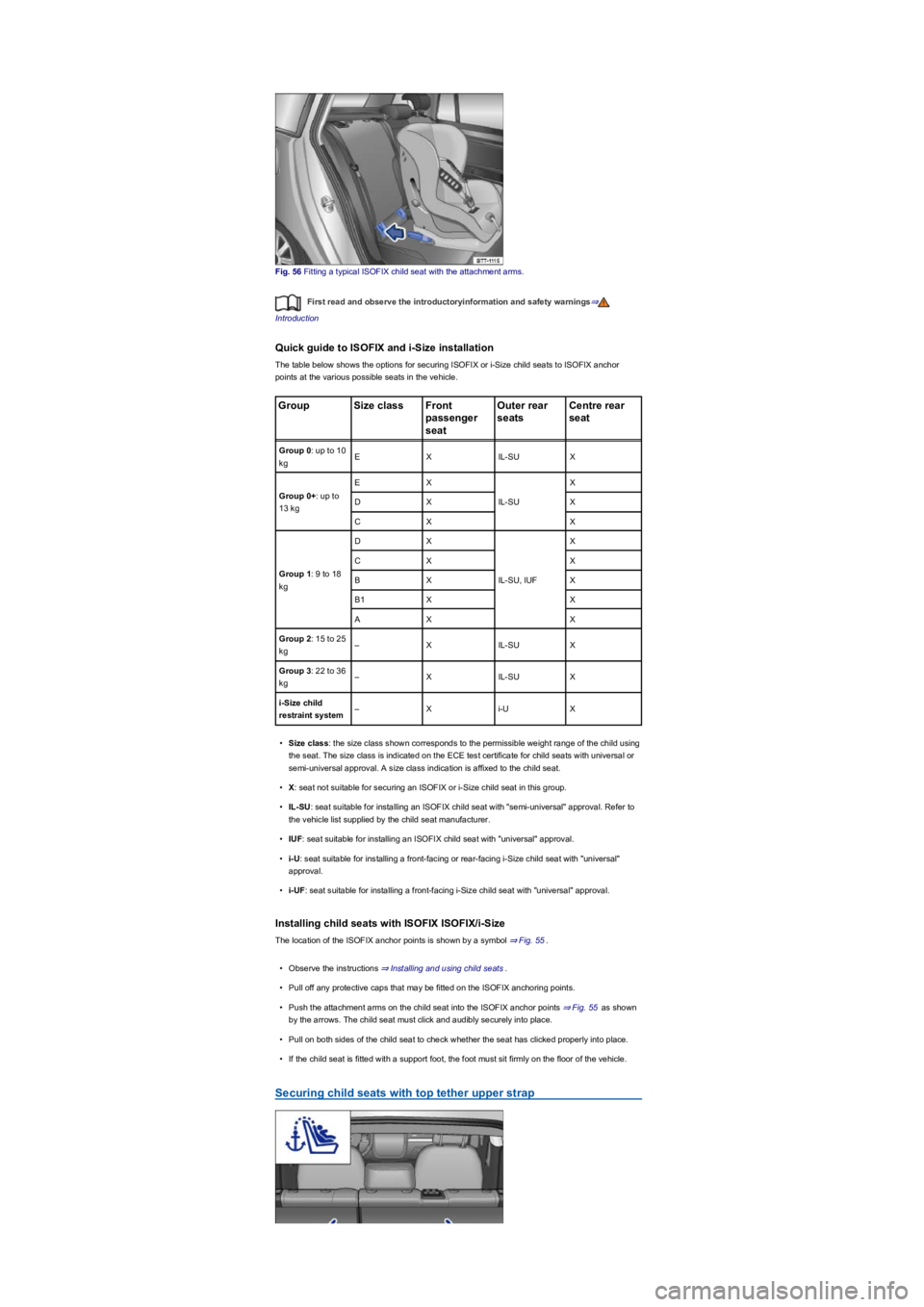
Fig. 56 Fitting a typical ISOFIX child seat with the attachment arms.
First read and observe the introductoryinformation and safety warnings⇒
Introduction
Quick guide to ISOFIX and i-Size installation
The table below shows the options for securing ISOFIX or i-Size child seats to ISOFIX anchor
points at the various possible seats in the vehicle.
GroupSize classFront
passenger
seat
Outer rear
seats
Centre rear
seat
Group 0: up to 10
kgEXIL-SUX
Group 0+: up to
13 kg
EX
IL-SU
X
DXX
CXX
Group 1: 9 to 18
kg
DX
IL-SU, IUF
X
CXX
BXX
B1XX
AXX
Group 2: 15 to 25
kg–XIL-SUX
Group 3: 22 to 36
kg–XIL-SUX
i-Size child
restraint system–Xi-UX
•Size class: the size class shown corresponds to the permissible weight range of the child using
the seat. The size class is indicated on the ECE test certificate for child seats with universal or
semi-universal approval. A size class indication is affixed to the child seat.
•X: seat not suitable for securing an ISOFIX or i-Size child seat in this group.
•IL-SU: seat suitable for installing an ISOFIX child seat with "semi-universal" approval. Refer to
the vehicle list supplied by the child seat manufacturer.
•IUF: seat suitable for installing an ISOFIX child seat with "universal" approval.
•i-U: seat suitable for installing a front-facing or rear-facing i-Size child seat with "universal"
approval.
•i-UF: seat suitable for installing a front-facing i-Size child seat with "universal" approval.
Installing child seats with ISOFIX ISOFIX/i-Size
The location of the ISOFIX anchor points is shown by a symbol ⇒ Fig. 55.
•Observe the instructions ⇒ Installing and using child seats.
•Pull off any protective caps that may be fitted on the ISOFIX anchoring points.
•Push the attachment arms on the child seat into the ISOFIX anchor points ⇒ Fig. 55 as shown
by the arrows. The child seat must click and audibly securely into place.
•Pull on both sides of the child seat to check whether the seat has clicked properly into place.
•If the child seat is fitted with a support foot, the foot must sit firmly on the floor of the vehicle.
Securing child seats with top tether upper strap
Page 61 of 341
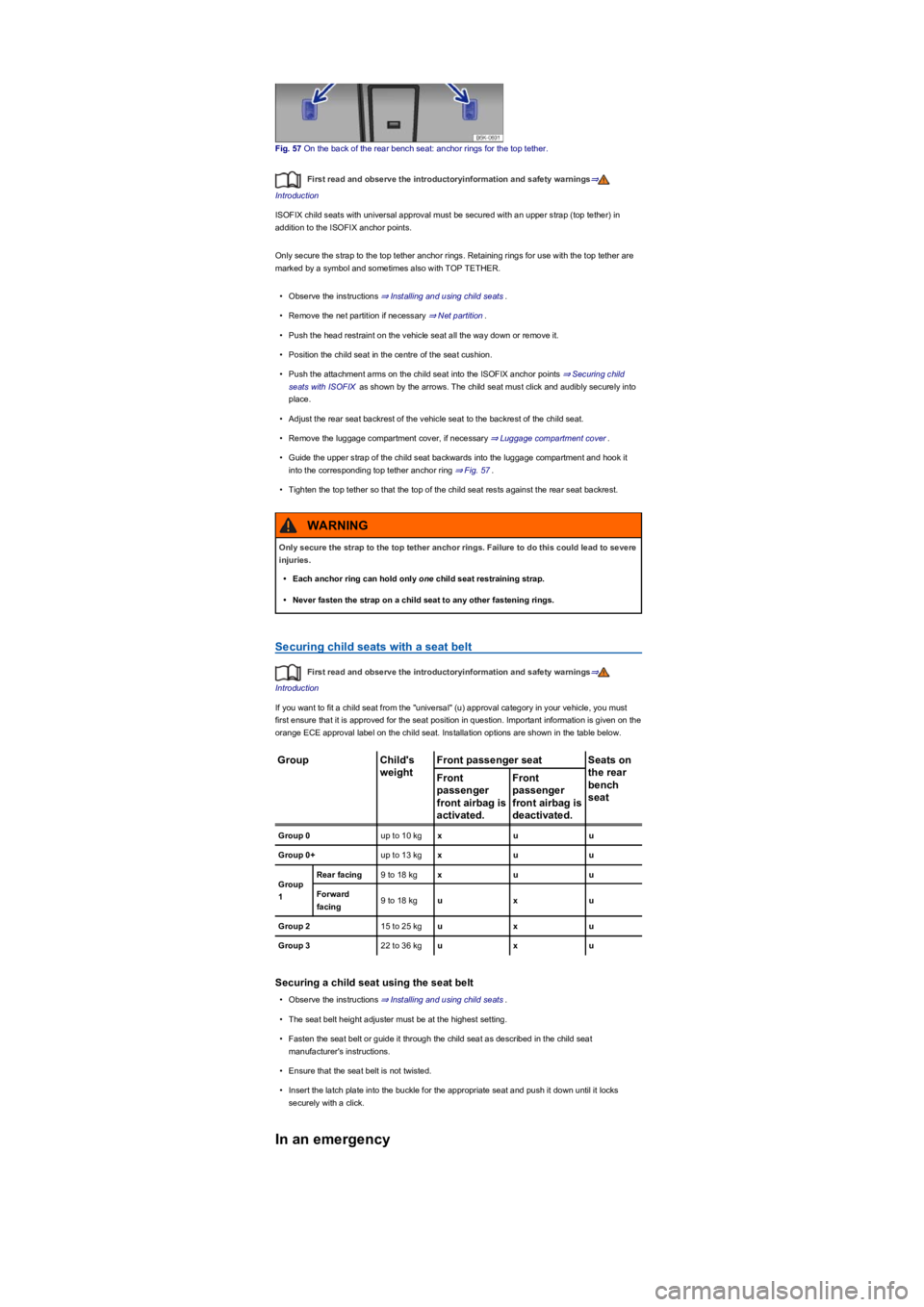
Fig. 57 On the back of the rear bench seat: anchor rings for the top tether.
First read and observe the introductoryinformation and safety warnings⇒
Introduction
ISOFIX child seats with universal approval must be secured with an upper strap (top tether) in
addition to the ISOFIX anchor points.
Only secure the strap to the top tether anchor rings. Retaining rings for use with the top tether are
marked by a symbol and sometimes also with TOP TETHER.
•Observe the instructions ⇒ Installing and using child seats.
•Remove the net partition if necessary ⇒ Net partition.
•Push the head restraint on the vehicle seat all the way down or remove it.
•Position the child seat in the centre of the seat cushion.
•Push the attachment arms on the child seat into the ISOFIX anchor points ⇒ Securing child
seats with ISOFIX as shown by the arrows. The child seat must click and audibly securely into
place.
•Adjust the rear seat backrest of the vehicle seat to the backrest of the child seat.
•Remove the luggage compartment cover, if necessary ⇒ Luggage compartment cover.
•Guide the upper strap of the child seat backwards into the luggage compartment and hook it
into the corresponding top tether anchor ring ⇒ Fig. 57.
•Tighten the top tether so that the top of the child seat rests against the rear seat backrest.
Securing child seats with a seat belt
First read and observe the introductoryinformation and safety warnings⇒
Introduction
If you want to fit a child seat from the "universal" (u) approval category in your vehicle, you must
first ensure that it is approved for the seat position in question. Important information is given on the
orange ECE approval label on the child seat. Installation options are shown in the table below.
GroupChild's
weight
Front passenger seatSeats on
the rear
bench
seat
Front
passenger
front airbag is
activated.
Front
passenger
front airbag is
deactivated.
Group 0up to 10 kgxuu
Group 0+up to 13 kgxuu
Group
1
Rear facing9 to 18 kgxuu
Forward
facing9 to 18 kguxu
Group 215 to 25 kguxu
Group 322 to 36 kguxu
Securing a child seat using the seat belt
•Observe the instructions ⇒ Installing and using child seats.
•The seat belt height adjuster must be at the highest setting.
•Fasten the seat belt or guide it through the child seat as described in the child seat
manufacturer's instructions.
•Ensure that the seat belt is not twisted.
•Insert the latch plate into the buckle for the appropriate seat and push it down until it locks
securely with a click.
In an emergency
Only secure the strap to the top tether anchor rings. Failure to do this could lead to severe
injuries.
•Each anchor ring can hold only one child seat restraining strap.
•Never fasten the strap on a child seat to any other fastening rings.
WARNING
Page 64 of 341
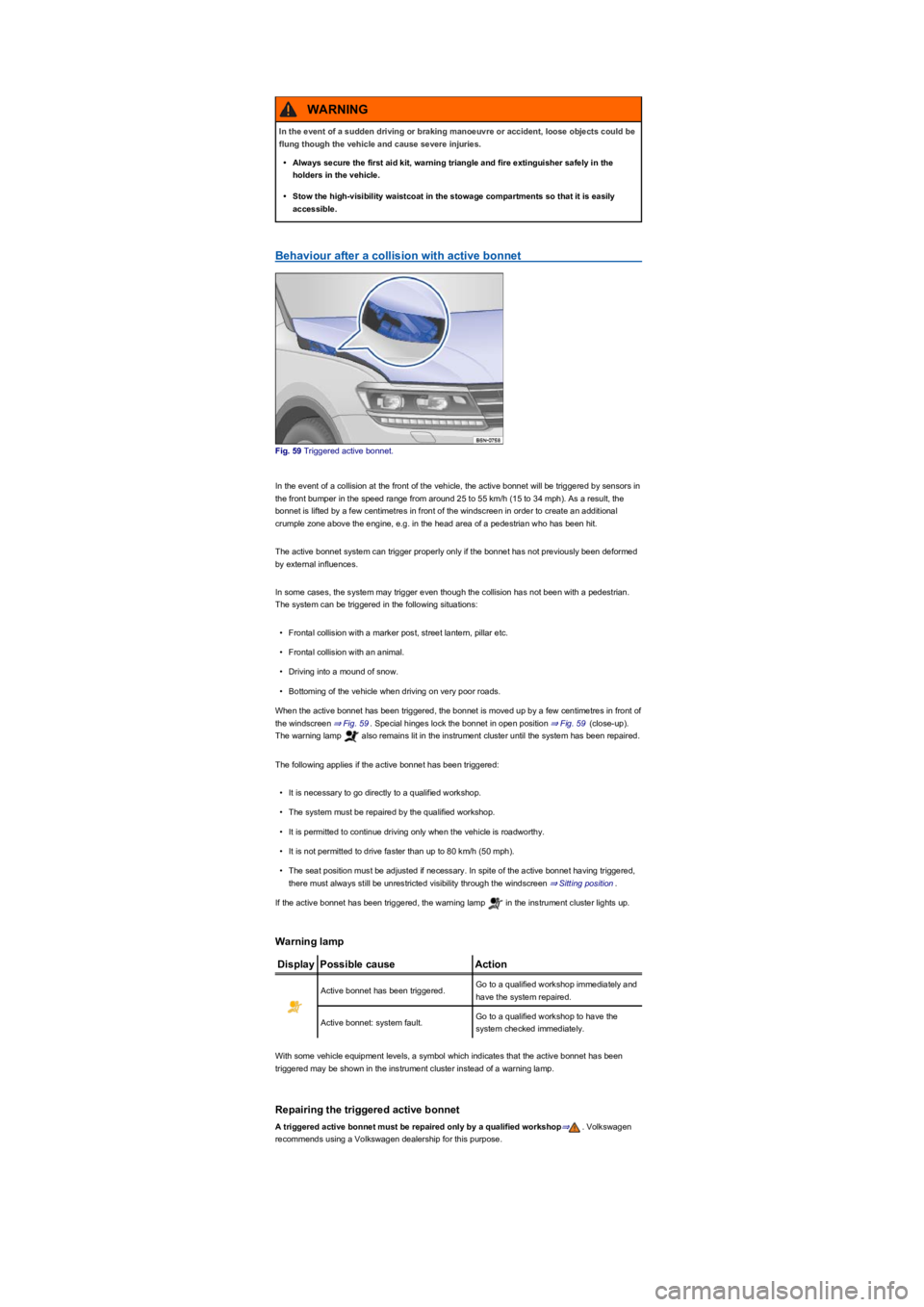
Behaviour after a collision with active bonnet
Fig. 59 Triggered active bonnet.
In the event of a collision at the front of the vehicle, the active bonnet will be triggered by sensors in
the front bumper in the speed range from around 25 to 55 km/h (15 to 34 mph). As a result, the
bonnet is lifted by a few centimetres in front of the windscreen in order to create an additional
crumple zone above the engine, e.g. in the head area of a pedestrian who has been hit.
The active bonnet system can trigger properly only if the bonnet has not previously been deformed
by external influences.
In some cases, the system may trigger even though the collision has not been with a pedestrian.
The system can be triggered in the following situations:
•Frontal collision with a marker post, street lantern, pillar etc.
•Frontal collision with an animal.
•Driving into a mound of snow.
•Bottoming of the vehicle when driving on very poor roads.
When the active bonnet has been triggered, the bonnet is moved up by a few centimetres in front of
the windscreen ⇒ Fig. 59. Special hinges lock the bonnet in open position ⇒ Fig. 59 (close-up).
The warning lamp also remains lit in the instrument cluster until the system has been repaired.
The following applies if the active bonnet has been triggered:
•It is necessary to go directly to a qualified workshop.
•The system must be repaired by the qualified workshop.
•It is permitted to continue driving only when the vehicle is roadworthy.
•It is not permitted to drive faster than up to 80 km/h (50 mph).
•The seat position must be adjusted if necessary. In spite of the active bonnet having triggered,
there must always still be unrestricted visibility through the windscreen ⇒ Sitting position.
If the active bonnet has been triggered, the warning lamp in the instrument cluster lights up.
Warning lamp
DisplayPossible causeAction
Active bonnet has been triggered.Go to a qualified workshop immediately and
have the system repaired.
Active bonnet: system fault.Go to a qualified workshop to have the
system checked immediately.
With some vehicle equipment levels, a symbol which indicates that the active bonnet has been
triggered may be shown in the instrument cluster instead of a warning lamp.
Repairing the triggered active bonnet
A triggered active bonnet must be repaired only by a qualified workshop⇒. Volkswagen
recommends using a Volkswagen dealership for this purpose.
In the event of a sudden driving or braking manoeuvre or accident, loose objects could be
flung though the vehicle and cause severe injuries.
•Always secure the first aid kit, warning triangle and fire extinguisher safely in the
holders in the vehicle.
•Stow the high-visibility waistcoat in the stowage compartments so that it is easily
accessible.
WARNING
Page 74 of 341
The anti-theft alarm is activated automatically when the vehicle is locked using the vehicle key.
When does the system trigger an alarm?
The anti-theft alarm issues acoustic and visual alarm signals for up to five minutes if any of the
following unauthorised actions are performed while the vehicle is locked:
•A door that was unlocked mechanically with the vehicle key is opened.
•A door is opened.
•The bonnet is opened.
•The boot lid is opened.
•Switch on the ignition using an invalid vehicle key.
•If the 12-volt vehicle battery is disconnected.
•Movement inside the vehicle (in vehicles with interior monitoring ⇒ Interior monitoring system
and anti-tow alarm).
•The vehicle is towed (in vehicles with anti-tow alarm ⇒ Interior monitoring system and anti-tow
alarm).
•The vehicle is lifted (in vehicles with anti-tow alarm ⇒ Interior monitoring system and anti-tow
alarm).
•The vehicle is transported on a car ferry or by rail (in vehicles with anti-tow alarm or interior
monitoring ⇒ Interior monitoring system and anti-tow alarm).
•A trailer that is connected to the anti-theft alarm system is removed ⇒ Trailer towing.
Switching off the alarm
•Unlock the vehicle using the unlocking button on the vehicle key.
•OR: switch on the ignition using a valid vehicle key. A short alarm lasting around one second
may sound.
•In vehicles with keyless access, the alarm can also be switched off by gripping the door handle
⇒ Locking and unlocking the vehicle with keyless access.
The alarm will be triggered again if a person gains access to the same or a different secured
zone after the alarm has been switched off.
The anti-theft alarm will not be activated if the vehicle is locked from the inside using the
central locking button .
If you unlock the driver door mechanically using the vehicle key, only the driver door is
unlocked, and not the whole vehicle. The SAFELOCK mechanism on all doors is not deactivated
and the central locking button is not activated until you switch on the ignition (however the doors will
not be unlocked).
The anti-theft alarm will not function correctly if the 12-volt vehicle battery is weak or
discharged.
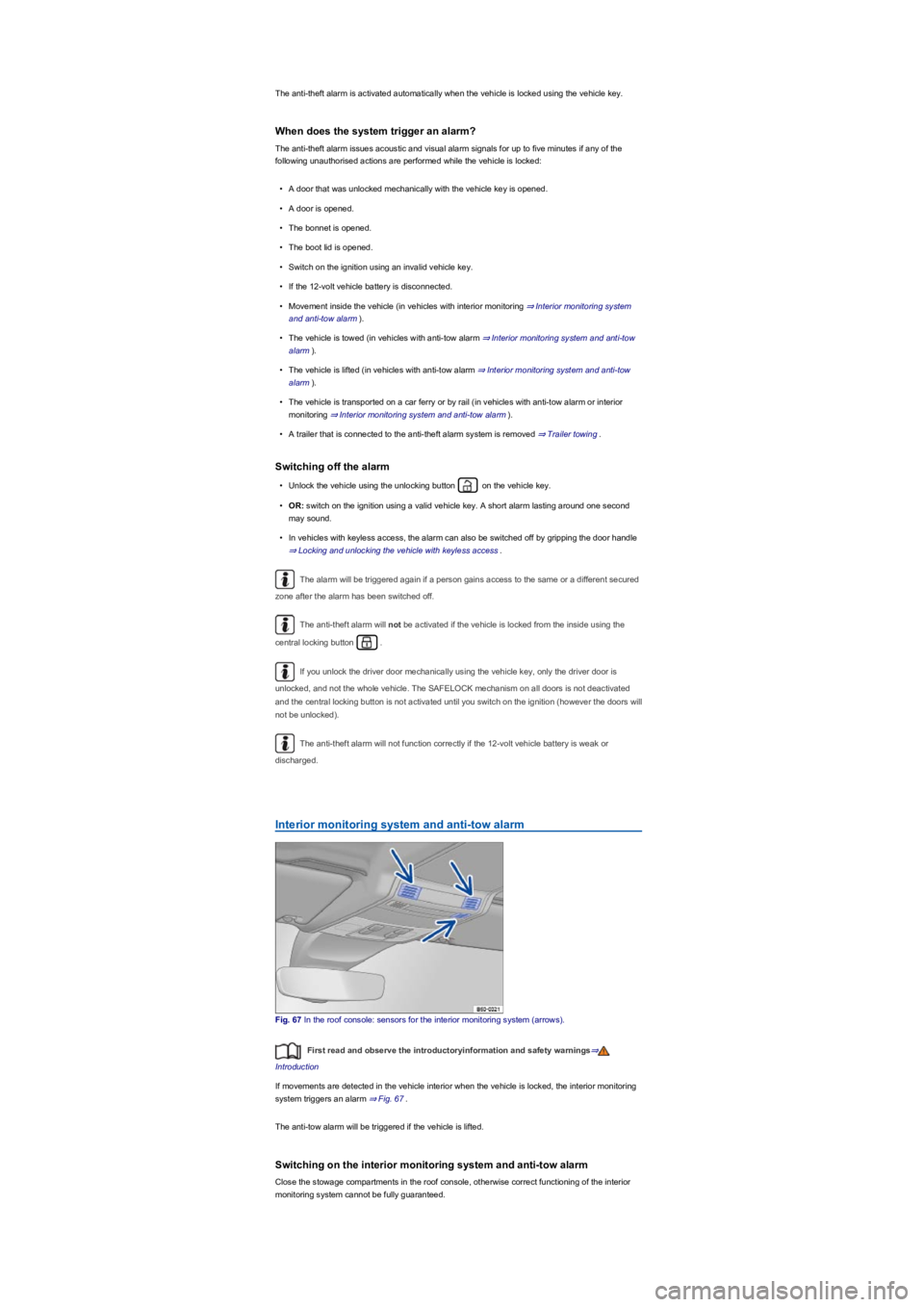
Interior monitoring system and anti-tow alarm
Fig. 67 In the roof console: sensors for the interior monitoring system (arrows).
First read and observe the introductoryinformation and safety warnings⇒
Introduction
If movements are detected in the vehicle interior when the vehicle is locked, the interior monitoring
system triggers an alarm ⇒ Fig. 67.
The anti-tow alarm will be triggered if the vehicle is lifted.
Switching on the interior monitoring system and anti-tow alarm
Close the stowage compartments in the roof console, otherwise correct functioning of the interior
monitoring system cannot be fully guaranteed.
Page 77 of 341
Display
First read and observe the introductoryinformation and safety warnings⇒
Introduction
A symbol in the instrument cluster display ⇒ Driver information indicates if one or more doors are
not closed properly. Do not drive on! Open the relevant door and then close it again.
This symbol is also visible when the ignition is switched off and will go out a few seconds after the
vehicle has been locked when all doors are closed.
The symbol can differ depending on the version of the instrument cluster.
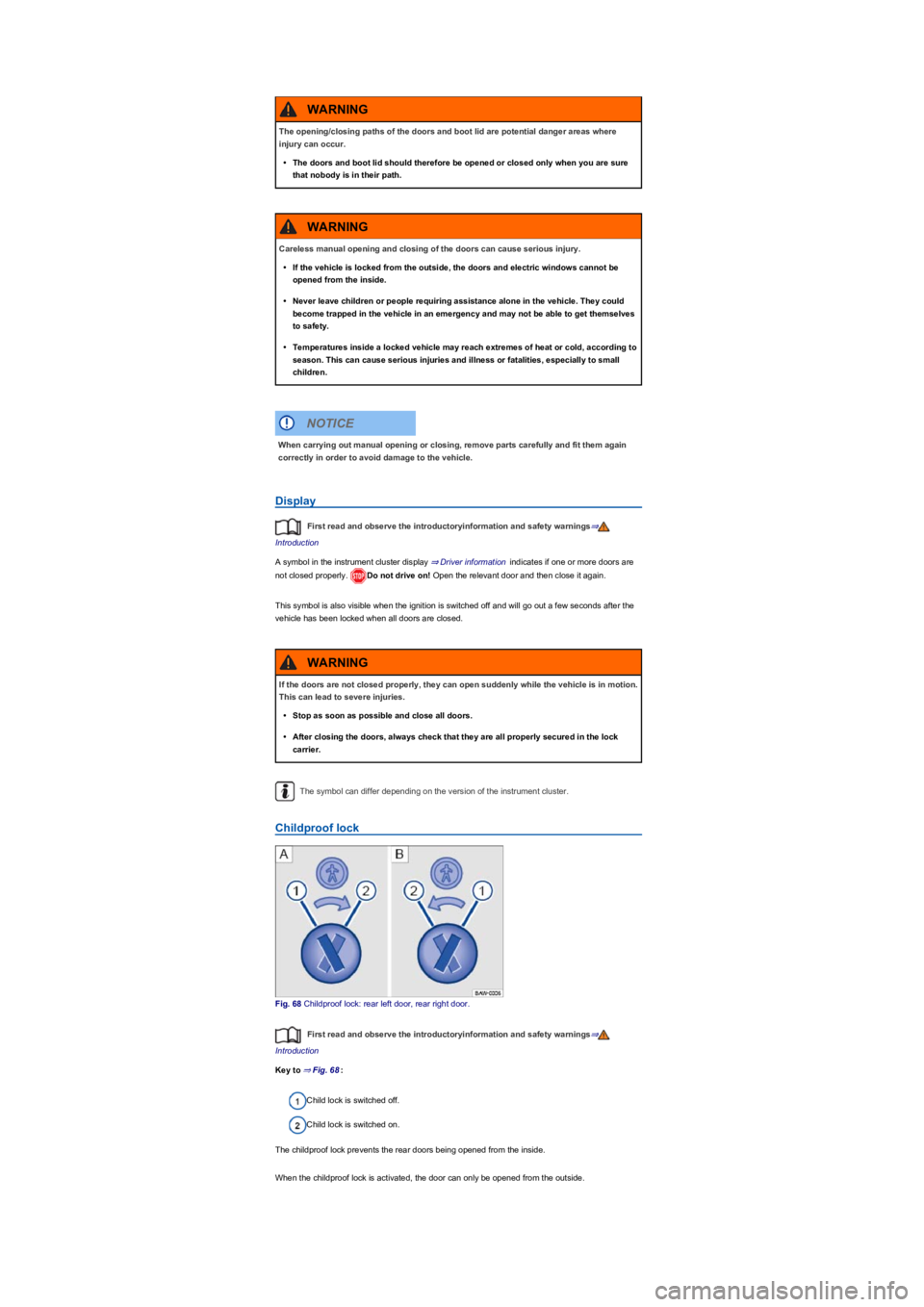
Childproof lock
Fig. 68 Childproof lock: rear left door, rear right door.
First read and observe the introductoryinformation and safety warnings⇒
Introduction
Key to ⇒ Fig. 68:
Child lock is switched off.
Child lock is switched on.
The childproof lock prevents the rear doors being opened from the inside.
When the childproof lock is activated, the door can only be opened from the outside.
The opening/closing paths of the doors and boot lid are potential danger areas where
injury can occur.
•The doors and boot lid should therefore be opened or closed only when you are sure
that nobody is in their path.
WARNING
Careless manual opening and closing of the doors can cause serious injury.
•If the vehicle is locked from the outside, the doors and electric windows cannot be
opened from the inside.
•Never leave children or people requiring assistance alone in the vehicle. They could
become trapped in the vehicle in an emergency and may not be able to get themselves
to safety.
•Temperatures inside a locked vehicle may reach extremes of heat or cold, according to
season. This can cause serious injuries and illness or fatalities, especially to small
children.
WARNING
When carrying out manual opening or closing, remove parts carefully and fit them again
correctly in order to avoid damage to the vehicle.
NOTICE
If the doors are not closed properly, they can open suddenly while the vehicle is in motion.
This can lead to severe injuries.
•Stop as soon as possible and close all doors.
•After closing the doors, always check that they are all properly secured in the lock
carrier.
WARNING
Page 79 of 341
The front passenger door and the rear doors can be locked manually. This does not activate the
anti-theft alarm.
•Open the door.
•Remove the rubber seal from the end face of the door.
•Insert the key bit into the slot and turn.
•Secure the rubber seal again.
•Ensure that the door is locked.
•The vehicle should be checked by a qualified workshop as soon as possible.
The manually locked door is unlocked again when the vehicle is unlocked or the door is opened
from the inside.
The doors can be unlocked and opened from the inside by pulling the door release handle.
Boot lid
Introduction
This chapter contains information on the followingsubjects:
⇒ Opening and closing the boot lid
⇒ Electrically opening and closing the boot lid
⇒ Boot lid with movement sensor ()
⇒ Automatically closing the boot lid ()
⇒ Unlocking the boot lid manually
⇒ Troubleshooting
The boot lid is unlocked and locked together with the doors.
On vehicles with the keyless locking and starting system Keyless Access, the boot lid is unlocked
automatically when it is opened ⇒ Locking and unlocking the vehicle with keyless access.
Incorrect and unsupervised unlocking, opening or closing of the boot lid can cause
accidents and serious injuries.
•The boot lid should only be opened or closed when you are sure that nobody is in its
path.
•Always check that the boot lid is properly closed after closing it. The closed boot lid
must be flush with the surrounding body panels.
•Always keep the boot lid closed while the vehicle is in motion.
•Never open the boot lid when loads, e.g. bicycles, are attached to it. The boot lid may
close under its own weight due to the additional load. Support the boot lid as
necessary or remove the load before opening.
•Close and lock the boot lid and all vehicle doors when the vehicle is not in use. Ensure
that no one remains in the vehicle.
•Never leave children playing unattended in or around the vehicle, especially when the
boot lid is open. Children could climb into the luggage compartment and shut the boot
lid, thereby trapping themselves inside. Temperatures inside a locked vehicle may
reach extremes of heat or cold, according to season. This can cause serious injuries
and illness or fatalities, especially to small children.
WARNING
Serious injuries could occur if the boot lid is unlocked or opened incorrectly or without
due care and attention.
•The boot lid may not always be detected as being unlocked if there is a carrier and
items attached to it. The boot lid may open suddenly while the vehicle is in motion if it
is unlocked.
WARNING
If there is a large amount of snow or a heavy load on the boot lid, the boot lid may lower
by itself and cause serious injuries due to the additional weight.
•Never open the boot lid if it is covered by a large amount of snow or a load is attached
to it, e.g. a rack or luggage carrier.
•Remove the snow or luggage before opening the boot lid.
WARNING
Page 88 of 341
Seats and head restraints
Front seats
Introduction
This chapter contains information on the followingsubjects:
⇒ Mechanically adjusting the front seat
⇒ Electrically adjusting the front seat
⇒ Folding the front passenger seat backrest forwards
The following section describes the options for adjusting the front seats. Always ensure that the
correct sitting position is adjusted ⇒ Sitting position.
Incorrect use of the steering column position adjustment and incorrect adjustment of the
steering wheel can cause serious or fatal injuries.
•After adjusting the steering column, always move lever ⇒ Fig. 77① up so that it
engages securely. This prevents the steering column from moving spontaneously
while the vehicle is in motion.
•Never adjust the steering wheel when the vehicle is in motion. If you determine that a
readjustment is necessary, stop the vehicle safely and adjust the steering wheel to the
correct position.
•The steering wheel must always point towards the chest and not towards the face. This
ensures that the driver front airbag provides maximum protection in the event of an
accident.
•While driving, always keep both hands on the outside of the steering wheel at the 9
o'clock and 3 o'clock positions⇒ Fig. 78. This reduces the risk of injury if the driver
front airbag is triggered.
•Never hold the steering wheel at the 12 o'clock position, or in any other manner, e.g. on
the hub of the steering wheel. If the driver front airbag is triggered, you could receive
severe injuries to the arms, hands and head.
WARNING
Page 89 of 341
Mechanically adjusting the front seat
Always adjust the front seats to their correct position before any journey and ensure that
any passenger has fastened their seat belt.
•Push the front passenger seat as far back as possible.
•Adjust the driver seat so that there is at least 25 cm between your breastbone and the
hub of the steering wheel. Adjust the driver seat by moving it forwards or backwards
so that you are able to press the pedals to the floor with your knees still slightly bent
and so that the distance from the dash panel to your knees is at least 10 cm. If your
build makes it impossible to fulfil this requirement then you must contact a qualified
workshop so they can make any necessary modifications.
•Never travel with the backrest tilted far back. The further back the backrest is tilted, the
greater the risk of injury caused by incorrect seat belt routing or an incorrect sitting
position.
•Never travel with the backrest tilted far forwards. When a front airbag is triggered it
could force the seat backrest backwards and injure vehicle occupants on the back
seats.
•Adopt and maintain the greatest possible distance from the steering wheel and dash
panel.
•You should always sit upright with your back against the seat backrest with the front
seats properly adjusted. Do not position any body part too close where the airbags are
fitted.
•The risk of serious injury is increased for passengers on the rear seat if they are not
sitting upright because the seat belts are incorrectly positioned.
WARNING
Incorrect adjustment of the seats can cause accidents and serious injuries.
•Only adjust the seats when the vehicle is stationary. The seats could change position
unexpectedly if you attempt to reposition them while the vehicle is in motion, leading
to a loss of control of the vehicle. Furthermore, an incorrect seating position is
adopted while adjusting the seat.
•Only adjust the height and tilt of the seat or move it forwards and backwards when the
area around the seat is clear.
•To be able to make adjustments to the seats, the area around them must not be
restricted by any items.
•Only adjust the height of the rear seat or move it forwards and backwards when the
area around the seat is clear.
•The areas for adjusting and locking the seats must not be soiled.
WARNING
Improper use of seat covers or protective covers may lead to the electrical seat controls
being operated accidentally and the front seats moving unexpectedly while the vehicle is
moving. You could lose control over the vehicle. This could result in serious injury and
accidents. Furthermore, this may result in damage to the electrical components in the
front seats.
•Never attach or secure seat covers or protective covers to the electrical controls.
•Do not fit seat covers or protective covers over the seats unless they have been
expressly approved for use in the vehicle.
WARNING
Cigarette lighters in the vehicle could be damaged or accidentally lit. This could lead to
serious burns and other injuries.
•Before adjusting the seats always ensure that there is no lighter on or near the
moveable parts of the seat.
•Before closing stowage areas or compartments always ensure that there is no lighter
in the way.
•Never stow lighters in stowage areas, compartments or on other surfaces in the
vehicle. High surface temperatures, especially in summer, may cause cigarette lighters
to self-ignite.
WARNING