warning AUDI Q5 2013 Owners Manual
[x] Cancel search | Manufacturer: AUDI, Model Year: 2013, Model line: Q5, Model: AUDI Q5 2013Pages: 316, PDF Size: 78.89 MB
Page 145 of 316
~ Adjust the head restraints so the upper
edge is as even as possible with the top of
your head. If that is not possib le, try to ad
j ust the head restraint so that it is as close
to this position as possible
¢fig . 153.
~ If there is a passenger on the rear center
seat ing pos ition, slide the center head re
stra int upward at least to the next notch .
Adjust ing head restra ints ¢
page 65.
A WARNING
All seats are equipped with head re
straints. Dr iv ing without head restra ints or
w ith head restra ints that a re not properly
adjusted increases the risk of ser ious or fa
t al neck injury dramat ic a lly. To help reduce
t he risk of in jury:
- Alw ays drive with the he ad restraints in
pla ce and properly adjusted.
- E very pe rson in the veh icle must have a
properly adj usted head restr aint.
- Always make sure each pe rson in the ve
hicle properly adjus ts the ir head re
st rain t. Ad just the head restrain ts so the
upper edge is as even as possib le with
the top of your head. If that is not possi
ble, try to adjust the head restra int so
that it is as close to this position as pos
sible.
- Never attempt to adjust head restraint wh ile driving. If you have driven off and
must adjust the dr iver head rest for any
reason, first stop the vehicle safe ly be
fore attempting to adjust the head re
st raint.
- Children must always be properly re
st rained in a ch ild restraint that is appro
pr iate for their age and s ize ¢
page 1 78.
Examples of improper seating positions
The occupant restraint system can only re
duce the risk of injury if vehicle occupants are
properly seated.
Imp rope r seat ing pos it ions can cause serious
in ju ry or death . Safety belts can on ly wor k
when they a re properly posit ioned o n the
Dr iving S afel y 143
body. Improper seating positions re duce the
effectiveness of safety belts and wi ll even in
crease the ris k of i njury and death by moving
the safety belt to crit ica l areas of the body.
Improper seating positions a lso increase the
risk of serious injury and death when an a ir
bag deploys and str ikes an occupant w ho is
not in the p roper seating posit ion. A dr iver is
responsible fo r the safety of all veh icle occu
pan ts and espec ially for children. The re fore :
~ Never allow anyone to assume an incorrect
seating position when the vehicle is being
used
Q ,& .
The following bulletins list on ly some sample
pos itions tha t will increase the risk of serious
i njury and death . Ou r hope is that these exam
ple s will ma ke yo u mo re aware o f seati ng po
s itions tha t are d angerous.
Therefore , whenever the vehicle is
moving:
- neve r stand up in the vehicle
- neve r stand on the seats
- never kneel on the seats
- never ride w it h the seatback reclined
- never lie down on the rear seat
- never lean up against the instrument panel
- never s it on the edge of the seat
- neve r sit sideways
- neve r lean out the window
- neve r put your feet out the window
- never put your feet on the instr ument panel
- neve r rest your feet on the seat cush ion or
back of the seat
- neve r ride in the footwell
- neve r ride in the cargo area
A WARNING ~
Imp ro p er seating posit ions increase the
risk of serious persona l injury and death
whenever a vehicle is being used.
- Always make sure that all vehicle occu-
pants stay in a proper seating position
and are properly restrained whenever the
veh icle is being used .
-
•
•
Page 146 of 316
144 Driving Safely
Pedal area
Pedals
The pedals must always be free to move and
must never be interfered with by a floor mat
or any other object.
Make sure that all pedals move freely without
interference and that nothing prevents them
from returning to their original positions .
Only use floor mats that leave the peda l area
free and can be secured with floor mat fasten
ers.
If a brake circuit fails, increased brake peda l
travel is required to bring the vehicle to a full
stop.
A WARNING
Pedals that cannot move freely can cause
loss of vehicle control and increase the r isk
of serious injury.
- Never place any objects in the driver 's
footwell. An object could get into the
peda l area and interfere w ith pedal func
tion. In case of sudden braking or an ac
cident, you would not be ab le to bra ke or
accelerate!
- Always make su re that nothing can fall
or move into the driver's footwell.
Floor mats on the driver side
Always use floor mats that can be securely
attached to the floor mat fasteners and do
not interfere with the free movement of the
pedals .
.,. Make sure that the floor mats are properly
secured and cannot move and interfere with
the pedals~ .&_.
Use only floor mats that leave the pedal area
unobstructed and that are firmly secured so
that they cannot s lip out of position. You can
obtain suitable floor mats from your author
ized Audi dealer.
Floor mat fasteners are installed in your Audi . Floor mats used in your vehicle must be at
tached to these fasteners . Properly securing
the floor mats will prevent them from sliding
into positions that could interfere with the
pedals or impair safe operation of your vehicle
in other ways.
A WARNING ,-
Pedals that cannot move freely can result
i n a loss of vehicle control and increase the
r isk of ser ious persona l injury.
- Always make sure that floor mats are
p roperly secured.
- Never place or install floor mats or other
f loor coverings in the vehicle that cannot
be prope rly secured in place to prevent
them from slipping and interfer ing wi th
the peda ls or the ability to contro l the
vehicle.
- Never pla ce or install floor mats or other
floor coverings on top of already instal
led floor mats . Additiona l floor mats and
other coverings will reduce the size of
the pedal area and interfere with the
pedals.
- Always properly reinsta ll and secure floor
mats that have been taken out for clean
ing.
- Always make sure that objects cannot
fall into the dr iver footwell while the ve
hicle is moving . Objects can become
trapped under the brake pedal and accel
erator pedal causing a loss of vehicle
control.
Page 147 of 316
Stowing luggage
Loading the luggage compartment
All luggage and other objects must be prop
erly stowed and secured in the luggage com
partment.
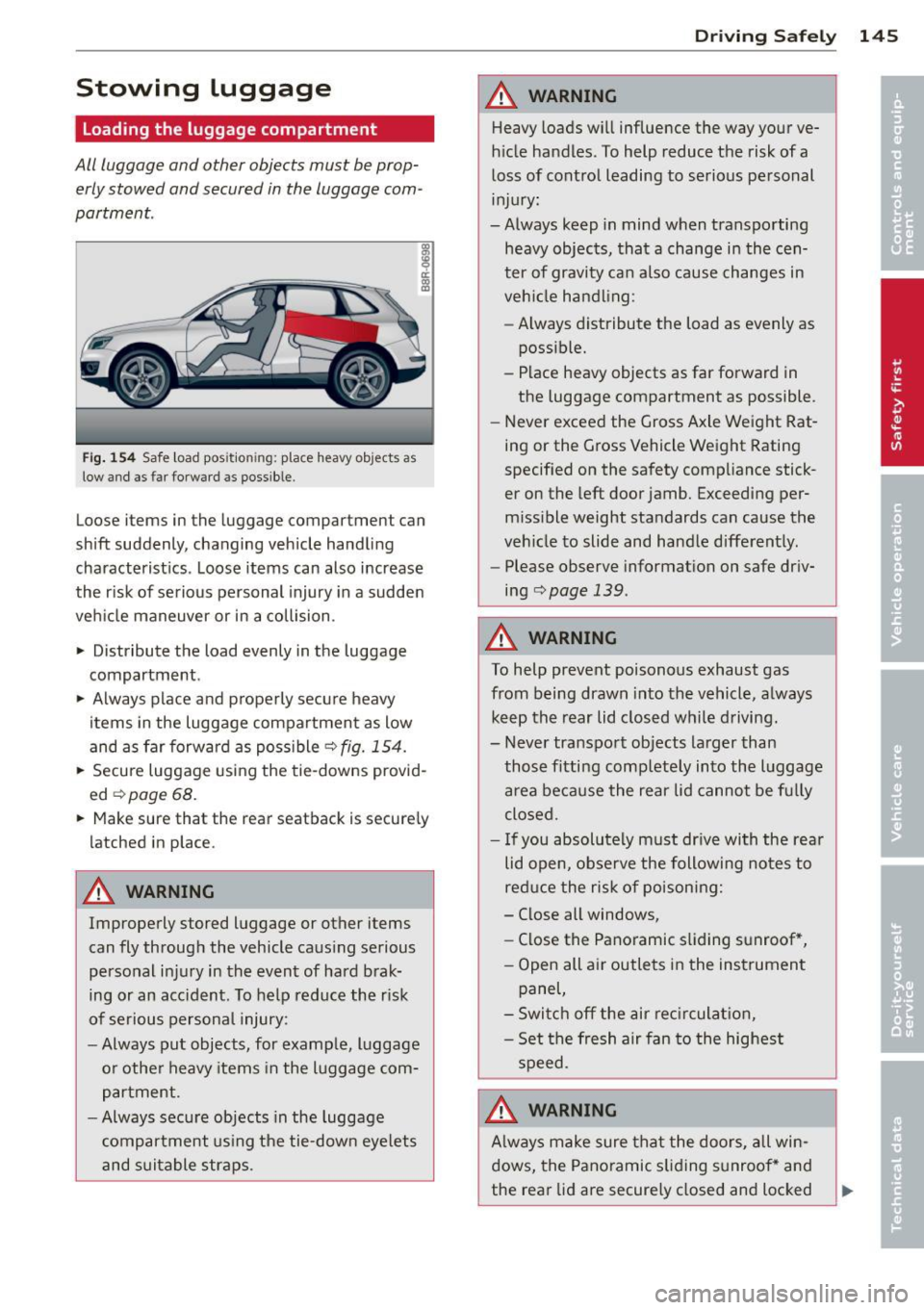
Fig . 154 Safe load pos ition ing: place heavy objects as
low and as far forward as possible.
Loose items in the luggage compartment can
shift suddenly, changing vehicle handling
characteristics . Loose items can also increase
the r isk of serious personal injury in a sudden
veh icle maneuver or in a collision .
.. Distribute the load evenly in the luggage
compartment.
.. Always place and properly secure heavy
items in the luggage compartment as low
and as far forward as poss ible
q fig. 154.
.. Secure luggage using the tie-downs provid
ed
¢ page 68.
.. Make sure that the rear seatback is secure ly
latched in place.
A WARNING
Improperly stored luggage or other items
can fly through the vehicle causing serious
personal injury in the event of hard brak
ing or an acc ident. To help reduce the risk
of serious personal injury:
- Always put objects, for example, luggage
or other heavy items in the luggage com
partment.
- Always secure objects in the luggage
compartment us ing the tie-down eye lets
and suitable straps .
Drivin g Sa fely 145
A WARNING
Heavy loads will influence the way your ve
h icle handles. To help reduce the risk of a
loss of control leading to serious personal
injury:
-Always keep in mind when transporting
heavy objects, that a change in the cen
ter of gravity can also cause changes in
veh icle handling:
- Always distribute the load as evenly as
possible.
- Place heavy objects as far forward in
the luggage compartment as possible.
- Never exceed the Gross Axle Weight Rat
ing or the Gross Vehicle Weight Rating
specified on the safety compliance stick
er on the left door jamb. Exceeding per
missible weight standards can cause the
veh icle to slide and handle differently.
- Please observe information on safe driv
ing
q page 139 .
A WARNING
To help prevent poisonous exhaust gas
from being drawn into the vehicle, a lways
keep the rear lid closed while driving.
- Never transport objects larger than
-
those fitting comp letely into the luggage
area because the rear lid cannot be fu lly
closed .
- If you absolutely must dr ive with the rear
lid open, observe the following notes to
reduce the risk of poisoning:
- Close all windows,
- Close the Panoramic sliding sunroof *,
- Open all air outlets in the inst rument
panel,
- Switch off the air rec irculat ion,
- Set the fresh a ir fan to the highest
speed.
A WARNING
A lways make sure that the doo rs, all win
dows, the Pano ramic s liding sunroof* and
the rear lid are securely closed and locked
Page 148 of 316
146 Driving Safel y
to reduce the risk of inj ury when the vehi
cle is not be ing used.
- After closing the rear lid, always make
sure that it is properly closed and locked.
- Never leave your vehicle unattended es
pecially with the rear lid left open . A
child could crawl into the vehicle through
the luggage compartment and close the
rear lid becoming trapped and unable to
get out . Be ing trapped in a vehicle can
lead to serious persona l injury.
- Never let children p lay in or around the
vehicle .
- Never let passengers r ide in the luggage
compartment . Veh icle occupan ts must
always be proper ly restrained in one of
the vehicle's seating positions.
(D Tips
- Air circulation helps to reduce window
fogging . Sta le air escapes to the o utside
th rough vents in the trim pane l. Be su re
to keep these slots free and open.
- The tire pressure must correspond to the
load . The t ire pr essure is shown on the
tire p ressu re label. The tire pressure la
bel is loc ate d on the driver's s ide B-pi lla r.
The tire pressure label lists the recom
men ded cold t ire inflat ion pressu res for
the veh icle at its maximum capacity
weight and the tires that were on your
vehicle at the time it was manufact ured.
For recommended t ire pressures for nor
mal load conditions, please see chapter
Q page252.
Tie-downs
The luggage compartment is equipped with
four tie-downs to secure luggage and other
items .
Use the tie-downs to secure your cargo prop
erly ¢ page 145, Loading the luggage com
partment .
In a coll is ion, the laws of phys ics mean that
even smaller items that are loose in the vehi
cle will become heavy missiles that can cause se
rious injury. Items in t he vehi cle possess en
ergy which vary with vehicle speed and the
weight of t he item . Vehicle speed is the most
s ignificant factor.
F or example, in a frontal collision at a speed
of 30 mph (48 km/h), the forces acting on a 10 -lb (5 kg) object a re abo ut 20 times the
normal weight of the item. This means that
the weight of the item would sudden ly be
about 200 lbs . (90 kg) . You can imag ine the
injur ies that a 200 lbs . (90 kg) item fly ing
fr ee ly t hro ugh the passenger compa rtment
cou ld cause in a col lision like this.
_& WARNING
We ak, damaged or imprope r straps used
to secure items to tie-downs can fail dur
i ng hard braking or in a collision and cause
se rious pe rsonal injury.
-Always use s uita ble mo unt ing straps an d
p roperly secu re items to the tie-downs in
the l uggage compa rtment to he lp pre
vent items from shift ing or fly ing fo r
ward as dangerous missiles.
- When the rea r seat backrest is folded
down, a lways use suitable mounting
straps and properly secure items to the
tie-downs in the luggage compartment
to hel p prevent items from fly ing for
ward as dangerous missiles into the pas
senger compartment.
- Never attach a chi ld safety seat t ether
s trap to a t ie-down .
Reporting Safety
Defects
Applicable to U.S.A.
If yo u b eli eve that your vehi cle
has a def ect whi ch could cau se
a crash or could cau se injury or
death, you should immediately
inform the National Highway
Traffic Safet y Administration ""
Page 151 of 316
Safety belts
General notes
Always wear safety belts!
Wearing safety belts correctly saves lives!
This chapter exp lains why safety be lts are nec
essary, how they work and how to adjust and
wear them correctly.
~ Read all the information that fo llows and
heed all of the inst ruct ions and WARNINGS.
A WARNING
Not wearing safety belts or wearing them
improperly increases the risk of ser ious
personal in jury and death .
- Safety belts are the sing le most effective
means availab le to red uce the r isk of se
rious injury and death in a utomob ile acci
dents . For your prot ecti on and that of
yo ur passenge rs, always co rrec tly wear
sa fe ty bel ts when the ve hicle is mov ing.
- P re g nant women, injured, or physically
impa ired perso ns must also use safe ty
belts. L ike a ll vehicle occup ants, they are
more like ly to be ser ious ly injure d if they
do not wea r safety be lts . The best way to
protect a fet us is to protect the mother -
thro ughout the entire pregnancy.
Number of seats
Your Audi has a total of five seating posit ions:
two in the front and three in the rear. Each
seating position has a safety belt.
A WARNING
N ot wea ring safety belts or wea ring them
improperly increases the risk of ser ious
perso nal i njur y an d deat h.
- Never st rap more than one pe rson, in
cl ud ing s mall ch ild ren, into any belt . It is
e speci ally dangerous t o pl ac e a safety
bel t over a child s itting on yo ur lap.
- N ever le t mo re people ride in t he ve hicle
th an there are s afe ty be lts availab le.
Safety belts 149
- Be s ure everyone riding in the vehicle is
properly restrained w ith a separate sa fe
ty belt or child restra int.
Safety belt warning light
Your vehicle has a warning system for the
driver and (on USA models only) front seat
passenger to remind you about the impor
tance of buckling-up.
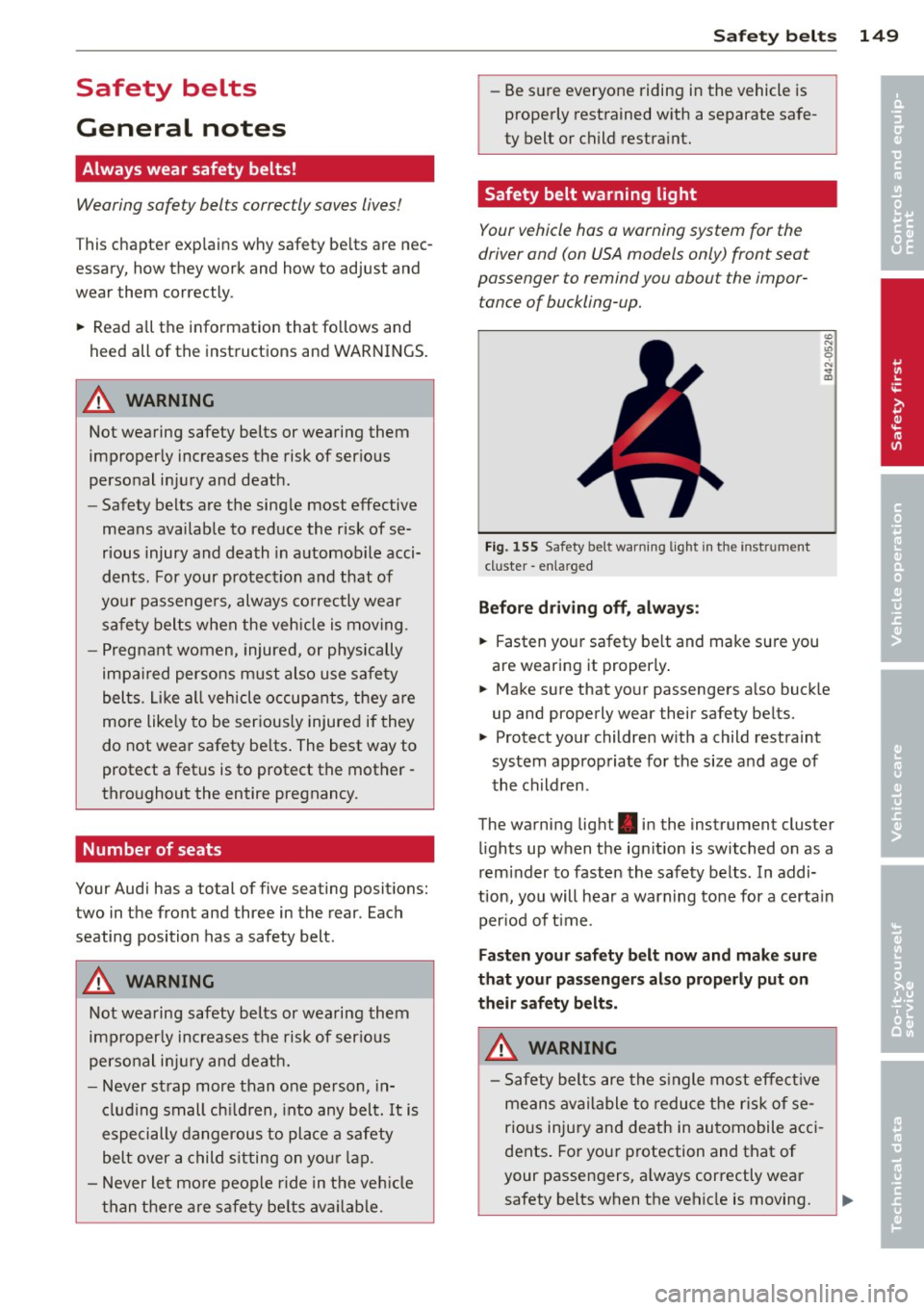
Fig . 155 Safety belt warni ng lig ht in the instr ument
cl uster -enla rged
Before driving off, alway s:
~ Fasten your safety be lt and make sure you
are wearing it properly .
~ Make sure that yo ur passengers a lso buck le
up and properly wear their safety be lts.
~ Protect your childre n w ith a child rest raint
sys tem app ropriate fo r the size a nd age of
t h e children.
The wa rning lig ht . in the instrument cluster
li ghts up when the ig nit ion is switched on as a
reminder to fasten the safe ty belts. In addi
tion, you will hea r a warning tone for a certa in
per iod of t ime.
Fasten your safety belt now and make sure
that your pas sengers also properly put on
th eir safety belt s.
A WARNING
- Safety belts are the s ingle mo st effec tive
means av ailable to redu ce th e ri sk of se
rio us in ju ry and death in au tomobile acci
dents. Fo r you r protection and that of
your passengers, a lways correctly wear
safety belts when the vehicle is moving.
•
•
Page 152 of 316
150 Safety belts
-Failure to pay attention to the warning
light that come on, could lead to person
al injury.
Why safety belts?
Frontal collisions and the law of physics
Frontal crashes create very strong forces for
people riding in vehicles.
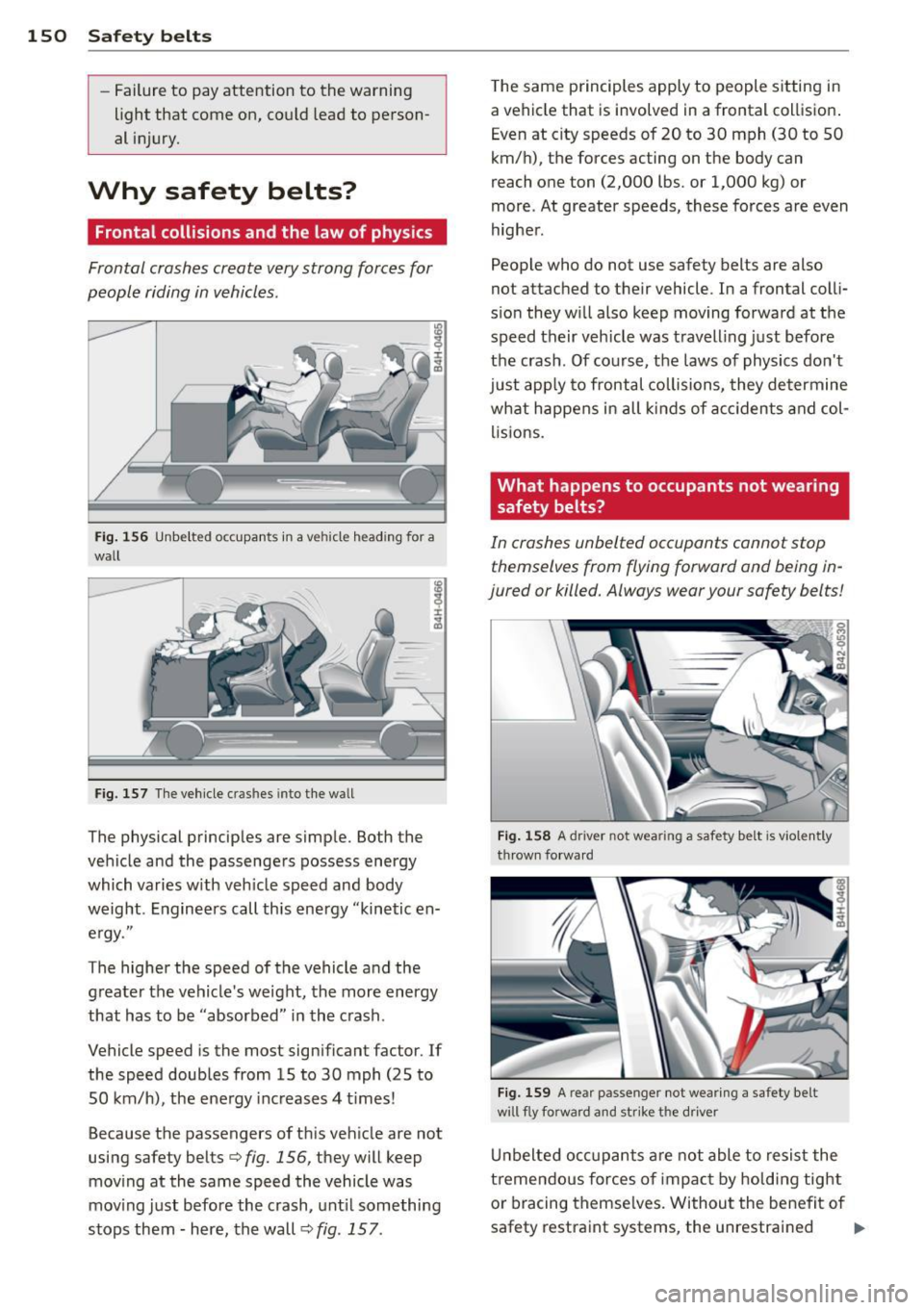
Fig. 156 Unbelted occupants in a ve hicle heading for a
wall
Fig. 157 Th e vehicle c rash es into the wall
The physical principles are simple. Both the
vehicle and the passengers possess energy
which varies w ith veh icle speed and body
weight . Engineers call this energy "kinetic en
e rgy ."
T he higher the speed of the vehicle and the
greater the vehicle's weight, the more energy
that has to be "absorbed" in the crash .
Vehicle speed is the most significant factor.
If
the speed doubles from 15 to 30 mph (25 to
50 km/h), the energy increases 4 times!
Because the passengers of this veh icle are not
using safety belts¢
fig. 156, they will keep
moving at the same speed the vehicle was
mov ing just before the crash, until something
stops them - here, the wall ¢
fig. 157 .
The same principles apply to people sitting in
a vehicle that is involved in a frontal collision .
Even at c ity speeds of 20 to 30 mph (30 to 50
km/h), the forces acting on the body can
reach one ton (2,000 lbs. or 1,000 kg) or
more . At greater speeds, these forces are even
higher .
Peop le who do not use safety belts are also
not attached to their vehicle. In a frontal colli
s ion they will also keep moving forward at the
speed their vehicle was t ravell ing just before
the crash . Of course, the laws of physics don't
just apply to frontal collisions, they determine
what happens in all kinds of accidents and col
lisions .
What happens to occupants not wearing
safety belts?
In crashes unbelted occupants cannot stop
themselves from flying forward and being in
jured or killed. Always wear your safety belts!
Fig. 158 A d river not wea ring a safety b elt is viol en tly
thrown fo rwa rd
Fig . 159 A rear passe nge r not wearing a safety belt
w ill fl y forward and strike the driver
Unbelted occupants are not able to resist the
tremendous forces of i mpac t by holding tight
or bracing themselves. Without the benefit of
safety restraint systems , the unrestrained
ll-
Page 154 of 316
152 Safety belts
Important safety instructions about
safety belts
Safety belts must always be correctly posi
tioned across the strongest bones of your
body.
,.. Always wear safety belts as illustrated and
described in this chapter.
,.. Make sure that your safety belts are always
ready for use and are not damaged.
A WARNING
Not wearing safety belts or wearing them
improperly increases the risk of serious
personal injury and death. Safety belts can
work only when used correctly .
- Always fasten your safety belts correctly
before driving off and make sure all pas
sengers are correctly restrained.
- For maximum protection, safety belts must always be positioned properly on
the body .
- Never strap more than one person , in
cluding small children, into any belt.
- Never place a safety belt over a child sit ting on your lap.
- Always keep feet in the footwell in front
of the seat while the vehicle is being driv
en .
- Never let any person ride with their feet on the instrument panel or sticking out
the window or on the seat.
- Never remove a safety belt while the ve
hicle is moving. Doing so will increase
your risk of be ing injured or killed.
- Never wear belts twisted.
- Never wear belts over rigid or breakable
objects in or on your clothing, such as
eye glasses, pens, keys, etc., as these
may cause injury.
- Never allow safety belts to become dam
aged by being caught in door or seat
hardware .
- Do not wear the shoulder pa rt of the belt
under your arm or otherwise out of pos i
tion . -
Several layers of heavy clothing may in
terfere with correct positioning of belts
and reduce the overall effectiveness of
the system .
- Always keep belt buckles free of anything
that may prevent the buckle from latch
ing securely .
- Never use comfort clips or devices that
create slack in the shoulder belt . Howev
er, special clips may be required for the
proper use of some child restraint sys
tems .
- Torn or frayed safety belts can tear, and
damaged belt hardware can break in an
accident. Inspect belts regularly .
If web
bing, bindings, buck les, or retractors are
damaged, have belts replaced by an au
thorized Audi dealer or qualified work
shop.
- Safety belts that have been worn and
loaded in an accident must be replaced
with the correct replacement safety belt
by an authorized Audi dealer . Replace
ment may be necessary even if damage
cannot be clearly seen . Anchorages that
were loaded must also be inspected.
- Never remove, modify, disassemble, or
try to repair the safety belts yourself.
- Always keep the belts clean. Dirty belts
may not work properly and can impair
the function of the inert ia reel
c:> page 226, Safety belts .
Safety belts
Fastening safety belts
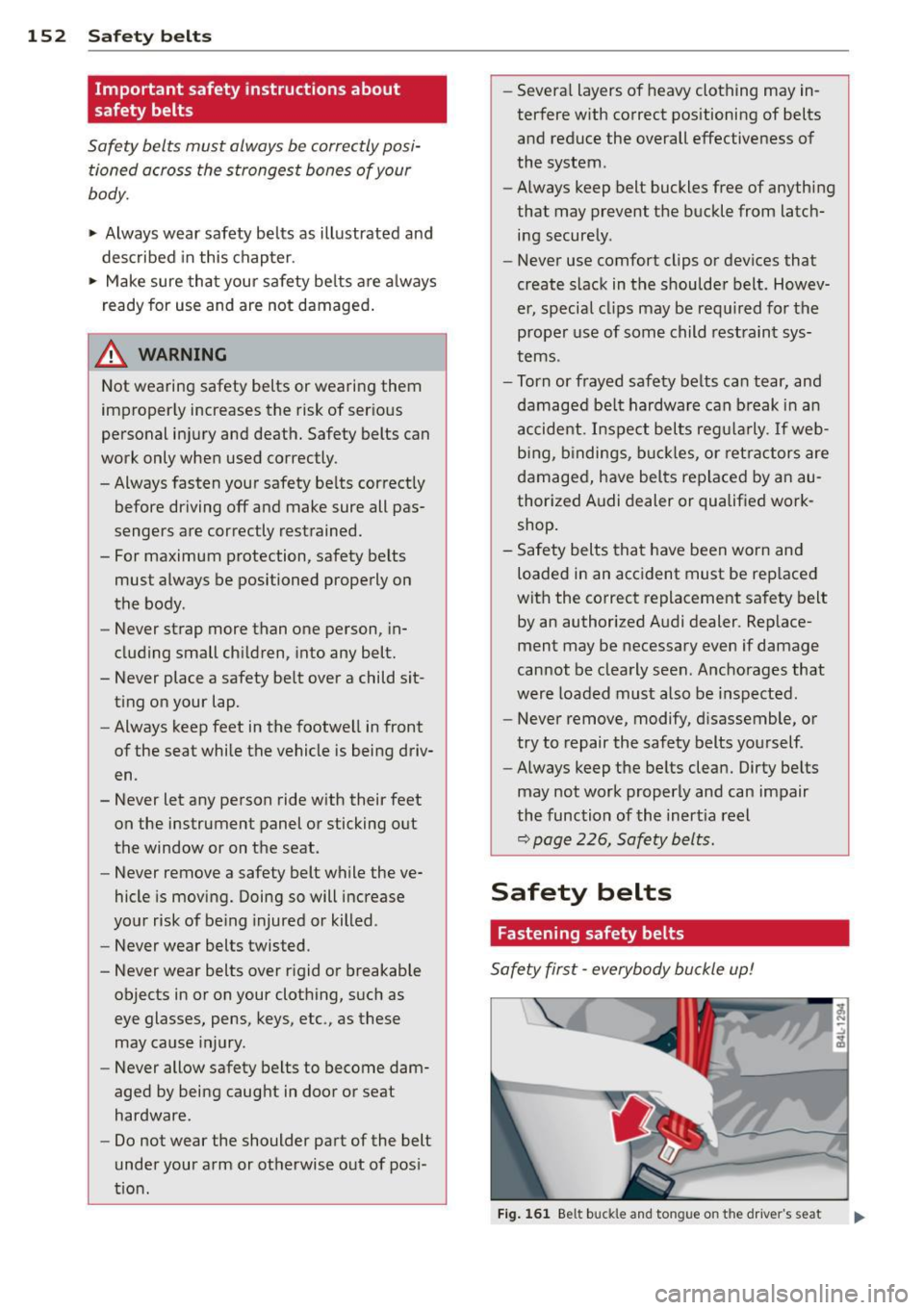
Safety first -everybody buckle up!
Fig. 161 B elt buck le and to ngue o n the drive r's sea t
Page 155 of 316
To provide maximum protection, sa fety belts
must always be positioned correctly on the
wearer's body .
... Adjust the front seat and head restra int
properly
c::> page 61, General recommenda
tions .
... Make sure the seatback of the rear seat
bench is in an upright position and securely
latched in place before using the belt
c::> ,&. .
... Hold the be lt by the tongue and pull it
evenly ac ross the chest and pelvis
c::> ,&..
... Insert the tongue into the correct buckle of
your seat until you hea r it latch securely
c::>fig. 161.
... Pu ll on t he be lt to make sure that it is se-
curely latched in the buckle.
Automatic safety belt retractors
Every safety belt is equipped w ith an automat
i c belt retractor on the shoulder be lt. T his fea
ture locks the belt when the belt is pulled out
fast, dur ing hard braking and in an accident.
The belt may also lock when you drive up or
down a steep hill or through a sharp curve. During normal driving the belt lets you move
freely.
Safety belt pretensioners
The safety belts are equipped with a belt pre
tensioner that helps to tighten the safety belt
and remove slack when the pretensioner is ac
tivated. The funct ion of the pretensioner is
monitored by a warning light
c::> page 15.
Sw itchable locking feature
E very sa fety belt except the one on the driver
seat is equipped with a switchable locking fea
ture that
must be used when the safety belt is
used to attach a child safety seat. Be sure to read the important information about this
feature
c::> page 188.
A WARNING
Imprope rly positioned safety belts can
cause serious injury in an accident
o::> page 153, Safety belt position.
-Safety belts offer optimum protect ion
only when the seatback is upright and
Safety belts 153
belts are properly positioned on the
body.
- Always make sure that the rear seat
backrest to which the center rear safety
be lt is attached is securely latched when
ever the rear center safety belt is being
used. If the backrest is not securely
latched, the passenger w ill move for
ward with the backrest during sudden
braking, in a sudden maneuver and espe
cially in a crash .
- Never attach th e safety belt to the buck
le for another seat . Atta ching the belt to
the wrong buckle will reduce s afety be lt
effectiveness and can cause ser ious per
sonal injury.
- A passenger who is not proper ly restrain
ed can be seriously injured by the safety
be lt itself when it moves from the stron
ger parts of the body into cr itical areas
like the abdomen.
- Always lock the convertible locking re
tractor when you are securing a child safety seat in the vehicle
c::> page 190.
Safety belt position
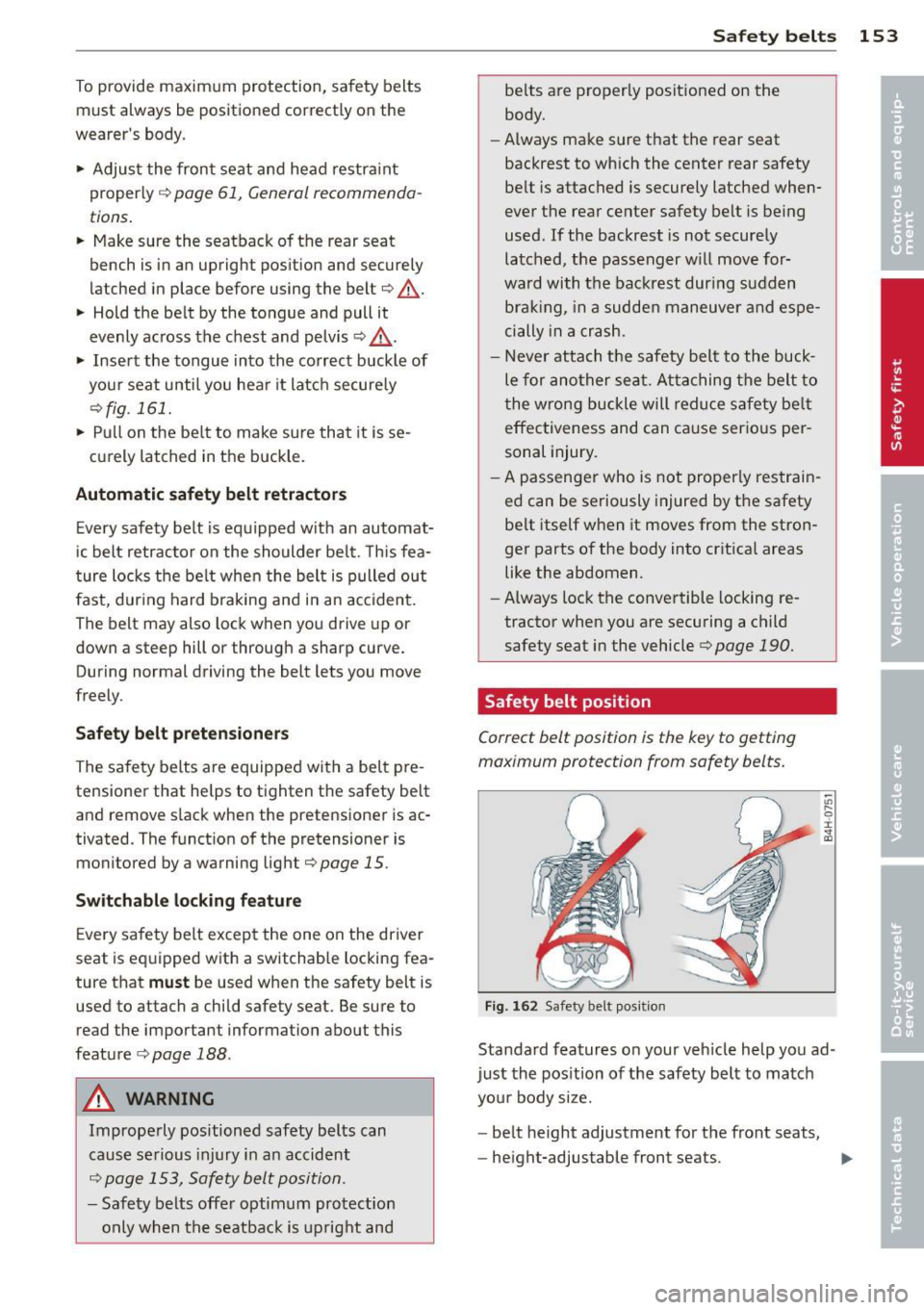
Correct belt position is the key to getting
maximum protection from safety belts.
Fig . 162 Safety belt position
Standa rd features on your veh icle help you ad
just the position of the safety belt to match you r body size.
- belt height adjustment for the front seats,
- height-adjustable front seats.
Page 156 of 316
154 Safety belts
A WARNING
Improperly positioned safety belts can
cause serious personal injury in an acci
dent .
- The shoulder belt should lie as close to
the center of the collar bone as possible
and should fit well on the body. Hold the
belt above the latch tongue and pull it
evenly across the chest so that it sits as
low as possible on the pelvis and there is
no pressure on the abdomen. The belt
should always fit snugly
¢ fig. 162. Pull
on the belt to tighten if necessary.
- The lap belt portion of the safety belt
must be positioned as low as possible
across pelvis and never over the abdo
men. Make sure the belt lies flat and
snug ¢
fig. 162. Pull on the belt to tight
en if necessary.
- A loose-fitting safety belt can cause seri
ous injuries by shifting its position on
your body from the strong bones to more
vulnerable, soft tissue and cause serious
inJury .
- Always read and heed all WARNINGS and
other important information
¢page 152.
Pregnant women must also be correctly
restrained
The best way to protect the fetus is to make
sure that expectant mothers always wear
saf ety belts correctly -throughout the pr eg
nancy.
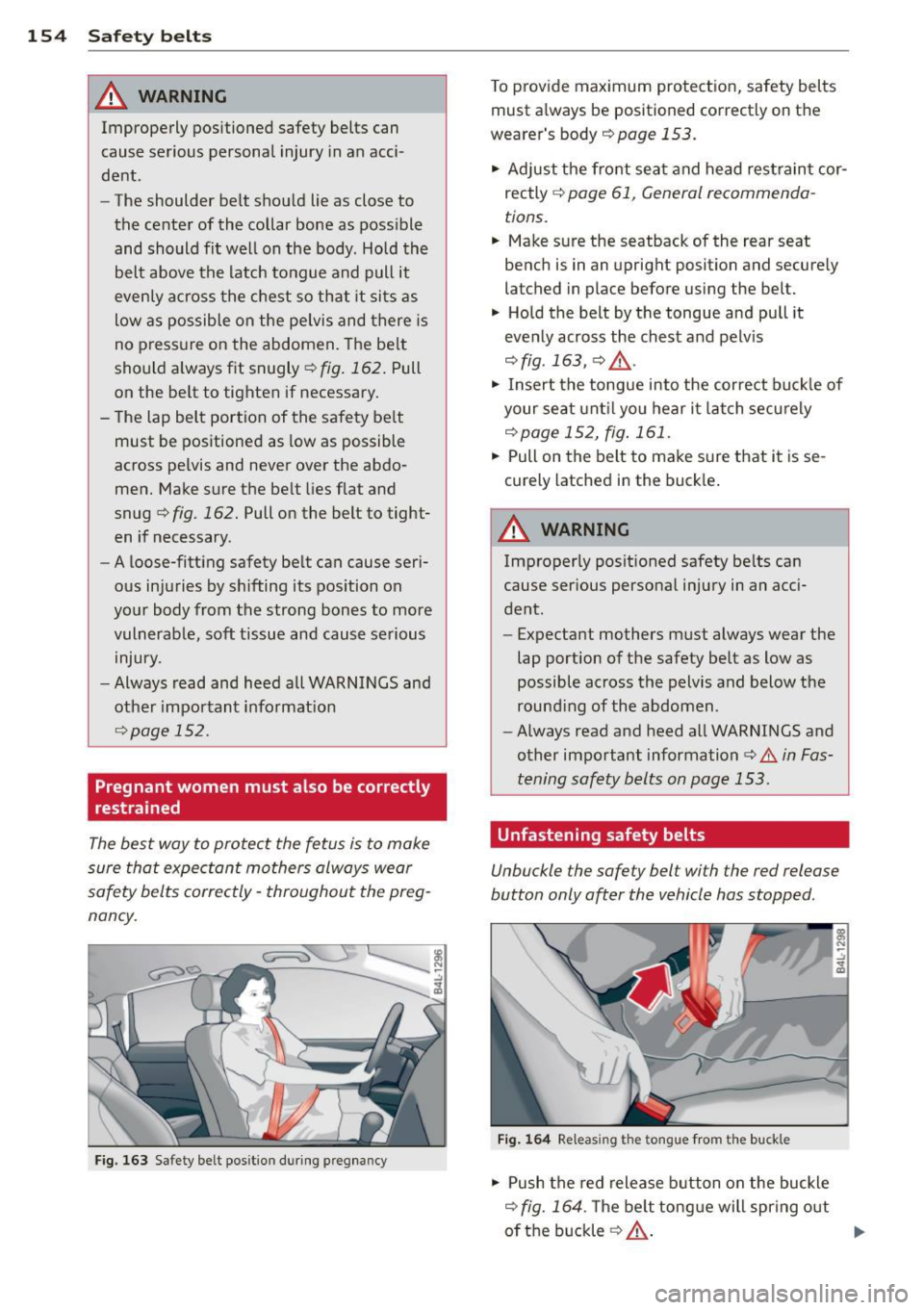
Fig. 163 Safety be lt pos it io n during p regnancy
To provide maximum protection, safety belts
must always be positioned correctly on the
wearer's body
¢ page 153.
.. Adjust the front seat and head restraint cor
rectly ¢
page 61, General recommenda
tions.
.. Make sure the seatback of the rear seat
bench is in an upright position and securely
latched in place before using the belt.
.. Hold the belt by the tongue and pull it
evenly across the chest and pelvis
¢ fig . 163, ¢ .&, .
.. Insert the tongue into the correct buckle of
your seat until you hear it latch securely
¢page 152, fig. 161.
.. Pull on the belt to make sure that it is se
curely latched in the buckle.
A WARNING
Improperly positioned safety belts can
cause serious personal injury in an acci
dent.
-
- Expectant mothers must always wear the
lap portion of the safety belt as low as
possible across the pelvis and below the rounding of the abdomen .
- Always read and heed all WARNINGS and
other important information ¢
& in Fas
tening safety belts on page 153.
Unfastening safety belts
Unbuckle the safety bel t wi th the red release
button only a~er the vehicle has stopped .
Fig. 164 Releas ing the ton gu e from the bu ckle
.. Push the red release button on the buckle
¢
fig. 164 . The belt tongue will spring out
of the buckle ¢
.&,. ..,..
Page 157 of 316
.. Let the belt wind up on the retractor as you
guide the belt tongue to its stowed position .
A WARNING
Never unfasten safety belt while the vehi
cle is moving. Doing so will increase your
r isk of being injured or killed .
Adjusting safety belt height
-
With the aid of the safety belt height adjust
ment, the three point safety belt strap rout
ing can be fit ted to the shoulder area , accord
ing to body size .
;g 0 0 C) .., m
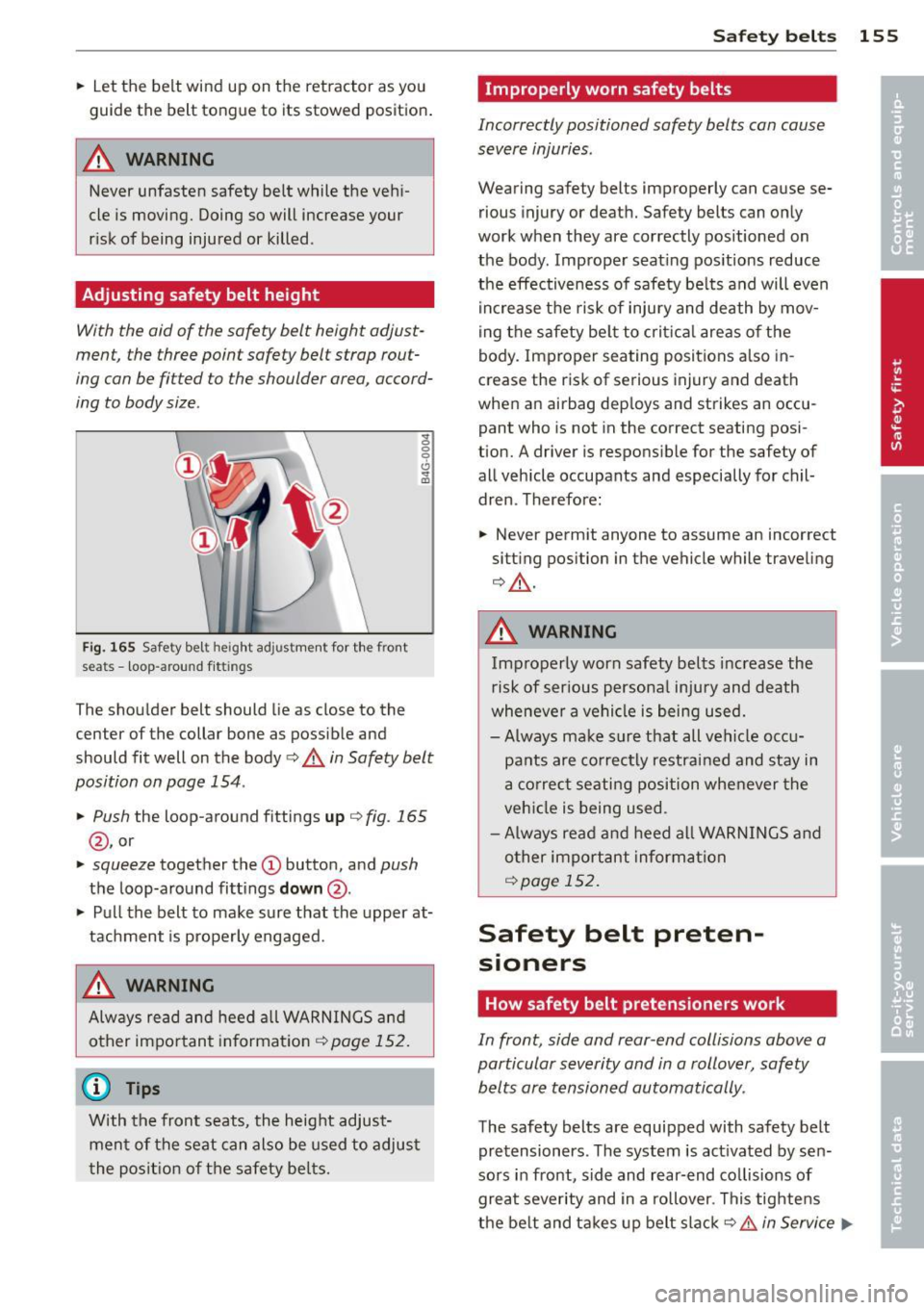
Fig. 165 Saf ety be lt height ad justme nt fo r th e fro nt
seats - loop -ar ou nd fitt ings
The shoulder belt should lie as close to the
center of the collar bone as possible and
should fit well on the body¢&.
in Safety belt
position on page 154 .
.,. Push
the loop-around fittings up ¢fig . 165
@ , or
.. squeeze together the (D button, and push
the loop-around fitt ings down @ .
.. Pull the belt to make sure that the upper at
tachment is properly engaged.
A WARNING
Always read and heed all WARNINGS and other impo rtant informat io n ¢
page 152.
@ Tips
With the front seats, the height adjust
men t of the seat can also be used to adjust
t he pos it ion of the safety be lts.
Safety belts 155
Improperly worn safety belts
I ncorrectly positioned safety belts can cause
severe injuries .
Wearing safety belts improperly can cause se
rious injury or death. Safety belts can only
work when they are correctly positioned on
the body . Improper seat ing pos itions reduce
the effectiveness of safety be lts and will even
i ncrease the risk of injury and death by mov
ing the safety be lt to crit ica l areas o f the
body. Improper seating positions also in
crease the risk of serious injury and death
when an airbag dep loys and strikes an occu
pant who is not in the correct seating posi
tion. A driver is responsible for the safety of
all vehicle occupants and especially for ch il
dren . Therefore:
.. Never permit anyone to assume an incorrect
sitt ing position in the vehicle while traveling
¢ &,. .
A WARNING
Improperly worn safety belts increase the
risk of serious persona l injury and death
whenever a ve hicle is being used.
- Always make s ure that all vehicle occu
pa nts are co rrectly restrained and stay in
a co rrec t seating position whenever the
veh icle is being used .
- Always read and heed al l WARNINGS a nd
o ther important informat ion
¢ page 152.
Safety belt preten
sioners
How safety belt pretensioners work
In front , side and rear -end collisions above a
particular severity and in a rollover, safety belts are tensioned automatically .
The safety belts are equipped with safety belt
pretensioners . The system is activated by sen
sors in front, side and rear-end co llisions of
great seve rity and in a rollover . This tightens
the belt and t akes up belt slack¢.&.
in Service Iii>