wing AUDI Q5 2017 Manual PDF
[x] Cancel search | Manufacturer: AUDI, Model Year: 2017, Model line: Q5, Model: AUDI Q5 2017Pages: 296, PDF Size: 74.43 MB
Page 255 of 296
a,
a,
..... N r-N ..... 0 0
0:
co
Tire mobility kit
General information and safety precautions
Appl ies to: ve hicles with tire repair kit
The tire repair is only meant for temporary use.
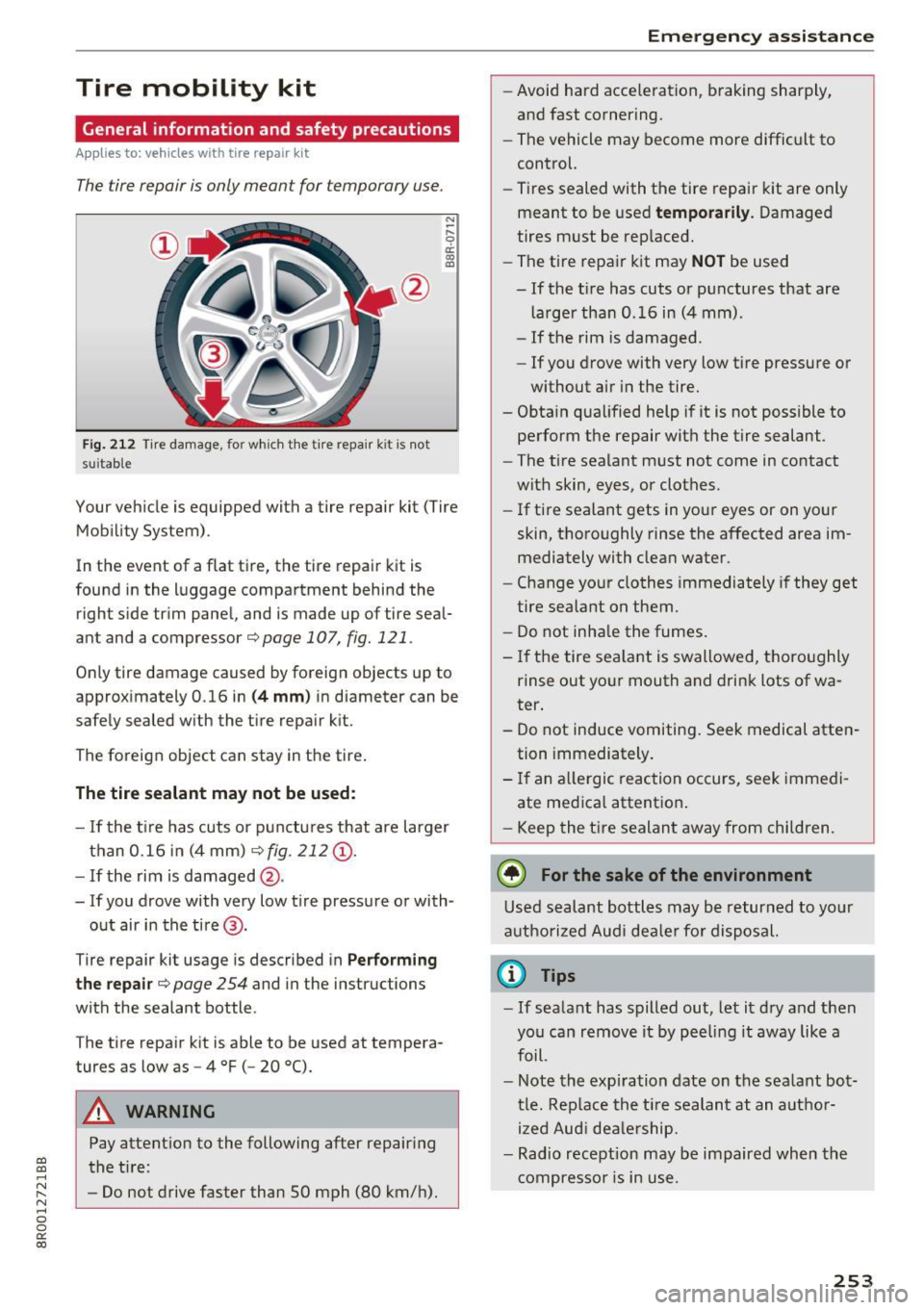
Fig. 212 T ire damage, for which the ti re repair kit is not
su itable
N
-r--0 ci: co ID
Your veh icle is equipped with a tire repair kit (Tire
Mobility System) .
In the event of a flat tire, the tire repair kit is
found in the luggage compartment behind the right side trim panel, and is made up of tire seal
ant and a compressor¢
page 107 , fig. 121 .
Only tire damage caused by foreign objects up to
approx imately 0.16 in
( 4 mm ) in diameter can be
safely sealed with the tire repair kit.
The foreign object can stay in the tire .
The tire sealant may not be used :
-If the t i re has cuts or punctures that are larger
than 0.16 in (4 mm)
,=;,fig. 212@.
-If the rim is damaged @.
- If you drove with very low t ire pressure or with-
out air in the tire@.
Tire repair kit usage is described in
Performing
t he repai r
c;, page 254 and in the instructions
with the sealant bottle .
The tire repair kit is able to be used at tempera
tures as low as -4
°F ( -20 °().
A WARNING
Pay attent ion to the following after repairing
the tire:
- Do not drive faster than SO mph (80 km/h).
Em ergen cy a ssis tanc e
-Avoid hard acce leration, braking sharply,
and fast cornering .
- The vehicle may become more difficult to
control.
- Tires sealed with the tire repair kit are only
meant to be used
t e mpo ra ril y . Damaged
tires must be replaced.
- The tire repa ir k it may
NO T be used
- If the t ire has cuts or punctures that are
larger than 0.16 in (4 mm) .
- If the rim is damaged.
- If you drove with very low tire pressure or
without air in the tire.
- Obta in qualified help if it is not possible to
perform the repair with the tire sealant.
- The tire sealant must not come in contact
with skin, eyes, or clothes.
- If tire sealant gets in your eyes or on your
skin, thoroughly rinse the affected area im
mediately with clean water .
- Change your clothes immediately if they get
tire sealant on them.
- Do not inha le the fumes .
- If the tire sea la nt is swallowed, thoro ughly
rinse out your mouth and drink lots of wa
ter .
- Do not induce vomiting . Seek medical atten
tion immediately.
- If an a llergic reaction occurs, seek immedi
ate med ica l attent ion .
- Keep the t ire sealant away from child ren.
@ For the sake of the environment
Used sealant bottles may be returned to yo ur
authorized Audi dea le r fo r disposal.
@ Tips
- If sealant has spilled out, let it dry and then
you ca n remove it by pee ling it away like a
foil.
- Note the expiration date on the sealant bot
tle. Rep lace the ti re sealant at an a utho r
ized Aud i dea le rship.
- Radio reception may be impaired when the
compressor is in use .
253
Page 257 of 296
CD
CD
.... N ,-... N ..... 0 0 C<'. 00
(D Note
Special care is required if you are repairing
the tire on a steep incline.
@ Tips
- Do not operate the compressor for more
than 12 minutes continuously, otherwise it
can overheat. Once the compressor has
cooled, you can continue to use it.
- If sealant has spi lled out, let it dry and then
you can remove it by peeling it away like a
foil.
- Remember to obtain a new bott le of sealant
from your authorized Audi dealer after re
pair ing a tire. After this, the functionality of
the tire repair set is restored .
- Obey all laws.
Replacing wheels
Before changing a wheel
Observe the following precautions for your own
and your passenger's safety when changing a
wheel.
"" After you experience a tire failure, pull the car
well away from moving traff ic and try to reach
level ground before you stop¢_& .
.. All passengers sho uld
leave the car and move
to a safe location (fo r instance, behind the
guardrai l) ¢ .&_ .
.. Engage the
par king b rake to prevent yo ur vehi
cle from roll ing unintentionally ¢&_ .
.. Move
selecto r le ver to po sitio n P ¢ &_ .
"" If you are towing a trailer: unh itch the trailer
from your veh icle.
"" Block the diagonally opposite wheel with the
folding chocks o r other objects .
""T ake the
jac k* and the inflatable spa re tir e*
out of the luggage compartment¢ page 250 .
A WARNING
You or your passengers cou ld be inj ured while
changing a wheel if you do not follow these
safety precautions:
- If you have a flat tire, move a safe distance
off the road. Turn off the engine, turn the
Em ergenc y ass is tanc e
emergency flashers on and use other wa rn
ing dev ices to alert other motorists.
- Make sure that passengers wait in a safe
place away from the vehicle and well away
from the road and traff ic.
- To help prevent the veh icle from moving
suddenly and possib ly slipping off the jack*,
always fully set the parking brake and block
the wheel diagonally opposite the wheel be i n g changed with the fold ing c hocks or oth
er objects . When one front whee l is lifted
off the ground, placing the Automatic
Transmission in P (Park) w ill
not prevent the
veh icle from moving.
- Before you change a wheel, be sure the
gro und is leve l and firm.
If necessary, use a
sturdy board under the jack*.
- Always s tore the vehicle too l kit, the jack*
and the replaced tire in the lugg age com
partment
¢ page 136.
Changing a wheel
When you change a wheel, follow the sequence
described below s tep-by -step and in exactly that
order.
1. Remove the de corative wheel cover* . For
more detai ls see also
¢page 256, Decaro-
tive wheel covers
o r r::!> poge 256, Wheels
with wheel bolt cops .
2. Loosen the w
heel bolts¢ page 256 .
3. Locate the proper mounting point for the
jack* and align the jack* below that point
¢ page 257.
4. Li ft the car with the jack*¢ page 257.
s. Remove the wheel with th e flat tire and then
insta ll the
inflatable spar e tire*
¢ page 258.
6. Tighte n all whee l bolts lightly.
7 .
Lo wer the vehicle wi th the jack *.
8 . Use the whee
l bolt wrench and
firml y tighten
all wheel bo lts
r::!> poge 256 .
9. Replace the decorat ive wheel co ver* .
255
...
Page 258 of 296
Emergency assistance
_& WARNING
Always read and follow all WARNINGS and in
formation
c:> & in Raising the vehicle on
page 257
and c:>poge 259 .
After changing a wheel
A wheel change is not complete without the do
ing the following .
.. Always store the vehicle tool kit, the jack* and
the replaced tire in the luggage compartment
c:>page 136 .
.. As soon as possible, have the tightening tor
ques
on all wheel bolts checked with a torque
wrench. The correct t ightening torque is
105 ft lb (140 Nm) .
.. Have the flat tire
replaced as soon as possible.
(j) Tips
- If
you notice that the wheel bolts are cor
r oded and difficu lt to turn while changing a
tire, they should be replaced before you
check the tightening torque.
- Drive at reduced speed until you have the
tightening torques checked.
Decorative wheel covers
Applies to: vehicles with decorative wheel covers
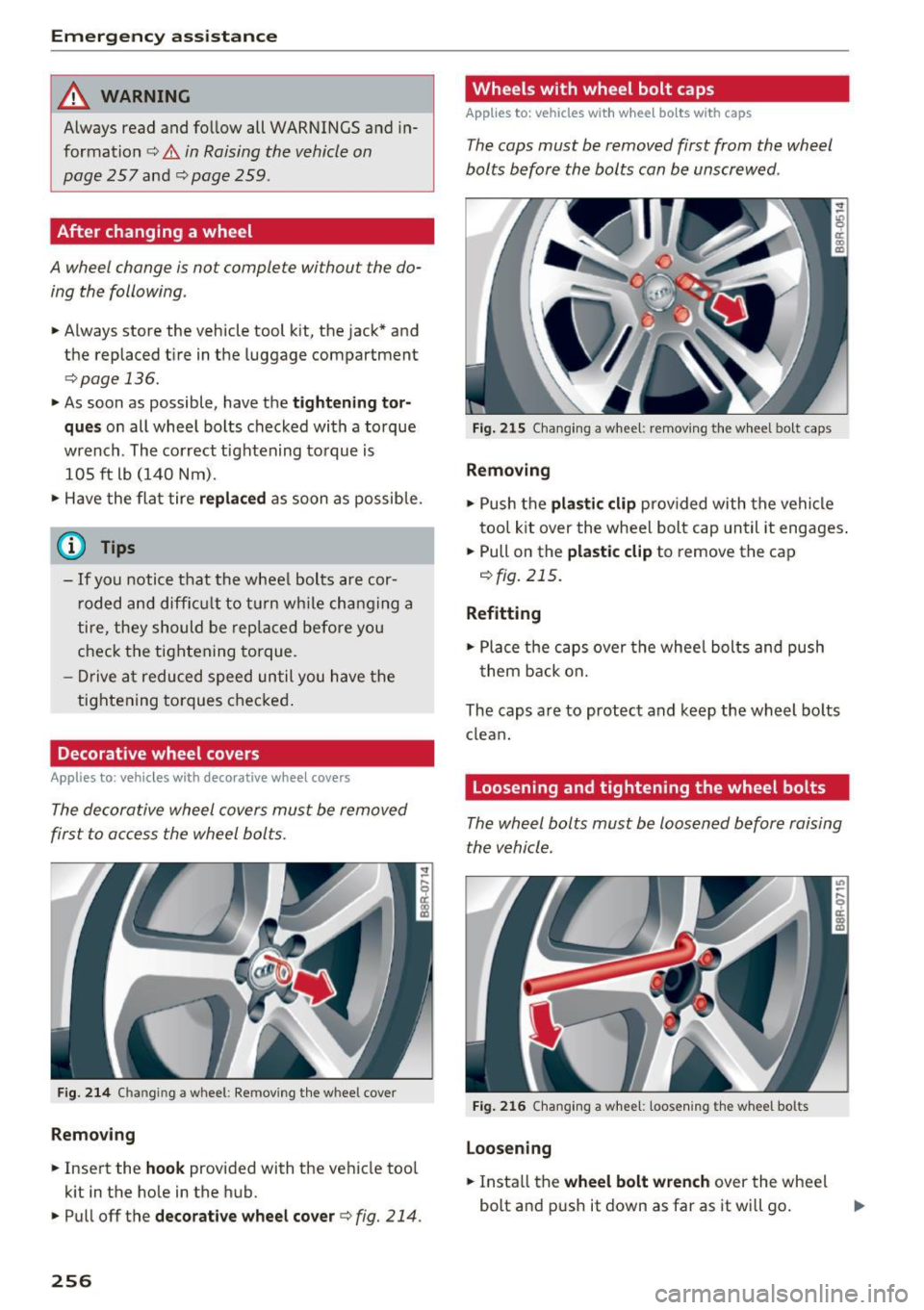
The decorative wheel covers must be removed
first to access the wheel bolts.
Fig. 214 Chang ing a wheel : Re moving the wheel cover
Removing
.. Insert the hook provided with the vehicle too l
kit in the hole in the hub.
.. Pull off the
decorative wheel cover c:> fig. 214.
256
Wheels with wheel bolt caps
Applies to: vehicles with wheel bolts with caps
The cops must be removed first from the wheel
bolts before the bolts con be unscrewed .
Fig. 215 Changing a wheel: re moving the wheel bolt ca ps
Removing
.. Push the plastic clip provided with the vehicle
tool kit over the wheel bolt cap until it engages .
.. Pull on the
plastic clip to remove the cap
c:!> fig. 215.
Refitting
.. Place the caps over the whee l bolts and push
them back on.
The caps are to protect and keep the wheel bo lts
clean.
Loosening and tightening the wheel bolts
The wheel bolts must be loosened before raising
the vehicle.
Fig. 216 Changing a whee l: loosening the wheel bolts
Loosening
.. Insta ll the wheel bolt wren ch over the wheel
bolt and push it down as far as it wi ll go .
Page 261 of 296
CD
CD
.... N ,-... N .... 0 0 C<'. 00
~ Use the hexagonal socket in the screwdriver
handle to screw in and tighten all whee l bolts
slightly .
~ Remove the alignment pin and insert and tight
en the remaining wheel bolt slightly like the
rest .
~ Turn the jack handle* counter-clockwise to low
er the vehicle until the jack* is fully released .
~ Use the wheel bolt wrench to tighten all wheel
bolts firmly
Q page 256. Tighten them cross
wise,
from one bolt to the (approximately) op
posite one, to keep the wheel centered .
Q) Note
When removing or installing the whee l, the
rim could hit the brake rotor and damage the
rotor. Work carefu lly and have a second per
son help you.
(D Tips
Never use the hexagonal socket in the handle
of the screwdriver to loosen or tighten the
wheel bolts.
- Pull the reversible blade from the screwdriv
er before you use the hexagonal socket in
the handle to turn the wheel bolts.
- When mounting tires w ith
unidirectional
tread design
make sure the tread pattern is
pointed the right way
Q page 259.
- The wheel bolts should be clean and easy to
turn. Check for d irt and corrosion on the
mating surfaces of both the wheel and the
hub. Remove all dirt from these surfaces be
fore remount ing the wheel.
Tires with unidirectional tread design
Tires with unidirectional tread design must be
mounted with their tread pattern pointed in the
right direction .
Using a spare tire with a tread pattern
intended for use in a specific direction
When using a spare t ire with a tread pattern in
tended for use in a specific direction, please note
the following:
- The direct ion of rotat ion is marked by an arrow
on the side of the tire.
Emergency assistance
- If the spare tire has to be installed in the incor
rect direction, use the spare tire on ly tempora
r il y since the tire will not be able to ac hieve its
optimum performance characterist ics with re
gard to aquap lan ing, no ise and wear.
- We recommend that you pay part icu lar atten
tion to th is fact during wet weather and that
you adjust your speed to match road cond i
tions.
- Rep lace the flat tire w ith a new one and have it
installed on your veh icle as soon as possible to
restore the handling advantages of a un id irec
tional tire .
Notes on wheel changing
Please read the information Qpage 237, New
tires or wheels
if you are going to use a spare tire
which is different from the tir es on your veh icle.
After you change a tire:
- Check the tire pressure on the spare immedi
ately after installation.
- Have the wheel bolt tightening torque
checked with a torque wrench as soon as pos
sible by your authorized Audi dealer or a
qualified workshop.
- With steel and alloy wheel rims, the wheel
bolts are correctly tightened at a torque of
105
ft lb (140 Nm).
- If you notice that the wheel bolts are corroded
and difficult to turn while changing a tire,
they should be replaced before you check the
tightening torque.
- Replace the flat tire with a new one and have
it installed on your vehicle as soon as possi
ble. Remount the wheel cover.
Until then, drive with extra care and at reduced
speeds.
.&_ WARNING
- If you are going to equip your vehicle with
tires or rims which differ from those which
were fac tory installed, then be sure to read
the information
Q page 237, New tires or
wheels .
-
259
Page 263 of 296
a,
a,
..... N r-N ..... 0 0
0:
co
Fuses and bulbs
Fuses
Replacing fuses
A fuse that has blown will have metal strips that
have burned through .
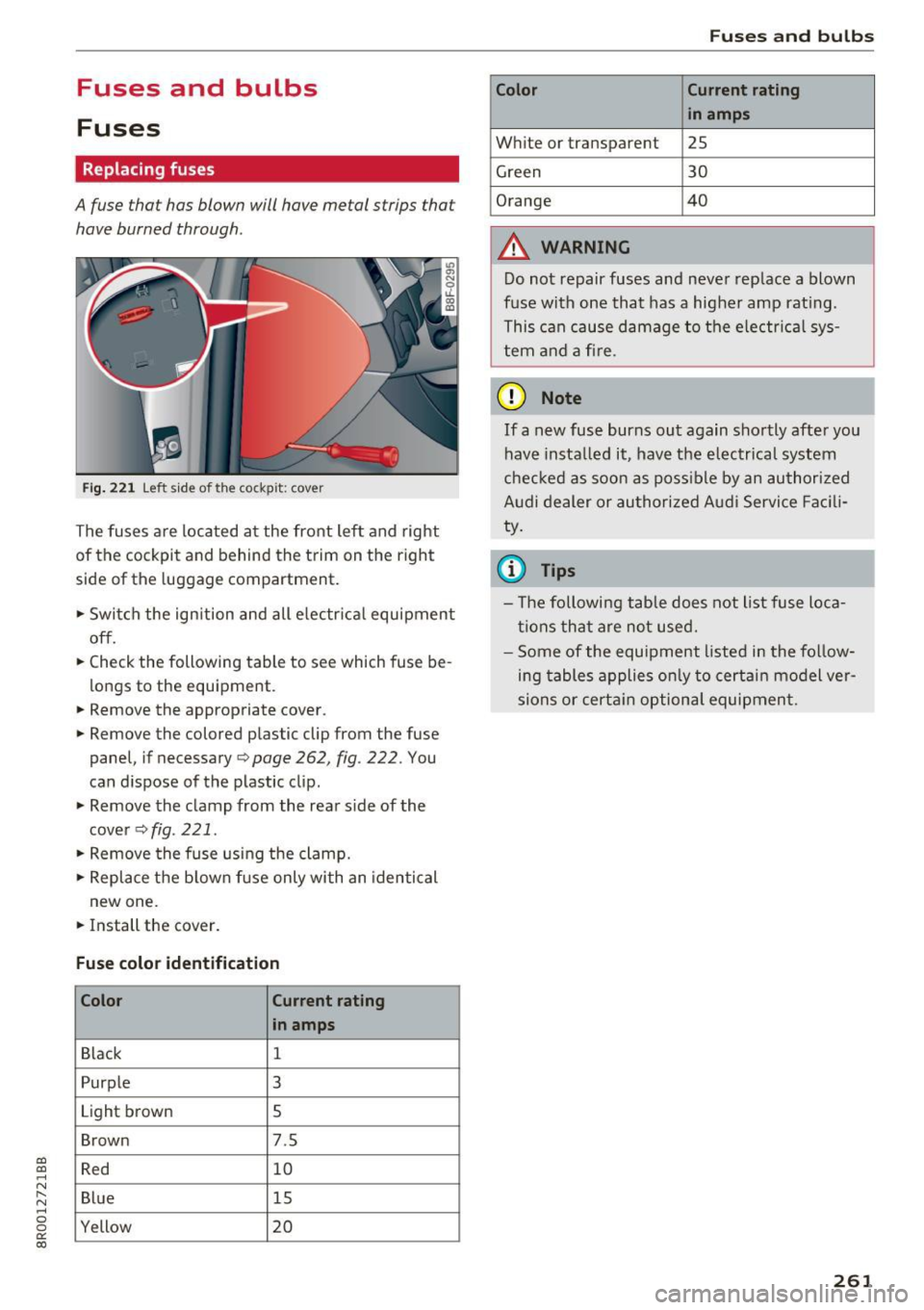
Fig. 221 Left side of the cockpit: cover
The fuses are located at the front left and right
of the cockpit and behind the trim on the right
side of the luggage compartment.
.,. Switch the ign ition and all e lectr ica l equipment
off.
.,. Check the following table to see which fuse be
longs to the equipment .
.,. Remove the appropriate cover .
.,. Remove the colored plastic clip from the fuse
panel, if necessary
c> page 262, fig. 222. You
can dispose of the plastic clip .
.,. Remove the clamp from the rear s ide of the
cover
c> fig . 221 .
.,. Remove the fuse using the clamp .
.,. Replace the b lown fuse only with an identical
new one .
.,. Install the cover.
Fuse colo r identification
Color Cur rent rating
in amp s
Black 1
Purple 3
Light brown 5
Brown 7.5
Red 10
Blue 15
Yellow 20
Fu ses a nd bulb s
C olor Current rating
in amps
White or transparent 25
Green 30
Orange 40
A WARNING
Do not repair fuses and never replace a blown
fuse with one that has a higher amp rat ing.
This can cause damage to the e lectr ica l sys
tem and a fire.
0 Note
If a new fuse burns out again shortly after you
have instal led it, have the electrical system
checked as soon as possible by an authorized
A udi dealer or authorized Audi Service Facili
ty.
(0 Tips
- T he following table does not list fuse loca
tions that are not used.
- Some of the equipment listed in the fo llow
ing tables applies on ly to certa in model ver
sions or certa in optional equipment .
261
Page 268 of 296
Emergency situations
Emergency situations
General
This chapter is intended for trained emergency crews and working personnel who have the nec
essary tools and equipment to perform these
operations.
Starting by pushing or
towing
(D Note
Vehicles with an automatic transmission
cannot be started by pushing or towing.
Starting with jumper
cables
If necessary, the engine con be started by con
necting it to the battery of another vehicle.
If the engine should fail to start because of a dis
charged or weak battery, the battery can be con
nected to the battery of
another vehicle, using a
pair of jumper cables to start the engine.
Jumper cables
Use only jumper cables of sufficiently large cross
section
to carry the starter current safely. Refer
to the manufacturer's specifications.
Use only jumper cables with
insulated terminal
clamps which are distinctly marked :
plus(+) cable in most cases colored red
minus(-) cable
in most cases colored black.
A WARNING
Batteries contain electricity, acid, and gas.
Any of these can cause very serious or fatal in
jury. Follow the instructions below for
safe
handling of your vehicle's battery.
-Always shield your eyes and avoid leaning
over the battery whenever possible.
-A dead battery can freeze at temperatures
around 32 °F (0 °C) . If the vehicle battery is
frozen, you must thaw it before connecting
the jump start cables.
If you do not, this in-
266
creases the risk of an explosion and chemi
cal burns. After jump starting the vehicle,
drive to an authorized Audi dealer or author
ized Audi Service Facility immediately to
have the vehicle battery checked.
- Do not allow battery acid to contact eyes or
skin . Flush any contacted area with water
immediately.
- Improper use of a booster battery to start a
vehicle may cause an explosion .
- Vehicle batteries generate explosive gases.
Keep sparks, flame and lighted cigarettes
away from batteries.
- Do not try to jump start any vehicle with a
low acid level in the battery.
- The voltage of the booster battery must also
have a 12-Volt rating. The capacity (Ah) of
the booster battery should not be lower
than that of the discharged battery. Use of
batteries of different voltage or substantial
ly different "Ah" rating may cause an explo
sion and personal injury.
- Never charge a frozen battery. Gas trapped
in the ice may cause an explosion.
- Never charge or use a battery that has been
frozen. The battery case may have be weak
ened.
- Use of batteries of different voltage or sub
stantially different capacity (Ah) rating may
cause an explosion and injury. The capacity (Ah) of the booster battery should not be
lower than that of the discharged battery.
- Before you check anything in the engine
compartment, always read and heed all
WARNINGS
r=:> poge 217.
([) Note
-Applying a higher voltage booster battery
will cause expensive damage to sensitive electronic components, such as control
units, relays, radio, etc.
- There must be no electrical contact between
the vehicles as otherwise current could al
ready start to flow as soon as the positive
(+) terminals are connected.
Page 270 of 296
Emerg enc y s it uati ons
& WARNING
To avoid serious personal injury and damage
to the vehicle, heed all warn ings and instruc
tions of the jumper cab le manufacturer . If in
doubt, call for road service .
- Jumper cables must be long enough so that
the vehicles do not touch.
- When connecting jumper cables, make sure
that they cannot get caught in any mov ing
parts in the engine compartment .
- Do not bend over the batteries -danger of
chemical burns!
- The battery cell lock ing screws must be
t ightened securely .
- Before you check anything in the engine
compartment, always read and heed all
WARNINGS ¢page 217.
(D Note
Improper hook-up of jumper cables can ru in
the generator.
- Always connect POSITIVE(+) to POSITIVE
(+), and NEGATIVE( -) to NEGATIVE( -)
ground post of the battery manager control unit.
- Check that all screw p lugs on the battery
cells are screwed in firmly. If not, t ighten
plugs prior to connect ing clamp on negat ive
battery terminal.
- Please note that the procedure for connect
ing a jumper cable as desc ribed above ap
pl ies specifica lly to the case of yo ur vehicle
being jump s tarted. When you are giv ing a
j u mp sta rt to another vehicle , do not con
nect the negative( -) cab le to the negative
( - ) terminal on the discharged battery @
¢ fig. 226 . Instead, securely connect the
negative ( -) cable to either a solid metal
component that is f irm ly bolted to the en
gine block or to the engine block itself . If
the battery that is bei ng charged does not
vent to the outside, escap ing battery gas
could ignite and exp lode!
268
Towing with a tow truck
' General hints
Your Audi requires special handling for towing .
T he following info rmation is to be used by com
merc ial tow truck operators who know how to op
erate their equipment safely.
- Never tow your Audi , tow ing will cause dam
a ge to t he engine and t ran sm ission.
- Ne ver wrap the safety chains or winch cable s
around the brake l ines .
- To prevent un necessary damage , your Audi
must be t ran sported with a flat bed truck.
- To load the vehicle on to the fl at bed , use the
towing loop found in the vehicle tools and at
t ac h to the front o r rear ancho rage
¢ page 269 and ¢page 269.
& WARNING
A vehicle being towed is not safe for passen
gers . Never allow a nyone to ride in a vehicle
be ing towed, for any reason .
Page 271 of 296
a,
a,
..... N r-N ..... 0 0
0:
co
Front towing loop
Do not install the front towing loop until it is
needed.
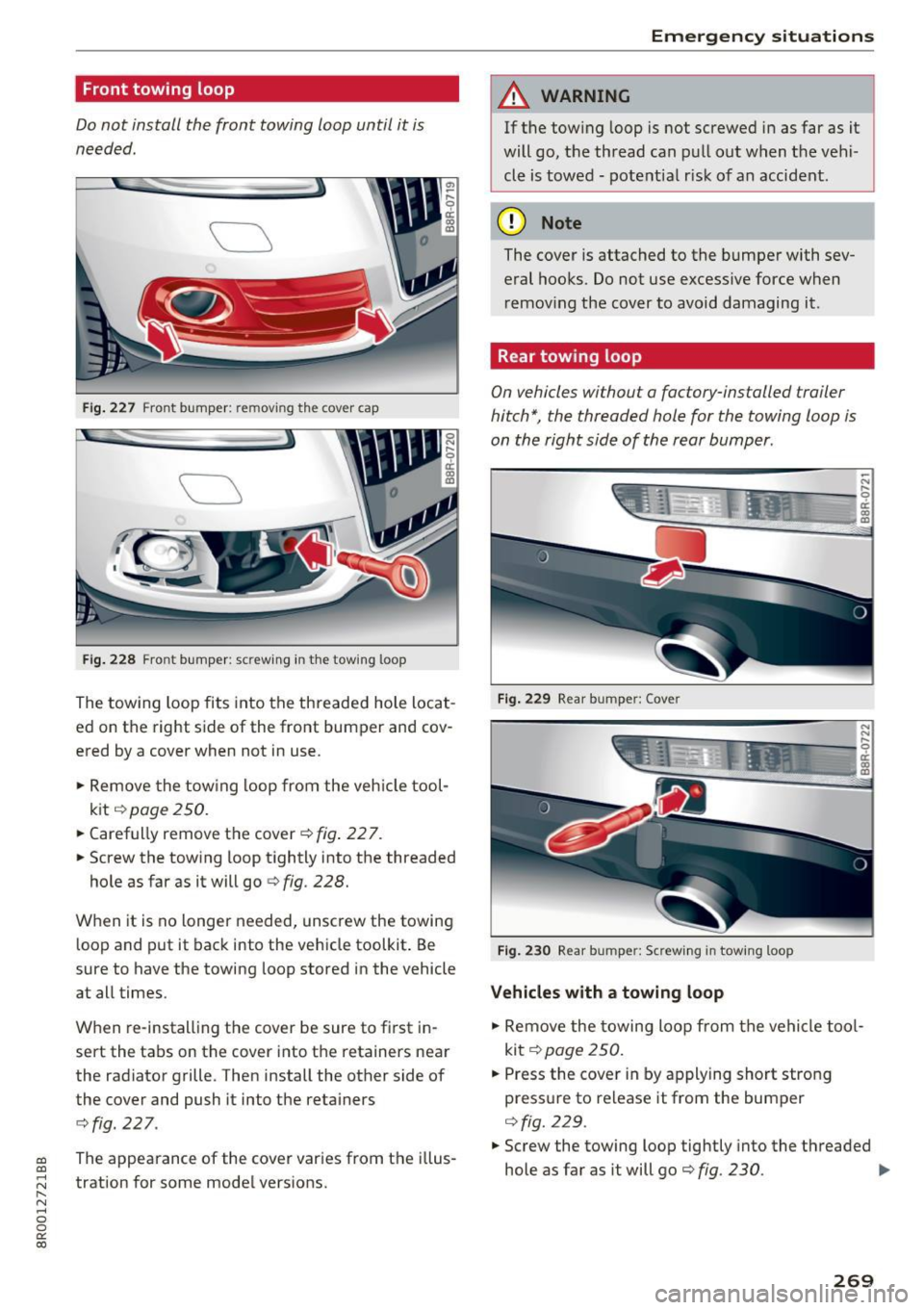
Fig. 227 Fro nt bumper: remov ing the cover cap
:'CT ..,, -
-·
Fig. 228 F ro nt bumper : sc rewing in the towing loop
The towing loop fits into the threaded hole locat
ed on the right side of the front bumper and cov
ered by a cover when not in use .
.,. Remove the towing loop from the vehicle tool
kit ¢
page 250 .
.,. Carefully remove the cover ¢fig . 227 .
.,. Screw the towing loop tightly into the threaded
hole as far as it will go ¢
fig. 228.
When it is no longer needed, unscrew the towing
loop and put it back into the vehicle toolkit . Be
sure to have the towing loop stored in the vehicle
at all times.
When re-installing the cover be sure to first in
sert the tabs on the cover into the retainers near
the radiator grille . Then install the other side of
the cover and push it into the reta iners
¢ fig. 227 .
The appearance of the cover varies from the illus
tration for some model versions.
Emergency situations
A WARNING
-If the towing loop is not screwed in as far as it
will go, the thread can pull out when the vehi
cle is towed -potential risk of an accident.
(D Note
The cover is attached to the bumper with sev
eral hooks. Do not use excessive force when
removing the cover to avoid damaging it .
Rear towing loop
On vehicles without a factory-installed trailer
hit ch*, the threaded hole for the towing loop is
on the right side of the rear bumper .
Fig. 229 Rear bumper: Cove r
Fig. 230 Rear bumper: Sc rewing in towing loop
Vehicles with a towing loop
.,. Remove the towing loop from the vehicle tool
kit
¢ page 250.
.,. Press the cover in by applying short strong
pressure to release it from the bumper
¢ fig. 229 .
.,. Screw the towing loop tightly into the threaded
hole as far as it will go¢
fig. 230 . ..,_
269
Page 272 of 296
Emergency situations
Vehicles with a trailer hitch*
.. Install the trai ler hitch.
.. Attach the tow ing bar or the towing cable to
the trailer hitch.
Unscrew the towing loop again after use and in
stall the cover in the bumper. Return the towing
loop to the vehicle toolkit. Be sure to have the
towing loop stored in the vehicle at all times.
A WARNING
-If the towing loop is not screwed in as far as
it will go, the thread can pull out when the
vehicle is towed -potential risk of an acci
dent.
- If your veh icle has a
trailer hitch* only use a
special towing bar to prevent damaging the
ball hitch . These towing bars have been spe
cially designed for t railer towing h itches.
- If your veh icle has a
trailer hitch* use only
special tow ing cab les.
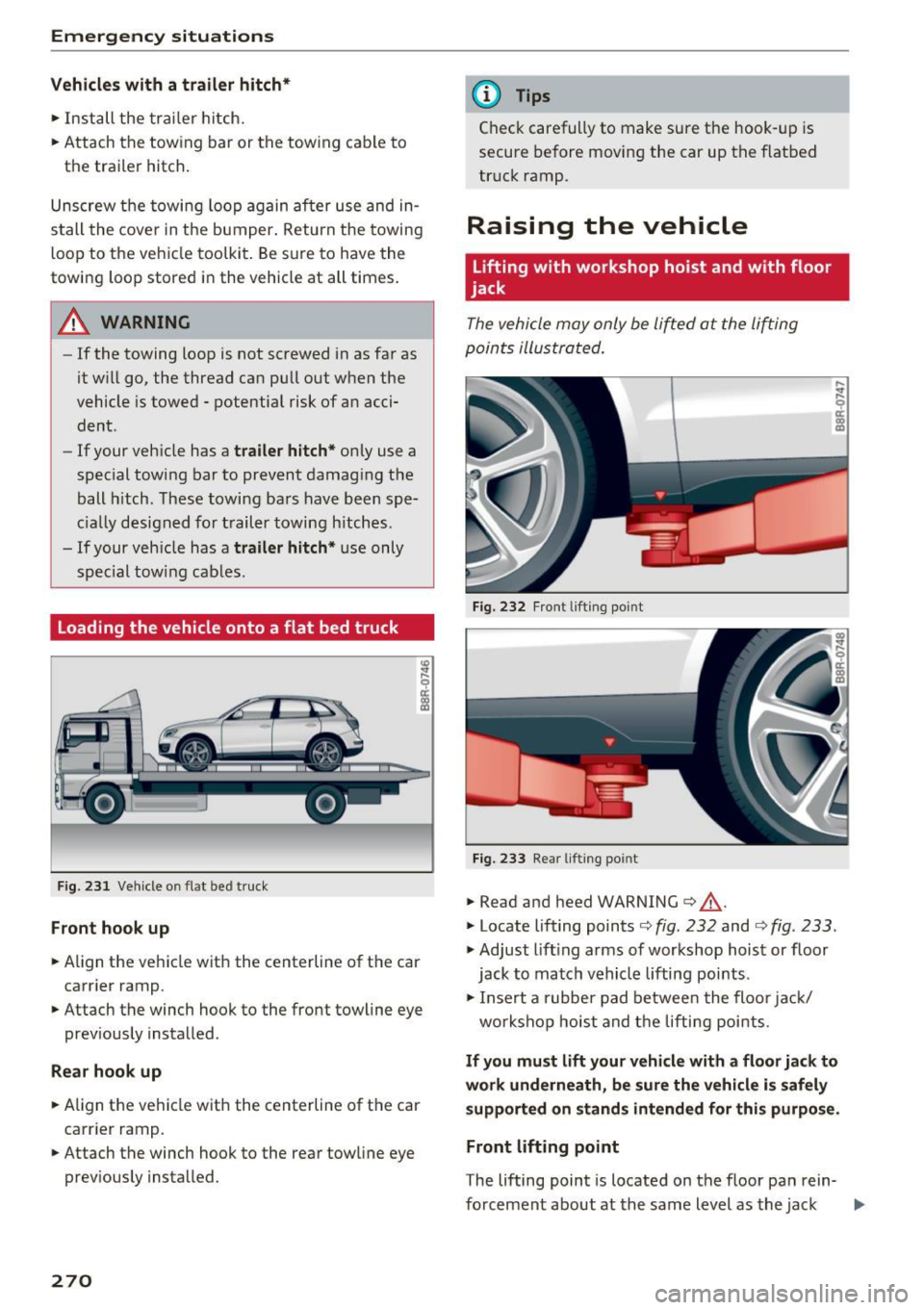
Loading the vehicle onto a flat bed truck
Fig . 231 Vehicle o n flat bed tr uck
Front hook up
.. Align the vehicle with the centerline of th e car
carr ier ramp .
.. Attach the winch hook to the front towline eye
previously installed.
Rear hook up
.. Align the vehicle with the centerline of the car
carrier ramp.
.. Attach the winch hook to the rear towline eye
previously installed.
270
@ Tips
Check carefully to make sure the hook-up is
secure before moving the car up the flatbed
truck ramp .
Raising the vehicle
Lifting with workshop hoist and with floor
jack
The vehicle may only be Lifted at the lifting
points illustrated.
Fig. 232 F ront lif ting point
Fig. 233 Rear lif ting point
.,. Read and heed WARNING c> ,& .
.. Locate lifting points c> fig. 232 and c> fig . 233 .
.,. Adjust l ift ing arms of workshop hoist or floor
jack to match vehicle lifting points .
.. Insert a rubber pad between the floor jack/
wo rkshop hoist and the lifting points .
If you must lift your vehicle with a floor jack to
work underneath, be sure the vehicle i s safely
supported on stands intended for this purpose.
Front lifting point
The lifting point is located on the floor pan rein-
forcement about at the same level as the jack ..,.
Page 274 of 296
Technical data
Technical data
Vehicle identification
Fig. 234 Vehicle Ident if ication Numbe r (VlN) plate : loca·
tio n on d river 's side dash panel
XXXXX XX -X -XX XX XXX XX
@-+ ~J:~t::1 ::: xxxxxxxx xx x xxxx xxx x
IYP lf'VPE XXX X XX
xx xxxxxxx xx xx xx
XXX KW
XXX
EM:. COil / fAANS , COOE xxxx XXX XXX ®i MOIOlll
©-+ IAC KIIR . / tN NEN AIJSSt
XXXX I XXXX XXX I XX PAI NT NO./ WT£Jldl
II. -AUSST . / OPTIO NS
E0 A 7D5 4UB 6X
M SSG SR W
2EH JOZ lLB lAS
lBA
3FC SM U 7 X1
F0 A
9G3 0
G7 0Y H
0JF
TL 6 3 KA 8EH UlA X 9B Q
Z7
1 XW
803 908
824 020
7T6 C V7 7 K0 4X3 2K2
3L4 4KC 3Y0 413
502
lS A 7GB 01A
4G0
XX X XX X
XX X xxxx
Fig. 235 Vehicle identificat ion labe l: in side the luggage
compart ment
Vehicle Identification Number (VlN)
The Vehicle Identification Number is located in
different places :
- under the windshield on the driver's side
¢fig . 234.
-in the radio or in the MMI*: Select: !CAR i func·
tion button
> Vehicle ID number (VIN) or se·
Leet
I CAR ! function button > Car systems* con·
trol button
> Servicing & checks > VIN num
ber .
-on the vehicle identification label.
272
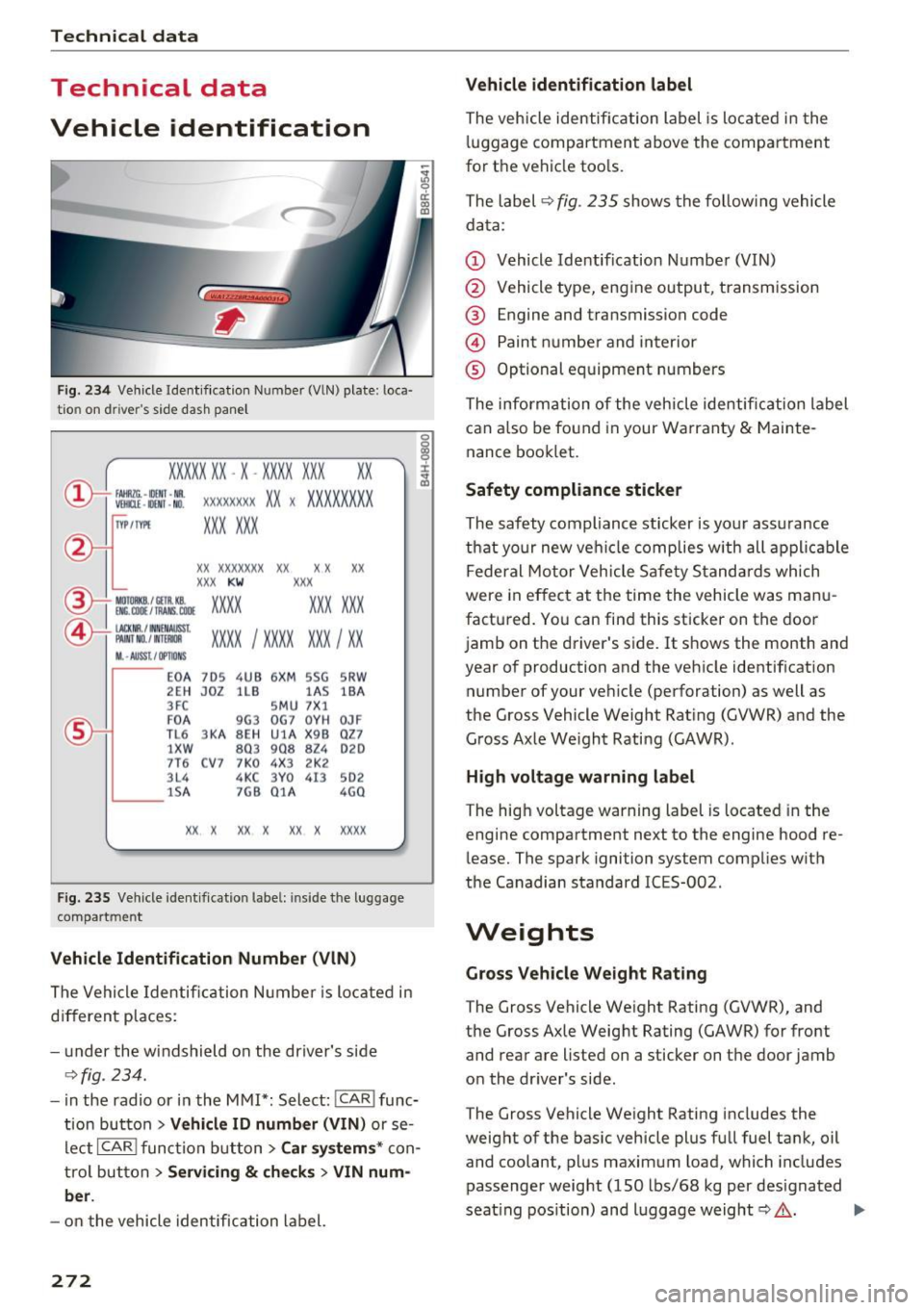
Vehicle identification label
The vehicle identification label is located in the
luggage compartment above the compartment
for the vehicle tools.
The label ¢
fig. 235 shows the following vehicle
data:
(D Vehicle Identification Number (VIN)
@ Vehicle type, engine output, transmission
® Engine and transmission code
@ Paint number and interior
® Optional equipment numbers
The information of the vehicle identification label
can also be found in your Warranty
& Mainte·
nance booklet.
Safety compliance sticker
The safety compliance sticker is yo ur ass urance
that your new vehicle complies with all applicable
Federal Motor Vehicle Safety Standards which
were in effect at the time the vehicle was manu
factured. You can find this sticker on the door
jamb on the driver's side. It shows the month and
year of production and the vehicle identification
number of your vehicle (perforation) as well as
the Gross Vehicle Weight Rating (GVWR) and the
Gross Axle We ight Rating (GAWR).
High voltage warning label
The high voltage warning label is located in the
engine compartment next to the engine hood re·
lease. The spark ignition system complies w ith
the Canadian standard ICES-002 .
Weights
Gross Vehicle Weight Rating
The Gross Vehicle Weight Rating (GVWR), and
the Gross Axle Weight Rating (GAWR) for front
and rear are listed on a sticker on the door jamb
on the dr iver's side .
The Gross Vehicle Weight Rating includes the
weight of the basic vehicle plus full fuel tank, oil
and coolant, plus maximum load, which includes
passenger weight (150 lbs/68 kg per designated
seat ing position) and luggage weight¢,&. .