tow AUDI RS7 SPORTBACK 2016 Owner's Manual
[x] Cancel search | Manufacturer: AUDI, Model Year: 2016, Model line: RS7 SPORTBACK, Model: AUDI RS7 SPORTBACK 2016Pages: 282, PDF Size: 70.78 MB
Page 126 of 282
Driving safety
moving. Objects can becom e trapped under
the brake pedal and accelerator pedal caus ing a loss of vehicle control.
Storing cargo correctly
loading the luggage compartment
All luggage and other objects must be properly
stowed and secured in the luggage compart
ment .
Loose items in the luggage compartment can
shift suddenly, changing vehicle handling charac
teristics . Loose items can also increase the risk of
serious personal injury in a sudden vehicle ma neuver or in a collision.
.., Distribute the load evenly in the luggage com
partment.
.., Always place and properly secure heavy items in
the luggage compartment as far forward as
possible.
... Secure luggage using the tie-downs provided
c::;, page 62, Luggag e compartm ent.
... Make sure that the rear seatback is securely
la tched in place .
A WARNING
Improperly stored luggage or other items can
fly through the vehicle causing serious per sonal injury in the event of hard braking or an
accident . To help reduce the risk of serious
personal injury :
- Always put objects , for example, luggage or
other heavy items in the luggage compart
ment.
- Always secure objects in the luggage com
partment using the tie-down hooks and
suitable straps.
A WARNING
Heavy loads will influence the way your vehi
cle handles. To help reduce the risk of a loss
of control leading to serious personal injury:
- Always keep in mind when transporting
heavy objects, that a change in the center of
gravity can also cause changes in vehicle
handling:
124 -
Always distribute the load as evenly as
possible.
- Place heavy objects as far forward in the
luggage compartment as possible .
- Never exceed the Gross Axle Weight Rating
or the Gross Vehicle Weight Rating specified
on the safety compliance sticker on the left
door jamb. Exceeding permissible weight
standards can cause the vehicle to slide and
handle differently.
- Please observe information on safe driving
c::;,page 118.
A WARNING
To help prevent poisonous exhaust gas from
being drawn into the vehicle, always keep the
rear lid closed while driving .
- Never transport objects larger than those fitting completely into the luggage area be
cause the rear lid cannot be fully closed.
-If you absolutely must drive with the rear lid
open, observe the following notes to reduce
the risk of poisoning:
- Close all windows,
- Close the power roof*,
- Open all air outlets in the instrument pan-
el,
- Switch off the air recirculation,
- Set the fresh air fan to the highest speed.
A WARNING
-
Always make sure that the doors, all win
dows, the power roof* and the rear lid are se
curely closed and locked to reduce the risk of
injury when the vehicle is not being used.
- After closing the rear lid, always make sure
that it is properly closed and locked .
- Never leave your vehicle unattended espe
cially with the rear lid left open. A child
could crawl into the vehicle through the lug
gage compartment and close the rear lid be
coming trapped and unable to get out. Be ing trapped in a vehicle can lead to serious
personal injury.
- Never let children play in or around the vehi
cle.
Page 134 of 282
Safe ty belts
Pregnant women must also be correctly
restrained
The best way to protect the fetus is to make sure
that expectant mothers always wear safety belts
corre ctly -throughout the pregnancy.
Fig. 151 Safety belt pos ition during pregnancy
To provide maximum protection, safety belts
must always be posit ioned correctly on the wear
er's body
¢ page 131.
... Adjust the front seat and ad justable head re
straint* correctly ¢
page 52, General informa
tion .
... Hold the belt by the tongue and pull it evenly
across the chest and pelv is
r::;, fig. 151 , ¢ _&..
... Inse rt the tongue into the correct buckle of
your seat until you hear it latch secure ly
¢page 130, fig. 149.
... Pull on t he be lt to make sure that it is securely
latched in the buck le .
A WARNING
Improperly pos itioned safety be lts can cause
ser ious persona l injury in an accident.
- Expectant mothers must a lways wear the
lap portion of the safety belt as low as pos
sible across the pelvis and below the round ing of the abdomen .
- Always read and heed all WARNINGS and
other important information¢ &.
in Fasten
ing safety belts on page 131.
132
Unfastening safety belts
Unbuckle the safety belt with the red release
button only ofter the vehicle hos stopped.
.,,
Fig . 15 2 Releasing the tongue from the buckle
... Push the red re lease button on the buck le
r:::;, fig. 152. The belt tongue wi ll spring out of
the buck le
r::;, A .
... Let the belt wind up on the retractor as yo u
guide the belt tongue to its stowed position .
A WARNING
Never unfasten safety belt while the vehicle is
moving . Do ing so will increase your r isk of be
ing inj ured or killed .
Adjusting safety belt he ight
With the aid of the safety belt height adjust
ment, the three point safety belt strop routing
con be fitted to the shoulder area, according to
body size.
F ig . 153 Safety belt height adj ustment for the front seats
- loop -around fittings
0 ,-. N 0 :i: .. m
The shoulder be lt shou ld lie as close to the center
of the co llar bo ne as poss ible and s hou ld fit well
o n the body
r::;, .&. in Safe ty belt posi tion on
page 131. ..,,.
Page 146 of 282
Airbag syste m
manufacturer's instructions require the use
of a towel, foam cushion or someth ing else
to properly pos ition the child restraint,
make certain that the
PAS SENGE R A IR BAG
OFF
light comes on and stays on whenever
the chi ld restraint is installed on the front
passenge r seat.
- If the
PASSEN GER AIR BAG OFF light does
not come on and stay on, immediately in
sta ll child restraint in a rear seating position
and have the airbag system inspected by
your Audi dealer.
_& WARNING
If the front passenger seat gets wet, dry it im
mediately .
- If liquid soaks into the fron t passenger sea t,
t h is can keep the a irbag system from work
ing properly and may, for instance, deacti
vate the passenger frontal airbag. If this
happens, the
PA SSENGER AIR BAG OFF
light will come on and stay on together with
the airbag indicator light
fl (USA models)/
El (Canada models) in the instrument clus
te r.
- If liquid is pooled on the seat, but has not
soaked in, this may also keep the airbag sys
tem from working properly and ca use the
passenge r frontal a irbag to be e nabled
(tu rned on), even though there is a properly
ins talled chi ld restraint system on the seat.
Wet towe ls or other wet things on the seat
cushion can have the same effect. If the
front passenger frontal airbag is turned on,
the
PAS SENGER AIR BAG OFF light will go
out.
How the Advanced Airbag System
components work together
The front Advanced Airbag System and the side
ai rbags s upplement the protection offered by the
front three-po int safety belts with pretensioners
and load limiters and the adjustable head re
stra ints* to help reduce the risk of injury in a
wide range of accident and crash situations. Be sure to read the important information about
safety and heed the WARNINGS in th is chapter.
144
Deployment of the Advanced A irbag System and
the activation of the safety belt pretensioners de
pend on the dece leration measured by the crash
sensors and registered by the electronic contro l
unit. Crash severity depends on speed and decel
e ration as well as the mass and stiffness of the
vehicle or object involved in the crash .
On the passenger side, regard less of safety belt
use, the front passenger frontal airbag will be
turned off if the e lectr ica l capacitance measured
by the capacitive passenger detection system on
the front passenger seat is less than the amount programmed in the elec tron ic cont rol unit . The
front passenger fron tal a irbag w ill also be turned
off if the capacitance measured by the system for
the front passenger seat equals that of an infant
of about one year of age in one of the child seats
that was used to certify the Advanced Airbag Sys
tem under Federal Motor Vehicle Safety Standard 208. The
PAS SENGER AIR BAG OFF light comes
on and stays on to tell you when the front Ad
vanced Airbag System on the passenger side has been tu rned off
c:> page 147 .
_& WARNING
To reduce the ris k of injury when an airbag in
flates, always we ar safe ty belts prope rly.
- If you are un restrai ned, leaning forward, sit
ting sideways or out of posi tion in any way,
your r isk o f injury is much highe r.
- You will a lso receive ser ious injuries and
co uld even be killed if yo u are up agains t the
ai rbag or too close to it when i t inflates -
even with an Advanced Airbag
c:> page 135.
More important things to know about front
airbags
Fig . 156 Inflated front a irbags
" "' 0 ± ., a,
Page 150 of 282
Airbag system
restraints that were used to certify your vehi
cle's compliance with the U.S . Safety Standard
~ page 161.
-will go out if the front passenger seat is occu
pied by an adult as registered by the capacitive
passenger detection system.
- The
PASSENGER AIR BAG OFF light must come
on and stay on if the ignition is on and ...
- a car bed has been installed on the front pas
senger seat, or
- a rearward -facing child restraint has been in
sta lled on the front passenger seat, or
- a fo rwa rd-facing child restraint has been instal
led on the front passenger seat,
- and if the electrica l capacitance registered on
the front passenger seat is equa l to or less than
the comb ined capacitance of a typica l 1 year
o ld infant and one of the rearward-facing or
forward-facing child restraints listed in Federal
Motor Vehicle Safety Standard 208 with which
the Advanced Airbag System in your vehicle was
certified.
If the front passenger seat is not occupied, the
front airbag w ill not deploy, and the
PASSENGER
AIR BAG OFF light will stay on. Never install a
rearward-fac ing ch ild restraint on the front pas
senger seat, the safest place for a child in any
kind of child restraint is at one of the seating po
sitions on the rear seat~
page 136, Child re
straints on the front seat -some important
things to know
and ¢ page 159, Child safety .
If the PASSENGER AIR BAG light comes
on ...
If the PASSENGER AIR BAG OFF light comes on
when one of the conditions listed above is met,
be sure to check the light regularly to make cer
tain that the
PASSENGER AIR BAG OFF light
stays on continuous ly whenever the ign ition is
on. If the
PASSENGER AIR BAG OFF light does
not appear on and does not stay on all the time,
stop as soon as it is safe to do so and
- reactivate the system by turning the ignition off for more than 4 seconds and then turning it
on again;
- remove and reinstall the child restraint. Make
sure that the child restraint is properly instal-
148
led and that the safety belt for the front pas
senger seat has been correctly routed through
the child restraint as described in the child re
straint manufacturer's instructions;
- make sure that the convertible locking retrac
tor on the safety belt for the front passenger
seat has been activated and that the safety belt
has been pulled tight.
- make sure that no electrical device (such as a laptop, CD player, electron ic games device,
power inverter or seat heater for child seats) is
placed or used on the front passenger seat if
the device is connected to the 12-volt socket or
the cigarette lighter socket;
- make sure that no seat heater has been retro
fitted or otherw ise added to the front passen
ger seat;
- make sure that noth ing can interfere with the
safety belt buckles and that they are not ob
structed;
- make sure that there are no wet objects (such
as a wet towe l) and no water or other liquids on
the front passenger seat cushion.
If the PASSENGER AIR BAG light still does
not come on ...
If the PASSENGER AIR BAG OFF light still does
not come on and does not stay on continuously
(when the ignition is switched on),
- take the child restra int off the front passenger
seat and insta ll it p roperly at one of the rear
seat positions. Have the airbag system inspect
ed by yo ur Audi dealer immediate ly.
- move the child to a rear seat position and make
sure that the child is properly restrained in a
child restraint that is appropriate for its size
and age .
The PASSENGER AIR BAG light should NOT
come on .. .
The PASSENGER AIR BAG OFF light should NOT
come on when the ignition is on and an adu lt is
sitting in a proper seating position on the front
passenger seat. If the
PASSENGER AIR BAG OFF
light comes on and stays on or flashes for about
5 seconds while dr iv ing, under these c ircumstan-
ces, make sure that: ..,.
Page 162 of 282
Child safety
exceptional circumstances and the
PASSENGER AIR BAG OFF light does not
come on and stay on, immediately install
the rear-facing child safety seat in a rear
seating position and have the airbag system inspected immediately by your Audi dealer .
A WARNING
-Forward-facing child seats installed on the
front passenger seat may interfere with the deployment of the airbag and cause serious
personal injury to the child.
- If exceptional circumstances require the use
of a forward-facing child restraint on the
front passenger's seat, the child's safety
and well-being require the following special
precautions to be taken:
- Always make sure that the forward-facing seat has been designed and certified by its
manufacturer for use on a front passenger
seat with a front and side airbag.
- Always carefully follow the manufacturer's
instructions provided with the child seat
or infant carrier.
- Never install a child restraint without a
properly attached top tether strap if the
child restraint manufacturer's instructions require the top tether strap to be used.
- Never put the forward-facing child re
straint up against or very near the instru
ment panel.
-Always set the safety belt upper anchor
age to the adjustment position that per
mits proper installation in accordance
with the child restraint manufacturer's in
structions.
- Always move the passenger seat into its
rearmost position in the seat's fore and
aft adjustment range, as far away from
the airbag as possible before installing the
child restraint. The backrest must be ad
justed to an upright position .
- Always make sure that nothing prevents
the front passenger's seat from being moved to the rearmost position in its fore
and aft adjustment range .
160
-Never place objects on the seat (such as a
laptop, CD player, electronic games de
vice, power inverter or seat heater for
child seats) . These may influence the elec
trical capacitance measured by the capaci
tive passenger detection system and can
also fly around in an accident and cause
serious personal injury.
- Never place or use any electrical device
(such as a laptop, CD player, electronic
games device, power inverter or seat heat
er for child seats) on the front passenger
seat if the device is connected to the 12-
volt socket or the cigarette lighter socket.
- If a seat heater has been retrofitted or
otherwise added to the front passenger seat, never install any child restraint sys
tem on this seat.
- Make sure that there are no wet objects
(such as a wet towel) and no water or oth
er liquids on the front passenger seat
cushion.
- Always make sure that the
PASSENGER
AIR BAG OFF
light comes on and stays on
all the time whenever the ignition is
switched on.
- If the
PASSENGER AIR BAG OFF light
does not come on and stay on, immediate ly install the forward-facing child seat in a
rear seating position and have the airbag
system inspected by your authorized Audi
dealer.
- Always buckle the child seat firmly in
place even if a child is not sitting in it. A
loose child seat can fly around during a
sudden stop or in a collision.
- Always read and heed all WARNINGS
whenever using a child restraint in a vehi
cle
¢ page 12 7, Safety belts, ¢ page 135,
Airbag system
and ¢ page 159, Impor
tant information.
(D Tips
Always replace child restraints that were in
stalled in a vehicle during a crash. Damage to
a child restraint that is not visible could cause
it to fail in another collision situation.
Page 166 of 282
Child safety
-Make sure the forward-facing seat has
been designed and certified by its manu
facturer for use on a front seat w ith a
passenger front and side airbag .
- Always carefully follow the manufacturer 's
instructions provided with the child safety
seat o r carrier .
- Always move the front passenger seat into
the rearmost position of the passenger
seat's fore a nd aft adjustment range, and
as far away from the airbag as possible be
fore insta lling the child restraint.
- Always make sure that nothing prevents
the front passenge r's seat from be ing
moved to the rearmost posit ion in its fore
and aft adjustment range.
- Always make sure that the back rest is in
the upr ight position .
- Never place or use any e lectr ica l device
(such as a laptop , CD player , e lectron ic
g ames device, power inve rter or sea t heat
er for ch ild seats) on the front passenger
seat if the device is connected to the 12 -
volt socket or the cigarette lighter socket.
- If a seat heater has been retrofitted or
otherwise added to the front passenger
seat, never install any chi ld restraint sys
tem on th is seat .
- Make sure that there are no wet objects
(such as a wet towel) and no water or oth
er liqu ids on the front passenger seat
cushion .
- Never place objects on the seat (such as a laptop, CD p layer, electron ic games de
vice, power inverter or seat heater for
child seats). These may influence the elec
trical capacitance measured by the capaci tive passenge r detection system and can
a lso fly around in an accident and cause
serio us personal in jury.
- Always bu ckle the child safety seat firmly in
place even if a child is not s itting in it. A
loose child safety seat can fly around during
a sudden stop or in a collisio n.
- Always re ad a nd heed all WARN INGS when
ever using a child restrained in a vehicle is
being used
¢ page 12 7, Safety belts,
164
c::> page 135 , Airbag system and
c::> page 159 , Child safety .
A WARNING
To reduce the risk of serious injury, make sure
that the
PASSENGER AIR BAG OFF light
comes on and stays on whenever a ch ild re
stra int is installed on the front passenger seat
and the ign ition is switched on .
- Take the child restra int off the front passen
ge r seat and install it prope rly at one of the
rear seat positions if the
PASSENGER AIR
BAG OFF
light does no t stay on.
- Have the airbag system inspected by your
author ized Audi dealer immed iate ly.
Secure unused safety belts on the rear seat
~ - --,..---.-- --,,. N
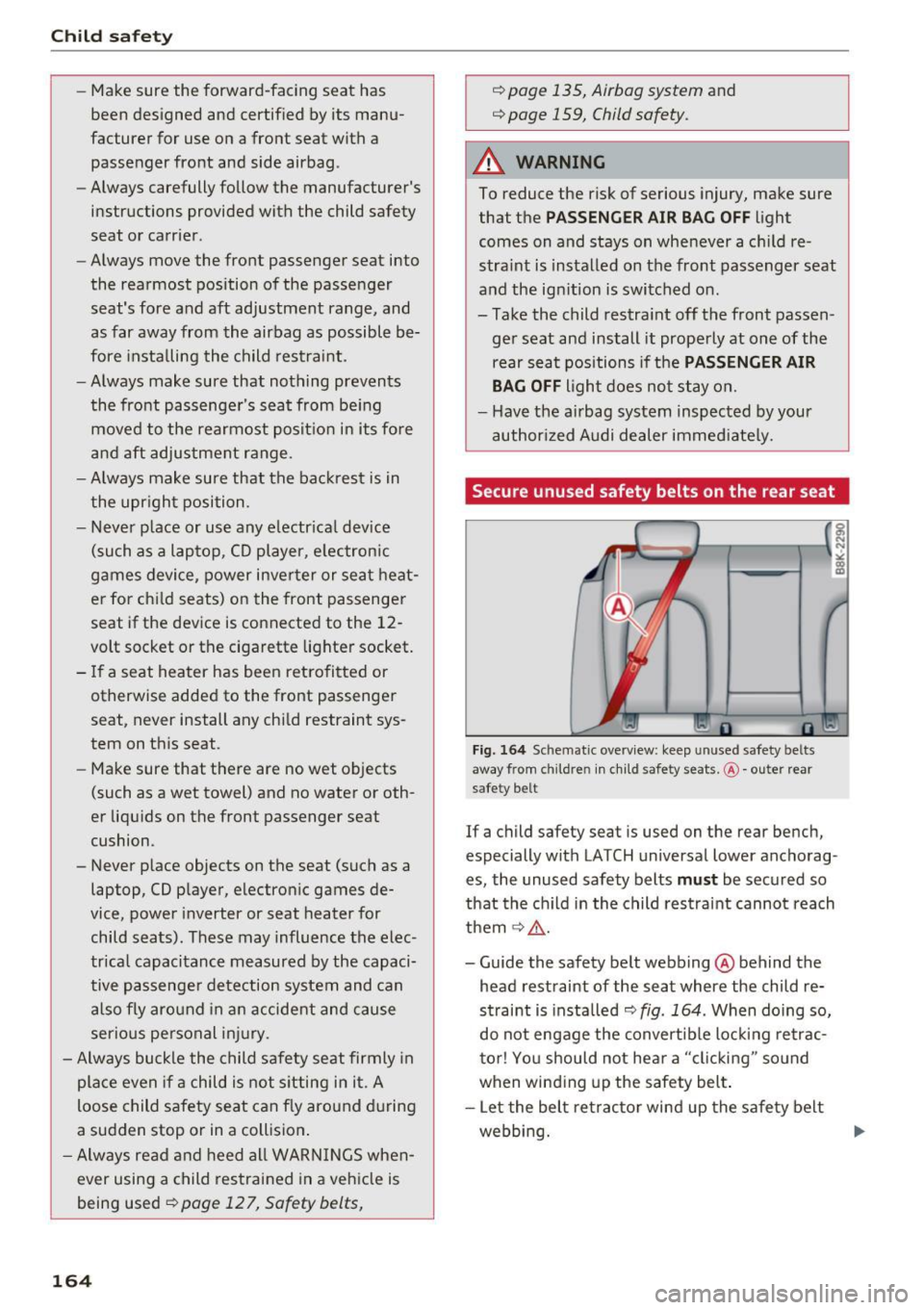
Fig. 16 4 Schem ati c overv iew: keep unused safety belts
away from child re n in c hild safety seats. @· ou te r rear
s afety belt
"' ~
If a child safety seat is used on the rear bench,
especially with LATCH universal lower anchorag
es, the unused safety belts
must be sec ured so
that the c hild in the child rest raint cannot reach
them
c::> _&. .
- Guide the safety belt webbing @ behind the
head rest raint of the seat where the child re
st raint is installed
c::> fig . 164. When doing so,
do not engage the convert ib le loc king re trac·
to r! Yo u should not he ar a "cl icking " so und
when winding up the safety bel t.
- Let the belt retracto r wind up the safety belt
webbing.
Page 168 of 282
Child safety
seating position and have the airbag system inspected by your Audi dealer.
- Never place
or use any electrical device
(such as a laptop, CD player, electronic
games device, power inverter or seat heater
for child seats) on the front passenger seat
if the device is connected to the 12-volt
socket or the cigarette lighter socket.
- If a seat heater has been retrofitted or oth
erwise added to the front passenger seat,
never install any child restraint system on
this seat .
- Make sure that there are no wet objects
(such as a wet towel) and no water or other
liquids on the front passenge r seat cushion .
- Never place objects on the seat (such as a
laptop, CD player, electronic games dev ice,
power inverter or seat heater for child
seats). These may influence the e lectr ical
capacitance measured by the capacitive pas
senger detection system and can also fly
around in an accident and cause serious per
sonal in jury .
- Always read and heed all WARNINGS when
ever using a child restrained in a vehicle is
being used
c:;, page 12 7, Safety belts,
c:;, page 135 , Airbag system
and
c:;, page 159, Important information.
Convertible child safety seats
Properly used convertible child safety seats can
help protect toddlers and children over age one
who weigh between 20 and 40 lbs. (9 and 18 kg)
in a crash.
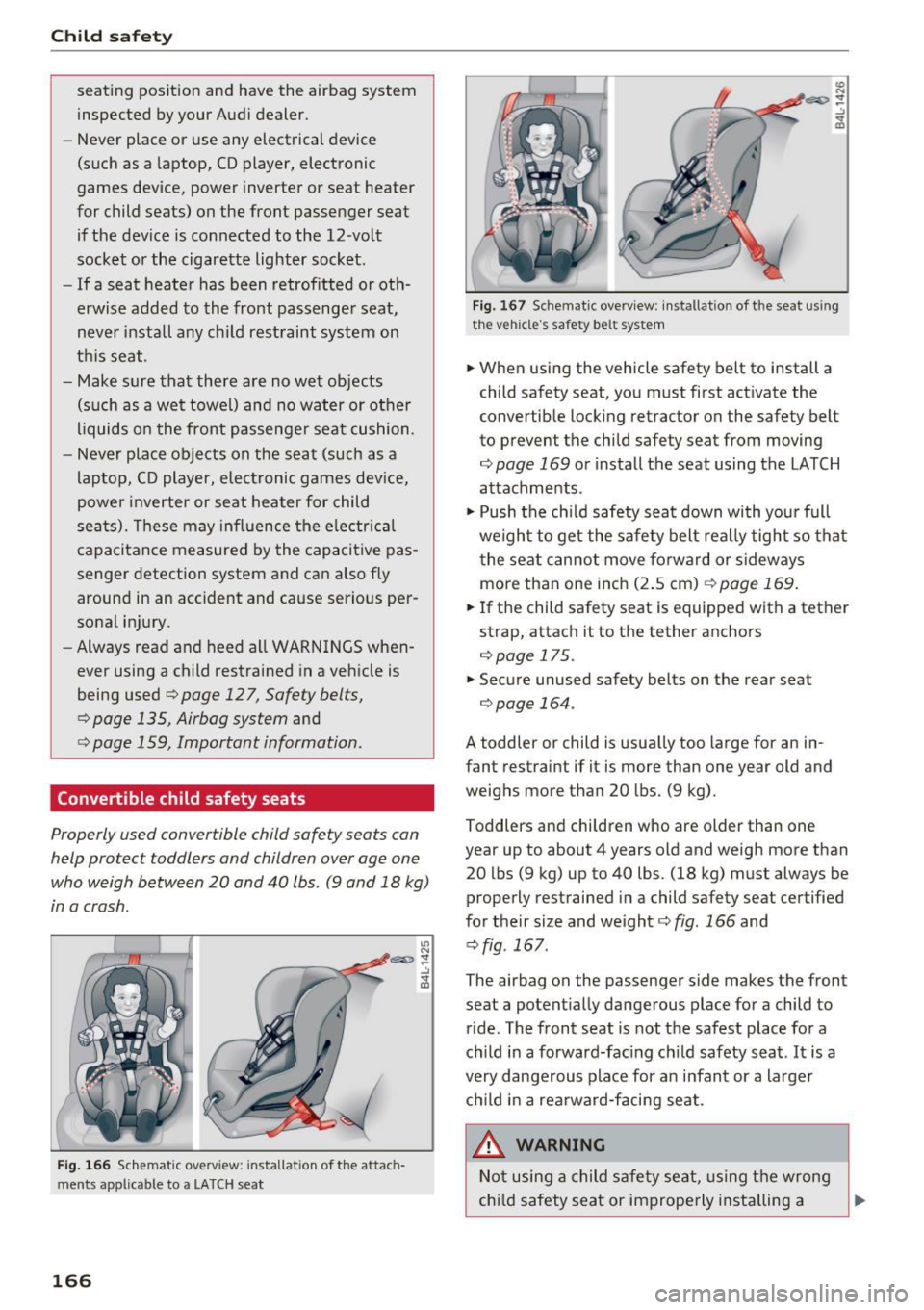
Fig. 166 Schemat ic ov erv iew : in stallat ion of the at tac h
m ents app licabl e to a LATCH seat
166
Fig. 167 Schem at ic ove rv iew: installat ion of t he seat usin g
t he vehicle's sa fety bel t system
.,. When using the vehicle safety belt to install a
child safety seat, you must first activate the
convertible locking retractor on the safety belt
to prevent the child safety seat from moving
c:;, page 169 or install the seat using the LATCH
attachments .
.,. Push the child safety sea t down with your full
weight to get the safety belt really tight so that
the seat cannot move forward or sideways
more than one inch (2 .5 cm)
¢ page 169.
.,. If the child safety seat is equipped with a tether
strap, attach it to the tether anchors
c:;, page 175.
.,. Secure unused safety belts on the rear seat
c:;, page 164.
A toddler o r child is usually too large for an in
fant restraint if it is more than one year old and
weighs more than 20 lbs. (9 kg).
Toddlers and children who are older than one
year up to about 4 years old and weigh more than
20 lbs (9 kg) up to 40 lbs. (18 kg) must always be
properly restrained in a child safety seat certified
for their size and we ight
c:;, fig . 166 and
¢ fig. 167.
The airbag on the passenger side makes the front
seat a potent ially dangerous place for a child to
ride . The front seat is not the safest place for a
ch ild in a forward-fac ing ch ild safety seat .
It is a
very dangerous place for an infant or a larger
child in a rearward-facing seat .
& WARNING
Not using a child safety seat, using the wrong
chi ld safety seat or improperly insta lling a ..,.
Page 169 of 282
child restraint increases the risk of serious
personal injury and death in a collision or oth
er emergency situation.
- Children on the front seat of any car, even
with Advanced Airbags, can be seriously in
jured or even killed when an airbag inflates. A child in a rearward-facing child safety seat
installed on the front passenger seat wi ll be
seriously injured and can be killed if the
front airbag inflates - even with an Ad
vanced Airbag System.
- T he inflating a irbag will hit the child safety
seat or infant carrier with great force and
will smash the ch ild safety seat and chi ld
against the backrest, center arm rest, door
or roof.
- Always install rear-facing child safety seats
on the rear seat.
- If you must install a rearward fac ing ch ild
safety seat on the front passenger seat be
cause of exceptiona l circumstances and the
PA SSENGER AIR BAG OFF light does not
come on and stay on, immed iate ly install
the rear-fac ing ch ild safety seat in a rear
seating pos it ion and have the airbag system
inspected by your Audi dealer.
- The rear side of the child safety seat should
be pos it ioned as close as poss ible to the
backrest on the vehicle seat.
- For adjustable head restraints : adjust or re
move the rear seat head restraint if it is d if
ficult to install the child seat with the head
restra int in place ¢
page 56. Install the
head restraint again immediately once the
child seat is removed. Driving w ithout head
restraints or with head restraints that are
not proper ly adjusted increases the risk of
serious or fatal neck injury dramatically.
- Always read and heed all WARN INGS when
ever using a child restrained in a vehicle is
being used ¢
page 12 7, Safety belts,
¢ page 135, Airbag system and
¢ page 159, Important information.
A WARNING
If exceptional circumstances require the use
of a forward-facing child restra int on the
Ch ild safety
front passenger's seat, the ch ild's safety and
well-being requ ire that the following special
precautions be taken:
- Make sure the forward-fac ing seat has been
des igned and certified by its manufacturer
for use on a front seat with a passenger
front and side airbag.
- Always follow the manufacturer's instruc
tions provided with the child safety seat or infant carrie r.
- Always move the front passenger seat into
the rearmost pos ition of the passenger
seat's fore and aft adjustment range, and as
fa r away from the airbag as possib le befo re
installing the ch ild rest raint.
- Always make sure that nothing prevents the
front passenger's seat from being moved to the rea rmost pos ition in its fore and aft ad
justment range.
- Always make sure the backrest is in an up
right position.
- Never p lace or use any electr ica l device
(such as a lap top, CD player, e lectron ic
g ames device, power inve rter or sea t heater
for child sea ts) on the front passenger seat
if the device is connected to the 12-volt
socket or the cigarette lighter socket.
- If a seat heater has been retrofitted or oth
erwise added to the front passenger seat,
never install any child restra int system on
this seat.
- Make sure that there are no wet objects
(such as a wet towel) and no water or other
liquids on the front passenger seat cush ion.
- Never p lace objects on the seat (such as a
laptop, CD p laye r, electronic games device,
power inverter or seat heater for ch ild
seats). These may influence the electrical
capacitance measu red by the capacitive pas
senger detect ion system and can also fly
aro und in an accident an d cause se rious per
sonal injury.
- Make sure that the
PASSENGER AIR BAG
OFF
li ght comes on and st ays on a ll the time
wheneve r the ignit ion is swit ched on.
- I f the
PASSENGER AIR BAG OFF light does
not come on and stay on, immedia tely in
stall the forward-fac ing ch ild seat at a
167
Page 174 of 282
Child safety
restraints on the front seat -some impor
tant things to know.
Deactivating the convertible locking
retractor
The conver tible locking re trac tor for child re
s train ts will be deactivated automatically when
the belt is wound all the way bock into the re
tractor .
.,. Press the red button on the safety belt buckle.
The belt tongue w ill pop out of the buckle .
.,. Gu ide the safety belt all the way back into its
stowed pos ition .
Always let the safety belt retract completely into its stowed position . The safety belt can now be
used as an ordinary safety be lt without the con
ve rt ible locking retractor for child restraints .
If the convert ible lock ing retractor should be ac
tivated inadvertently, the safety belt must be un
fastened and guided completely back into its
stowed position to deact ivate this feature. If the
convertible lock ing re tractor is not deactivated,
the safety belt w ill gradually become tighte r and
uncomfortable to wea r.
A WARNING -
Improperly installed child safety seats in
crease the risk of serious personal injury and
death in a collision.
- Never unfasten the safety belt to deactivate
the convertible locking retractor for child re
straints while the vehicle is moving. You
would not be restrained and could be seri
ously injured in an accident.
- Always read and heed all WARNINGS when
ever using a child restrained in a vehicle is
being used ¢
page 159. Special precaut ions
apply when installing a child safety seat on
the front passenger seat¢
page 136, Child
restraints on the front seat -some impor
tant things to know.
172
LATCH system (Lower
anchorages and tethers
for children)
Child Restraint System anchors and how
are they related to child safety
To provide a s impler and more practicab le way to
attach the ch ild rest raint on the vehicle seat,
Federal regulations require special lower ancho
rages in vehicles and devices on new ch ild re
straints to attach to the vehicle anchorages .
In the United States, the combination of the
tether anchorages and the lower anchorages is
now generally called the LATCH system for
" Lower Anchorages and Tethers for Children". In
Canada, the terms "top tether" with "lower uni
versa l anchorages" (or "lower universal anchor
age bars") are used to describe the system .
In other countries the term "ISOFIX" is used to
describe the lower anchorages.
Forward-facing child restraints manufactured af
te r September 1, 1999, are required by U.S. fed
eral regu lations to comply with new child head
movement performance requirements . These
new performance requ irements make a tether
necessary on most new child seats.
Installing a chi ld rest raint that requires a top
tether without one can seriously impair the per
formance of the child restraint and its ability to
protect the child in a collision. Installing a child
restraint that requires a top tether without the
top tether may be a violation of state law .
Child restraint manufacturers offer LA TCH lower
anchorages on their child seats with hook-on or push-on connectors attached to adjustable
straps .
In addition to the LA TCH lower anchorages, these
child restraint systems usually require the use of
tether straps to help keep the child restraint
firmly in place .
A WARNING
Improper installation of child restra ints w ill
increase the risk of injury and death in a
crash.
Page 186 of 282
Intelligent Technology
-Driving for an extended period of time on
salt-covered roads without using your
brakes can also affect braking efficiency .
Clean off accumulated salt coating from
brake discs and pads with a few careful
brake applications .
- If you damage the front spoiler, or if you in stall a different spoiler, be sure the air flow
to the front brakes is not obstructed. Other
wise the brake system could overheat reduc
ing the effectiveness of the entire brake sys
tem.
- Failure of one brake circuit will impair the
braking capability resulting in an increased
stopping distance. Avoid driving the vehicle
and have it towed to the nearest Audi dealer
or qualified workshop.
- Never let the vehicle roll to a stop with the
engine shut off.
- If the brake booster is not working, the
brake pedal must be pressed considerably
harder to make up for the lack of booster
assistance.
Electromechanical
steering, dynamic
steering
The electromechanical steering supports the
driver's steering movements.
Power steering adapts electronically based on
the vehicle speed .
Indicator lights and messages
• Do not drive vehicle: Steering defective
If this indicator light turns on and stays on and
this message appears, the power steering may
have failed .
Stop the vehicle in a safe location as soon as pos
sible. Do
not continue driving. See an authori zed
Audi dealer or authorized Audi Service Facility for
assistance.
'Jij Steering: System fault You can continue
driving
184
If the indicator light turns on and the message
appears, the steering may be more difficult to move or more sensitive than usual. The steering
wheel may also be at an angle when driving
straight.
Drive slowly to your authorized Audi dealer or au
thorized Audi Service Facility to have the mal
function corrected.
':r-ij Dynamic steering: Initializing
If the indicator l ight is blinking and this message
appears, dynamic steering* is being initialized.
The steering wheel will be easy to move after
starting the engine. Re-initialization might be
necessary if the steering wheel was moved hard
to the left and right while the veh icle was not
moving. The display turns off if the initialization
was successful.
(D Tips
- If the . or ':r-ij indicator light only stays on
for a short time, you may continue driving.
- The dynamic steering stability systems
opage 180 are not availab le in the event of
a system malfunction.
- For additional information on dynamic
steering, refer to
c> page 95.
All wheel drive (quattro)
Applies to: vehicles with all wheel drive
In all wheel drive, all four wheels are powered.
General information
In all wheel drive, the driving power is divided be
tween all four wheels. This happens automatical
ly depending on your driving behavior as well as
the current road conditions. Refer to
c> page 180,
Electronic Stabilization Control (£SC).
A center differential distributes the driving power
variably to the front and rear axle. It works to
gether with selective wheel torque control, which
activates when driving through curves
<=> page 181 . With the sport differential*, power
distribution to the rear wheels is variable and can
be adjusted with drive select
q page 95 . .,..