warning AUDI A3 2015 Owners Manual
[x] Cancel search | Manufacturer: AUDI, Model Year: 2015, Model line: A3, Model: AUDI A3 2015Pages: 288, PDF Size: 71.46 MB
Page 176 of 288
174 Child Safety
• When using the vehicle safety belt to install
a child safety seat, you must first activate
the convertible locking feature on the safety
belt to prevent the child safety seat from
moving
c::;, page 177 or install the seat using
the LATCH attachments .
• Push the child safety seat down with your
full weight to get the safety belt really tight so that the seat cannot move forward or
sideways more than one inch (2.5 cm)
c::;, page 177.
• If the child safety seat is equipped with a
tether strap, attach it to the tether anchors
c::;, page 183.
• Secure unused safety belts on the rear seat
c::;, page 172.
A toddler or child is usually too large for an in
fant restraint if it is more than one year old
and weighs more than 20 lbs. (9 kg) .
Toddlers and children who are older than one
year up to about 4 years old and weigh more
than 20 lbs (9 kg) up to 40 lbs. (18 kg) must
always be properly restrained in a child safety
seat certified for their size and weight
c::;, fig. 134 and c::;, fig . 135.
The airbag on the passenger side makes the
front seat a poten tially dangerous place for a
child to ride . The front seat is not the safest
place for a child in a forward-facing child safe
ty seat.
It is a very dangerous place for an in
fant or a larger child in a rearward-facing seat.
A WARNING
Not using a child safety seat, using the
wrong child safety seat or improperly in
stalling a child restraint increases the risk
of serious personal injury and death in a
collision or other emergency situation.
- Children on the front seat of any car,
even with Advanced Airbags, can be seri
ously injured or even killed when an air
bag inflates. A child in a rearward-facing
child safety seat installed on the front
passenger seat will be seriously injured
and can be killed if the front airbag in-
-
flates -even with an Advanced Airbag
System .
- The inflating airbag will hit the child
safety seat or infant carrier with great
force and will smash the child safety seat
and child against the backrest, center
arm rest, door or roof .
- Always install rear-facing child safety
seats on the rear seat .
- If you must install a rearward facing
child safety seat on the front passenger
seat because of exceptional circumstan
ces and the
PASSENGER AIR BAG OFF
light does not come on and stay on, im
mediately install the rear-facing child
safety seat in a rear seating position and
have the airbag system inspected by your
Audi dealer.
- The rear side of the child safety seat
should be positioned as close as possible
to the backrest on the vehicle seat.
- For adjustable head restraints: adjust or
remove the rear seat head restraint if it
is difficult to install the child seat with
the head restraint in place
c::;, page 55. In
stall the head restraint again immediate ly once the child seat is removed. Driving
without head restraints or with head re straints that are not properly adjusted
increases the risk of serious or fatal neck
injury dramatically.
- Always read and heed all WARNINGS
whenever using a child restrained in ave
hicle is being used
¢page 131, Safety
belts, c::;, page 140, Airbag system
and
c::;, page 166, Important things to know.
A WARNING
-
If exceptional circumstances require the
use of a forward-facing child restraint on
the front passenger's seat, the child's safe
ty and well-being require that the follow
ing special precautions be taken:
- Make sure the forward-facing seat has been designed and certified by its manu
facturer for use on a front seat with a passenger front and side airbag.
Page 178 of 288
176 Child Saf ety
you can use the safety belt he ight adjust
ment to help adjust the shoulder portion
properly .
• Secure unused safety belts on the rear seat
¢ page 172.
Children up to at least 8 years old (over 40 lbs
or 18 kg) are best protected in chi ld safety
seats designed for their age and weight. Ex
perts say that the skeletal structure, particu
larly the pelvis, of these ch ildren is not fully
developed, and they must not use the vehicle
safety belts without a su itab le child restraint .
It is usually best to put these children in ap propriate booster seats. Be sure the booster
seat meets all applicable safety standards .
Booster seats raise the seating position of the
child and reposition both the lap and shoulder parts of the safety belt so that they pass
across the child's body in the right places. The routing of the belt over the ch ild's body is very
important for the child's protection, whethe r
or not a booster seat is used . Children age 12
and under must always ride in the rear seat.
C hil dren who are at least 4
ft. 9 in. (57 in
ches/1.45 meters) ta ll can generally use the
vehicle's th ree po int lap and shoulder be lts.
Never use the lap belt portion of the veh icle's
safety belt a lone to restrain any child, regard
less of how big the child is . Always remember
that ch ildren do not have the pronounced pe l
vic structure required for the proper function of lap belt portion of the vehicle's three po int
lap and shoulder belts. The child's safety ab
solutely requires that a lap belt portion of the
safety belt be fastened snugly and as low as possib le around the pelvis. Never let the lap
be lt portion of the safety belt pass over the
chi ld's stomach or abdomen.
I n a crash, airbags must inflate within a b link
of an eye and with cons iderab le force. In orde r
to do i ts job , the airbag needs room to inflate
so that it will be there to protect the occupant
as the occupant moves forward into the air bag.
A vehicle occupant who is o ut of position and
too close to the airbag ge ts i n the way o f an inflating airbag. When an occ
upant is too
close, he or she will be st ruck violently and
will rece ive serious or possib ly even fatal in
j ury.
In order for the airbag to offer protection, it is
important that a ll vehicle occupants, especial
l y any children, who m ust be in the front seat
because of exceptiona l circumstances, be
properly restrained and as far away from the
airbag as possible . By keeping room between
the ch ild's body and the front of the passen
ger compa rtment, the a irbag can inflate com
pletely and p rov ide supplementa l protection
i n certain frontal collisions.
A WARNING
N ot using a booste r seat, using the boos
ter seat improperly, incorrectly installing a booster seat or using the vehicle safety
belt improperly increases the risk of seri
ous persona l injury and death in a collision
or other emergency situat ion. To he lp re
duce the risk of serious personal injury
and/or death:
- The shou lder belt must lie as close to the
center of the ch ild's collar bone as possi
b le and must lie flat and snug on the up
pe r body.
It must neve r lie across the
throat or ne ck. The lap belt mus t lie
across the pe lvis and neve r ac ross the
stomach or abdomen . Make sure that the
be lt lies flat and snug. P ull on the belt to
tighten if necessary .
- Fai lure to p roperly ro ute safety belts
over a child's body will ca use seve re in ju
ries in an accident or other emergency
situation ¢
page 131.
-The rear side o f the child safety seat
should be pos itioned as close as possib le
to the backrest on the vehicle seat.
- For ad justab le head restraints: adjust or
remove the rear seat head restra int if it
is difficult to install the child seat w ith
the head restraint in place¢
page 55. In
stall the head restraint again immed iate-
ly once the child seat is removed. Dr iv ing
Ii),
Page 179 of 288
without head restraints or with head re
straints that are not pr operly ad justed
increases the risk of ser ious or fatal neck
injury dramat ically .
- Children on the front seat of any car,
even with Advanced A irbags, can be seri
ously injured or even killed when an a ir
bag inflates .
- Never let a child stand or knee l on any
seat, for example the front seat.
- Never let a child ride in the cargo area of
your vehicle .
- Always remember that a ch ild lean ing
forward, sitt ing s ideways o r out of posi
t ion i n any way during an acc ident can be
st ruck by a deploying airbag . This will re
s u lt in se rious personal injury or death.
- If you must install a booster seat on the
front passenger seat because of excep
tio nal circumstan ces the
PASSENGER
AIR BAG OFF
light must come on and
stay on, whenever the igni tion is switch
ed on .
-If the PASSENGER AIR BAG OFF light
does not come on and s tay on, per form
the checks described ¢
page 152, Moni
toring the Advanced Airbag System.
- Take the child rest raint off the front pas
senger seat and install it proper ly at one
of the rear seat positions if the
PASSEN
GER AIR BAG OFF
light does not stay on
whenever the ignition is switched on.
- Always read and heed all WARNINGS whenever using a child restrained in ave
hicle is bei ng used ¢
page 131 , Safety
belts, ¢ page 140, Airbag system
and
¢page 166, Important things to know .
Child Safet y 177
Installing a child safety
seat
Securing a child safety seat using a
safety belt
Safety belts for the rear seats and the front
passenger con be locked with the convertible locking retractor to properly secure child
safety sea ts.
T he safety belts emergency locking retractors
fo r the rear seats safety belts and for the
front passenger's seat safety belt have a con
vertib le locking retractor for child restraints.
The safety belt must be locked so that be lt
webb ing cannot unreel. The retractor can be
activated to loc k the safe ty belt and prevent
t h e safety be lt webb ing from looseni ng up
dur ing no rm al driv in g. A ch ild safety seat can
o nl y be prope rly installed w hen t he s afety bel t
is locked so that the chi ld and child sa fety
seat w ill stay in place.
A lways remember: Even tho ugh yo ur vehicle is
equipped wi th an A dvanced Airbag sys tem, all
c hi ldren, es pecially those 12 years and young
er, sho uld always r ide in the back seat proper
l y restra ined for t he ir age and size.
A WARNING
Im properly installed chi ld safety seats in
crease the risk of serious personal injury
a n d death in a co llision .
- Always make sure that the safety belt re
tractor is locked w hen insta lling a child
safety seat. An unlocked safety belt re
trac to r cannot hold the child safety seat
in place dur ing norma l dr iving o r in a
crash.
- Always buckle the child safe ty seat firmly
i n place even if a ch ild is not sitt ing in it.
A l oose child safe ty se at can fly aroun d
du ring a sudden stop or in a collision.
- Always ma ke sure tha t the rear seat
b ackrest to which the ce nter re ar safe ty
be lt * is attache d is se curely latched
wheneve r the rea r cente r safety belt is
be ing used to secure a child rest raint .
•
•
•
Page 180 of 288
178 Child Safety
-If the backrest is not securely latched,
the child and the child restraint will be
thrown forward together with the back
rest and will strike parts of the vehicle
interior. The child can be seriously in
jured or killed.
- Never install rear -facing child safety
seats or infant carriers on the front pas
senger seat. A child will be seriously in
jured and can be killed when the passen ger airbag inflates.
- The inflating airbag will hit the child
safety seat or infant carrier with great
force and will smash the child safety seat
and child against the backrest, center
armrest, door or roof.
- Always install rear-facing child safety
seats or infant carriers on the rear seat.
- Forward-facing child safety seats or in
fant carriers installed on the front pas
senger's seat may interfere with the de
ployment of the airbag and cause serious
injury to the child.
- It is safer to install a forward-facing
child safety seat on the rear seat.
- Always read and heed all WARNINGS
whenever using a child restrained in ave
hicle is being used¢
page 166. Special
precautions apply when installing a child
safety seat on the front passenger seat
¢ page 142, Child restraints on the front
seat -some important things to know .
A WARNING
-
Always take special precautions if you
must install a forward or rearward-facing
child restraint on the front passenger's
seat in exceptional situations:
- Whenever a forward or rearward-facing
child restraint is installed on the front
passenger seat, the
PASSENGER AIR
BAG OFF
light must come on and stay on
whenever the ignition is switched on.
- If the
PASSENGER AIR BAG OFF light
does not come on and stay on, perform
the checks described ¢
page 152, Moni
toring the Advanced Airbag System.
- Take the child restraint off the front pas
senger seat and install it properly at one
of the rear seat positions if the
PASSEN
GER AIR BAG OFF
light does not stay on
whenever the ignition is switched on.
- Improper installation of child restraints
can reduce their effectiveness or even
prevent them from providing any protec
tion .
-An improperly installed child restraint can interfere with the airbag as it de
ploys and seriously injure or even kill the
child.
-Always carefully follow the manufactur
er's instructions provided with the child
safety seat or carrier.
- After checking to make sure that the
child restraint is properly installed, make
certain that the child restraint is correct ly recognized by the capacitive passenger
detection system in the front passenger
seat and that the
PASSENGER AIR BAG
OFF
light signals the correct front pas
senger frontal airbag status.
A WARNING
-Forward-facing child restraints:
- Always make sure the forward-facing seat has been designed and certified by
its manufacturer for use on a front seat
with a passenger front and side airbag.
- Never put the forward-facing child re
straint up, against or very near the in
strument panel.
- Always move the passenger seat into its
rearmost position in the seat's fore and
aft adjustment range, as far away from
the airbag as possible before installing
the forward-facing child restraint. The
backrest must be adjusted to an upright
position.
- Make sure that the
PASSENGER AIR BAG
OFF
light comes on and stays on all the
time whenever the ignition is switched
on.
Page 181 of 288
A WARNING ,~
Rearward-facing ch ild restraints:
-A chi ld in a rearward-facing child safety
seat installed on the front passenger
seat will be ser iously injured and can be
killed if the front airbag inflates -even
with an Advanced Airbag System .
- The inflating a irbag w ill hit the child
safety seat or infant carrier w ith great
force and w ill smash the ch ild safety seat
and child against the backrest, cente r
armrest, door or roo f.
- Always be especially caref ul if you must
install a rearwa rd fa cing child safety seat
on the front passenge r sea t in exception
al circumstances .
- Make su re that the
PASSENGER AIR BAG
OFF
light comes on and s tays on all the
time whenever the ignition is switched
on .
- If the
PASSENGER AIR BAG OFF light
does not come on and stay on, immedi
ately install the rea r-facing chi ld safety
seat in a rear seating position and have
the a irbag system inspected by you r Audi
dealer.
Activating the convertible locking retractor
Use the convertible locking retractor to se
cure a child restraint.
Always heed the child safety seat manufactur
er's instructions when install ing a chi ld re
straint in your vehicle . To activate t he conver
tible locking retracto r:
.,. Place the child restraint on a seat, prefera
bly on the rear sea t.
.,. Slow ly pull the be lt
all the way out .
.. Route it around or through the ch ild re
st ra int be lt path ¢&, .
.,. Push the child safety seat dow n with your
f ull weight to ge t the safety belt really t ight.
.,. Insert the be lt tongue into the buckle for
that seating position .
Child Safet y 1 79
.,. Guide the sa fe ty be lt back into the retractor
until the be lt lies flat and sn ug on the child
safety seat .
.,. You shou ld hear a "clicking" noise as the
be lt winds back into the iner tia ree l. Test the
convert ible lock ing retractor by pulling on
the belt. You sho uld no lo nger be able to
pull the be lt out of the retracto r. T he con
ver tible locking re trac to r i s now ac tiva ted .
.,. Mak e s ure t hat t he red release b utton is fac
ing away from the child rest rain t so t hat i t
can be unbuckled q uic kly .
.. Pull on the belt to make sure the safety be lt
is properly tight and fastened so that the
seat cannot move forward or sideways more
than one inch (2 .5 cm).
A WARNING
Using the wrong child restraint o r an im
p roperly installed chi ld restraint can cause
serious pe rsonal injury or death in a crash.
- Always ma ke sure that the safe ty belt re-
tracto r is loc ked when insta lling a child
safety seat. An unlocked safety belt re
tracto r can not hold the child safety seat
in place dur ing no rma l driving o r in a
cras h.
- Always buckle the child sa fe ty seat firmly
in place even i f a ch ild is not sitt ing in it.
A loose child safety seat can fly aroun d
during a sudden stop or in a crash .
- Always ma ke s ure the seat backrest to
which the child restraint is installed is in
an upright pos ition and securely latched
into place and can not fold forward . Oth
erw ise, the seatback with the child safety
seat attached to it could fly forward in
the ev ent of an accident o r othe r emer
gency situatio n.
- Always read a nd heed al l WAR NINGS
wheneve r us ing a child restrained in ave
hicle is being used ¢
page 166. Special
pre cau tions apply whe n inst alling a child
safety sea t on the fron t passenger seat
¢ page 142, Child restraints on the front
seat -some important things to know.
-
•
•
•
Page 182 of 288
180 Child Saf ety
Deactivating the convertible locking
retractor
The convertible locking retractor for child re
straints will be deactivated automatically when the belt is wound all the way back into the retractor .
.,. Press the red button on the safe ty belt buck
le. The be lt tongue w ill pop out of the buck
le .
.. Guide the safety be lt all the way back into
its stowed position .
A lways le t the safety bel t retract comp lete ly
into its stowed posit ion . The sa fety belt can
now be used as an ordinary safety belt with
out the convert ib le locking ret ractor for chi ld
restra ints.
If the convertible locking retracto r shou ld be
activated inadvertently, the safety belt m ust
be unfastened and guided comp letely back in
to its stowed pos ition to deactivate th is fea
ture. If the convertib le locki ng retractor is not
deactivated, the safety be lt will gradually be
come tighter a nd u ncomfo rtable to wea r.
A WARNING
Imprope rly insta lled child saf ety seats in
crease t he risk of ser ious personal inju ry
a n d death in a collision .
- Never unfaste n the safety belt to deacti
vate the convert ible lo cking re tr actor fo r
ch ild rest rain ts while the veh icle is mov
ing. You would not be res trained and
cou ld be seriously injured in an accident.
- Always re ad and heed all WARN INGS
whenever using a child rest rained in ave
hicle is being used¢
page 166. S pecial
precautions apply when installing a ch ild
safety seat on the front passenge r seat
¢ page 142, Child restraints on the front
seat -some important things to know.
LATCH Lower
anchorages and tethers
for children
Child Restraint System anchors and how
are they related to child safety
T o p rov ide a simple r and more practicable way
to a ttach the child restra int on t he vehi cle
sea t, Federal regulat ions re quire spe cial lowe r
anchorages in vehicles and devices on new
c h ild restraints to attach to the vehicle ancho
rages.
T he comb inat io n of th e tether anc horages and
the lowe r anchorages is now genera lly c alled
t h e
LATCH system fo r "Lower Anchorages and
T ethers for Child ren."
F o rward-f ac ing ch ild res trai nts ma nufacture d
after September 1, 1999, are req uired by U .S .
f ede ra l regu lations to comply with new child
head movement performance req uirements.
These new performance req uirements make a
tether necessary on most new child seats.
Installing a child restraint that requires a top
tethe r without one can seriously impair the
performance of the c hild restra int and its abil
ity to protect the child in a coll is ion. Insta lling
a chi ld restrai nt that requires a top tether
without the top tether may be a violat ion of
state law.
Child rest raint manufacturers offer LATCH
lower anchorages on their child seats w ith
hook-on or push-on connectors attached to
adjustable straps .
In add ition to the LATCH lower anchorages,
t h ese chi ld restraint systems usually require
t h e use of tethe r straps to he lp keep the ch ild
rest raint fi rmly in place.
A WARNING
-Imp roper installat ion of ch ild restra ints
will i ncrease the r is k of injury a nd dea th i n
a cr ash.
-
Page 184 of 288
182 Child Saf ety
attachment of child restraints specifically cer
tified for use with
LATCH low er anchorages.
Ch ild restra ints that are not equipped with the
lower anchorage attachments can still be in
stalled in comp liance with the child restrain t
manufacturer's instruct ions on using vehicle
safety belts .
A WARNING
Improper use of LATCH lower anchorages
can ca u se serio us pe rsonal inju ry i n an ac
c ident .
- Always ca refully fo llow the c hild re
st raints manuf acturer's inst ru cti ons for
proper ins tallat ion of the child rest rain t
and proper use of the lowe r anchorages
or safety be lts in your vehicle .
- Never secure or attach any l uggage or
other items to the
LATCH lower ancho
rages.
- Always read and heed the impor tant in
format ion about child restraints in this
chapter and WARNINGS
<=> page 166 ,
Child Safety.
Installing a child restraint with LATCH
lower anchorages
Whenever you install a child restraint always
follow the child restrain t manufacturer's in
structions .
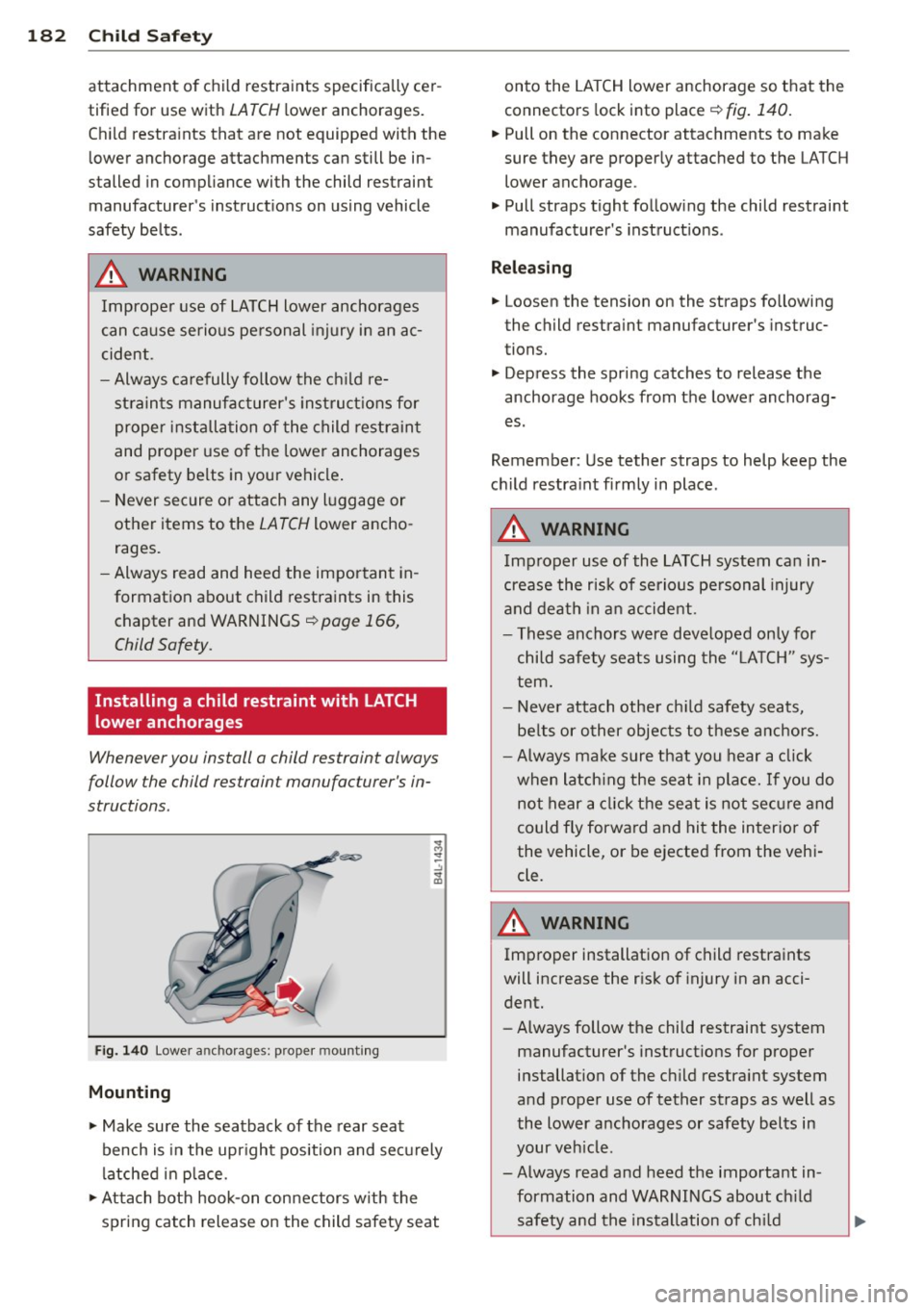
Fig. 14 0 Lower a nch orage s: p roper mou ntin g
Mounting
.. Make sure the seatback of the rear seat
bench is in the upr ight position and se curely
l atched in place.
.. At tach both hook -on con nectors w ith the
spring catch release on the child safety seat onto the LATCH lower anchorage so that the
connectors
lock into place¢
fig. 140 .
.. Pull on the connector attachments to ma ke
sure they are properly attached to the LATCH lower anchorage .
.. Pull straps tight fo llow ing the child restraint
manufacturer's instruct ions .
Releasing
.. Loosen the tension on the straps following
the child restra int manufacturer's instruc
tions.
.. Depress the spri ng catches to release the
anchorage hooks from the lowe r anchorag
es .
Remember: Use tether straps to help keep the
c h ild restra int firm ly in place .
A WARNING
--Improper use of the LATCH system ca n in -
crease the risk of serious pe rsonal injury
a nd dea th in a n accident.
- T hese anchors were deve loped only for
chi ld safety seats using the "LATCH" sys
tem.
- Neve r attach othe r chil d safety seats,
be lts or o ther object s to these ancho rs.
- Always make sur e that you hear a c lick
when latch ing the seat in p la ce. If you do
no t hear a click t he se at i s not se cure and
could fly forwa rd and hit the in ter ior of
the vehicle, or be ejected from the veh i
cle.
A WARNING ~
Improper installat ion of child restra ints
will increase the risk of in jury in an acci
dent.
- Always follow the chi ld restraint system
manufacturer's instruct ions for proper
installation of the c hild restra int system
a nd p roper use of tether straps as well as
the lower a nchorages or safety belts in
your veh icle.
- Always read a nd heed t he importa nt in
formation and WARNINGS about ch ild
safety and the insta llation of ch ild
-
Page 185 of 288
restraint systems c> page 166, Child
Safety.
Tether anchors and tether straps
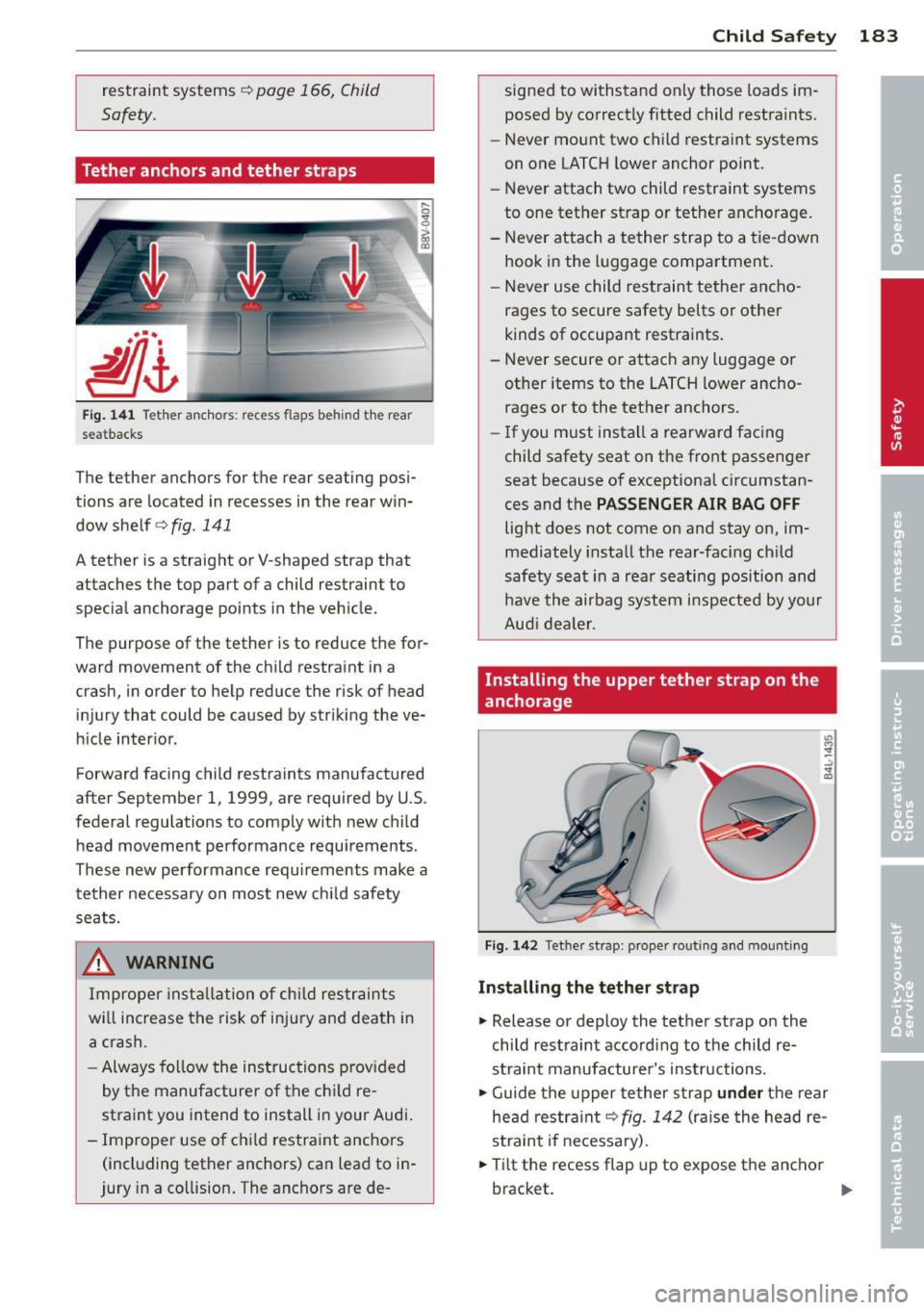
Fig. 14 1 Tether anchors: recess flaps behind th e rear
seatbacks
The tether anchors for the rear seating posi
tions are located in recesses in the rear win
dow shelf
c> fig. 141
A tether is a straight or V-shaped strap that
attaches the top part of a child restraint to
special anchorage points in the vehicle.
The purpose of the tether is to reduce the for
ward movement of the child restraint in a
crash, in order to help reduce the risk of head
injury that could be caused by striking the ve
h icle inter ior .
Forward facing child restraints manufactured
after September 1, 1999, are required by U.S.
federal regulations to comply with new ch ild
head movement performance requirements .
These new performance requirements make a
tether necessary on most new chi ld safety
seats.
A WARNING
Improper insta llation of chi ld res traints
w ill increase the risk of inju ry and death in
a c rash.
- Always follow the instructions p rov ided
by the manufacturer of the chi ld re
straint you intend to install in your Audi.
- Improper use o f ch ild restraint anchors
(incl uding tether anchors) can lead to in
jury in a co llision. The anchors are de-
-
Child S afety 183
signed to withstand only those loads im
posed by correctly fitted child restraints.
- Never mount two child restraint systems
on one LATCH lower anchor point.
- Never attach two child restraint systems
to one tether strap or tether anchorage.
- Never attach a tether strap to a tie -down
hook i n the Luggage compartment .
- Never use child rest raint tether ancho
rages to secure safety belts or other
kinds of occupant restraints .
- Never secure or attach any luggage or
other items to the LATCH lower ancho
rages or to the tether anchors.
- If you must insta ll a rearward facing
child safety seat on the front passenger
seat because of exceptional circumstan
ces and the
PASSENGER AIR BAG OFF
light does not come on and stay on, im
mediately insta ll the rear-fac ing ch ild
safety seat i n a rear seating position and
have the airbag syste m in spected by your
Audi dea le r.
Installing the upper tether strap on the
anchorage
Fi g. 14 2 Tether strap: proper rout ing a nd mount ing
Installing the tether strap
.,.. Release or deploy the tether strap on the
child res traint accord ing to the child re
straint manufacture r's instructions.
.,.. Guide the upper tether s trap
under the rear
head restr aint
c> fig. 142 (ra ise the head re
s tr aint if necessa ry).
... Ti lt the recess flap up to expose the anchor
bracket .
Page 186 of 288
184 Child Saf ety
• Attach the te ther strap anchorage hook into
the ope ning of the tether anchorage .
• Pull on the tether strap hook so that the
spring catch of the hook engages.
• Tighten the tether strap firmly following the
child restra int manufacturer's instruct ions .
Rele asing the tethe r strap
• Loosen the tension following the child re
straint manufacturer's instructions.
• Depress the spring catch on the hook and re
lease it from the anchorage.
({D Note
If you leave the child restraint with the
tether strap firmly installed for several
days, this cou ld leave a mark on the up
holstery on the seat c ushion and backrest
in the area whe re the te ther strap was in
s talled. The upholstery wo uld a lso be per
manently stretched around the tether
s t rap. This applies especially to leather
seats .
Using tether straps on rearward-facing
child restraints
Currently, few rear-facing child restraint sys
tems come with a tether . P lease read and
h eed the child rest raint system manufactur
e r's instructions carefully to determ ine how to
p rope rly insta ll the tethe r.
_& WARNING
A child in a re ar ward-f acing child sa fety
seat insta lled on the front passenger seat
w ill be seriously injured and can be ki lled if
the front ai rbag inflates -even wit h an A d
vanced Airbag System.
- The inflating a irbag wi ll hit the child
sa fety seat or infant carrier wit h great
force and w ill smash the ch ild safety seat
and child against the backrest, center
armrest, or door.
- If you must install a rearward facing
child safety seat on the front passenger
sea t because of exceptional circ umstan
ces and the
PASSENGER AIR BAG OFF
light does not come on and stay on, im
mediately install the rear-fac ing ch ild
safety seat in a rear seating position and have the airbag system inspected by your
Aud i deale r.
Additional Information
Sources of information about child
restraints and their use
There are a number of sources of add itiona l
information about child restra int selection, in
stallation and use:
NHTSA advises that the best chi ld safety seat
is the one that fits your ch ild and f its in your
vehicle, and that yo u will use correct ly and
consistently .
Try before yo u buy!
U.S National Highwa y Traffi c Safety Admin
istration
Tel.: 1 -888-327-4236 (TIY: 1-800-424-9153)
www. n htsa .gov
National SAFE KIDS Campa ign
T el.: (20 2) 66 2-0600
www.safekids.o rg
Safet y BeltSafe U.S .A
T el.: (80 0) 745 -SAFE (English)
T el.: (800) 74 7-SANO (Span is h )
www.carseat.org
Tran sport Canada Information Centre
Tel.: 1-800-333-0371 or ca ll
1 -6 13 -99 8-86 16 if yo u are in the Ottawa a rea
http ://www.tc.gc.ca/eng/roadsafety/
men u.htm
Audi Customer Relation s
Tel.: (800) 82 2-2834
Page 188 of 288
186 Smart T echnol ogy
correctly. ED L will switch on again automati
cally when conditions have returned to nor
mal.
Electroni c inte raxle diff ere ntial lo ck */
s e le ct ive w heel t orqu e cont rol *
The electronic interaxle differential lock (front
wheel drive) or the selective wheel torque
contro l (all wheel drive) operates when driving
through curves. The front whee l on the inside
of the curve or both wheels o n the inside of
the curve are braked selectively as needed .
This minimizes s liding in the front wheels and
a llows for more precise driving through
curves. The app licab le system may not acti
vate when driving in wet or snowy conditions .
Post-collision bra ke ass ist
"Post-collision brake assist" can ass ist the
driver during a collision by reducing the dan
ge r of slipp ing and further co llision and by au
tomatic braking.
"Post-collision brake assist" functions during
front, side and rear collis ions when the a irbag
control module a detects a trigger level and
the co llision takes place at a dr iv ing speed
faster than 6 mph (10 km/h). The braking of
the vehicle happen automatically via the ESC
as long as the ESC, the hydraulic brake sys
tem, and the vehicle electrical system are not
damaged from the coll ision.
The fo llowing activ ities override the automat
ic braking during a collision:
- If the dr iver presses the accelerator peda l.
T here is no a utomatic braking.
- When the force on the press brake pedal is
stronger than the b raking force initiated by
the system . The vehicle is manually braked .
- When the ESC is damaged and the "post
collision brake assist" is not availab le.
A WARNING
- The ESC, ABS, ASR, EDL, electron ic inter
axle d ifferential lock or select ive wheel
torque control cannot overcome the laws
of physics. This is espec ially important
on sl ippery o r wet roads.
If the systems
begin acting to stabili ze your veh icle, you
should immediately alter your speed to
match the road and traffic conditions . Do
not let the increased safety prov ided
tempt you into tak ing risks. This could
increase your risk of a collision.
- Please note the risk of a collision increas
es when driving fast, especially through
curves and on slippery or wet roads, and
when dr iv ing too close to objects ahead .
ESC, ABS, the brake assist system, EDL,
electronic interaxle differentia l lock or
selective whee l to rque control cannot
p revent coll is ions.
- Press the acce lerator pedal carefully
when acce le rat ing o n even, slippe ry sur
f a ces such as ice and snow. The drive
wheels can spin even when these control
systems are installed and this can affect
driving stability and increase the risk of a
col lision.
(D Tips
- ABS and ASR only function correc tly
when all four wheels are eq uipped w ith
identical tires. Different t ire sizes can
lead to a reduction in engine power.
- Yo u may hear noises when the systems
described are working .
- If the
DJ or m] (USA models) !II] (Cana
da mode ls) indicator light appears, there
may be a malfunction
¢ page 22.