ISUZU TROOPER 1995 Workshop Manual
Manufacturer: ISUZU, Model Year: 1995, Model line: TROOPER, Model: ISUZU TROOPER 1995Pages: 1928
Page 901 of 1928
AUTOMATIC TRANSMISSION (4L30·E) 7 A-29
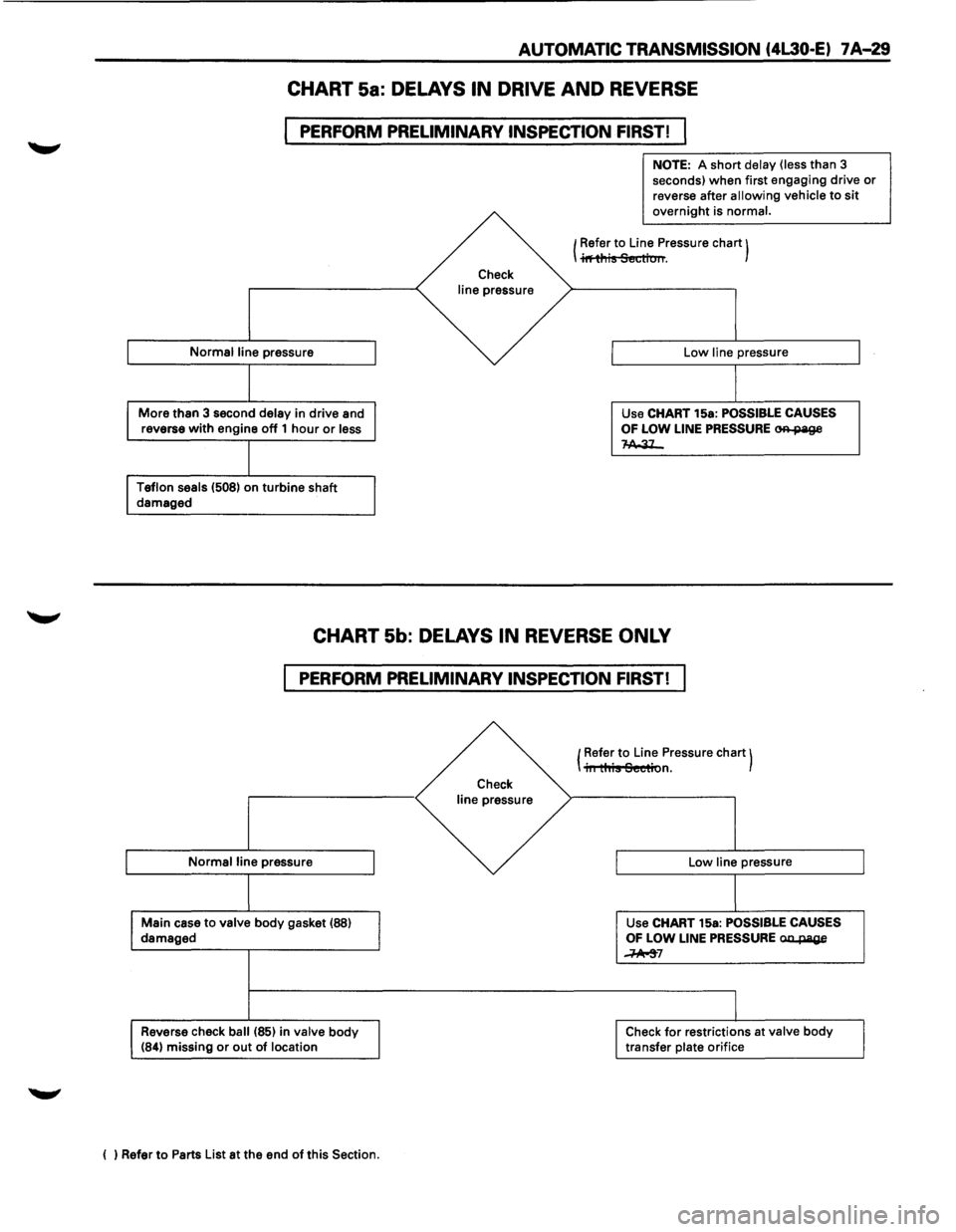
CHART 5a: DELAYS IN DRIVE AND REVERSE
PERFORM PRELIMINARY INSPECTION FIRST! I
Normal line pressure
More than 3 second delay in drive and
reverse with engine off 1 hour or less
Teflon seals (508) on turbine shaft damaged
Check
line pressure
NOTE: A short delay (less than 3
seconds) when first engaging drive or
reverse after allowing vehicle to sit overnight is normal.
1 Refer to Line Pressure chart) I il'fti'1is Section.
Low line pressure
Use CHART 15a:
POSSIBLE CAUSES
OF
LOW LINE PRESSURE OR-page 1-A,.31_
CHART 5b: DELAYS IN REVERSE ONLY
PERFORM PRELIMINARY INSPECTION FIRST!
Normal line pressure
Main case to valve body gasket (88) damaged
Reverse check ball (85) in valve body (84) missing or out of location
( ) Refer to Parts List at the end of this Section.
Check
line pressure (
Refer
to Line
Pressure chart) iii this Section.
Low line pressure
Use CHART 15a:
POSSIBLE CAUSES OF LOW LINE PRESSURE aa..page
~7
Check for restrictions at valve body transfer plate orifice
Page 902 of 1928
7 A-30 AUTOMATIC TRANSMISSION (4L30-E)
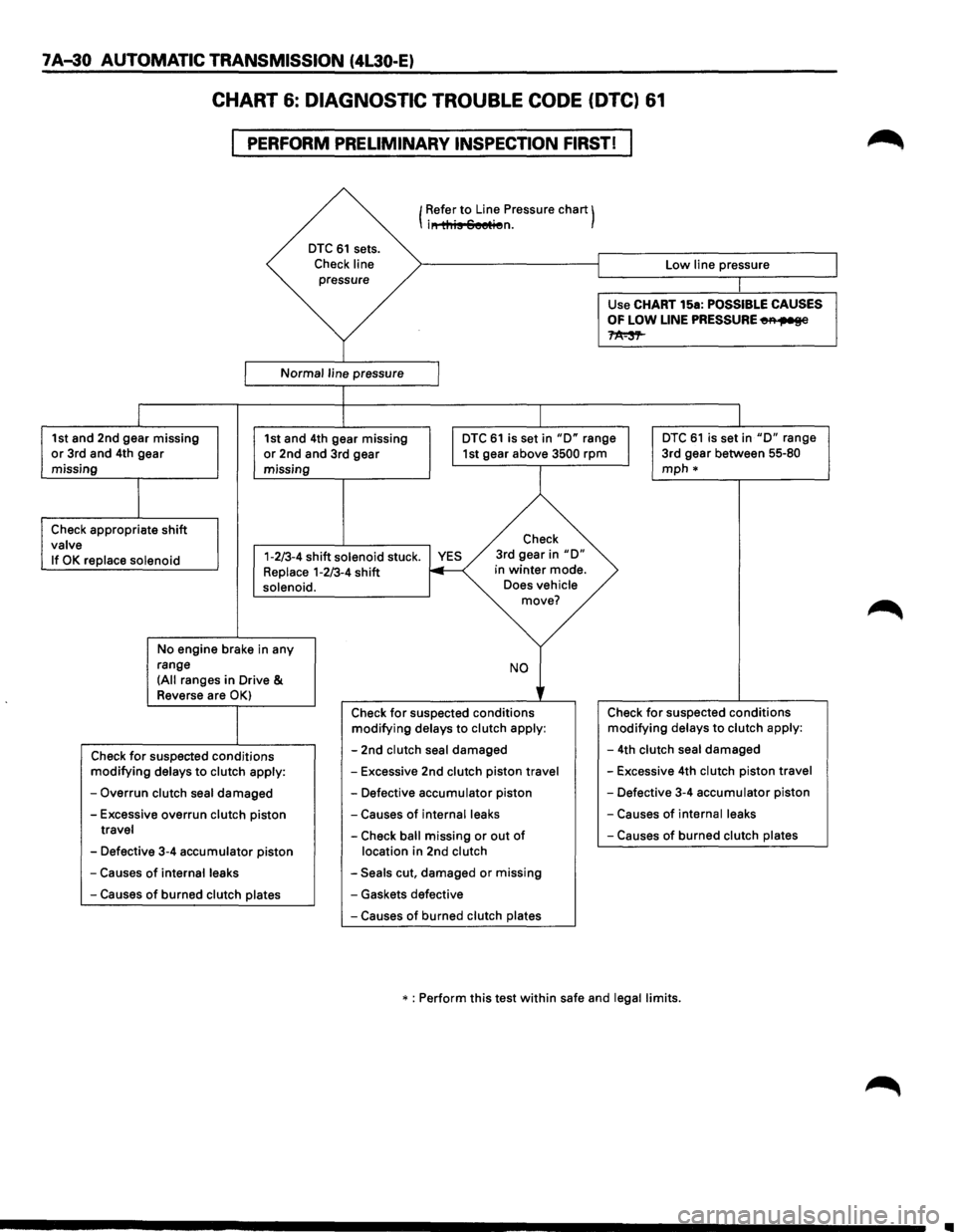
CHART 6: DIAGNOSTIC TROUBLE CODE (DTC) 61
PERFORM PRELIMINARY INSPECTION FIRST!
I
I
DTC 61 sets.
Check line pressure
Normal line pressure
1 Refer to Line Pressure chart) i" this Seetien.
J
Low line pressure
Use
CHART 15a: POSSIBLE CAUSES
OF LOW LINE PRESSURE~
~
1st and 2nd gear missing or 3rd and 4th gear
missing 1st
and 4th gear missing or 2nd and 3rd gear
missing I
DTC 61 is set in "D" range I 1st gear above 3500 rpm
DTC 61 is set in "D" range
3rd gear between 55-80
mph*
I
Check appropriate shift valve Check
If
OK replace solenoid 1-2/3-4 shift solenoid stuck. YES Replace 1-2/3-4 shift 3rd
gear in
"D" in winter mode.
solenoid.
No engine brake in any
range
(All ranges in Drive &
Reverse are OK)
Check for suspected conditions modifying delays to clutch apply:
-Overrun clutch seal damaged
-Excessive overrun clutch piston travel
-Defective 3-4 accumulator piston
-Causes of internal leaks
-Causes of burned clutch plates
Does vehicle move?
NO
' Check for suspected conditions modifying delays to clutch apply:
-2nd clutch seal damaged
-Excessive 2nd clutch piston travel
-Defective accumulator piston
-Causes of internal leaks
-Check ball missing or out of
location in 2nd clutch
-Seals cut, damaged or missing
- Gaskets defective
-Causes of burned clutch plates Check
for suspected
conditions modifying delays to clutch apply:
-4th clutch seal damaged
-Excessive 4th clutch piston travel
-Defective 3-4 accumulator piston
-Causes of internal leaks
-Causes of burned clutch plates
* : Perform this test within safe and legal limits.
..
Page 903 of 1928
AUTOMATIC TRANSMISSION (4l30-E) 7 A-31
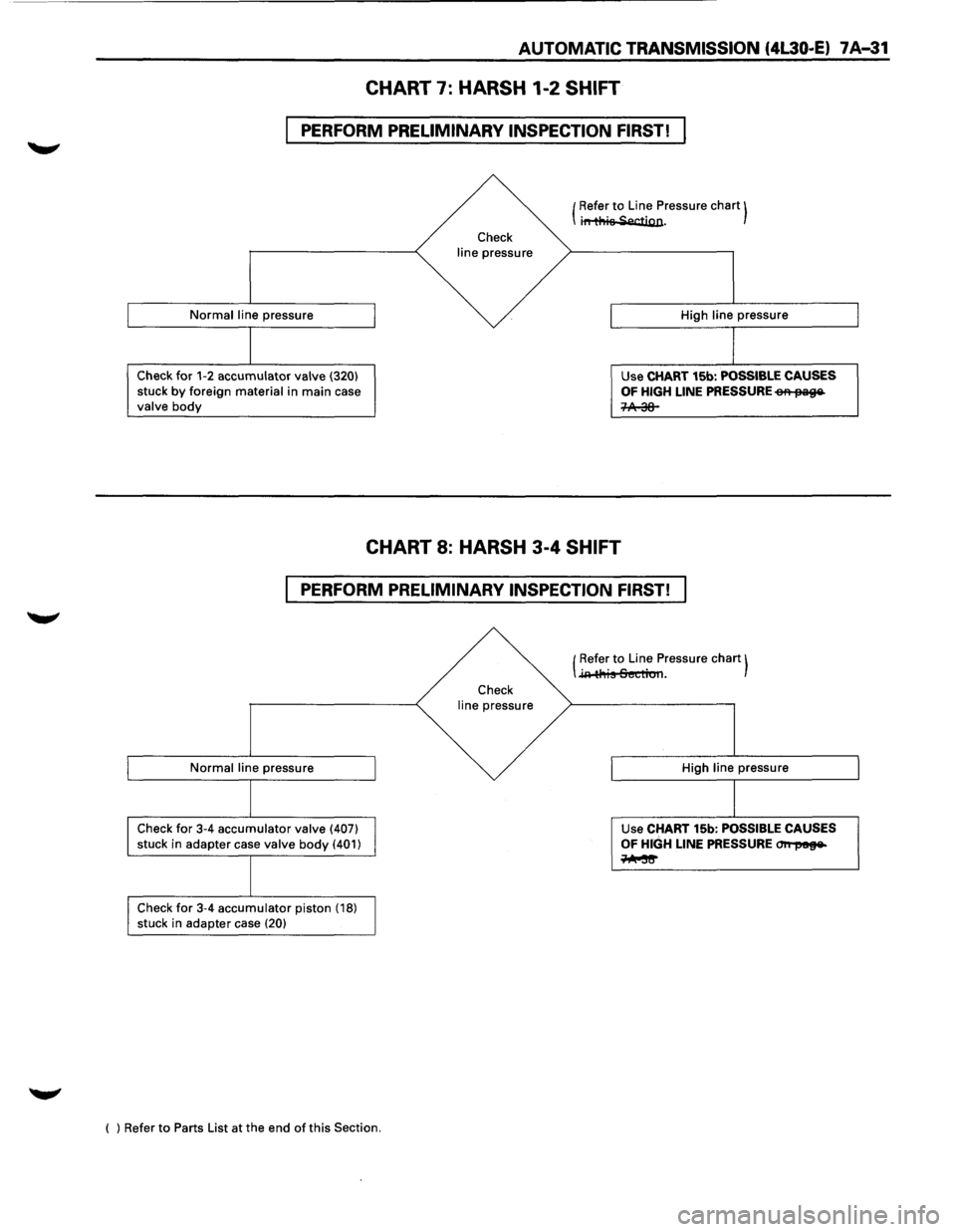
CHART 7: HARSH 1-2 SHIFT
PERFORM PRELIMINARY INSPECTION FIRST!
Normal line pressure
Check for 1-2 accumulator valve (320)
stuck by foreign material in main case valve body
Check line pressure (
Refer
to Line
Pressure chart) i" this Sectjgp.
High line pressure
Use
CHART 15b: POSSIBLE CAUSES
OF HIGH LINE PRESSURE eA 13119&.
~
CHART 8: HARSH 3-4 SHIFT
PERFORM PRELIMINARY INSPECTION FIRST!
Normal line pressure
Check for 3-4 accumulator valve (407) stuck in adapter case valve body (401)
Check for 3-4 accumulator piston (18)
stuck in adapter case (20)
( ) Refer to Parts List at the end of this Section.
line pressure (
Refer
to Line
Pressure chart) ..i.Ro tl,is Sectiou.
High line pressure
Use
CHART 15b: POSSIBLE CAUSES OF HIGH LINE PRESSURE on 1'88&
~
Page 904 of 1928
7 A-32 AUTOMATIC TRANSMISSION (4L30-E)
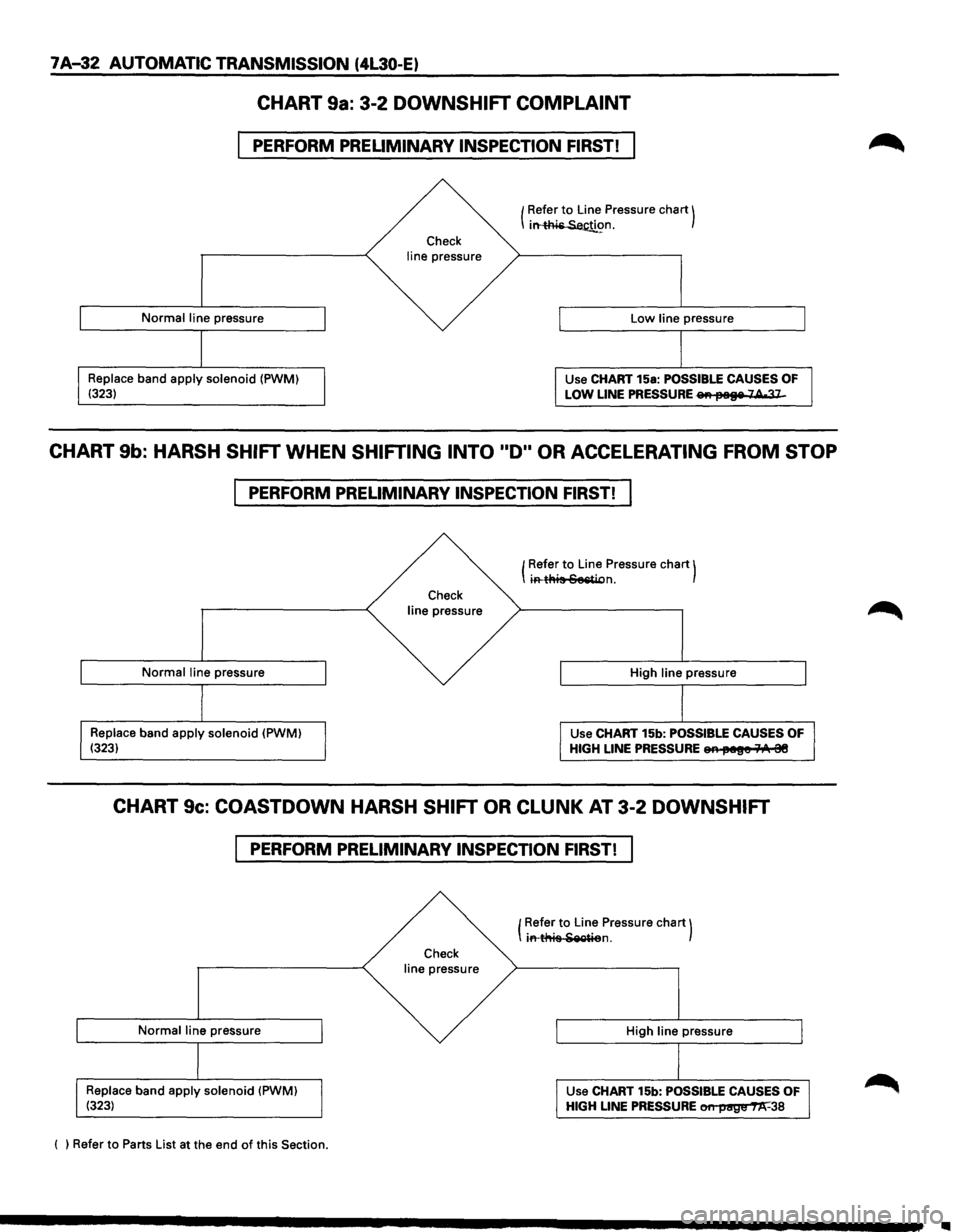
CHART 9a: 3-2 DOWNSHIFT COMPLAINT
PERFORM PRELIMINARY INSPECTION FIRST!
Normal line pressure
Replace band apply solenoid (PWM)
(323)
Check line pressure
( ~efe~ to Lin_e Pressure chart)
·~!!.~n.
Low line pressure
Use
CHART 15a: POSSIBLE CAUSES OF LOW LINE PRESSURE EMil paae 74-37
CHART 9b: HARSH SHIFT WHEN SHIFTING INTO non OR ACCELERATING FROM STOP
PERFORM PRELIMINARY INSPECTION FIRST!
Normal line pressure
Replace band apply solenoid (PWM)
(323)
Check
line pressure (
Refer
to Line
Pressure chart) ifl.tAis Se&ti.cn.
High line pressure
Use
CHART 15b: POSSIBLE CAUSES OF
HIGH LINE PRESSURE eA Pille 1A 98
CHART 9c: COASTDOWN HARSH SHIFT OR CLUNK AT 3-2 DOWNSHIFT
PERFORM PRELIMINARY INSPECTION FIRST!
Normal line pressure
Replace band apply solenoid (PWM)
(323)
( ) Refer to Parts List at the end of this Section.
Check
line pressure (
Refer
to Line Pressure
chart) itt-thi& Seg~ian.
High line pressure
Use
CHART 15b: POSSIBLE CAUSES OF
HIGH LINE PRESSURE 011 page m:38
Page 905 of 1928
AUTOMATIC TRANSMISSION (4L30·E) 7 A-33
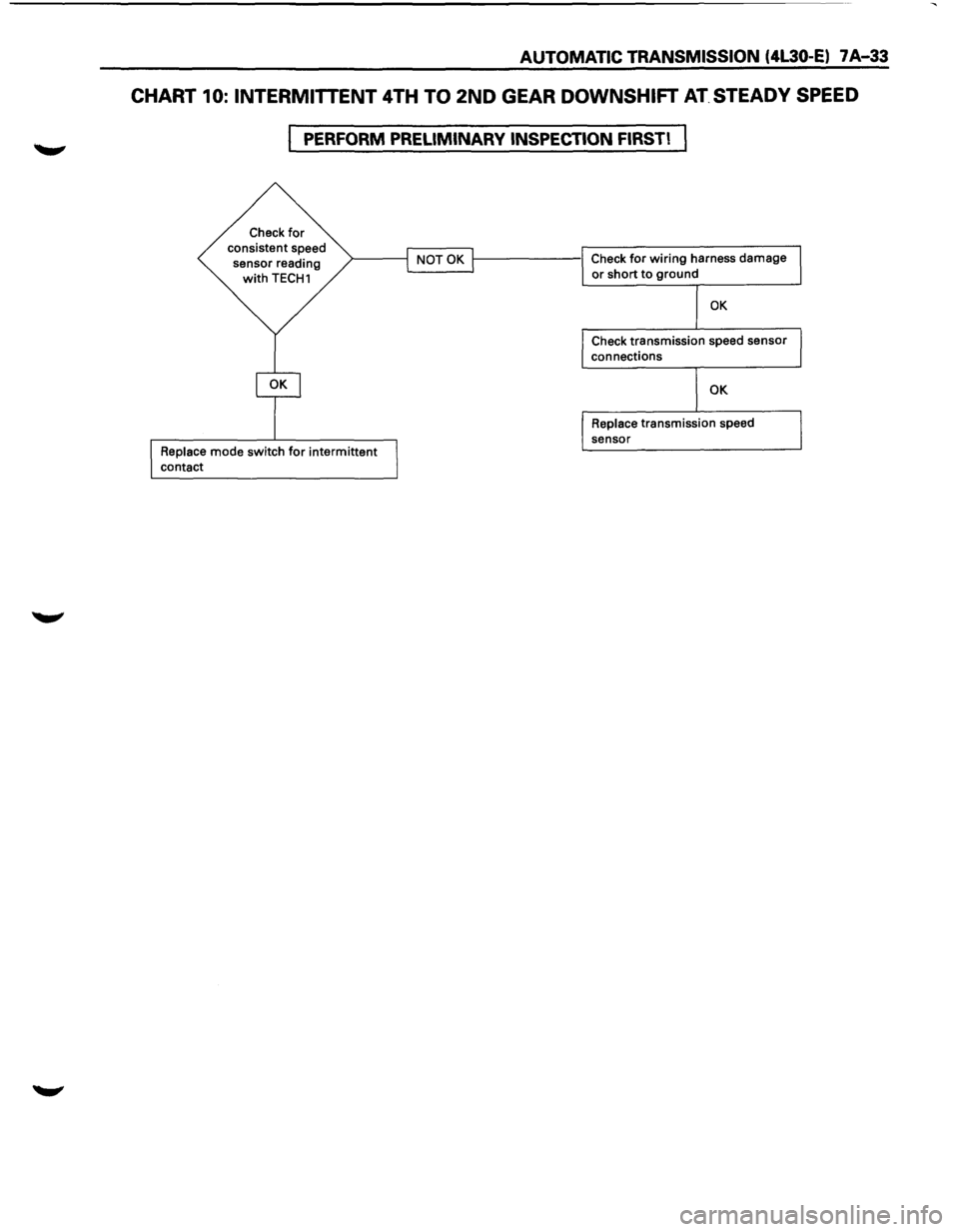
CHART 10: INTERMITTENT 4TH TO 2ND GEAR DOWNSHIFT AT. STEADY SPEED
PERFORM PRELIMINARY INSPECTION FIRST!
Check for consistent speed
sensor reading
with TECH1
Replace mode switch for intermittent
contact
1-------1 Check for wiring harness damage L...------1 or short to ground
OK
Check transmission speed sensor
connections
OK
Replace transmission speed
sensor
Page 906 of 1928
7 A-34 AUTOMATIC TRANSMISSION (4L30-E)
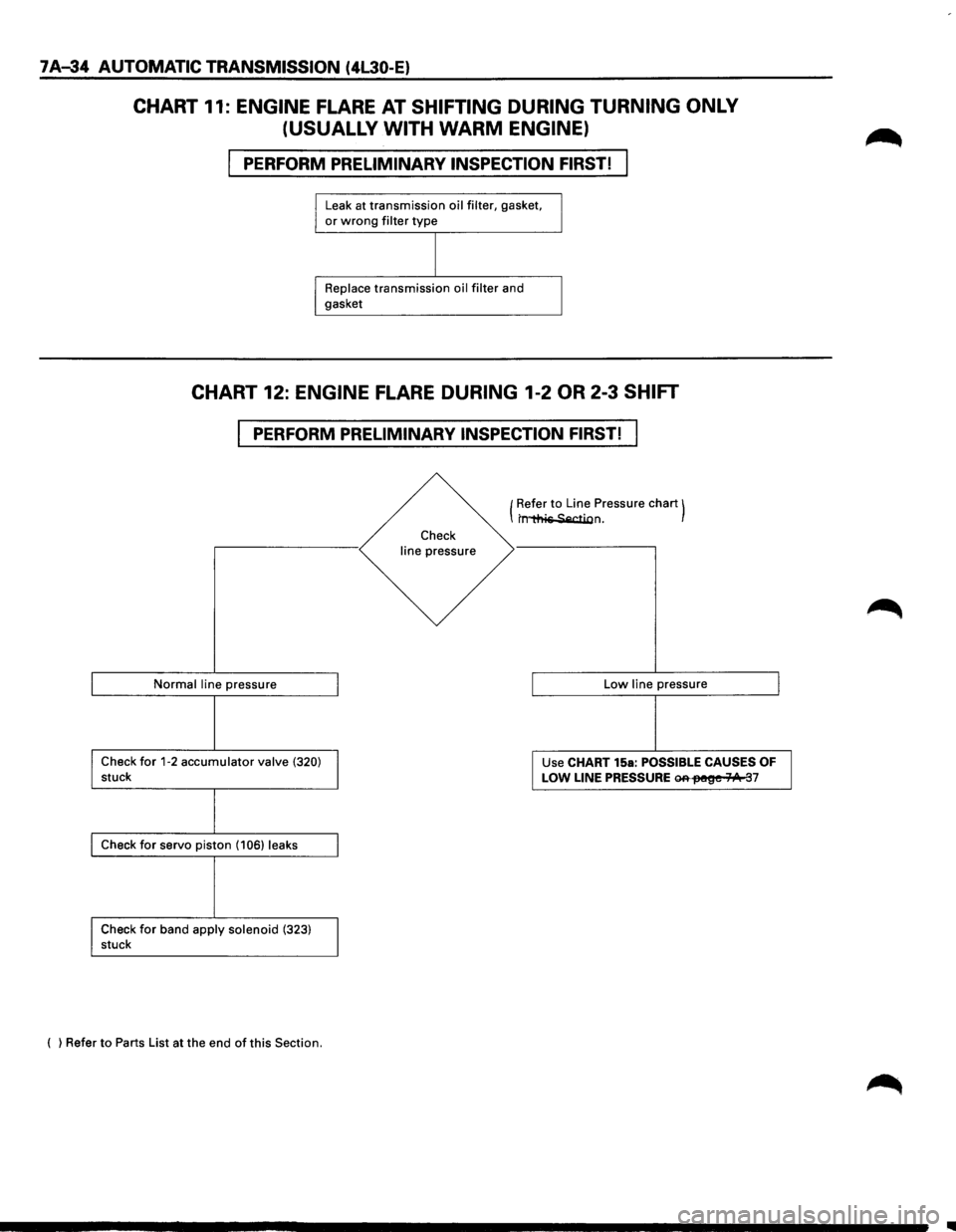
CHART 11: ENGINE FLARE AT SHIFTING DURING TURNING ONLY
(USUALLY WITH
WARM ENGINE)
PERFORM PRELIMINARY INSPECTION FIRST!
Leak at transmission oil filter, gasket, or wrong filter type
Replace transmission oil filter and
gasket
CHART 12: ENGINE FLARE DURING 1-2 OR 2-3 SHIFT
PERFORM PRELIMINARY INSPECTION FIRST!
Normal line pressure
Check for 1-2 accumulator valve (320) stuck
Check for servo piston (106) leaks
Check
for band apply solenoid (323) stuck
( ) Refer
to Parts List at the end of this Section.
Check
line pressure (
Refer
to Line
Pressure chart) t~n.
Low line pressure
Use CHART 15a:
POSSIBLE CAUSES OF
LOW LINE PRESSURE ~fM!~e 71/1t 37
..
Page 907 of 1928
AUTOMATIC TRANSMISSION (4L30-E) 7 A-35
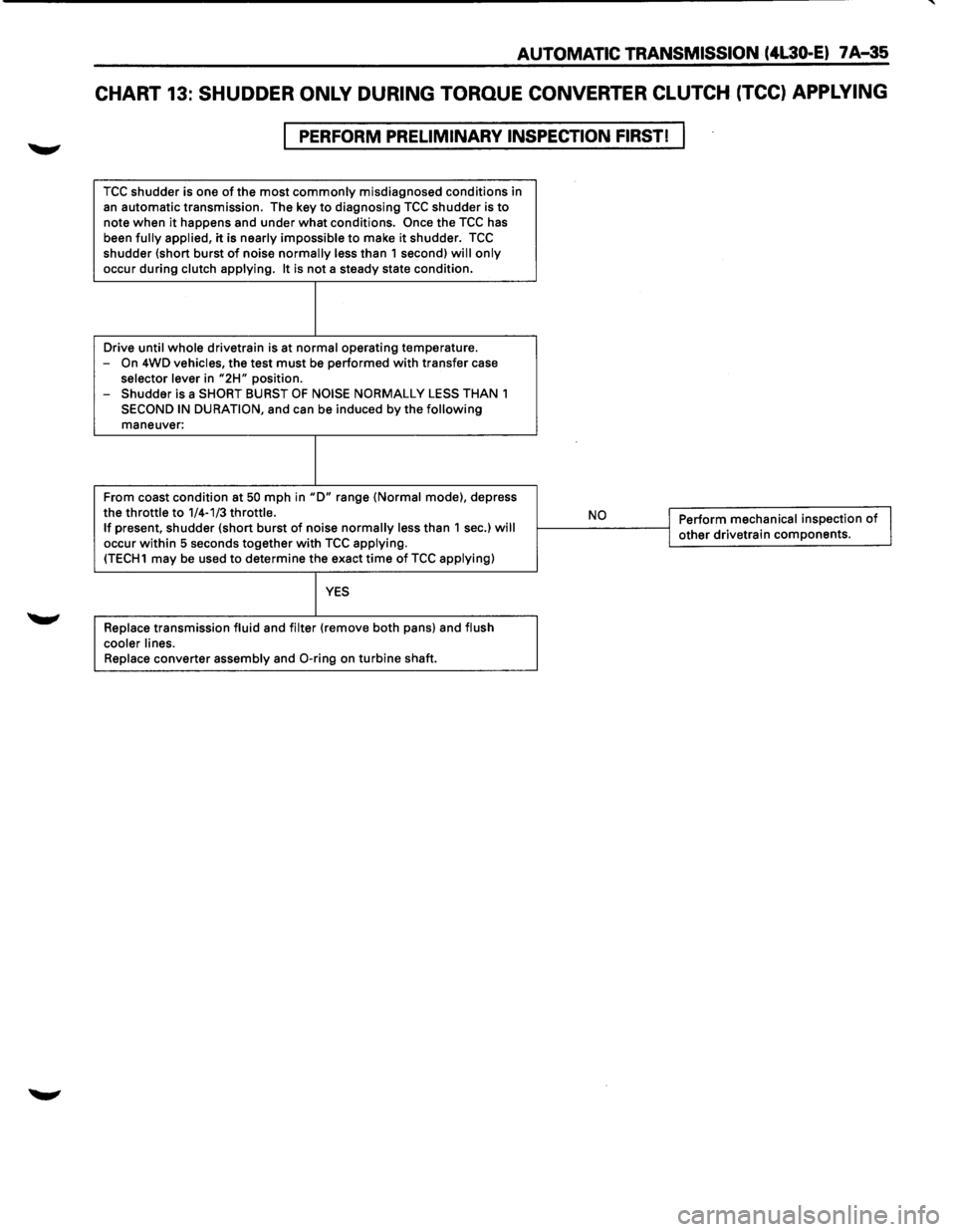
CHART 13: SHUDDER ONLY DURING TORQUE CONVERTER CLUTCH (TCC) APPLYING
PERFORM PRELIMINARY INSPECTION FIRST!
TCC shudder is one of the most commonly misdiagnosed conditions in
an automatic transmission. The key to diagnosing TCC shudder is to note when it happens and under what conditions. Once the TCC has
been fully applied, it is nearly impossible to make it shudder. TCC shudder {short burst of noise normally less than 1 second) will only
occur during clutch applying. It is not a steady state condition.
Drive
until whole drivetrain is at normal operating temperature.
-On 4WD vehicles, the test must be performed with transfer case selector lever in "2H" position.
- Shudder is a SHORT BURST OF NOISE NORMALLY LESS THAN 1
SECOND IN DURATION, and can be induced by the following maneuver:
From coast condition at
50 mph in "D" range {Normal mode), depress
the throttle to 1/4-1/3 throttle. If present, shudder {short burst of noise normally less than 1 sec.) will occur within 5 seconds together with TCC applying. {TECH1 may be used to determine the exact time of TCC applying)
YES
Replace transmission fluid and filter {remove both pans) and flush
cooler lines.
Replace
converter assembly and 0-ring on turbine shaft.
,__ __ N_o ___ ---<1 Perform mechanical inspection of I j other drivetrain components.
Page 908 of 1928
7 A-36 AUTOMATIC TRANSMISSION (4L30-E)
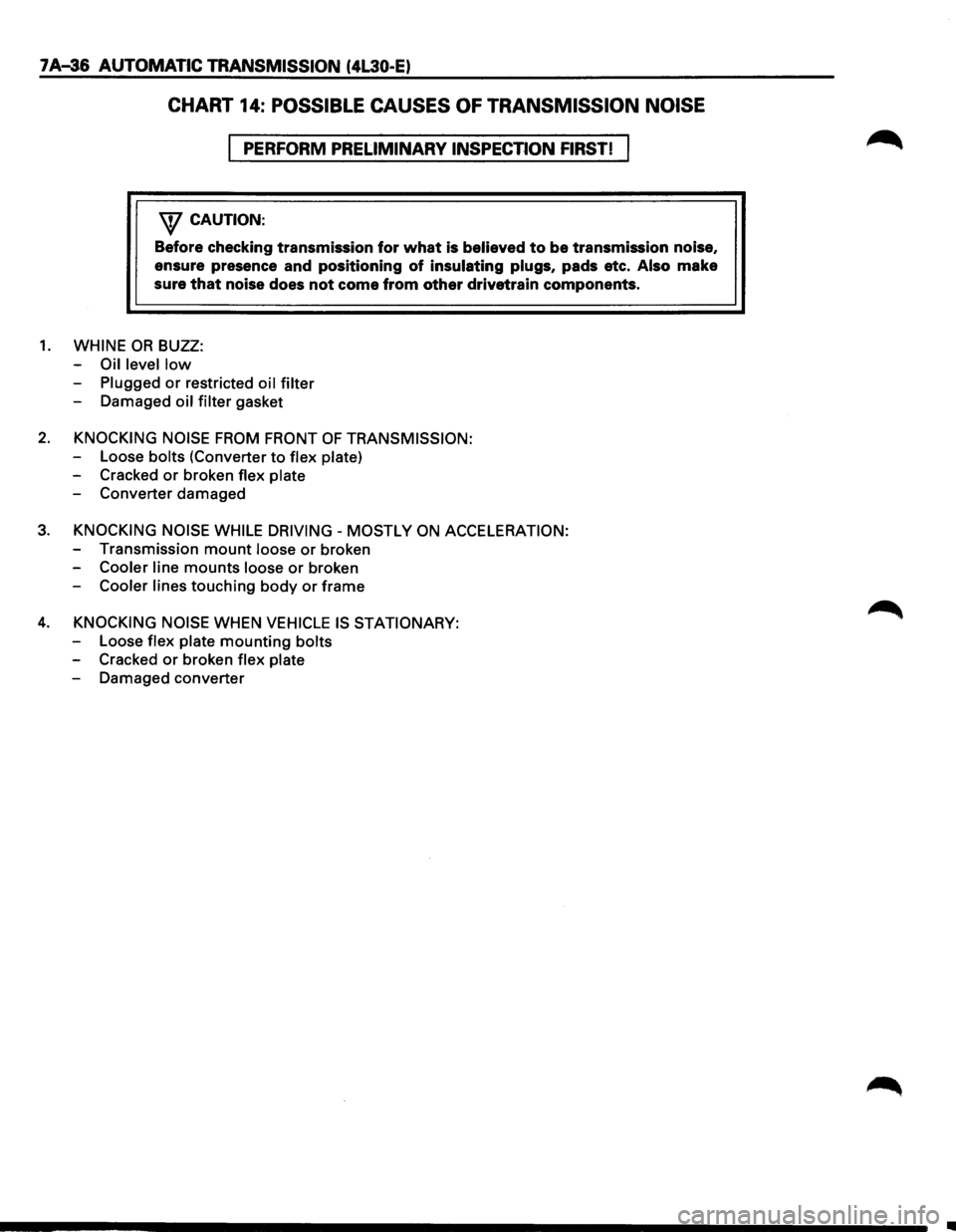
CHART 14: POSSIBLE CAUSES OF TRANSMISSION NOISE
PERFORM PRELIMINARY INSPECTION FIRST!
'\f CAUTION:
Before checking transmission for what is believed to be transmission noise,
ensure presence and
positioning of insulating plugs, pads etc. Also make
sure
that noise does not come from other drivetrain components.
1. WHINE OR BUZZ:
-
Oil level low
-Plugged or restricted oil filter
- Damaged oil filter gasket
2. KNOCKING NOISE FROM FRONT OF TRANSMISSION:
-Loose bolts (Converter to flex plate)
- Cracked or broken flex plate
-Converterdamaged
3. KNOCKING NOISE WHILE DRIVING- MOSTLY ON ACCELERATION:
-Transmission mount loose or broken
-
Cooler line mounts loose or broken
-
Cooler lines touching body or frame
4. KNOCKING NOISE WHEN VEHICLE IS STATIONARY:
-Loose flex plate mounting bolts
-Cracked or broken flex plate
-Damaged converter
II
Page 909 of 1928
w CJ s: a: w Cl)
w ..... CJ :E w > I z 0
AUTOMATIC TRANSMISSION (4L30..E) 7 A-37
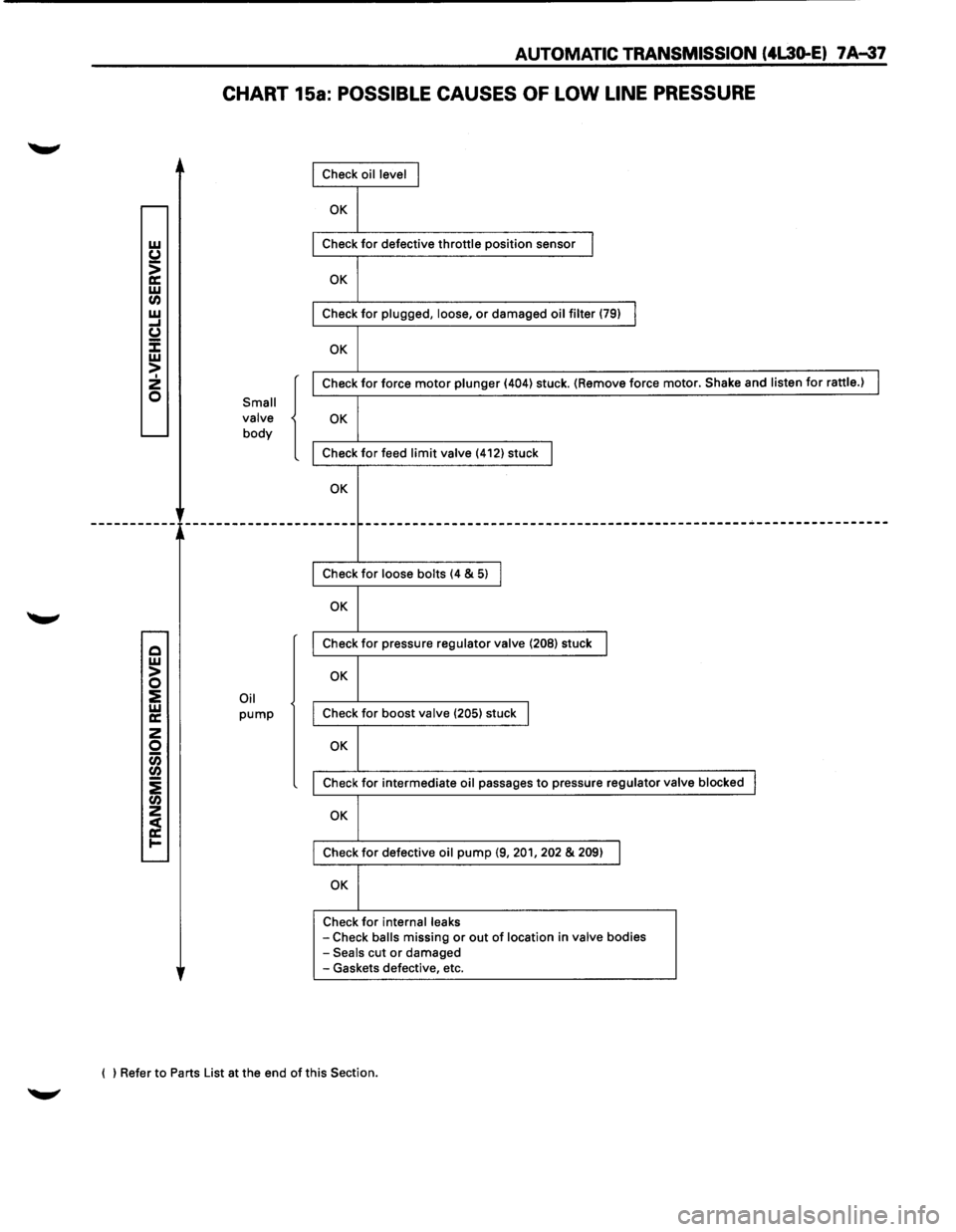
CHART 15a: POSSIBLE CAUSES OF LOW LINE PRESSURE
Small
valve
body
Oil pump
{
Check oil level I
OK
Check for defective throttle position sensor I
OK
Check for plugged, loose, or damaged oil filter (79) I
OK
Check for force motor plunger (404) stuck. (Remove force motor. Shake and listen for rattle.) I
OK
Check for feed limit valve (412) stuck I
OK
------------------------------------------------------------------------
Check for loose bolts (4 & 5) I
OK
Check for pressure regulator valve (208) stuck I
OK
Check for boost valve (205) stuck I
OK
Check for intermediate oil passages to pressure regulator valve blocked I
OK
Check for defective oil pump (9, 201, 202 & 209) I
OK
Check for internal leaks -Check balls missing or out of location in valve bodies -Seals cut or damaged
-Gaskets defective, etc.
( ) Refer to Parts List at the end
of this Section.
Page 910 of 1928
7 A-38 AUTOMATIC TRANSMISSION (4L30-E)
w (J
> a: w (I) w .... u :E w > I 2 0
Q w > 0 ::E w a:
2 0 CiS (I)
i (I) 2
~ .....
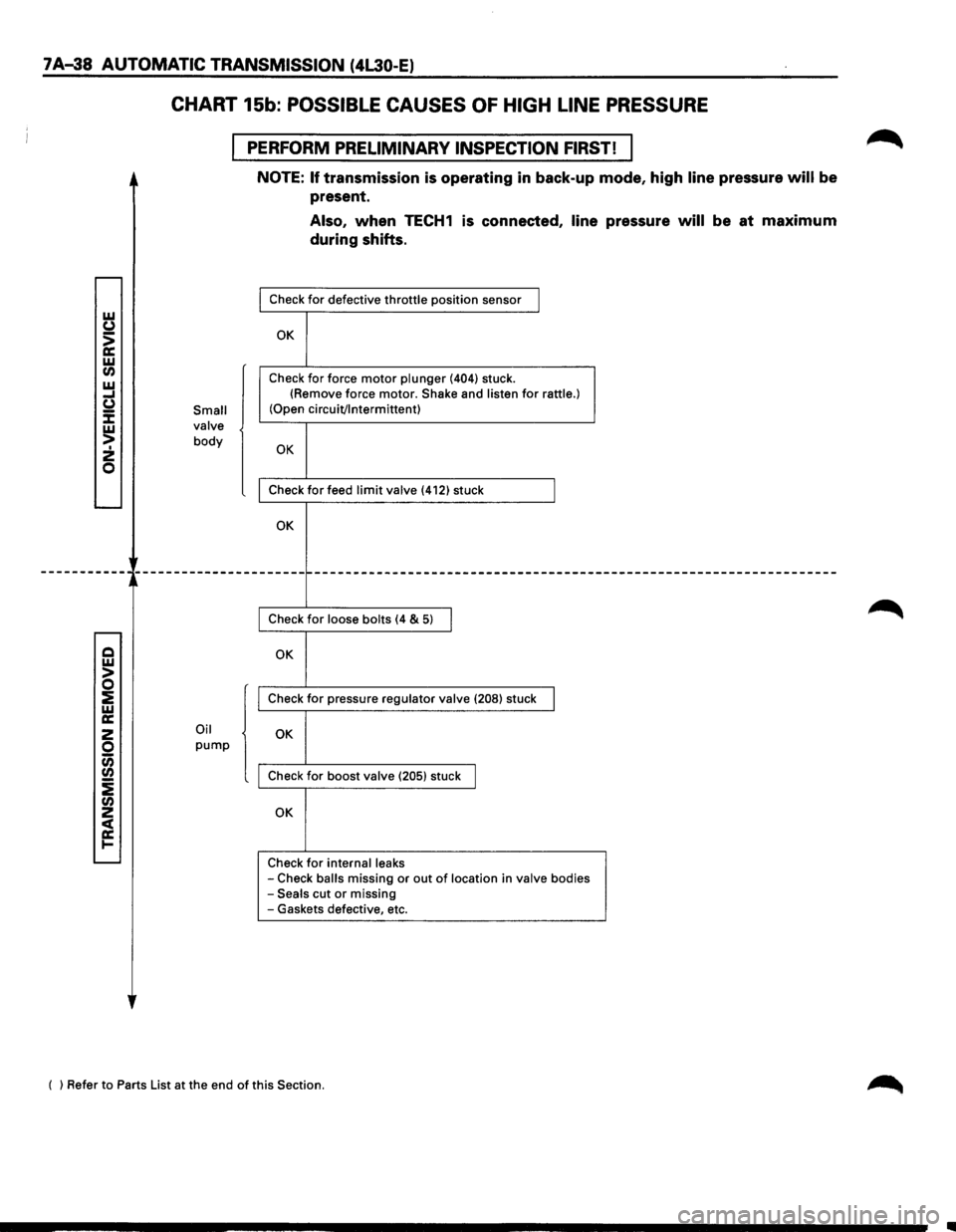
CHART 15b: POSSIBLE CAUSES OF HIGH LINE PRESSURE
PERFORM PRELIMINARY INSPECTION FIRST! I
Small
valve
body
Oil
pump
NOTE: If transmission is operating in back-up mode, high line pressure will be
present.
Also, when TECH1 is connected, line pressure will be at maximum
during shifts.
Check for defective throttle position sensor I
OK
Check for force motor plunger (404) stuck.
(Remove force motor. Shake and listen for rattle.) (Open circuit/Intermittent)
OK
Check for feed limit valve (412) stuck I
OK
--------------------------------------------
Check for loose bolts (4 & 5) I
OK
Check for pressure regulator valve (208) stuck I
OK
Check for boost valve (205) stuck I
OK
Check for internal leaks
-Check balls missing or out of location in valve bodies -Seals cut or missing
-Gaskets defective, etc.
( ) Refer to Parts List at the end
of this Section.